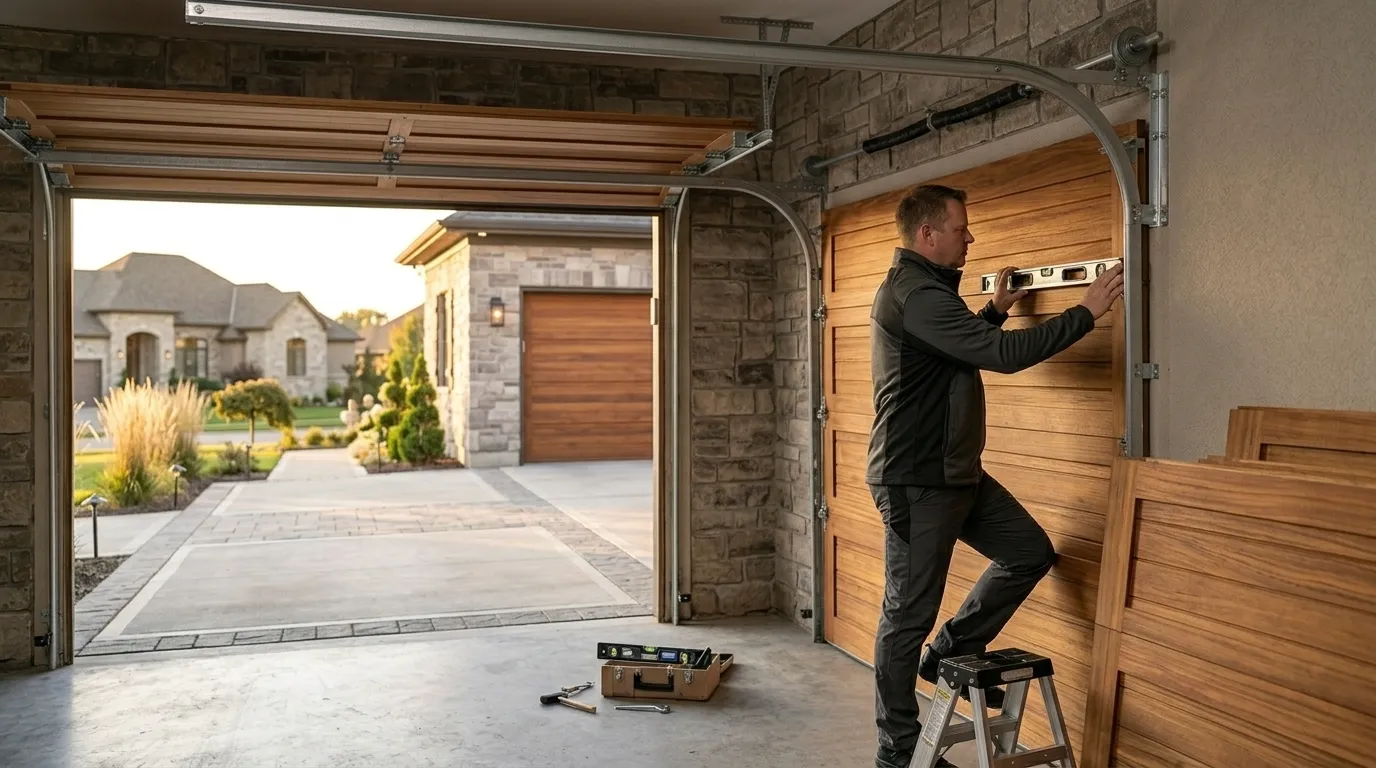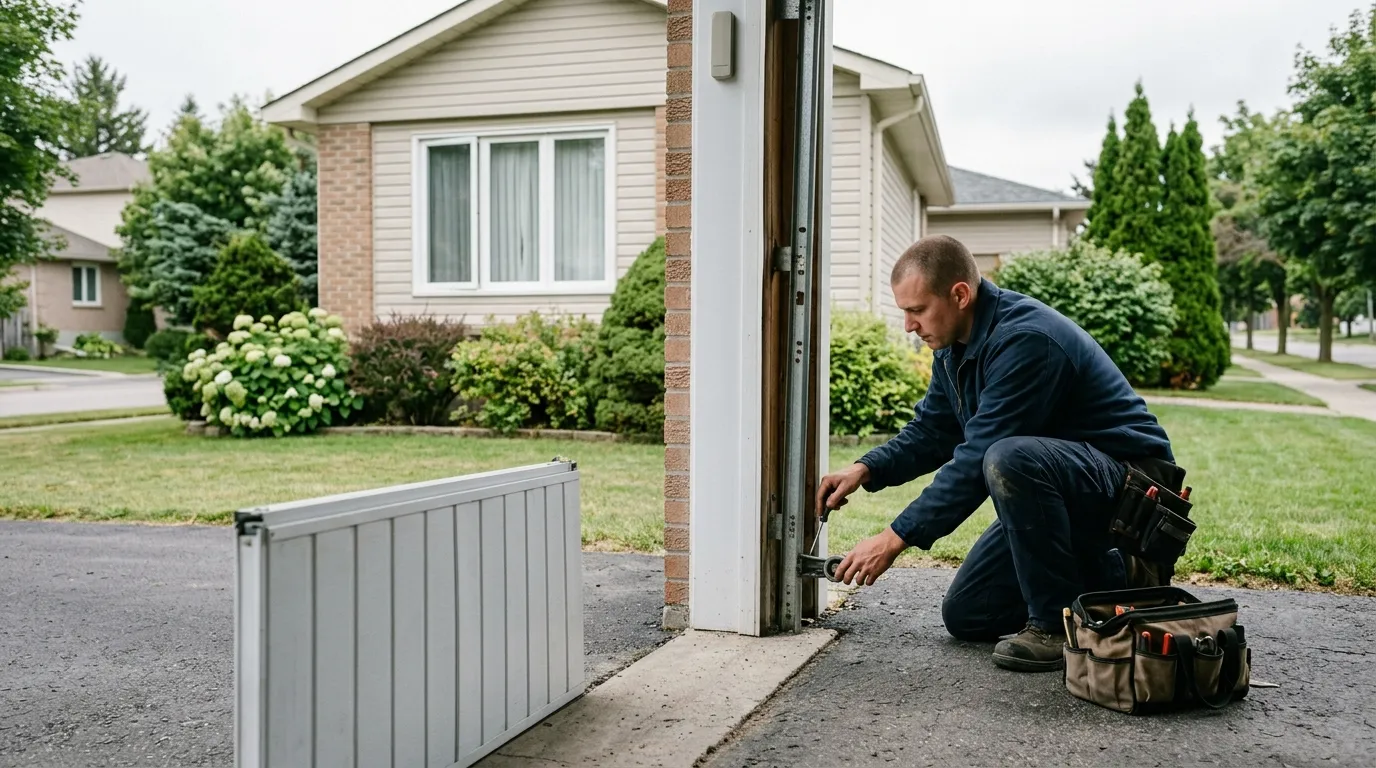
What Was Built Here
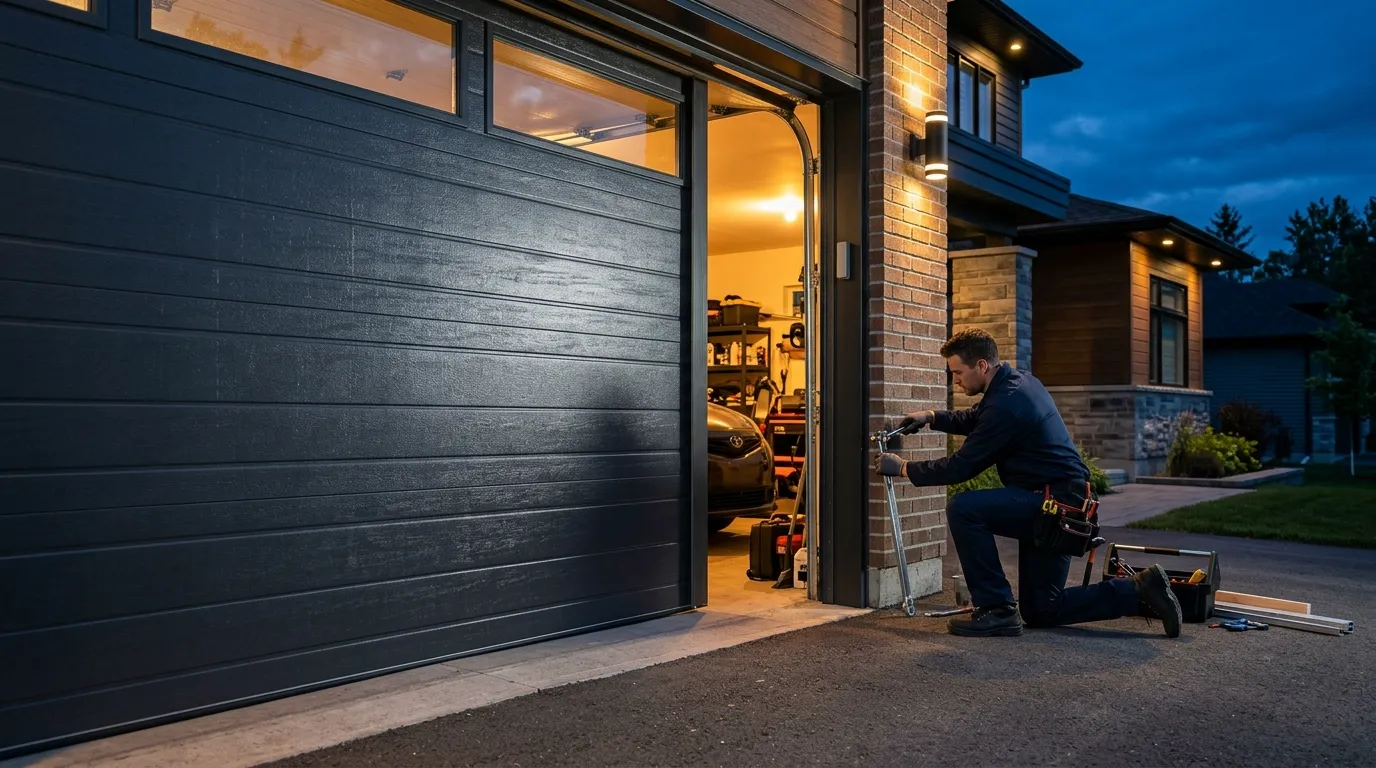
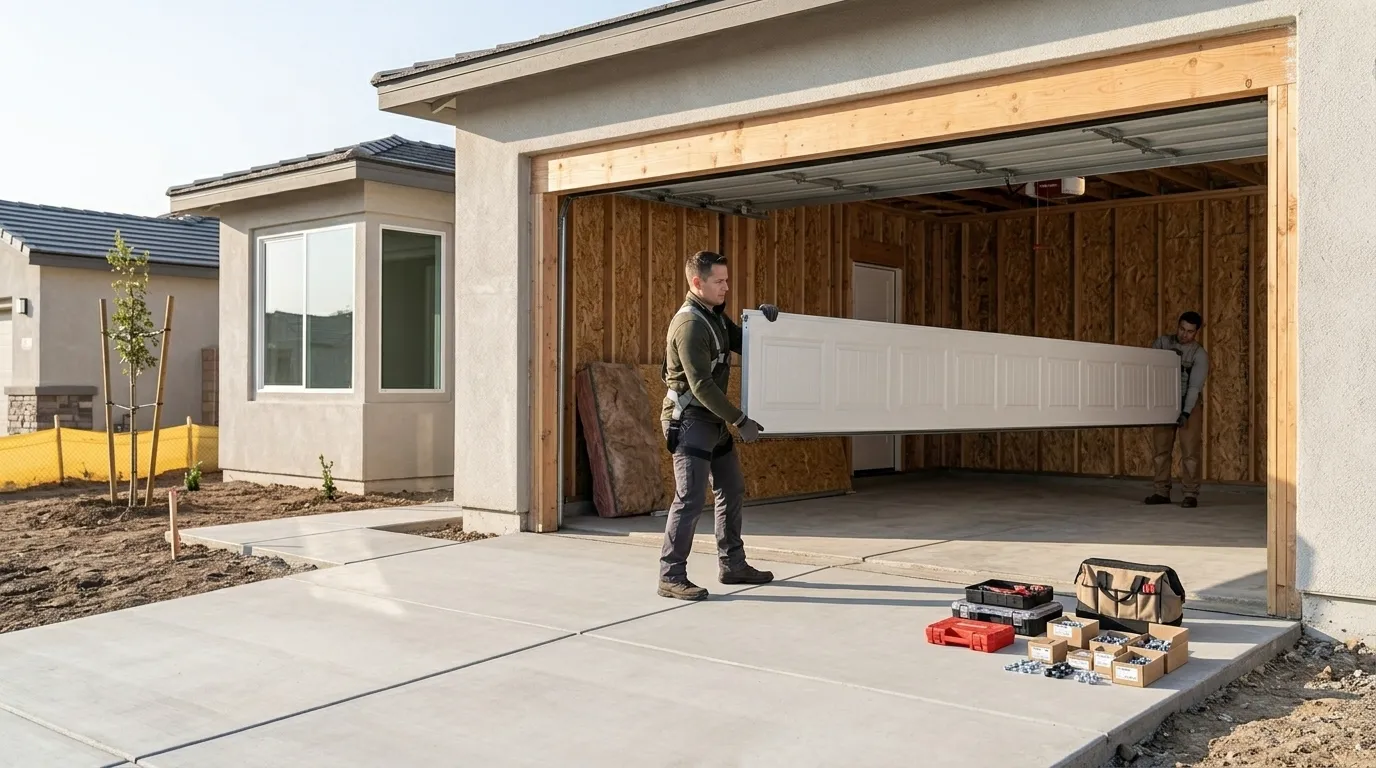
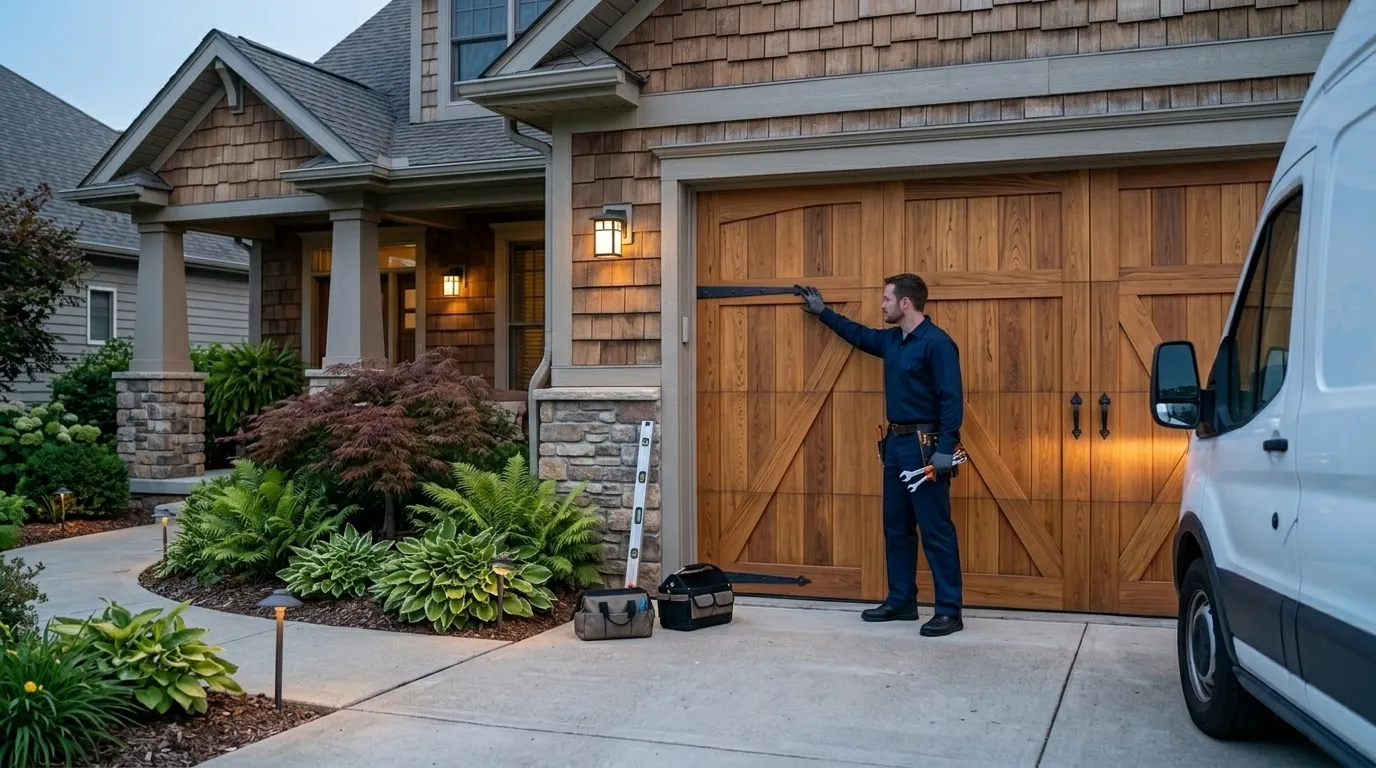
Murphy's housing stock is younger than most of the areas we cover out of Dallas. The median year built here is 2005, which puts the bulk of these houses well past the torsion-spring-and-steel-panel transition that older Dallas-area neighborhoods went through decades ago. Compare that to the broader service area, where the median build year sits around 1993 across a mix of 1980s and 90s stock in 17 named areas. Murphy skews newer than almost all of that. What this means on the ground: fewer wood-panel doors, fewer old extension-spring setups bolted to the header, and a lot more factory-installed torsion systems with sealed bearings. The 5,907 households here are mostly living with garage doors and openers that were installed to a later building code than what we see closer to Dallas proper. That's not a small detail. It changes what breaks, when it breaks, and what we bring on the truck when we get the call.
Older vs Newer Streets
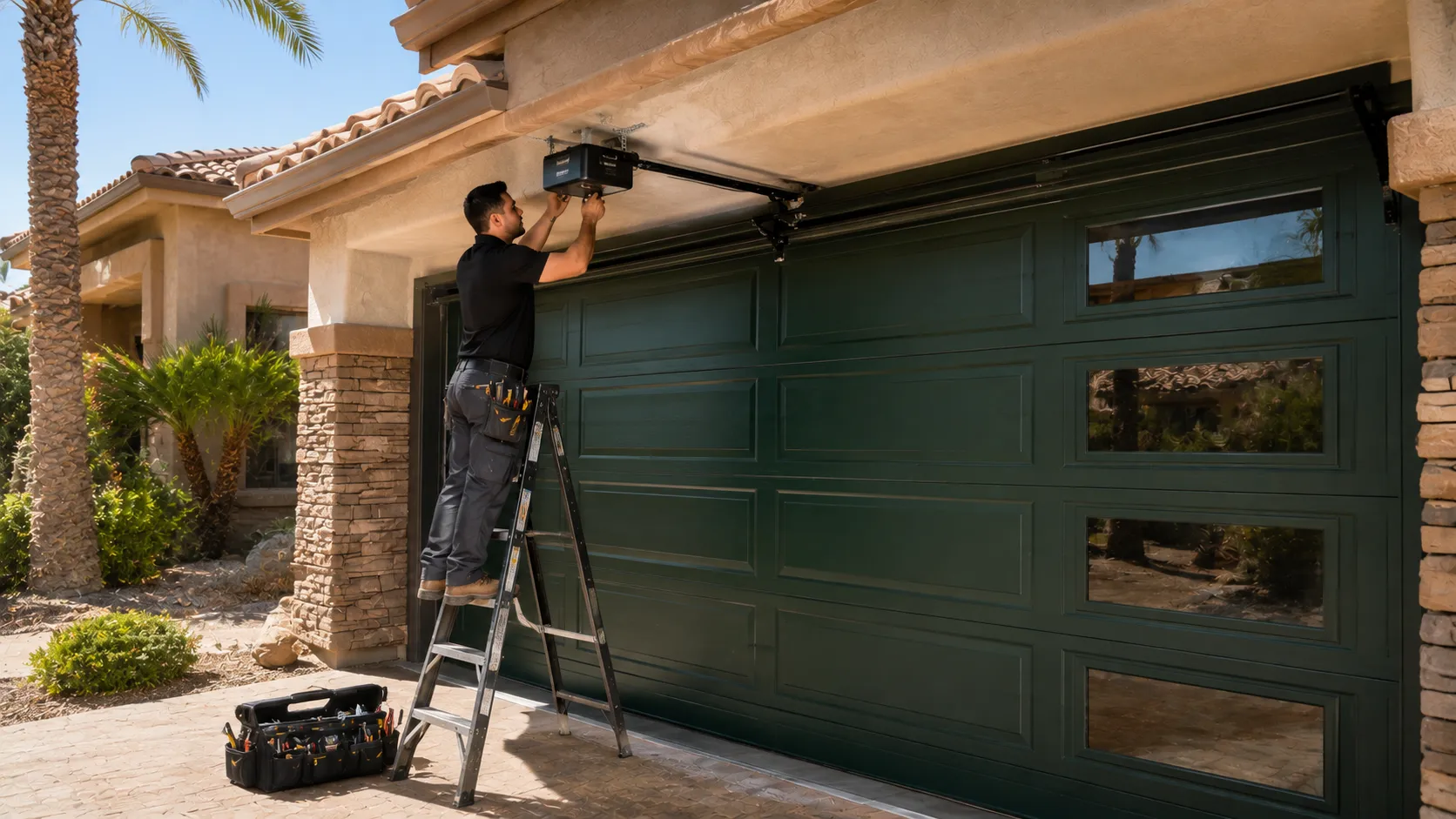
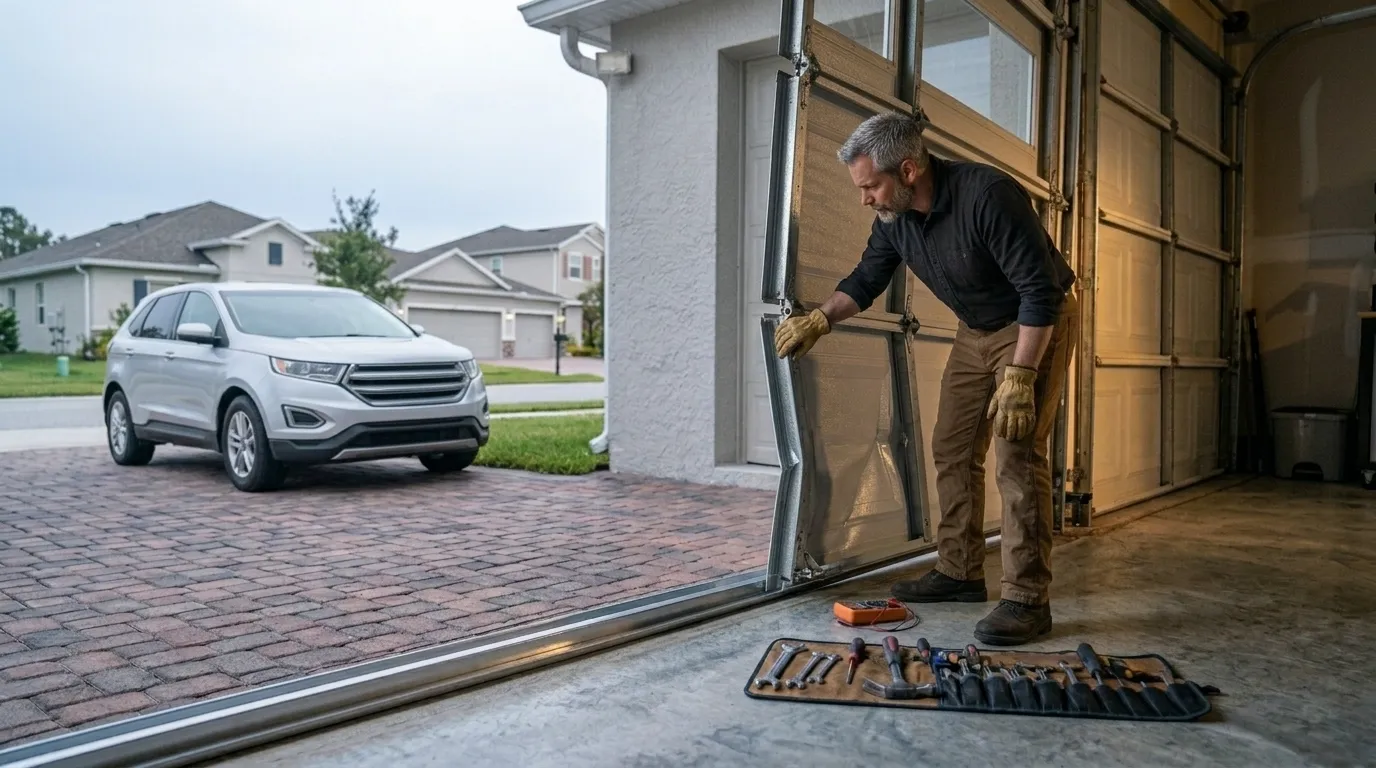
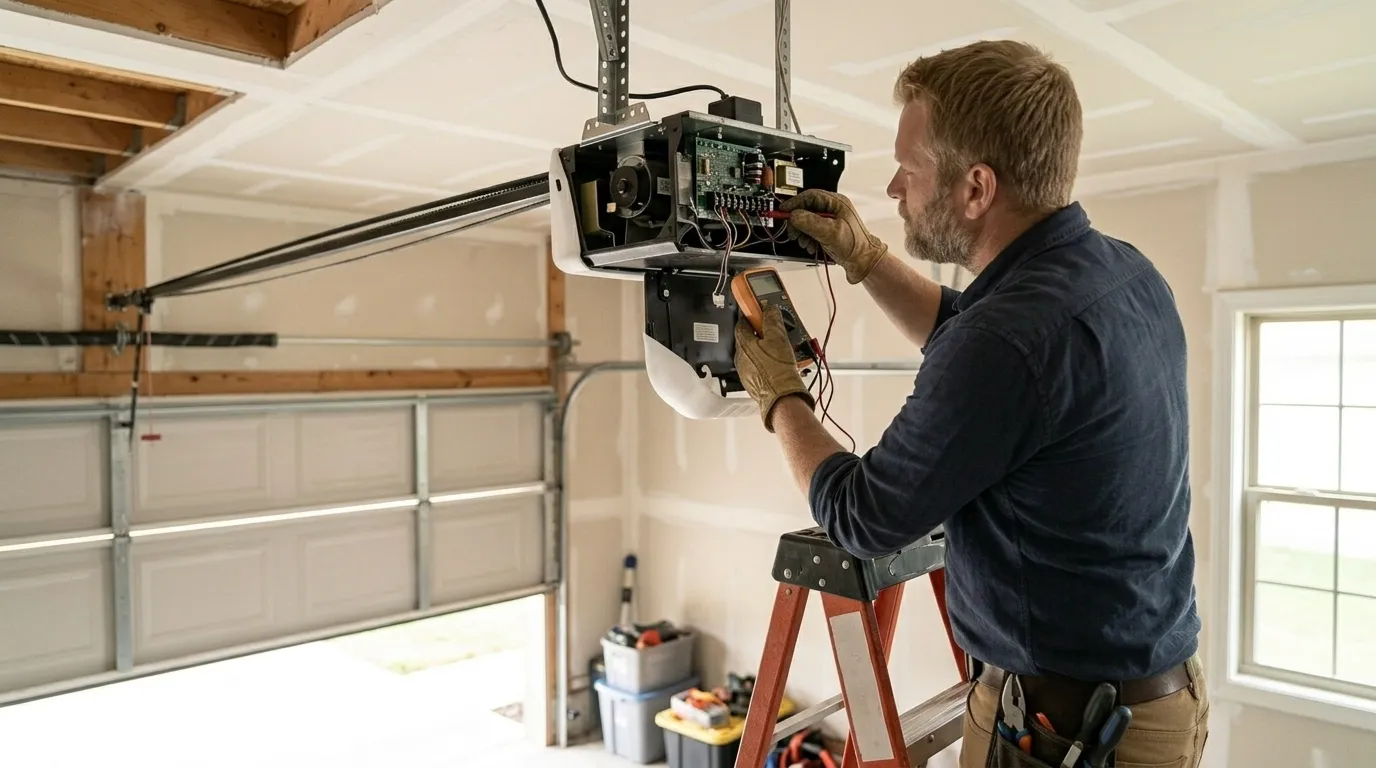
Even inside a town built mostly after 2000, there's a spread. The earliest sections of Murphy still edge toward the late 1990s, while the newest infill and later-phase subdivisions push past 2005 toward more recent builds. On the older end of that range you'll find doors that are now 20-plus years into their service life - springs due for replacement, rollers worn enough to rattle, openers running original circuit boards. On the newer end, the doors are still under their original hardware but have started hitting the point where openers built with early-2000s electronics start acting up: intermittent remotes, sensors that need realignment, logic boards that don't like power surges. Neither problem is the wood-rot-and-rust issue we deal with on 1970s stock closer to Dallas. Here it's mechanical wear on newer-generation parts, or first-generation electronics reaching the end of their run. Knowing which decade a given street falls into tells us which parts to load before we leave the shop.
What That Means for Doors
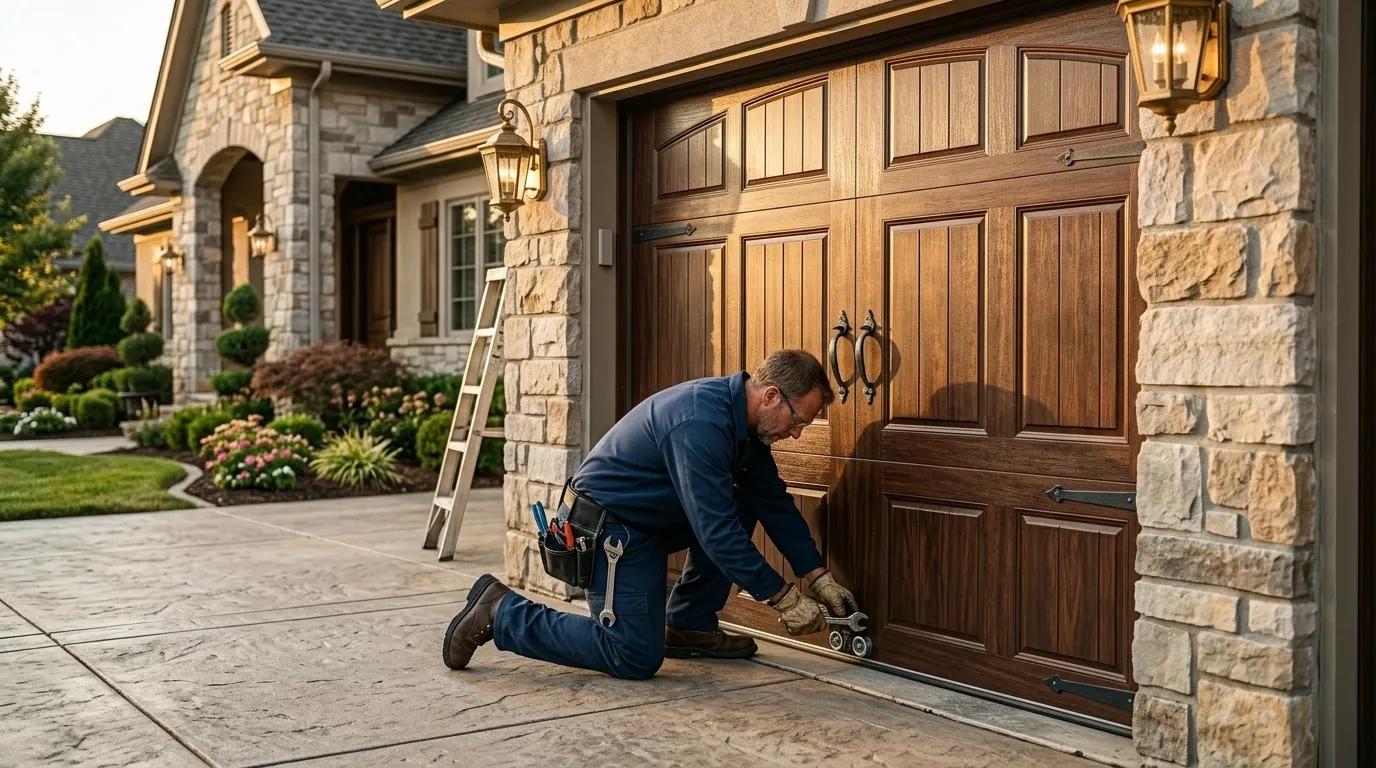
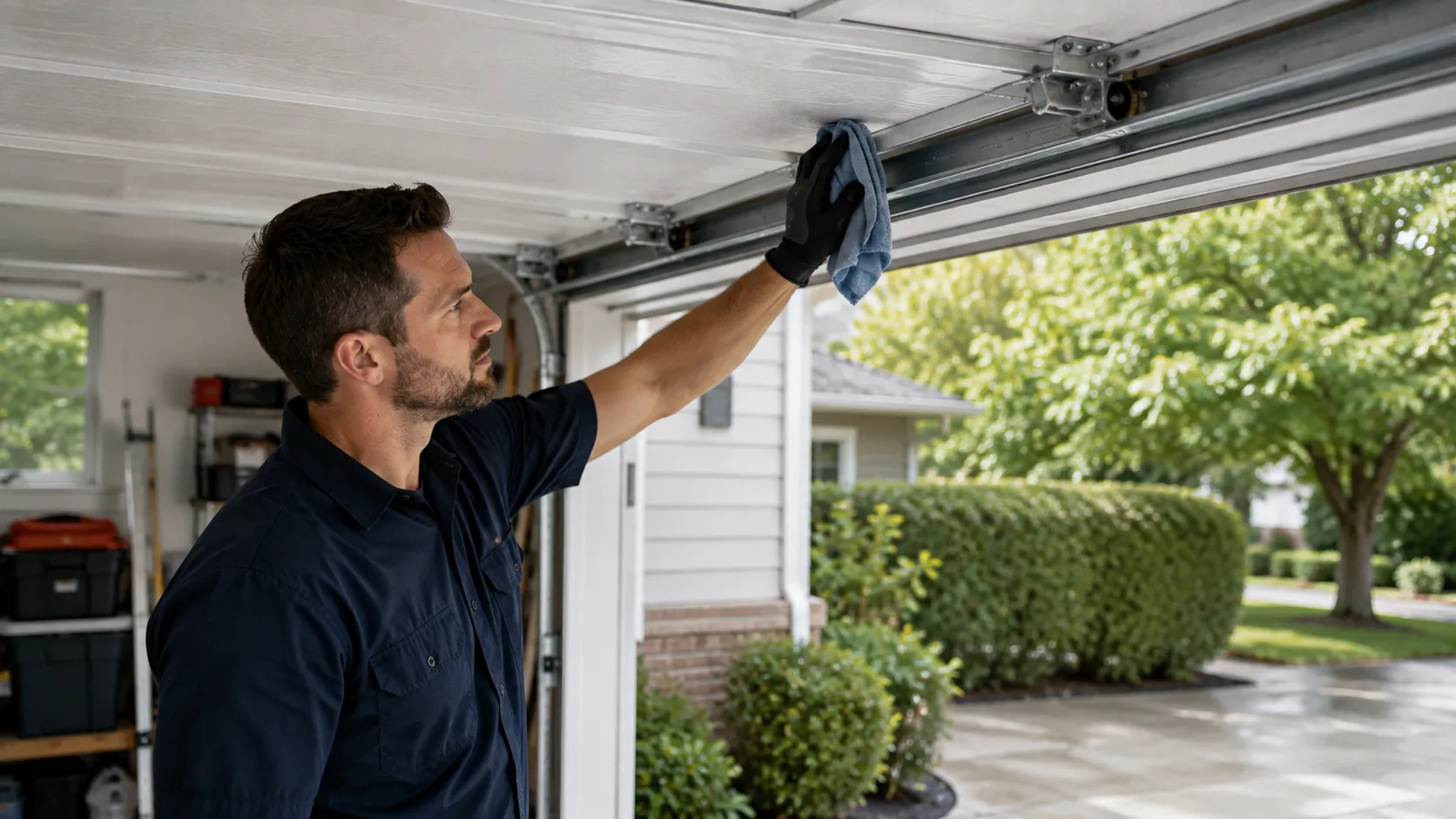
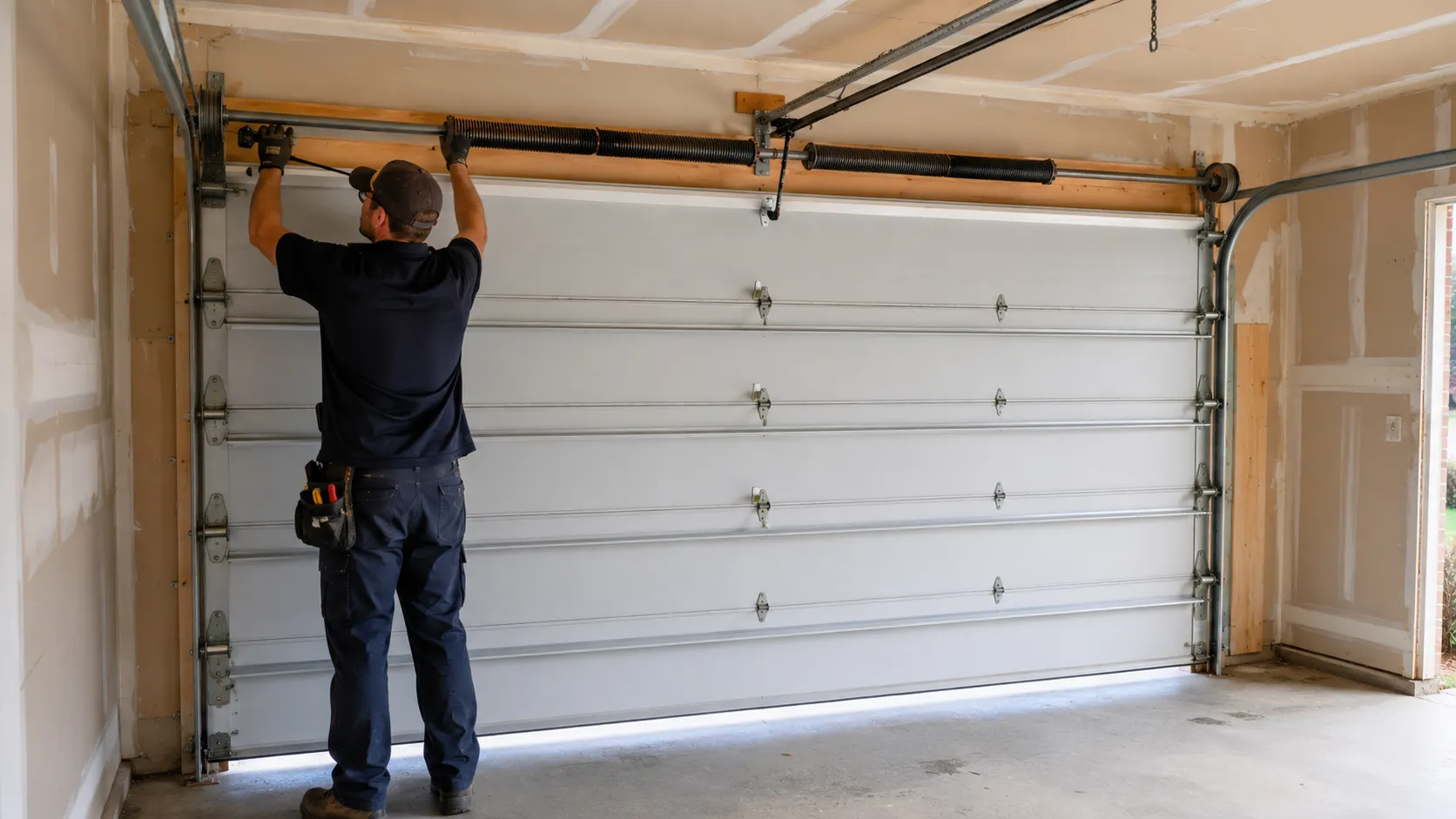
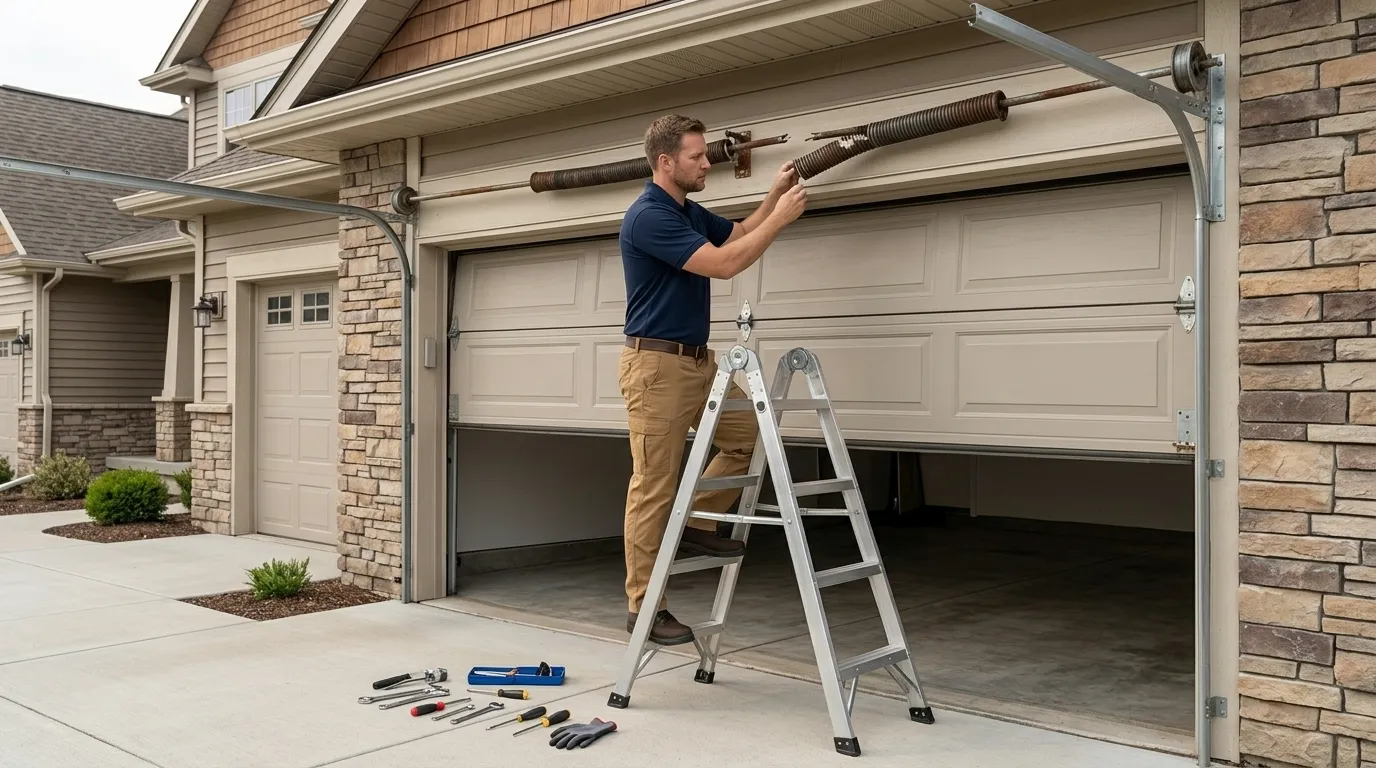
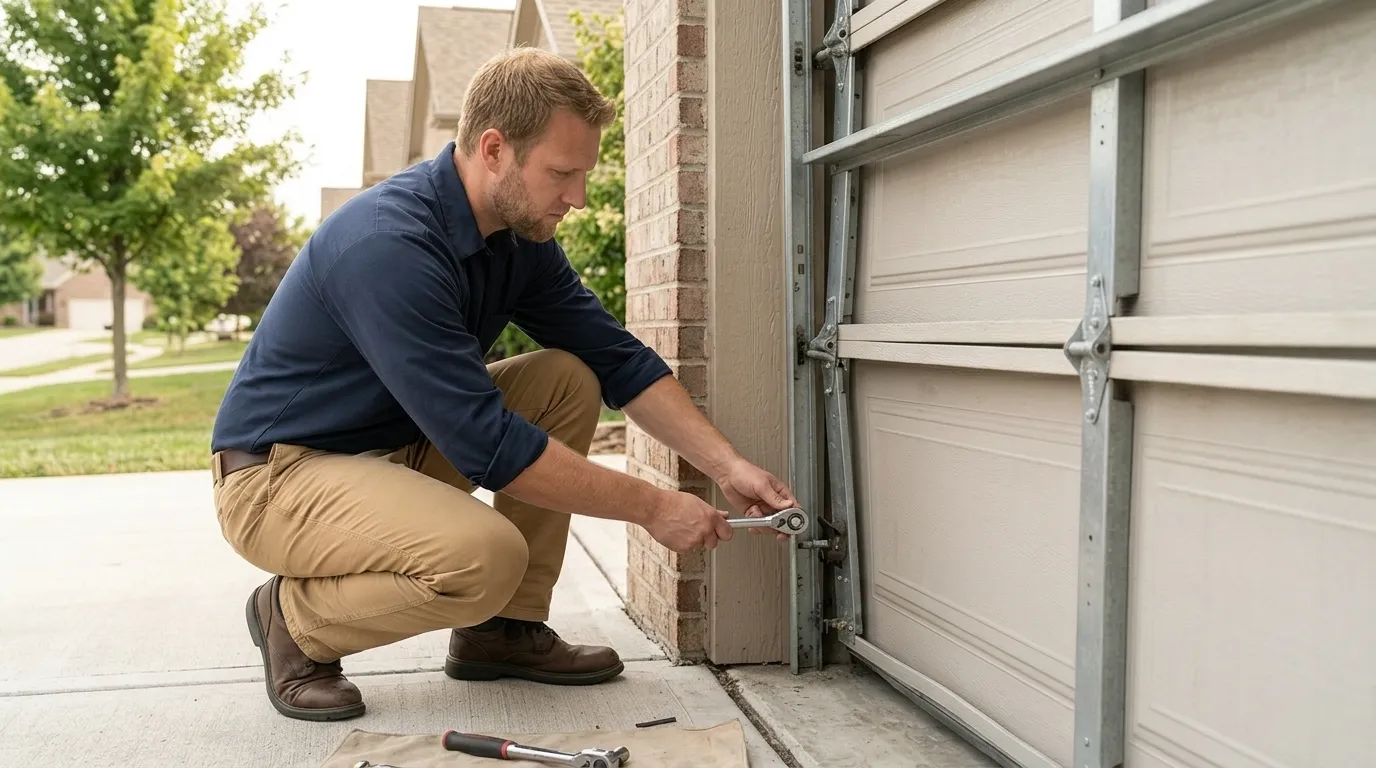
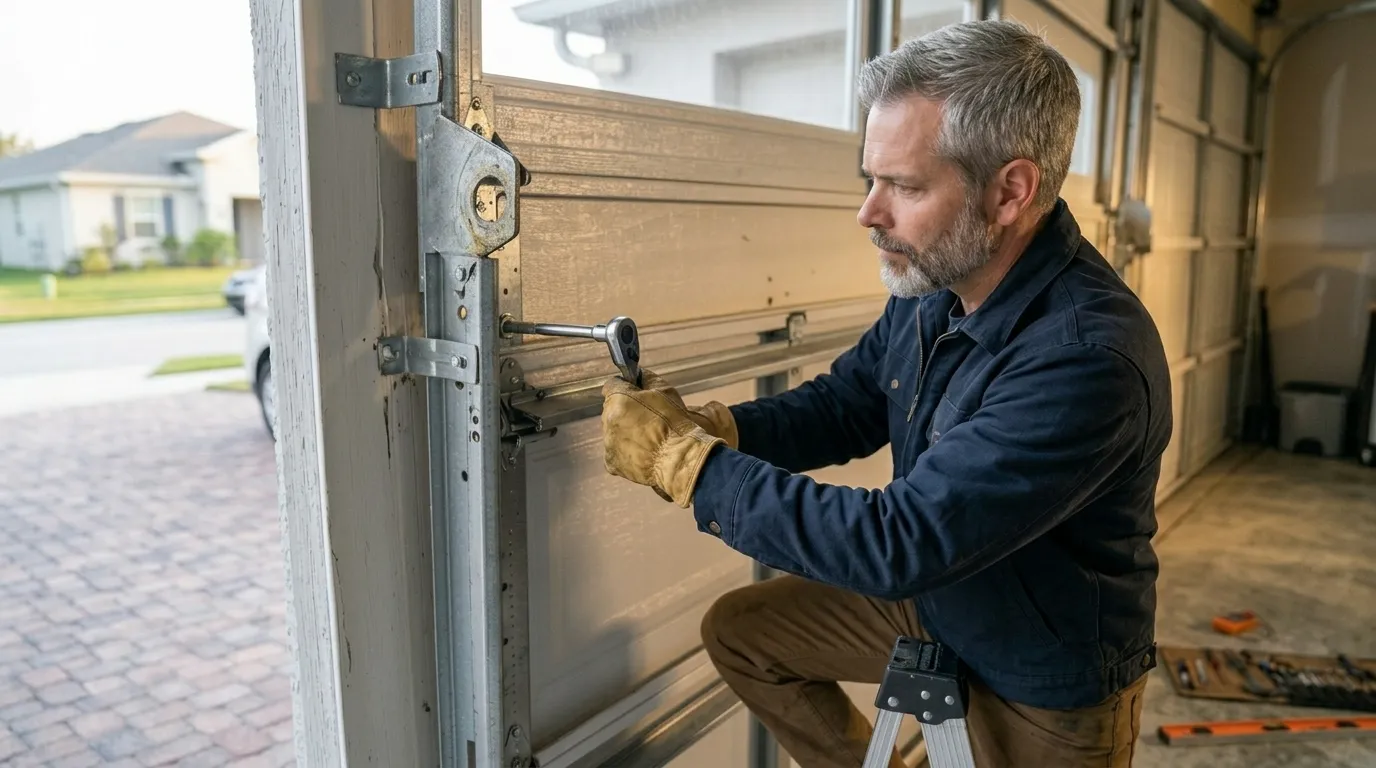
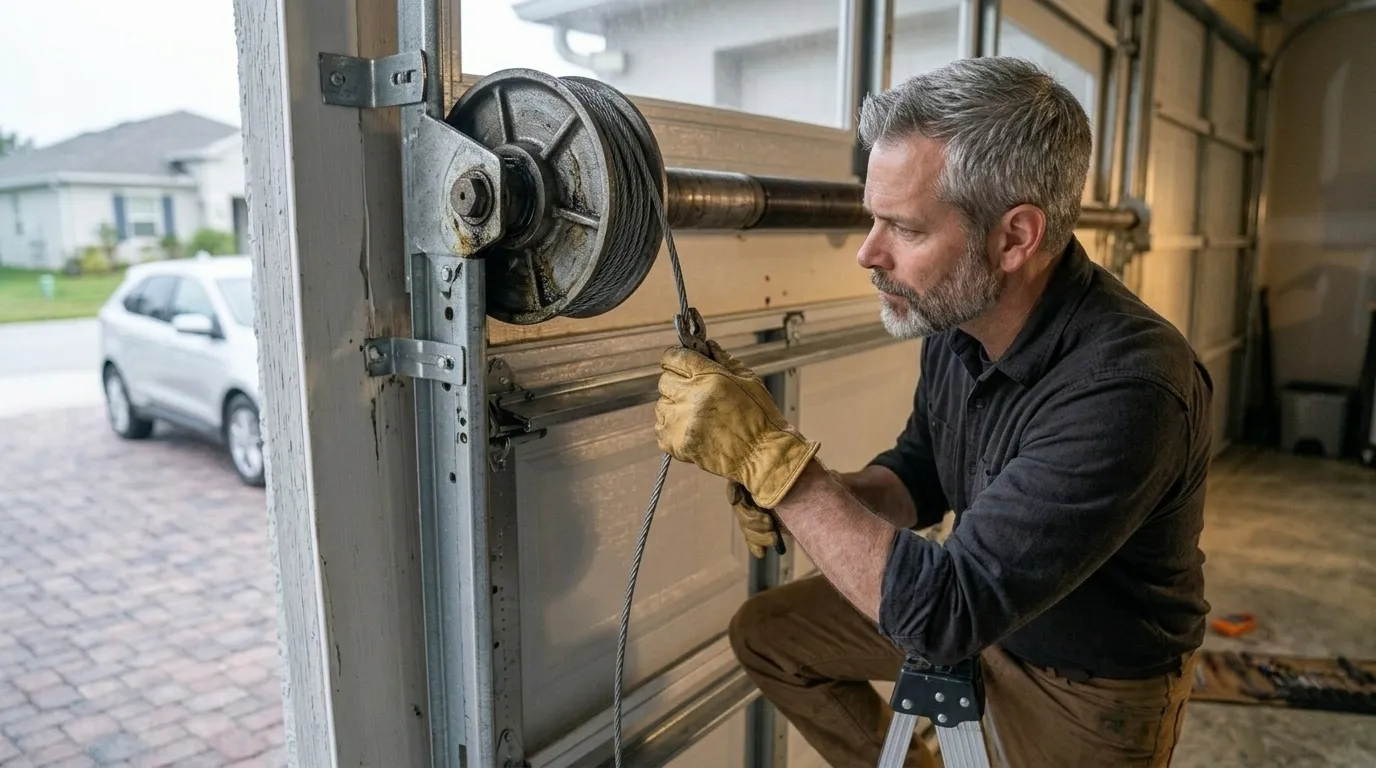
A door built in 2005 is old enough now that its original torsion spring is a reasonable bet to fail, but young enough that the opener is usually still a chain or belt-drive unit with a logic board rather than anything requiring a full teardown. The most common Murphy call is a spring swap on a door that's never had one, plus a look at the rollers since factory nylon rollers from that era wear out around the same time the spring does. We don't replace an opener just because it's acting up once - a bad sensor eye or a dead remote battery causes most of the