How Local Conditions Play In
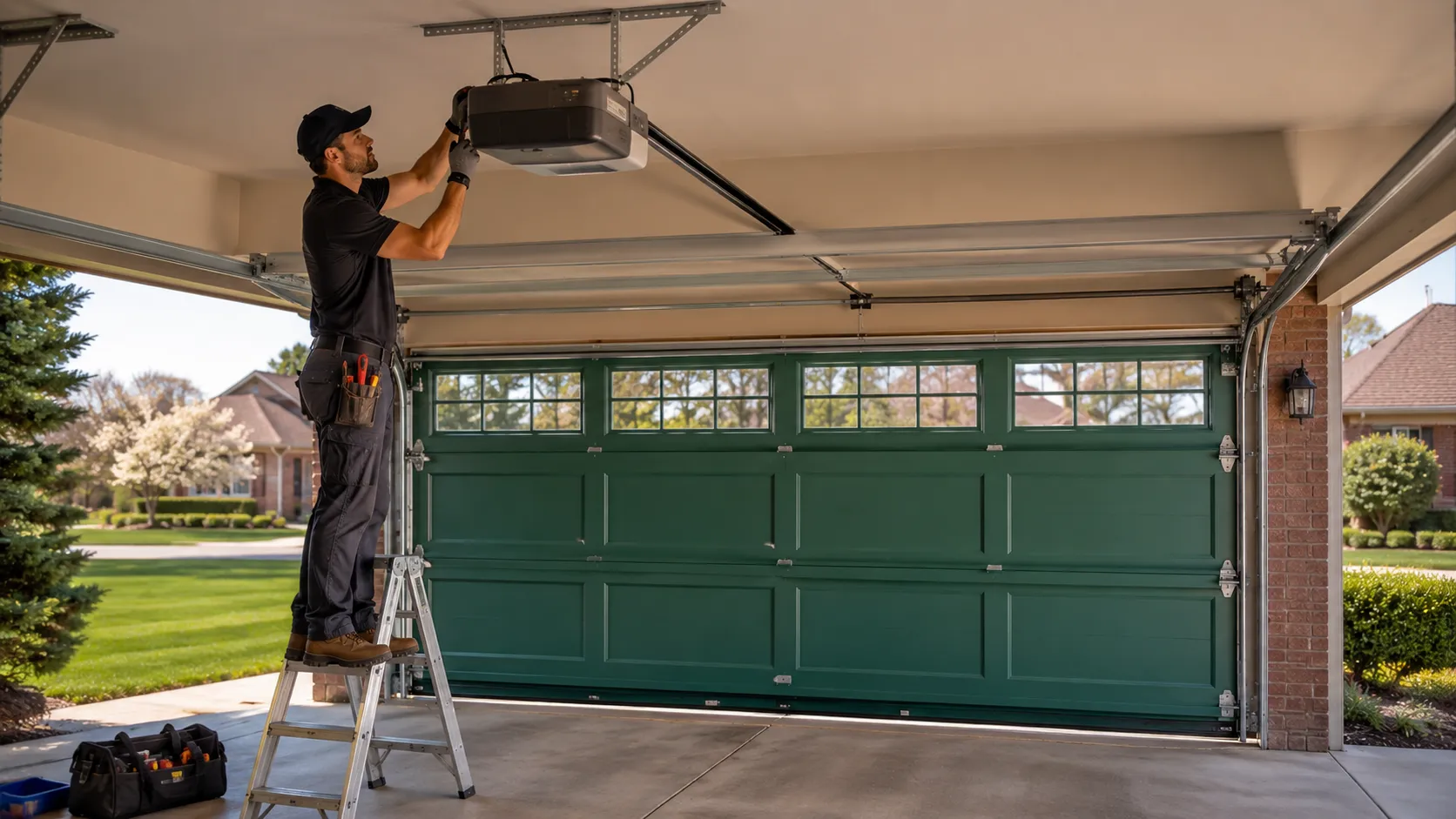
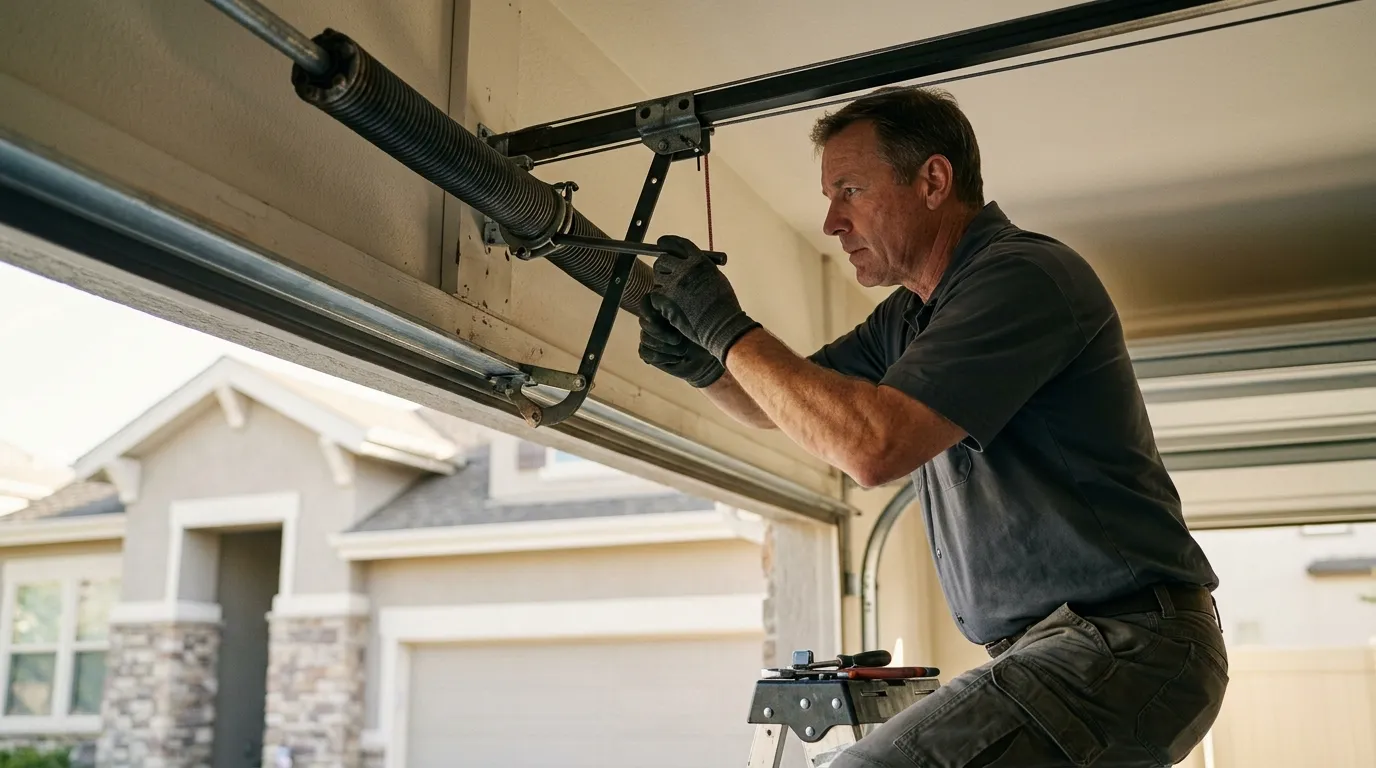
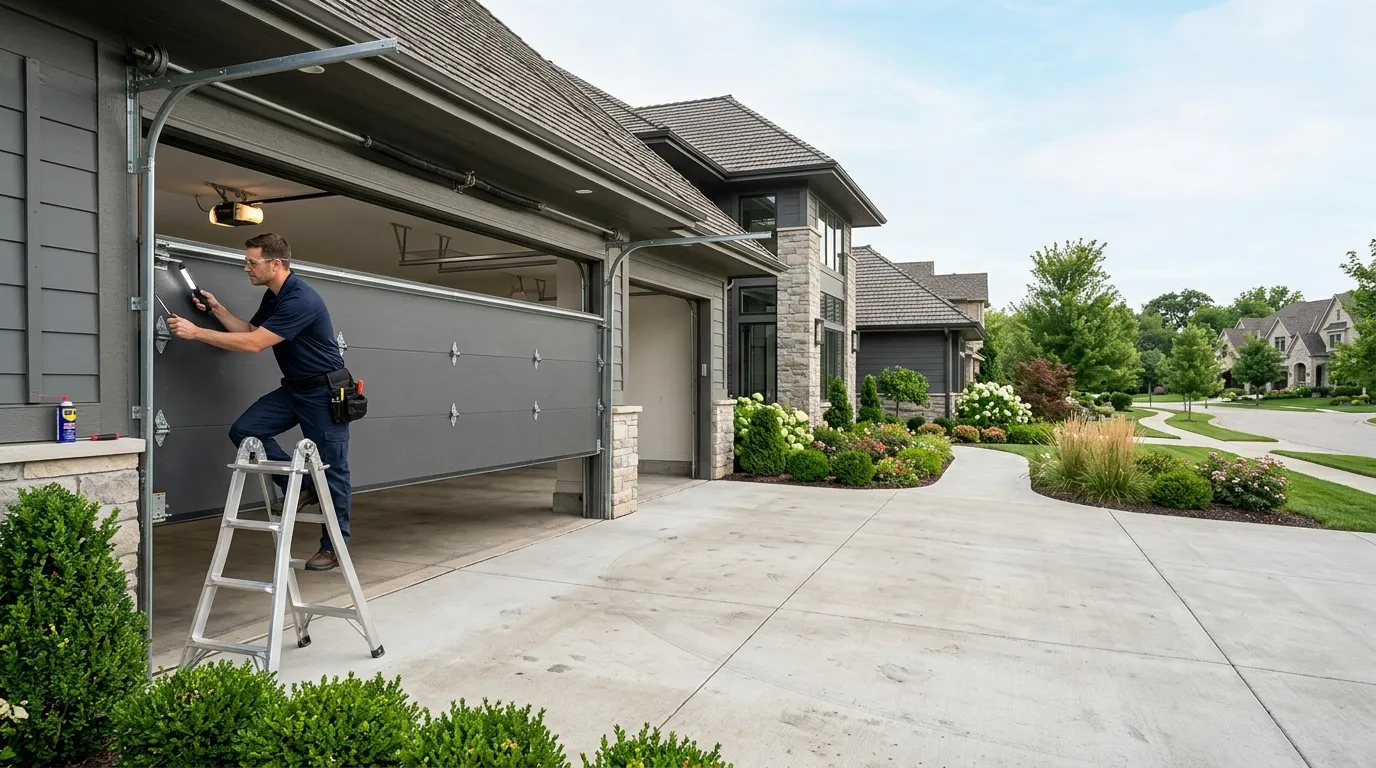
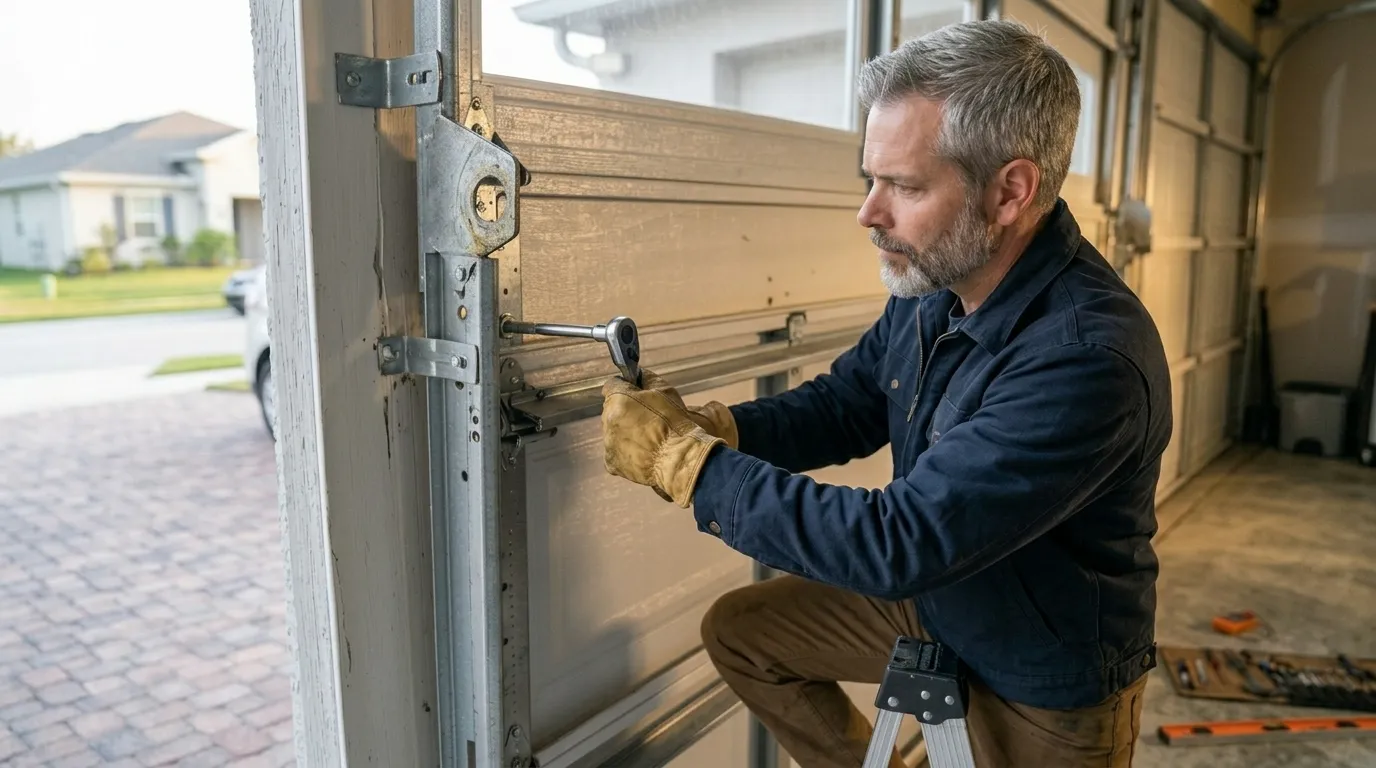
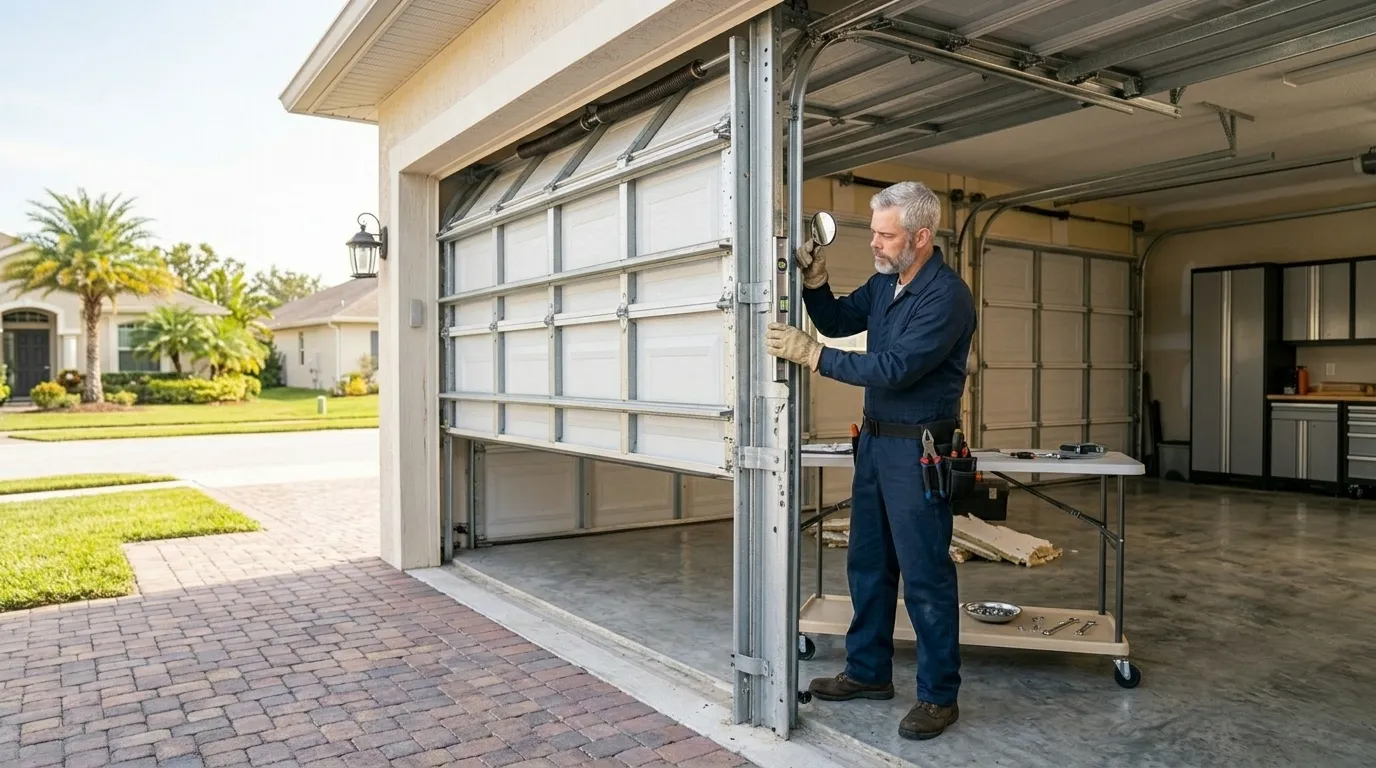
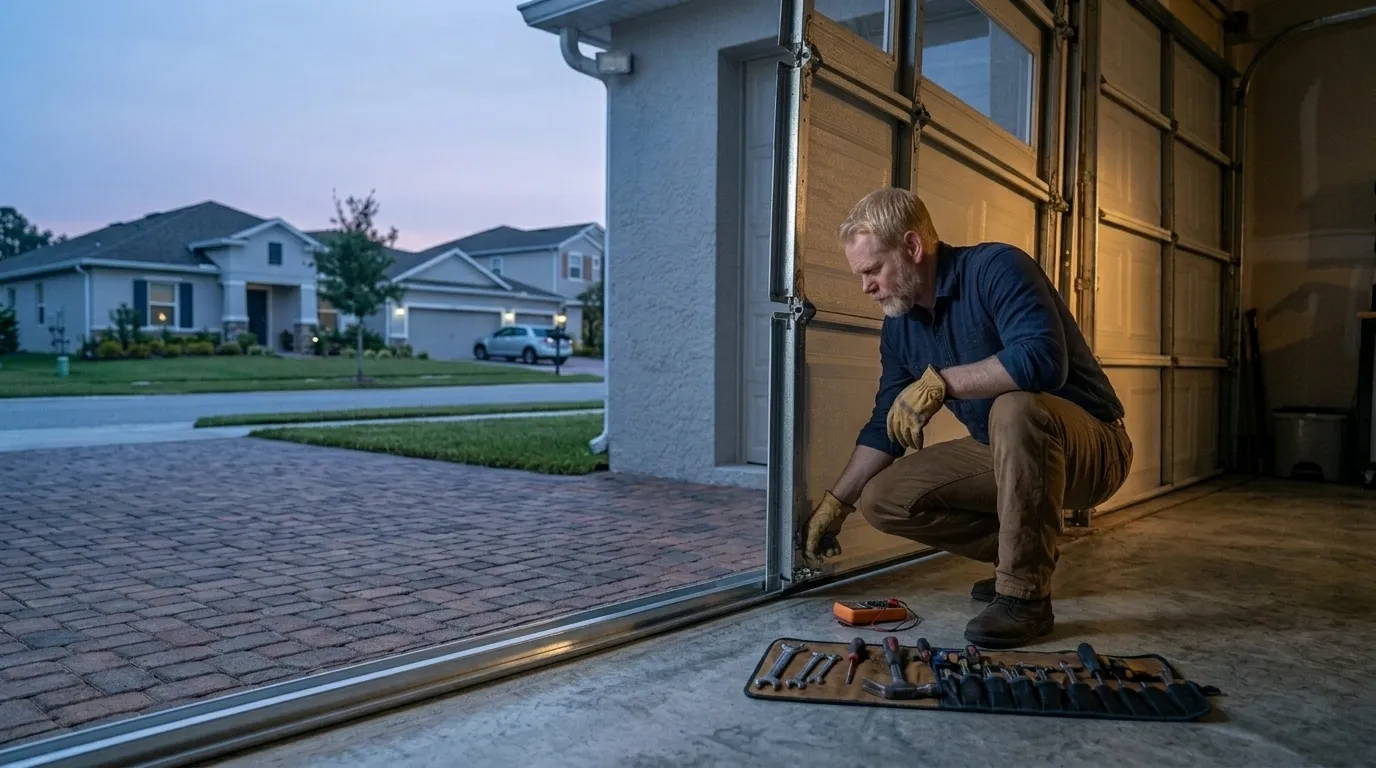
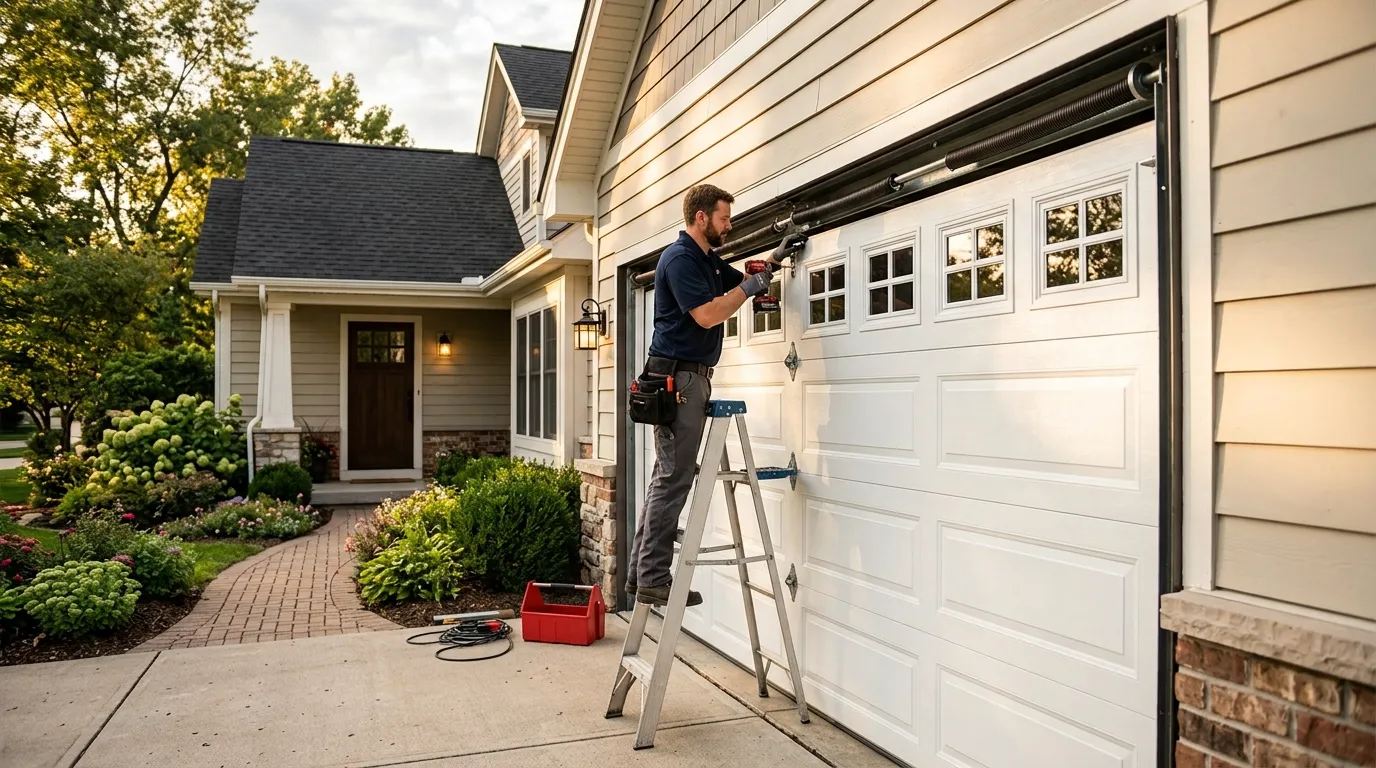
Most of the housing stock around Dallas went up between 1973 and 2007, with the median build year sitting at 1993 - that's the era of galvanized steel track bolted to wood jambs, not the heavier extruded aluminum track you'd find on newer construction. In neighborhoods like that means three-plus decades of the same track hardware absorbing daily temperature swings. Steel track expands and contracts as it heats up through the day, and the mounting brackets that hold it to the jamb loosen a fraction of a turn every cycle. Nobody notices the first hundred cycles. By year fifteen or twenty, the track has enough play that a door under spring tension can walk the rollers right out of the channel, especially on the last foot of travel where the curve into the horizontal track puts the most side load on the hardware. This isn't a defect in the door. It's what happens to track hardware from this build era after enough thermal cycling, and it's the single most common off-track call in this service area.
The Seasonal Bit
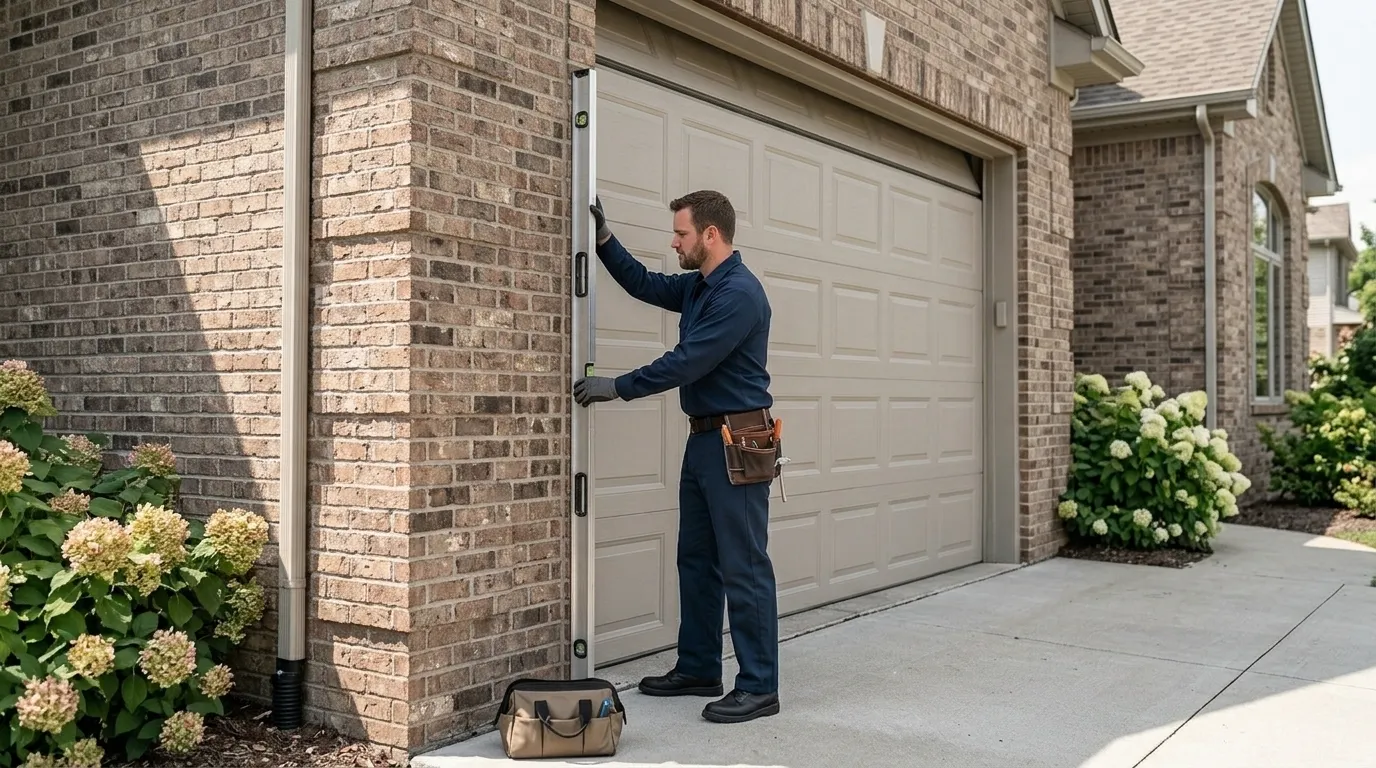
Dallas sits in a moderate heat climate band, which means the track and door skin see real temperature swings without the extreme highs some regions get, but enough heat load that metal track hardware expands and contracts on a daily cycle for most of the year. That daily flex is what backs out track bolts and lag screws over time - not one dramatic hot day, but years of small movement. Garage doors facing west or south in exposed driveways take the brunt of it, since the track on the sun-facing wall runs hotter than the shaded side, which can pull the two vertical tracks slightly out of parallel. A door that's been running fine for a decade can start rattling and walking off-track once that imbalance gets far enough along. We don't get the deep freeze-thaw cycling that cracks concrete slabs and shifts foundations further north, so the wear here is steadier and slower - which is actually why a lot of homeowners never think to check the track bolts until the door is already hanging off one roller.
Where People Go Wrong
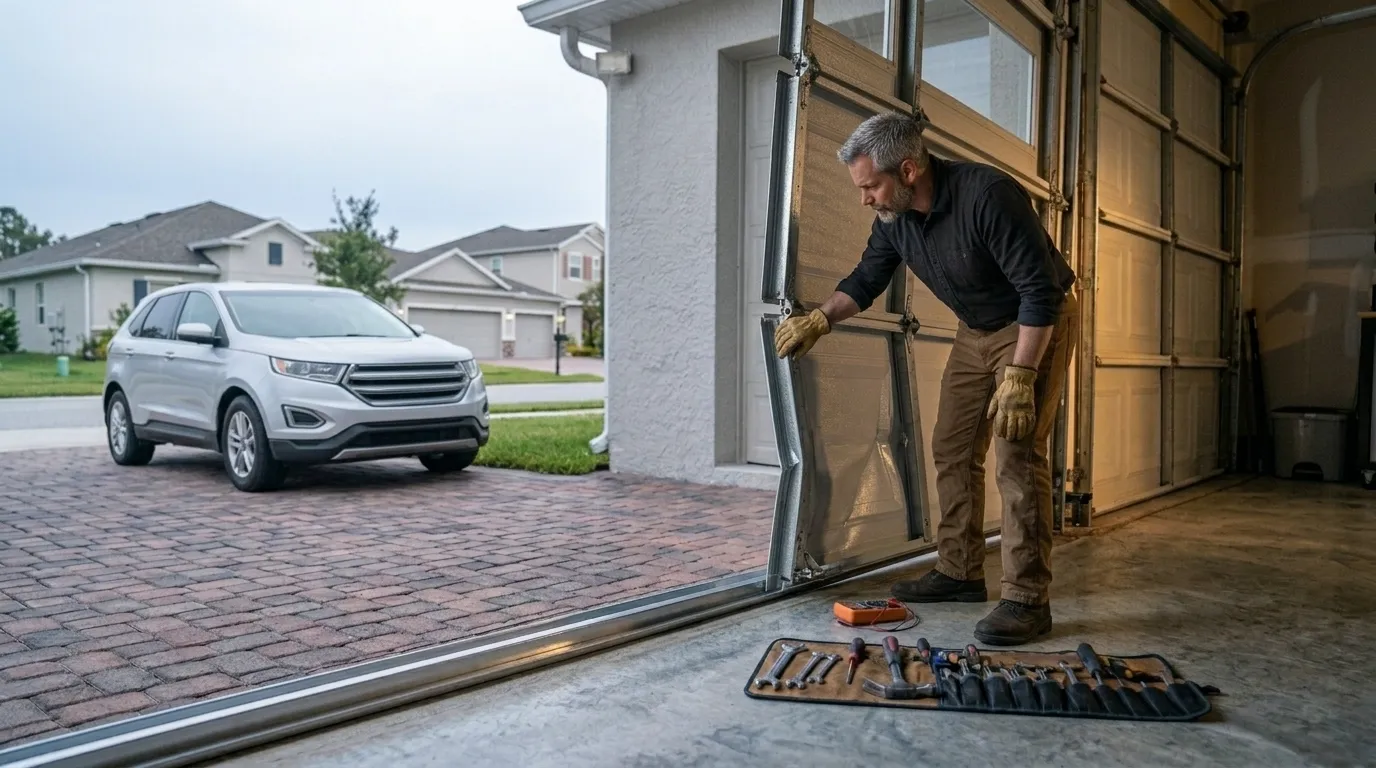
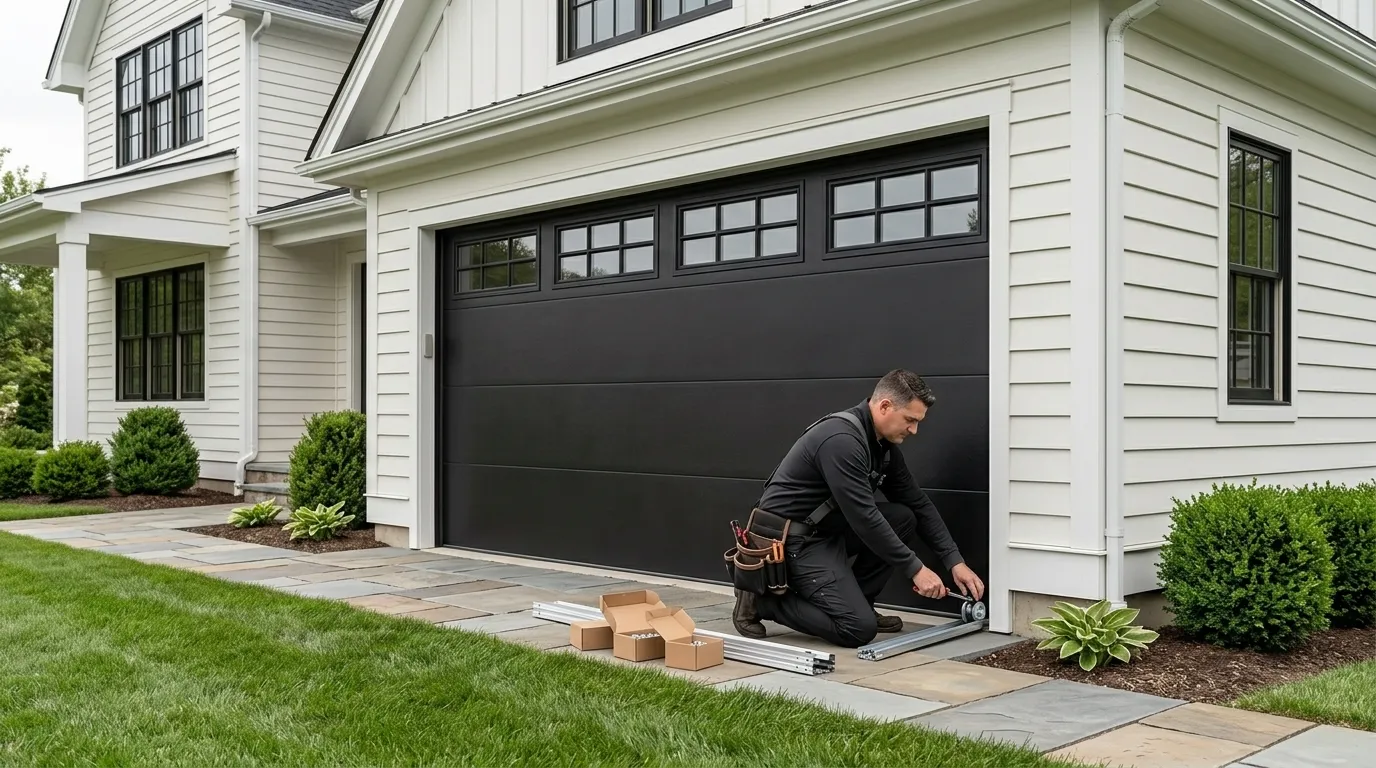
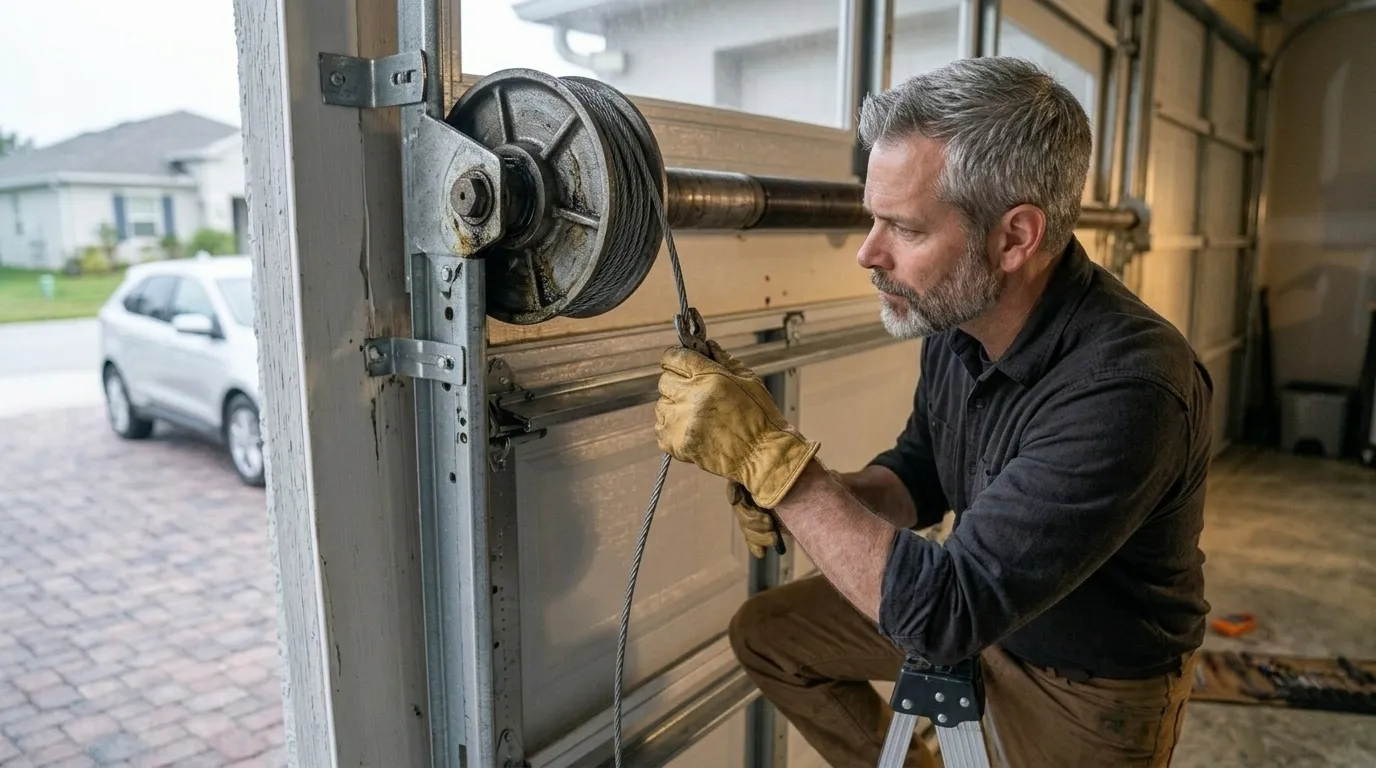
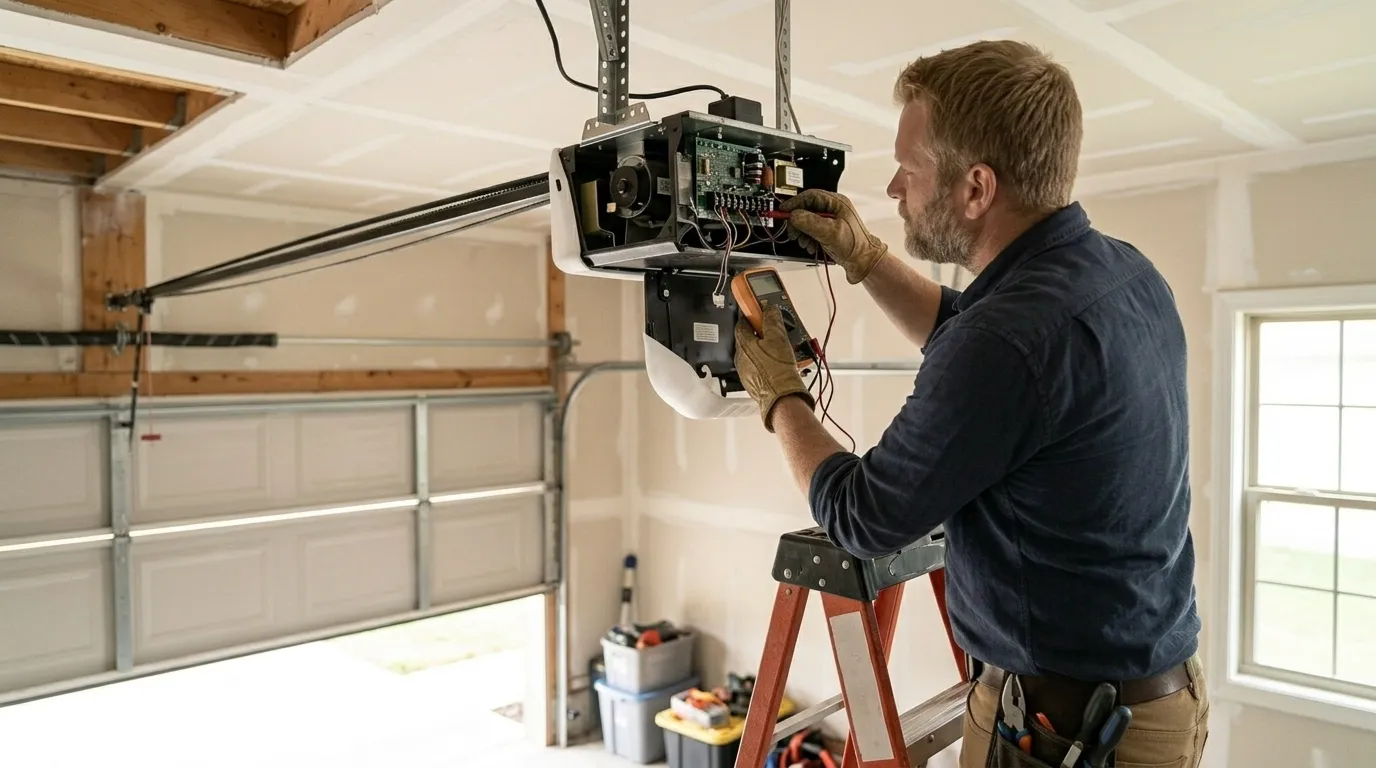
The most common mistake is forcing the door back down after it's jumped track. That bends the track further and can snap a cable under tension, turning a fixable problem into a full section replacement. The second mistake is assuming a new opener will fix it - the opener has nothing to do with the door staying on its rail, and swapping it out while the track hardware is still loose just means the same problem shows up again in a few months. Honest limitation: if the track is bent badly enough, or the rollers have worn far enough, straightening the old track usually isn't worth it. Track and roller hardware is cheap enough that once it's past a certain point, we replace the section rather than fight to true it back up, and we'll tell you when that's the case instead of billing extra time to save a bent rail. If your door is off track right now, don't run the opener - that's how a $150 fix turns into a $600 one.