What Was Built Here
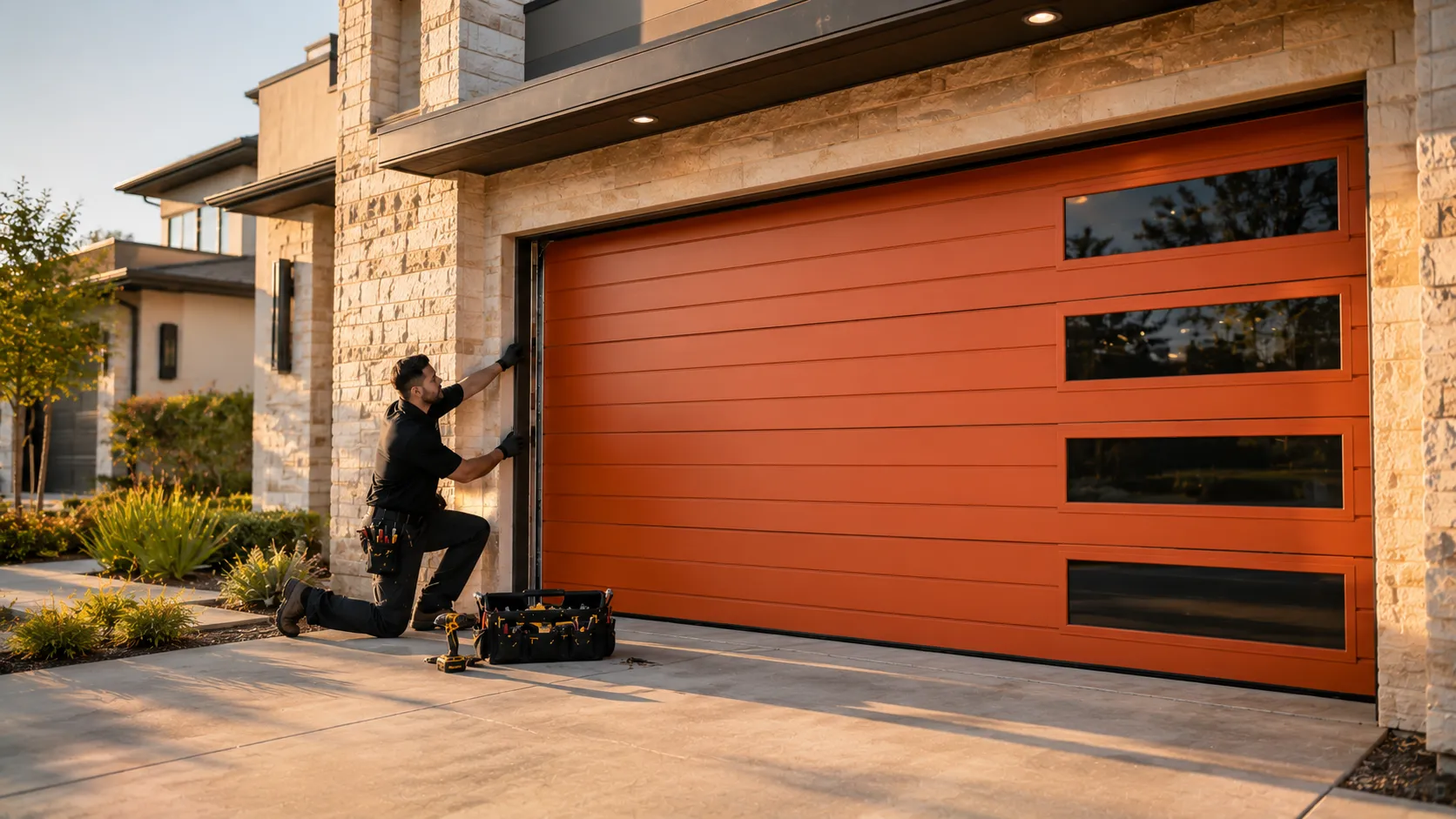
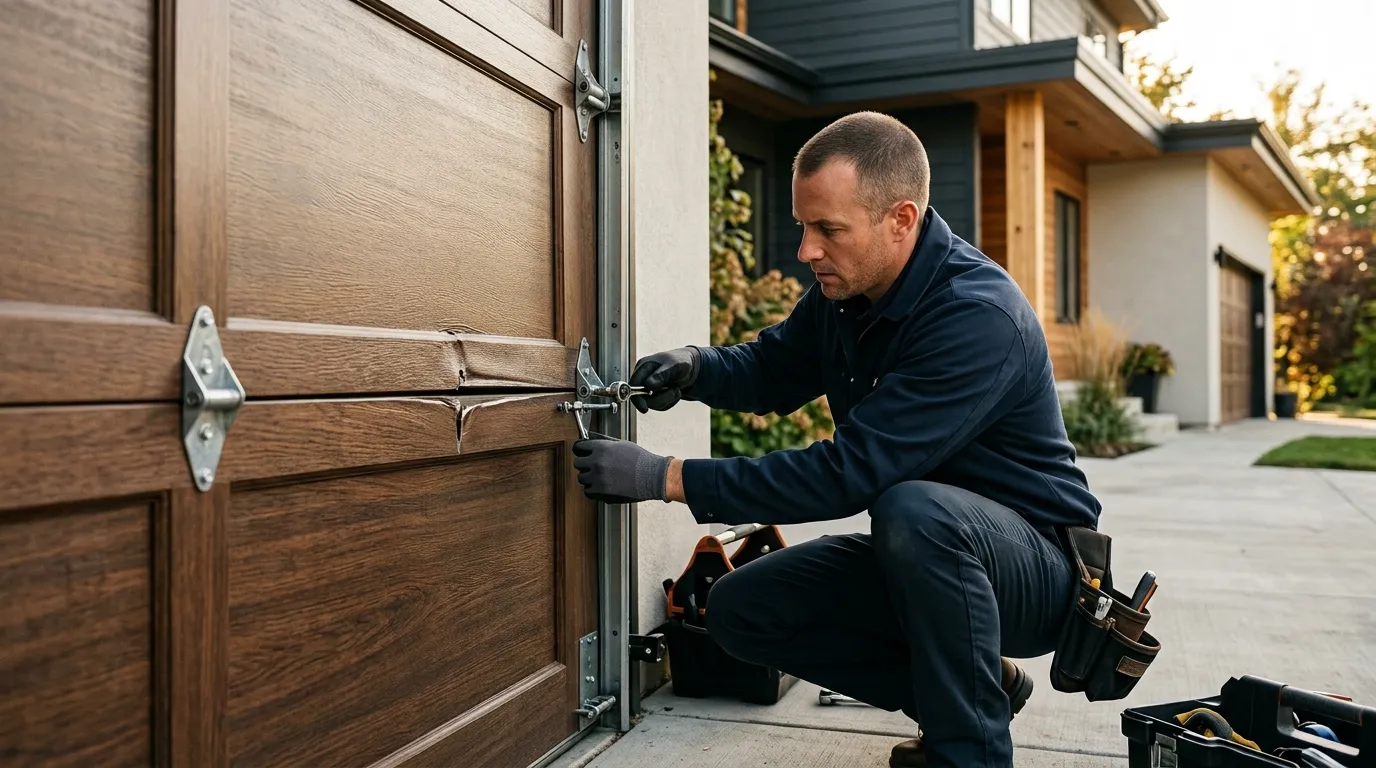
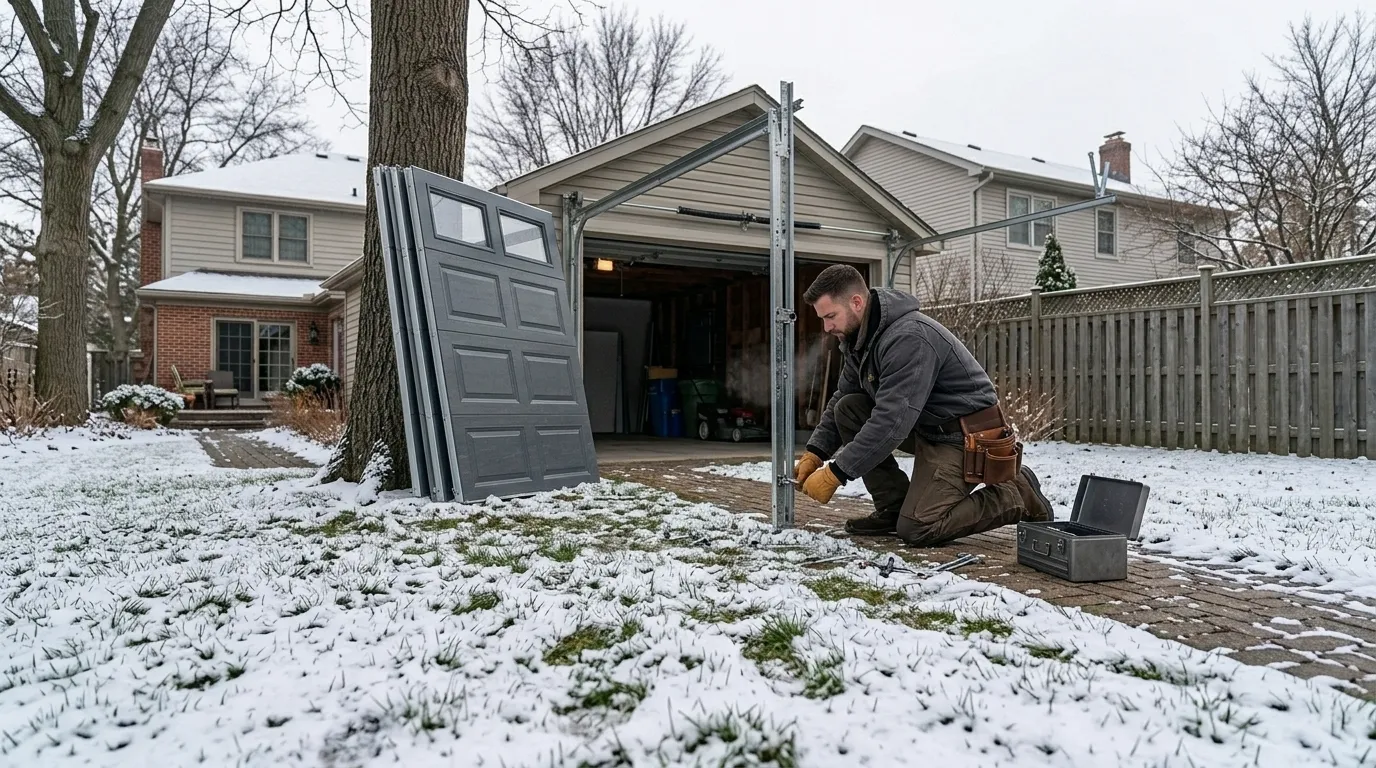
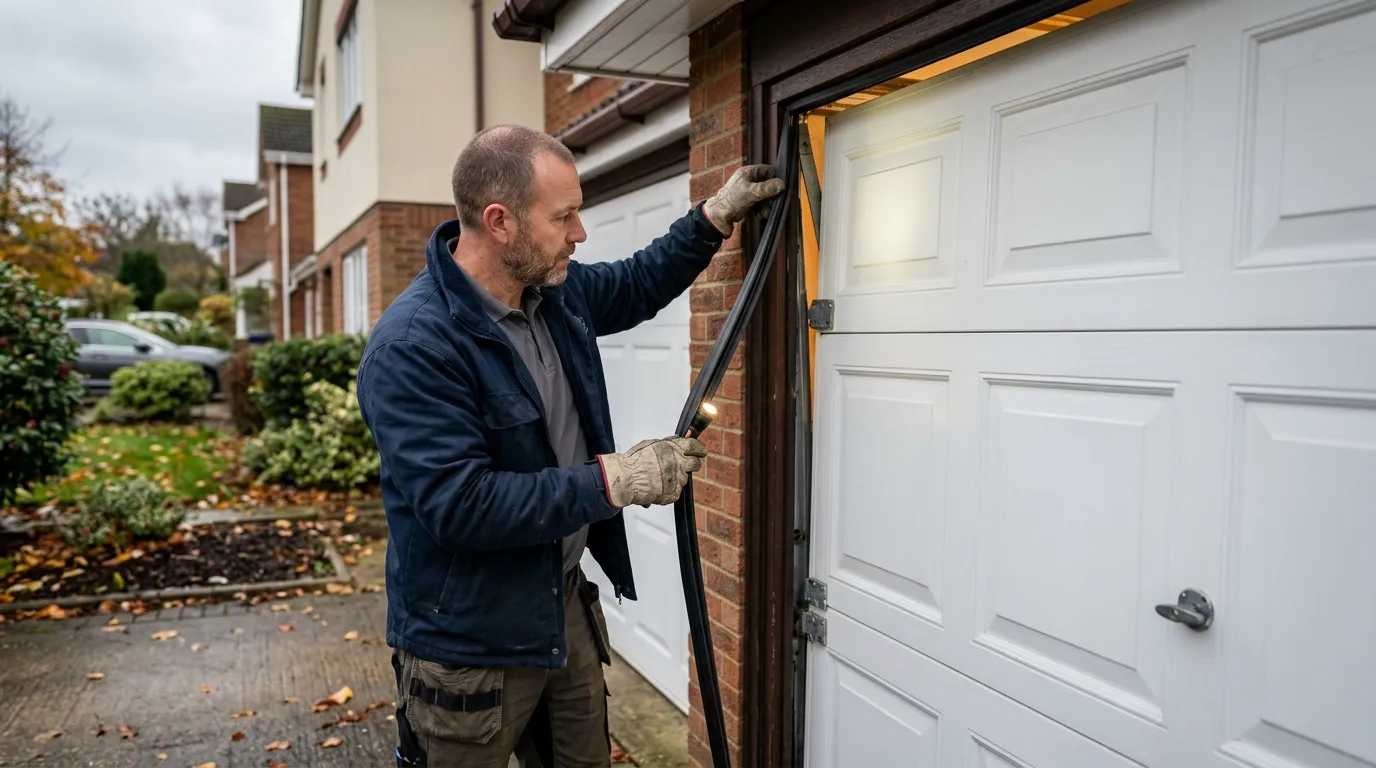
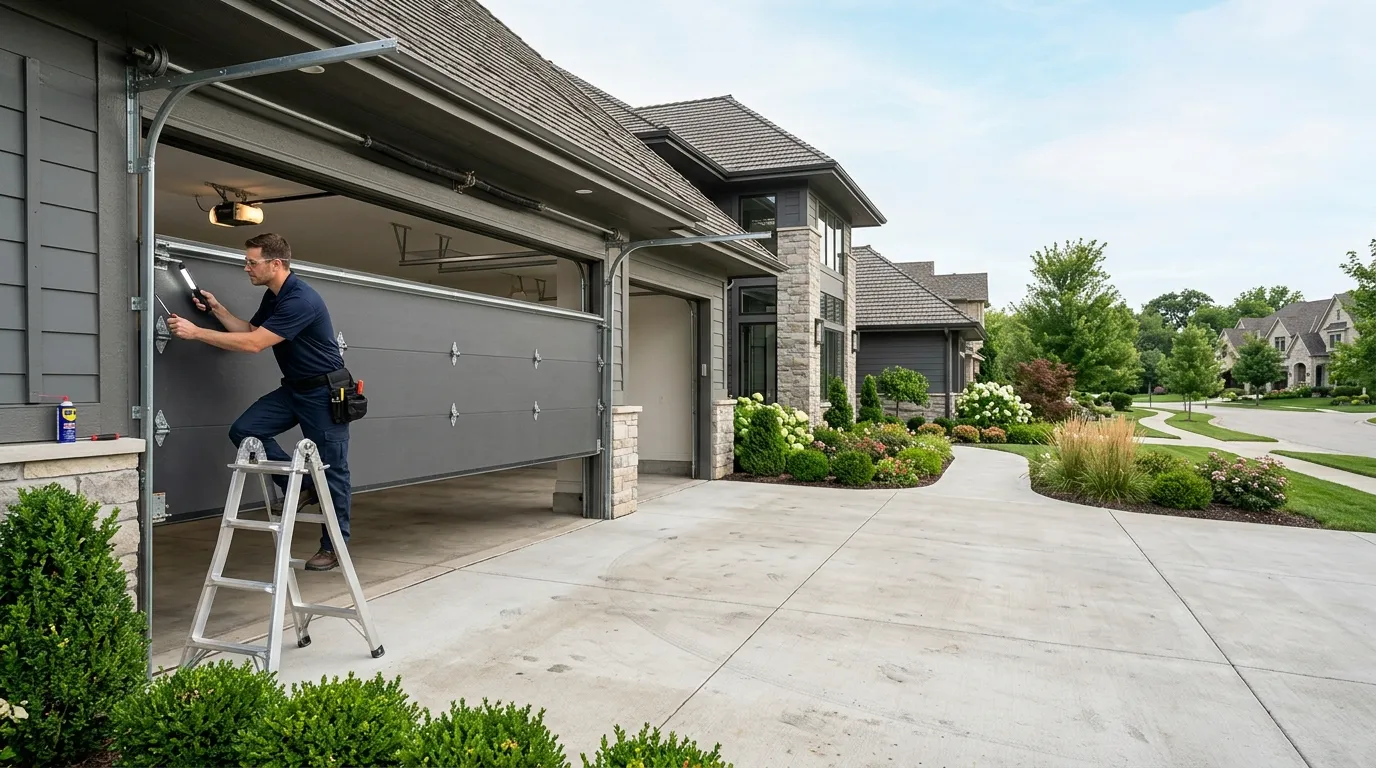
Grand Prairie's housing stock centers on 1991, which puts it a couple years earlier than the broader service area's 1993 median. That's a narrow gap on paper, but it matters at the garage door. Early-90s builds still used a lot of extension spring setups on single doors, especially on the smaller ranch-style lots that filled in through that decade, before torsion springs became close to universal on new construction later in the 90s. If your house went up in that window, don't assume you've got torsion hardware just because the door looks modern - a lot of these got a face-lift door installed on the original spring system.
Across the wider area we cover, the stock runs 1973 to 2007, so Grand Prairie sits toward the earlier-middle of that range rather than the newer end. That means more of the original steel jambs and less of the insulated, engineered track you see in post-2000 builds. We don't have a breakdown of which named neighborhoods within Grand Prairie skew older versus newer, so we're speaking to the town's overall build year here, not block by block.
Older vs Newer Streets
Without a street-level or subdivision breakdown for Grand Prairie specifically, we can't tell you which blocks lean 1970s and which lean 2000s - we only have the town-wide median of 1991. What we can say is that a median year doesn't mean uniform construction. Half the housing in town is older than 1991, half newer, and the older half is where you're more likely to find an original opener that predates today's safety-reversal standards, plus hardware that's been through more Texas summers than the newer half.
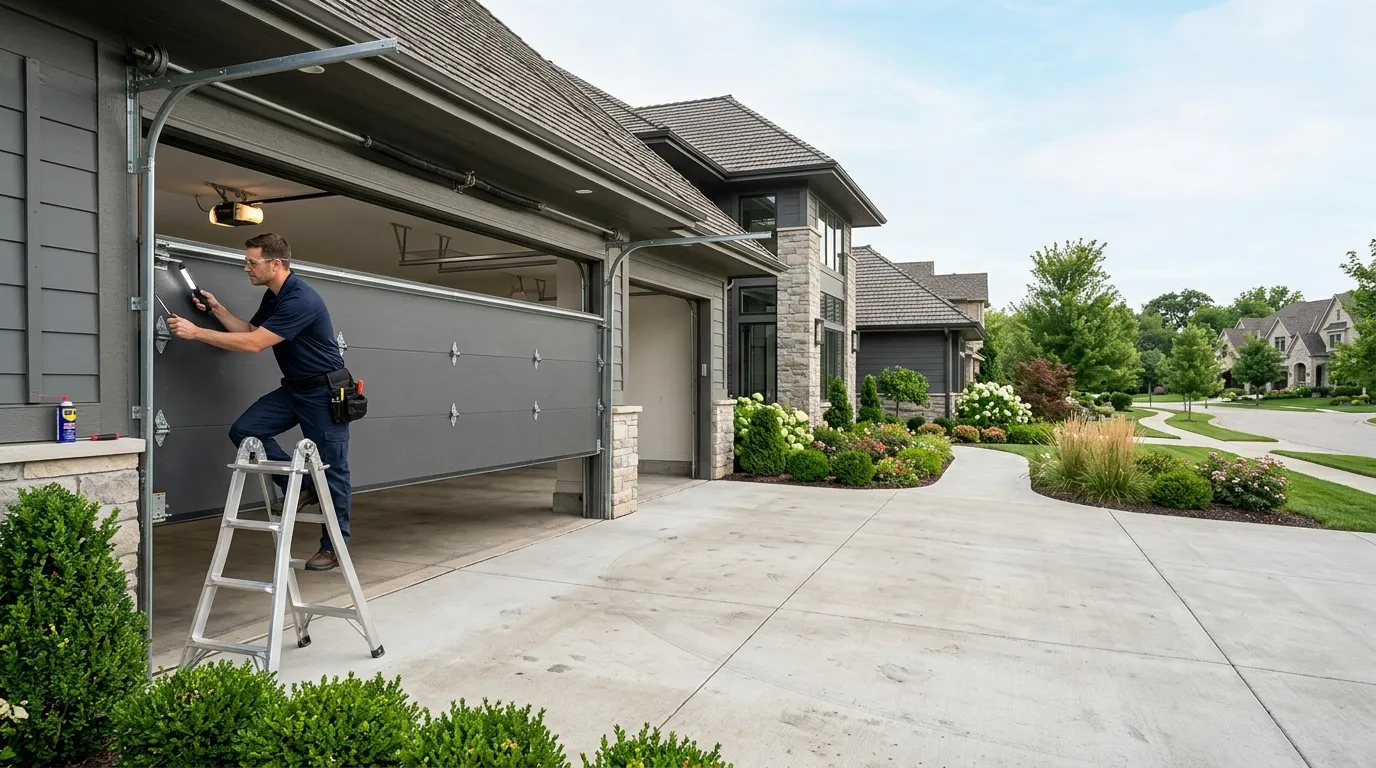
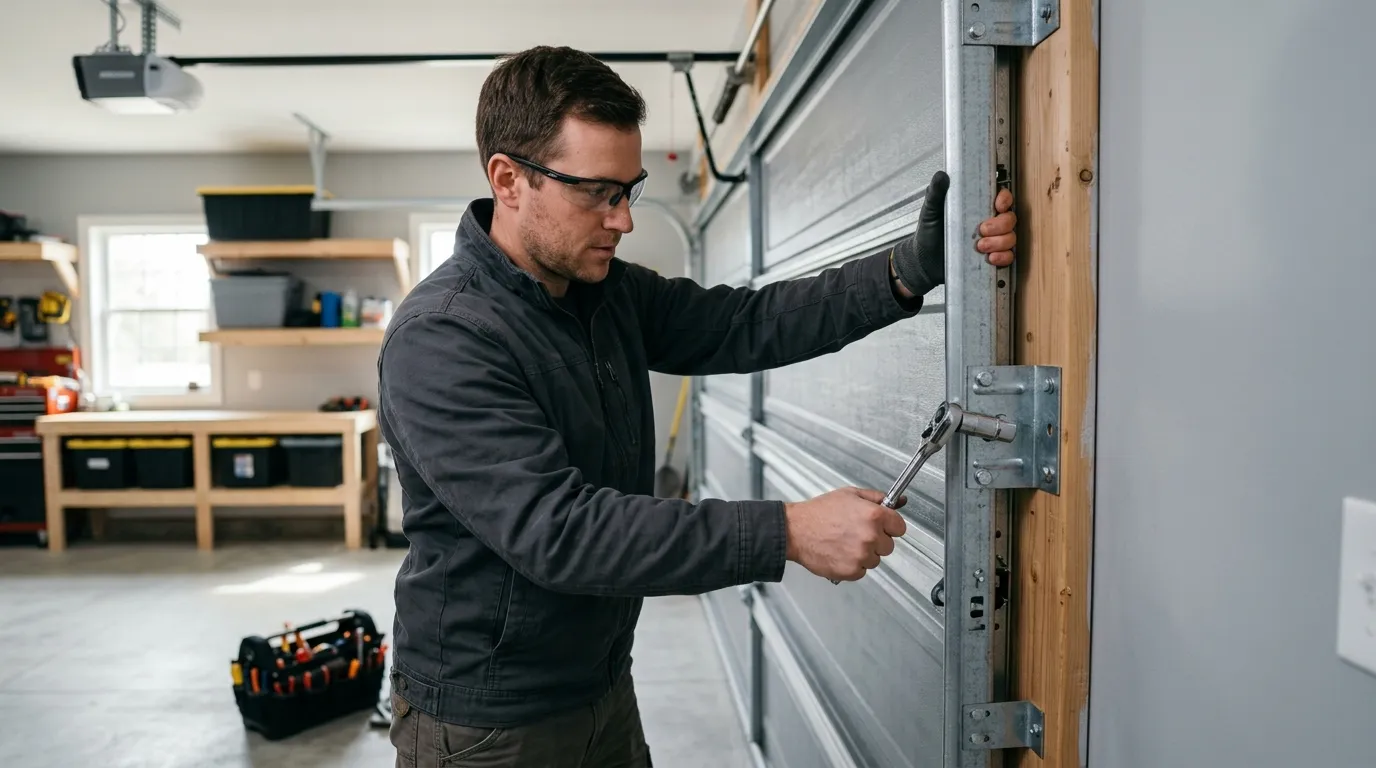
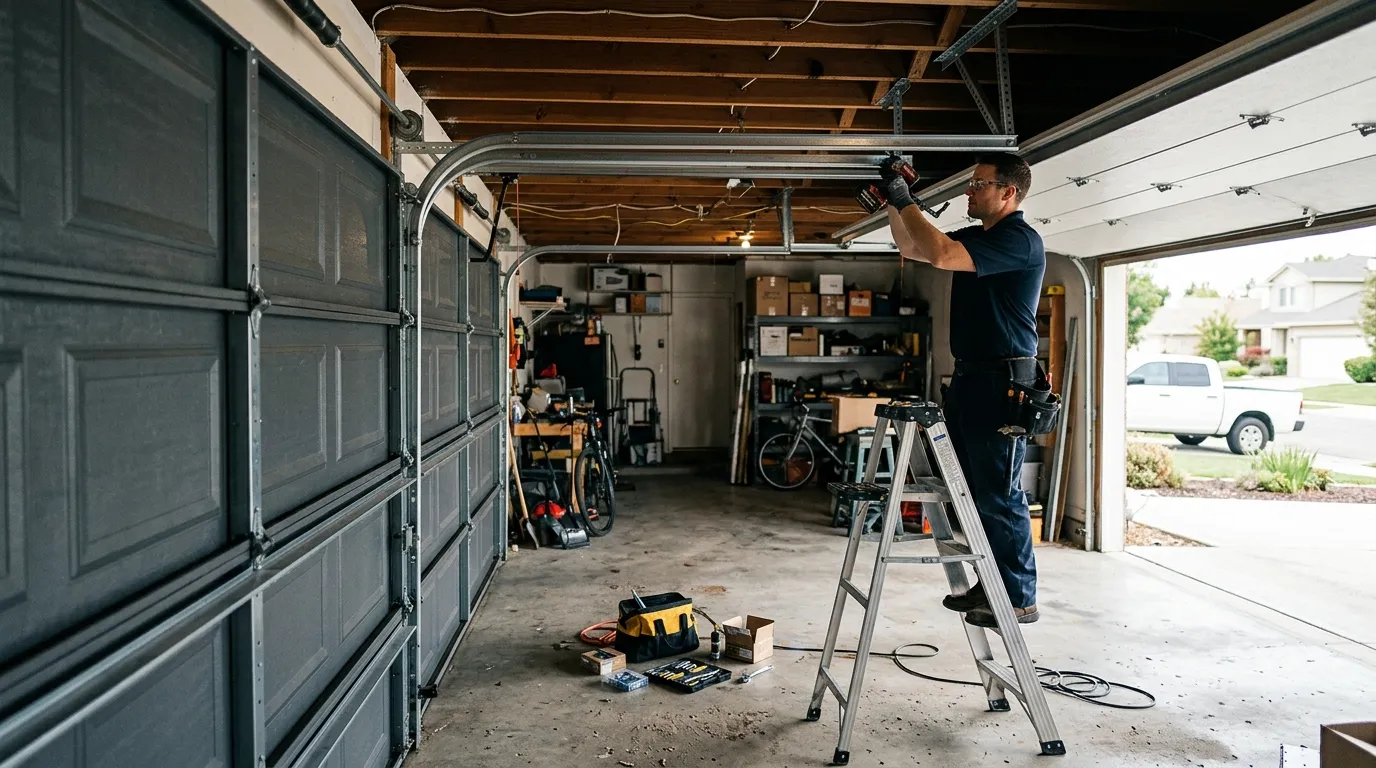
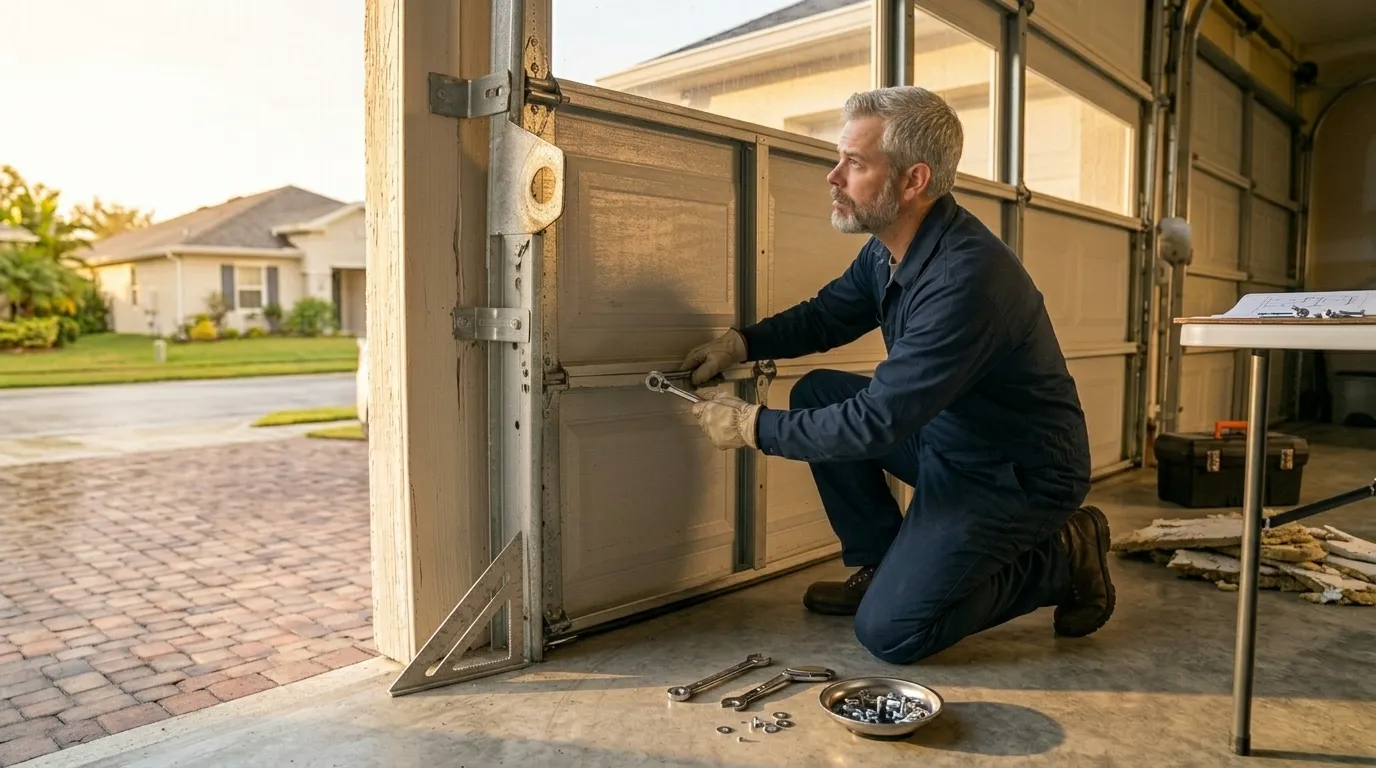
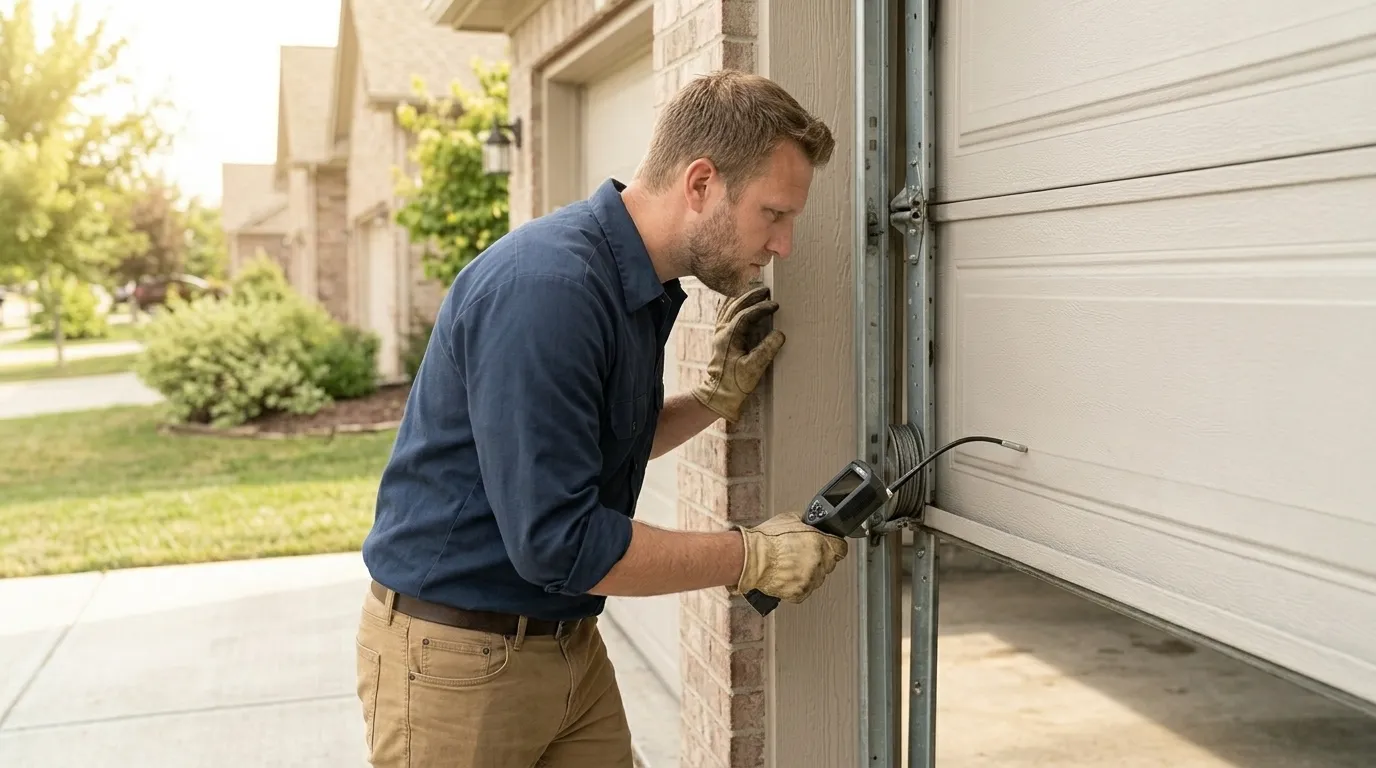
If you're not sure where your house falls, the opener itself is a decent clue. A chain-drive unit with a household light-bulb style bulb and a pull-cord emergency release usually points older; a belt-drive with a wall control pad and battery backup points newer. Either way, when we come out we check the spring size against the door weight before touching anything - swapped springs are common after a repair years ago that used whatever was on the truck instead of the right size for the door.
What That Means for Doors
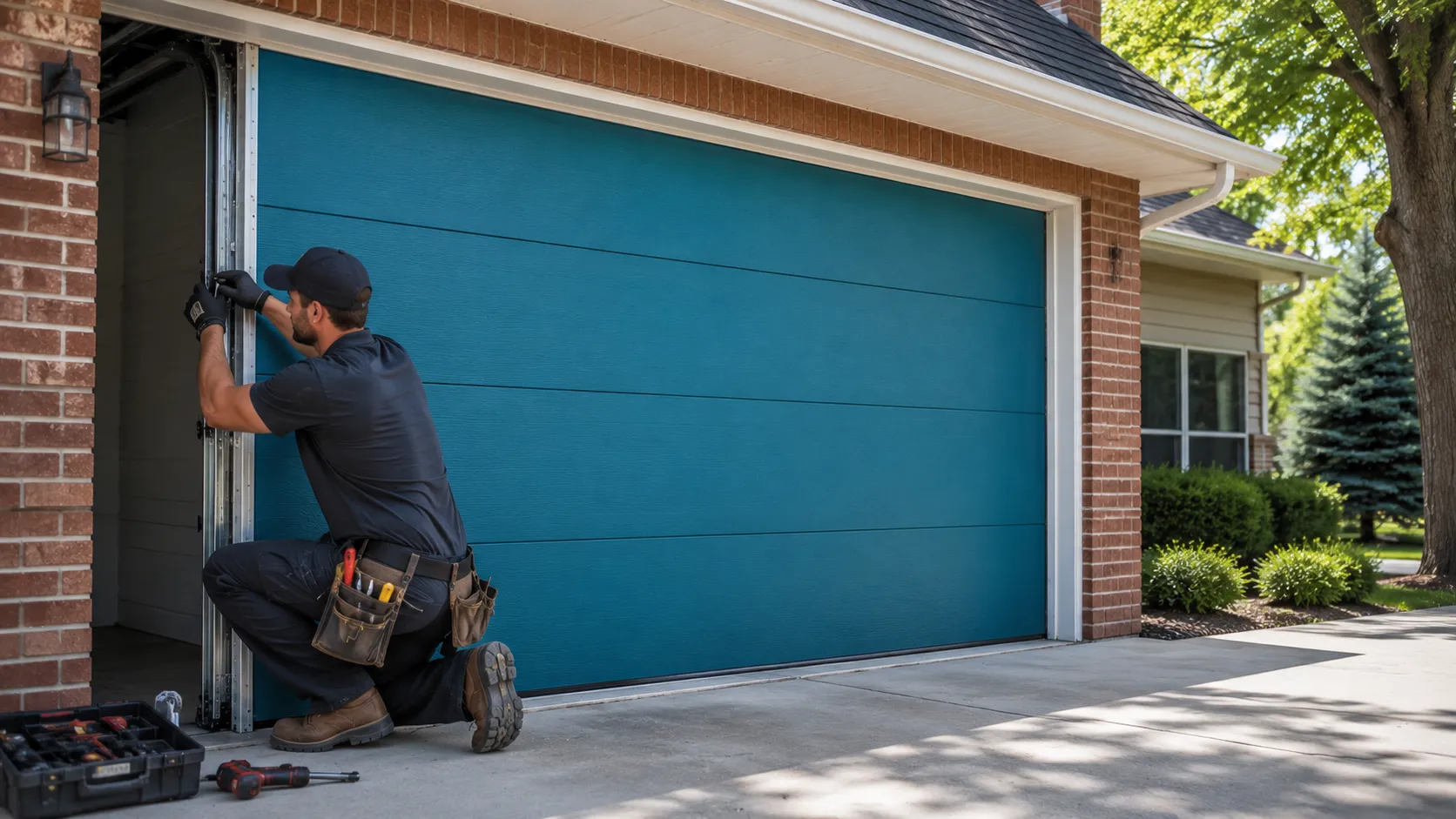
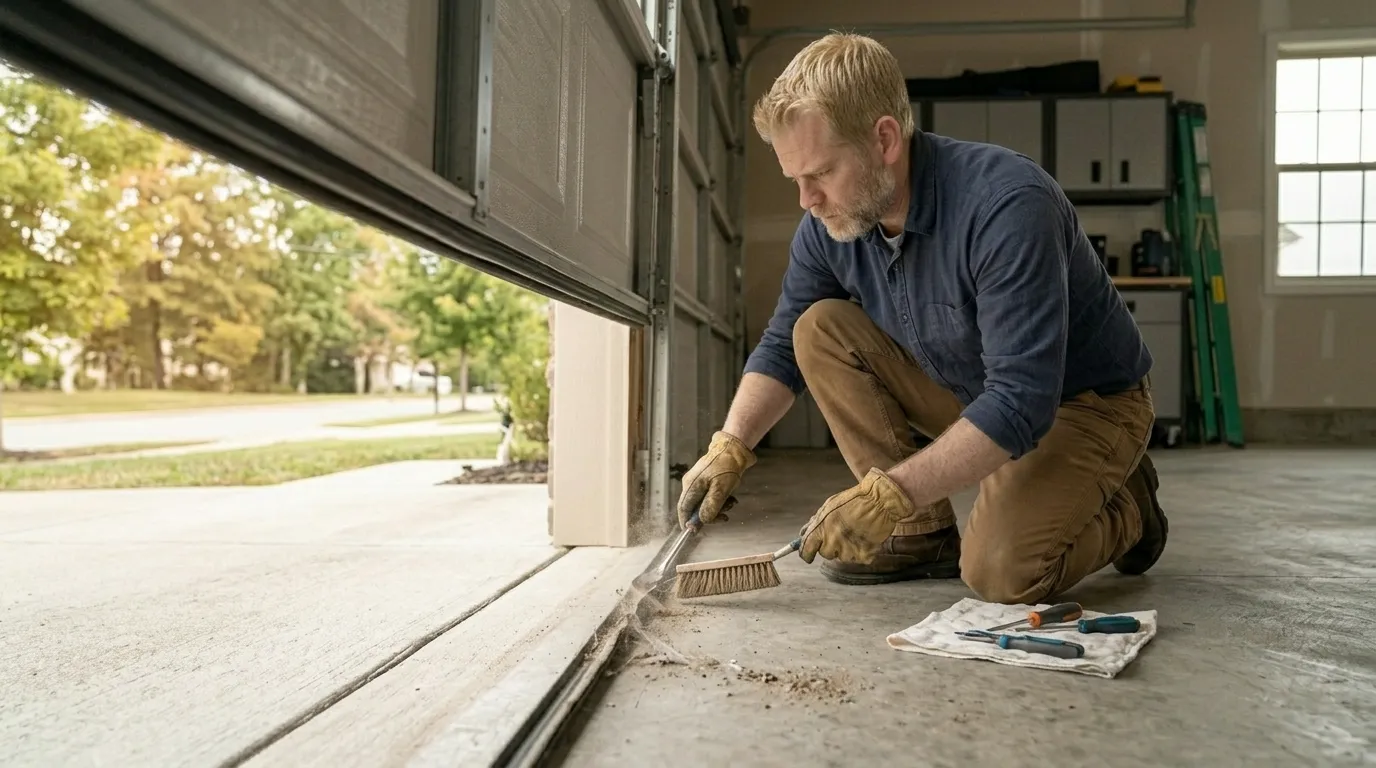
Put the pieces together: a 1991 median build year, 16 miles from our base, and a household income median around $78,889 for the town - a bit under the wider area's $83,256. That combination usually means doors that were a mid-range choice when installed and have had one owner's worth of DIY spring or roller swaps since, not a full replacement. We see a lot of galvanized rollers that were never upgraded to nylon, and torsion springs sized for the original steel door even after a heavier insulated door replaced it.
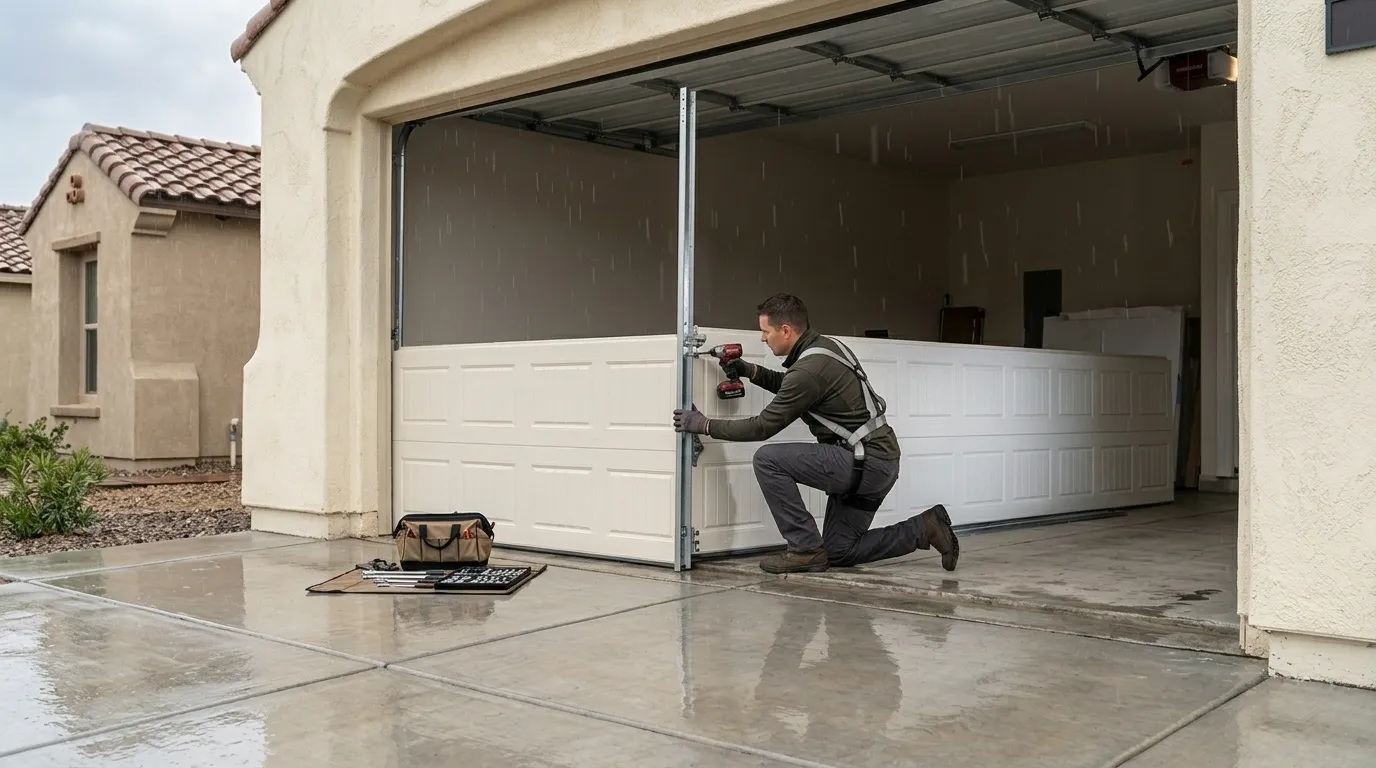
One honest limit: if your opener is original to a 1991 build, parts for it are often gone. We won't spend an hour hunting a discontinued circuit board when a new opener costs less than the labor to find one. We'll tell you straight if replacement beats repair rather than running up a bill chasing an old part.