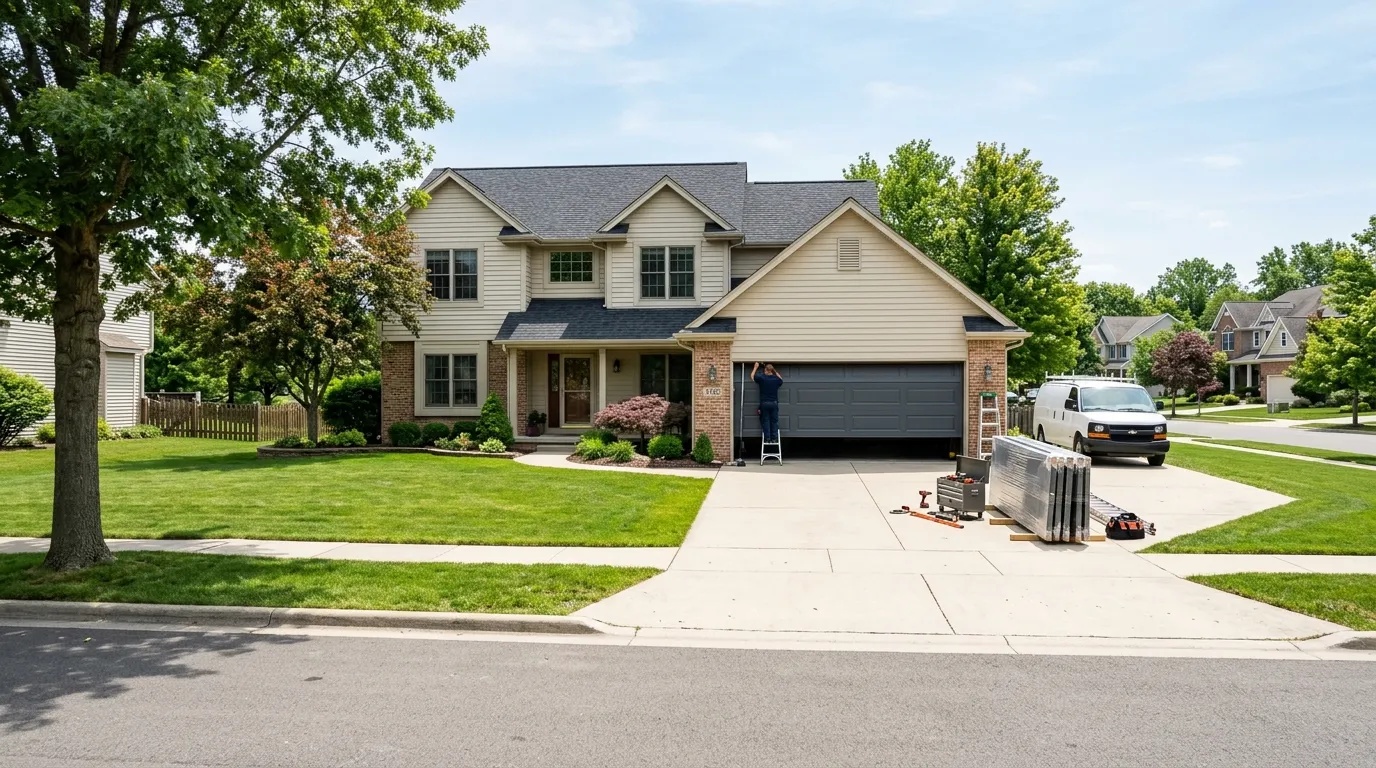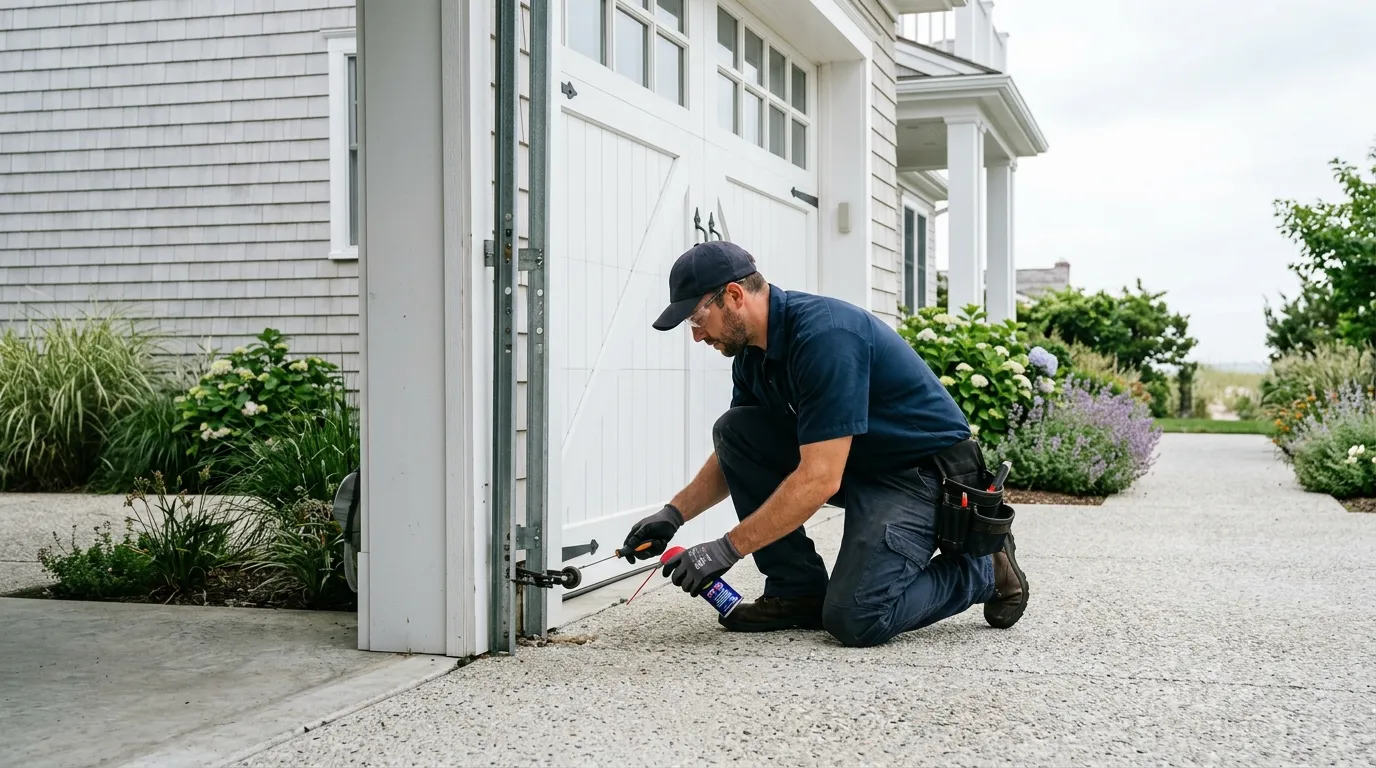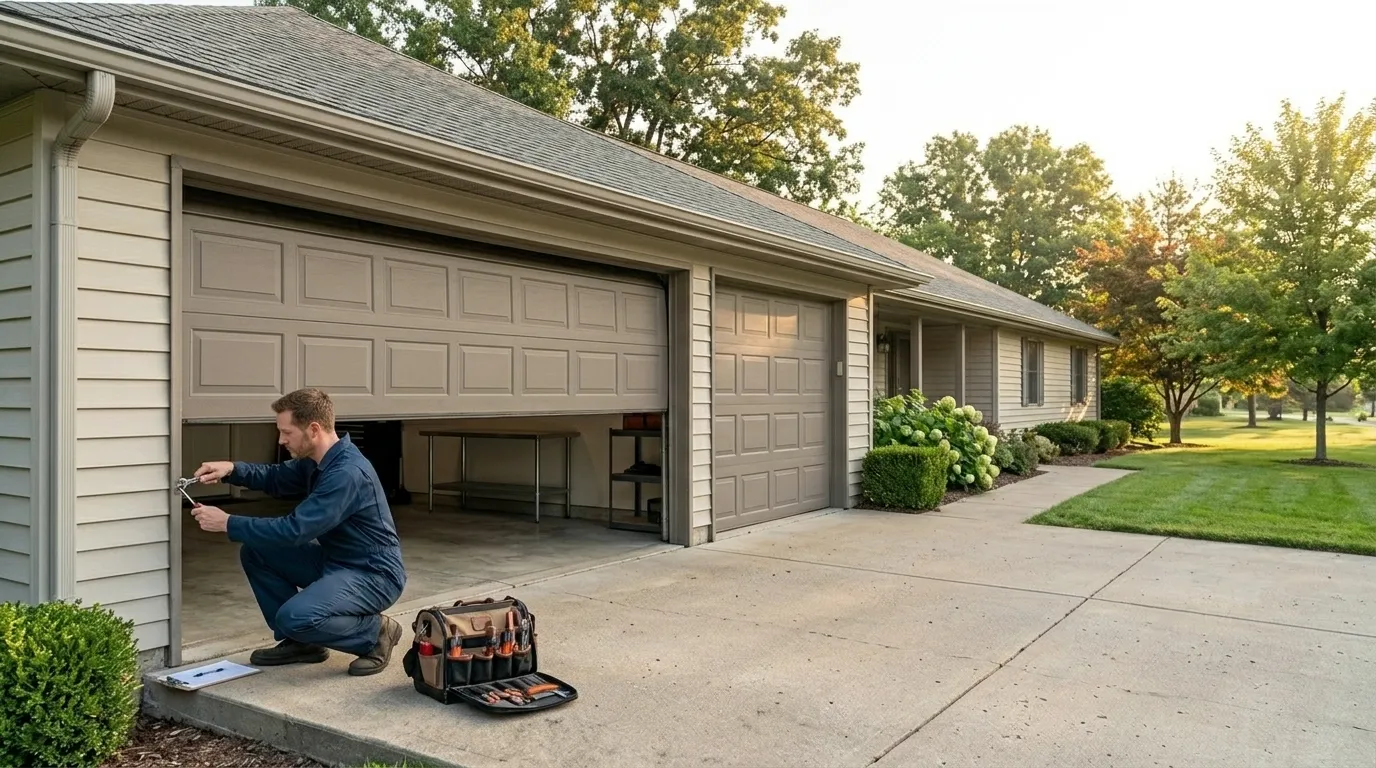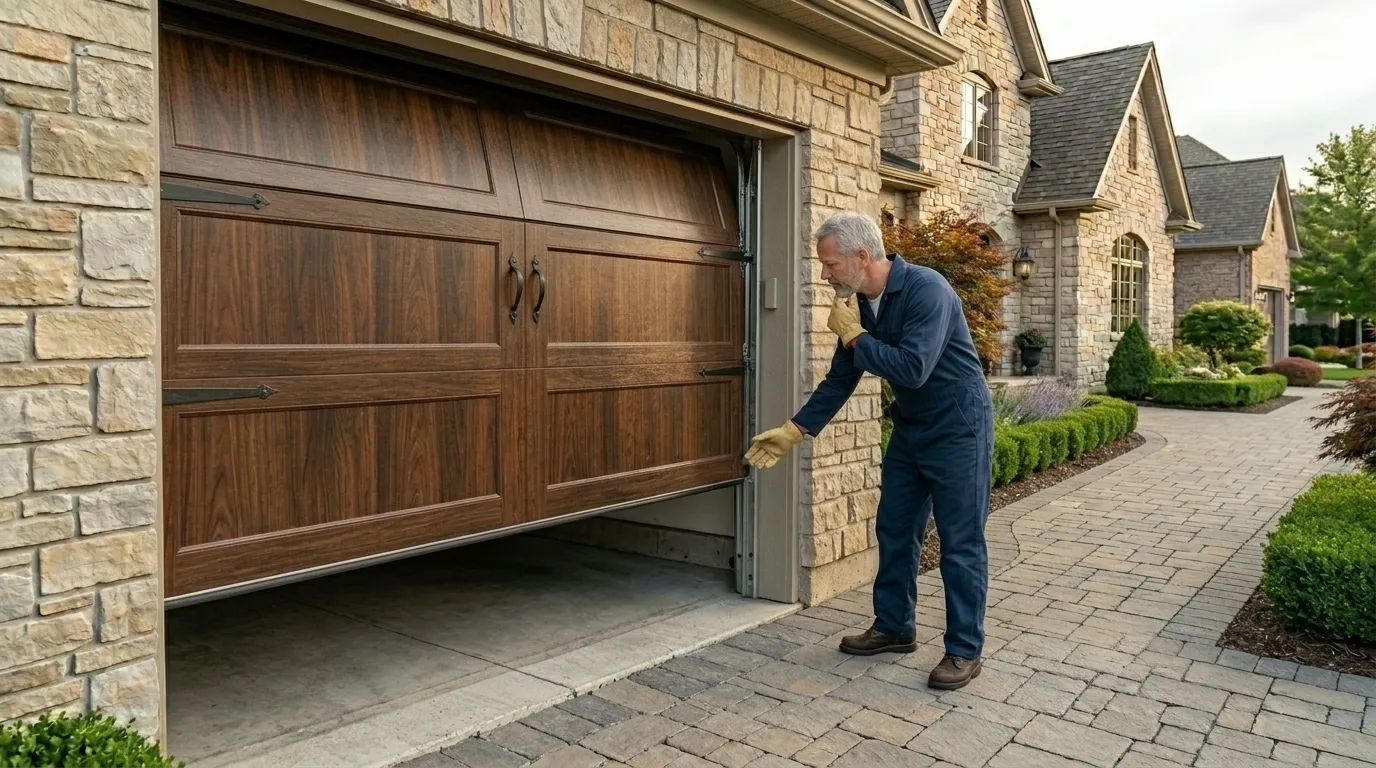
The Symptom
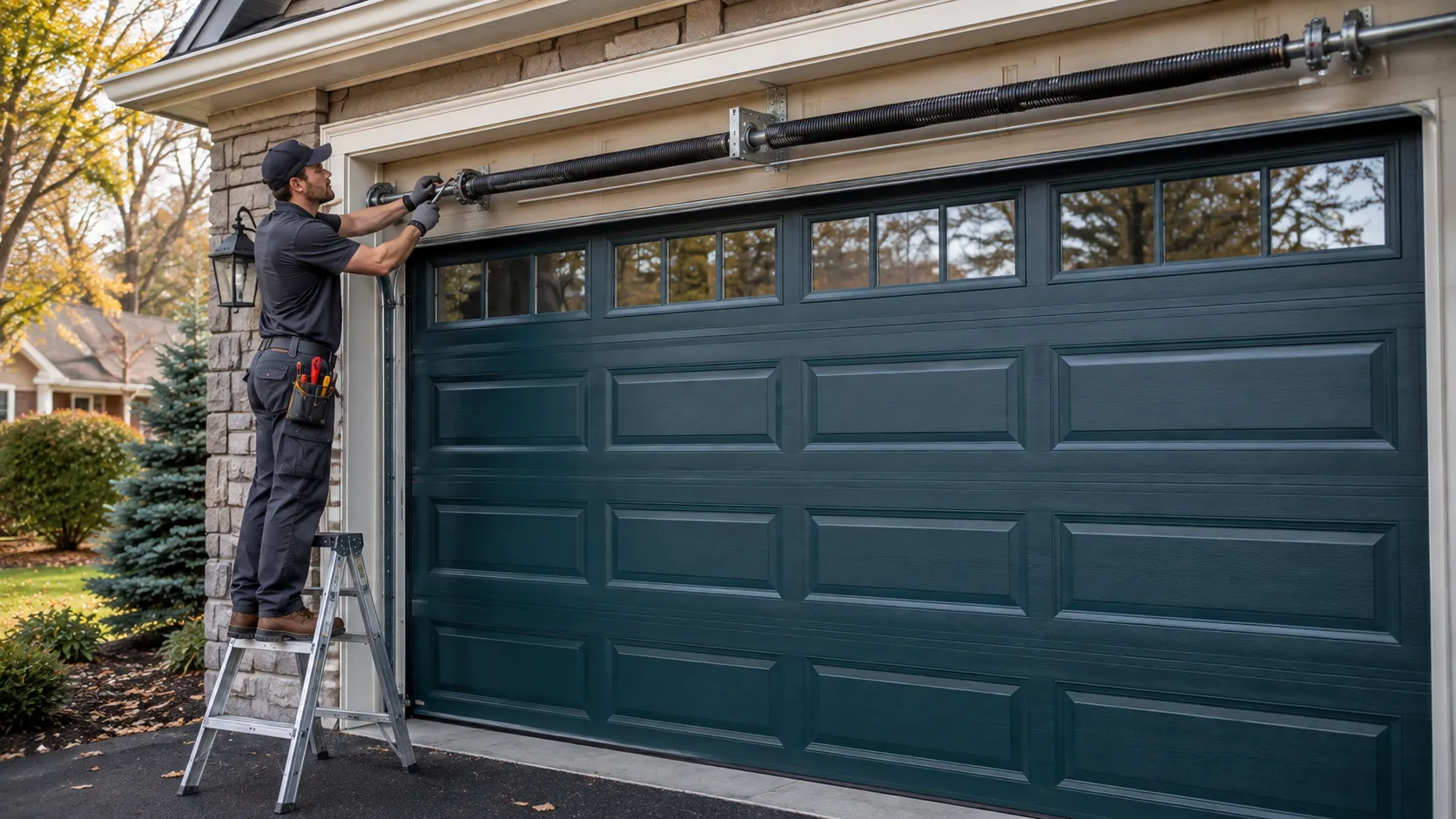
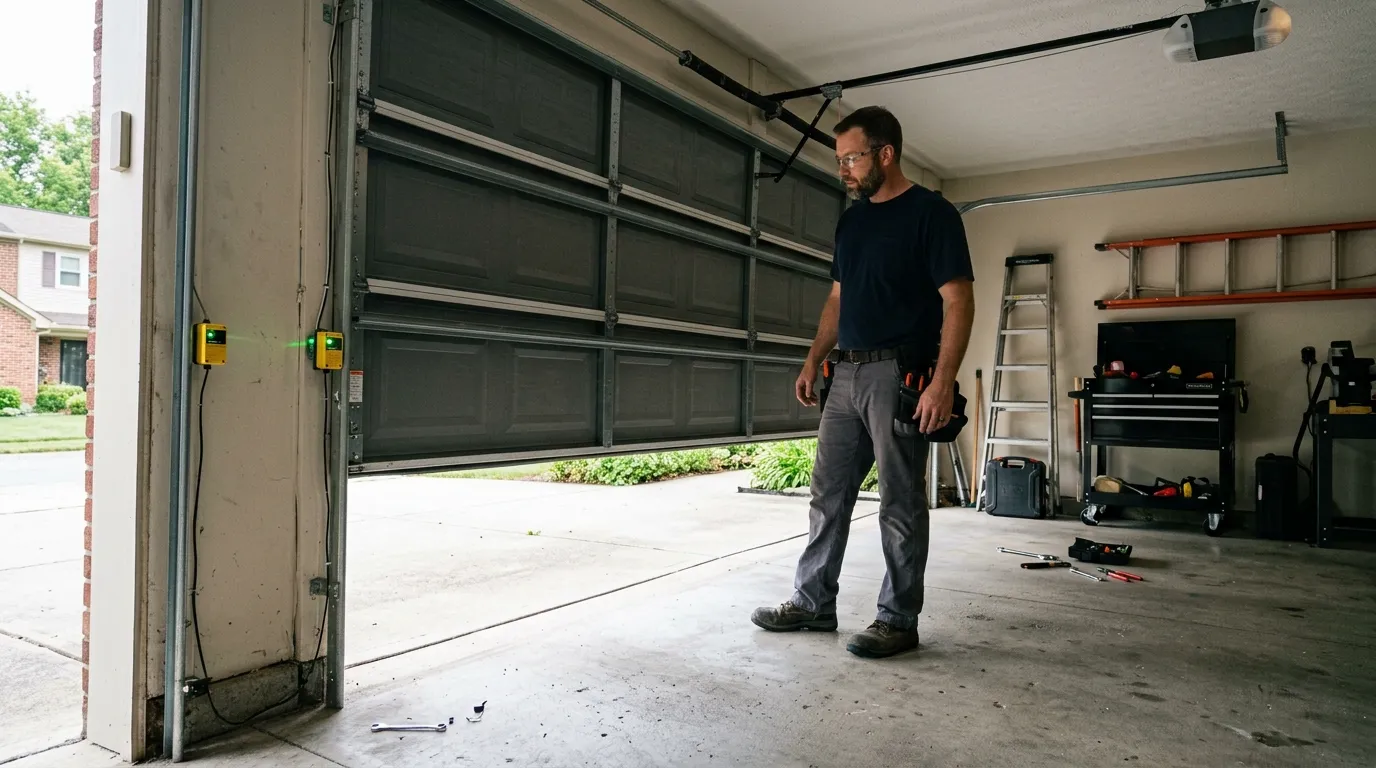
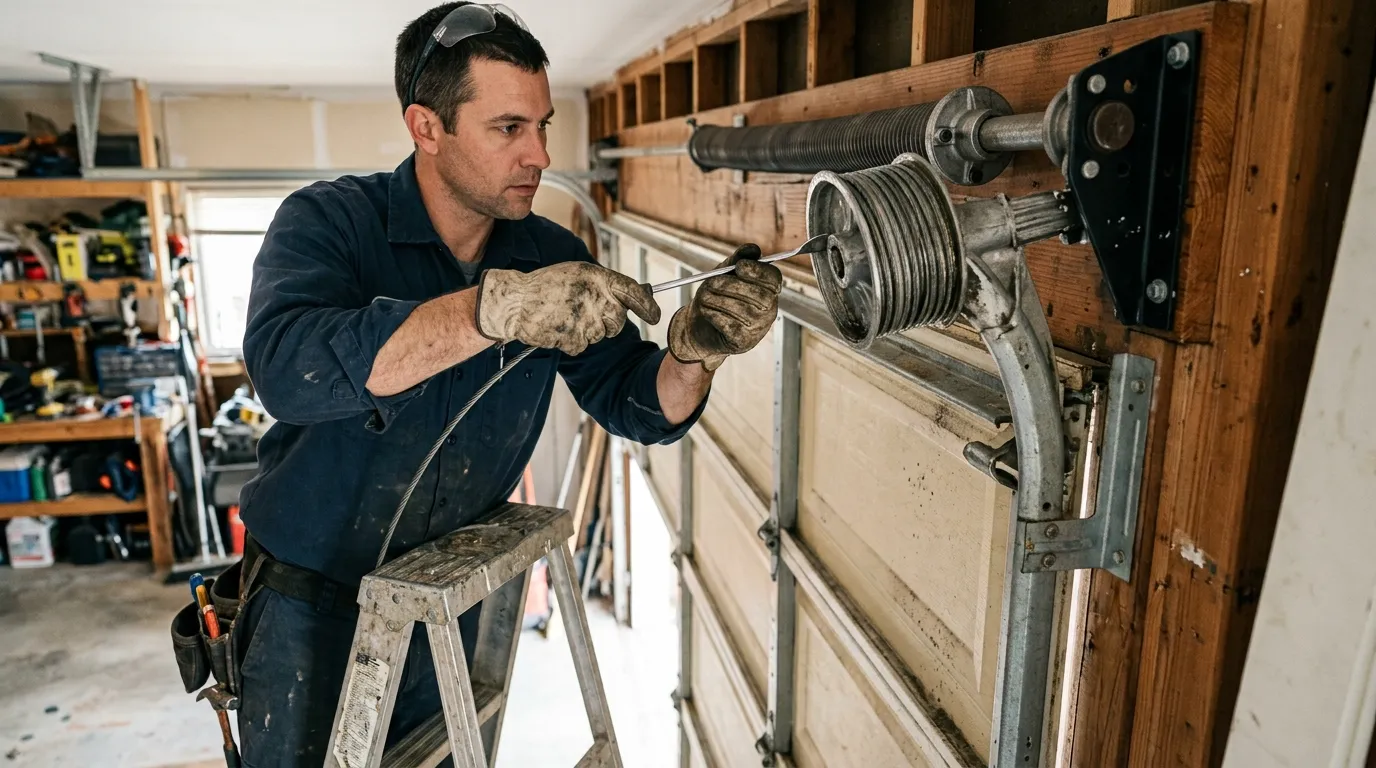
You hit the wall button and the door groans, jerks, or stops halfway. Sometimes it reverses on its own before it touches the floor. Sometimes the opener runs but the door doesn't move at all, which usually means a cable or spring gave out, not the motor.
In Dallas this shows up a lot on doors that have never been touched since the house was built. Most of the housing across this service area went up between 1973 and 2007, with the bulk of it dating to the 1980s and 90s. A torsion spring rated for a set number of cycles doesn't care what decade it is - it just wears out, and a lot of Dallas garages are hitting that point now at the same time, because a lot of the houses went up in the same stretch of years.
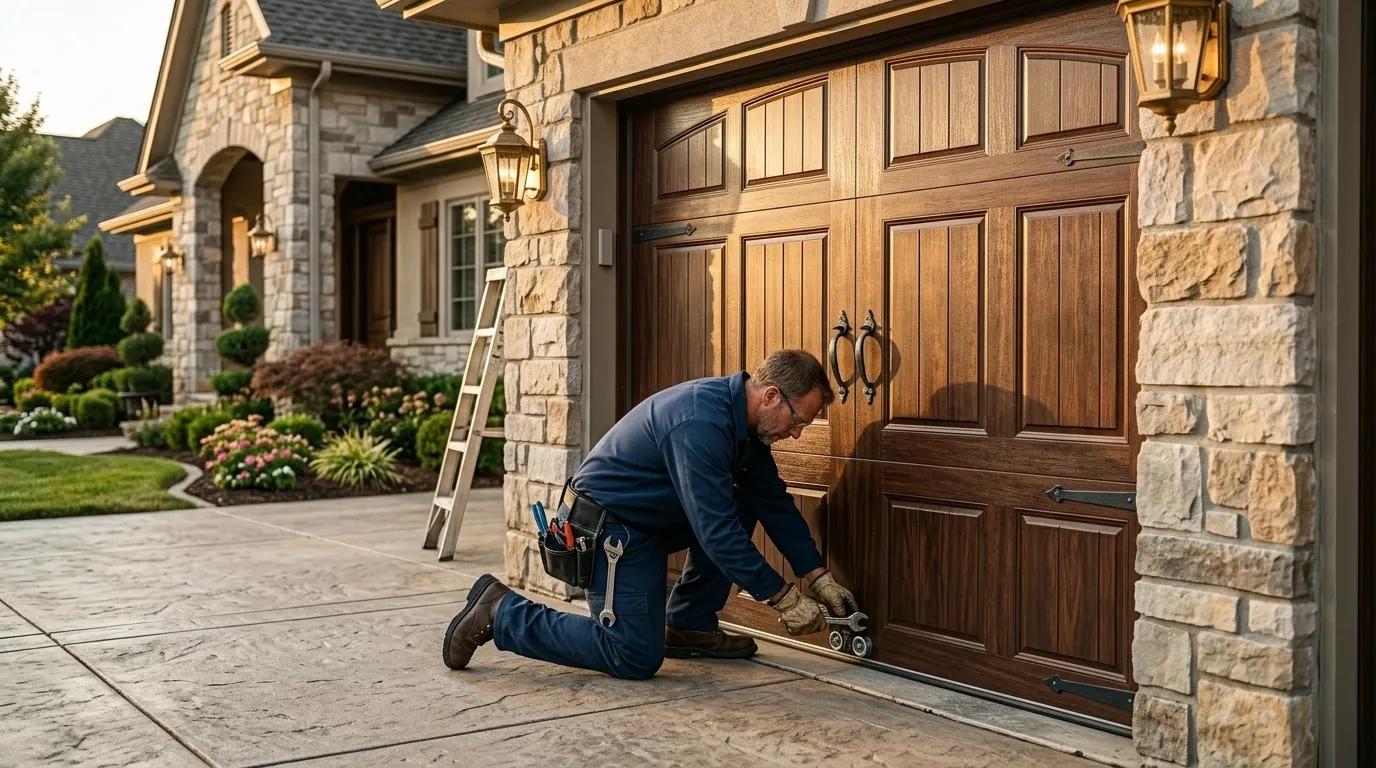
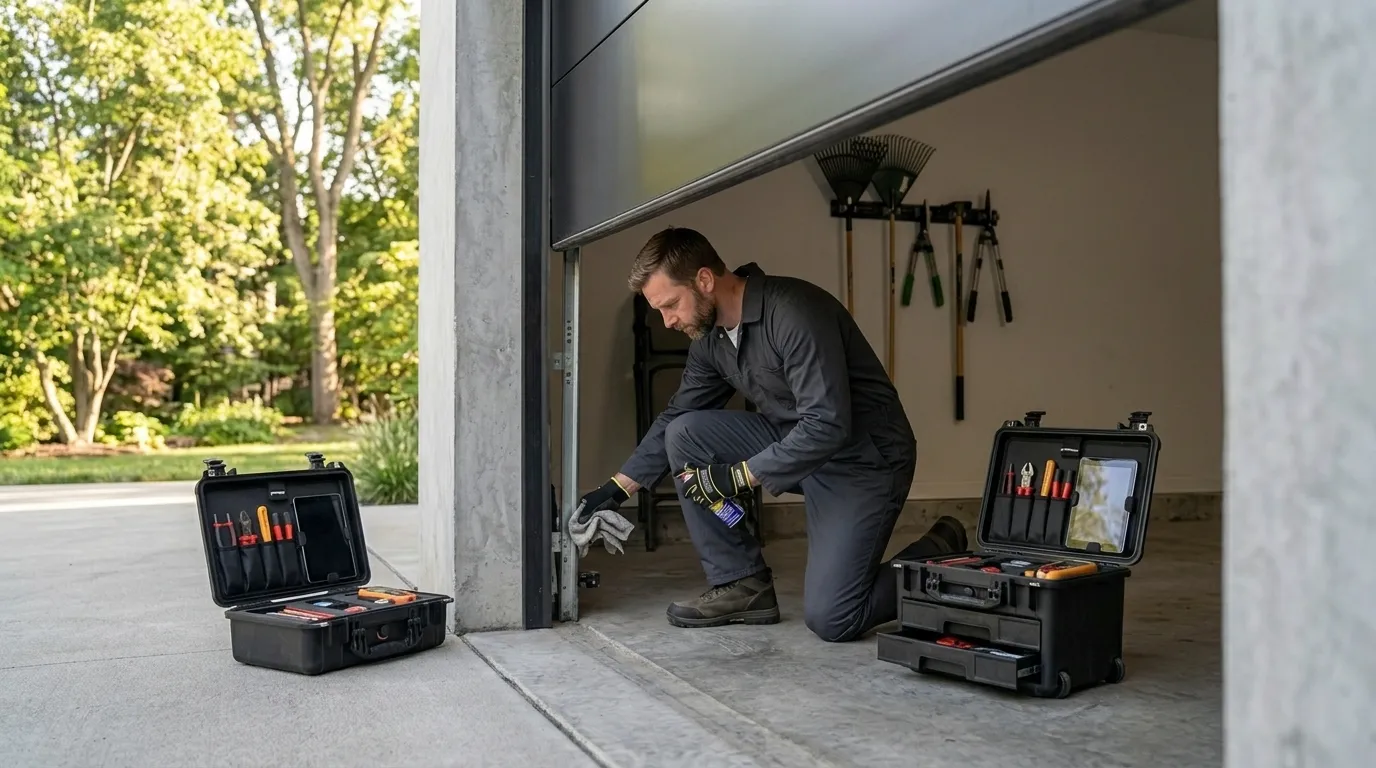
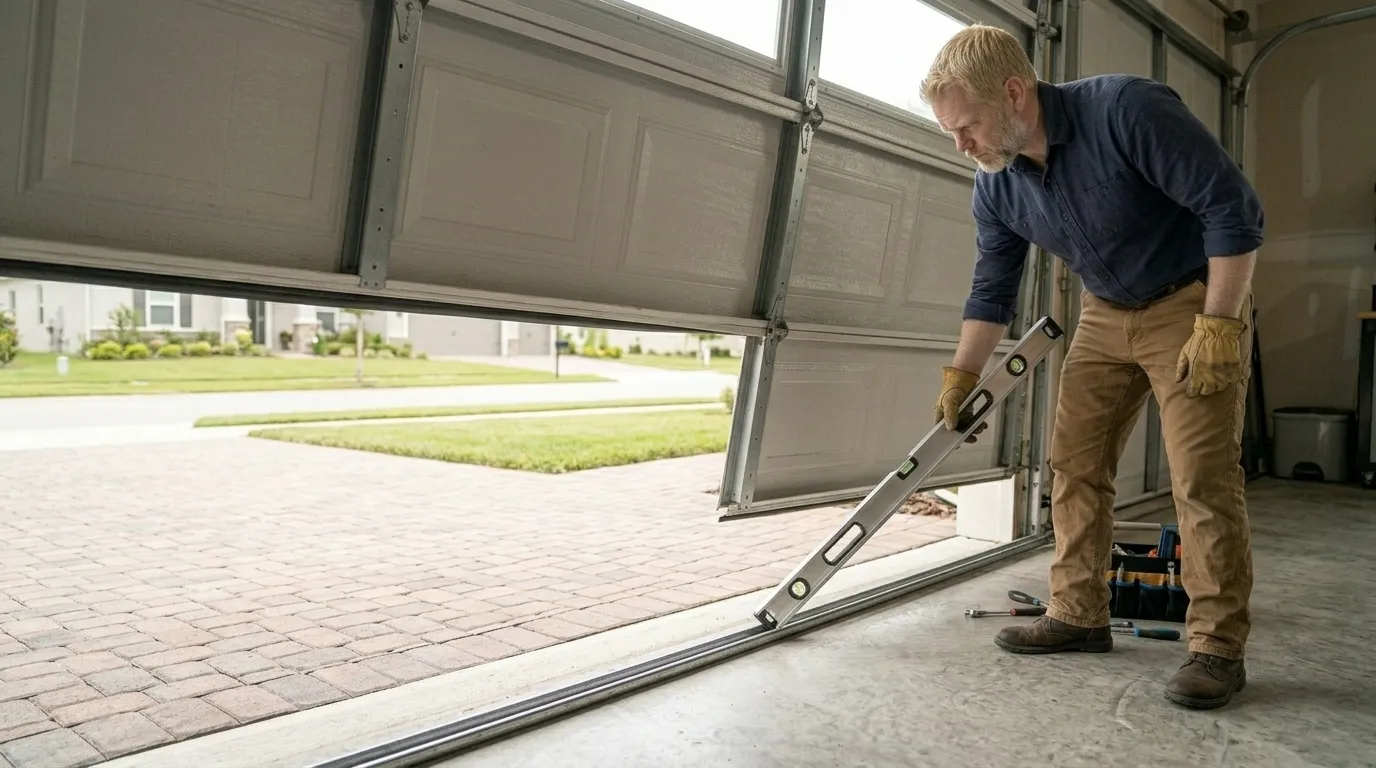
If your door is slow to respond, or the opener's remote works from the driveway but not from inside the car, that's usually a receiver or logic board on its way out, not a spring. We look at the door itself before we touch the opener, because replacing electronics on a door that's actually got a bent track or worn rollers just moves the symptom, it doesn't fix it.
What You Pay
We don't post a flat number here because what a job costs depends on what's actually wrong and what's on the door - torsion springs, extension springs, a belt-drive opener versus an old chain-drive unit, steel panels versus older wood ones. A call for a stuck door on a house from the 1980s or 90s often turns into a straightforward spring or cable job. A call on a newer build closer to 2000-2007 sometimes turns up an opener logic board instead, since those doors are more likely to be original but the electronics fail before the hardware does.
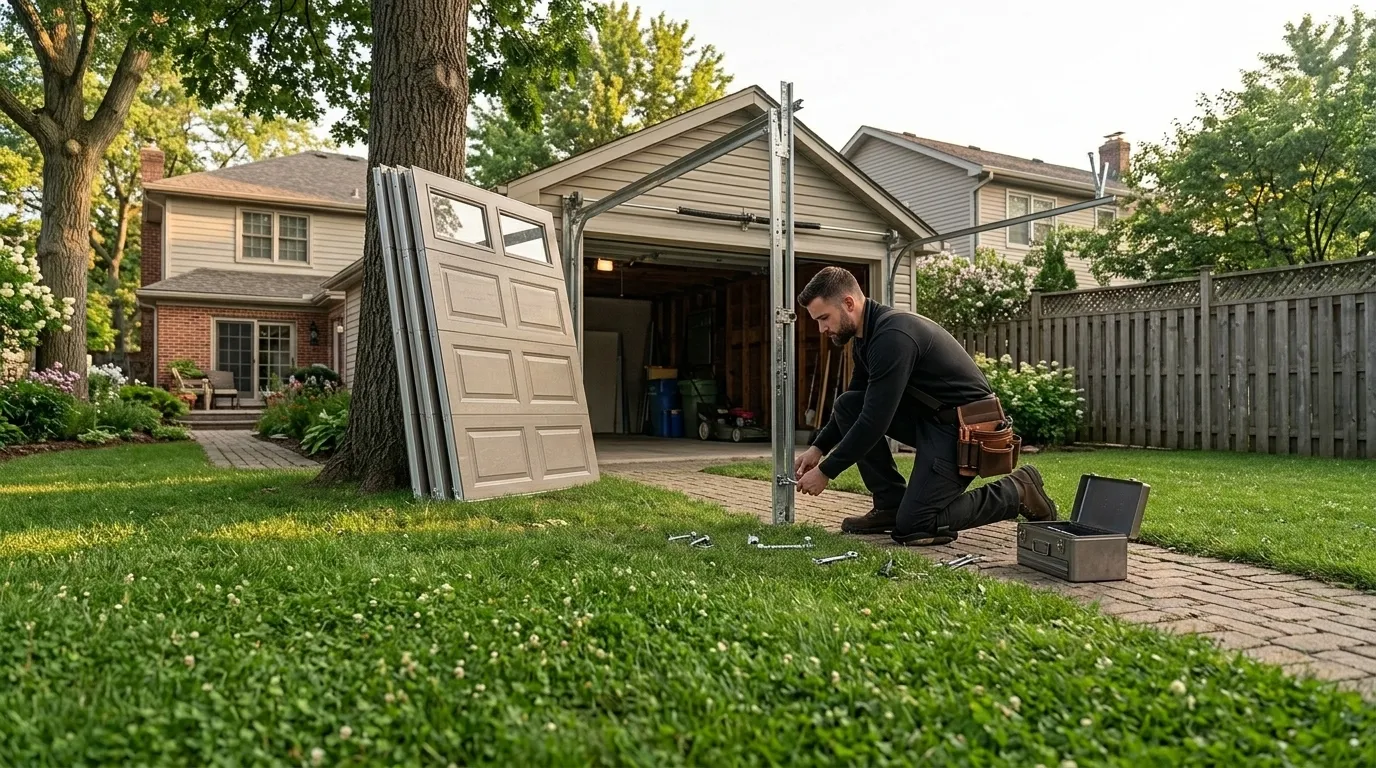
We'll tell you what we find and what it costs before we start any work, not after. If a repair doesn't make sense next to a replacement - say the door itself is rusted through or the track is bent beyond a clean fix - we'll say so instead of billing you for a patch that won't hold.
What Causes It Around Here
Two things line up in Dallas that don't line up everywhere. First, the age of the housing stock: most doors and openers in this service area were installed somewhere between 1973 and 2007, with a heavy concentration in the 1980s and 90s. That means a huge share of the roughly 80,920 owner-occupied houses across the area are carrying original or first-replacement hardware that's now 20 to 45 years old - past the point where springs, rollers, and early opener electronics are expected to hold up.
Second, the heat. Dallas sits in a moderate-heat climate band, and an unconditioned garage here goes through real temperature swings across the year. That cycle dries out lubricant on rollers and hinges faster than it would in a milder climate, and it stresses the seals on older opener motors. Neither problem is dramatic on its own, but combined with hardware that's already decades old, it's why we see so many of these calls come from the same pocket of build years - and the rest of the neighborhoods that make up this service area were largely built out in that same window.