Where This Job Goes Sideways
Most of the houses we see calls from in Murphy went up around 2005, well after the 1993 median build year across the wider Dallas service area. That matters more than it sounds like it should. A house built in the early-to-mid 2000s almost always got a builder-grade chain or belt opener installed once, at closing, and never touched again unless something broke outright. Twenty years later, that's the unit still hanging in the garage.
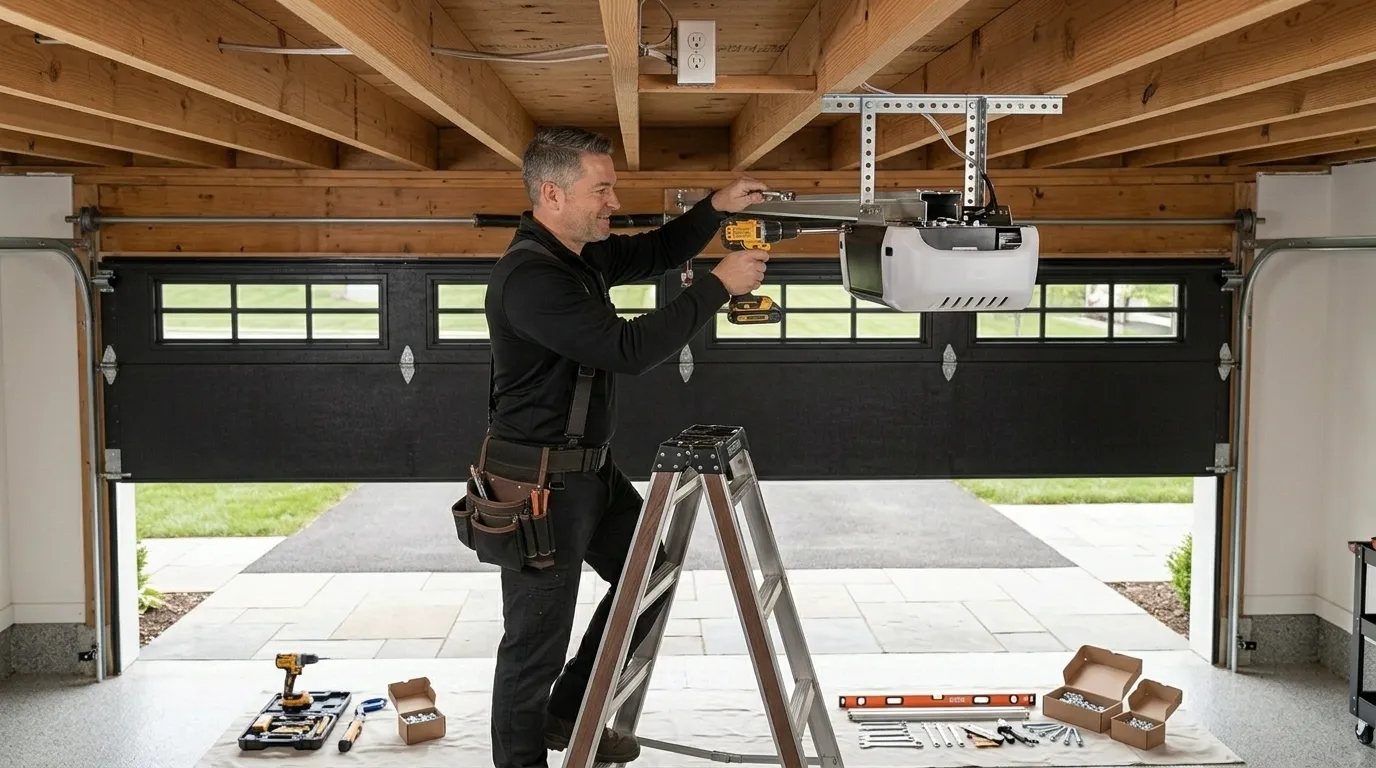
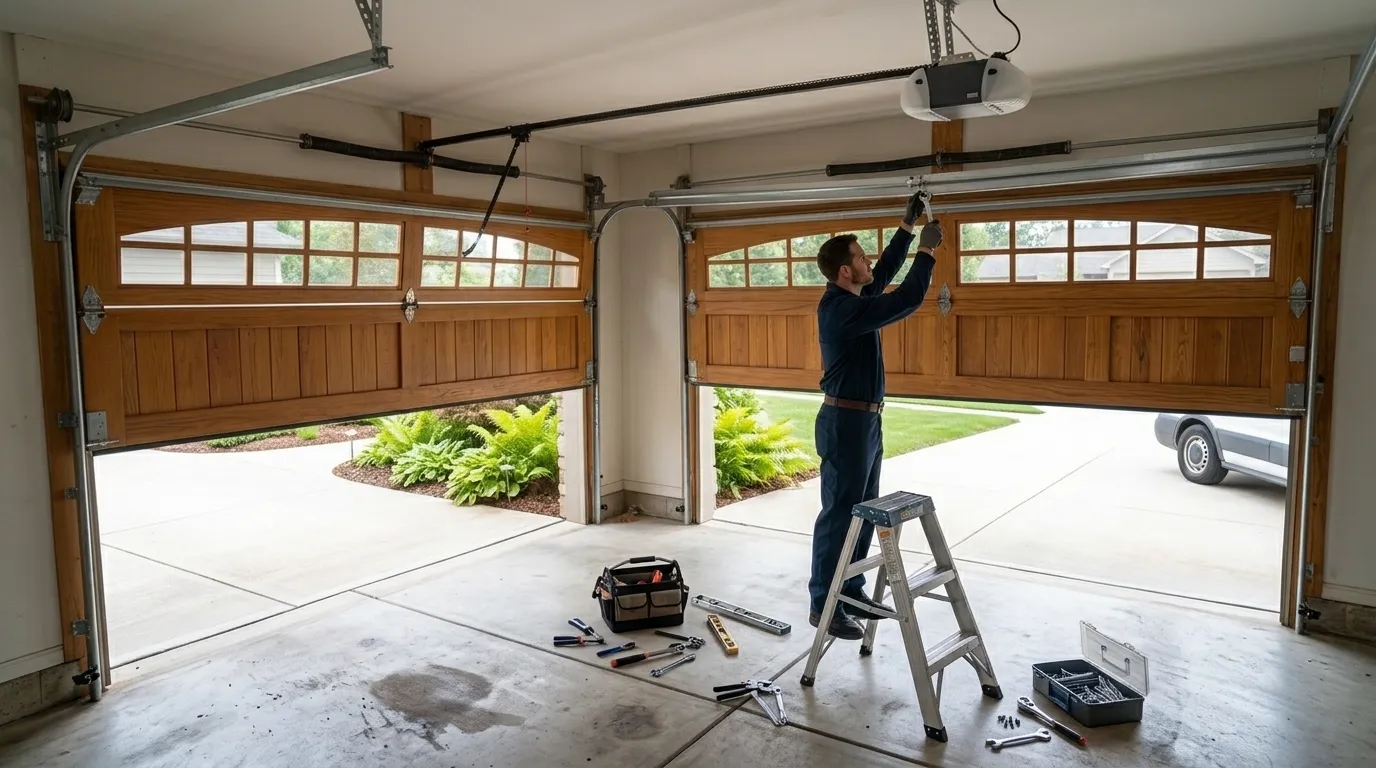
Where it goes sideways is the assumption that a twenty-year-old opener failing is a simple fix. The motor windings are fine. The problem is usually the logic board, the traveling limit switches, or a drive gear that's been quietly stripping plastic teeth for months before it finally slips completely. Homeowners call about a dead remote and the actual issue is a board that's been intermittently failing for weeks, throwing the door open halfway then stopping. By the time we get the call, three separate small failures have stacked into one no-response opener, and untangling which one started it takes longer than swapping a single part would.
We travel from Dallas for this call, about 18 miles each way, so we'd rather get the diagnosis right the first trip than guess.
What You Pay
We don't have a Murphy-specific price sheet to quote here, and we're not going to invent a number just to fill this section. What we can tell you is what drives the cost on a job like this: whether the fix is a part swap (logic board, sensor, drive gear) or a full opener replacement, and whether the original unit is still supported with available parts twenty years on.
Murphy's median household income, at $165,109, is well above the $83,256 median across the rest of the service area we cover. In practice that shows up less in what people pay per job and more in when they call - owners here tend to replace an aging opener at the first real sign of trouble rather than nursing it along for another year. That's not a discount or a markup, it's just a different point in the failure curve.
For the service categories and what's covered on a visit, our Murphy service page has the breakdown. If you want the general opener repair rundown that applies across the whole area we work, that lives on the main opener repair page for Dallas.
What Causes It Around Here
The climate band for this area is moderate heat, not the extreme swings you'd get further south or west, but garages still run hotter than the rest of a house for a good chunk of the year. On an opener installed around 2005, that's two decades of heat cycling on plastic gears and circuit board components that weren't built to last forever in the first place.
The other factor is simply age matching build year. A house from 1993 might have already had its opener replaced once. A house from 2005 is closer to the point where the original unit is aging out on its own schedule, gear wear and board degradation happening now rather than years ago. We're not seeing storm damage or flood-related failures drive these calls - it's closer to straightforward mechanical and electrical fatigue on units that have quietly done their job since the house was built and are now due.
Can You Do This Yourself
Some of this is genuinely DIY. Reprogramming a remote, replacing its battery, or reseating a safety sensor that's gotten knocked out of alignment - any homeowner can do those with a screwdriver and the manual. If the sensors have a solid light on both sides and the door still won't close, alignment is worth checking before you call anyone.
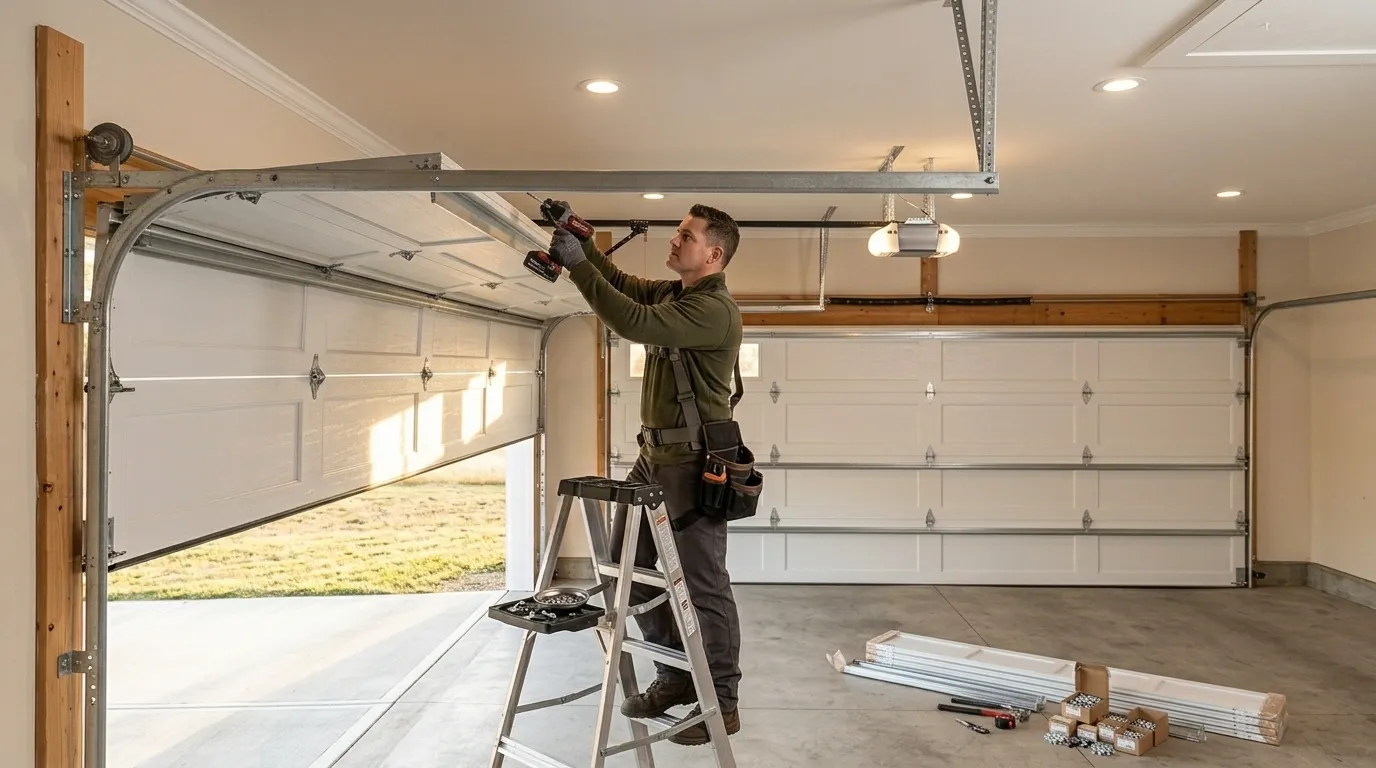
What's not worth attempting yourself: opening the opener head unit to get at the logic board, or replacing a stripped drive gear. Parts for a specific opener model from 2005 aren't always sitting on a shelf - sourcing the right gear kit or board can take longer than the repair itself, and that's a real limitation, not a sales pitch. If the unit is old enough that parts are hard to find at all, replacement usually makes more sense than chasing a repair for a unit that's already at the end of its expected life. That's a judgment call worth having someone look at in person rather than guessing from a symptom list.