The Symptom
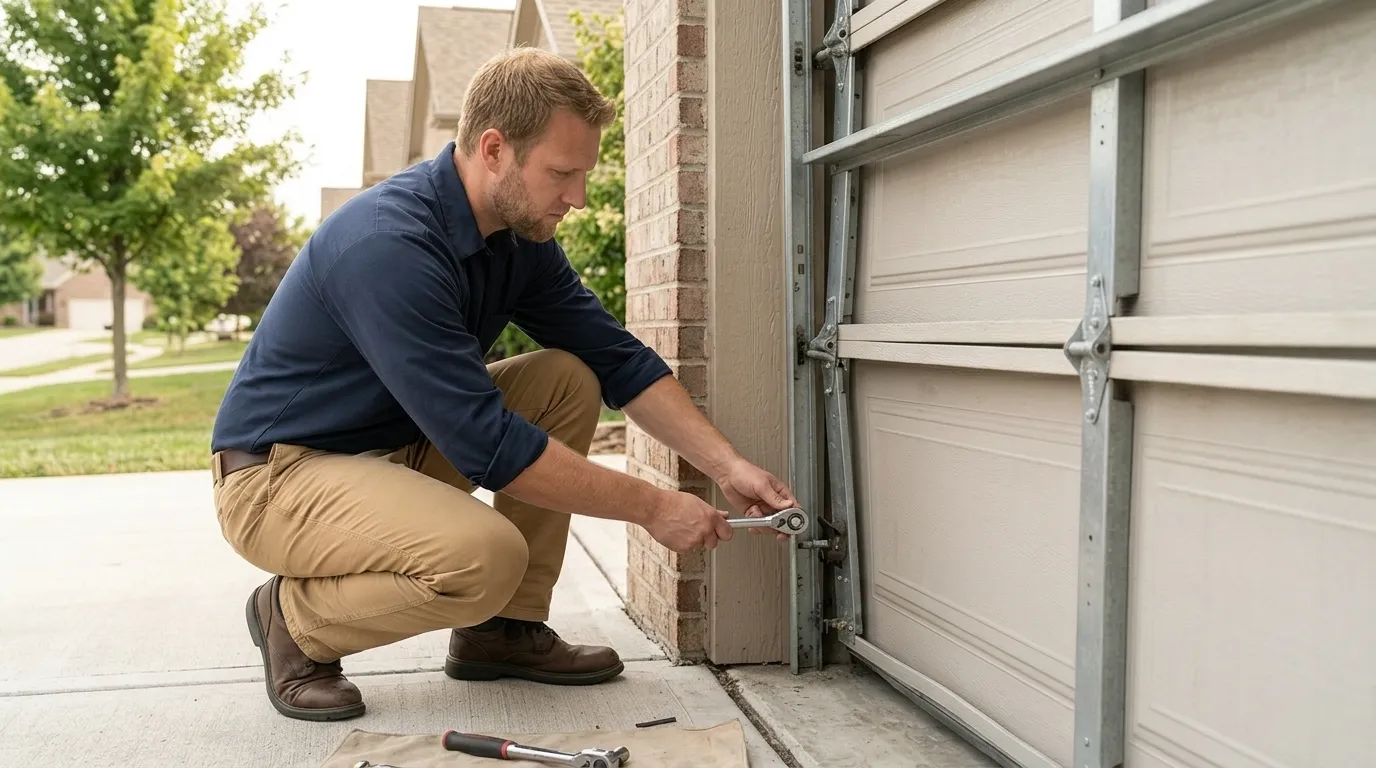
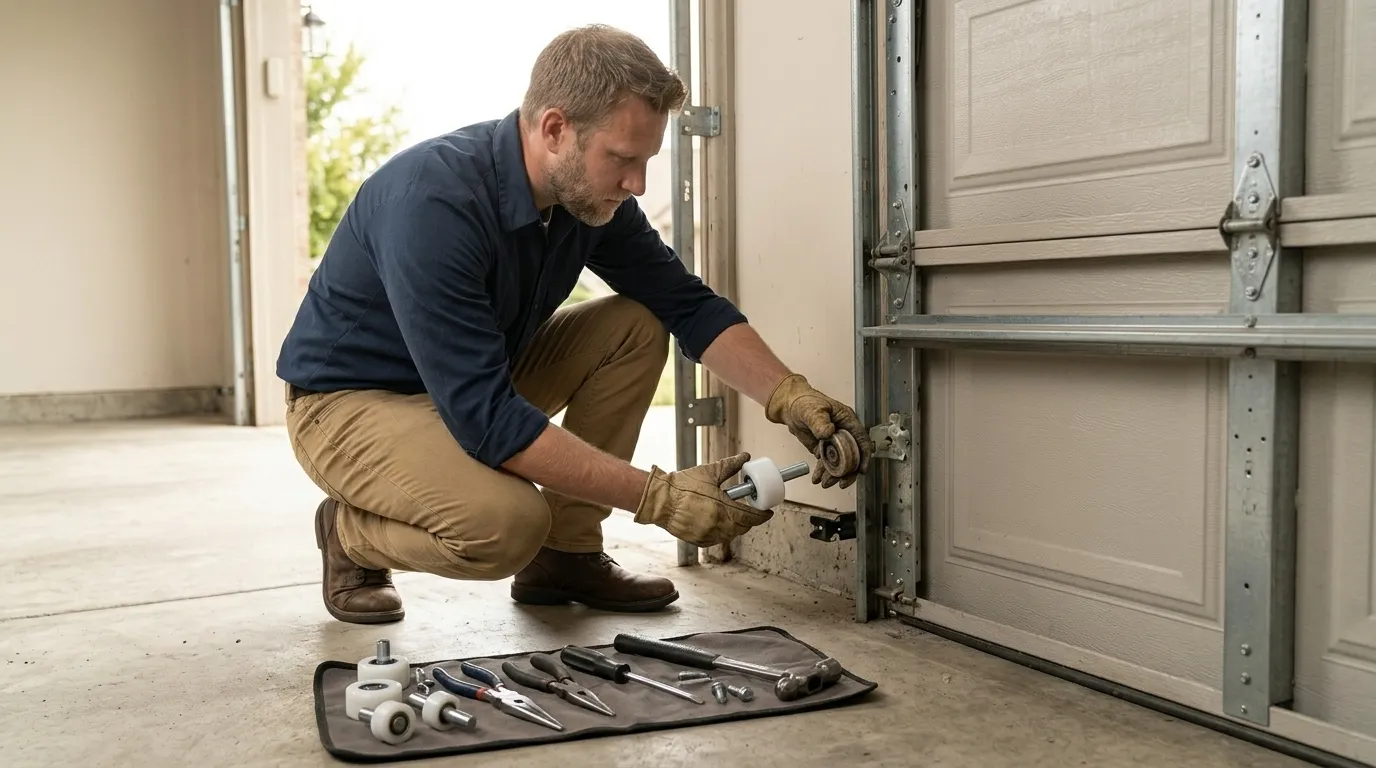
If your door sounds like it's dragging a shopping cart down the track, or it jumps and shudders instead of gliding, the rollers are worn. You'll hear it first at the top and bottom of the travel, where the roller has to seat into the curved part of the track. Nylon rollers wear down and go slightly oval instead of round, and that's what causes the thump you feel through the floor when the door closes. Steel rollers with worn bearings tend to squeal instead of thump.
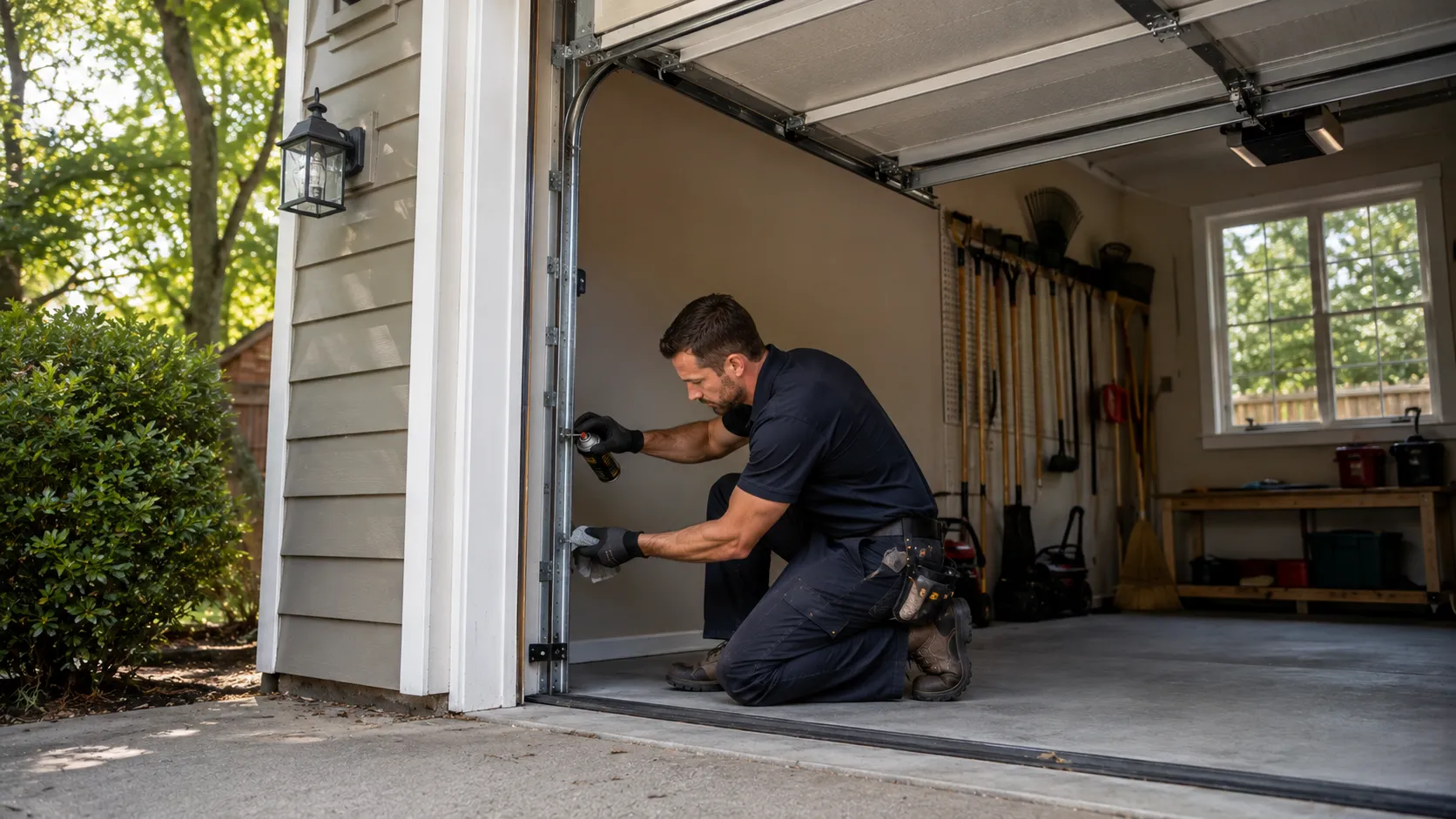
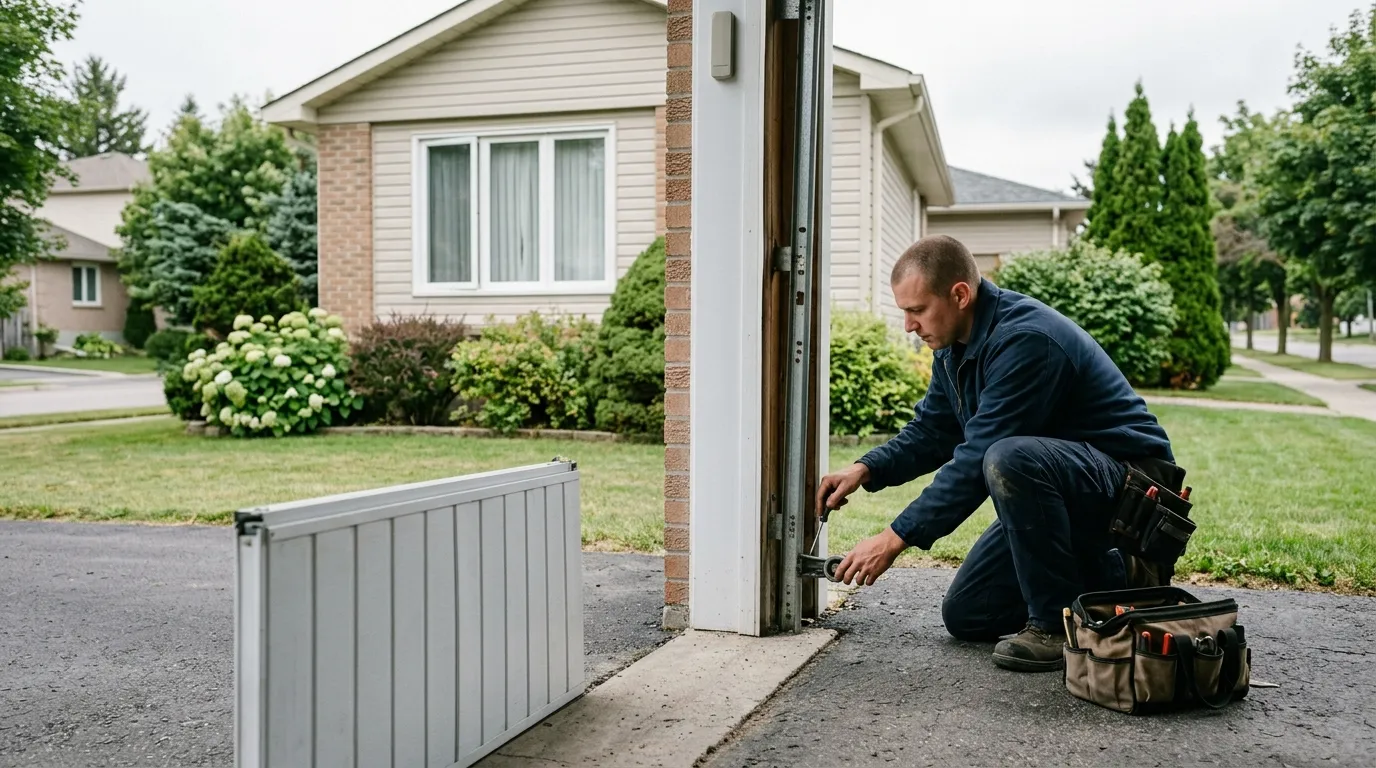
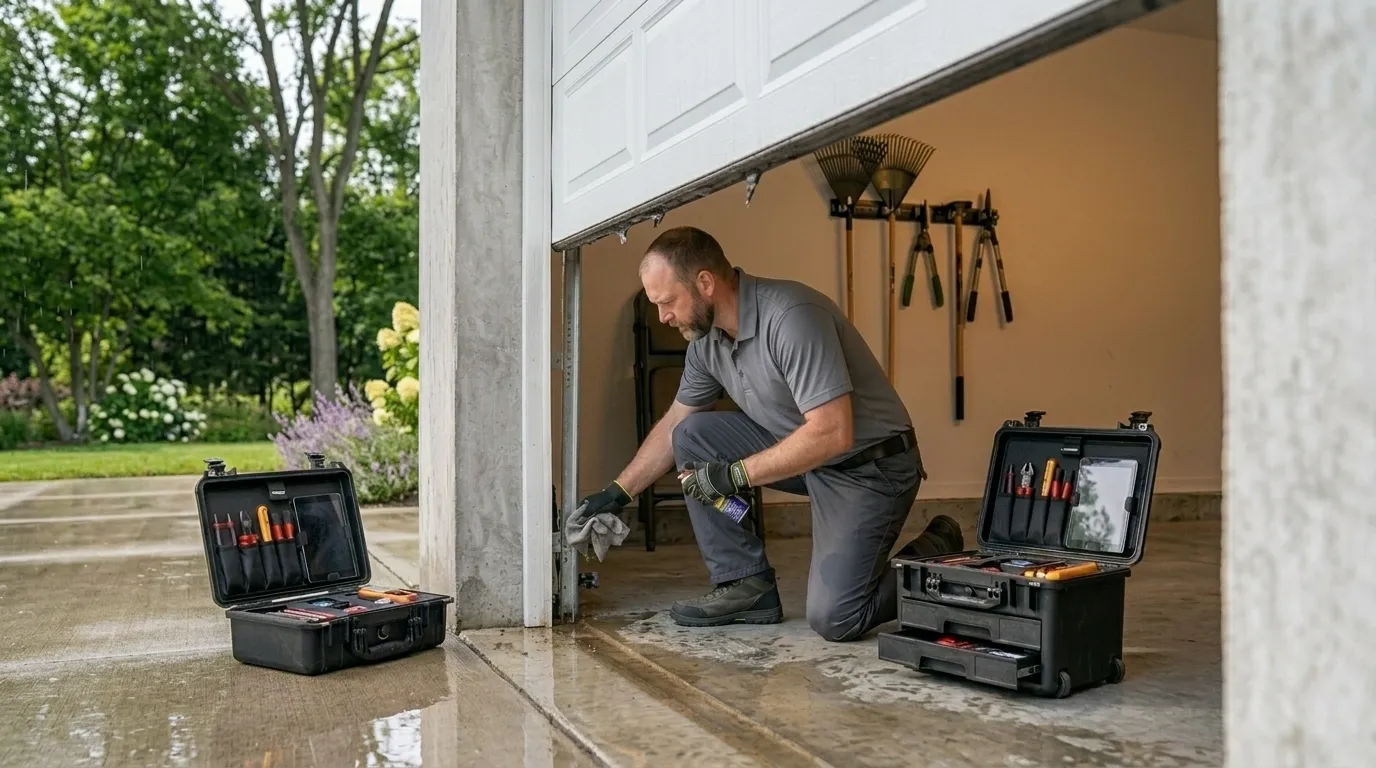
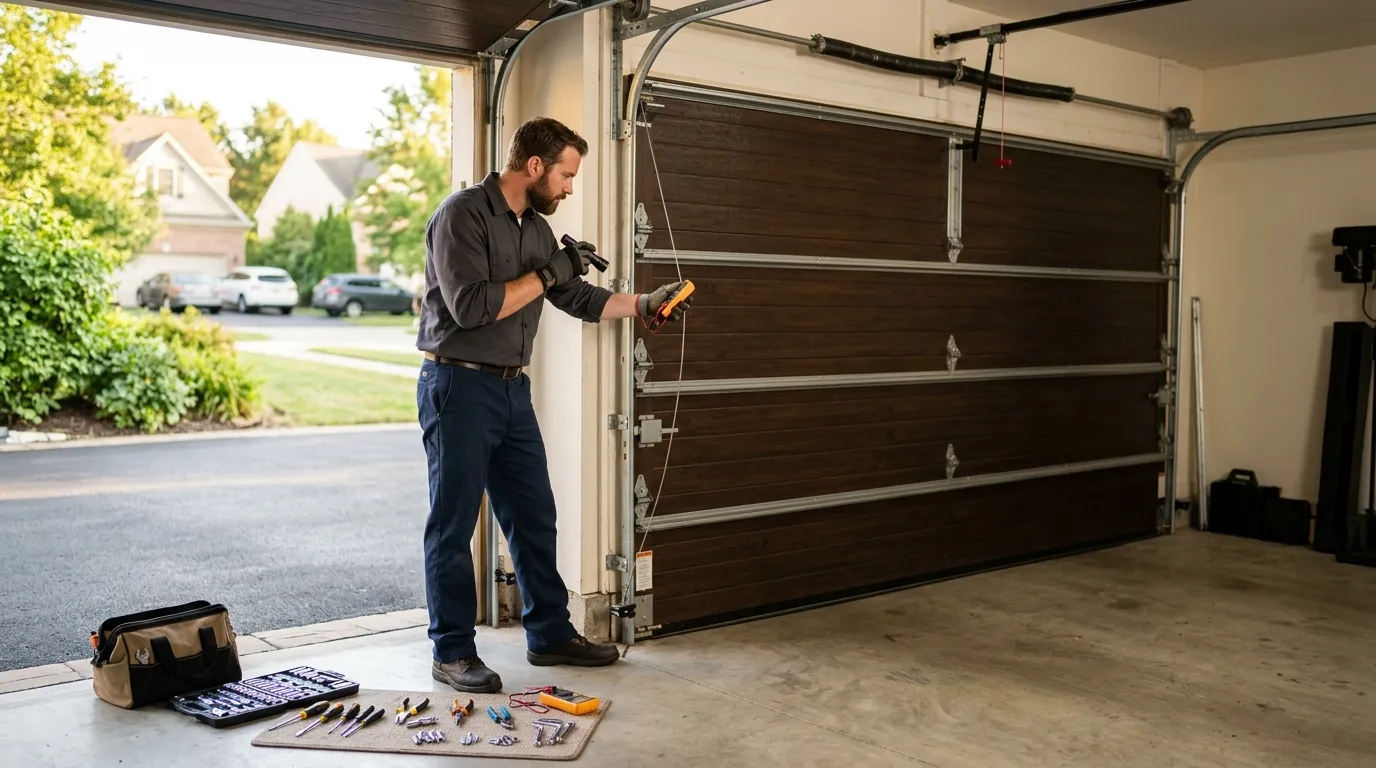
A lot of Dallas homeowners call this a "track problem" because the door seems to bind on one side. Most of the time the track is straight and the roller riding in it is the actual problem. You can check this yourself with a flashlight: look at the roller wheel while the door moves. If it's got flat spots, chips, or the wheel wobbles side to side on its stem, that roller is done. Doors with all-original rollers from the build date often have every roller in a similar state of wear at once, which is why a full set replacement, not just the noisy one, is usually the right call.
Left alone, a worn roller eventually cracks or the stem shears, and the door drops off the track. That's a bigger job than the roller itself.
What You Pay
We don't post a flat number here because roller replacement pricing depends on roller type (nylon vs. steel), how many need replacing, and whether the track or hinges also need attention once we're in there. A single-side repair is a different job than a full 10-roller changeout on a double door. Call and we'll give you a number for your door, not a guess.
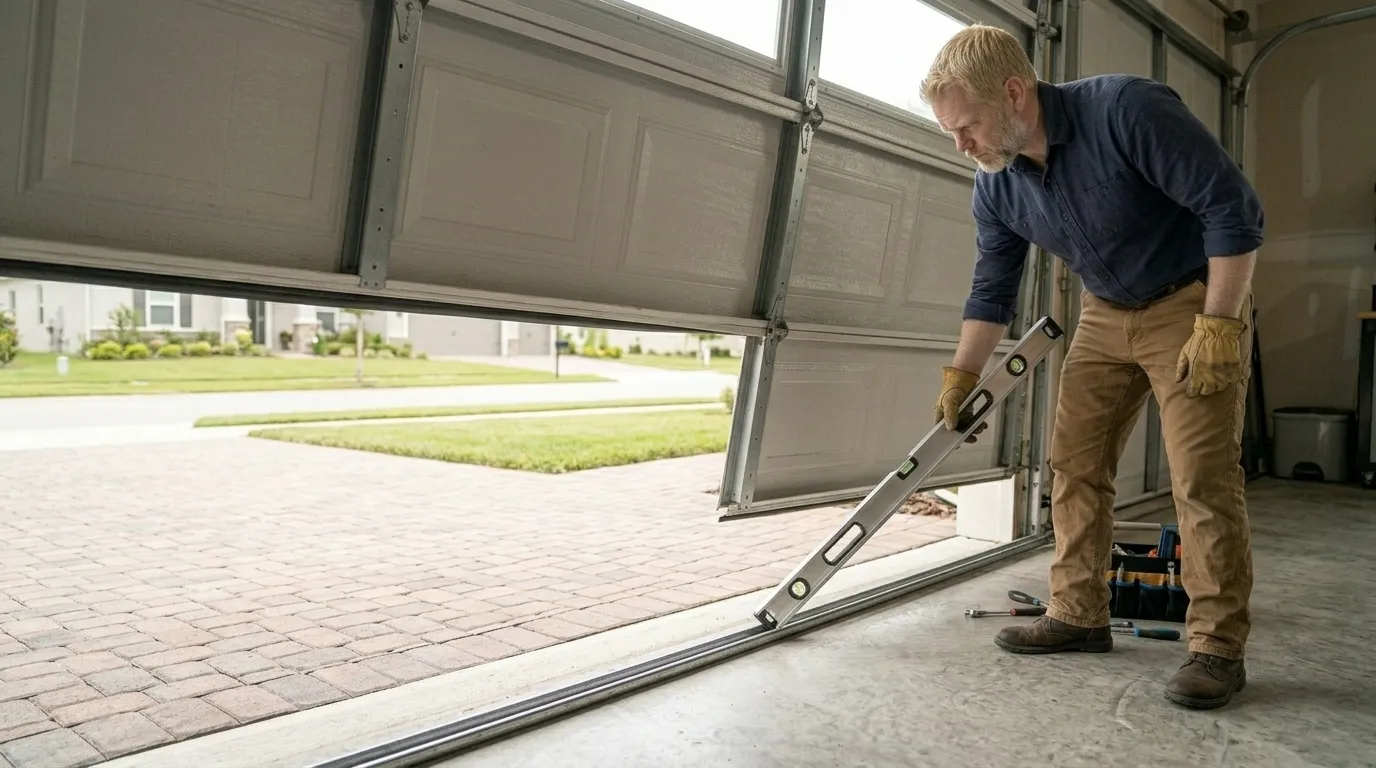
What we can tell you: this is a repair job, not a door replacement, in the large majority of cases. If your springs, cables, and opener are otherwise sound, swapping rollers doesn't touch any of that. Where cost goes up is when a bad roller has already chewed up the track it was riding in, which happens if the problem sat unaddressed for a while. At that point you're paying for track straightening or replacement alongside the rollers, and it's worth asking us to check the track condition at the same visit rather than coming back a second time.
What Causes It Around Here
Housing across the Dallas service area mostly went up between 1973 and 2007, with a lot of it concentrated in the 1980s and 90s across the 17 neighborhoods and nearby cities we work in. Doors installed during that build wave are now old enough that original rollers, especially steel ball-bearing ones, are at or past the end of their working life regardless of how well the door was used.
Heat is the other half of it. Dallas sits in a moderate-to-hot climate band, and garage interiors run well above outside temperature in summer. Nylon rollers soften slightly in sustained heat and wear faster under load; the grease in older steel roller bearings also breaks down quicker than it would in a cooler climate, which is part of why steel rollers here tend to start squealing years before a homeowner in a cooler region would notice the same wear. Combine 1980s-90s-era hardware with a hot garage and you get a predictable failure pattern: quiet for a decade, then noisy and rough within a year or two.