How Local Conditions Play In
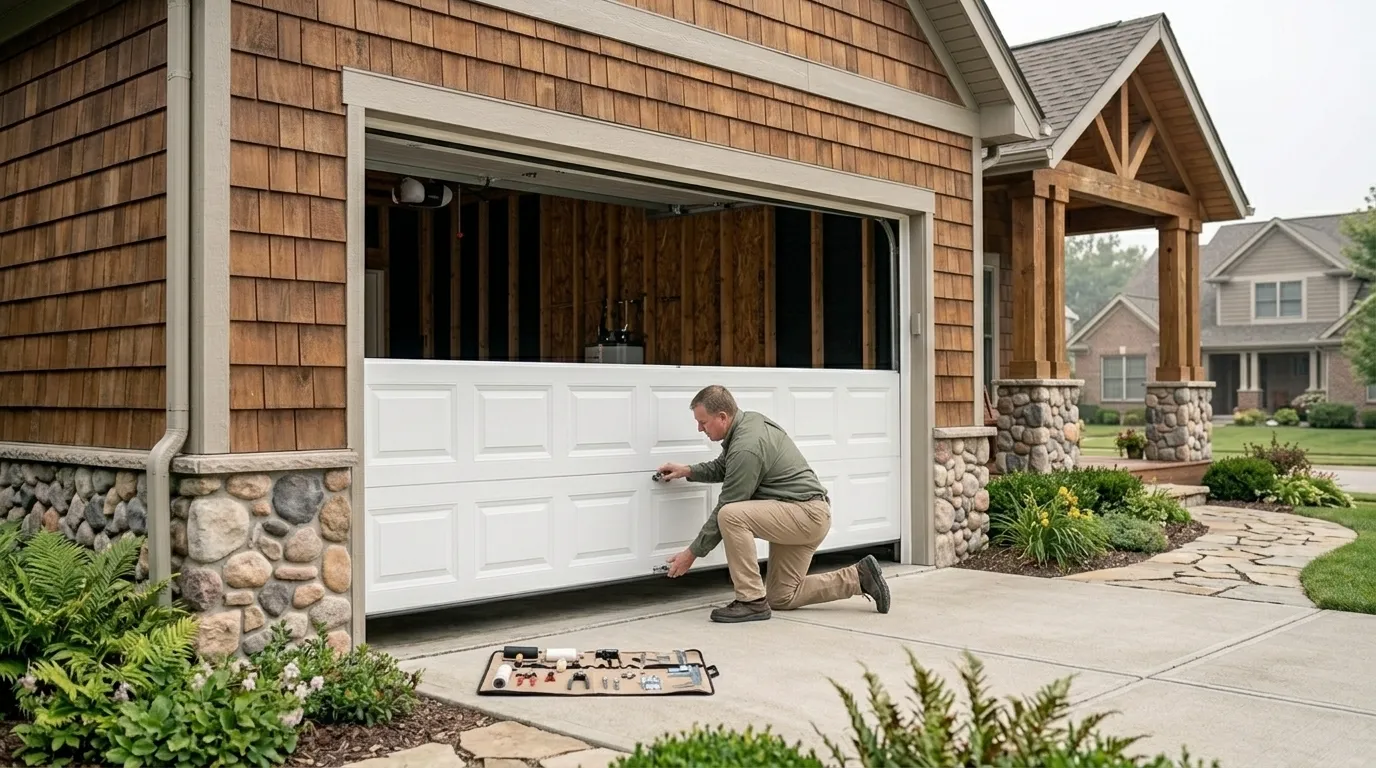
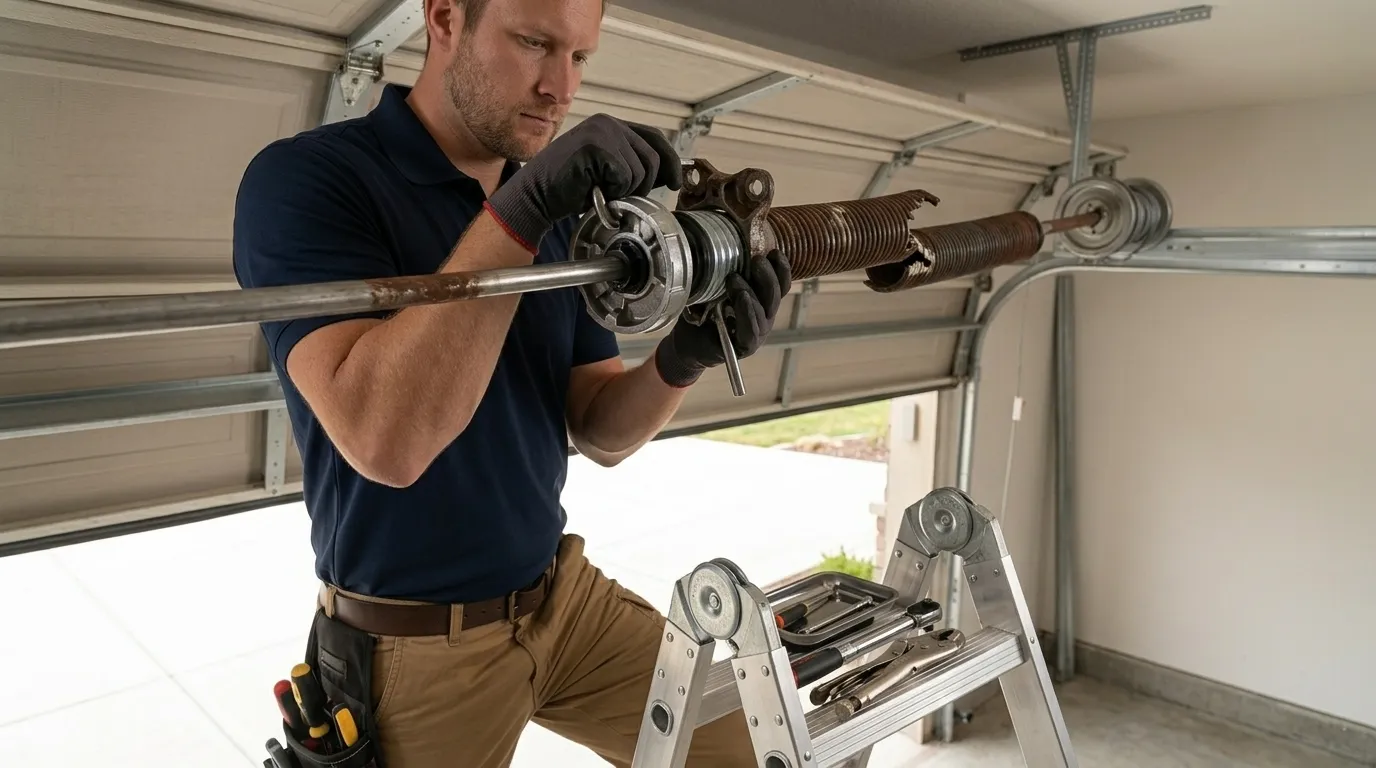
Most of the houses we get called to sit in neighborhoods where the garage door and opener went in somewhere between 1973 and 2007, with a lot of that stock clustering around the early 1990s. That matters because a door built in that window has now put in twenty to fifty years of cycles on the original torsion spring, or at least the original opener motor if the spring was swapped once already. A noise that would be background hum on a five-year-old door is often the leading edge of failure on a door from this era.
In the older, closer-in pockets like a lot of garages are attached to houses built well before 1973, but the doors and openers themselves have usually been replaced at least once, landing them in that same 1980s-2000s hardware generation once you look at what's actually mounted on the rail. Farther out toward you're more likely to find the original builder-grade door still running, same era, same wear pattern. Either way, the sound is the tell before the failure is.
The Seasonal Bit
Dallas sits in a moderate-heat climate band, not the kind of place that swings into deep winter freeze-thaw cycles that crack metal, but the kind that runs hot enough, long enough, that lubricant on rollers and hinges cooks off faster than the manufacturer's service interval assumes. A door that was quiet in April can start groaning by August because the grease has thinned and migrated off the roller stems.
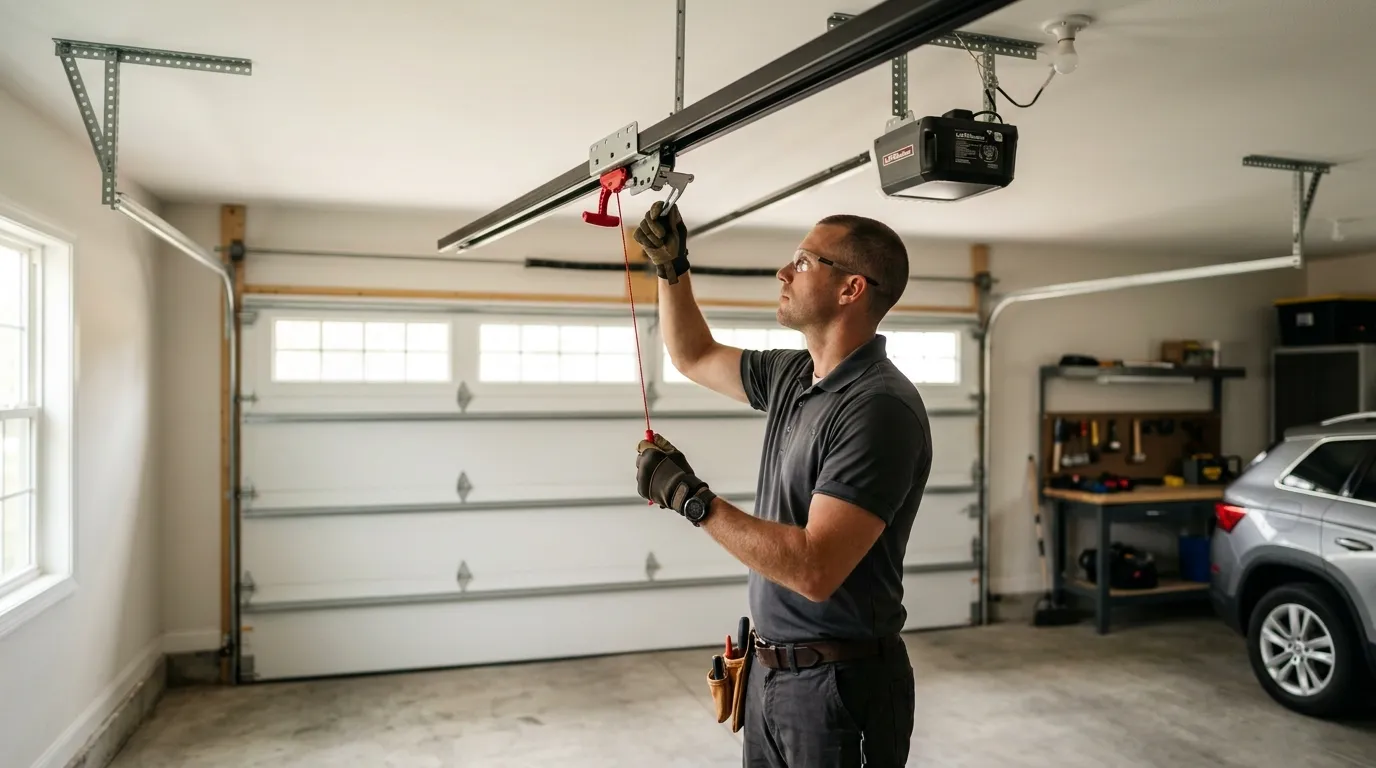
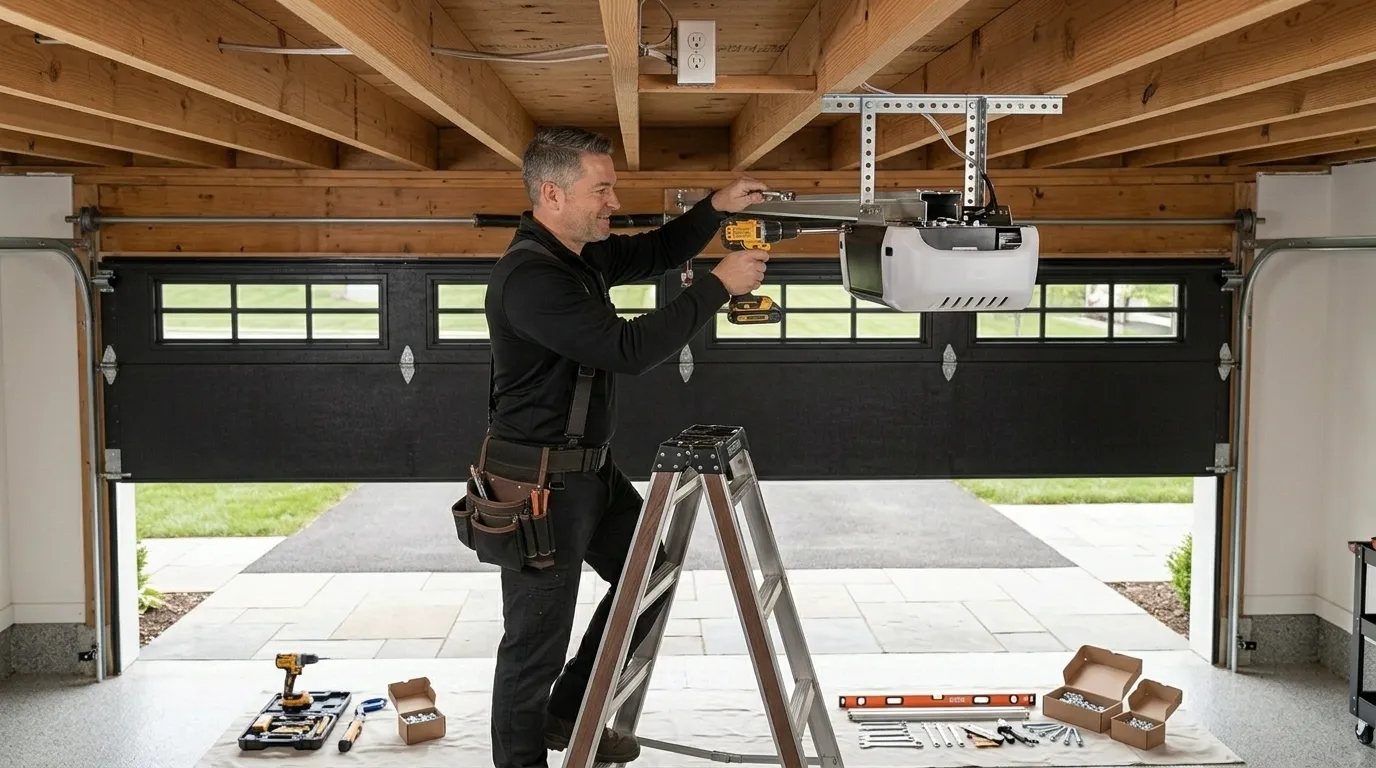
That heat load also works on the opener itself. Garages here regularly sit well above outside temperature by mid-afternoon, and a chain-drive opener from the 1990s stock common across this service area was never spec'd for that kind of sustained heat soak. The chain slaps against the rail more as the metal expands, and a motor that's already tired from decades of cycles starts to strain audibly before it strains mechanically. If your door gets noisier as the day heats up and quiets down again overnight, that's not your imagination - that's thermal expansion working on old hardware.
Where People Go Wrong
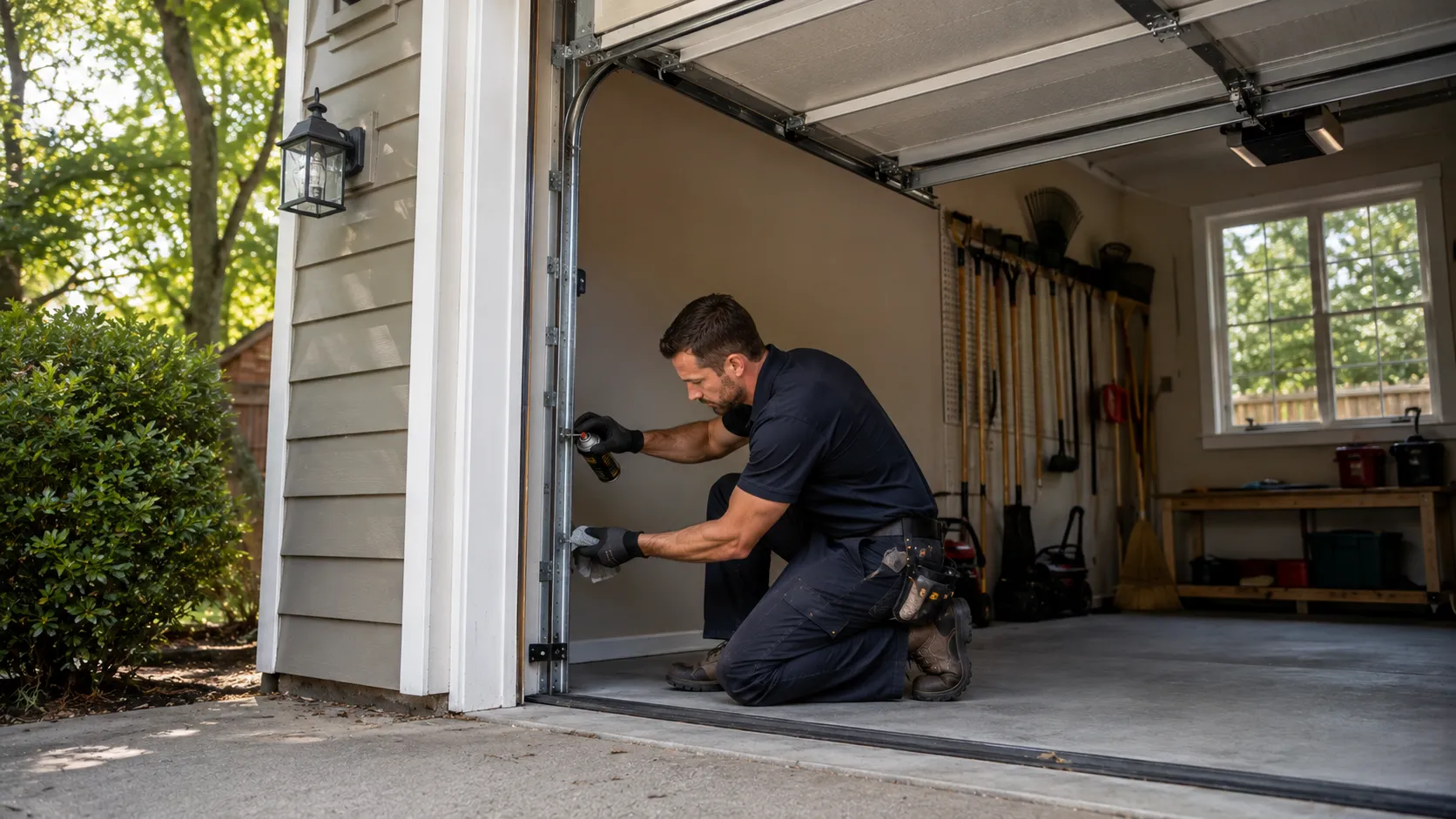
The most common mistake we see across this service area, from down to is spraying WD-40 on a noisy spring and calling it solved. WD-40 is a solvent, not a lubricant - it strips what grease is left and the noise comes back louder in a week. A proper lithium or silicone-based garage door lubricant on the rollers, hinges, and spring coils does the job; WD-40 does not.
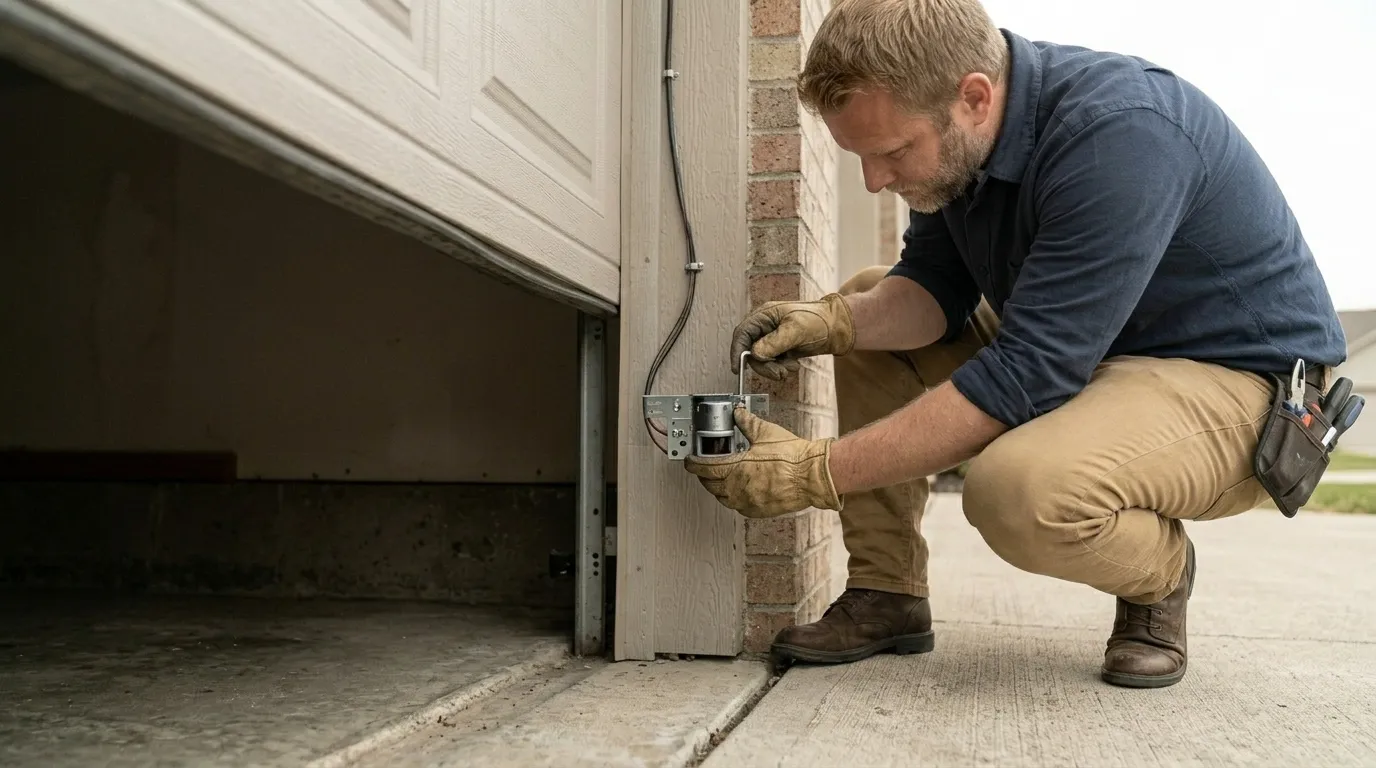
The second mistake is waiting through a full noisy summer before calling anyone, on the logic that a working door that's loud is still a working door. On hardware that's already twenty-plus years old, which describes a large share of what's installed across this housing stock, a noise that changes character - from squeak to grind, or from steady to catching - is usually the last warning before something breaks under load, and a spring letting go while the door is halfway up is a heavier repair than a spring replaced on a service call. To be direct about our own limits: if the door and opener are original to a house built in the 1970s and the drum, track, and spring are all original too, that's usually a replacement conversation, not a repair one - we'll tell you that on the phone rather than run up a bill patching parts that don't have any life left in them.