How Local Conditions Play In
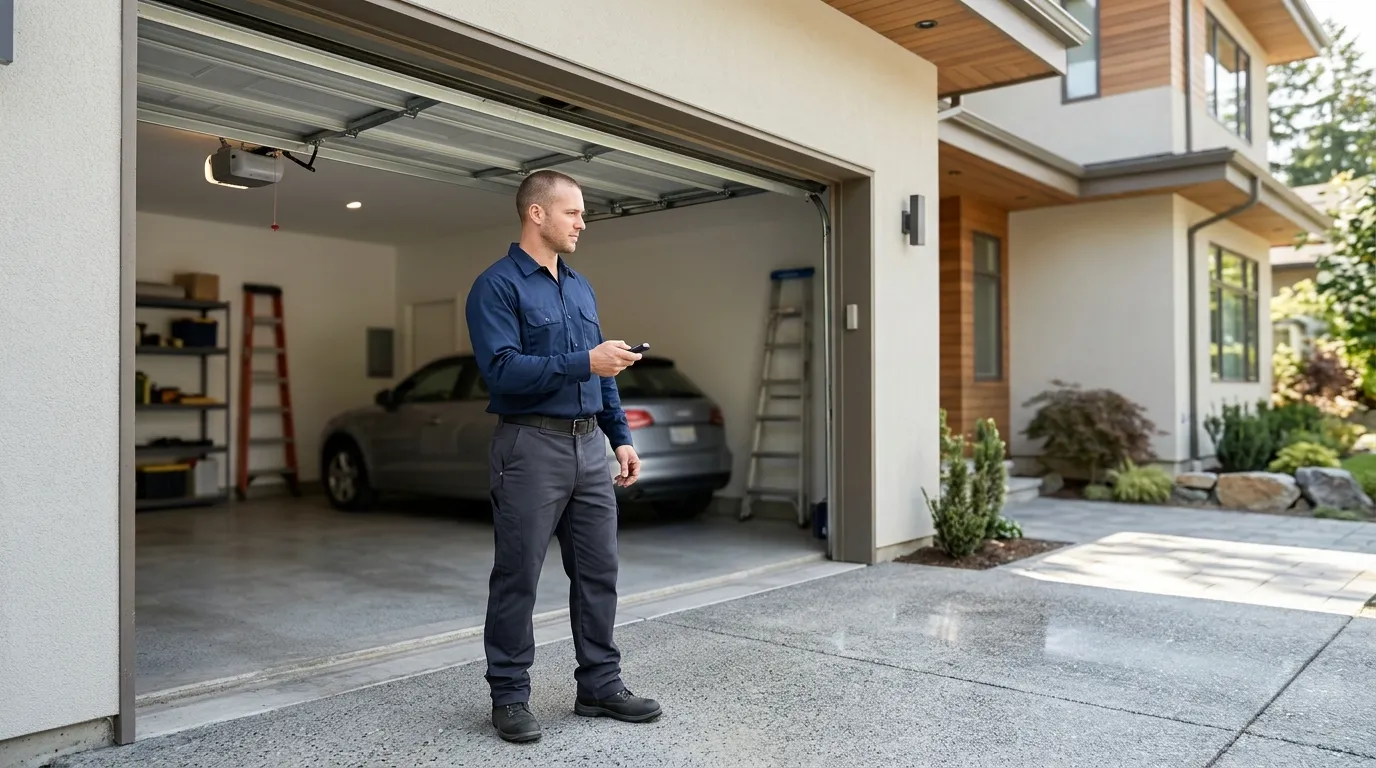
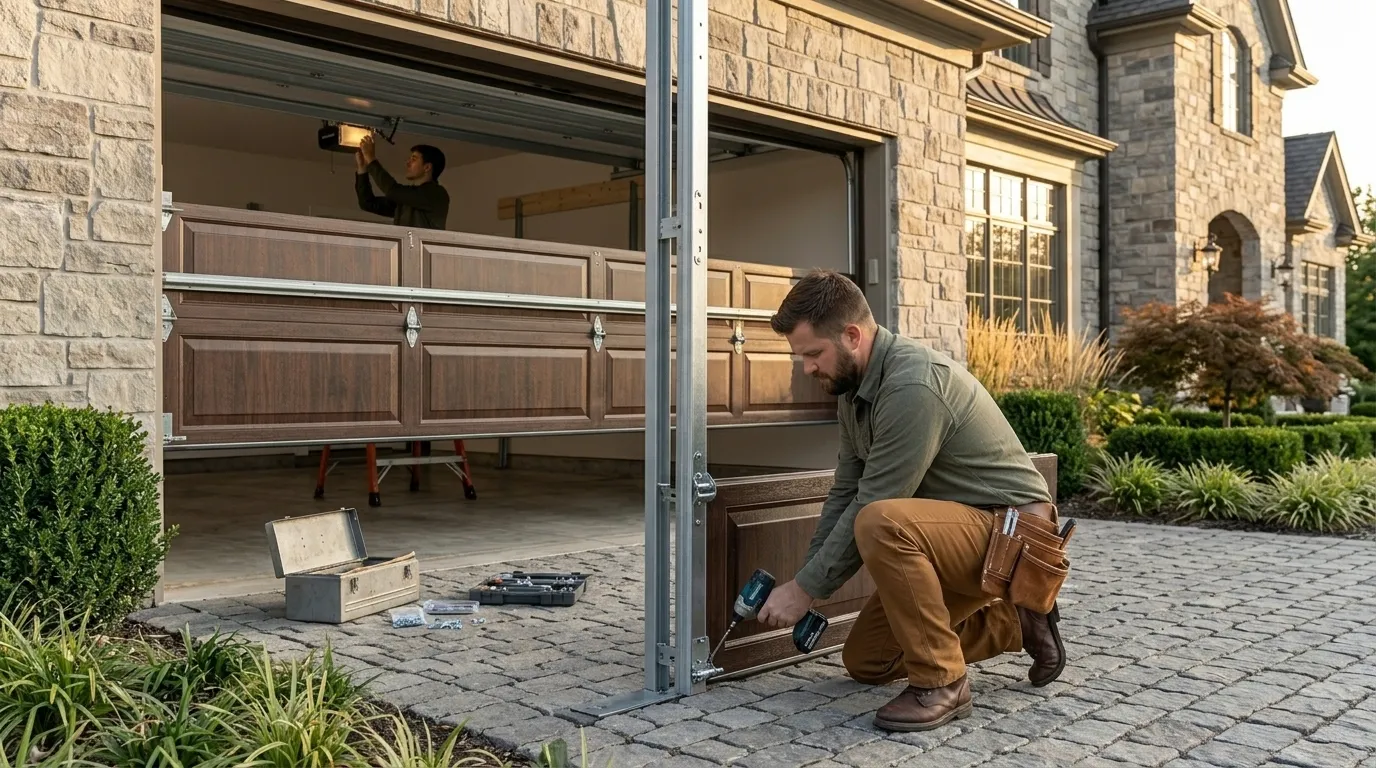
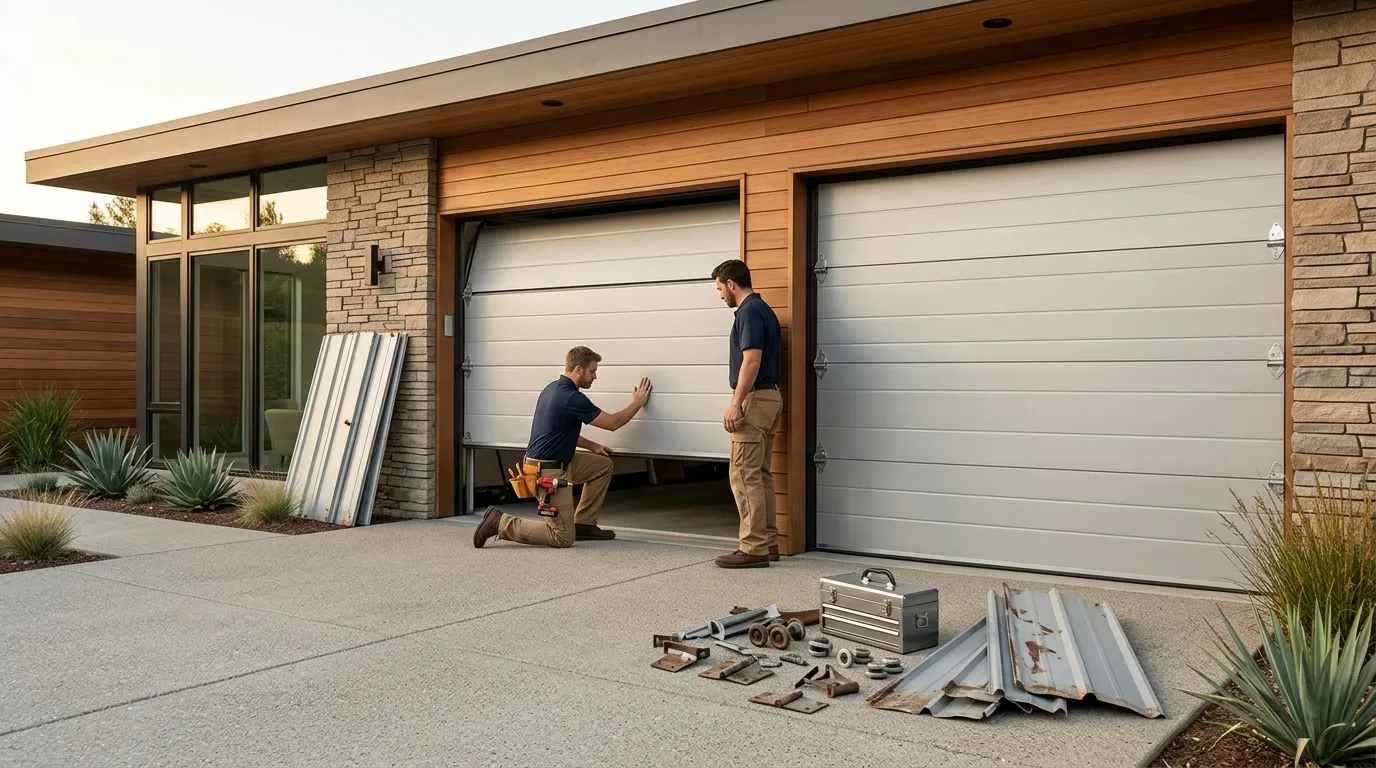
Most of the houses we get called to sit in the stretch built between 1973 and 2007, with a lot of that stock landing right around 1993. That matters more than people think. A door and opener installed when a house was built, or replaced once in the 2000s, is now old enough that the springs have cycled tens of thousands of times and the opener's logic board is past the point where parts are easy to source. In the older pockets near we still see original steel doors from that first wave of construction, mounted on hardware that was standard for its decade but isn't what suppliers stock as a drop-in replacement now. Newer construction closer to areas like the Buckner Terrace side tends to have doors from later remodels, which changes the math on repair versus replace. The build year of the house is usually the first thing we ask about, because it tells us more than the door's paint condition does.
The Seasonal Bit
Dallas sits in a moderate-heat climate band, which is kinder to garage doors than you'd guess from a Texas summer. We don't get the freeze-thaw cycling that cracks panels and seizes hardware in colder regions, so a door here can genuinely run longer on its original springs and rollers than the same door would up north. The heat load still does its own damage, though - it dries out weatherstripping, bakes lubricant out of hinges, and can warp lighter steel or composite panels that sit facing west all afternoon. If your door is from that 1973-2007 build window and it's stiff, noisy, or slow to close, the heat has usually already done its part; the question is whether the frame and track are still straight or whether the panel itself has bowed past the point of a clean fix.
Where People Go Wrong
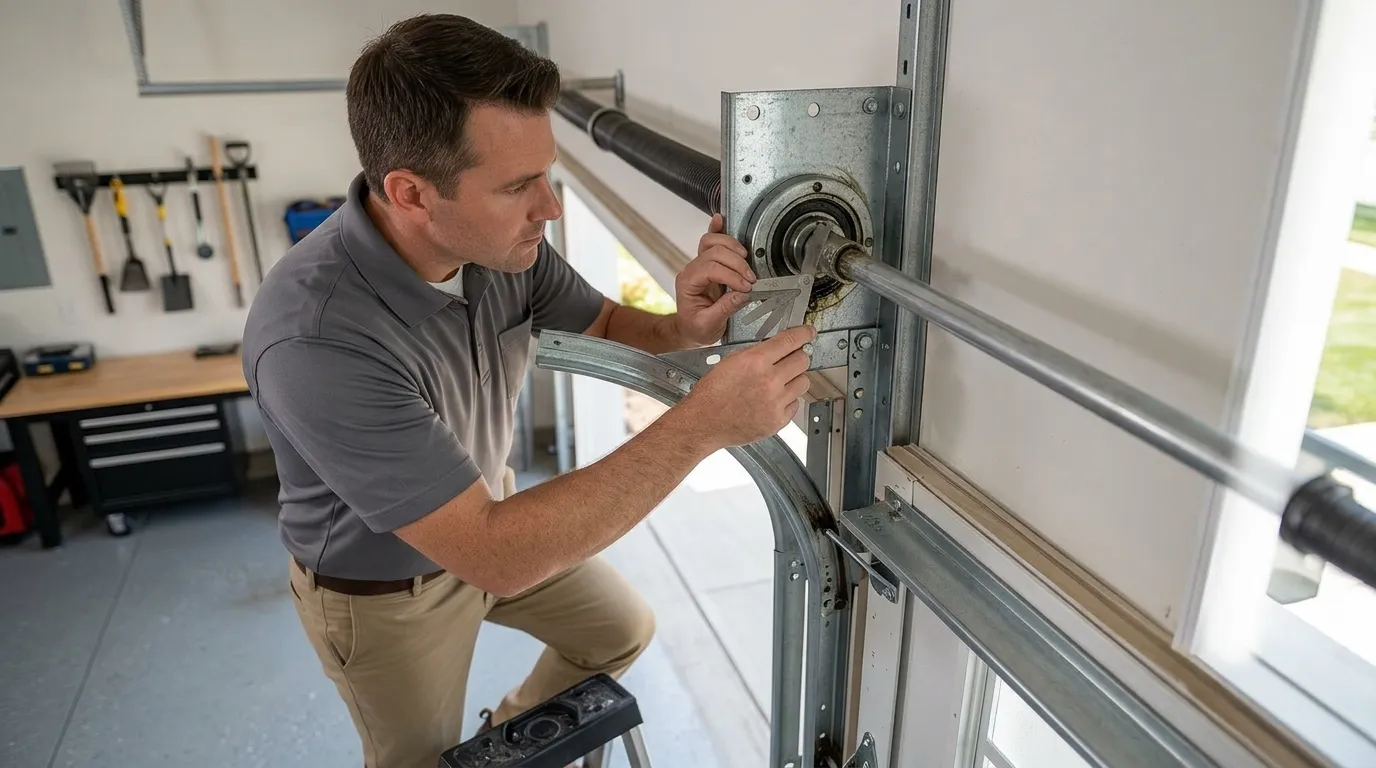
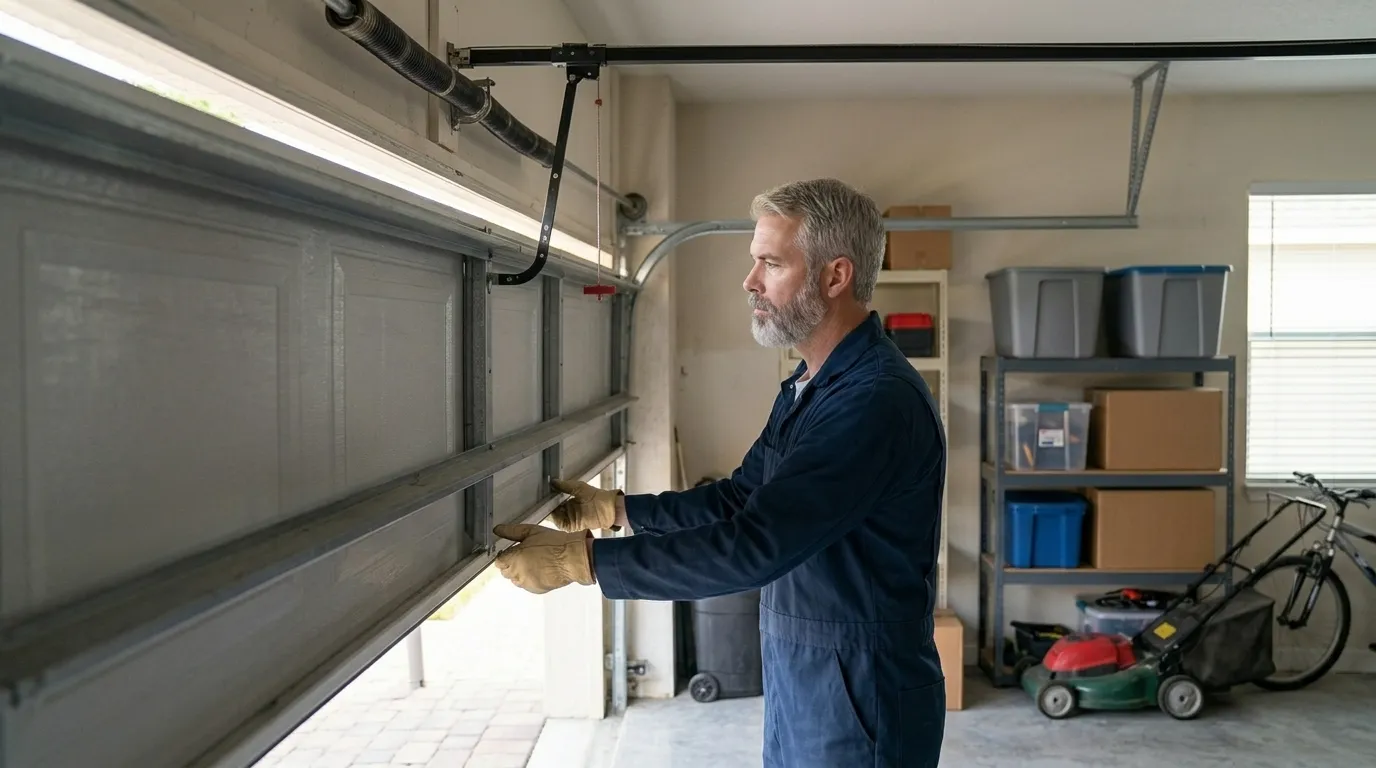
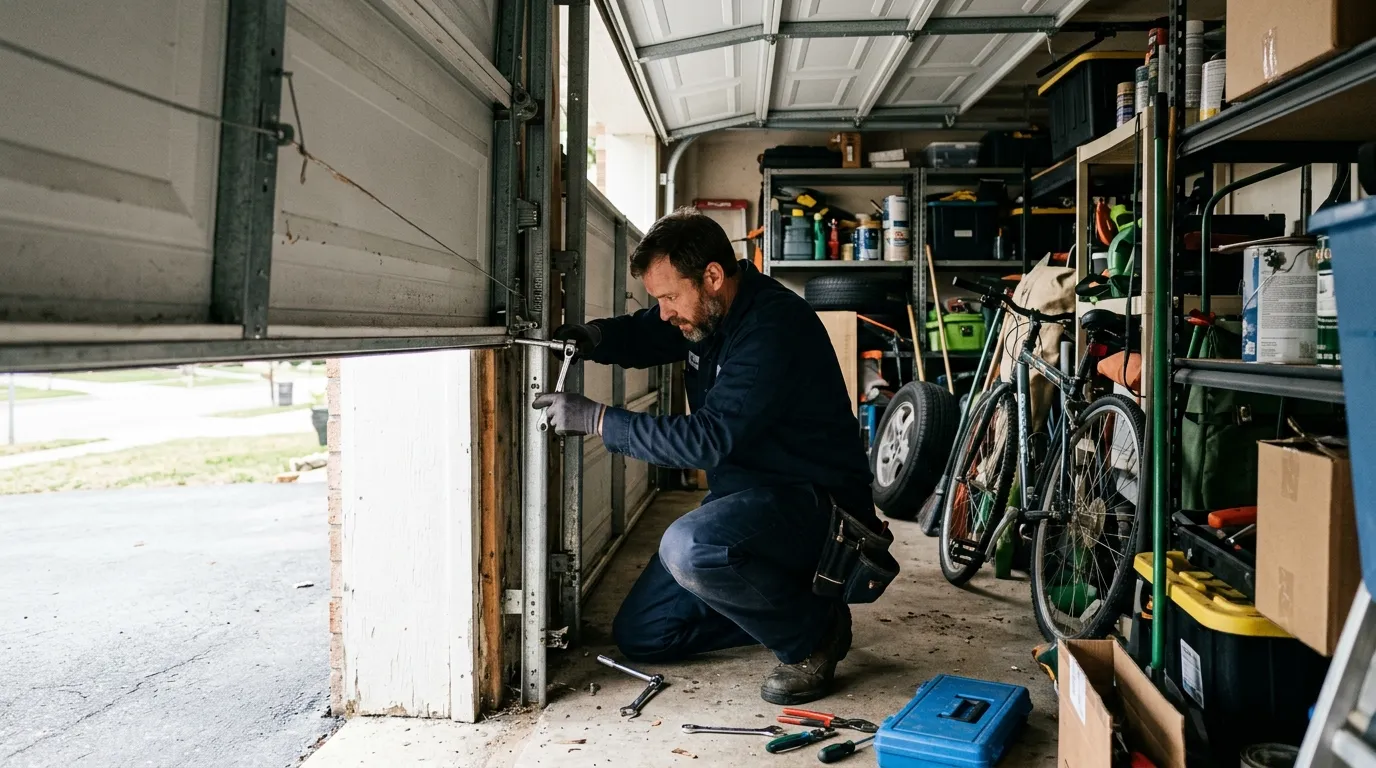
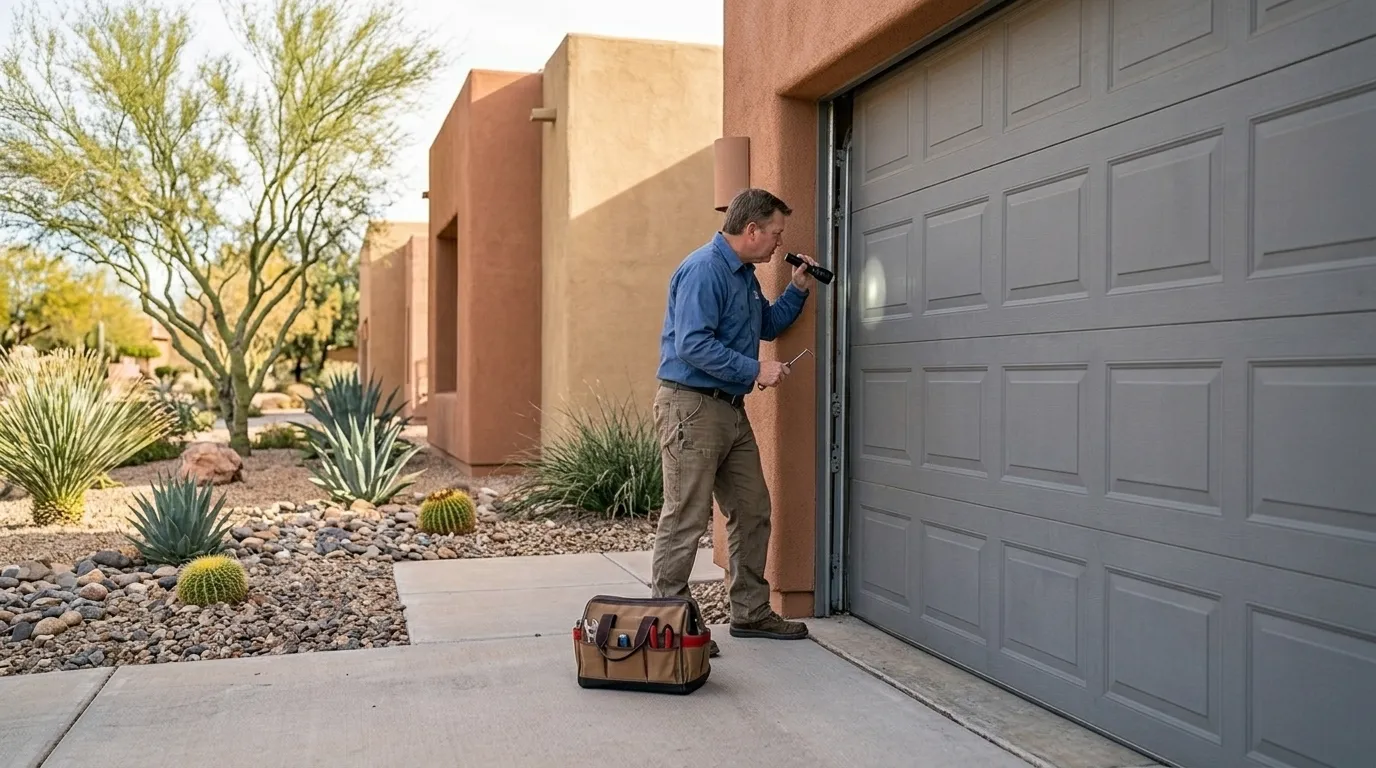
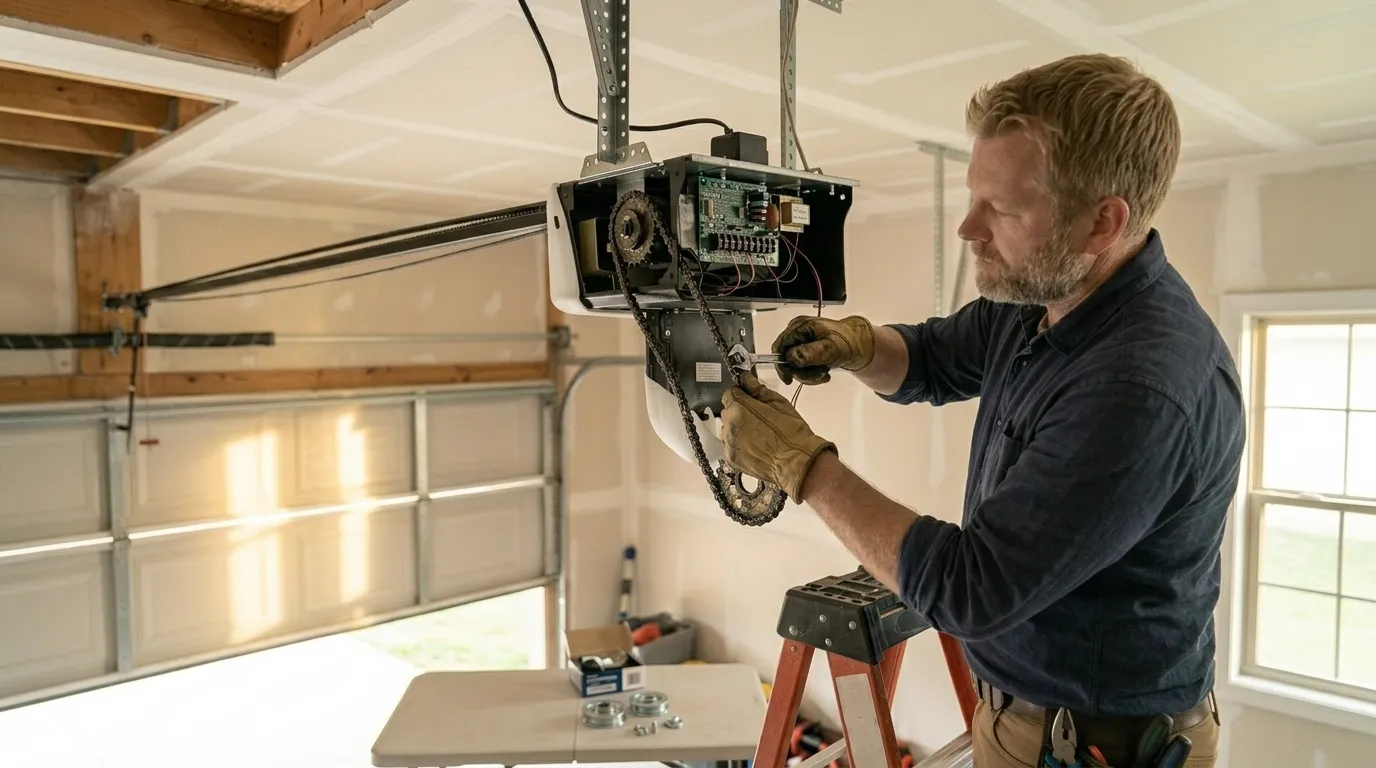
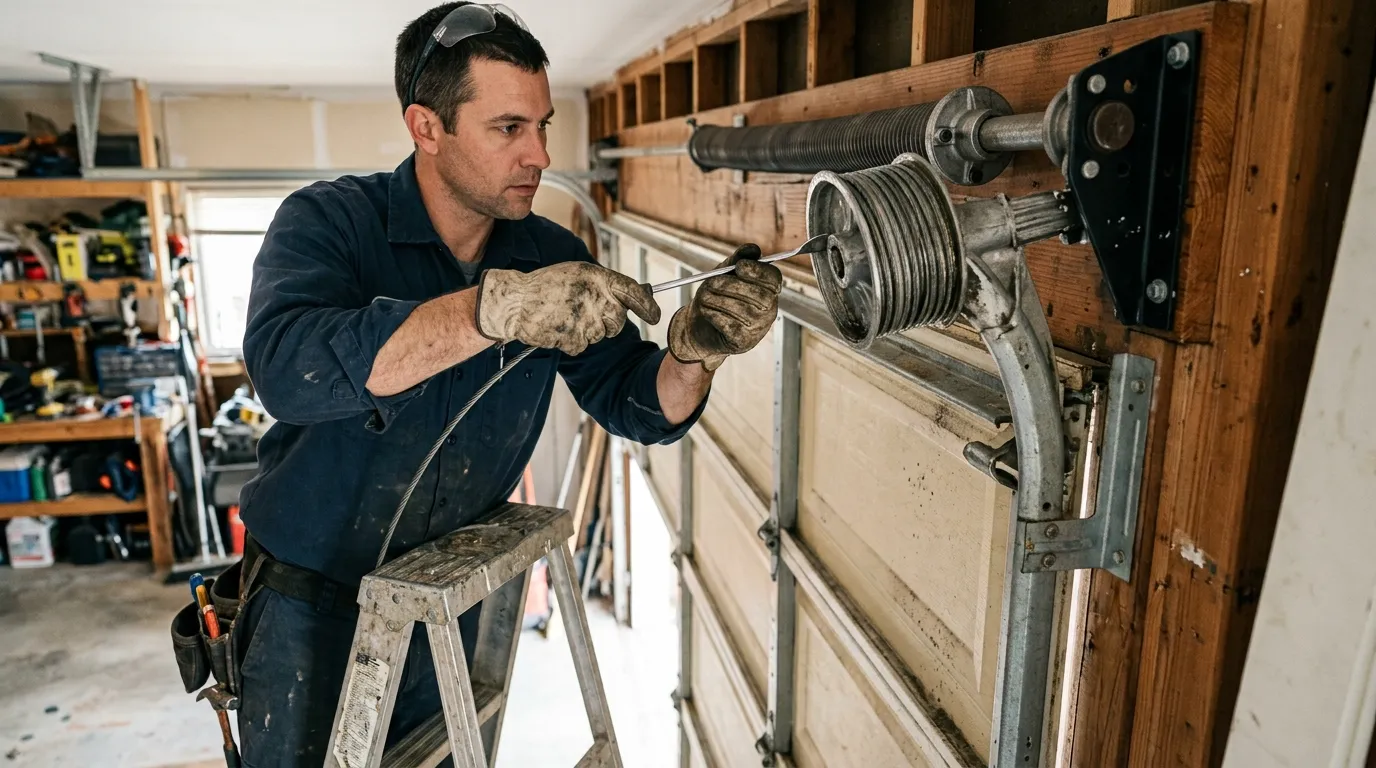
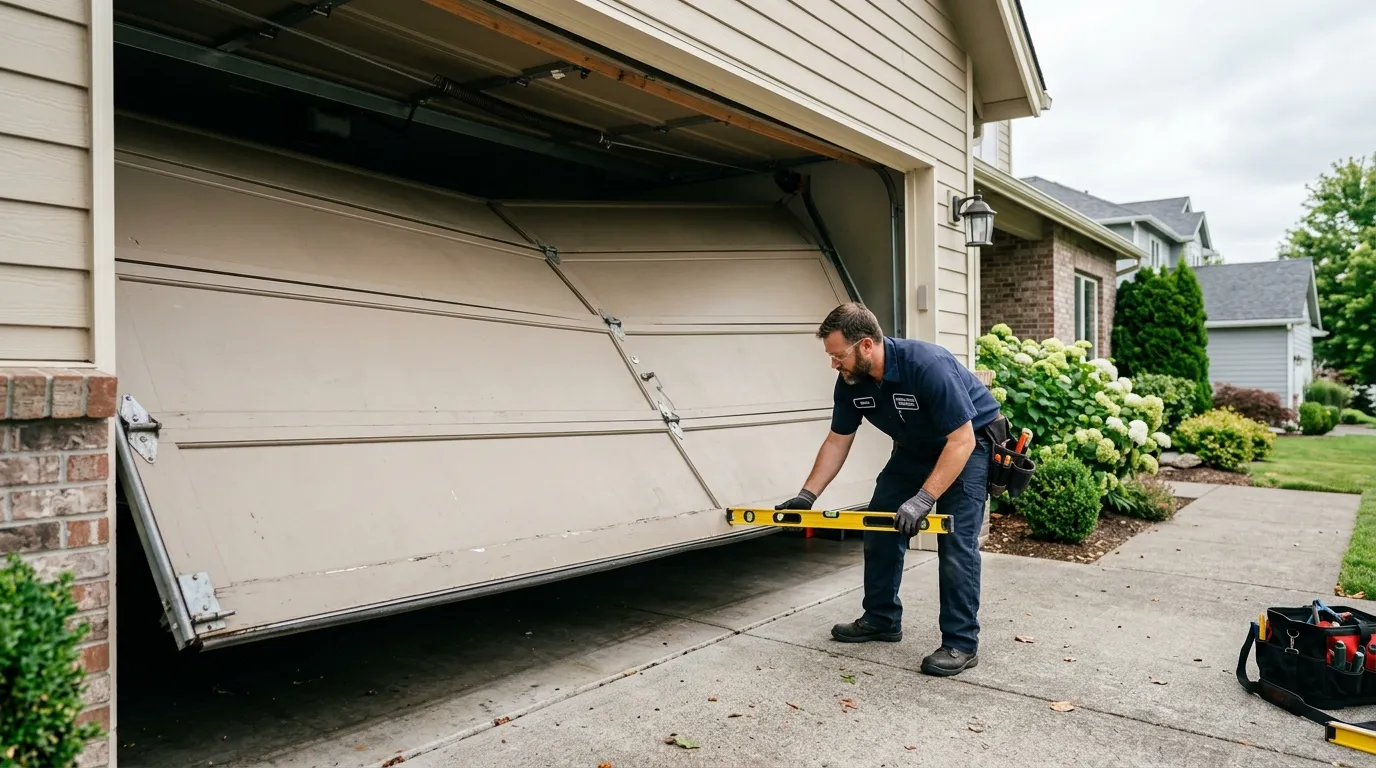
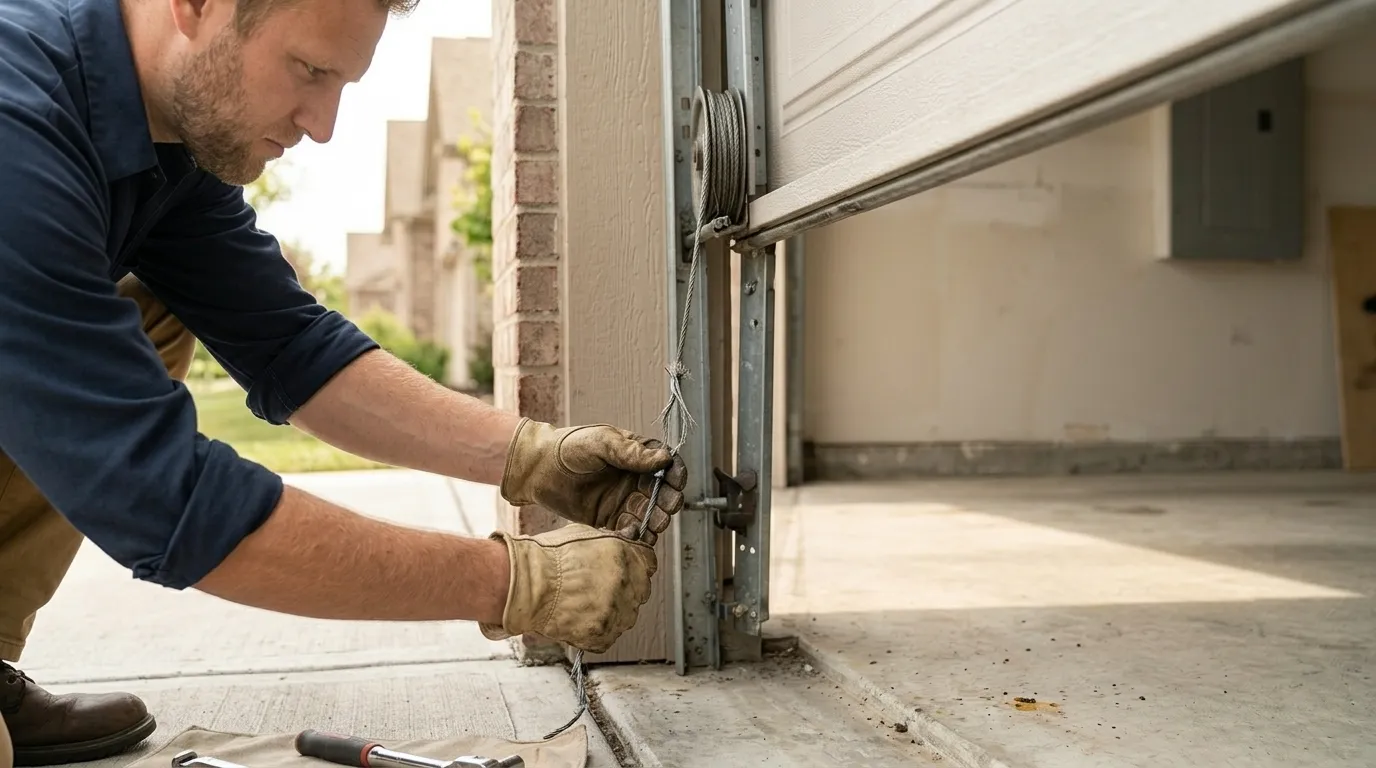
The most common mistake we see is replacing an opener on a door that's the real problem, or replacing a whole door when the issue was one bent track section. Owners in the 80920 owner-occupied houses across this area often assume age alone means replace, but a door built in the 1990s with decent panels and a straight track can outlast a cheaper door installed ten years ago if the spring and hardware get serviced instead of ignored. The other error is waiting until a spring snaps completely before calling - at that point the door is unsafe to operate and the job is bigger than it needed to be. If your door is sagging unevenly, binding on one side, or the opener strains and reverses, that's the moment to get it looked at, not after it's stuck shut.