Serving Dallas, TX & nearby
(469) 770-3799
Dallas, TX

Cold Snaps and Garage Door Springs Around Dallas

Dallas swings from summer heat to sharp winter cold snaps, and that swing is what actually breaks torsion springs on houses built between 1973 and 2007. Here's why, and what to do.

Cold Snaps and Garage Door Springs Around Dallas

How Local Conditions Play In

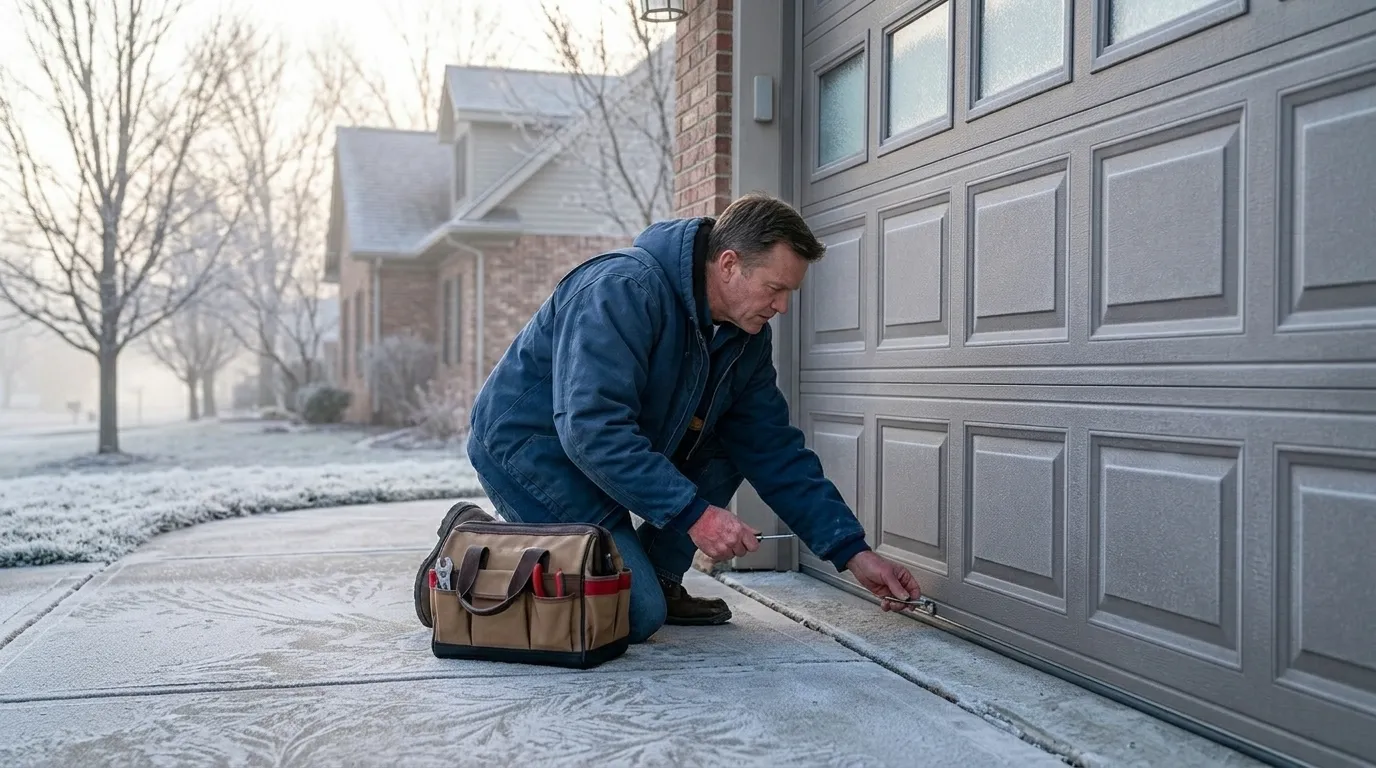
Dallas sits in a climate band that runs hot most of the year, not cold. That matters more than people think when a spring snaps in January. A torsion spring doesn't fail because it's cold outside. It fails because the metal has spent months expanding and contracting through Dallas heat, and then a sudden cold snap tightens it fast, right when it's already fatigued near the end of its cycle life. In a place with a steady, mild climate year-round, springs wear down slowly and evenly. Here, the swing between a 100-degree August and a 28-degree morning in February puts more stress on the coil than either extreme alone would. Most of the houses across this service area went up between 1973 and 2007, so a lot of original hardware is now thirty to fifty years into a cycle count it was never going to beat. The cold snap doesn't cause the failure. It's just the day the spring finally runs out of cycles, and Dallas weather gets blamed for what age already set up.

The Seasonal Bit

You'll get more spring-break calls here in the first real cold snap of the year than in the dead of summer, even though summer heat is what actually does most of the damage over time. That's because steel contracts as it cools, and a spring that's already worn thin from a year of heat cycling has less room left before it lets go. This isn't a place that deals with hard freezes for weeks at a stretch - the climate here runs on the warm side overall - so a cold snap is often the first real stress test a spring has faced in months. Owners notice it because the door won't open, or opens crooked, right after the first cold morning. That's not bad luck tied to the calendar. It's a spring that was already near the end, meeting the one seasonal event that pushes it over. If your door's been noisy or slow to open in the weeks before a cold front comes through, that's worth a look before the spring picks the moment for you.

What Is Going On

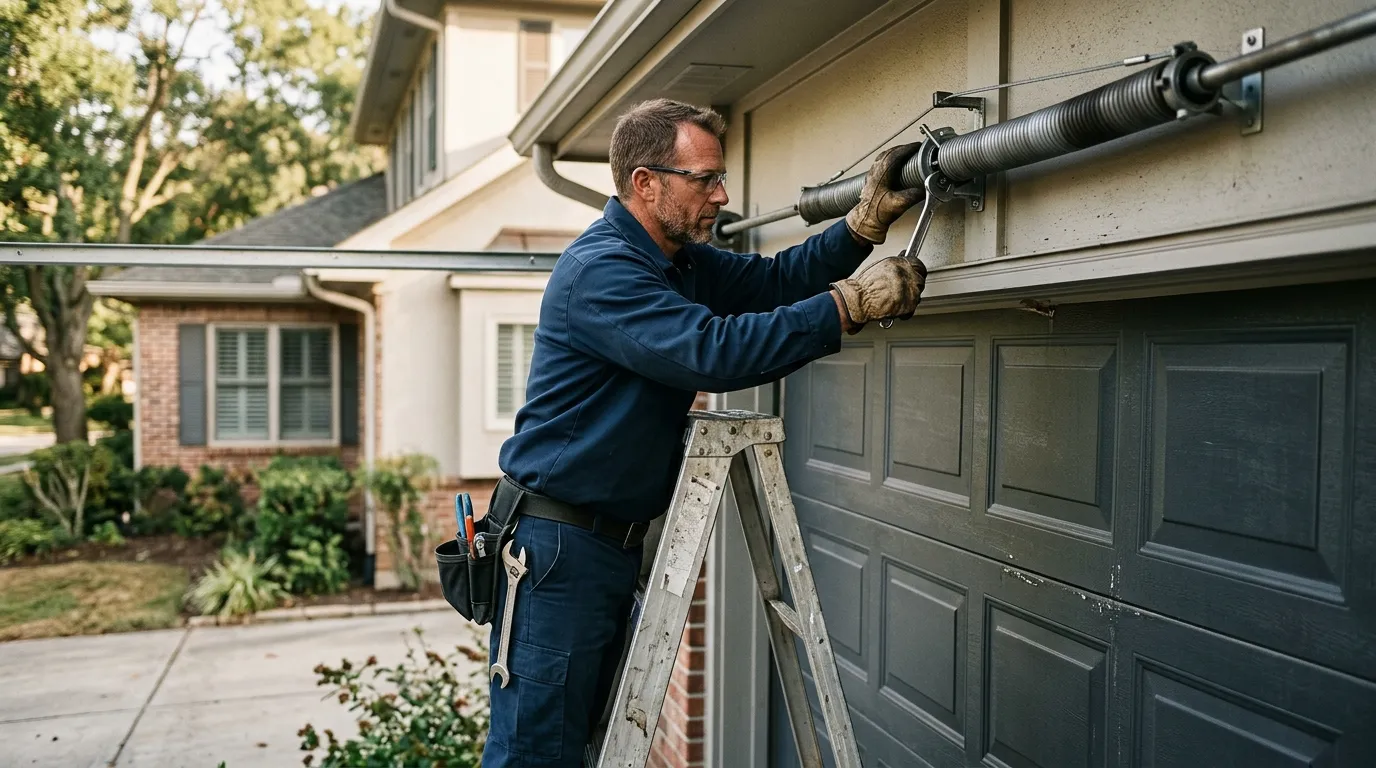
A torsion spring is rated for a number of open-close cycles, not a number of years, but age still matters because the coil metal fatigues with every temperature swing it goes through. Homes in this area were mostly built in the 1980s and 90s, meaning a large share of original springs are well past a reasonable service life even before you factor in Dallas's heat-to-cold swings. When one lets go in cold weather, the door usually won't budge, or it slams down hard because the spring can't hold the counterweight anymore. That's a dangerous moment - the cable and drum are under load with nothing balancing them. We don't recommend trying to force the door open or closed at that point. It's also not a repair to put off. A door stuck shut is a security problem, and a door that drops without warning can hurt someone standing under it. If your opener is straining, or the door feels heavier than it used to, that's the spring telling you it's close, before it actually breaks.

Where People Go Wrong

The most common mistake we see is someone replacing just the broken spring on an older door and leaving the matching spring on the other side of the shaft alone. Torsion springs are usually installed in pairs and wear at close to the same rate, so the second one is often just as close to failing, and a cold snap two winters later takes it out too. Given that so much of the housing stock here dates to the 1970s through 2000s, this is a real pattern, not a hypothetical. The other mistake is assuming a broken spring means a new door. Most of the time it doesn't - the spring is a serviceable part, not structural to the panels or track. Where replacement does make sense is when the door itself is original to a much older build and the track or hardware around it is bent or rusted beyond adjustment. We won't push a full door replacement on you if a spring and hardware service will do the job. That call should be based on what's actually worn, not on the age of the house alone.
How it works

From “it’s stuck” to “it’s fixed”

Tell us what’s wrong - Dallas garage door service

Tell us what’s wrong

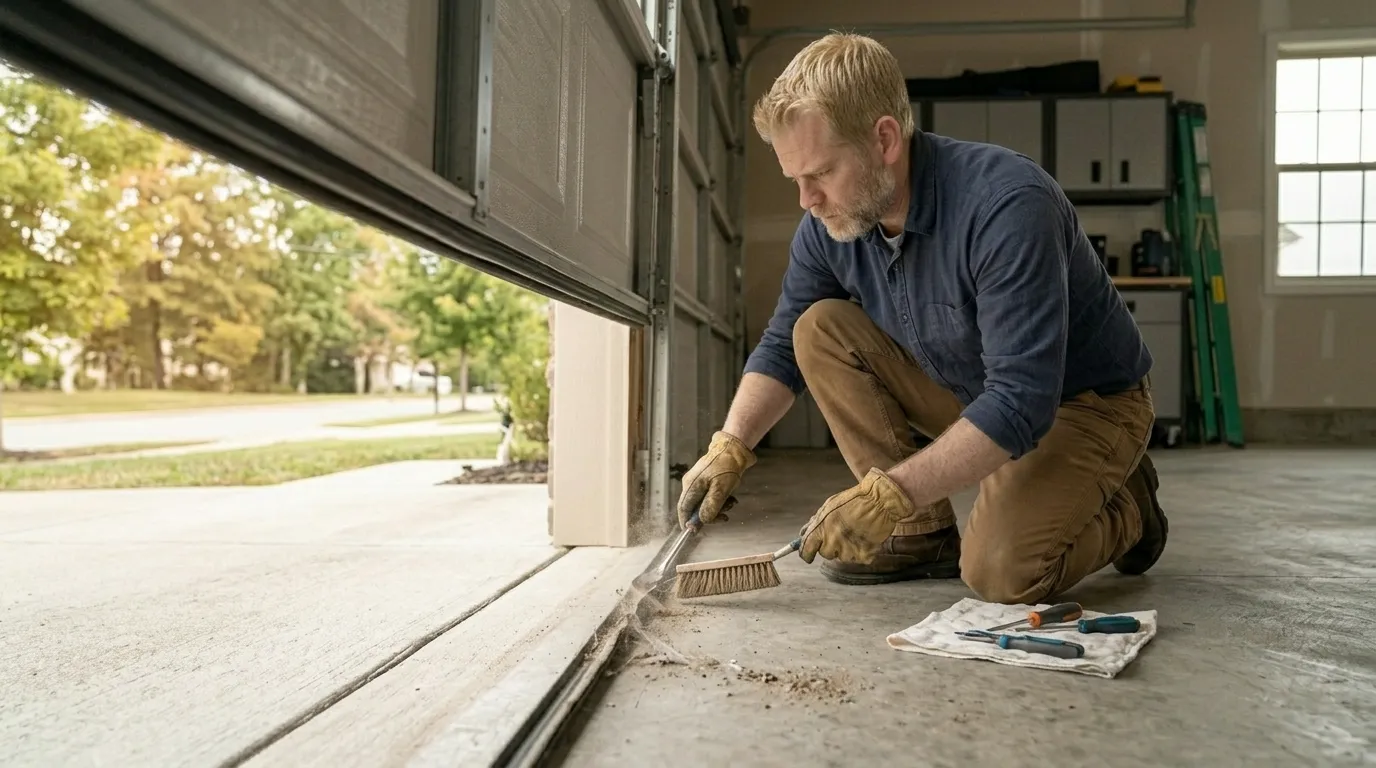
Describe the symptom - won’t open, loud bang, opener runs but the door won’t move.

On-site diagnosis - Dallas garage door service

On-site diagnosis

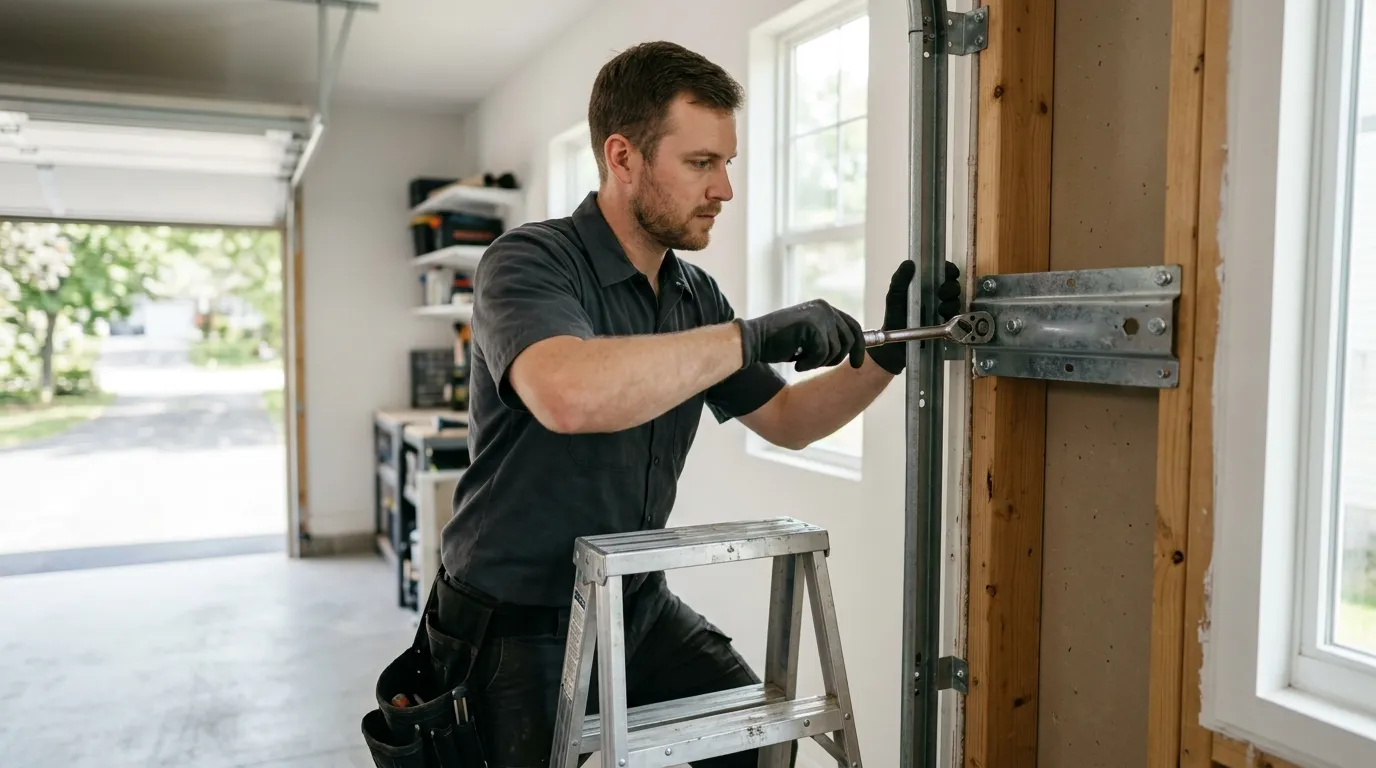
A technician tests the door under power and by hand and finds what actually failed.

Clear, up-front plan - Dallas garage door service

Clear, up-front plan

You get the fix that’s needed and what drives the cost - before any work starts.

Repaired & tested - Dallas garage door service

Repaired & tested

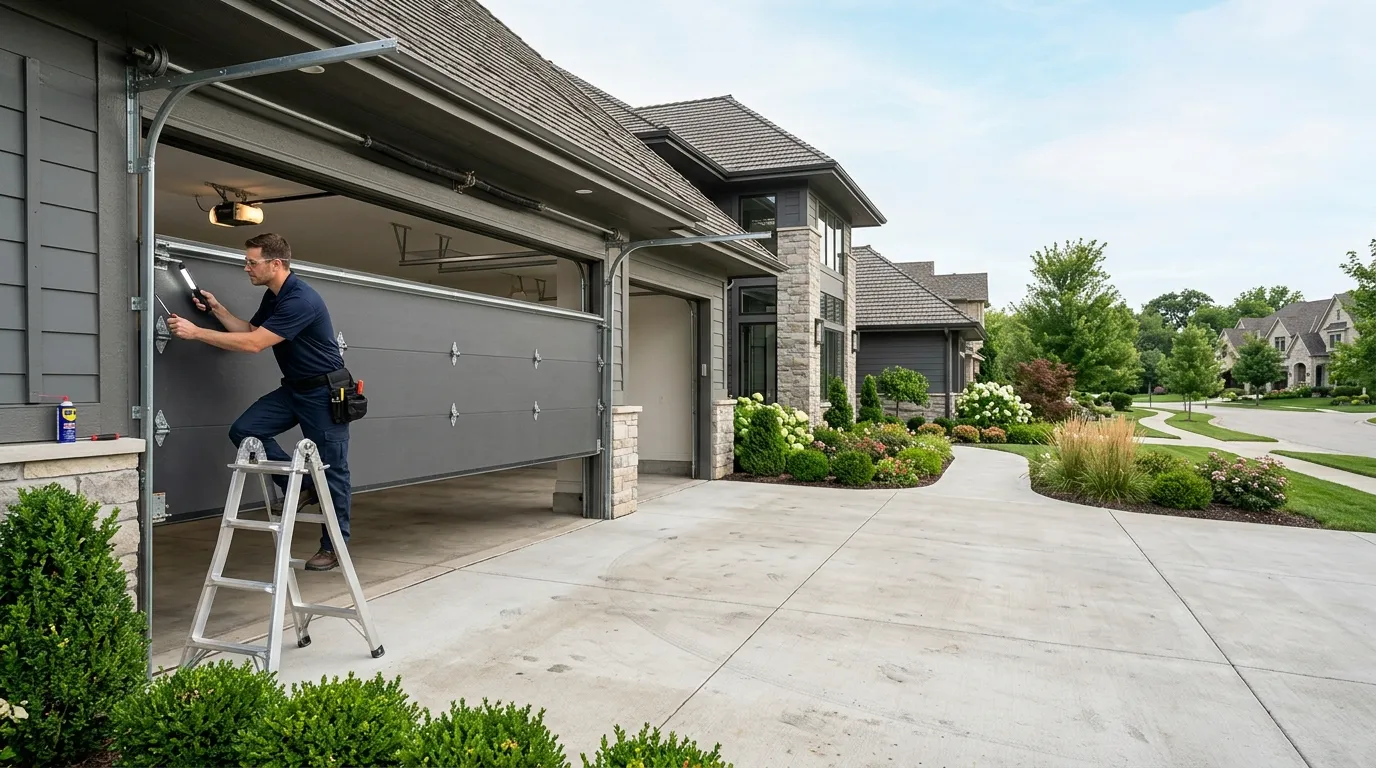
The repair is done, the door is set true and tested, and the work area left clean.

Serving Dallas, TX - tell us what your door’s doing and we’ll take it from there.

How we work

What to expect

Diagnosis firstEvery visit starts by finding what actually failed - not a pre-written parts list.
The right part for the doorSprings and openers matched to the door’s weight and age, so the fix holds up.
Straight answersWhen a repair makes more sense than a replacement - or the reverse - you hear it plainly.
Clean, careful workTension released safely, hardware set true, the door tested under power before we leave.
Questions

Frequently asked

Straight answers about garage door repair in Dallas. Still unsure? Ask us directly.

Why do garage door springs break more often when it gets cold in Dallas?

It's not really the cold itself. Dallas springs spend most of the year cycling through heat, which fatigues the coil. A sudden cold snap tightens the metal fast, right as an already-worn spring is near the end of its cycle life, so the failure shows up on the cold morning even though the wear built up all year.

Is it safe to open my garage door manually if the spring breaks in cold weather?

Be careful. A broken spring means the door has no counterbalance, so it can be far heavier than it looks and may drop without warning. If the door is stuck or feels wrong to lift, don't force it. Treat it as a repair call rather than something to work around yourself.

My house was built in the 1980s - should I replace both springs even if only one broke?

Usually yes, when they're the original pair. Torsion springs installed together wear at close to the same rate, and a lot of homes across this area are original 1980s and 90s builds where both springs are near the end of their service life at the same time.

Ready to get your garage door sorted?

Tell us what it’s doing and where you are in Dallas - we’ll take it from there.

Request a QuoteCall