Where This Job Goes Sideways
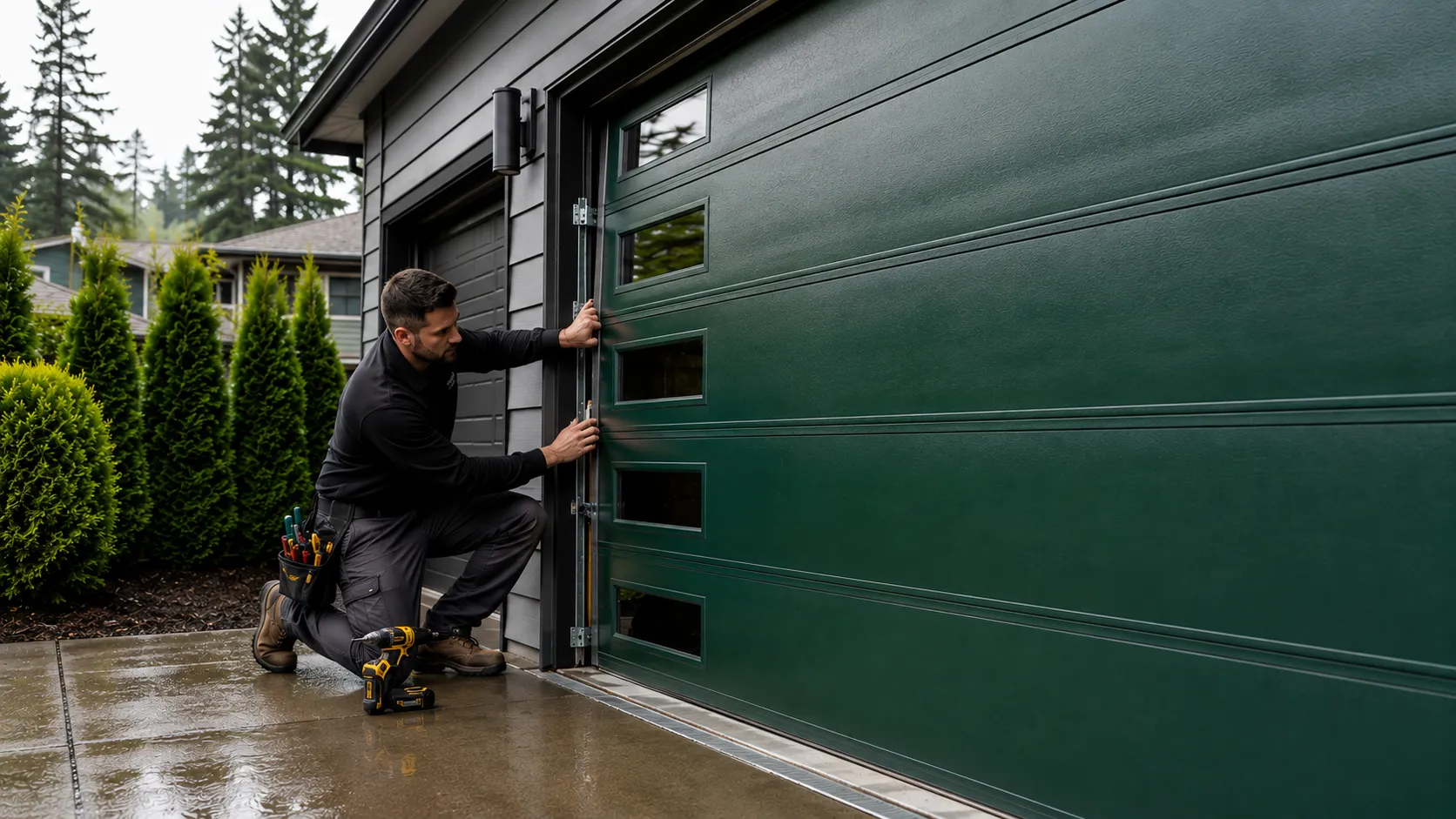
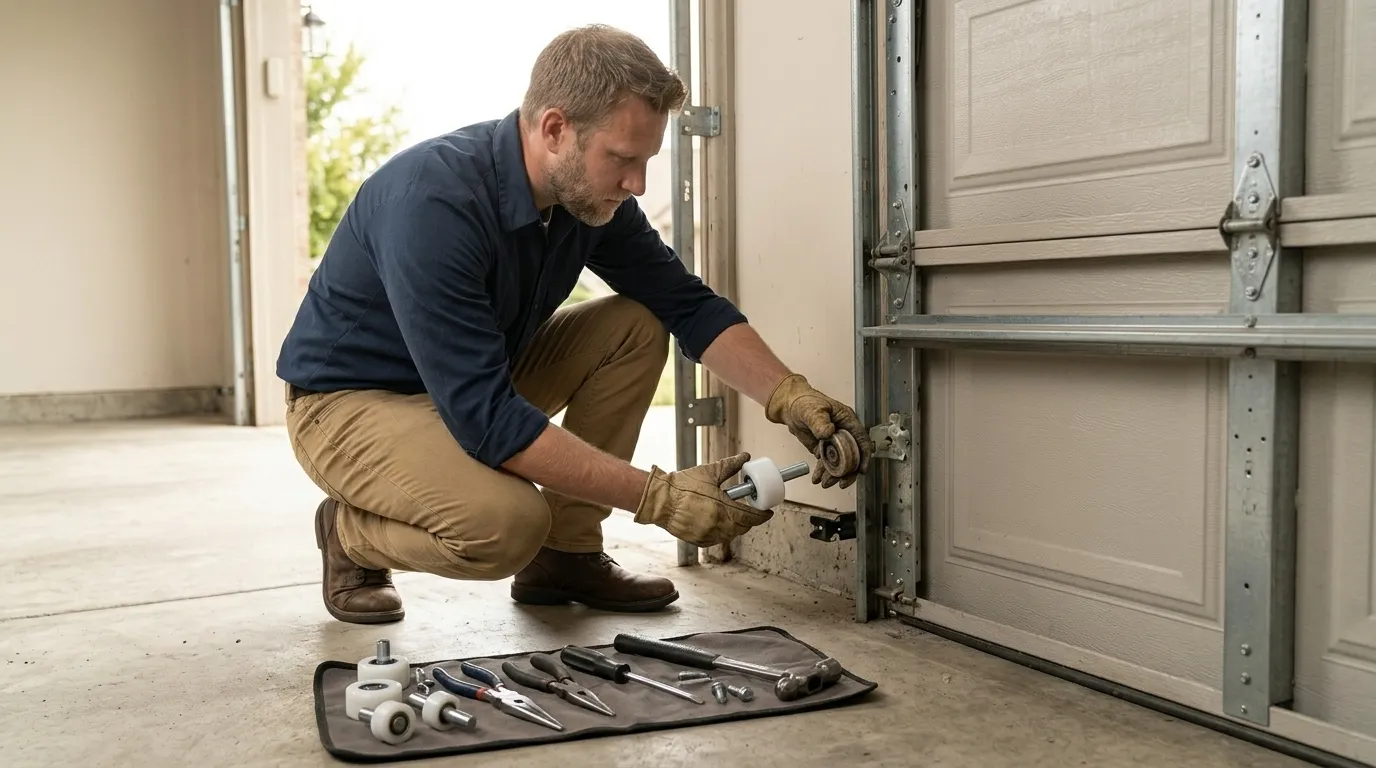
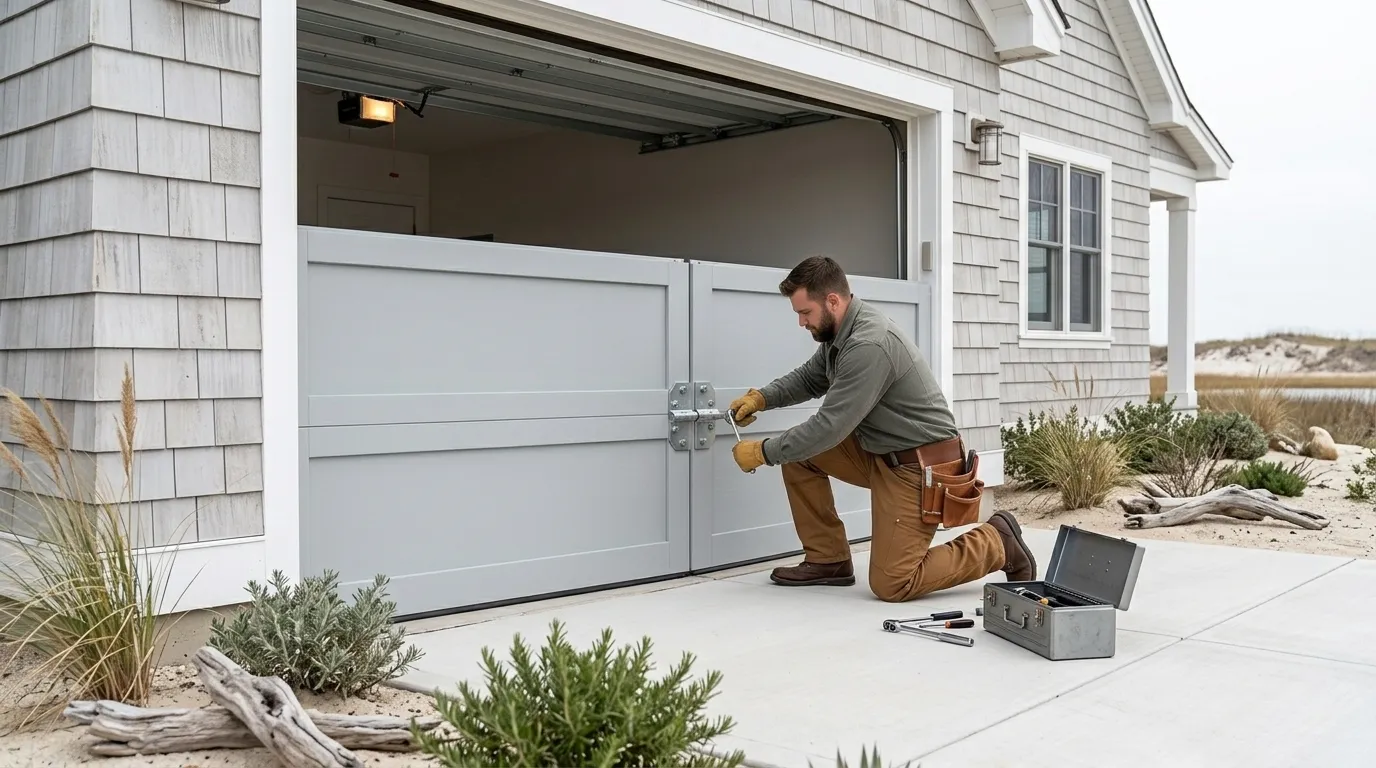
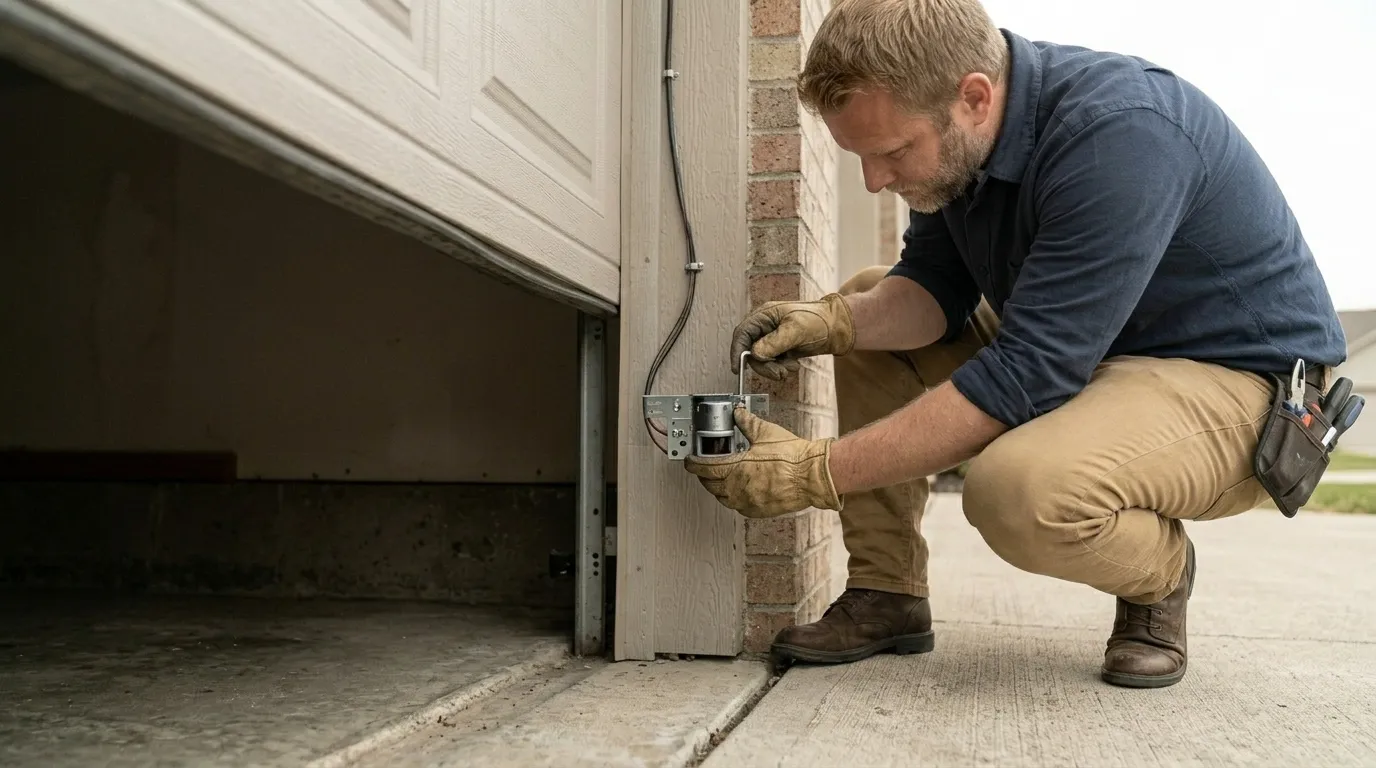
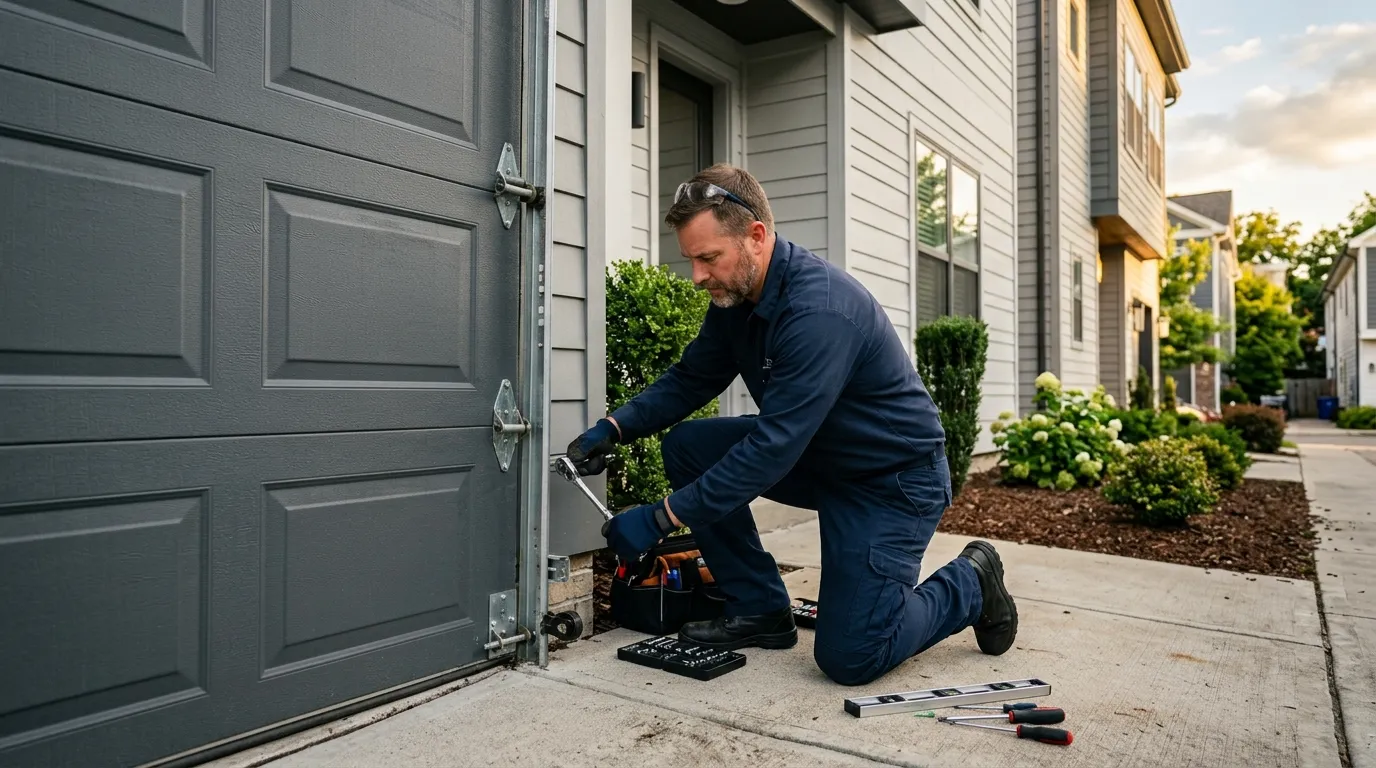
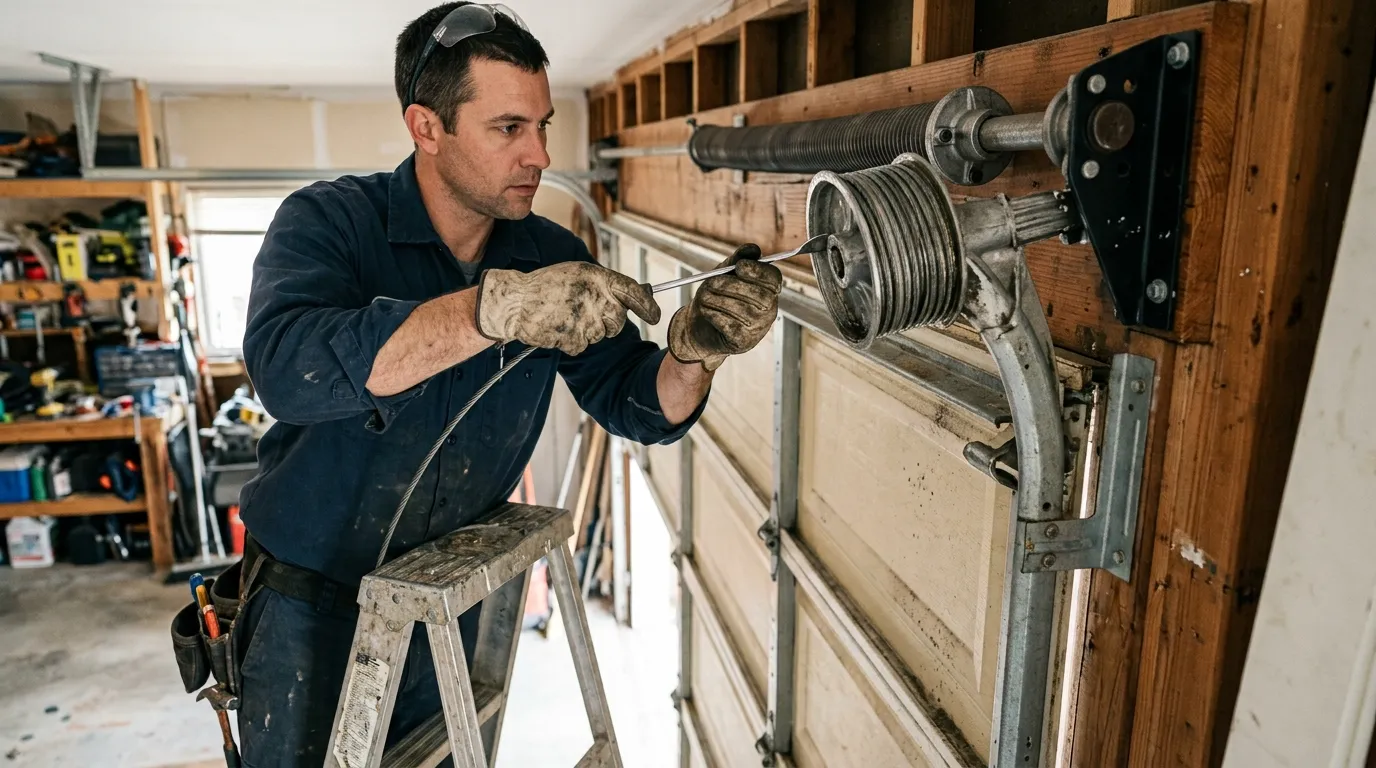
Most of the Dallas service area we cover was built with a median year of 1993, but Murphy's housing stock skews newer, with a median build year around 2005. That decade-plus gap matters more than it sounds. Doors installed after 2000 tend to run on galvanized aircraft cable rated for higher cycle counts, paired with extension or torsion springs sized for heavier insulated panels. The failure point isn't usually the cable itself fraying from age the way it does on an older Dallas door - it's the cable drum or the bottom bracket where a newer, heavier door puts more load on a smaller footprint of hardware. We come out from Dallas, about 18 miles, so we're seeing a different generation of door than what shows up on calls closer to the older neighborhoods near downtown. That's the detail that decides whether we're replacing a cable alone or looking hard at the drum and bracket it rides on.
What You Pay
We don't have a fixed price to quote here without seeing the door - cable jobs vary depending on whether it's a single snapped cable, both cables on a double door, or damage to the drum that came with it. What we can say is that Murphy's median household income, at $165,109, sits well above the wider service area's $83,256, which lines up with the newer, heavier door and opener setups we tend to find here. Heavier doors with beefier springs and openers generally mean a cable replacement that's a bit more involved than a lighter, older door, simply because of how the system is balanced. We'll give you a number after we look at the door in person, not before.
What Causes It Around Here
With most Murphy homes built around 2005, we're mostly dealing with doors in their late teens to low twenties in age - old enough for the original cable to be nearing the end of its rated cycle life, but not so old that rust and corrosion are usually the driver. Cable wear here tends to come from repeated cycling on heavier insulated doors rather than from age alone. The climate band across the service area is moderate heat, which isn't the harsh freeze-thaw cycling that kills cable and hardware in colder regions, so temperature swings aren't the main culprit. More often it's a cable that's simply logged enough open-close cycles on a heavier door, or a drum that's slightly out of alignment from an opener that was never quite balanced right after install.
Can You Do This Yourself
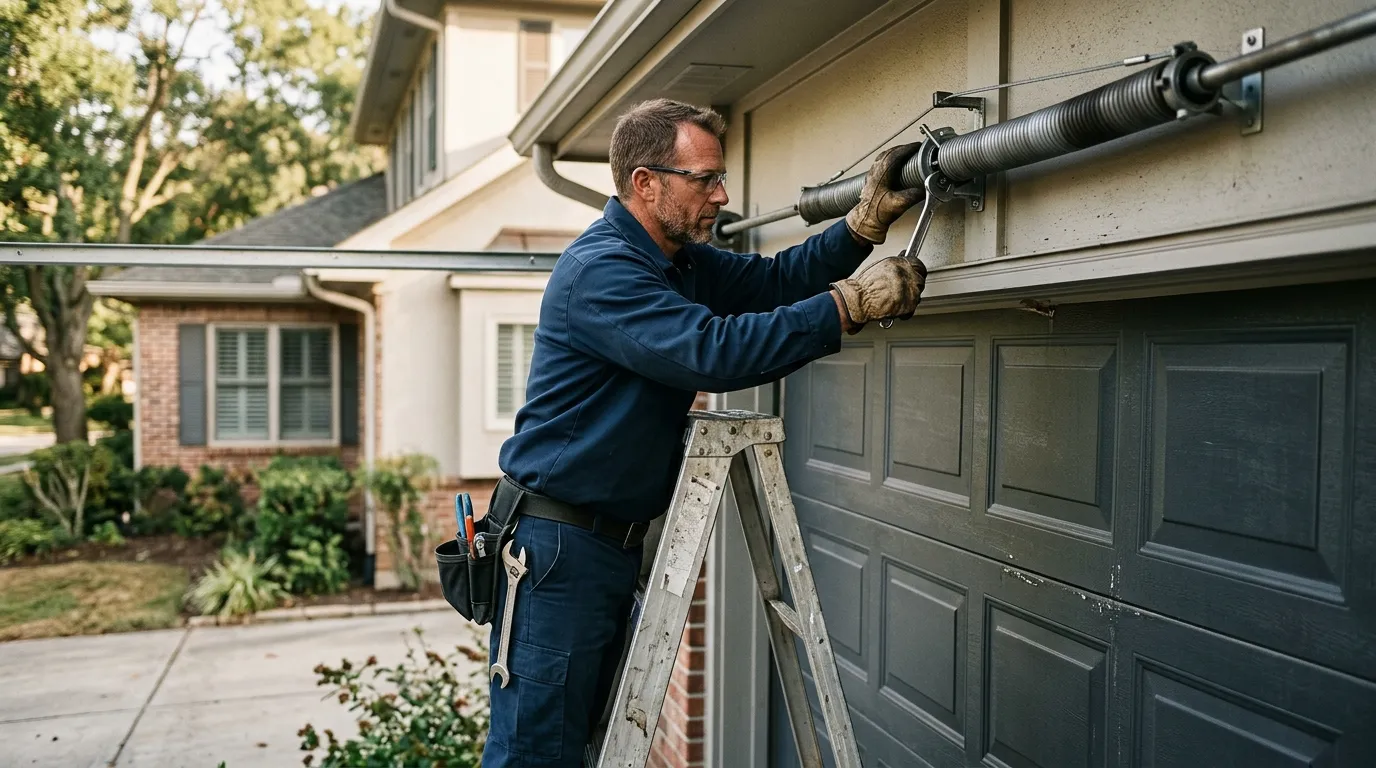
No. A garage door cable is under tension from the spring system even when the door looks still, and a cable that lets go under load can whip hard enough to cause a real injury. This isn't a job for a ladder and a Saturday afternoon. If one cable has snapped, the other side is often carrying load it wasn't built to carry alone, and that can fail the moment you touch the door. Call it in. We travel from Dallas to reach Murphy, so we're not going to be the fastest same-hour call in town, but we'd rather you wait for someone who does this daily than have a neighbor try to wind a drum back by hand. That's the honest limit here - this job isn't a DIY fix regardless of how new or well-kept the door is.