The Symptom
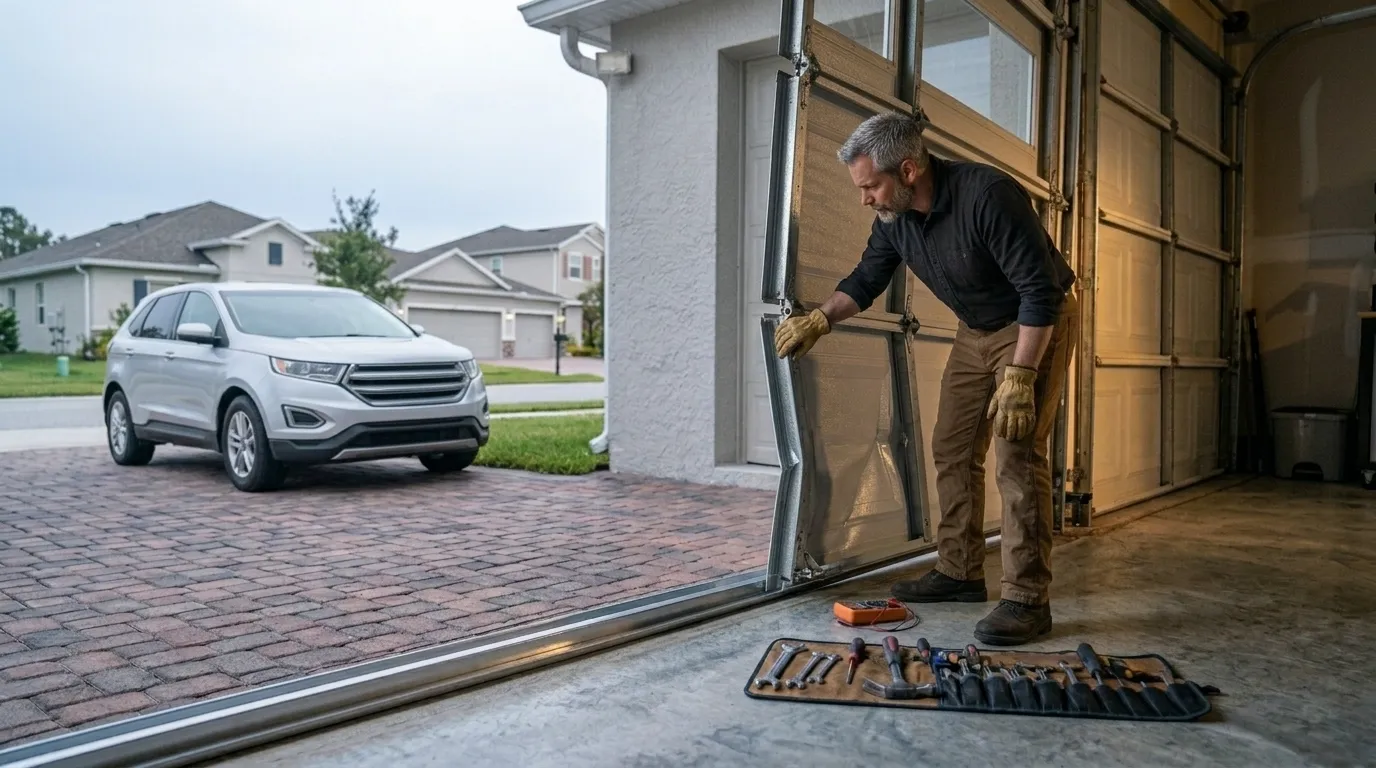
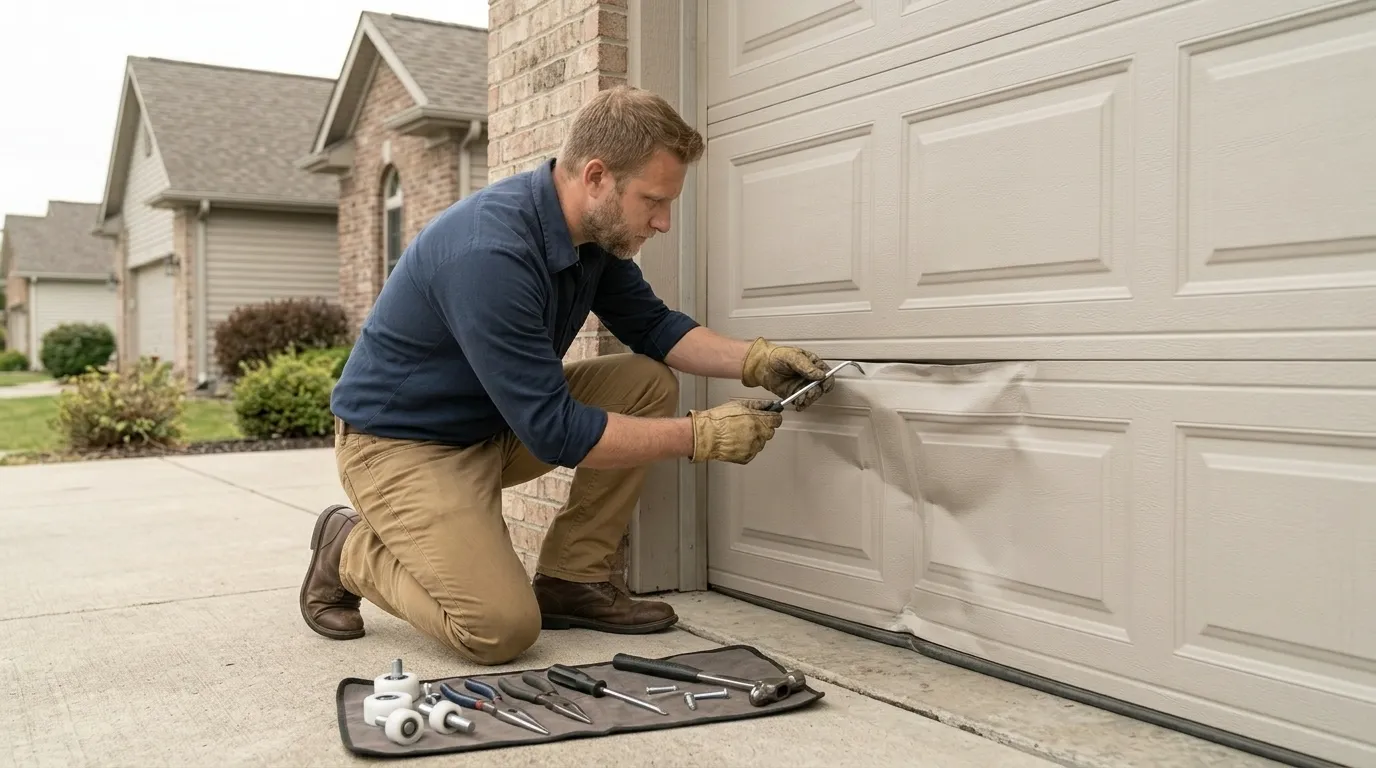
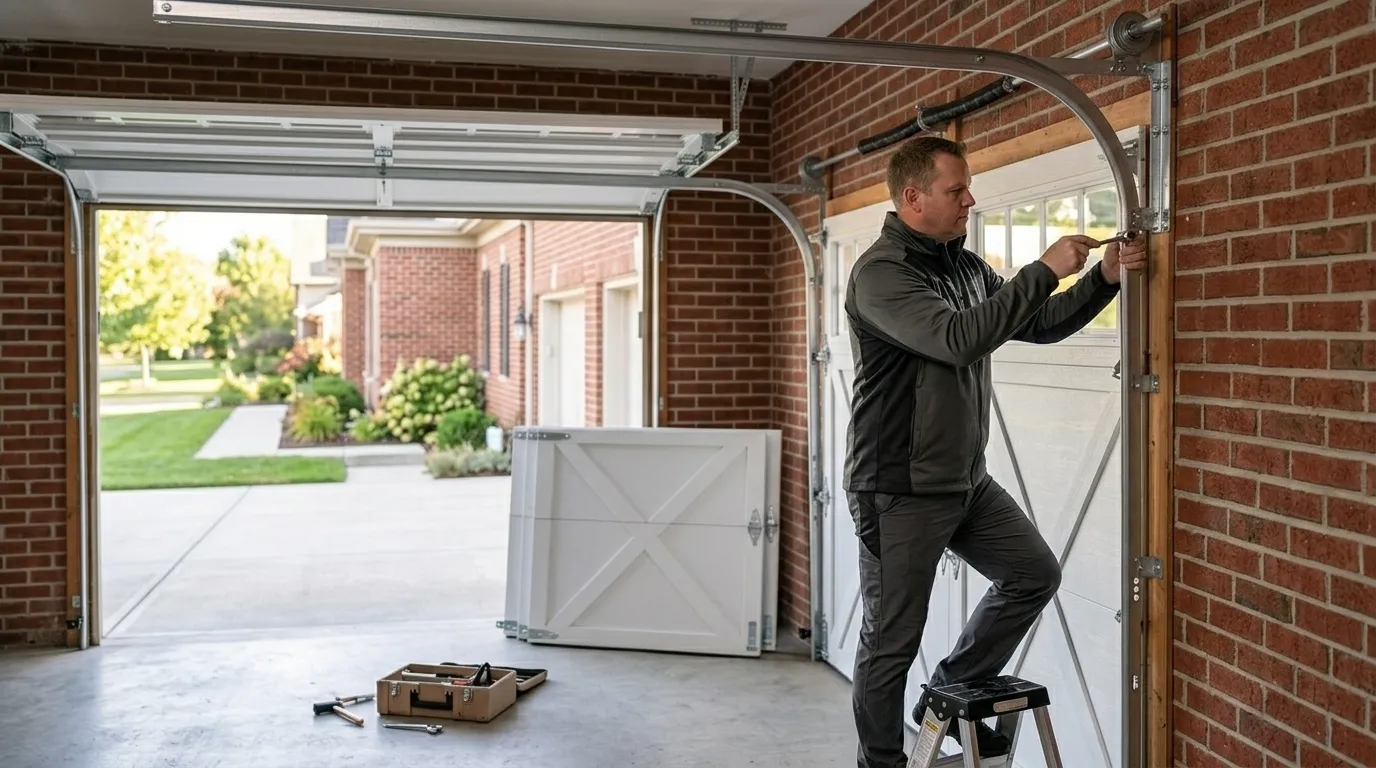
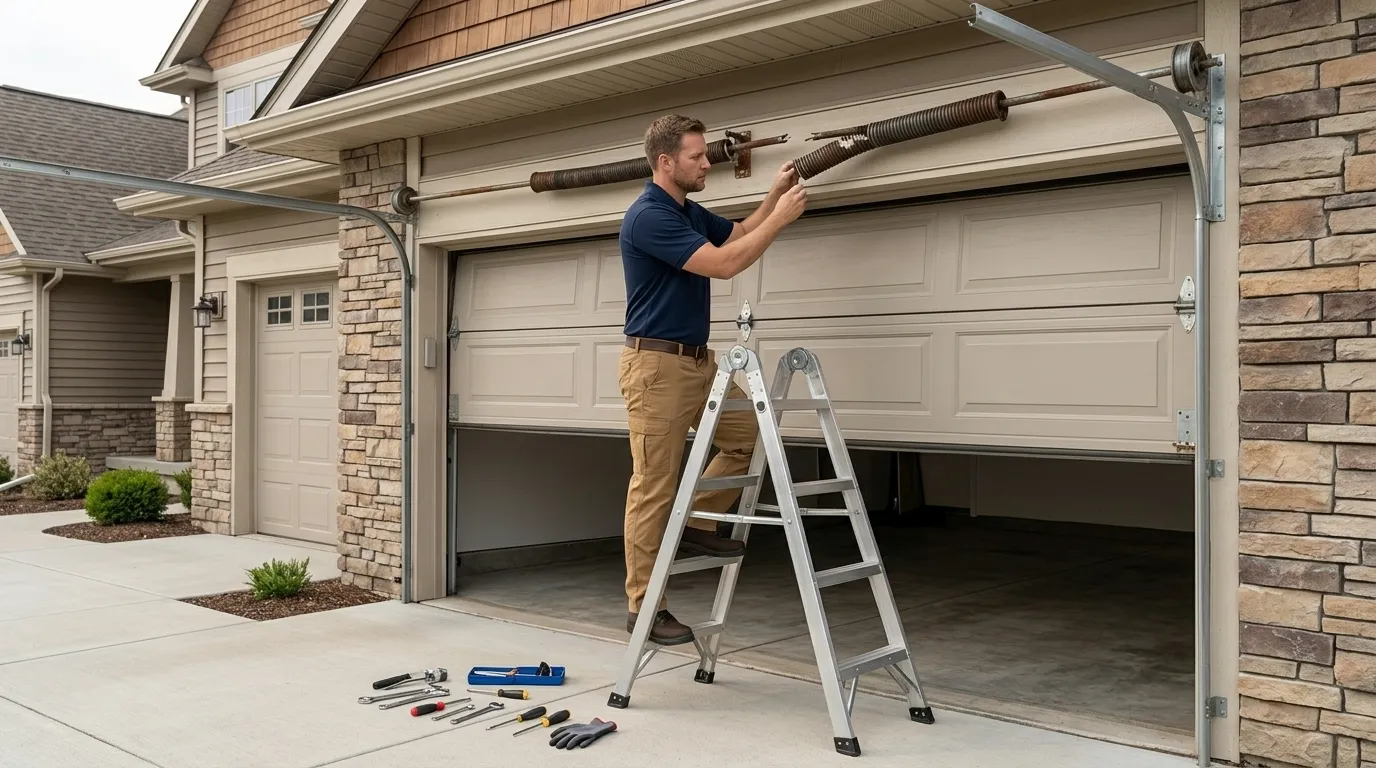
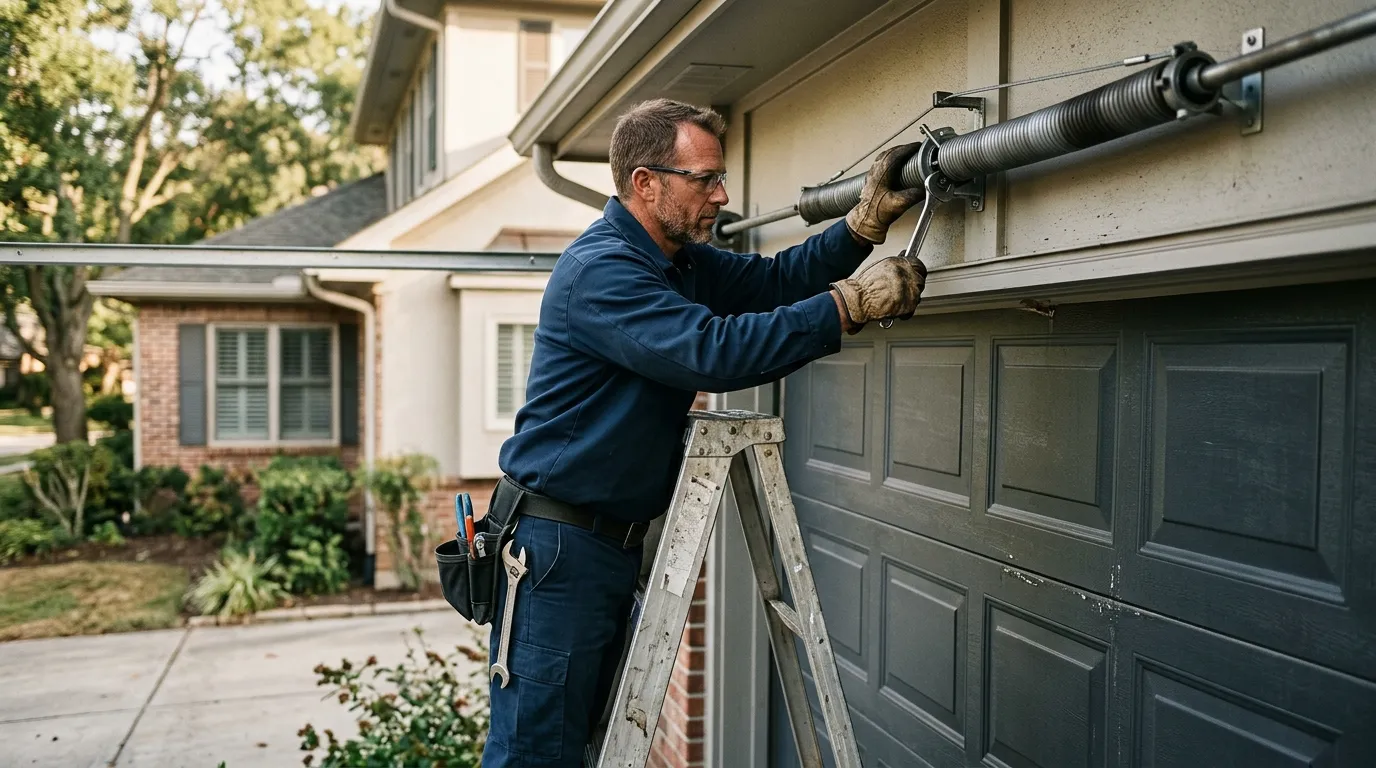
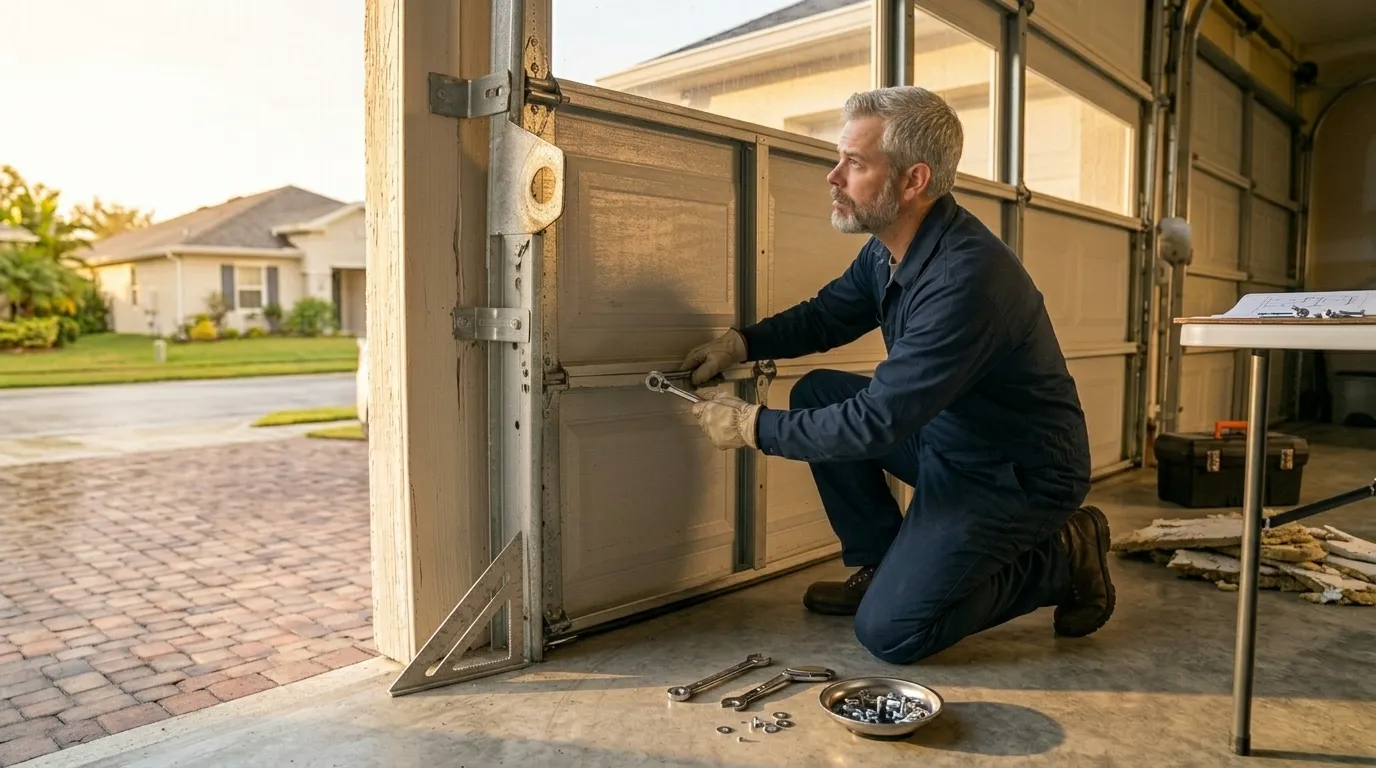
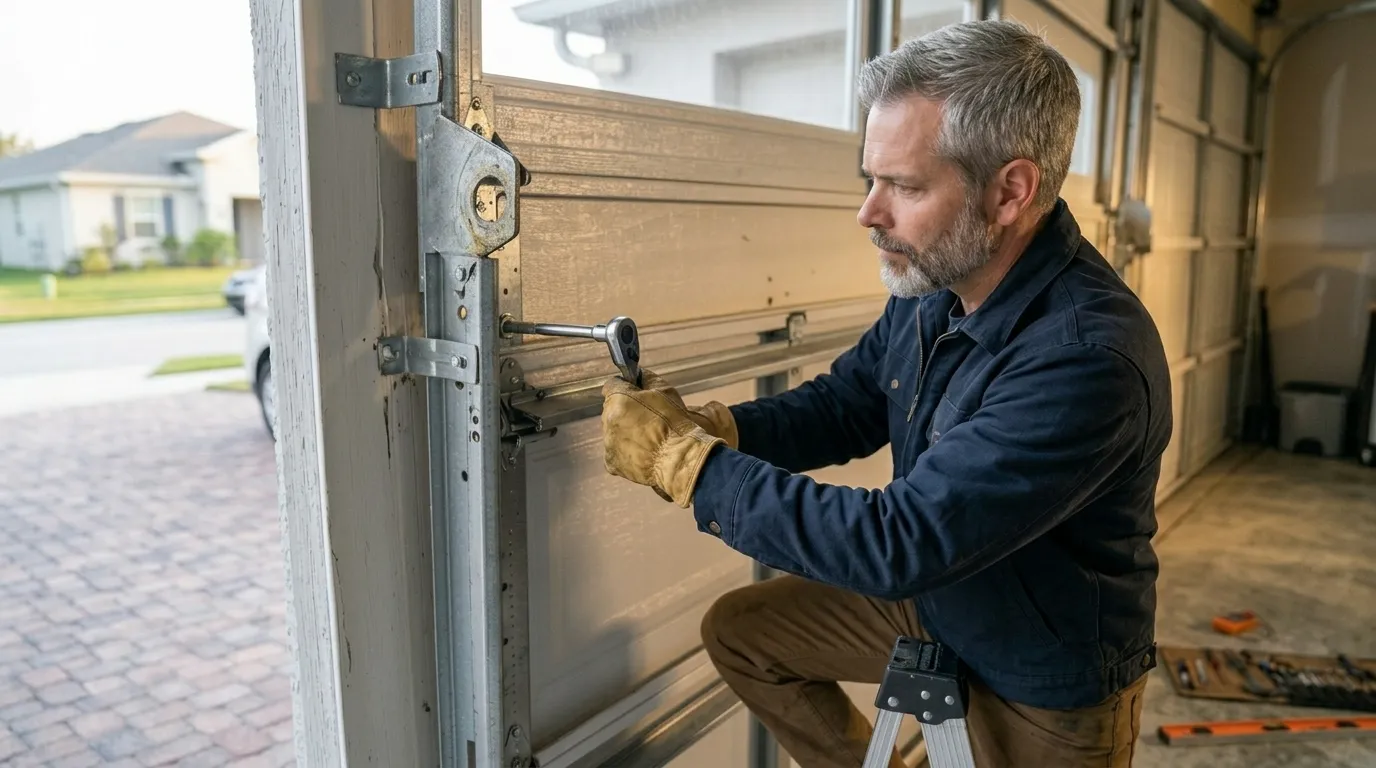
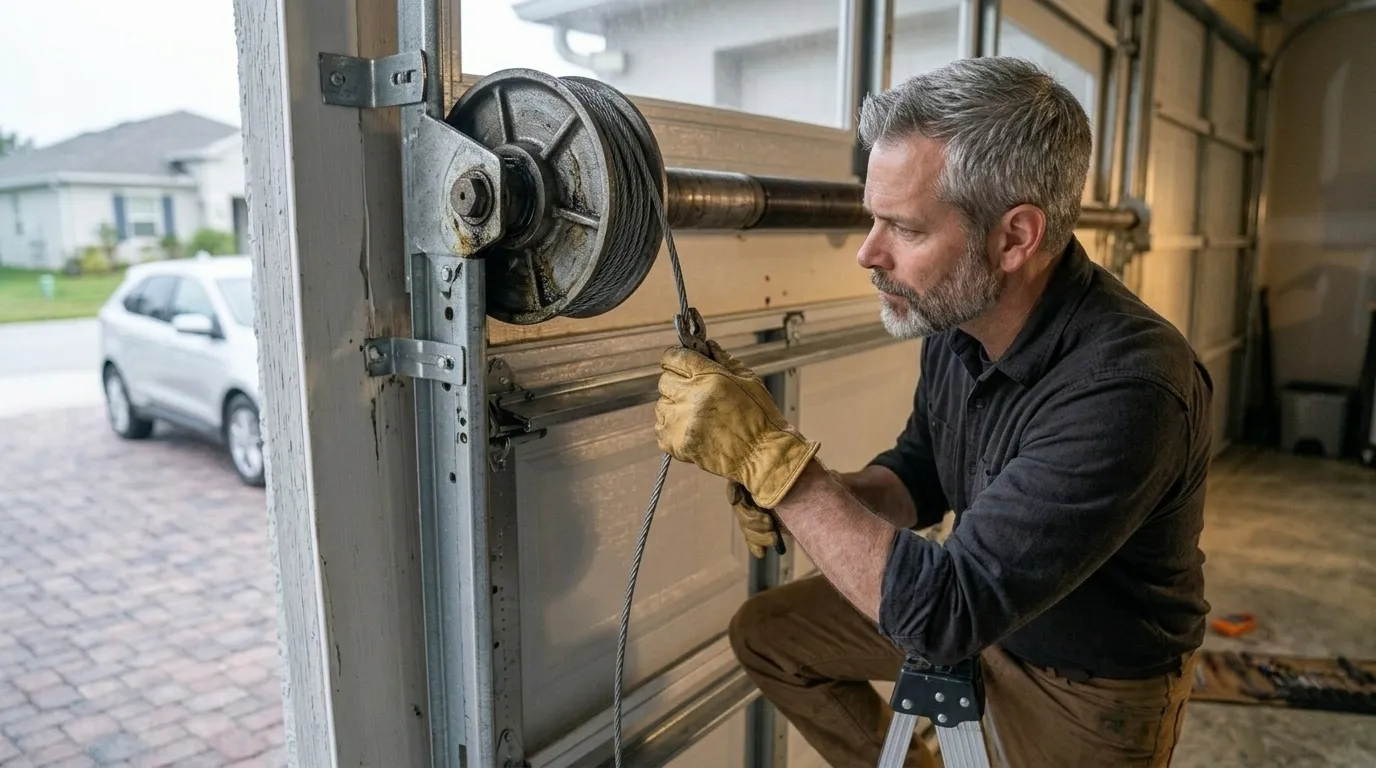
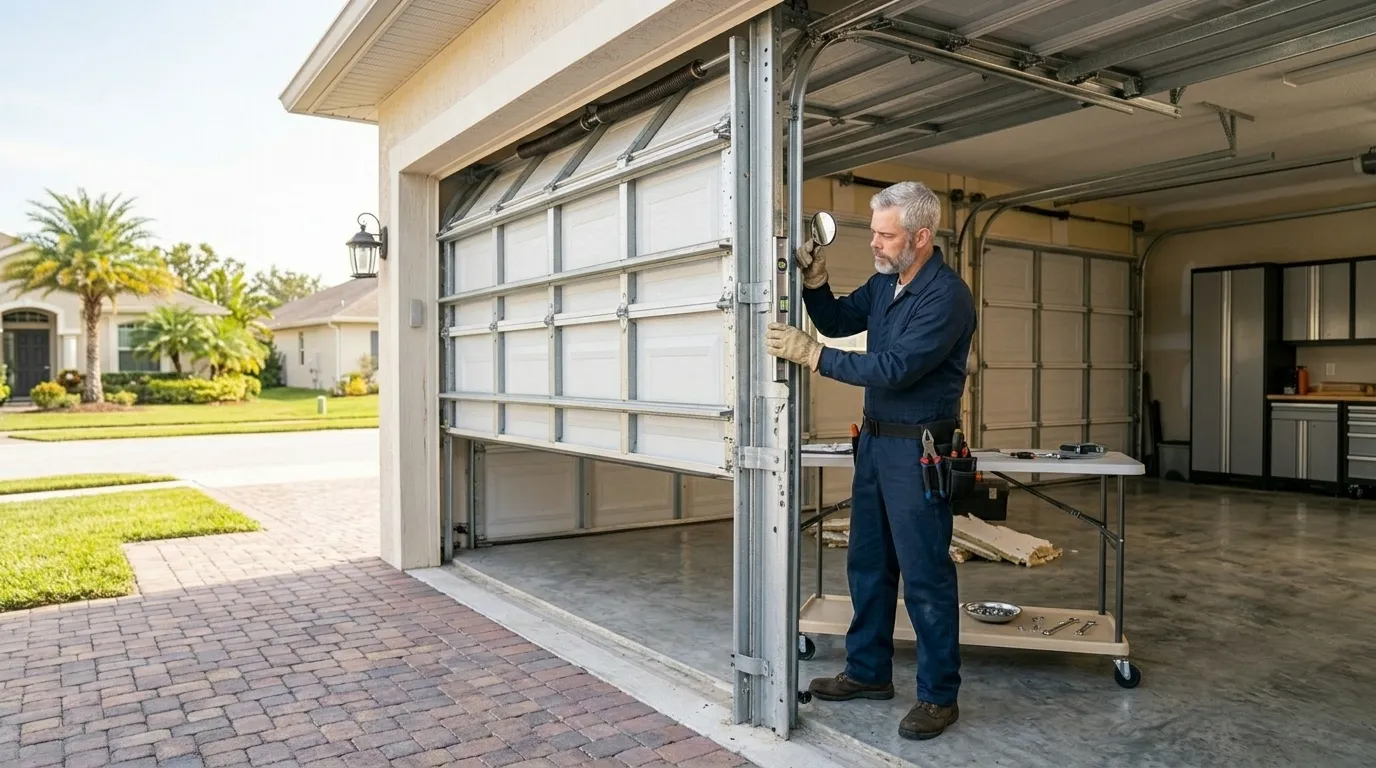
Most calls we get start the same way: the door won't go up, or it goes up a foot and stops, or the opener runs but the door doesn't move. Sometimes it's a loud bang from the garage followed by the door refusing to budge at all - that's almost always a torsion spring letting go. Other times it's a slow creep upward that stalls halfway, which points to a spring that's still holding but has weakened enough that it can't lift the door's full weight anymore.
Across the neighborhoods we work in - from out to University Park - the pattern is consistent because the housing stock is consistent. A huge share of these houses were built between 1973 and 2007, with the median landing around 1993, and most of what we see clusters in that 1980s-90s window. That means a lot of original hardware, or first-replacement hardware, is now thirty-plus years old and doing exactly what steel under constant tension does at that age: fatiguing and snapping.
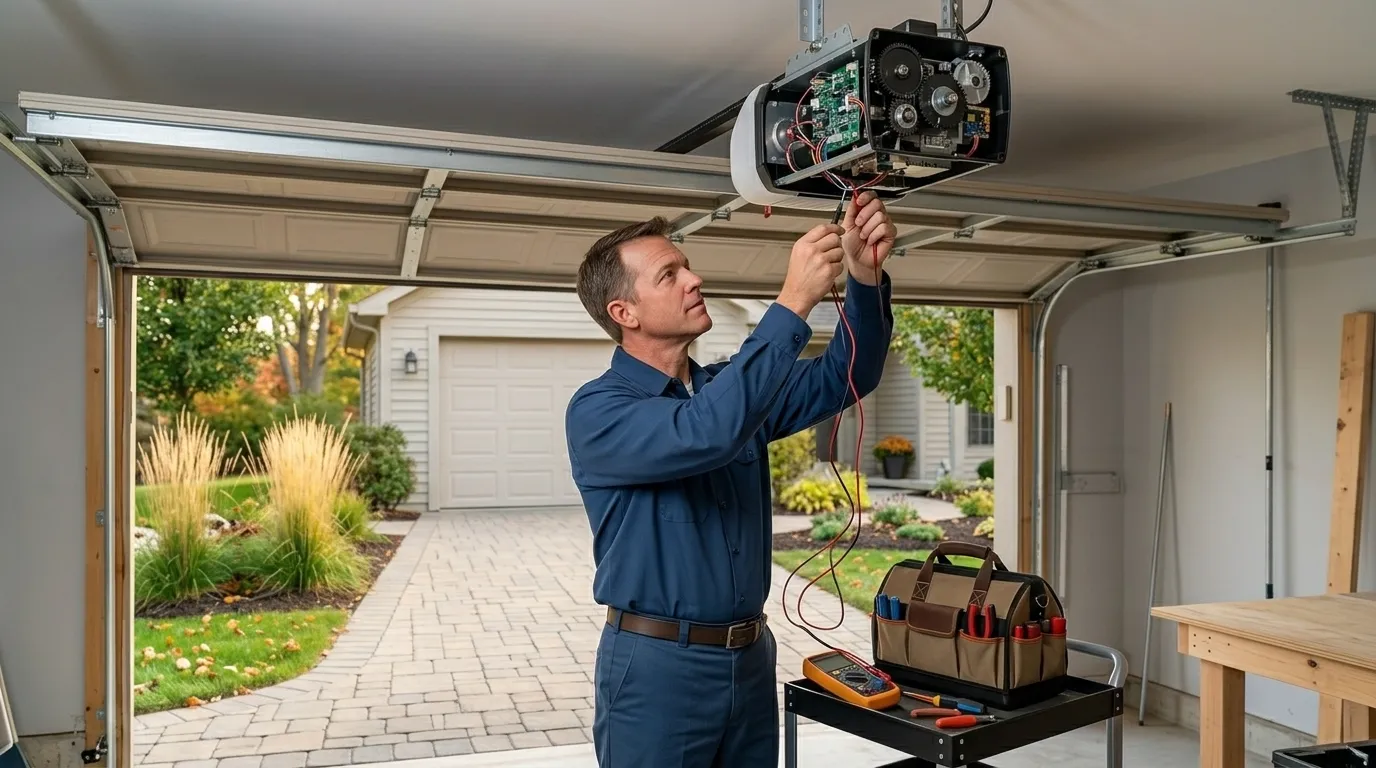
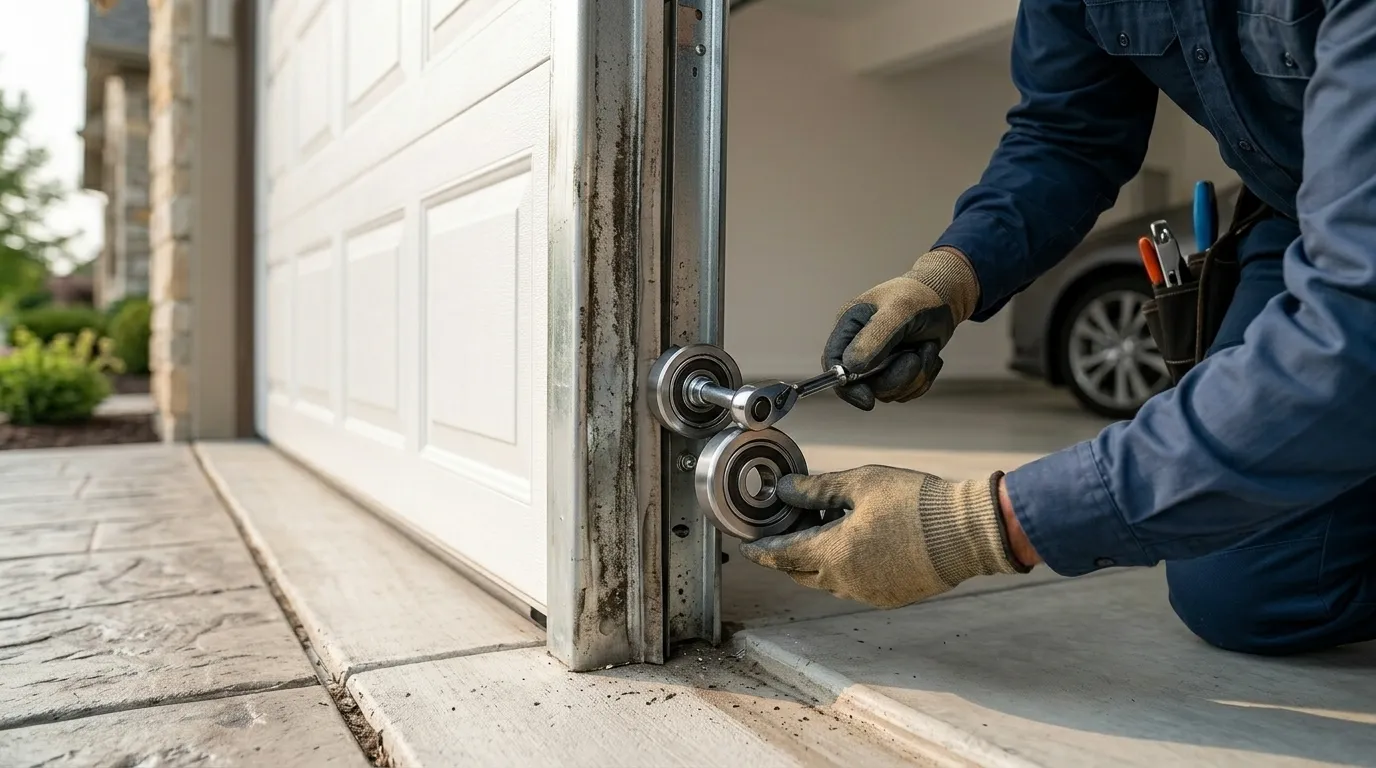
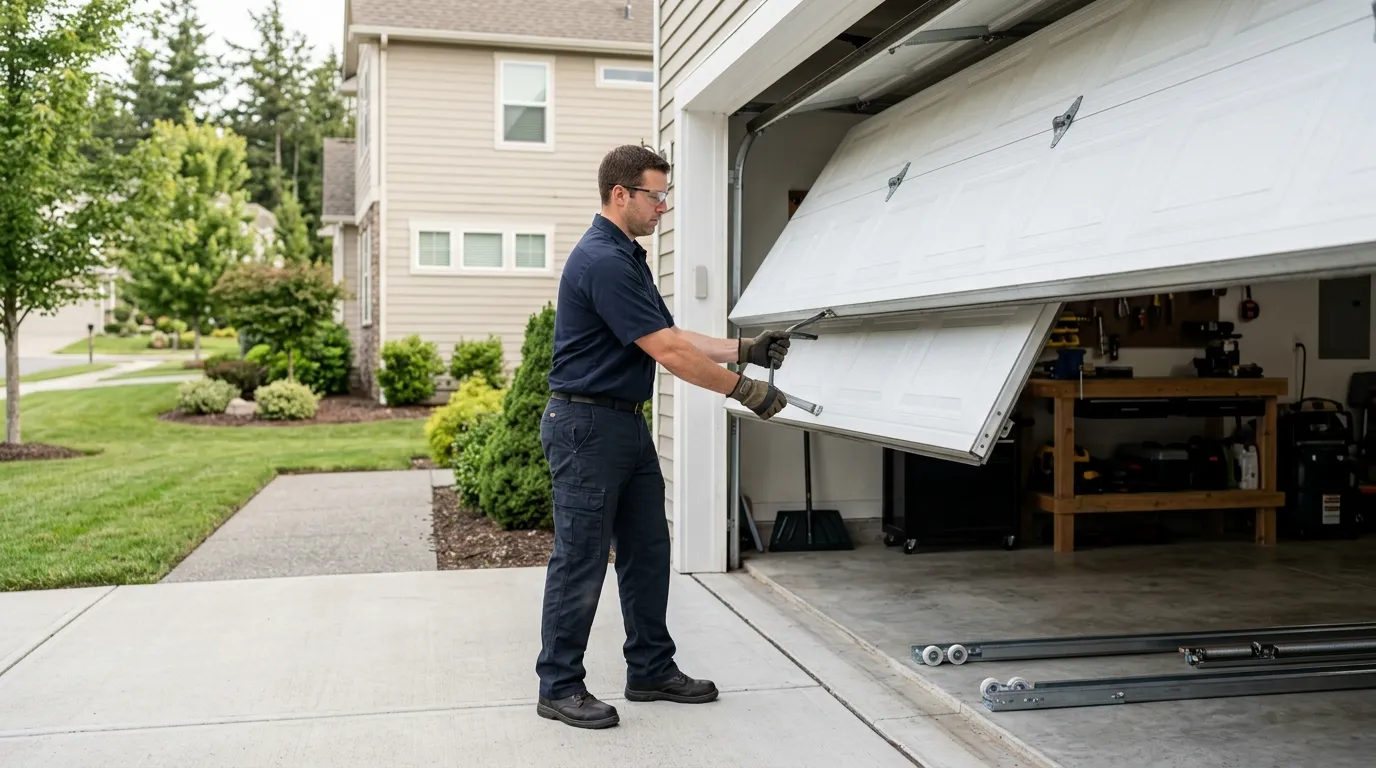
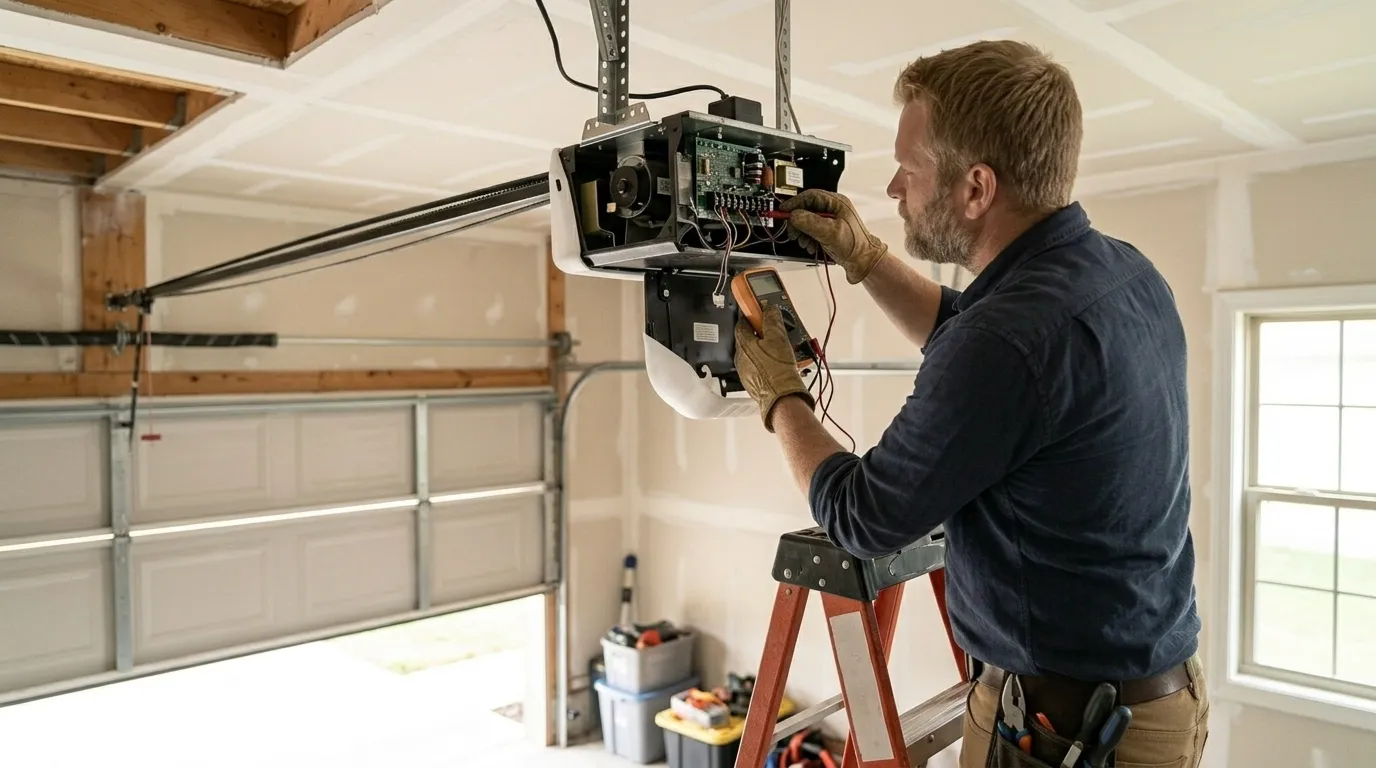
We also see rollers seized in their tracks and openers with worn gears, both symptoms of doors that get used daily in a hot climate without much maintenance in between.
What You Pay
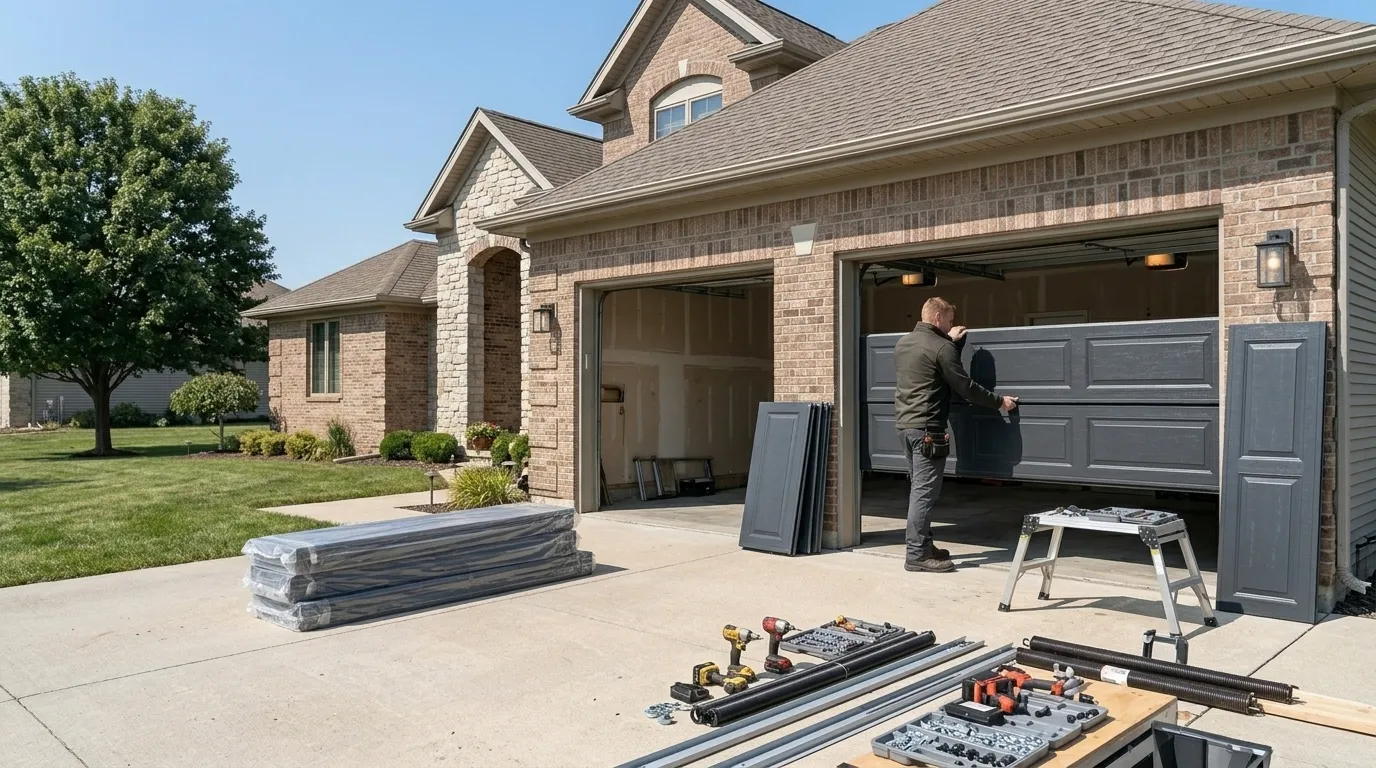
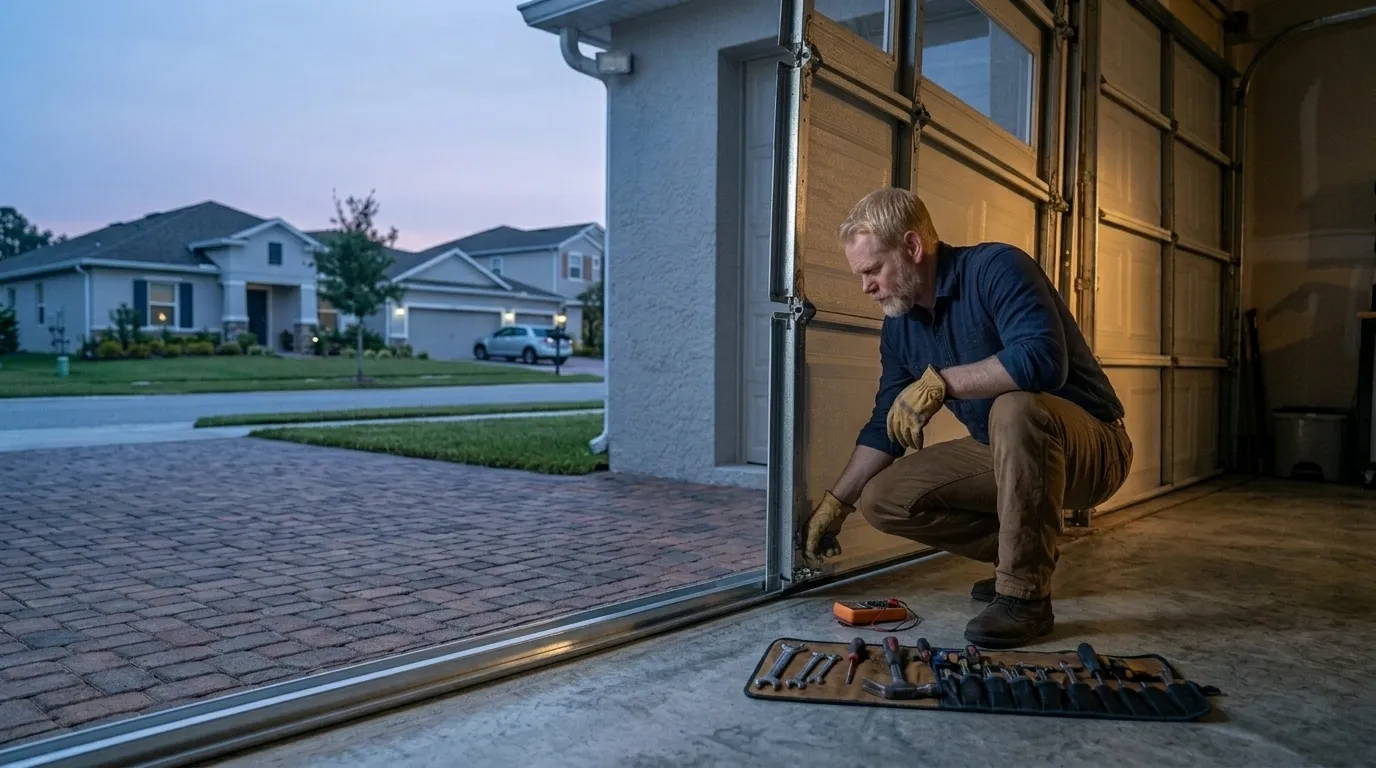
We don't publish a flat number here because the job depends on what's actually broken - a single torsion spring replacement is a different job from a broken spring plus a bent track plus a worn opener gear, and pricing all three the same would be dishonest. What we can tell you is that we quote the job after we look at it, not before, and we tell you the price before we start any work, not after.
One honest limitation: if your opener is more than fifteen years old and the logic board has failed, sometimes it makes more sense to replace the unit than chase parts for it. We'll tell you when that's the case instead of billing you for a repair that won't hold.
What Causes It Around Here
Two things drive the calls we get in Dallas: age of the housing stock and the heat.
With most houses in the service area built between 1973 and 2007, and the bulk of that in the 1980s and 90s, a large share of the doors and openers out there are original or one generation removed from original. Springs have a rated cycle life, and a door used two or three times a day for thirty years has burned through most of it whether or not anyone's been counting.
The moderate heat load here adds to that. Garages in this area run hot for long stretches of the year, and heat speeds up the breakdown of the lubricant on spring coils and the grease in opener gearboxes. A dry spring under load fails faster than a lubricated one. It's not a dramatic cause, just a steady one - the kind that shows up as a snapped spring on an otherwise unremarkable Tuesday, in a garage that's been quietly baking since June.