Serving Dallas, TX & nearby
(469) 770-3799
Dallas, TX

Garage Door Spring Repair Across Dallas

Broken torsion spring in Dallas? We explain what fails, why it fails on 1970s-2000s Dallas-area housing stock, and what a real spring swap costs to do right.

Garage Door Spring Repair Across Dallas
Dallas, TX
8 services
4 service areas
Diagnosis first, then the fix

The Symptom

The door won't lift, or it lifts a few inches and stops. Sometimes you hear a bang from the garage first - that's the spring letting go, usually while nobody's home. Other times it's quieter: the opener strains, the motor gets hot, the door drifts down on its own after you open it partway. All of that points to a torsion spring that's lost its wind, snapped clean, or is about.

A door with a dead spring is heavy - most residential sectional doors run somewhere north of 100 pounds once you take the spring assist out of the equation. That weight is exactly why you don't force it. If someone yanks the door up by hand, or keeps hitting the opener button hoping it'll catch, the next failure is usually the opener's gears or the track, not just the spring. One bad component becomes two.

Across the service area - from down through from out to Buckner Terrace - this is the single most common reason we get a same-day call. It's mechanical, it's predictable, and it's fixable in one visit in most cases.

What You Pay

We don't post a flat number here because spring jobs aren't flat. A single door usually runs one torsion spring; a double (16-foot) door often runs two, and the wire size and wind length depend on the door's weight and the drum size on the shaft - not on the town it's in. What we quote on-site accounts for the spring itself, the labor to unwind and rewind under tension safely, and a check of the cable and drum, since those wear on the same schedule as the spring.

What we won't do is sell you a spring job when the real problem is upstream - a bent track, a bad bottom bracket, or an opener that's been fighting a weak spring for months and needs its own repair. If that's the case, we'll say so before we start, not after.

One honest limit: if your spring size isn't something we carry on the truck - which happens on older or nonstandard doors - we may need a day to get the right one in rather than force a close-enough substitute that wears out fast.

Can You Do This Yourself

Torsion springs are under real load - enough stored energy to break a finger or worse if the winding bars slip. This isn't like swapping a hinge or an extension spring on an older lift system. The tools matter (proper winding bars, not screwdrivers), and so does knowing how many quarter-turns your specific spring needs, which depends on the door's weight and the drum.

What you can safely check yourself: whether the spring is visibly separated (a clean gap in the coil means it's snapped, not just worn), whether the cables are still seated in the drums, and whether the door is binding on the track rather than failing at the spring at all. If the door came off its rollers or the bottom corners look bent, that's a different repair, and worth mentioning when you call.

We'll also say plainly: if you've got two springs and only one broke, replace both. They wear on the same clock, and running a new spring against a tired one just moves the next failure a few months down the road instead of fixing it.

What Causes It Around Here

Most of the housing across this service area went up between 1973 and 2007, with the heaviest concentration of that stock dating to the 1980s and 90s - the era of the original builder-grade torsion spring that was never sized for a 30-plus-year service life. Across 165,955 households and 80,920 owner-occupied houses spanning neighborhoods from to to that means a large share of doors are running on hardware that's simply aged out, not damaged.

The climate here sits in a moderate heat band, and heat is a slower killer than cold snap - it's not a sudden freeze cracking metal, it's years of summer expansion and contraction fatiguing the coil until one more cycle is the one that breaks it. That's why spring failures here cluster less around a single weather event and more around a spring's raw cycle count, which for an original builder spring often lands somewhere in that 15-to-25-year window regardless of season.

If your house falls in that 1973-2007 build range and the spring has never been replaced, the fact that it's still working is closer to luck than durability.

How it works

From “it’s stuck” to “it’s fixed”

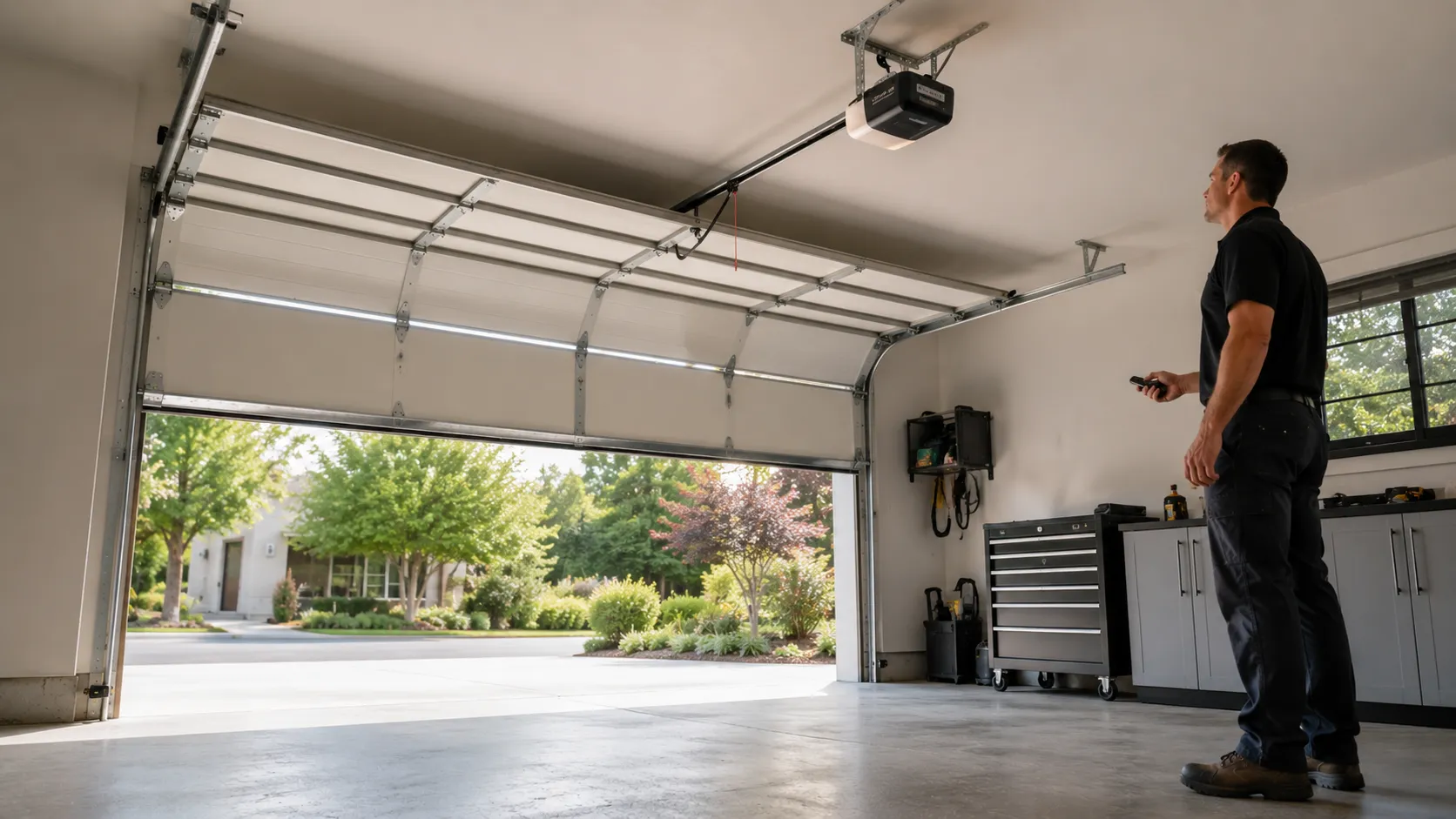
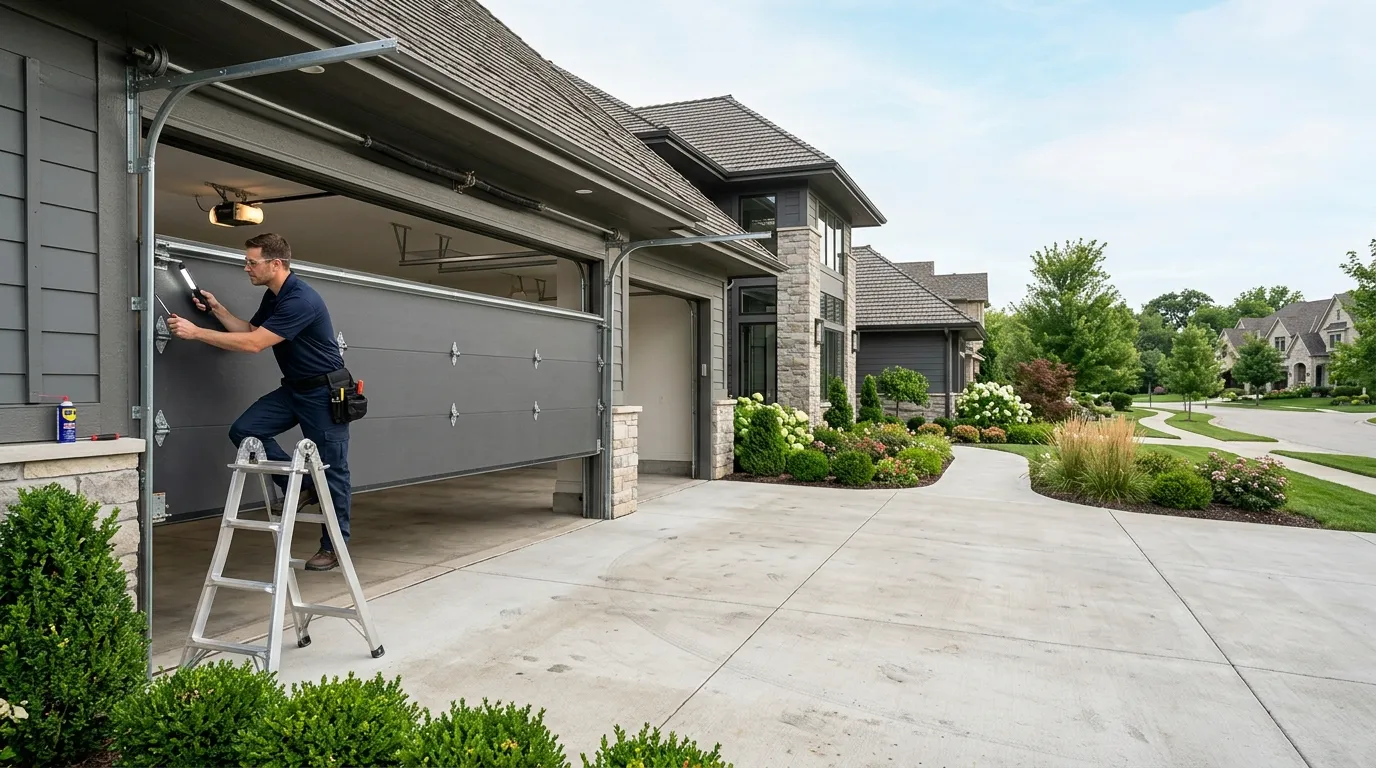
Tell us what’s wrong - Dallas garage door service

Tell us what’s wrong

Describe the symptom - won’t open, loud bang, opener runs but the door won’t move.

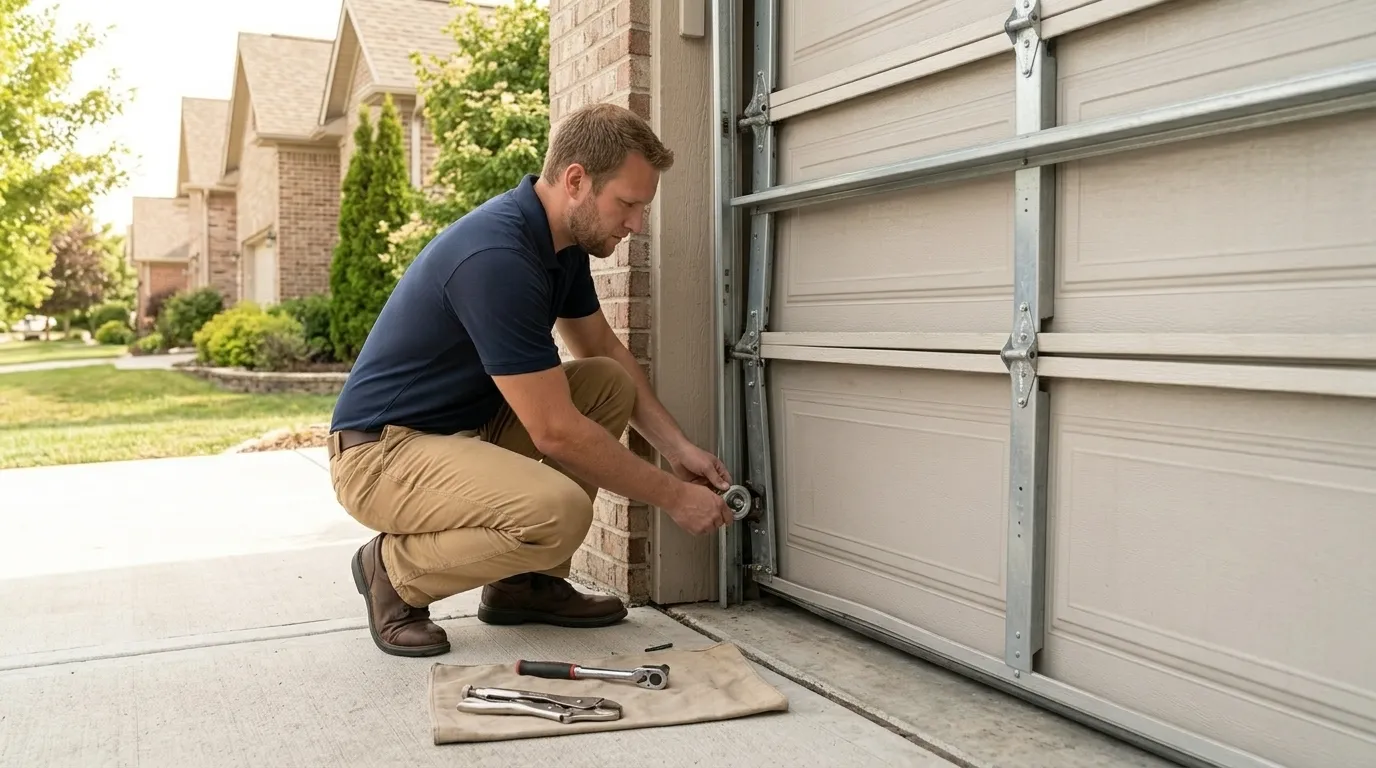
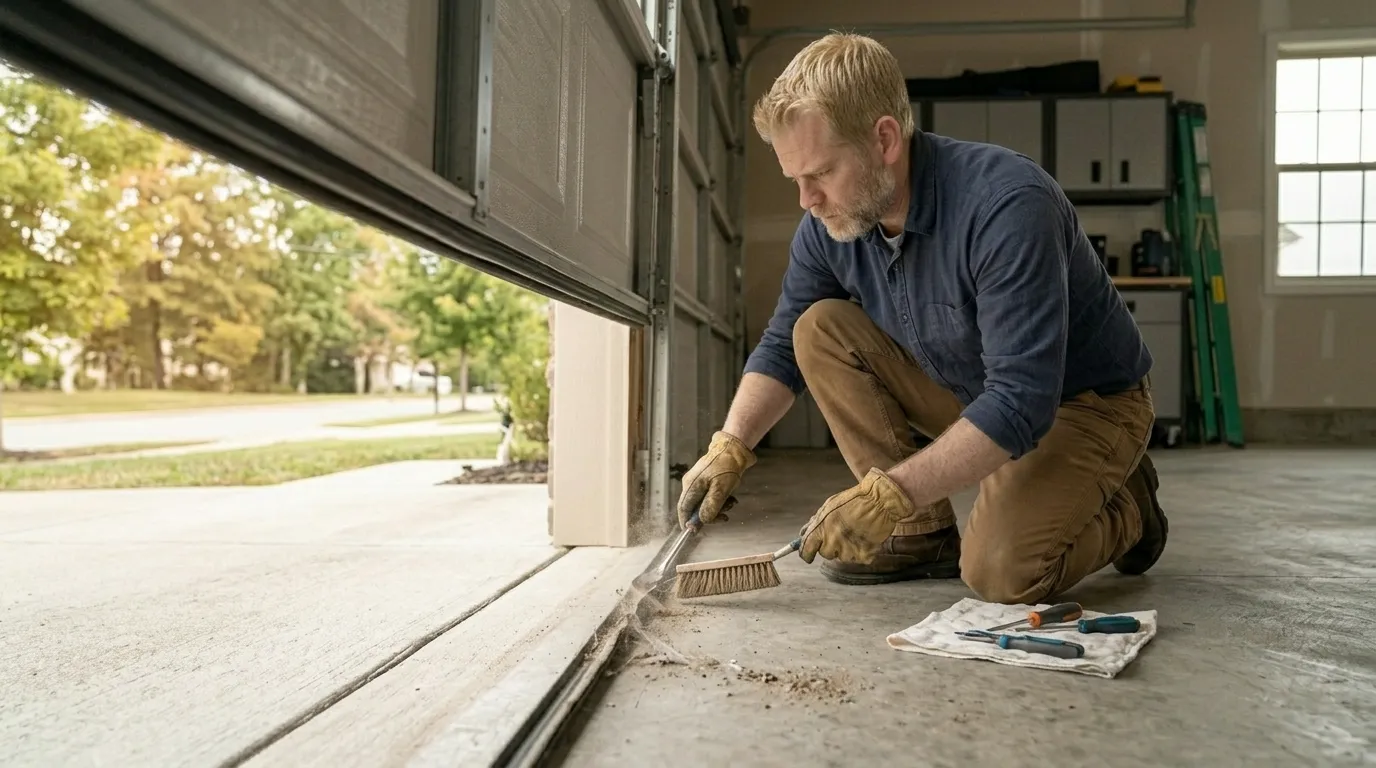
On-site diagnosis - Dallas garage door service

On-site diagnosis

A technician tests the door under power and by hand and finds what actually failed.

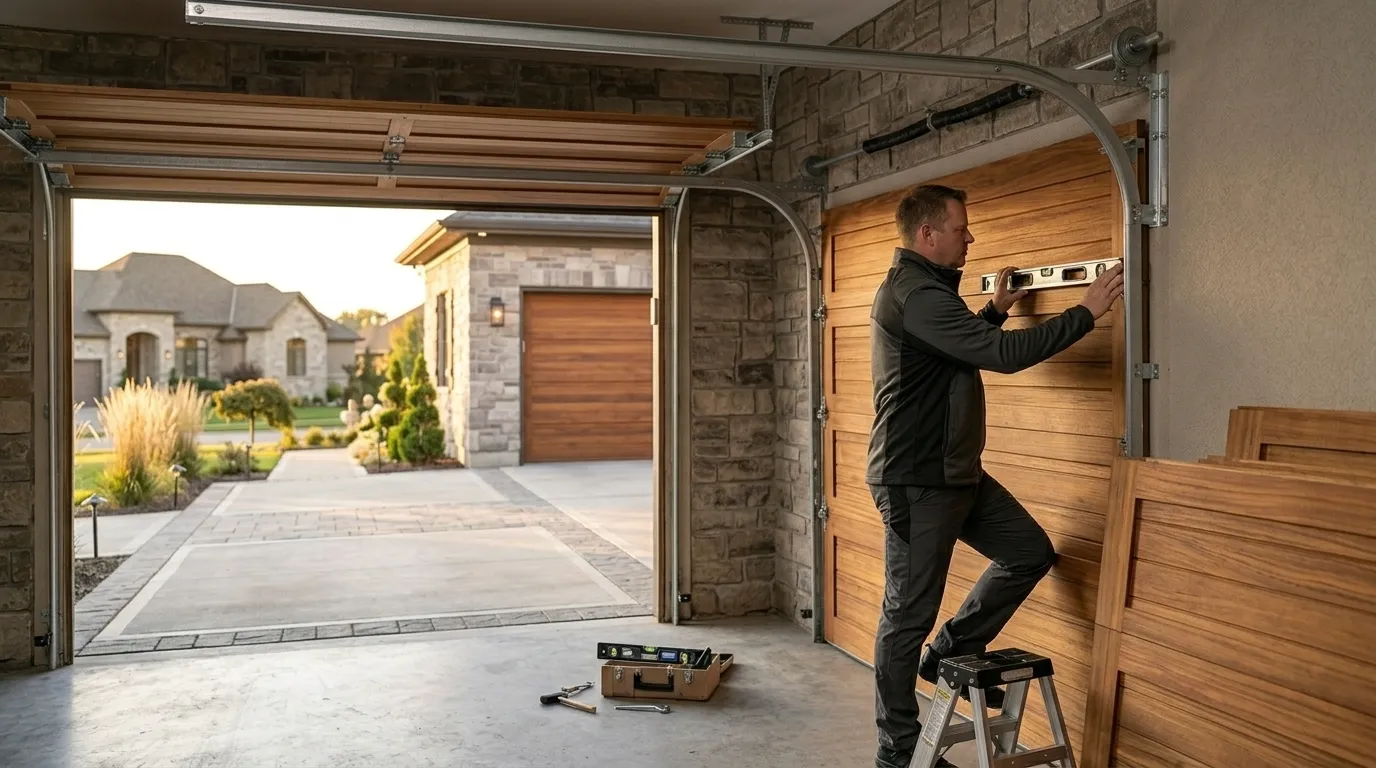
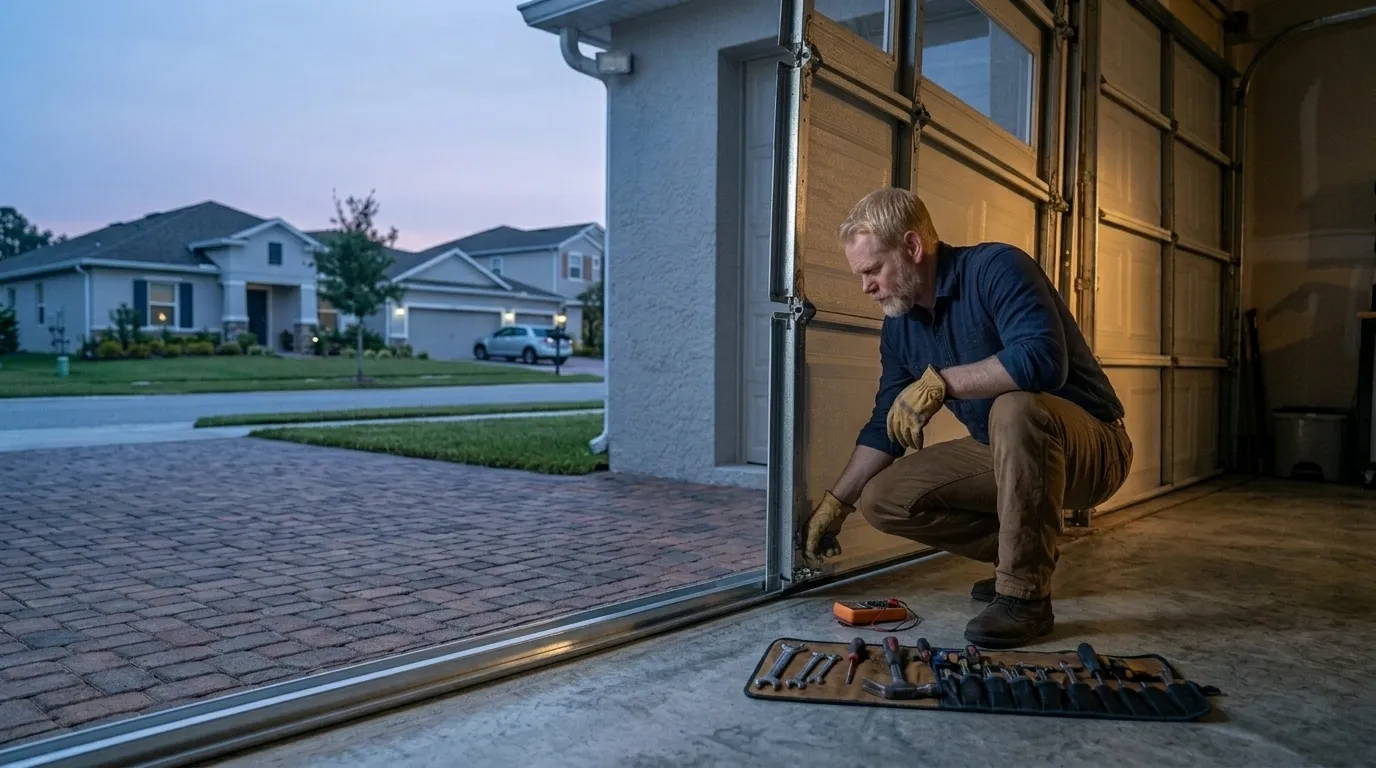
Clear, up-front plan - Dallas garage door service

Clear, up-front plan

You get the fix that’s needed and what drives the cost - before any work starts.

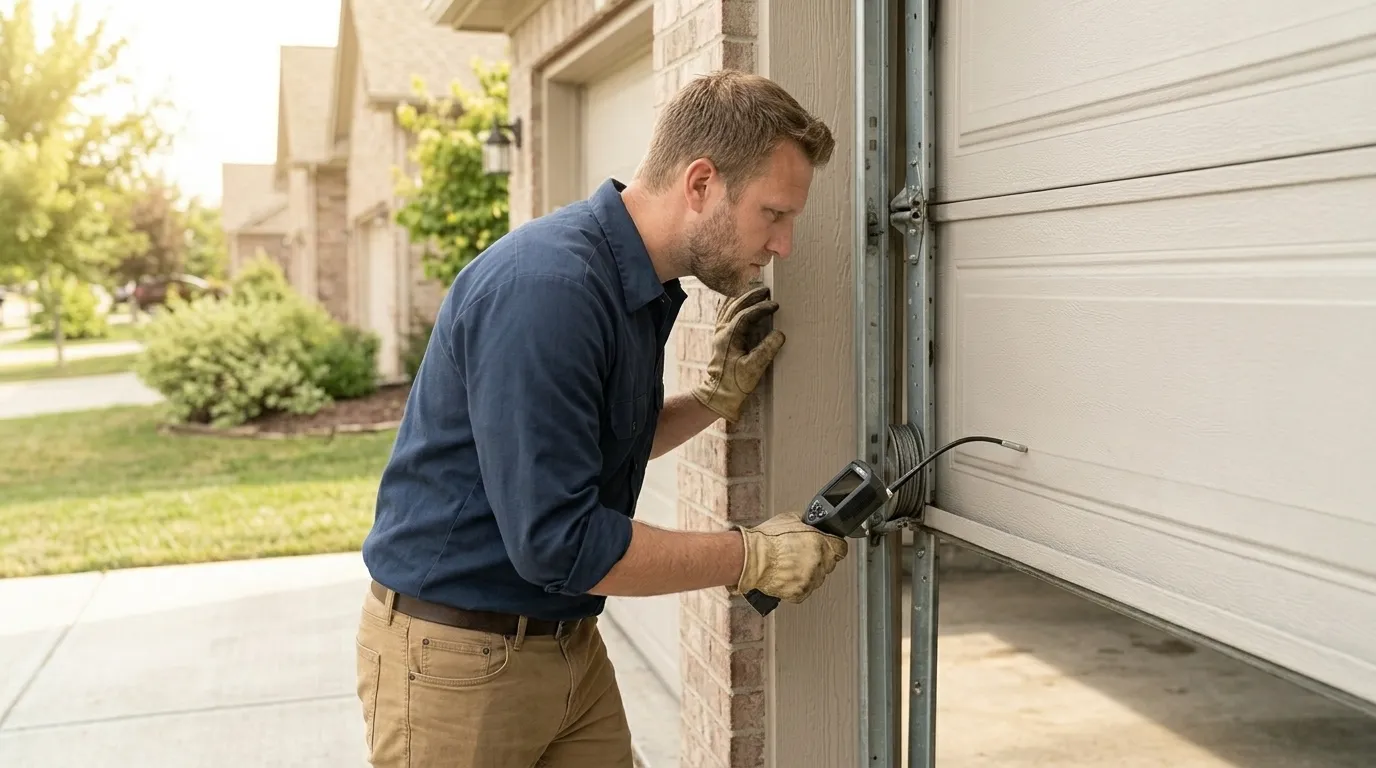
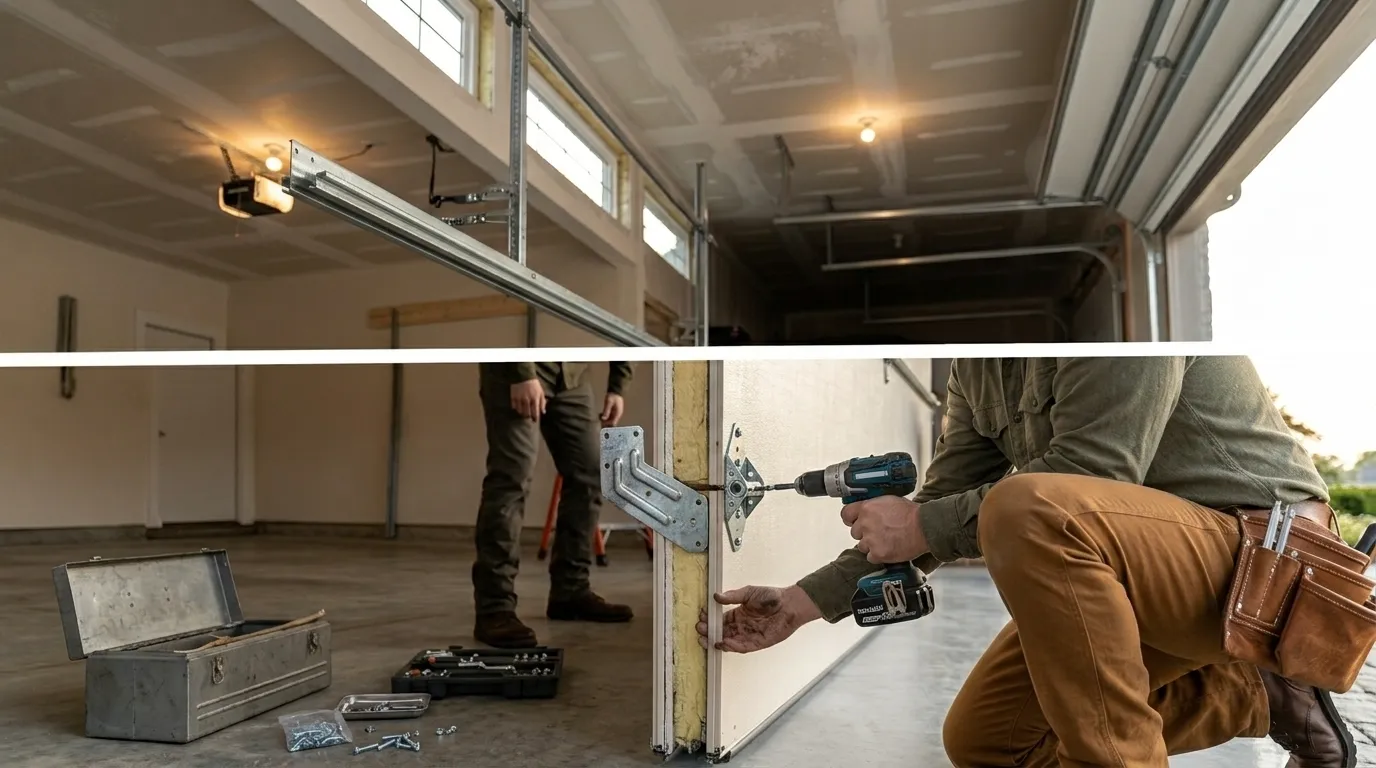
Repaired & tested - Dallas garage door service

Repaired & tested

The repair is done, the door is set true and tested, and the work area left clean.

Serving Dallas, TX - tell us what your door’s doing and we’ll take it from there.

How we work

What to expect

Diagnosis firstEvery visit starts by finding what actually failed - not a pre-written parts list.
The right part for the doorSprings and openers matched to the door’s weight and age, so the fix holds up.
Straight answersWhen a repair makes more sense than a replacement - or the reverse - you hear it plainly.
Clean, careful workTension released safely, hardware set true, the door tested under power before we leave.
Residents in Dallas
Garage door services
Neighborhoods & suburbs
Serving Dallas, TX
1,326,087
8
4
TX
Where we work

Serving Dallas & nearby

Local garage door service across 4 Dallas-area neighborhoods and communities - is your street on the list?

4

Dallas-area neighborhoods & nearby communities we cover

Questions

Frequently asked

Straight answers about garage door repair in Dallas. Still unsure? Ask us directly.

How do I know if it's the spring and not the opener?

If the opener motor runs but the door barely moves, or moves a few inches and stops, that's almost always the spring, not the motor. If the door won't budge and the opener makes no sound at all, that's more likely an electrical or opener issue. A visible gap in the coiled spring confirms it's broken.

Is it normal for a spring to just snap with no warning?

Yes. Torsion springs fail by metal fatigue after years of cycles, not by wearing gradually thin. Most homeowners get zero warning - the door works fine on Monday and won't lift on Tuesday. Occasional rust or visible gaps in the coil are the only early signs, and most people never look closely enough to catch them.

Can I just replace one spring if I have two?

You can, but we don't recommend it. Both springs are under the same load and installed at the same time, so they age on the same schedule. Replacing only the broken one means the older spring is likely to fail within months, and you'll pay for a second service call and labor you could've avoided.

Why does my door feel heavier than it used to?

A spring loses lift capacity gradually before it fully breaks - the coil weakens under repeated cycling. If the door feels harder to open by hand than it did a year ago, that's usually a spring approaching the end of its life, not damage to the door panels or track.

Ready to get your garage door sorted?

Tell us what it’s doing and where you are in Dallas - we’ll take it from there.

Request a QuoteCall