Where This Job Goes Sideways
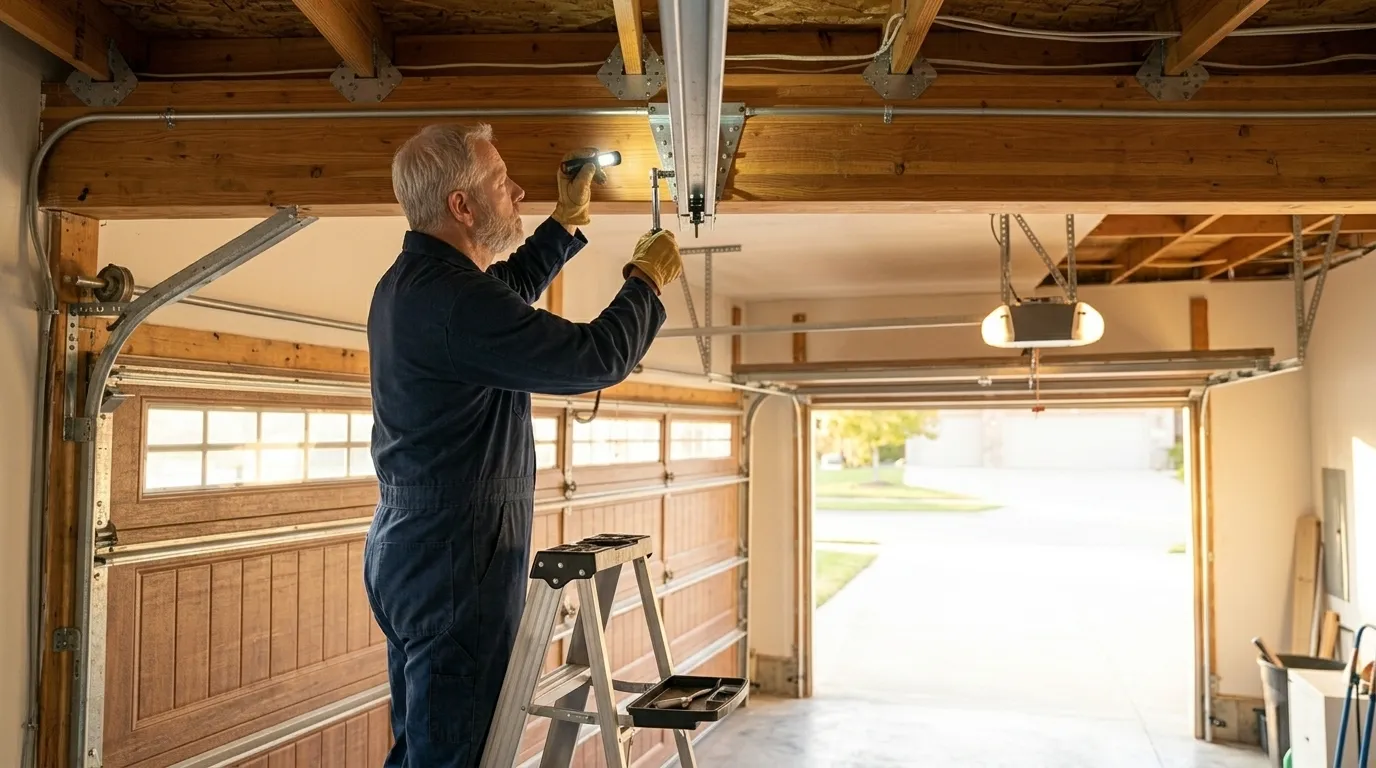
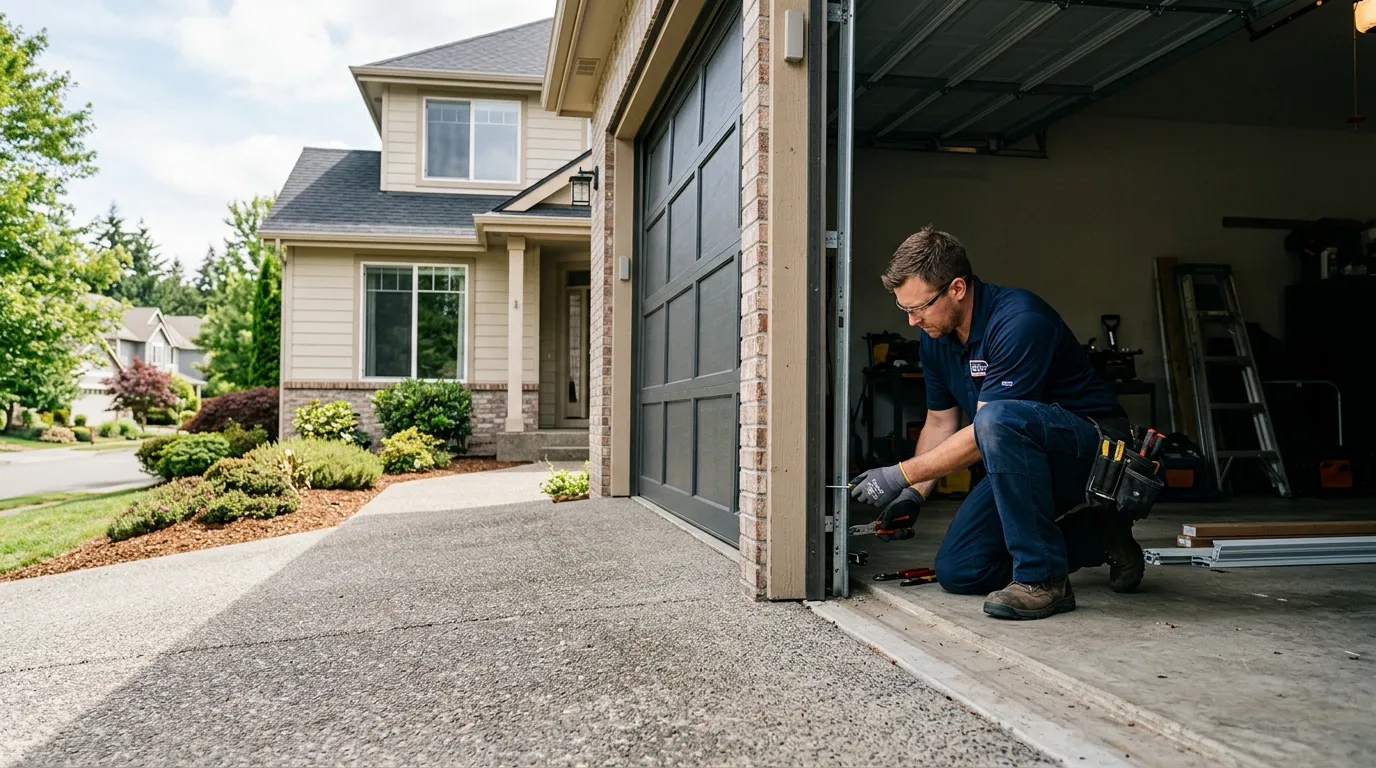
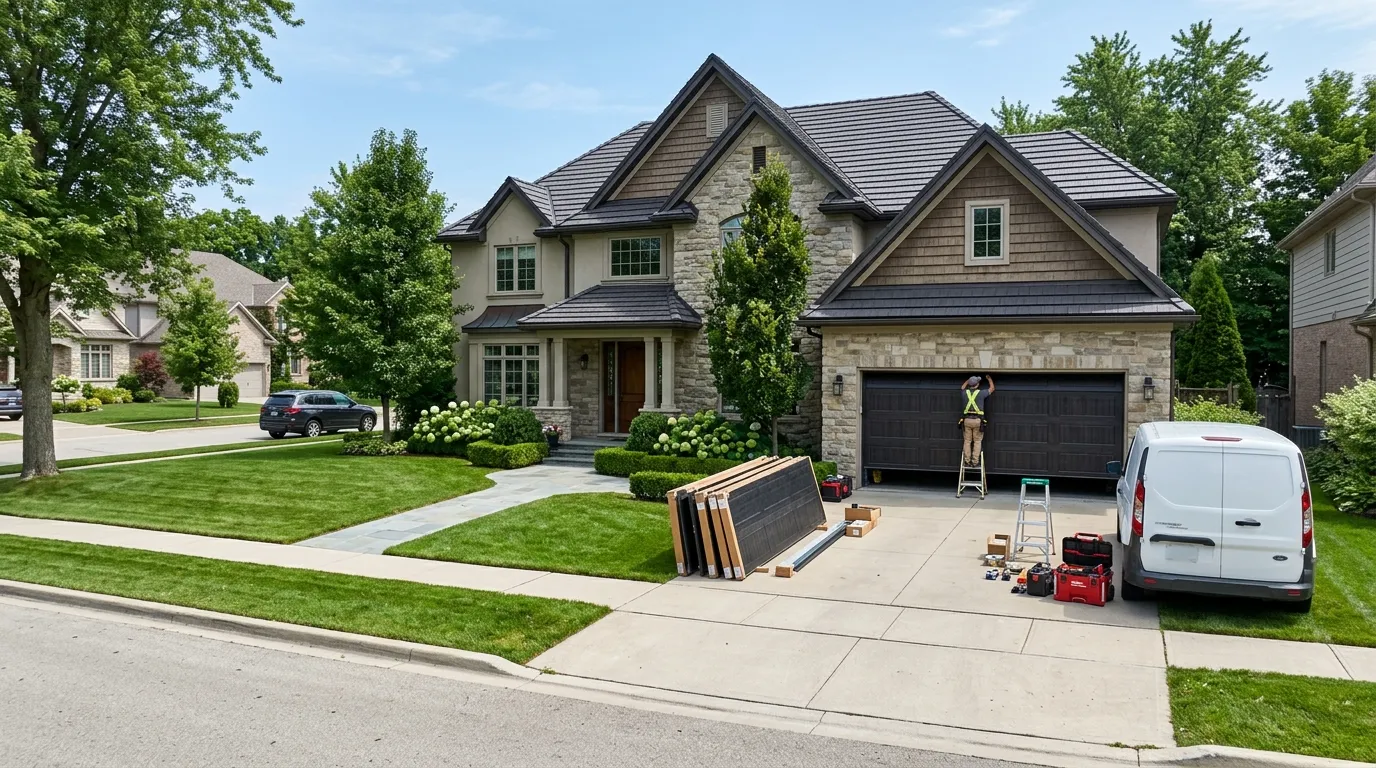
The fault we see most on Murphy commercial calls isn't a door that's worn out from age the way you'd expect closer to Dallas. It's a door that's failing in the middle of its life. Murphy's commercial stock is younger than most of the metro - the bulk of it went up around 2005, not the 1990s spread you see closer to Dallas. That means the first generation of steel sectional doors and light-commercial openers installed when those buildings were new are now sixteen to twenty years old, right at the point where circuit boards, limit switches, and belt or chain drives start throwing intermittent faults instead of dying clean.
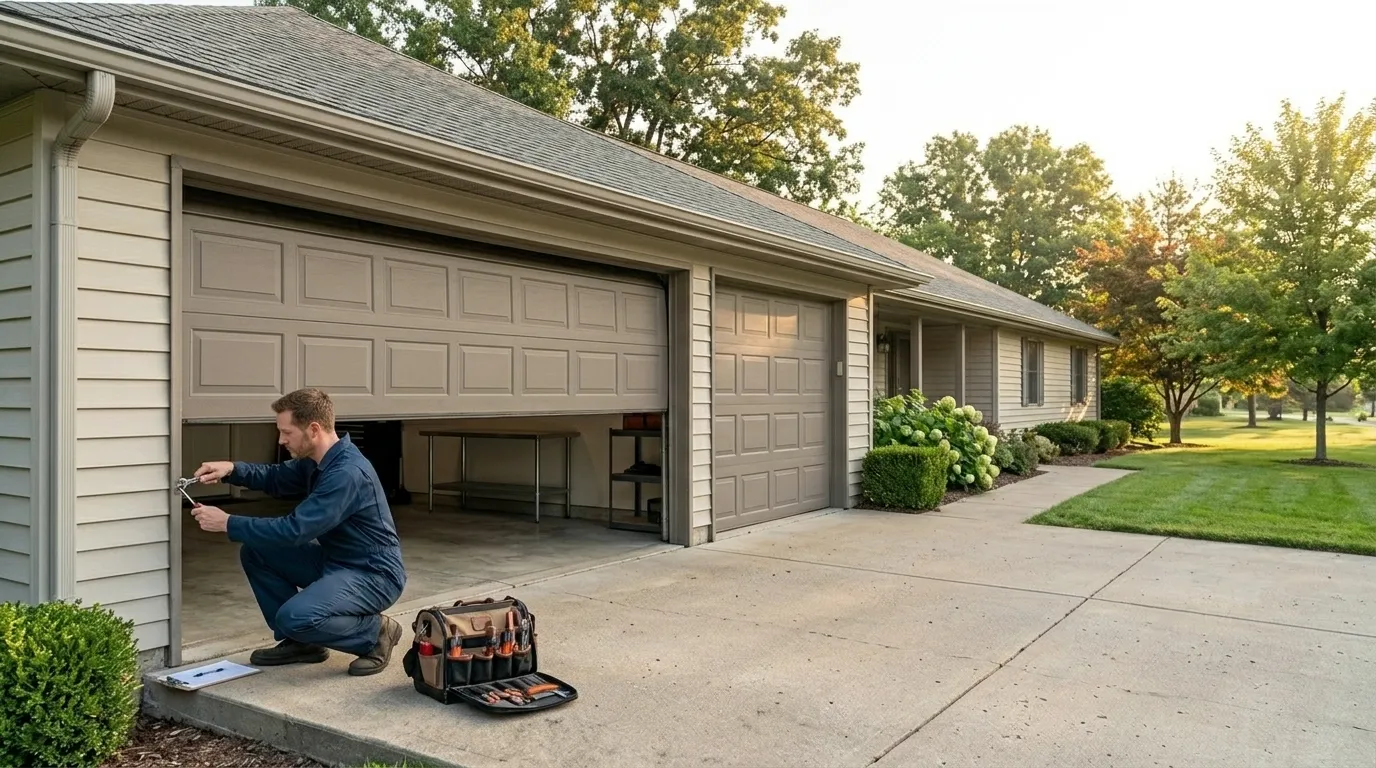
What goes sideways is the diagnosis, not the repair. A door that stutters halfway up, or an opener that runs the motor but the door doesn't move, reads like a fresh problem to whoever's watching it happen. It isn't. It's a component reaching the end of a service life that started on a build schedule from the mid-2000s. We treat that differently than a door that's been limping along since the 90s - the spring and hardware wear is lower, but the electronics are further along than the hinges.
What You Pay
We don't quote commercial pricing off a town name, and we're not going to invent a number here that isn't grounded in the actual door in front of us. Commercial doors vary too much - width, insulation, gauge of steel, whether it's a rolling steel door or a sectional, whether the opener is a jackshaft unit or a standard commercial operator - to put one figure on a page and have it mean anything.
What we can tell you is what tends to drive the number in Murphy specifically. The area's median household income runs high for the region, and that shows up in the buildings themselves: businesses out here more often specced insulated steel doors and heavier-duty operators when they built, rather than the bare-bones package. That's a better starting point than a cheap door, but it also means replacement parts and full-unit swaps run toward the higher end of commercial-grade rather than the low end. We'll give you the real number after we've looked at the door, not before.
What Causes It Around Here
Two things stack on top of each other in Murphy: the build year and the climate. That's the mid-2000s construction wave, not the older stock closer in, and it put a specific generation of opener hardware into service across the area at once - which means a lot of it is aging out at once too, not gradually the way you'd see in a neighborhood built over three decades.
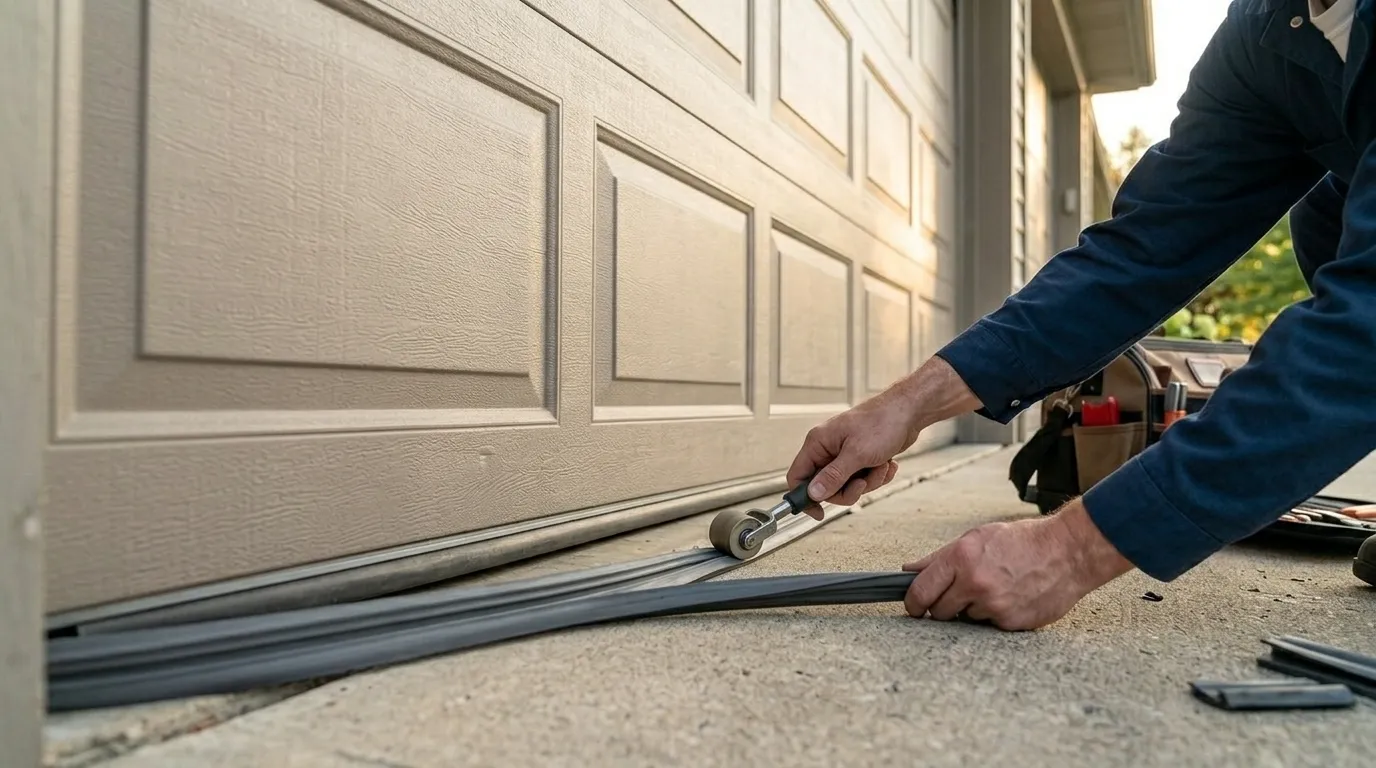
On top of that, the region sits in a moderate-heat climate band, and heat is hard on the parts people forget about: weatherseal, plastic gears inside older opener units, and the grease in bearings and hinges. It doesn't cause a dramatic failure. It just shortens the runway on components that were already reaching the end of their expected life on the build-year timeline. Put those two together and you get a door that seems to fail out of nowhere on a Tuesday, when really it's been heading there since roughly 2005.
Can You Do This Yourself
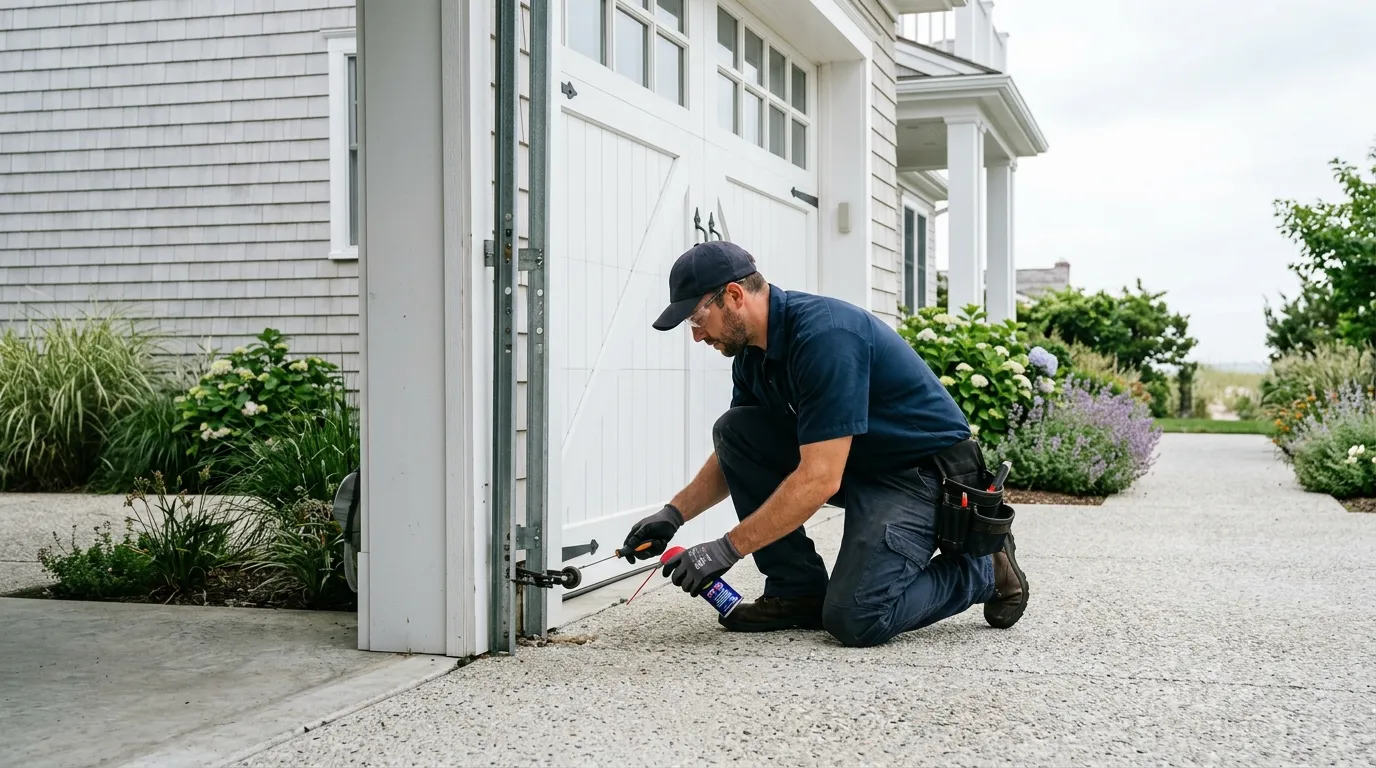
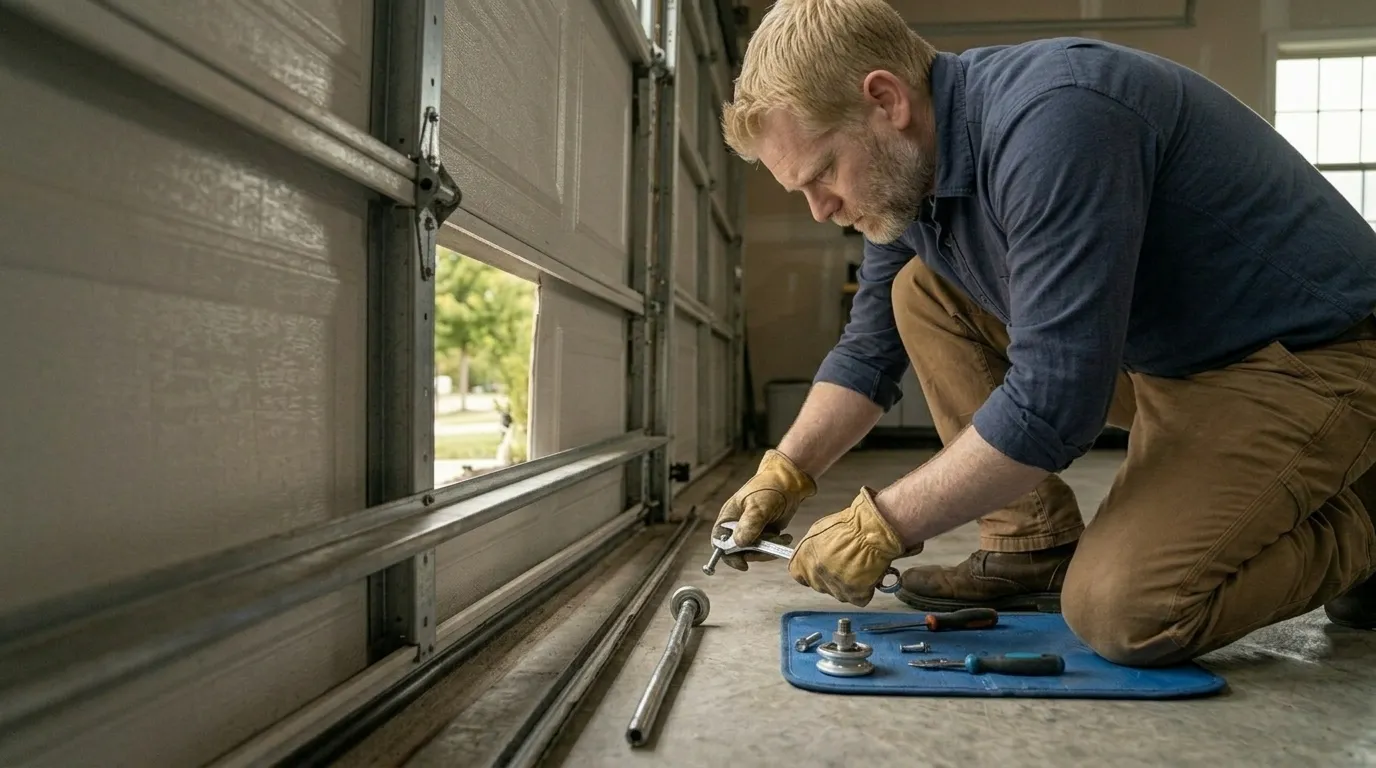
Some of this you can rule out yourself before calling anyone. Check the photo-eye sensors at the bottom of the track for dirt or misalignment - that's a two-minute fix and it's a common cause of a door that reverses partway up. Check that nothing's obstructing the track.
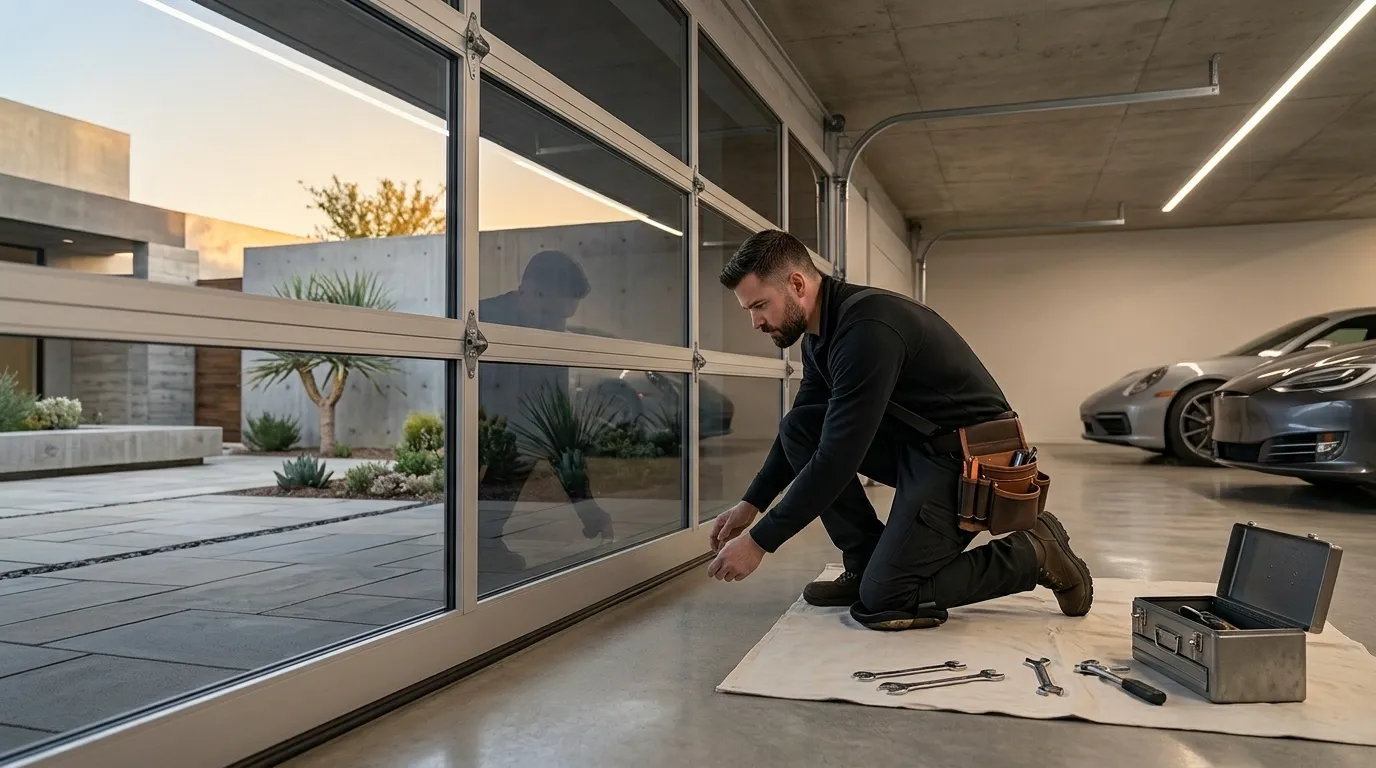
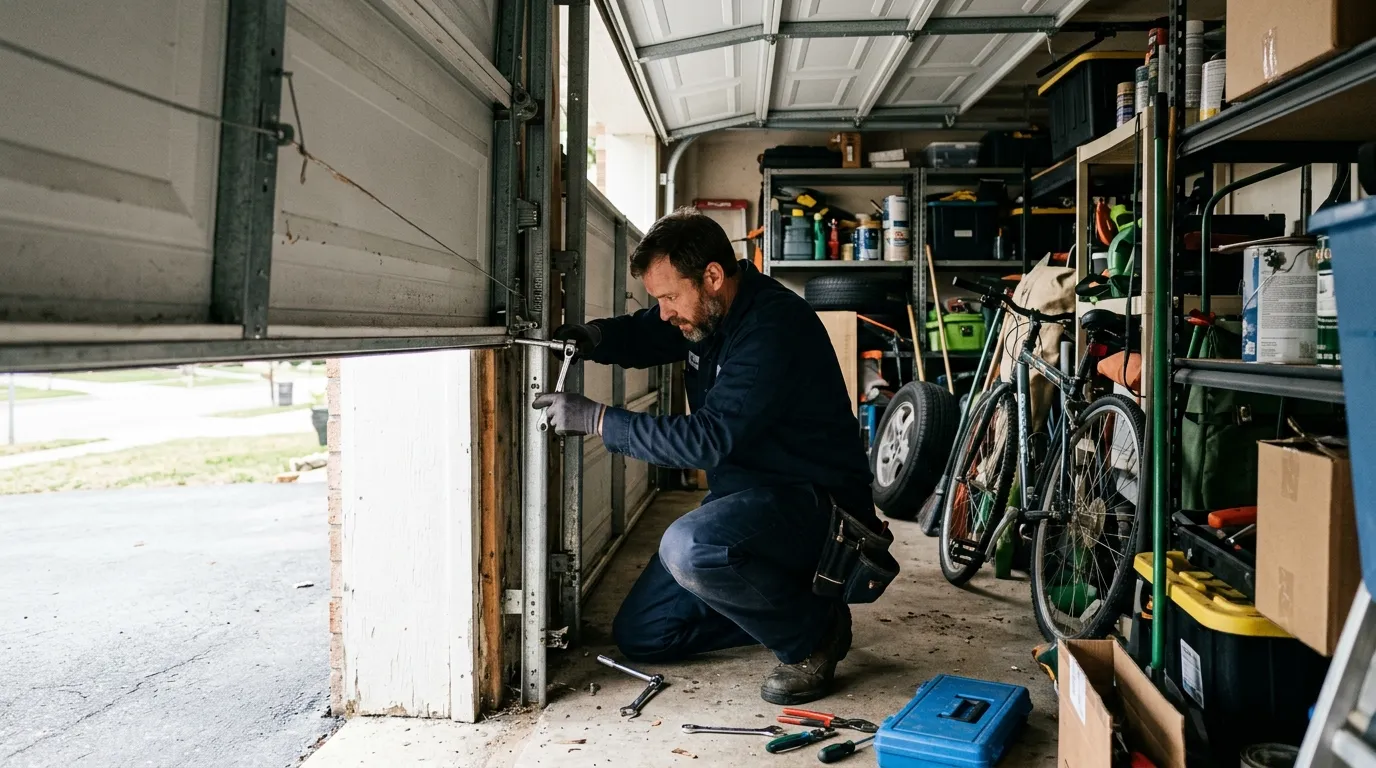
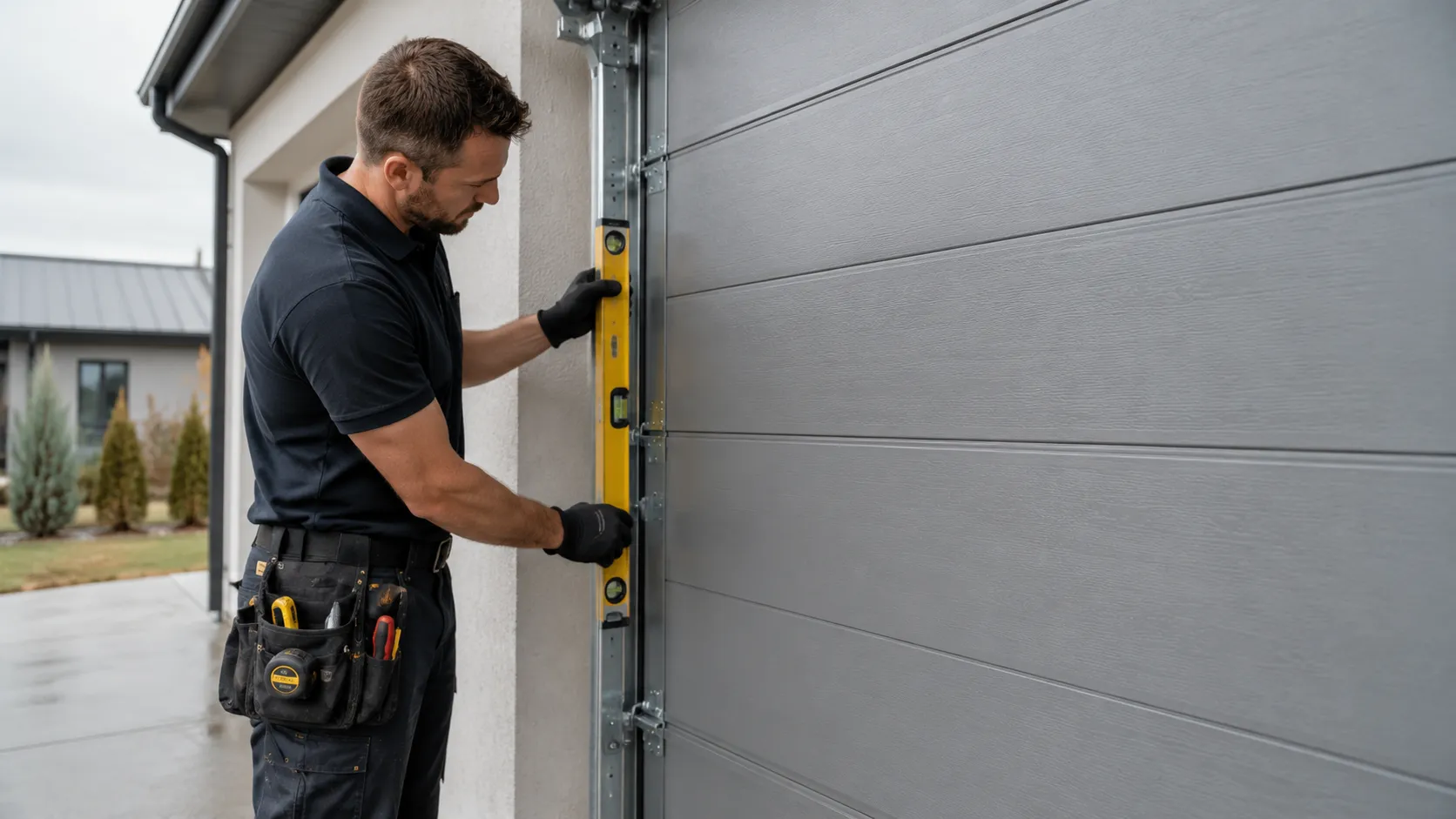
Past that, we'd tell you to stop. Commercial doors are heavier than residential ones, the springs carry more tension, and a jackshaft or high-cycle opener isn't wired the way a residential unit is. If the fix is a board replacement or a spring adjustment on a commercial door, that's not a ladder-and-a-Saturday job - the tension involved can put someone in the hospital. We travel out from Dallas for this kind of call, so we're not going to tell you it's faster to wait for us than to check the photo eye yourself. Check the easy thing first. Call for the rest.