Where This Job Goes Sideways
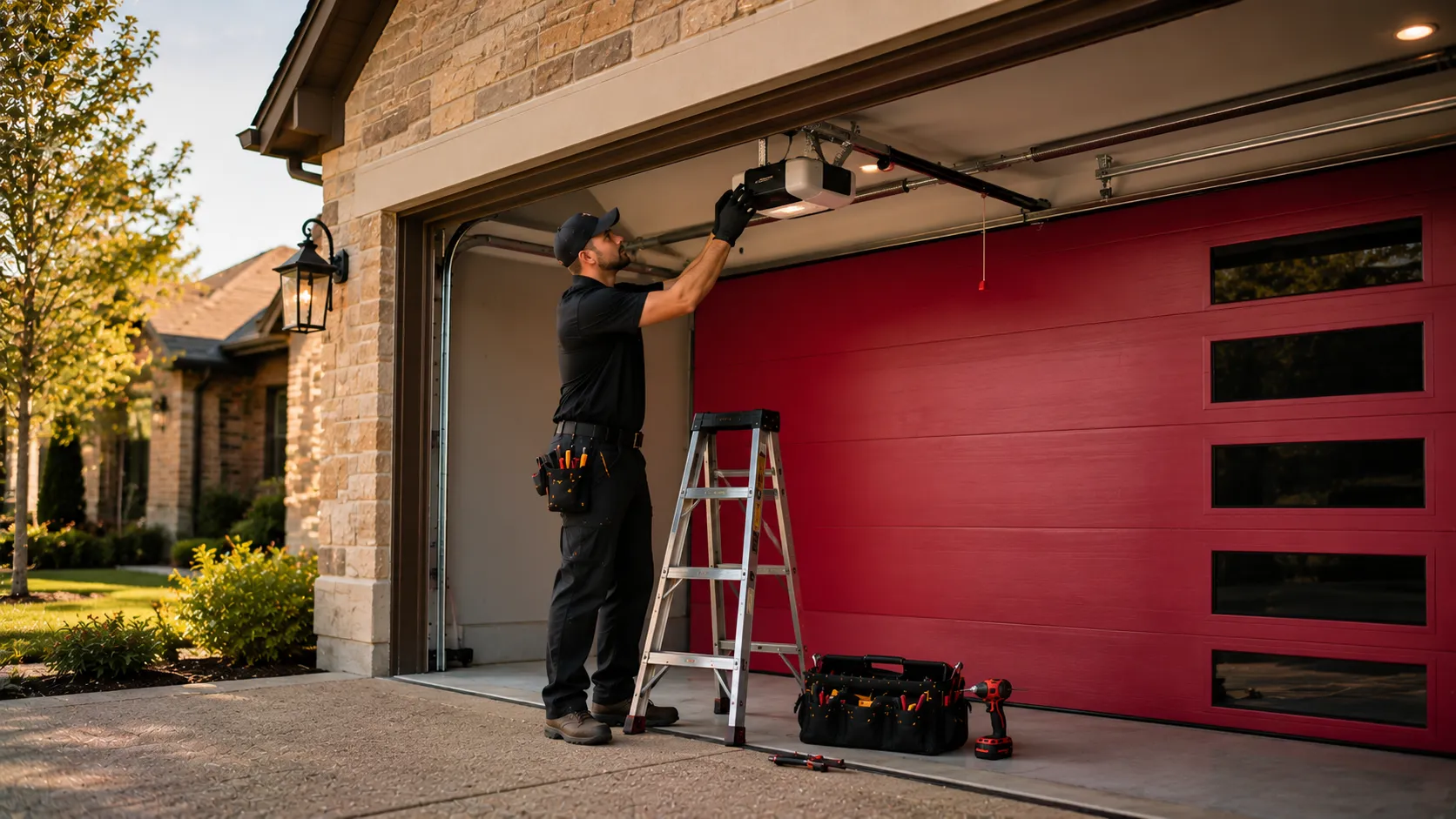
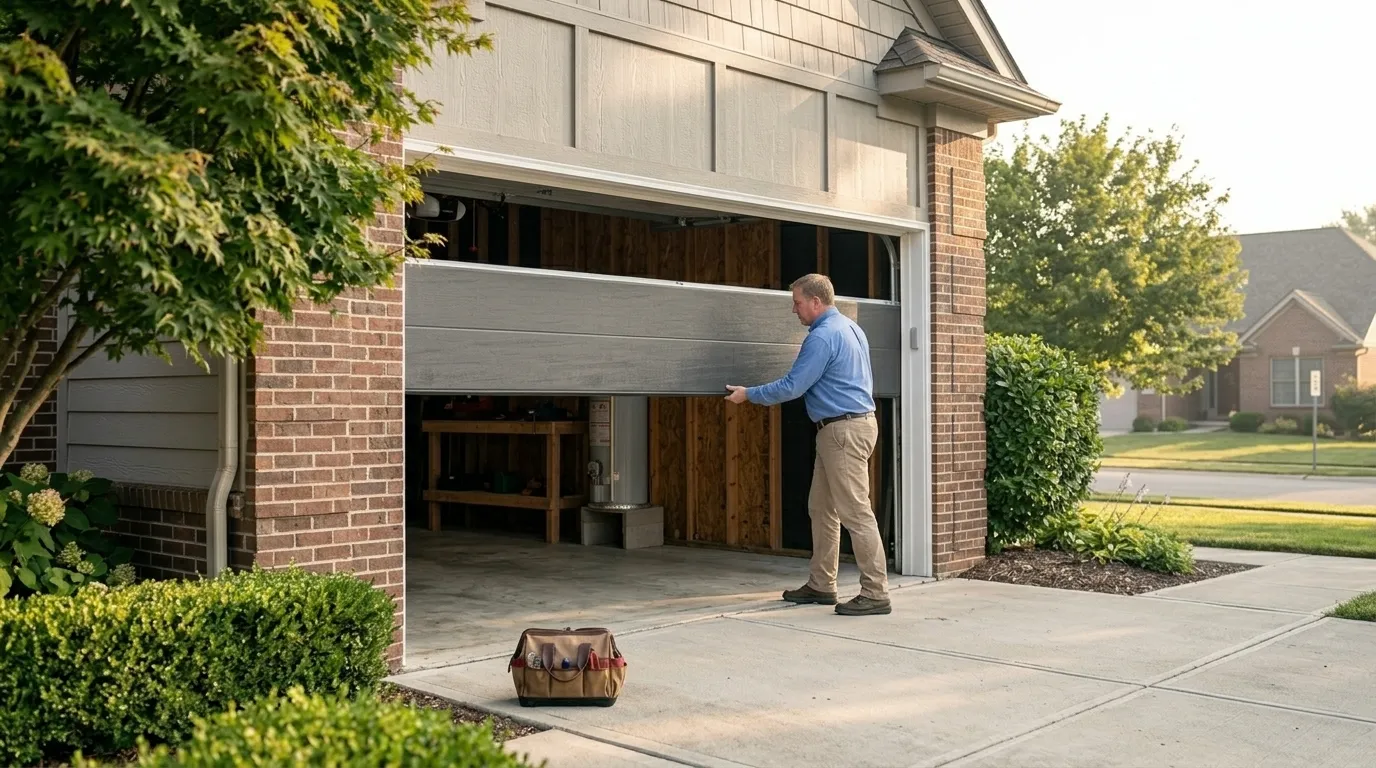
Murphy's median household income sits at $165,109, well above the $83,256 median across the wider Dallas service area we work from. That number matters more than most homeowners expect when they're staring at a door that won't close right. At that income level, the math on a repair-or-replace call tips toward replacement faster - a $700 spring and cable job on a 20-year-old door doesn't make sense when a new insulated door is a rounding error against what these houses are worth. Where it goes sideways is when someone calls for a quick fix on a door that's already at the end of its service life, and the "quick fix" turns into three return trips because the track, the rollers, and the opener are all original to a house built around 2005.
We travel to Murphy from Dallas, about 18 miles out. That's not a complaint - it just means we schedule the visit as a real job, not a same-day drop-in, so the estimate and the install happen on one trip instead of guesswork over the phone.
What You Pay
We don't publish a flat number here because door width, insulation level, and opener choice move the total more than the town does. What we can tell you is how the decision usually breaks down in Murphy specifically: houses here were mostly built around 2005, so a lot of original doors and openers are now hitting 18-20 years old - right at the point where parts cost starts to rival replacement cost. If your door is from that original build and it's giving you trouble, get the replacement number before you sink money into a repair that just buys you another year. We'll always give you both figures on the visit so you're not guessing.
What Causes It Around Here
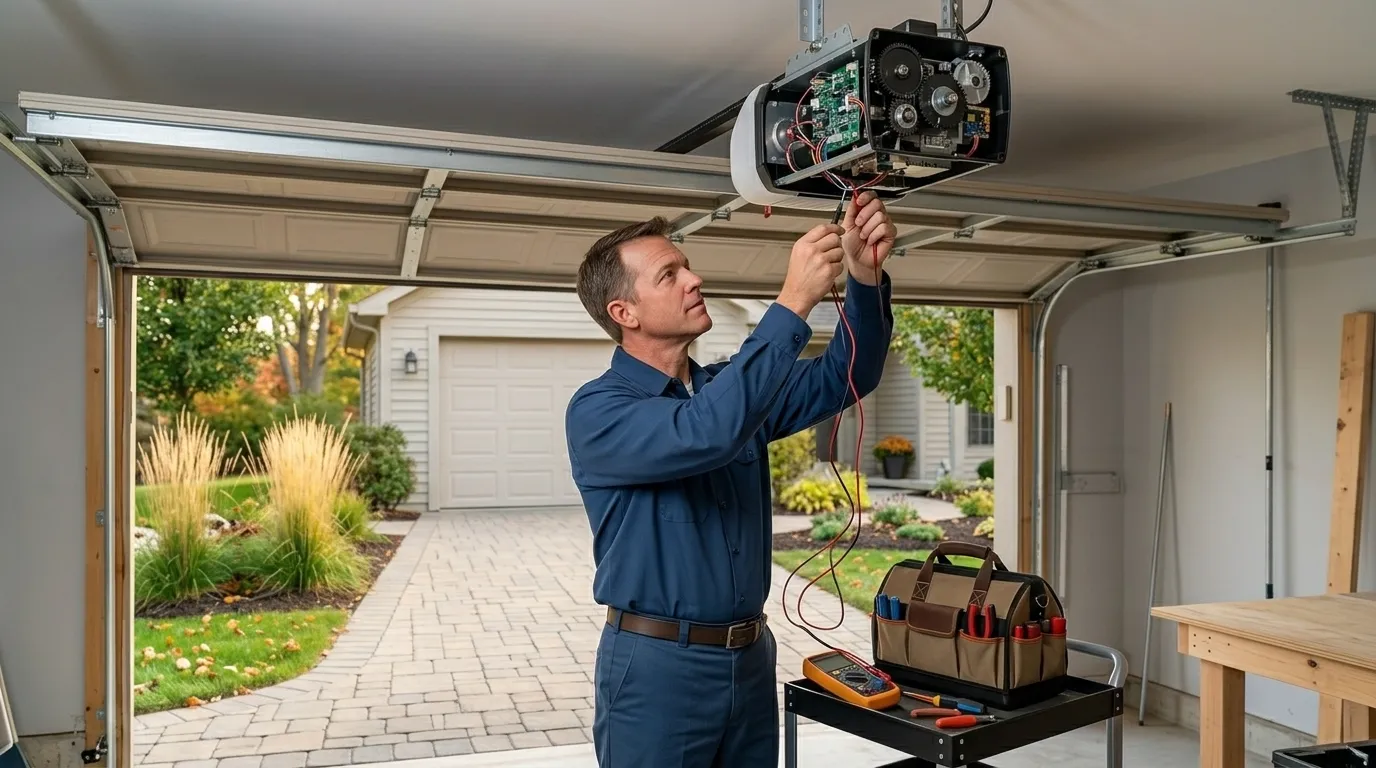
Two things line up in Murphy that you don't see the same way in older Dallas neighborhoods. First, the housing stock is younger - median build year 2005 versus the 1973-2007 span (median 1993) across the broader service area - so almost every door in town is the same builder-grade generation reaching the same age at roughly the same time. That means opener belts, rollers, and torsion springs are wearing out in a tighter window than in a neighborhood with a fifty-year mix of construction eras.
Second, the moderate heat load here works on steel panels and nylon rollers the same way it does anywhere in this climate band - it's not extreme, but it's steady, and steady heat cycling is what eventually warps a panel or dries out a roller's lubrication faster than the cold ever would. Combine a single-era housing stock with that heat cycling and you get a lot of doors failing for the same reason within a few years of each other.
Can You Do This Yourself
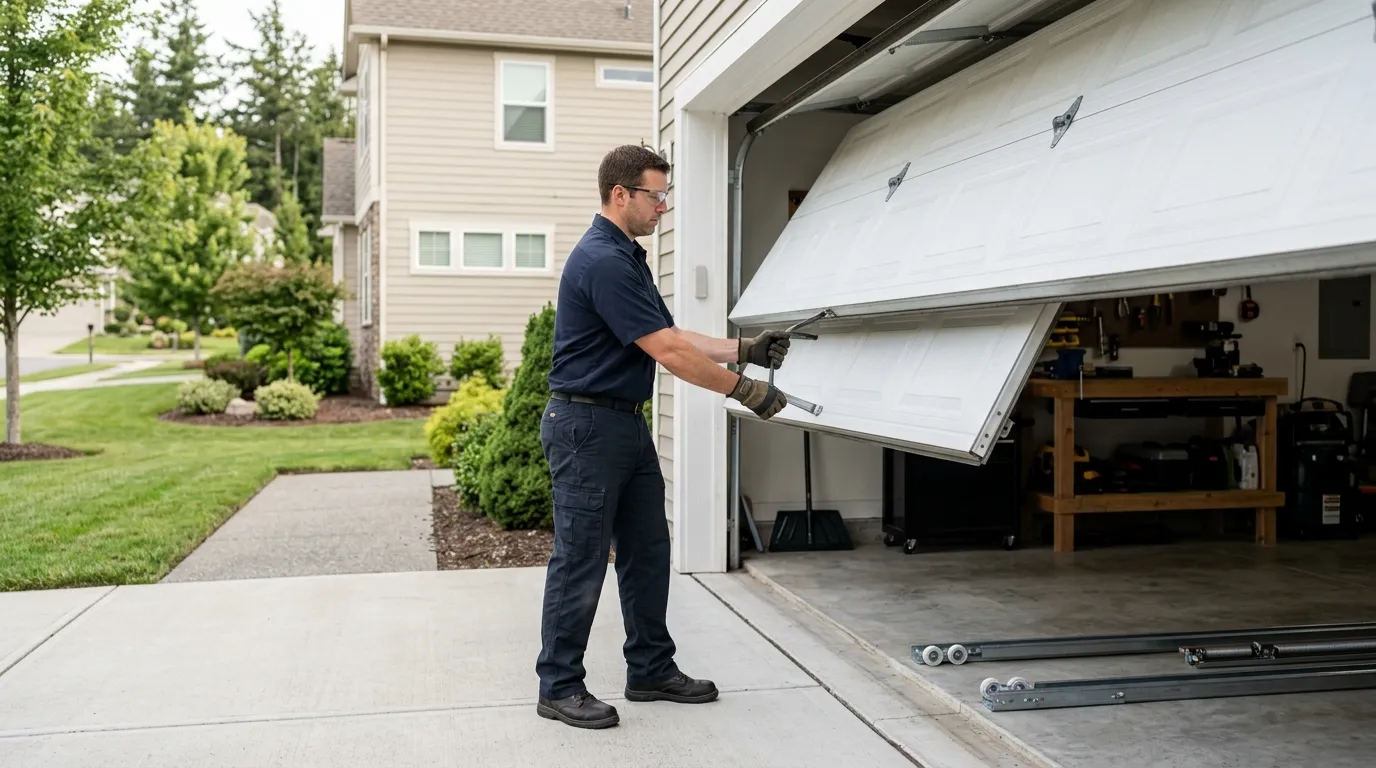
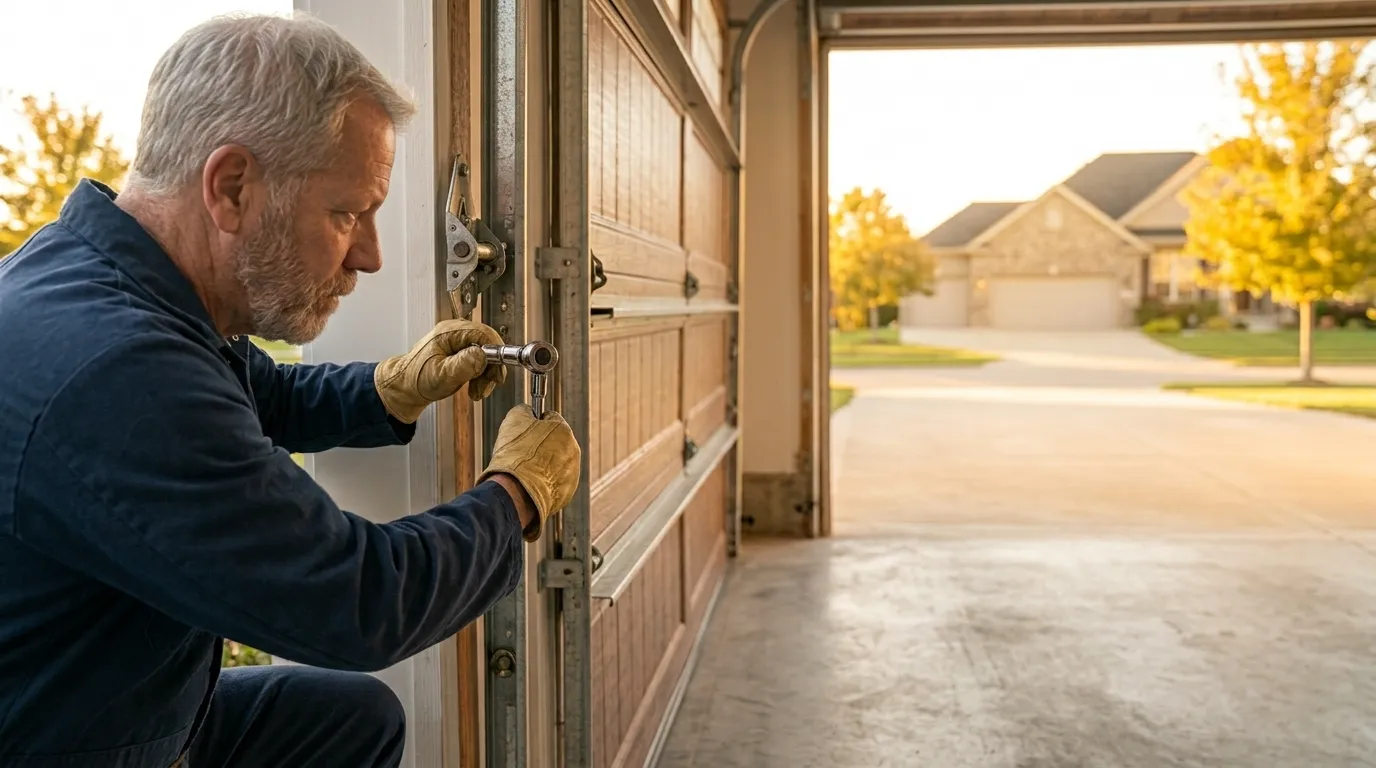
Swapping weatherstripping, tightening loose hinge bolts, or lubricating rollers and hinges is fair game for a homeowner with a ladder and an afternoon - do that maintenance and you'll buy the door real time. What isn't a DIY job is anything involving the torsion spring or a full panel-and-track replacement. Torsion springs are under enough tension to cause a serious injury, and a misaligned track on a new door install throws off the opener's travel limits in a way that's hard to diagnose after the fact. If your door is at the point where it needs new panels or a new spring system, that's a call-in job, not a weekend project. For anything else going on with the door, our general service page covers what we handle day to day, and our Dallas installation page has the broader rundown on door and opener options.