The Symptom
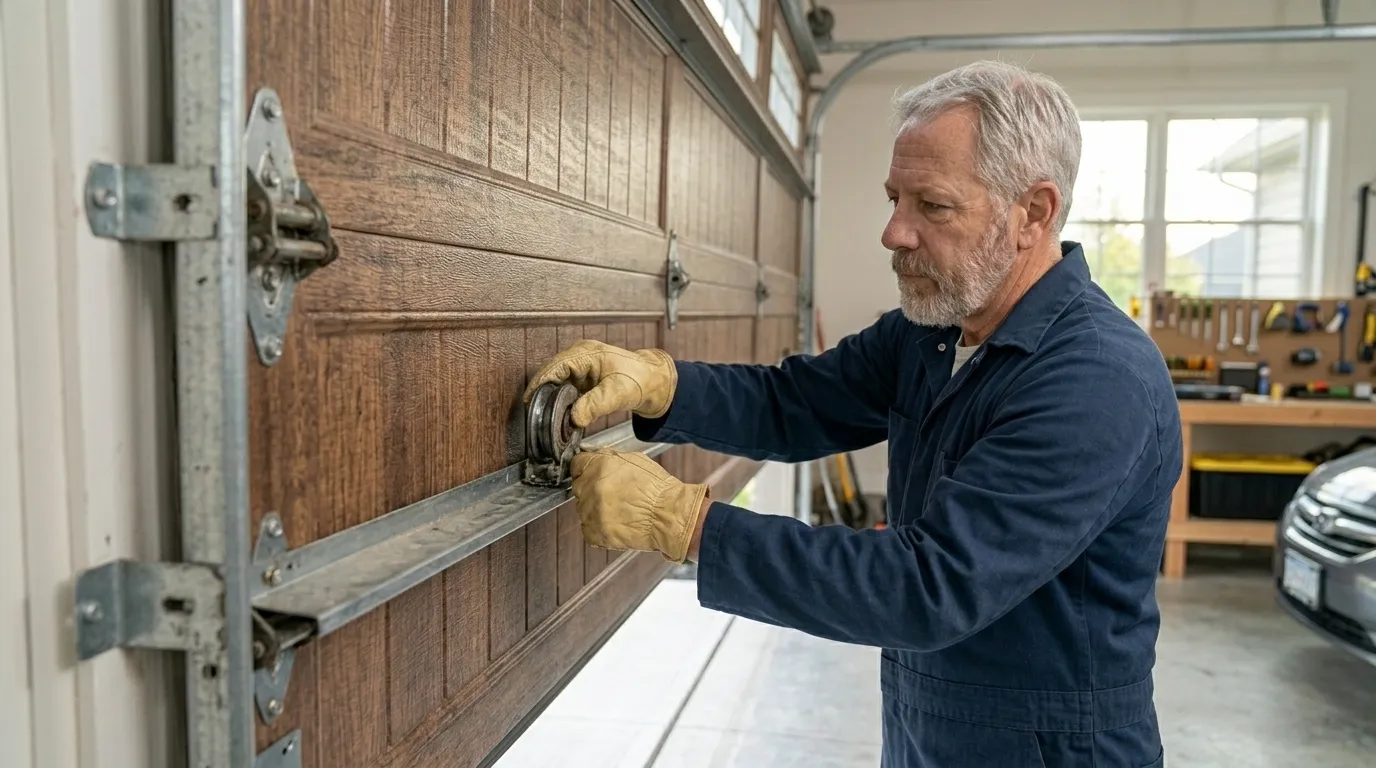
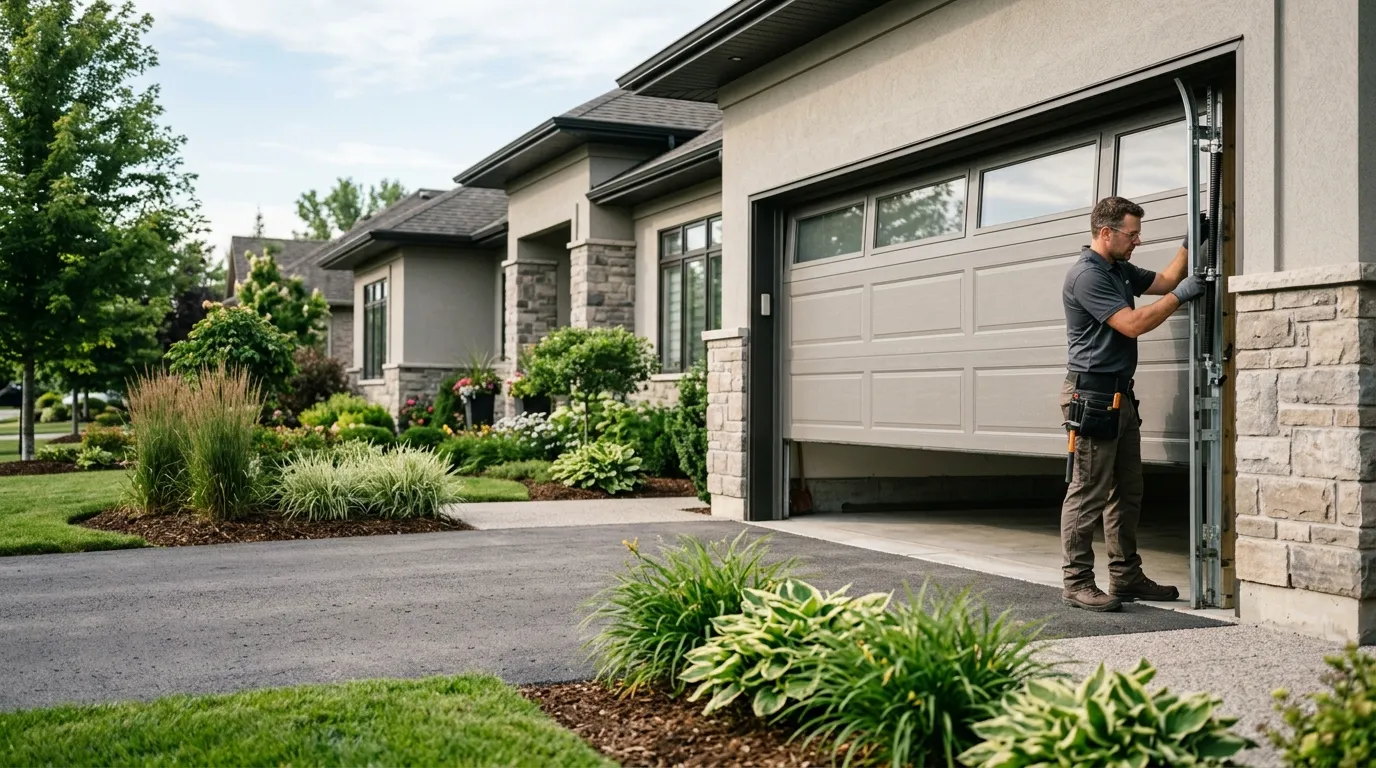
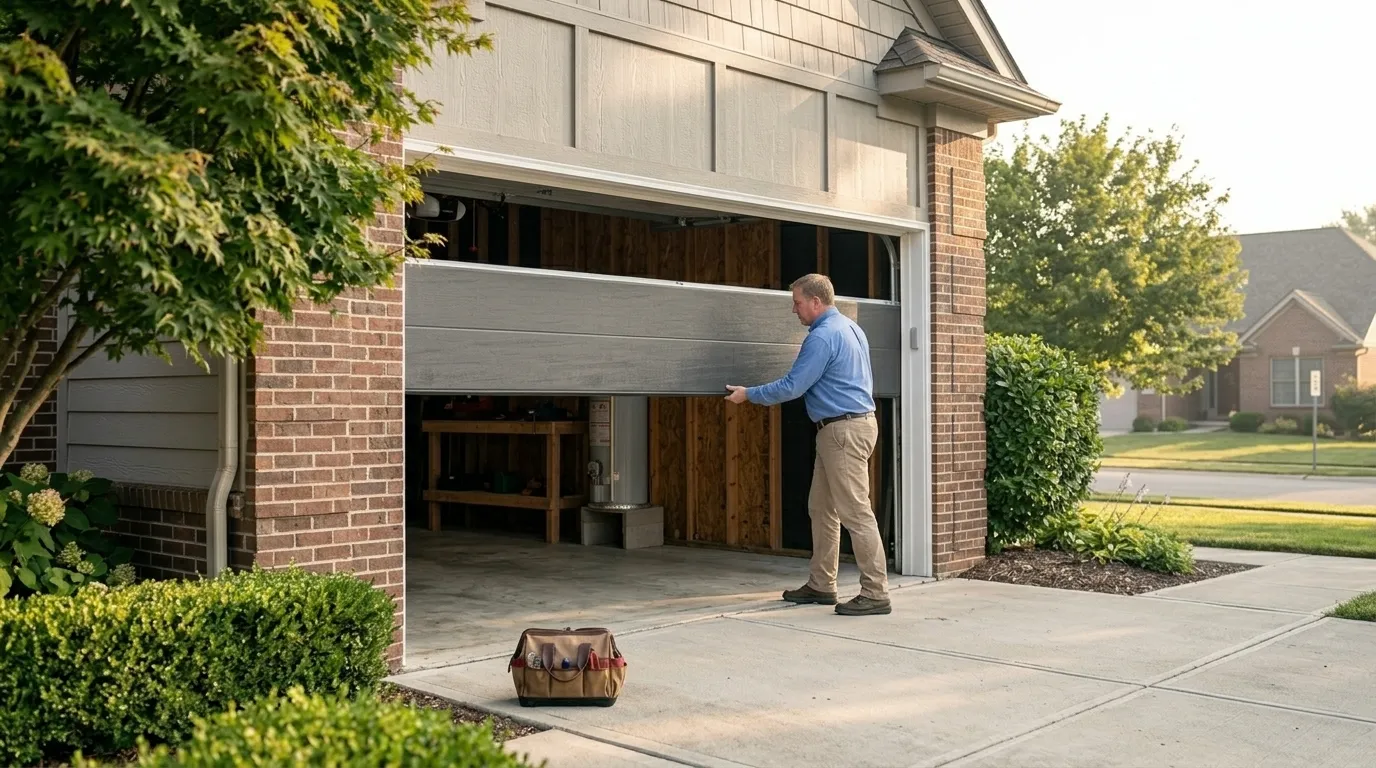
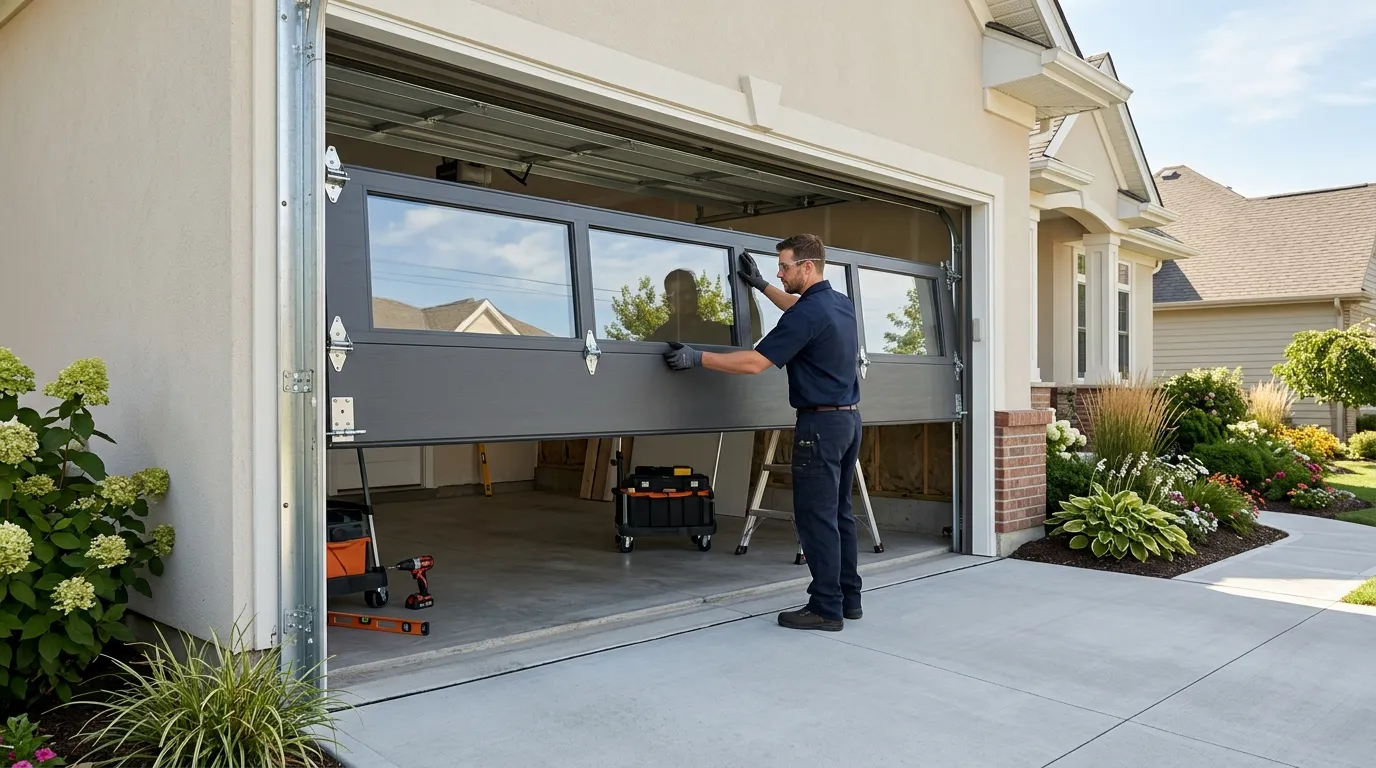
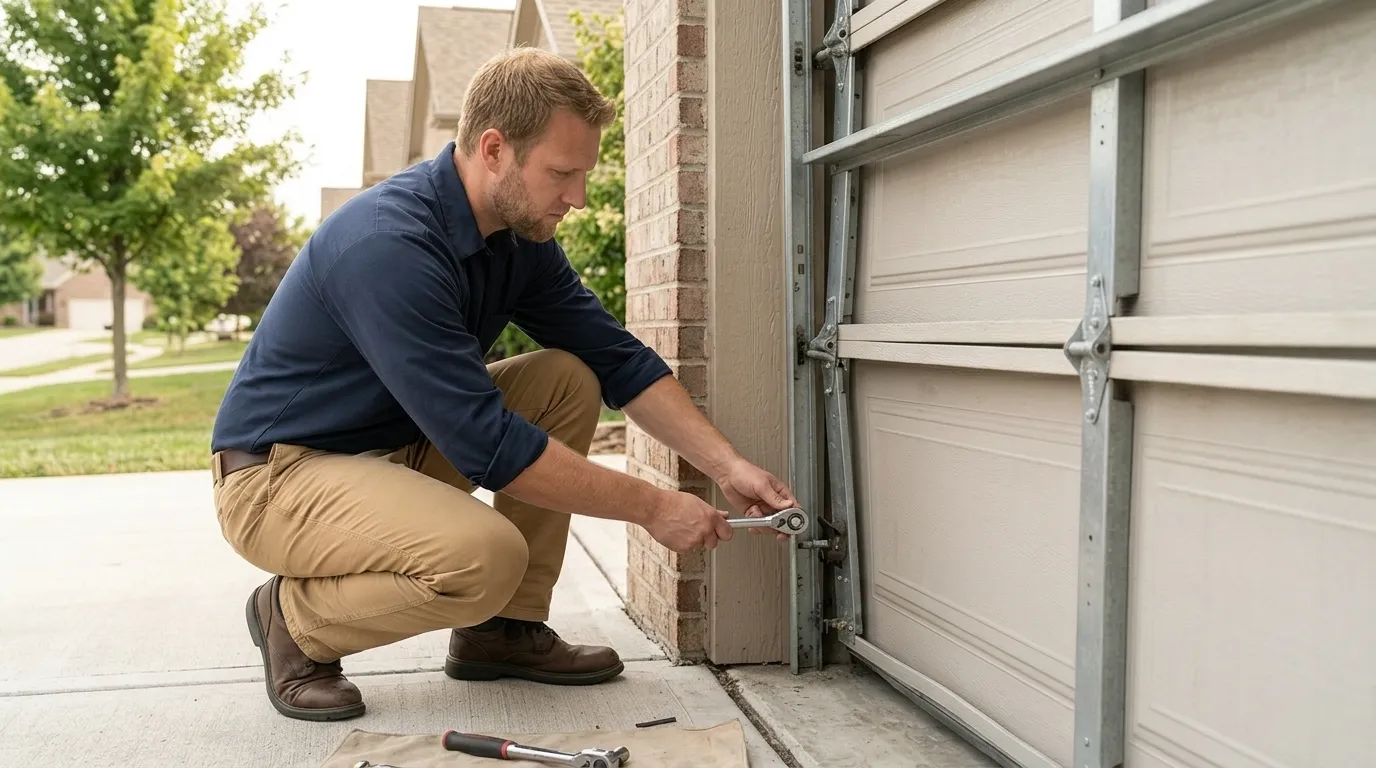
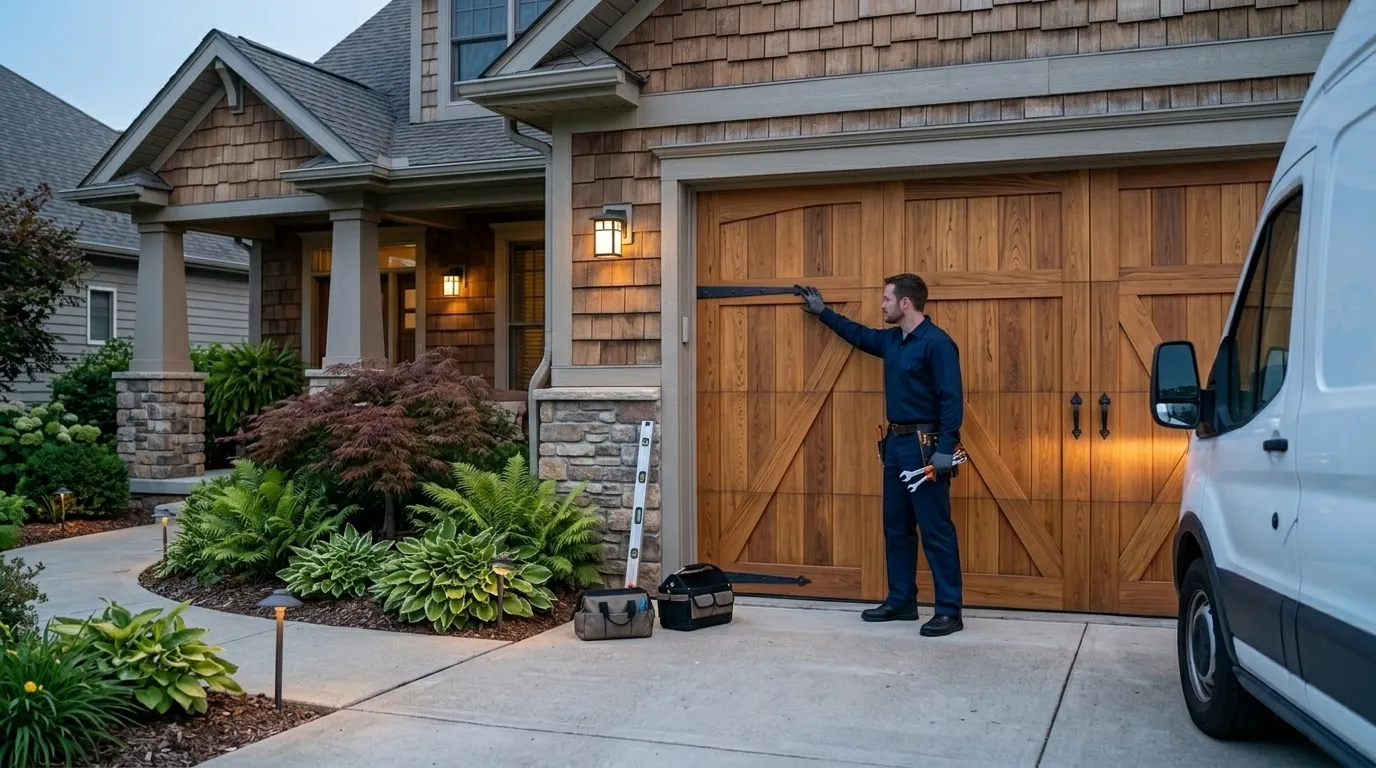
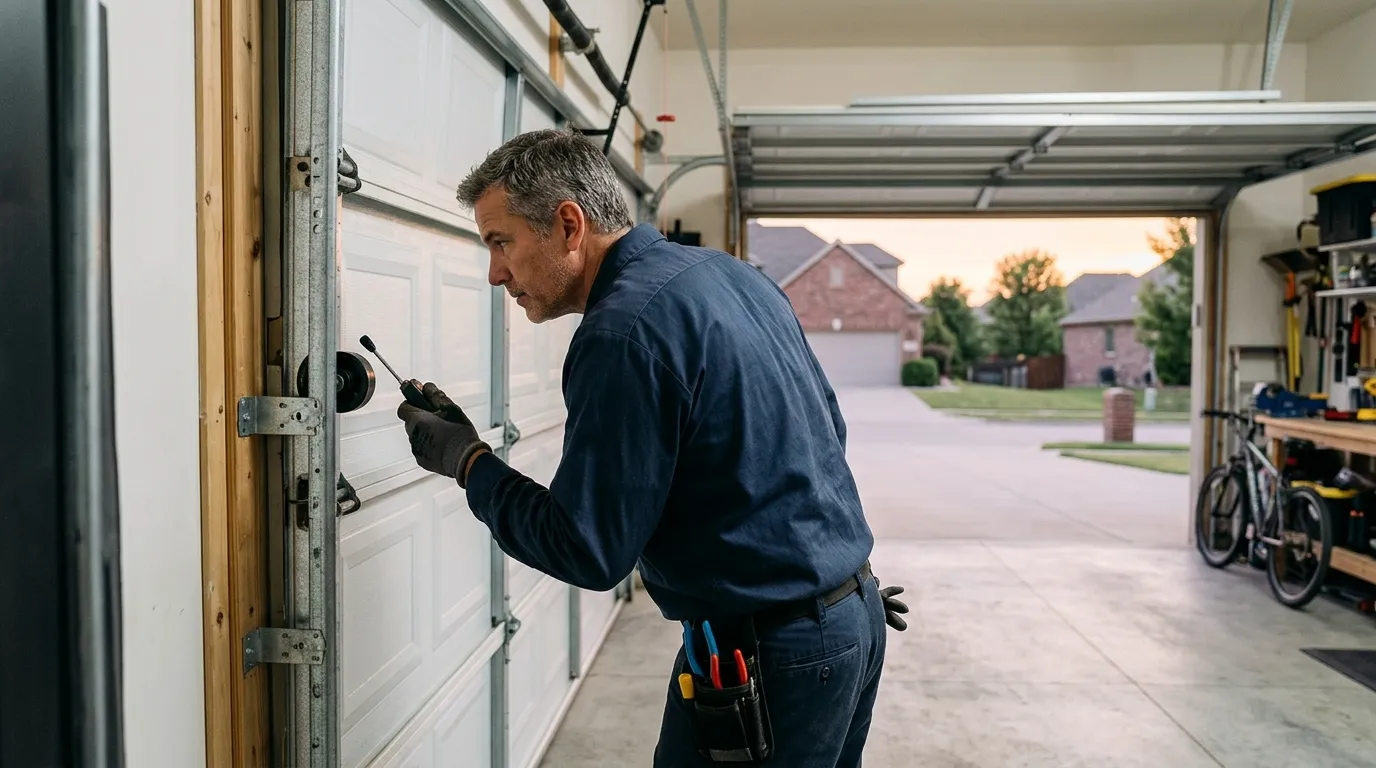
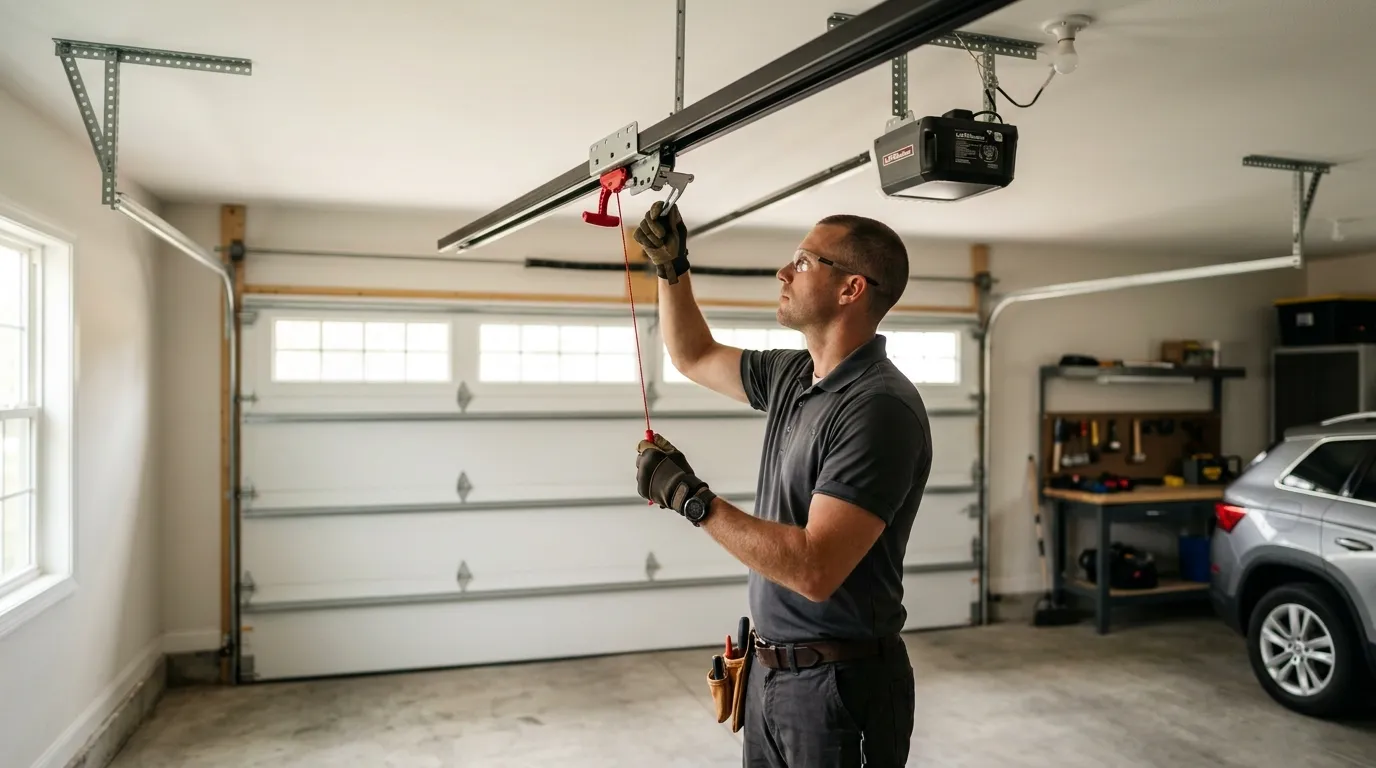
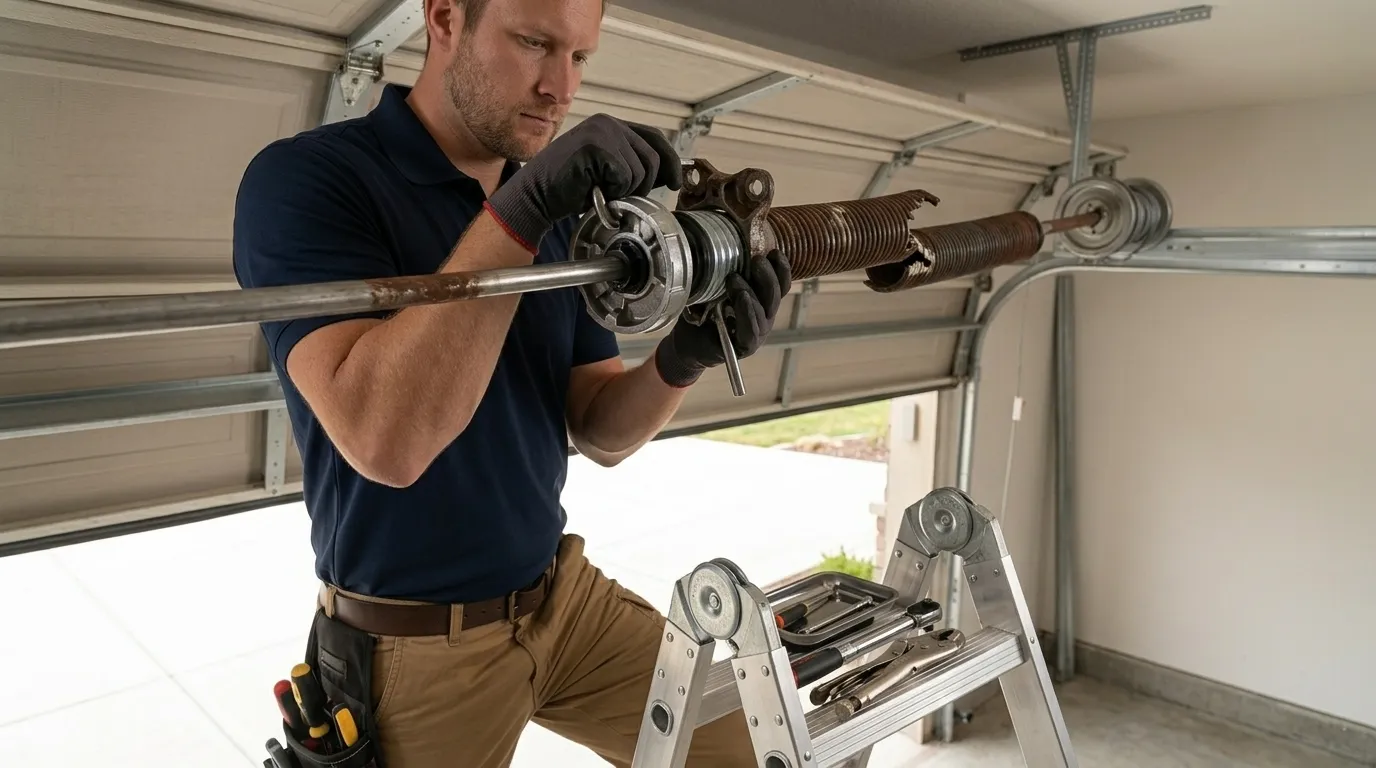
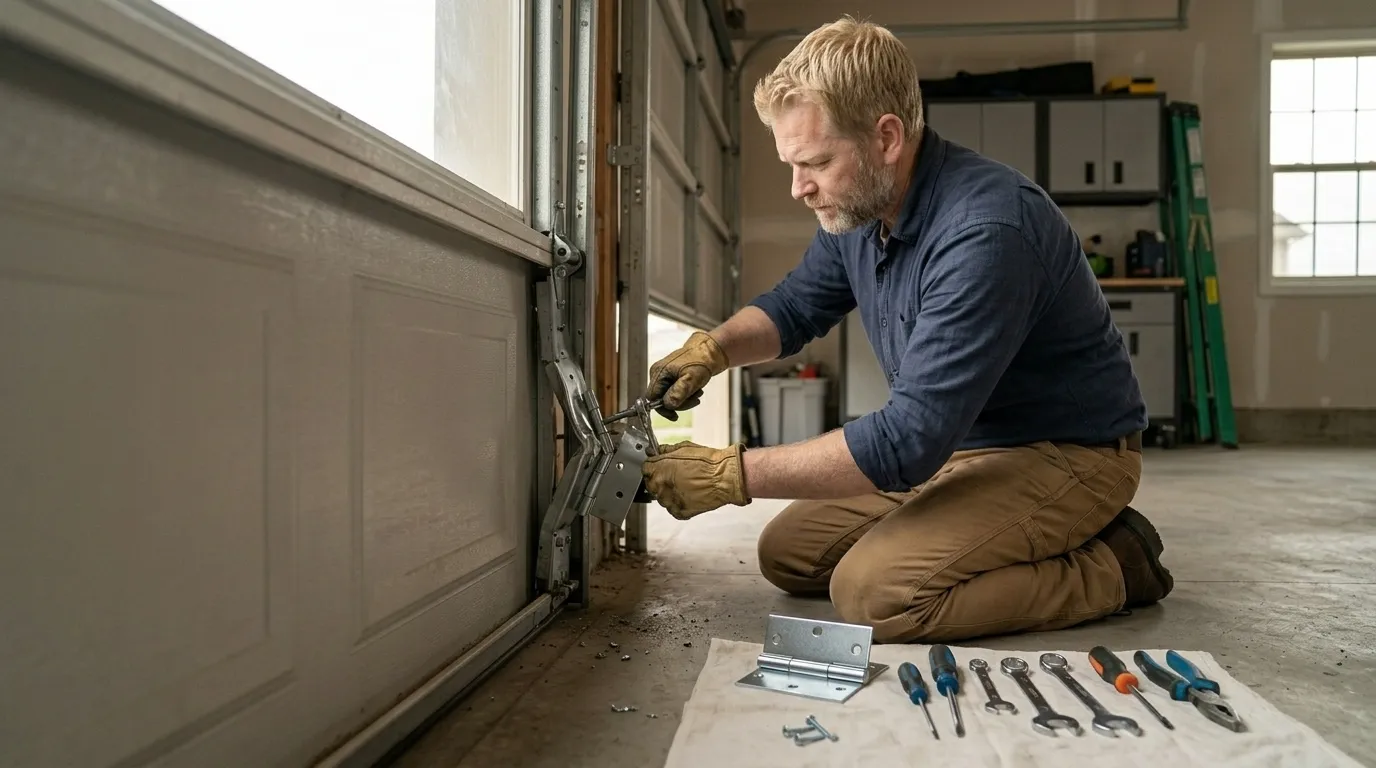
You notice it at the worst time: the door groans halfway up, hangs crooked, or won't seal at the bottom anymore. In a lot of Dallas houses, this isn't a one-off glitch, it's the door telling you it's original equipment. A huge share of homes here were built between 1973 and 2007, with most of that concentrated in the 1980s and 90s across neighborhoods like Buckner Terrace, and the streets. That means a lot of garage doors are pushing 30 to 45 years old, still on hardware that was never rated for the door weight people expect now. Panels warp, seams split, and the old steel skins dent from the inside out where insulation was never added. If your door is sagging on one side or the opener strains and reverses before it reaches the top, you're not looking at a quick fix - you're looking at a door that has outlived its hardware. Replacement, not another spring or roller, is usually the actual answer once a door gets to this stage.
What You Pay
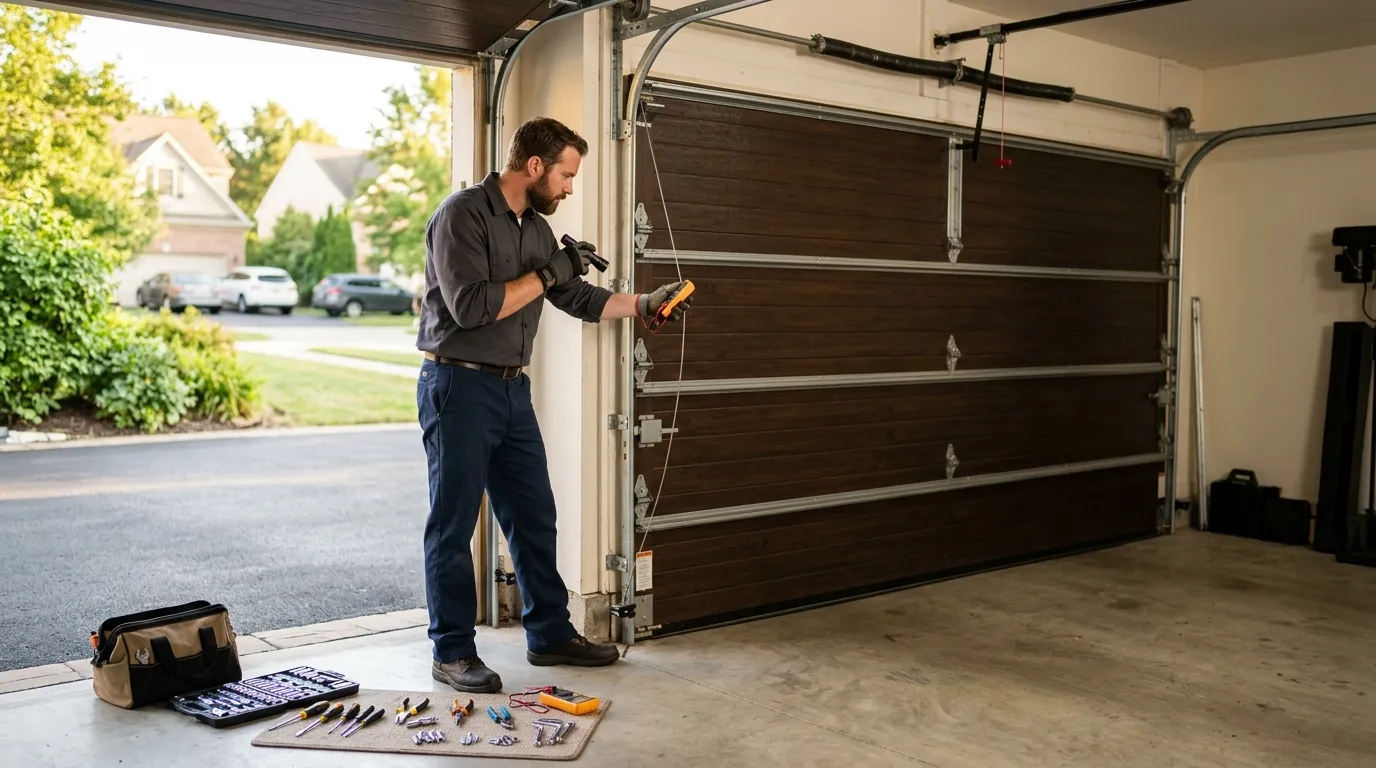
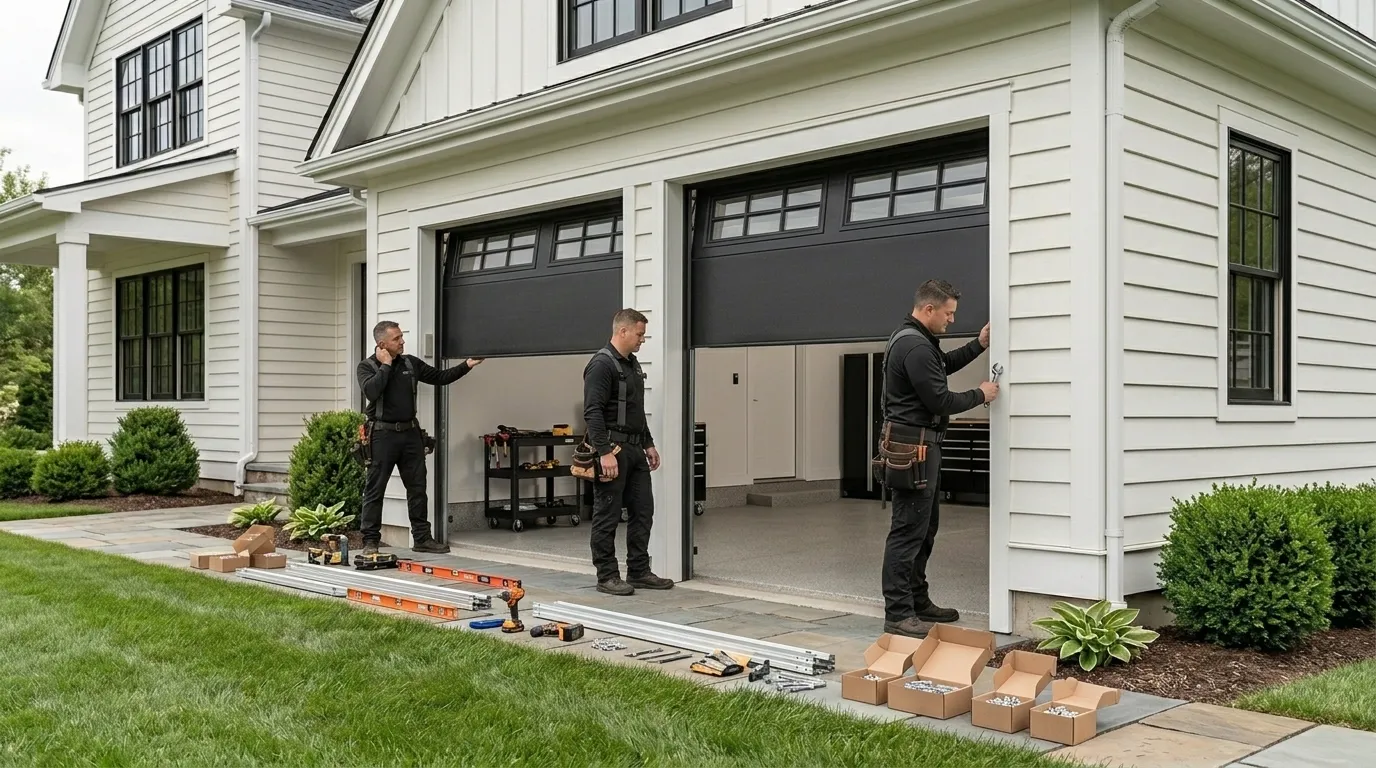
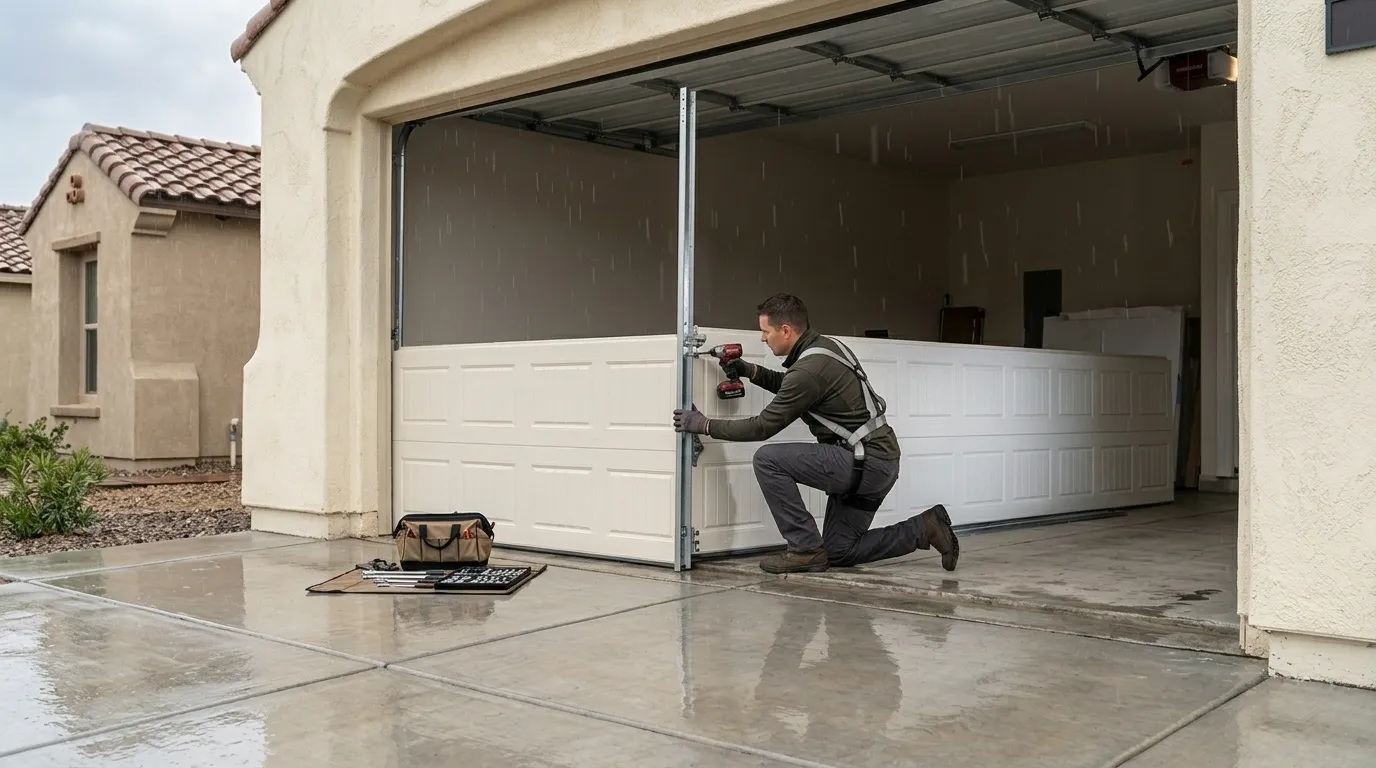
We don't publish a flat number here because door installs vary too much: single vs. double, insulated steel vs. uninsulated, whether the old track and opener get reused or replaced too. What we can tell you is that in a service area where the median household income runs around $83,256 and roughly 80,920 houses are owner-occupied, we see a wide range of jobs - from a straightforward swap on a starter-home single door to a full double-door insulated install on a larger property near Murphy. The honest way to get a number is a look at your actual opening, track condition, and what's driving the replacement. We'll walk the job with you before we quote it, not after.
What Causes It Around Here
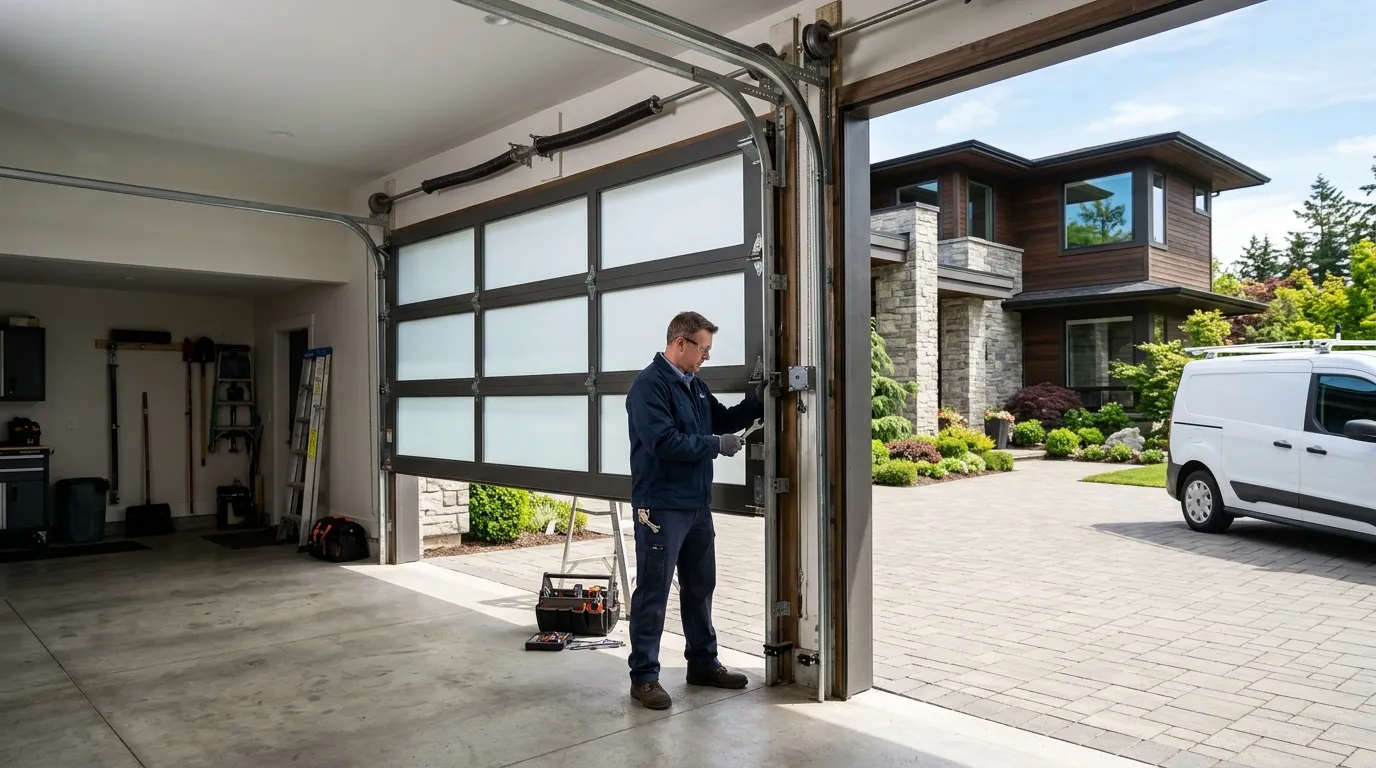
Dallas sits in a moderate-heat climate band, and that matters more for garage doors than people expect. Steel panels expand and contract through repeated 90-plus-degree summer days and cooler winter nights, and on doors from the 1980s and 90s stock that were never insulated, that cycling loosens seams and warps panels over years, not decades. Add in the age of the housing itself - most of it dating to the 1973-2007 build window - and you get a lot of doors reaching the end of their service life around the same time, whether you're near out toward or off toward Grand Prairie. It's less about any one storm and more about steady thermal cycling on hardware that's simply worn out. That's the pattern we see house after house in this service area, and it's why installation calls cluster by neighborhood age rather than by any single event.