Where This Job Goes Sideways
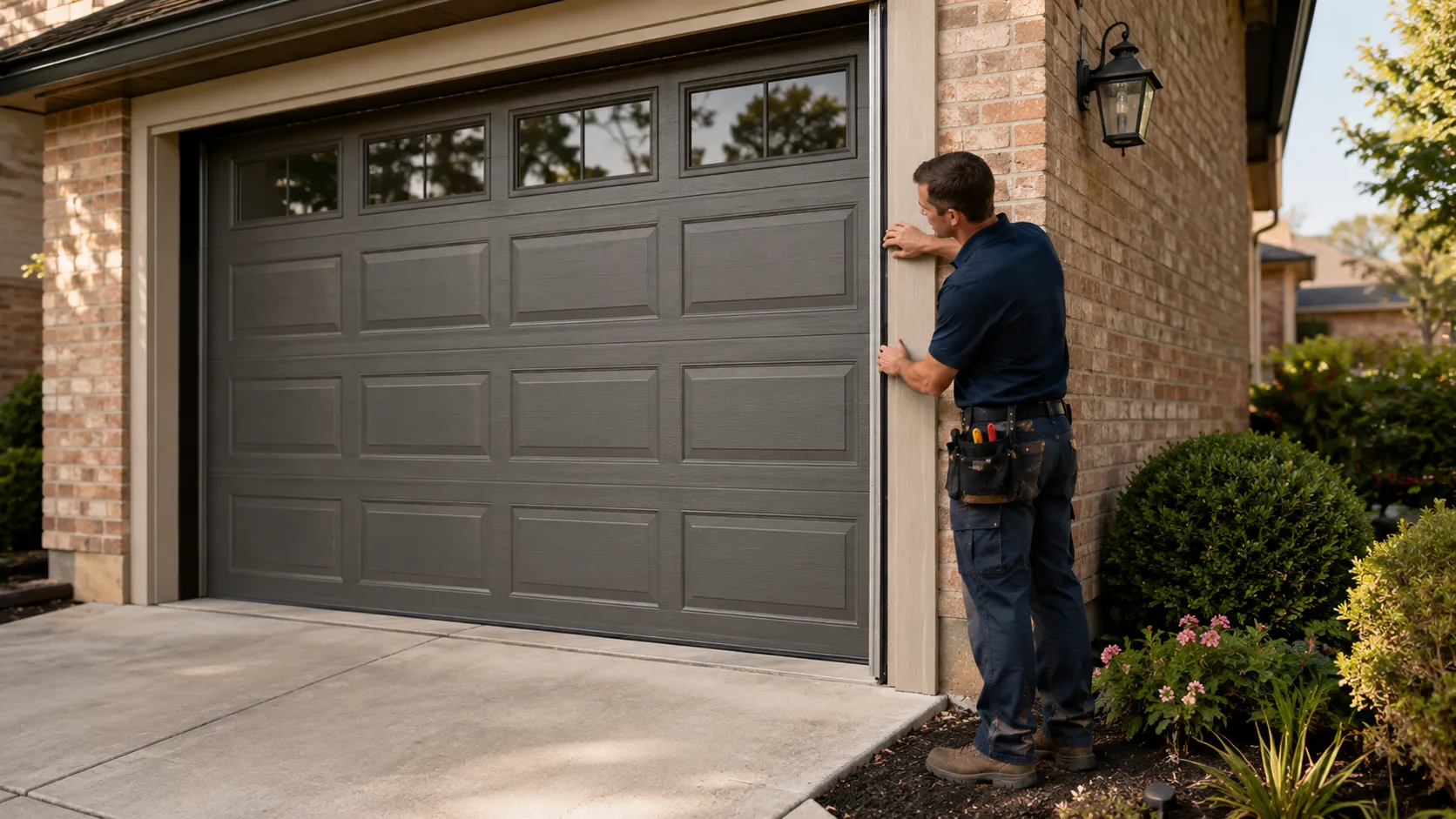
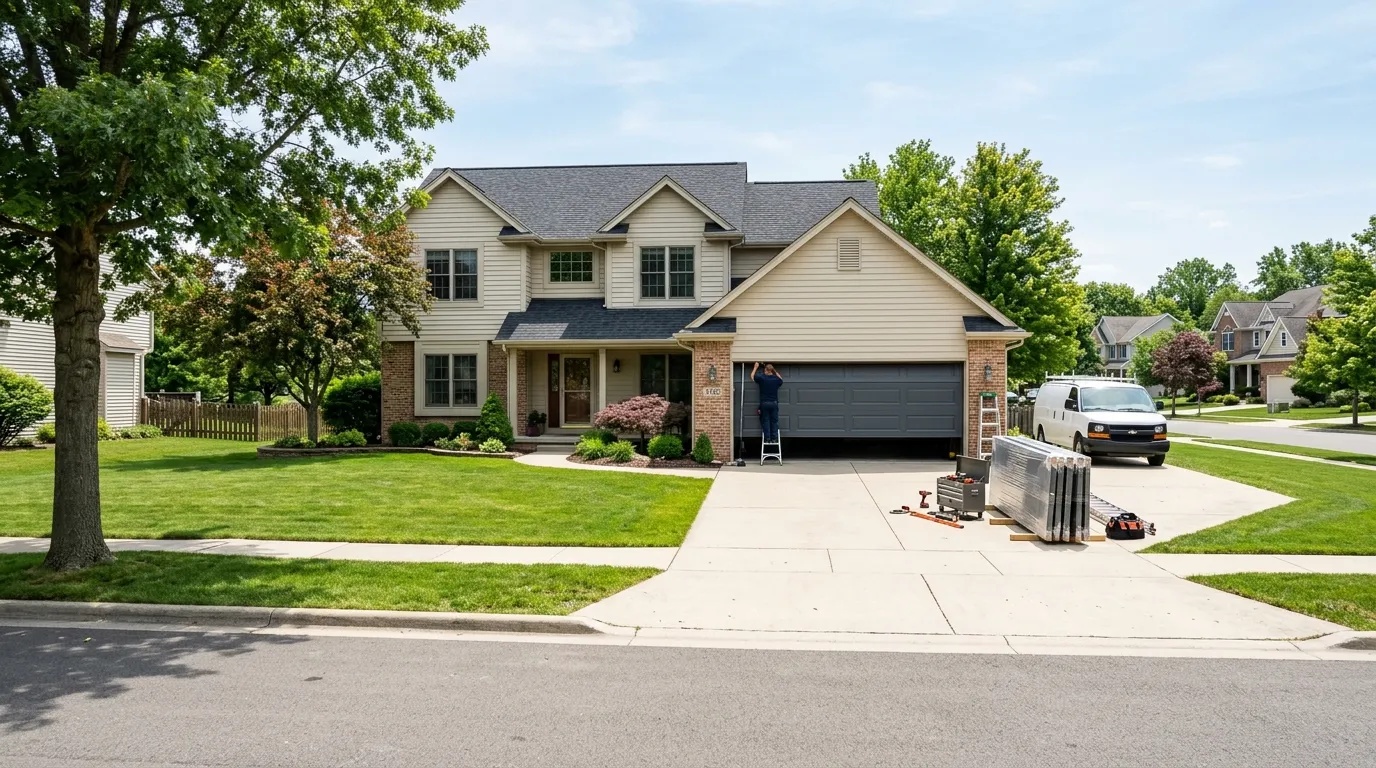
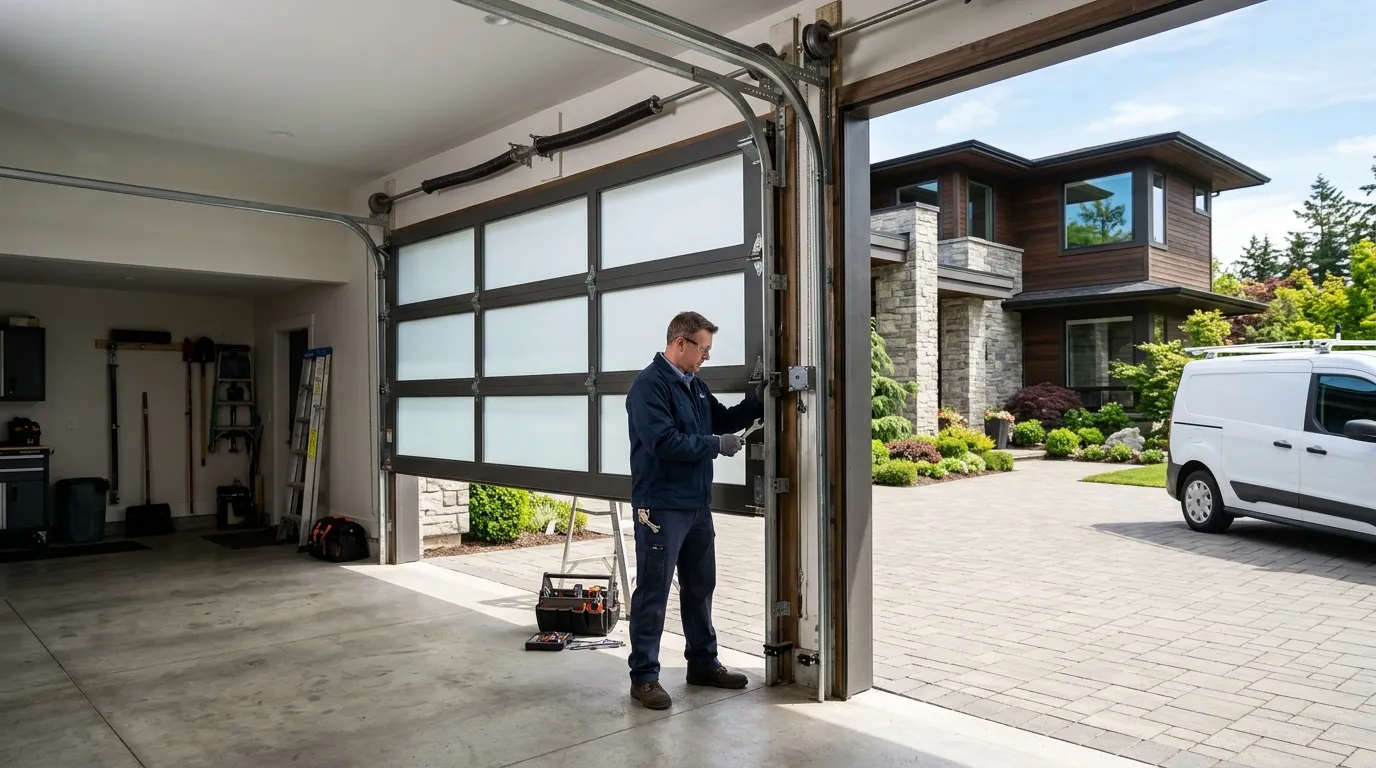
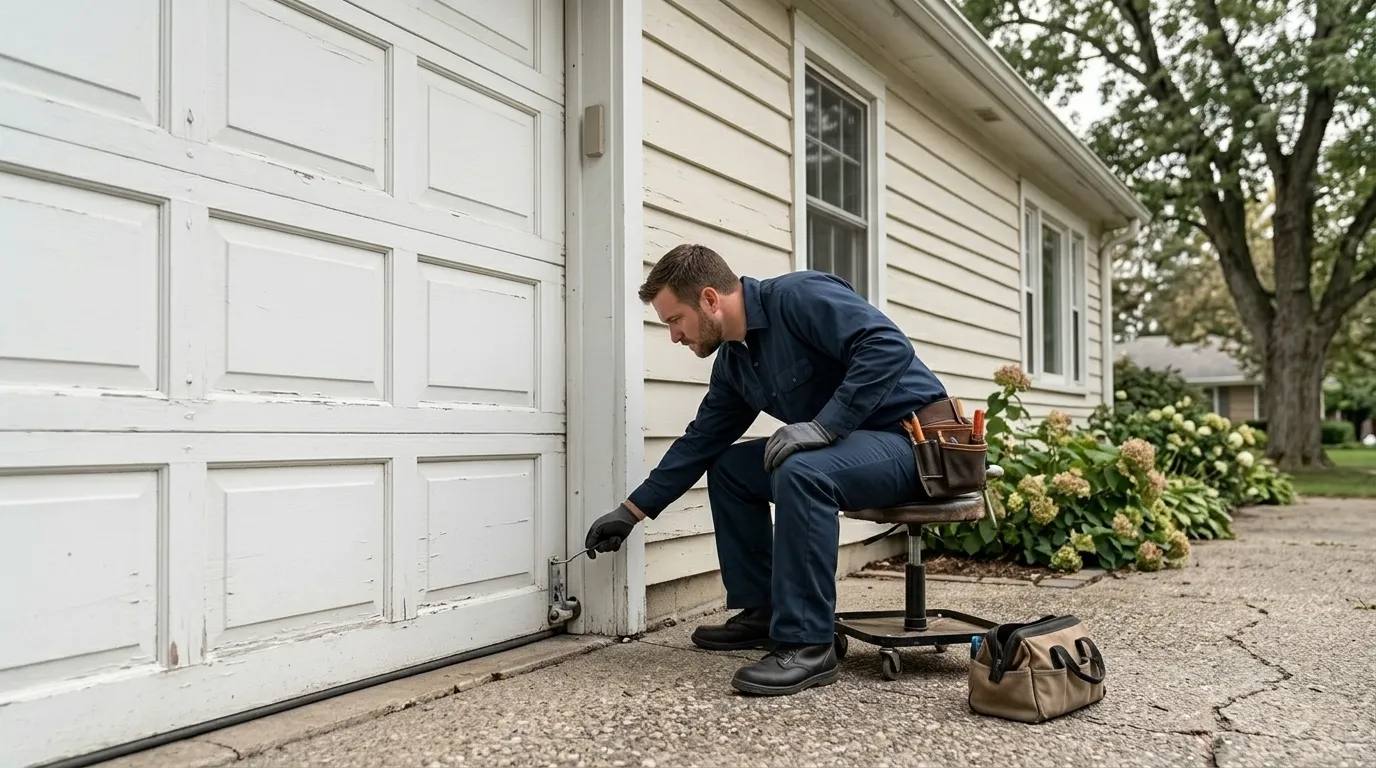
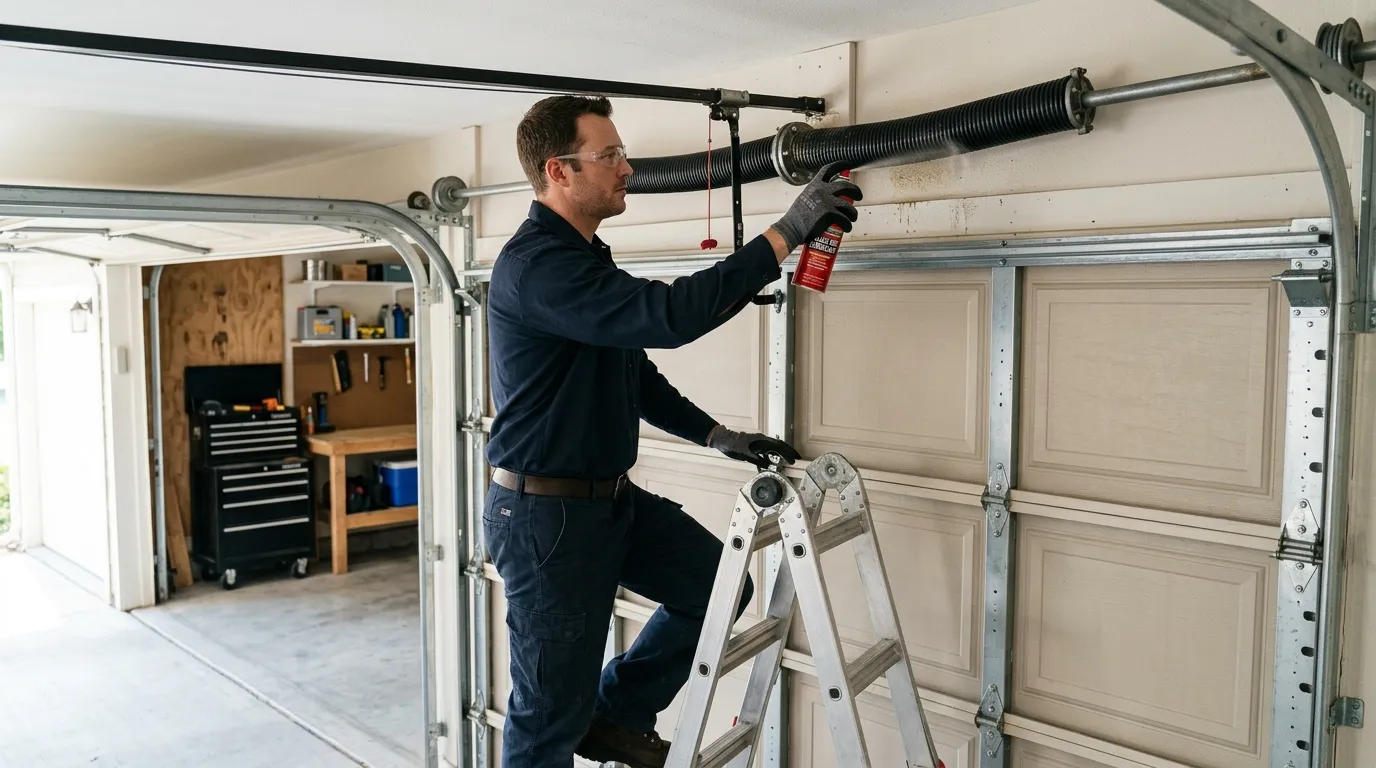
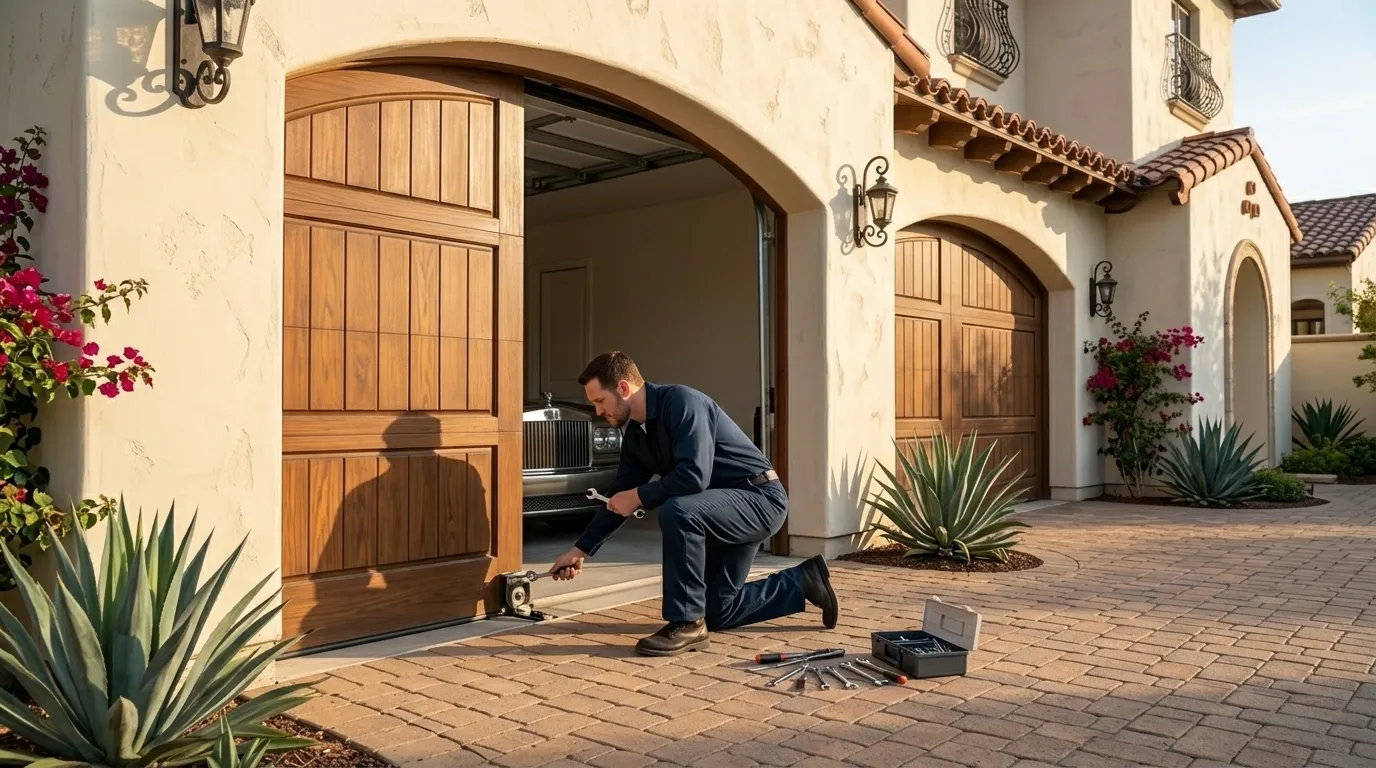
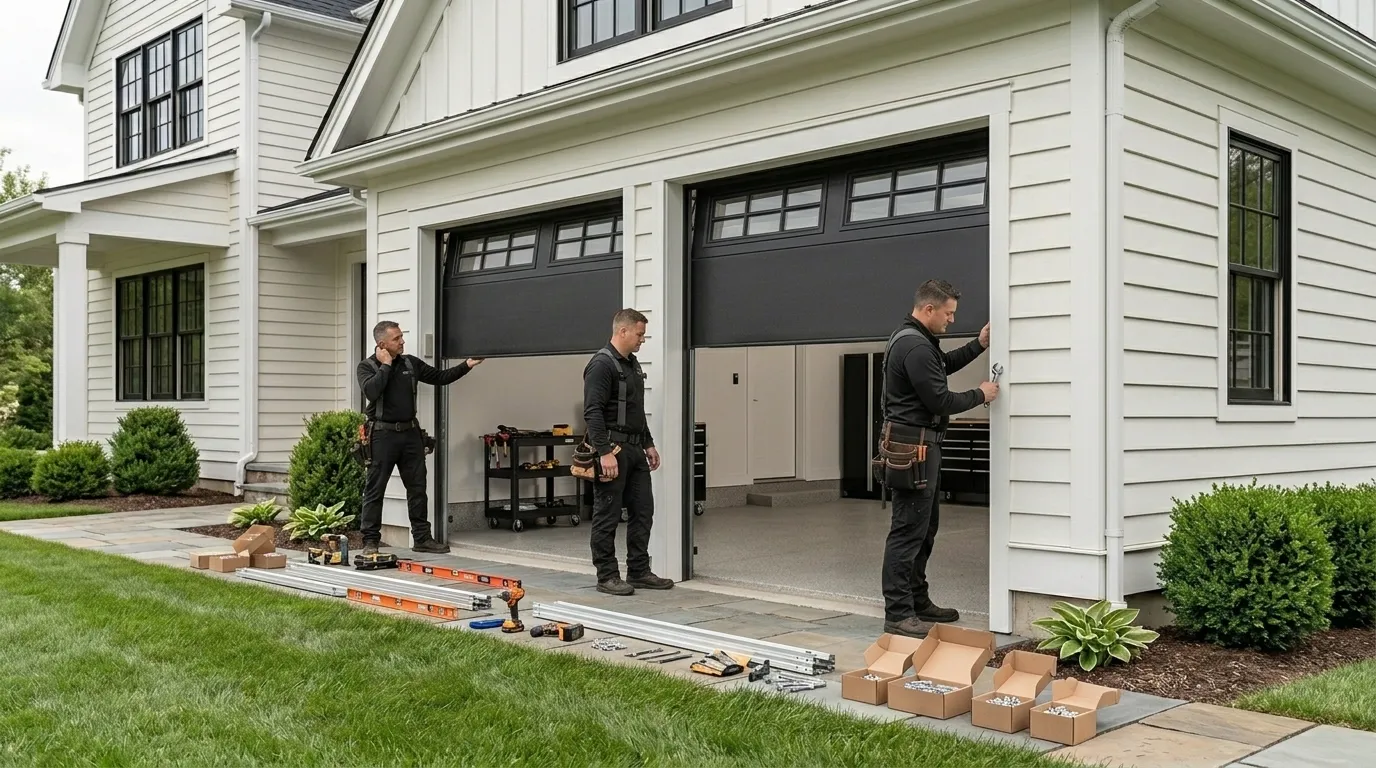
Murphy's housing stock skews newer than most of the areas we cover - the typical house here went up around 2005, well past the 1973-2007 range that spans the wider service area. That matters for spring work because doors built in the last twenty years almost always came with factory torsion springs on a center shaft, not the older side-mounted or extension setups you find on 1970s and 80s stock elsewhere. The good news is the hardware is more standardized. The bad news is homeowners assume a newer door means a newer spring, and it often doesn't - the spring has been cycling since the house was built, same as an older one would. Where this goes sideways is when someone tries to match a replacement spring by eye instead of by the door's actual weight and wind count. On a double-car insulated door, guessing wrong on wire size means the door either won't stay up or slams down hard, and you find that out the first time it fails, not before. We size springs to the door in front of us, not to what's typical for a house this age.
What You Pay
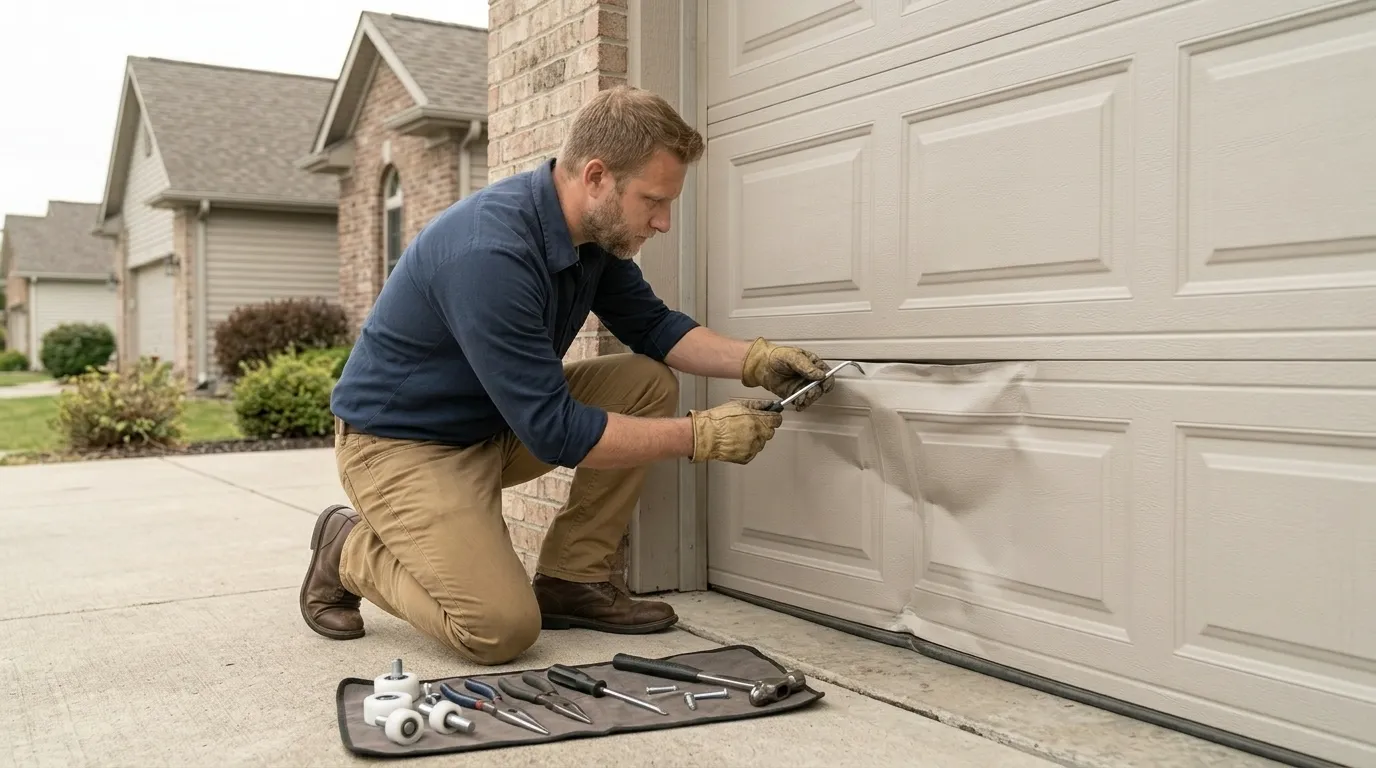
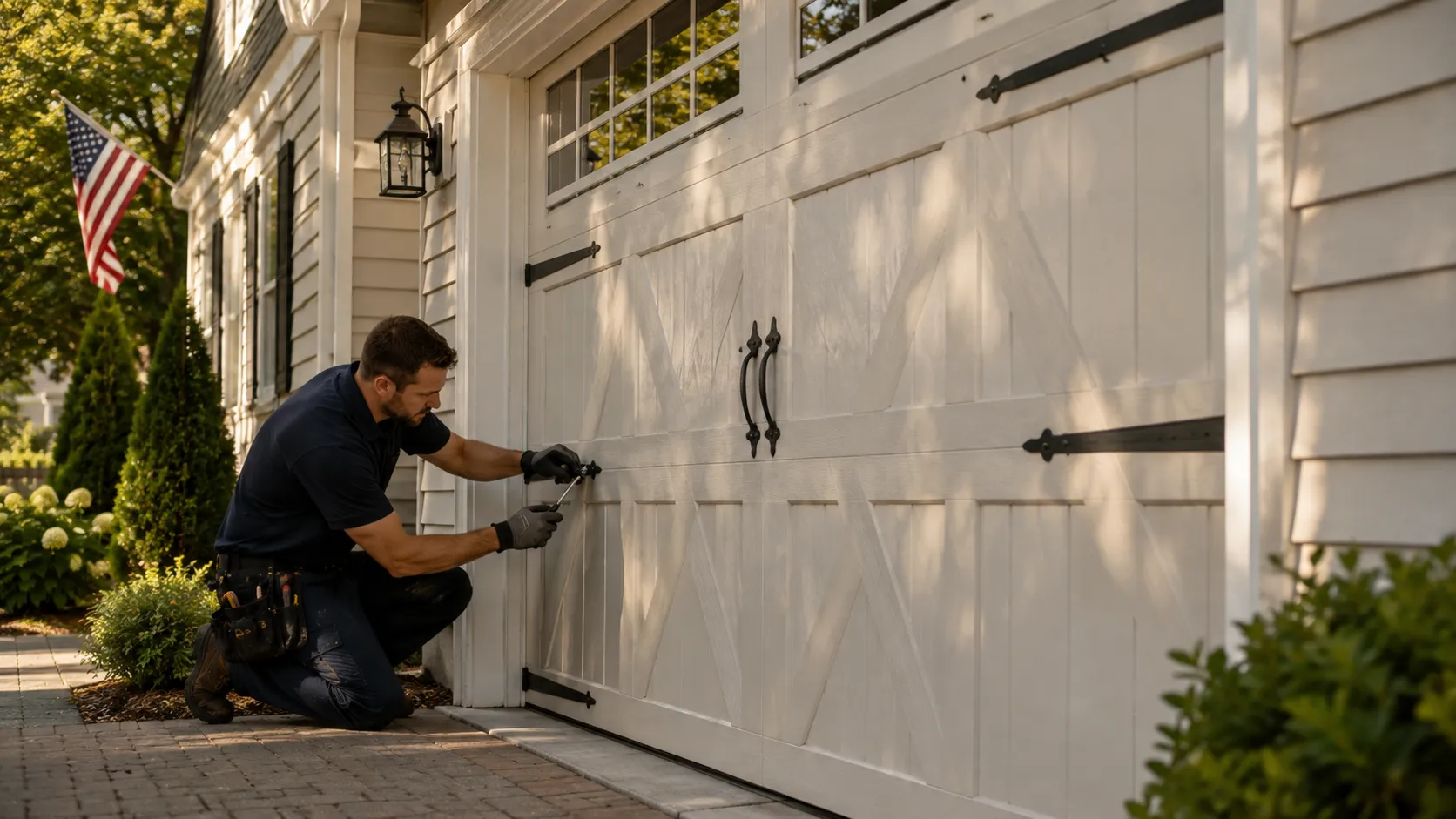
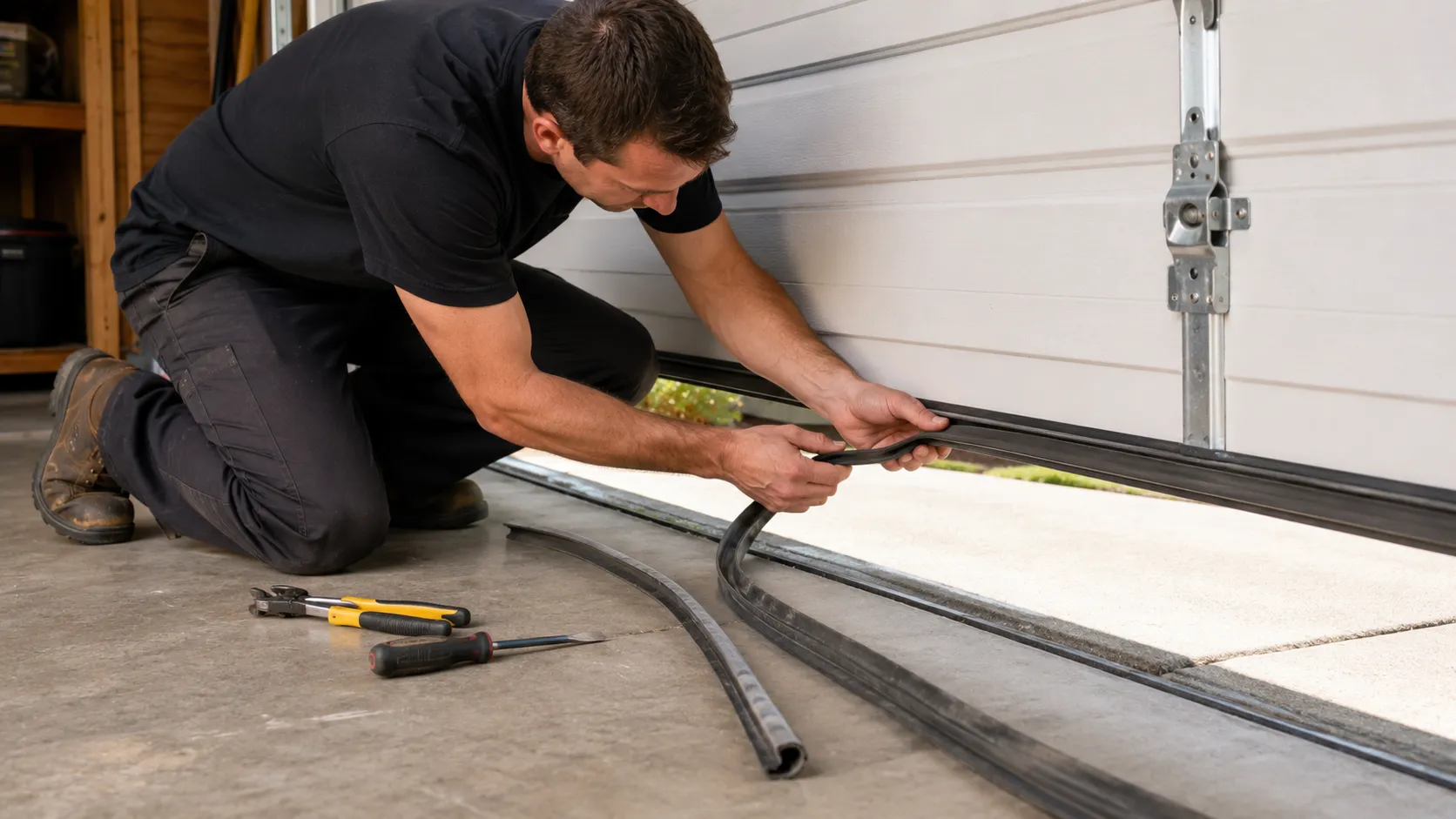
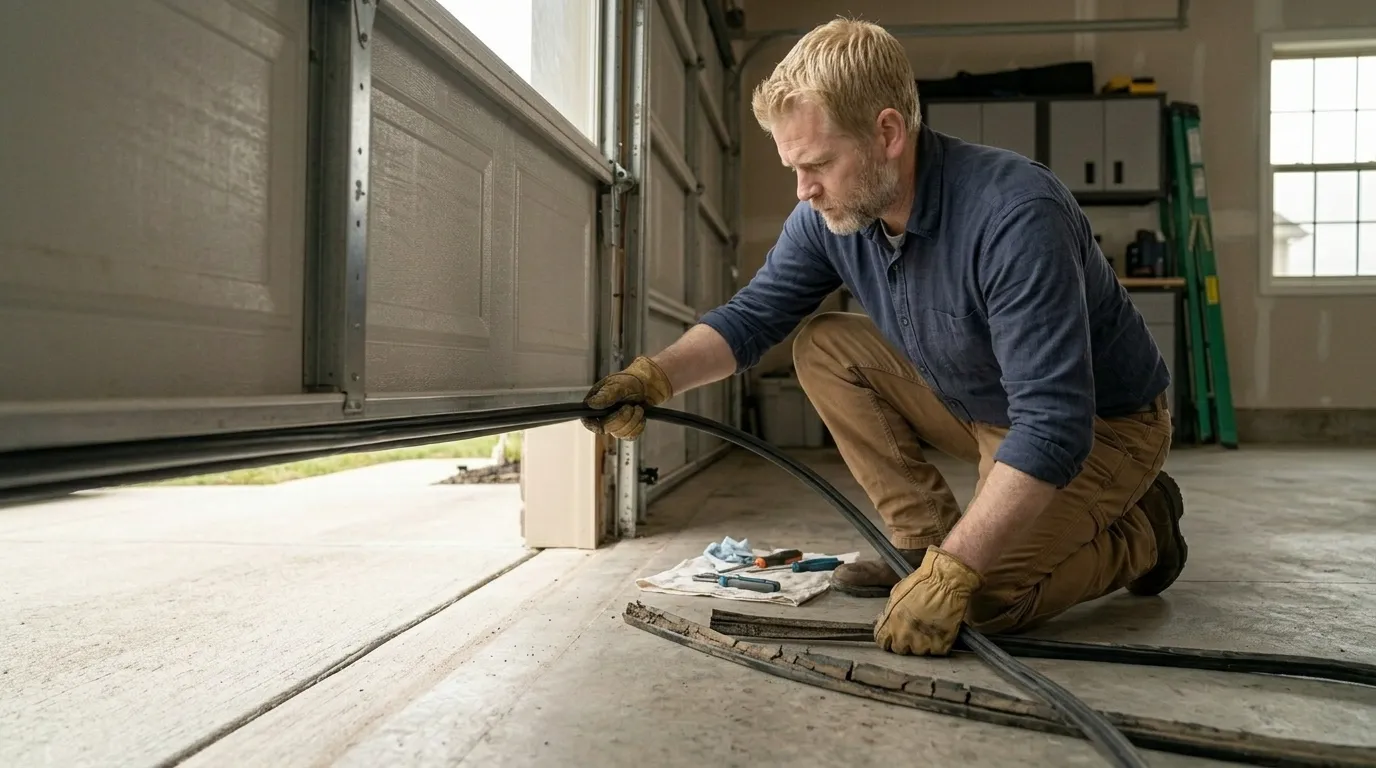
We don't post a flat number here because spring jobs in Murphy vary more than people expect for a town with fairly uniform housing. A single torsion spring on a lighter door costs less than a matched pair on a heavier insulated double door, and post-2000 doors in this area run more often to the heavier, insulated kind - higher household income in Murphy tends to track with larger garage doors and upgraded openers, which changes what the spring has to lift. Cable and drum condition factor in too; if a spring lets go and the cable jumps the drum on the way down, that's a second repair on the same visit. We quote after we see the door, the spring size, and the drum wear, not before. If you want a number before we're on site, we can't give you an honest one - anyone who does is guessing.
What Causes It Around Here
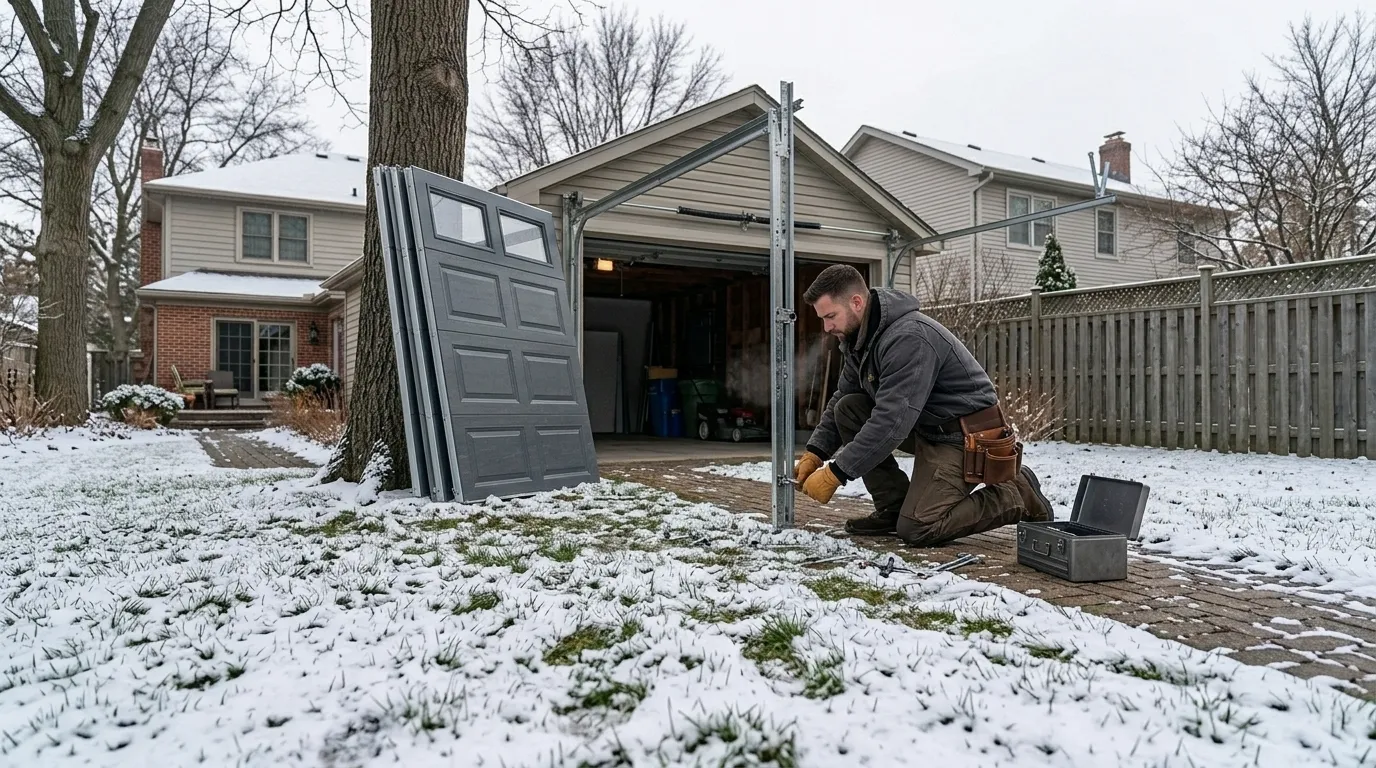
Torsion springs are rated for a set number of open-close cycles, and heat plays into how fast they get there. This part of North Texas sits in a moderate heat band, and repeated summer heat cycling stiffens the coil metal a little faster than it would in a cooler climate, shortening the practical life of a spring below its rated cycle count. Combine that with a house built around 2005 - meaning most Murphy garage doors are now roughly two decades into service - and a lot of original springs are at or past the point where failure is a matter of when, not if. It's not a defect specific to Murphy; it's the math of cycle count plus climate plus a housing stock that's mostly the same age. Doors that get used multiple times a day, which is common with larger households, get there sooner.
Can You Do This Yourself
We'll say it plainly: don't. A wound torsion spring under tension can break a hand or worse if the winding bars slip, and the tools to do it safely aren't things most homeowners own or have used before. Where you can help yourself is in the diagnosis - checking whether it's really the spring (gap in the coil, door won't lift) versus a cable or opener issue, so you're not paying for a spring call when the problem is somewhere else. You can also safely check that the door is unplugged from the opener before anyone touches it, and clear the area underneath. Beyond that, this is a job for someone who's wound springs before. It's one of the few repairs where the honest advice is to just call, not to try it first.