
What Was Built Here
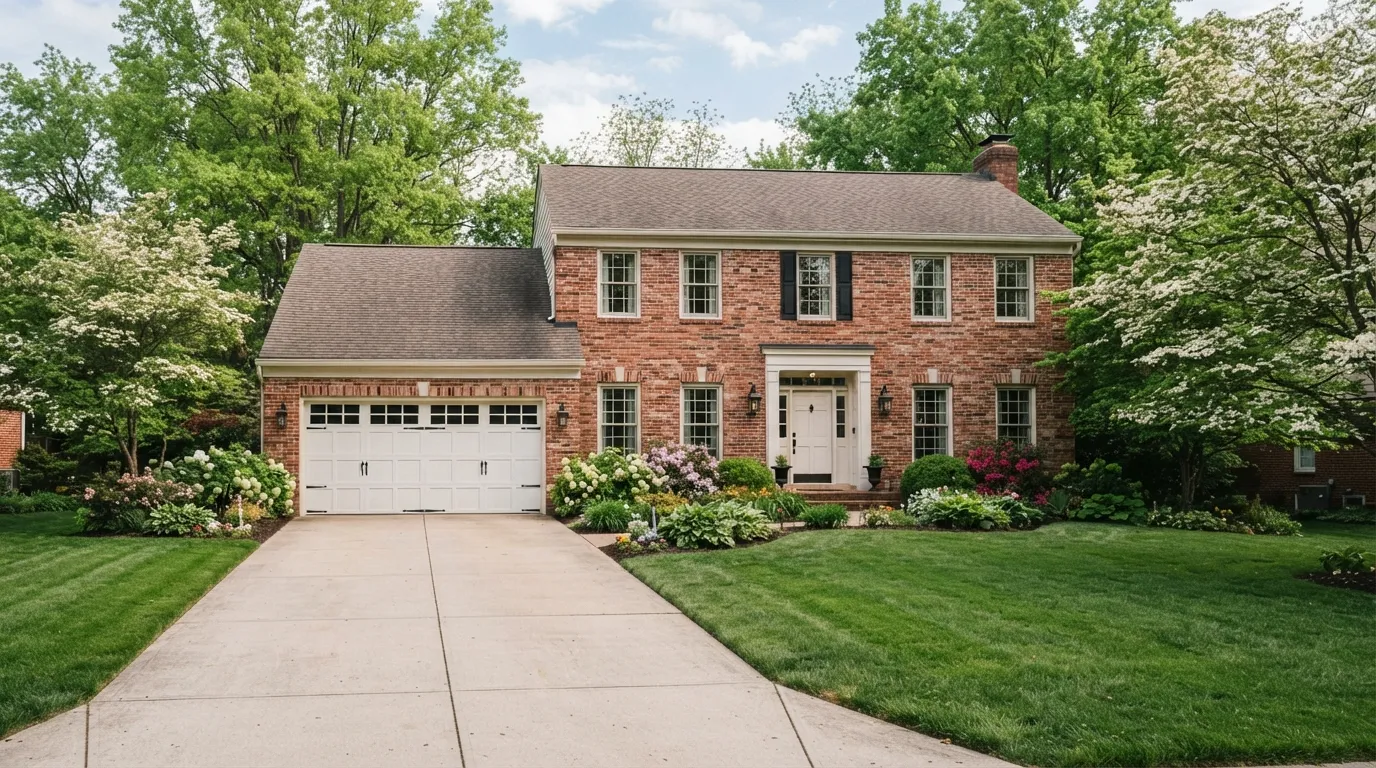
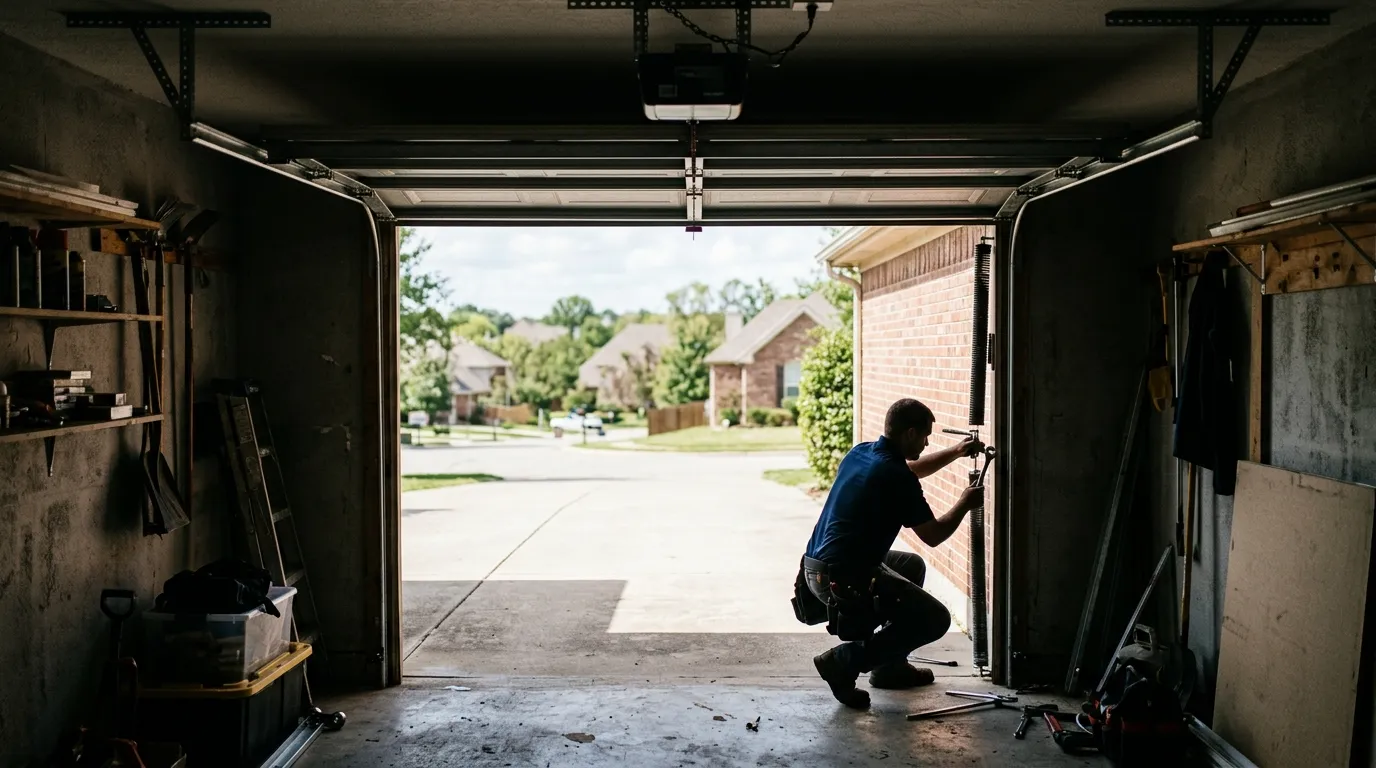
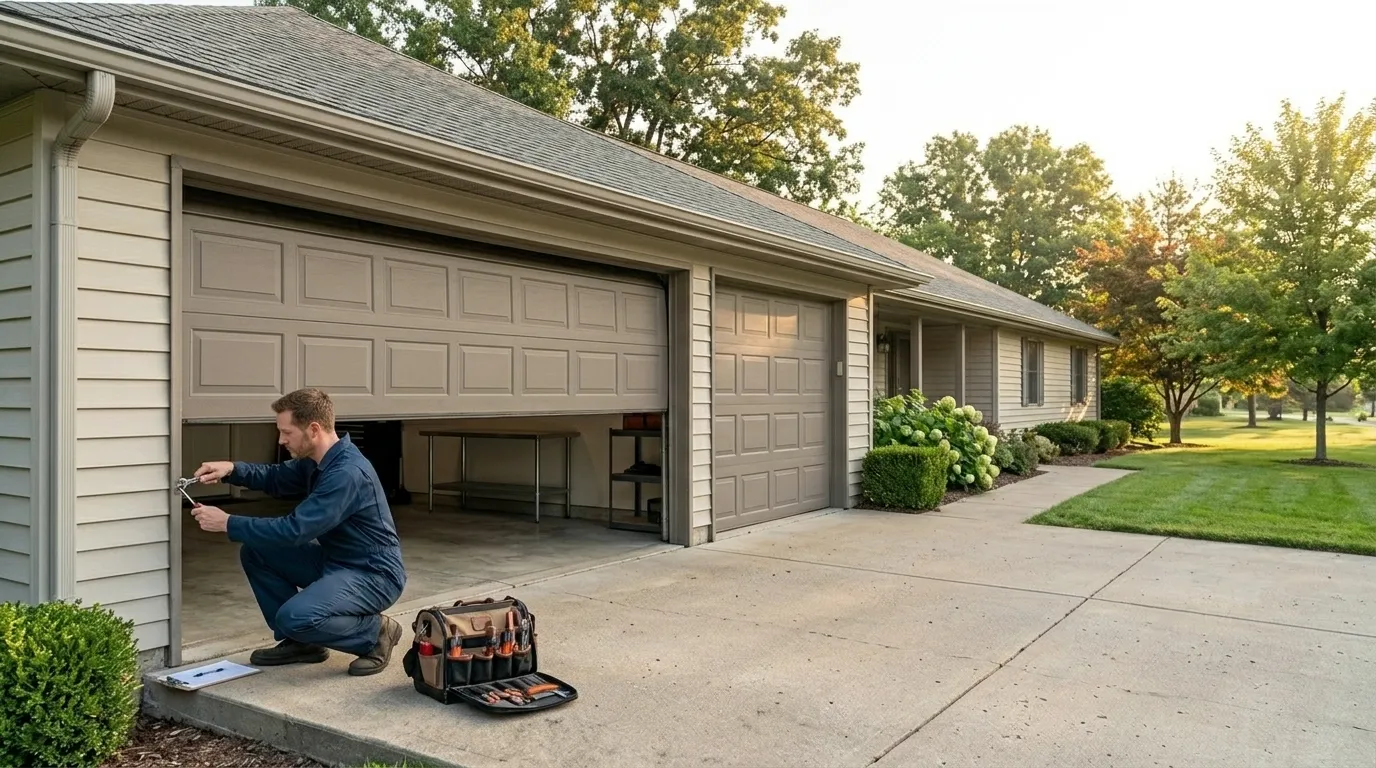
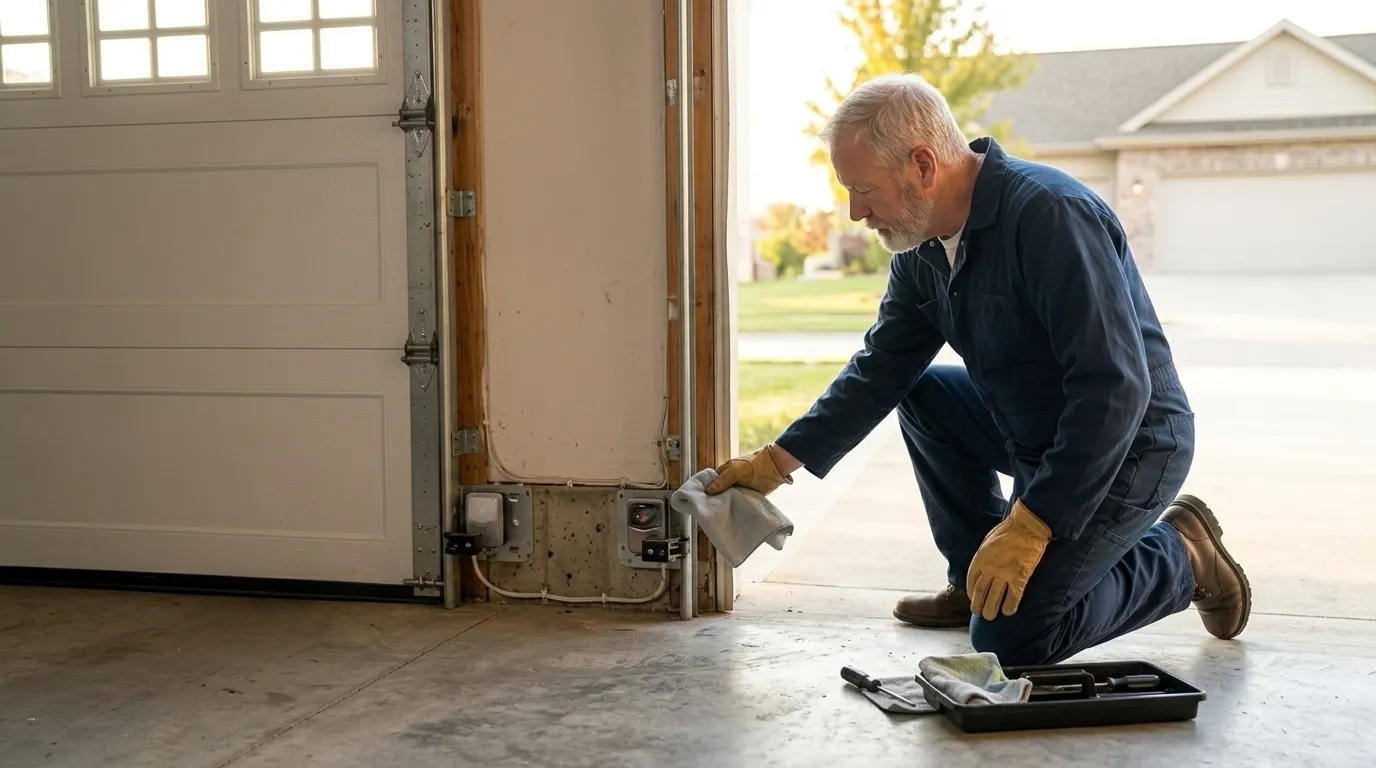
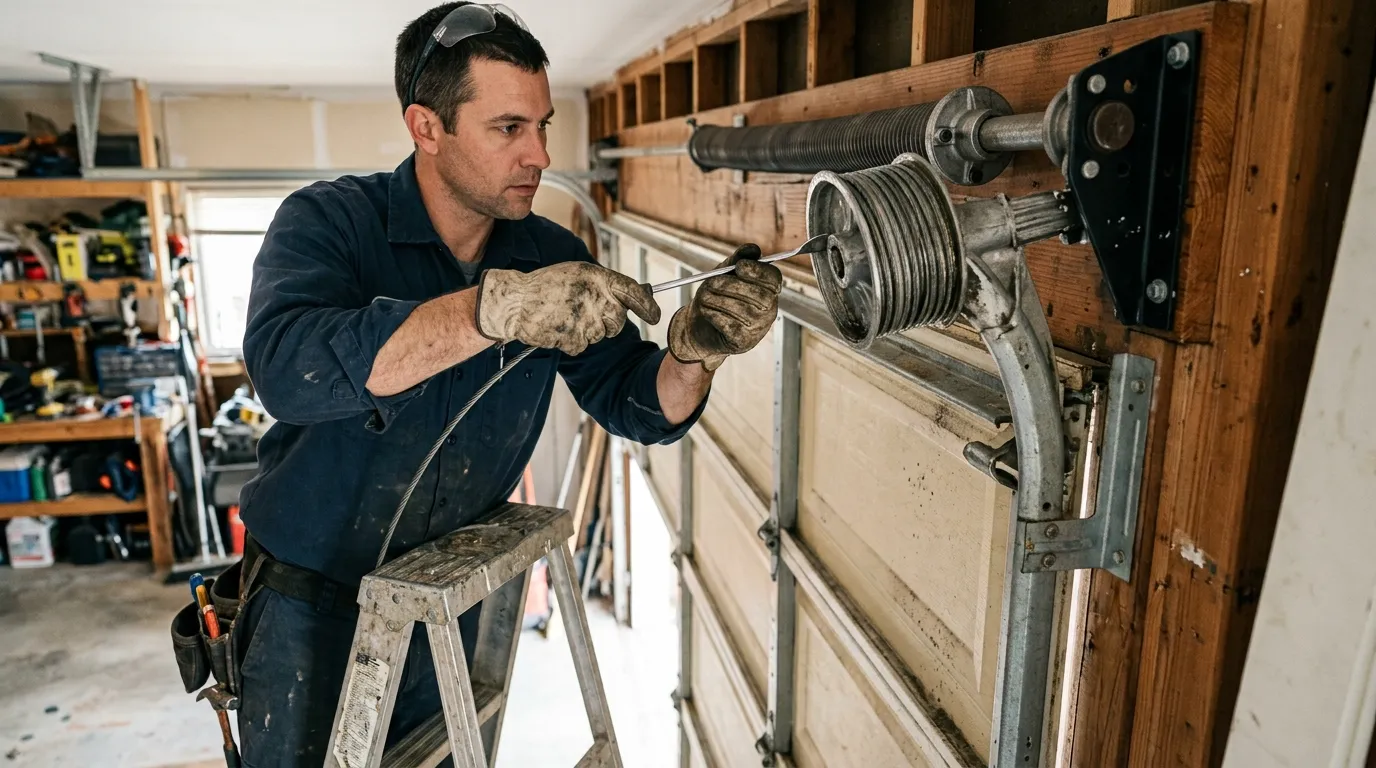
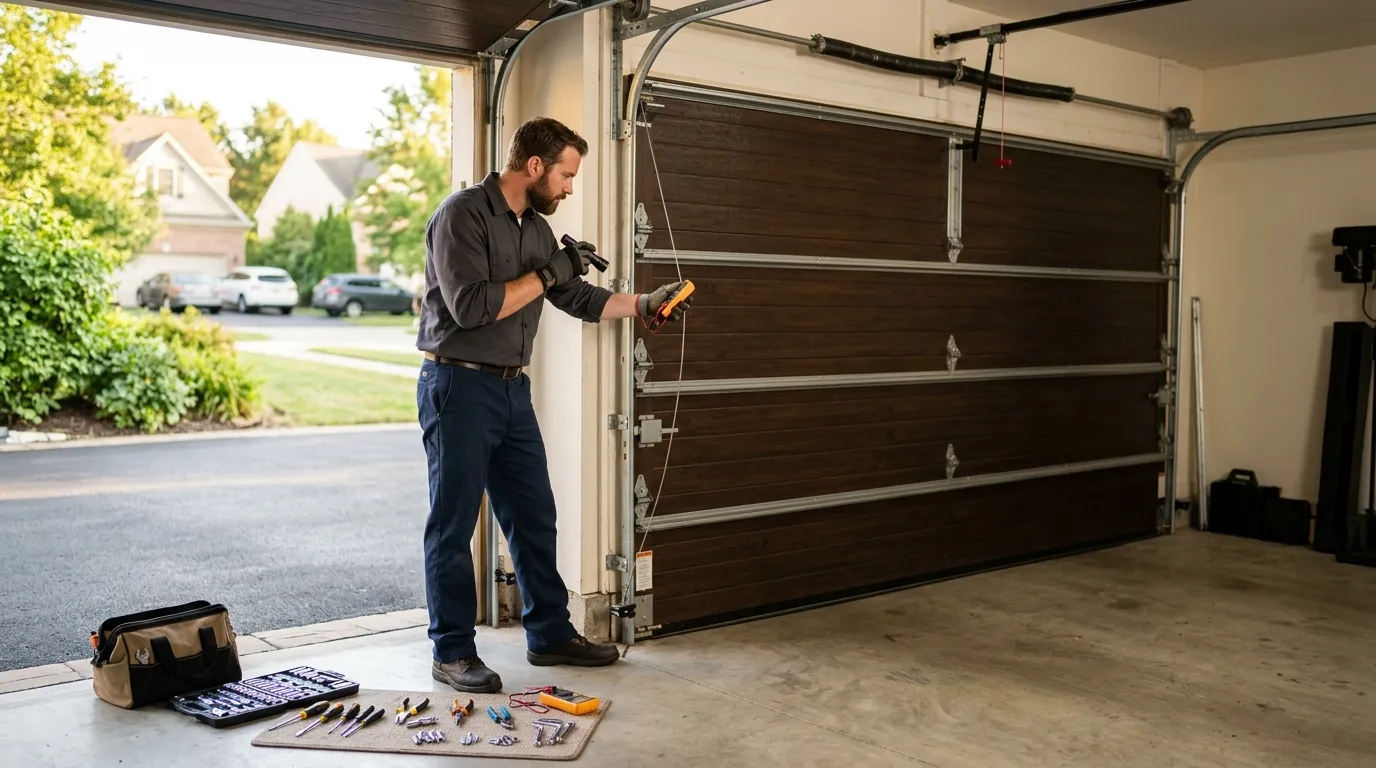
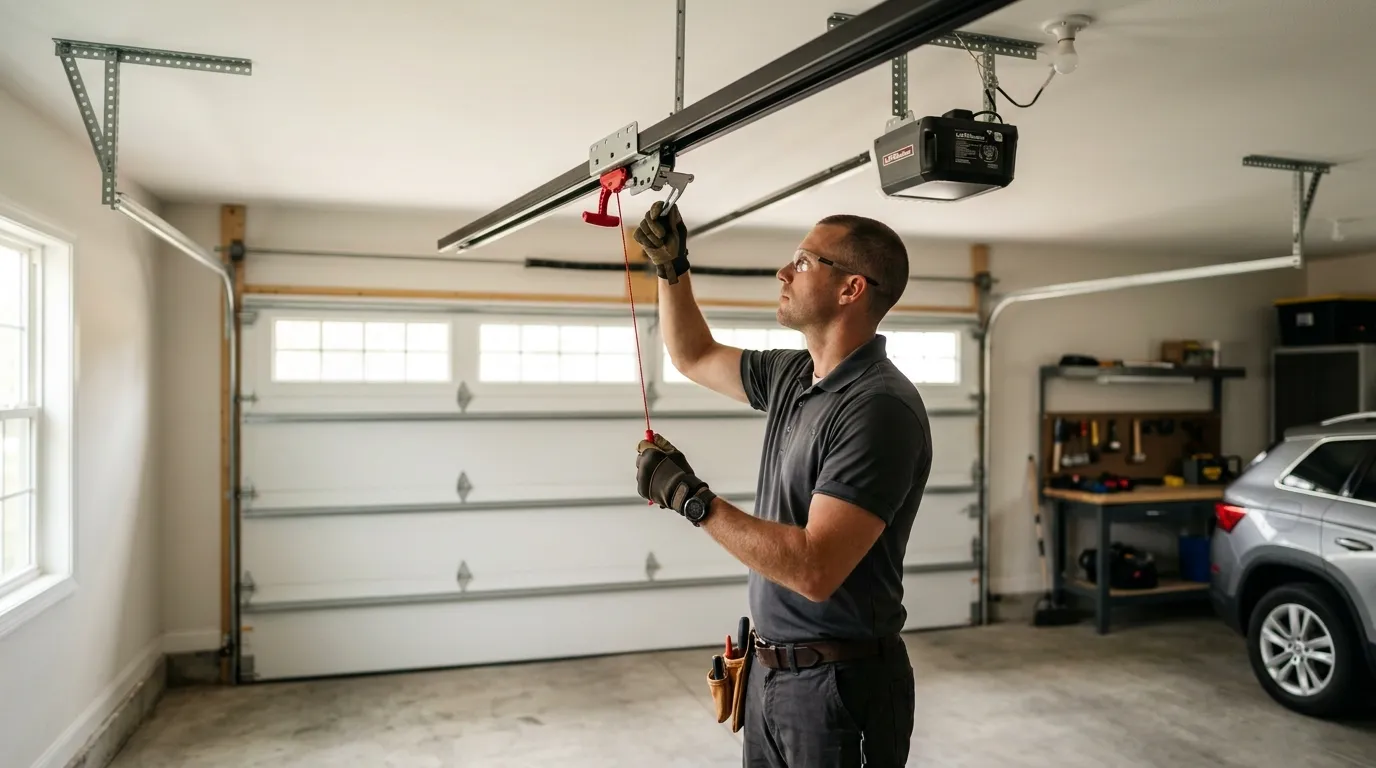
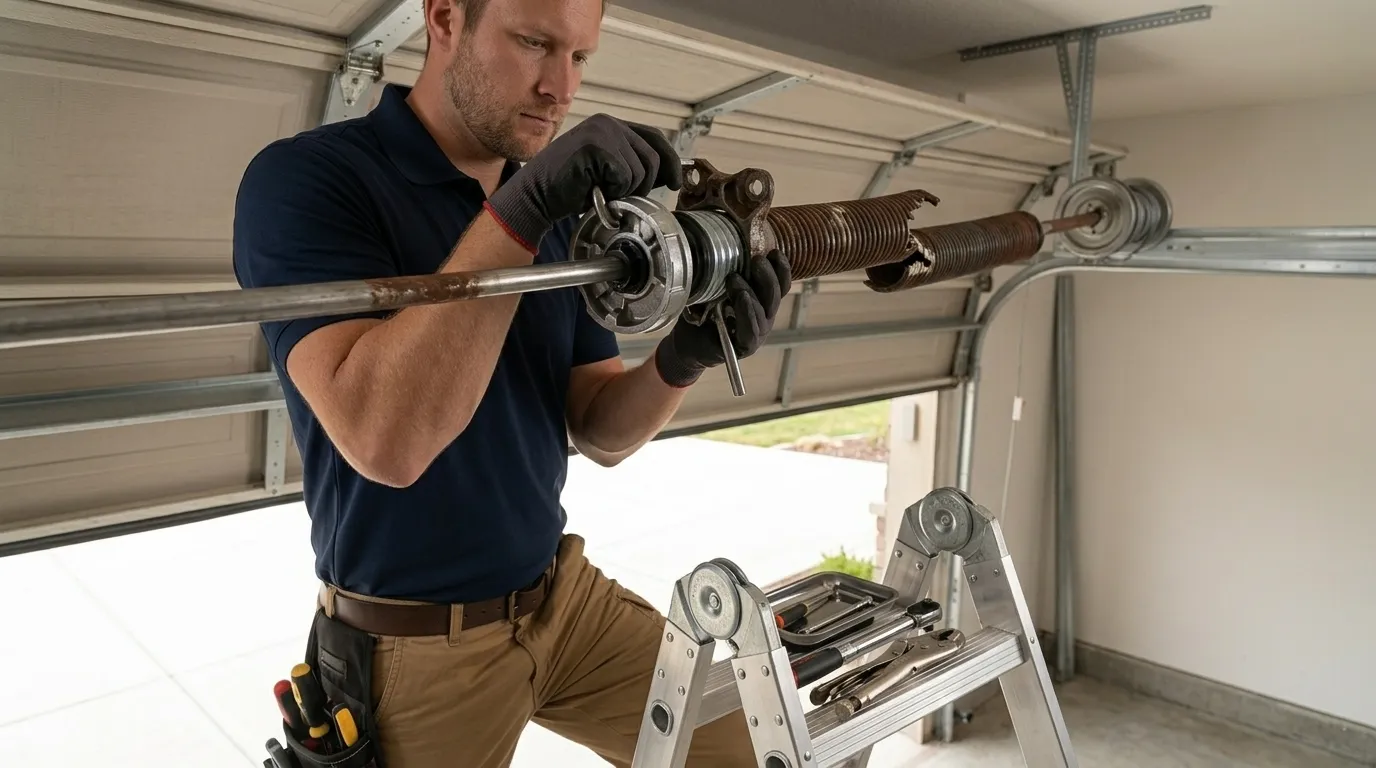
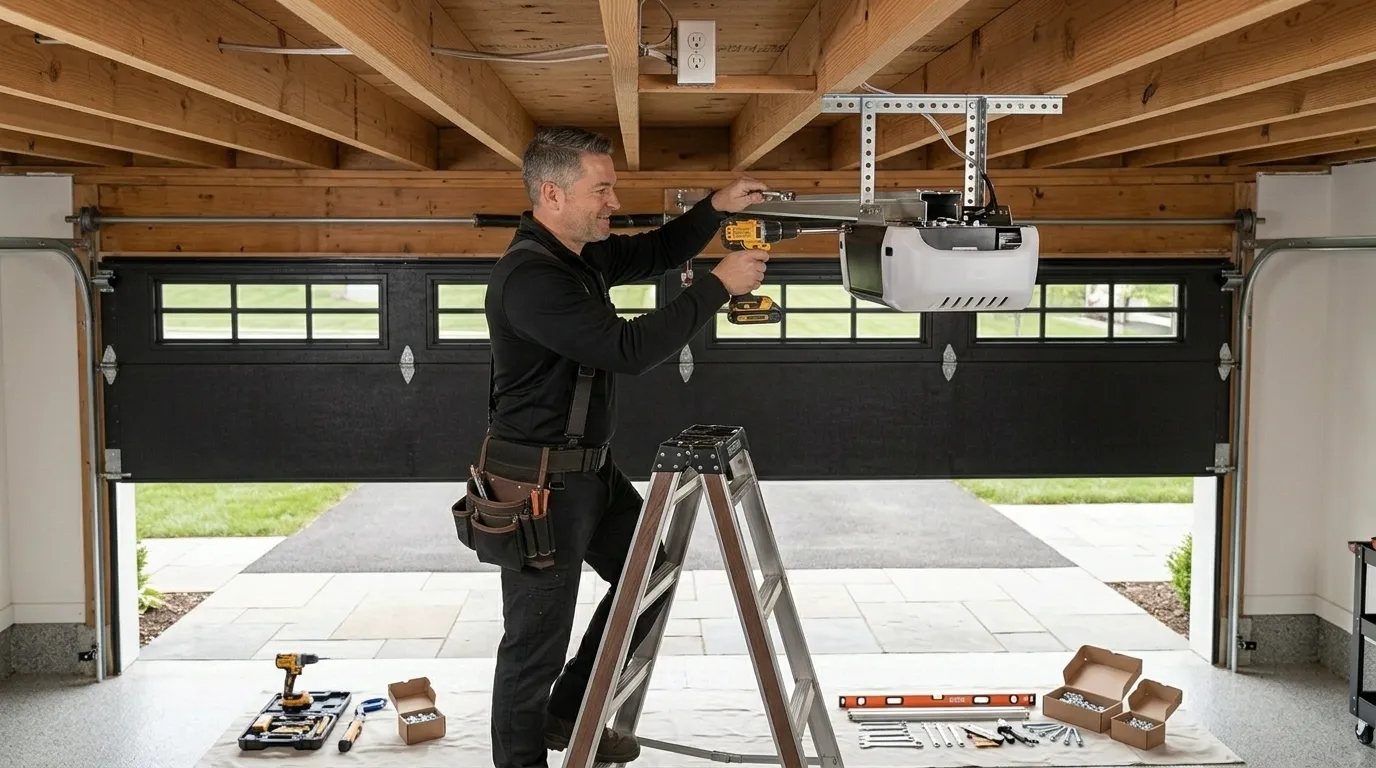
University Park's homes cluster around a median build year of 1987, which puts most of the neighborhood a good six years ahead of the wider service area's 1993 median. That gap matters more than it sounds. A house built in the mid-80s usually still has its original torsion spring setup, but the opener attached to it has often been swapped at least once by now - most residential openers don't make it past 15-20 years of daily use. So on these streets we tend to find a mix: 1980s steel doors and track hardware paired with openers from two or three different decades depending on when a homeowner last had trouble. With roughly 7,174 households in University Park, that's a lot of driveways running on hardware old enough to need attention but not old enough to be obviously due for full replacement.
Older vs Newer Streets
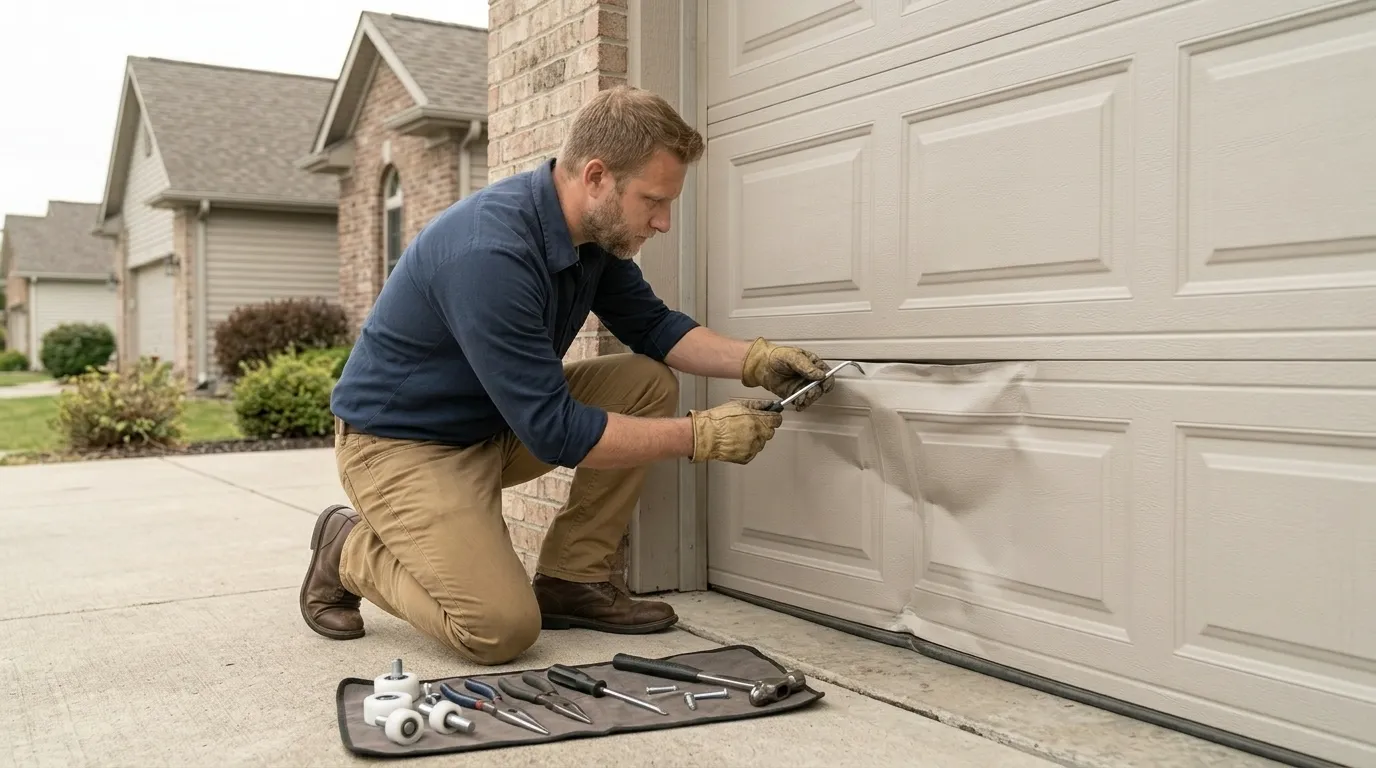
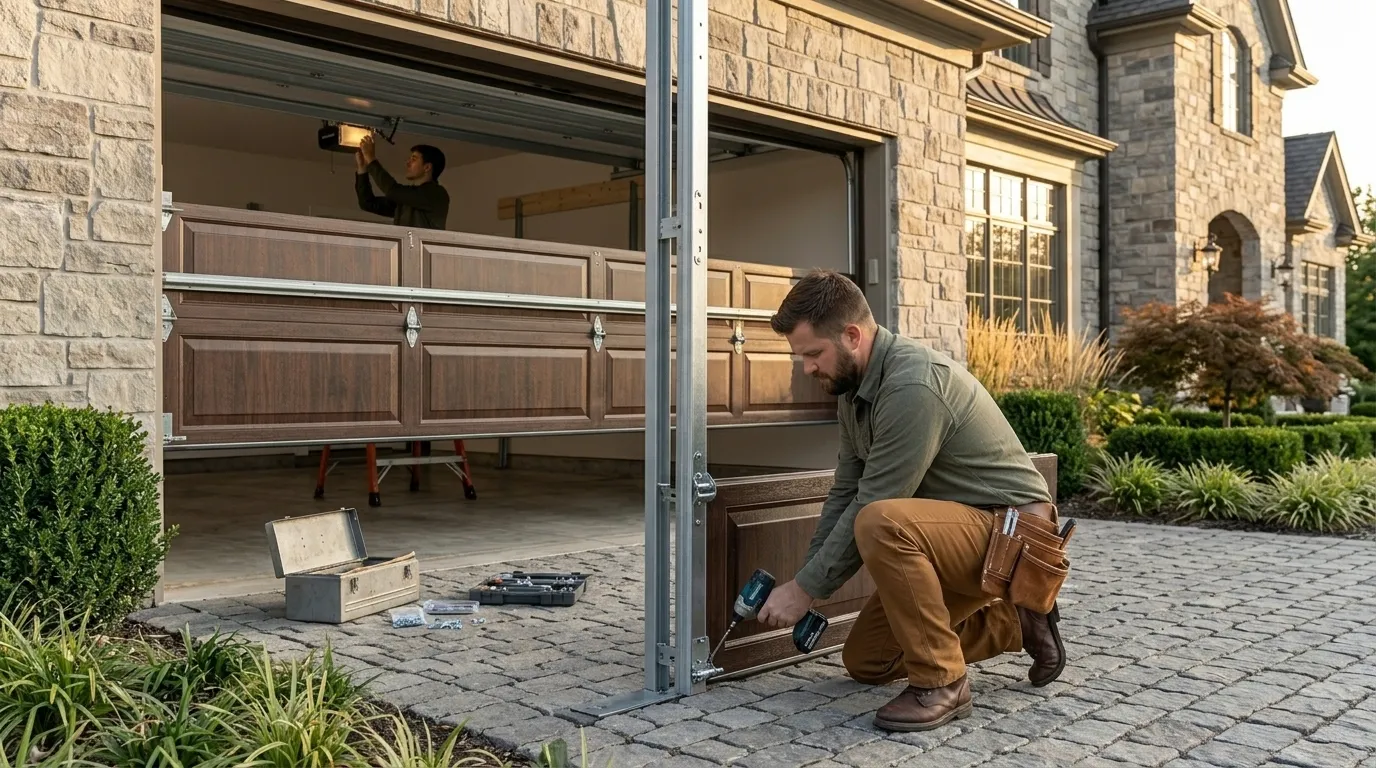
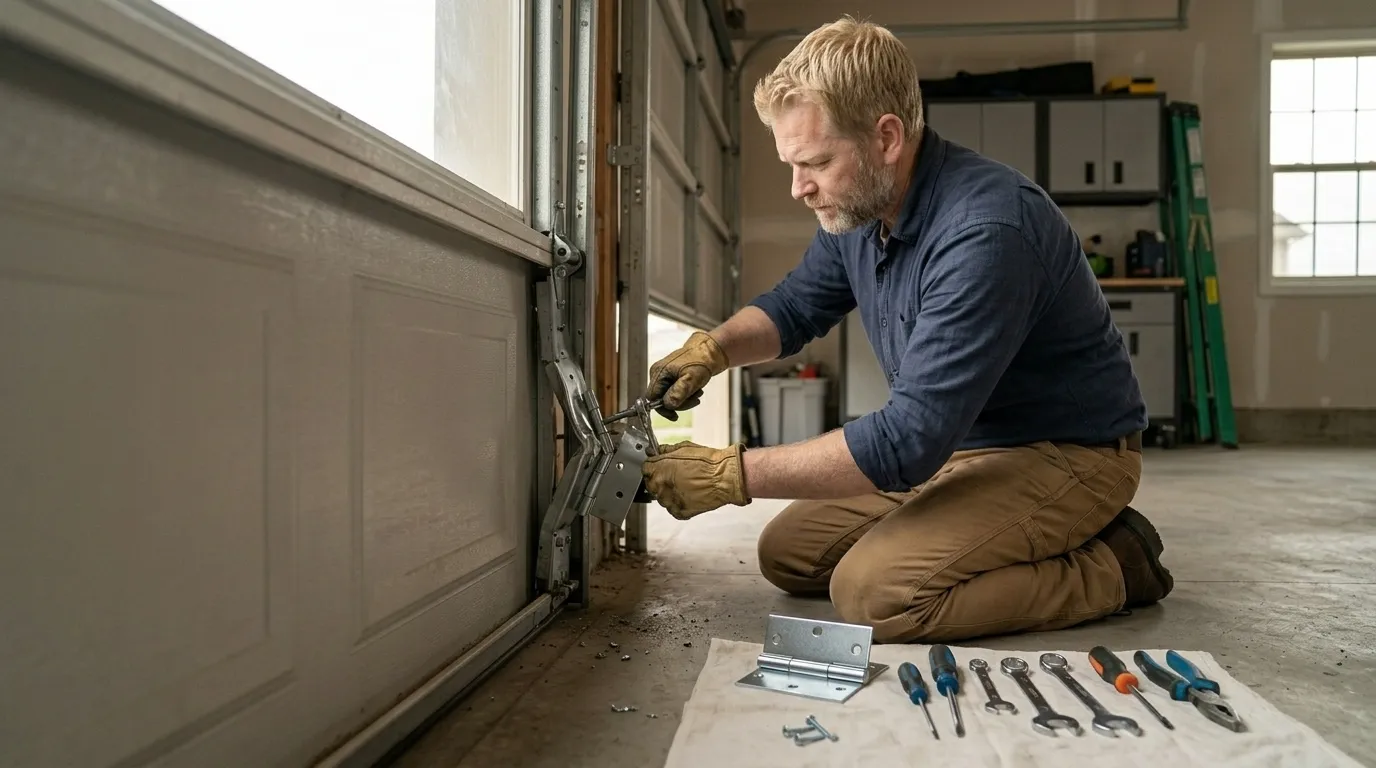
Not every block here dates the same. Some sections of University Park went up earlier and carry doors with the heavier, single-piece steel panels common before sectional doors became standard - these run on simpler track systems but the panels themselves are harder to source when one gets dented. Streets built closer to the 1987 median more often have early sectional doors, which means more moving parts: multiple hinges, more rollers, and springs sized for a heavier door than what you'd see on a newer build. We don't have a block-by-block map of construction years, so on a first call we ask when the house was built and whether the door looks original - that alone tells us most of what we need before a truck heads out from Dallas.
What That Means for Doors
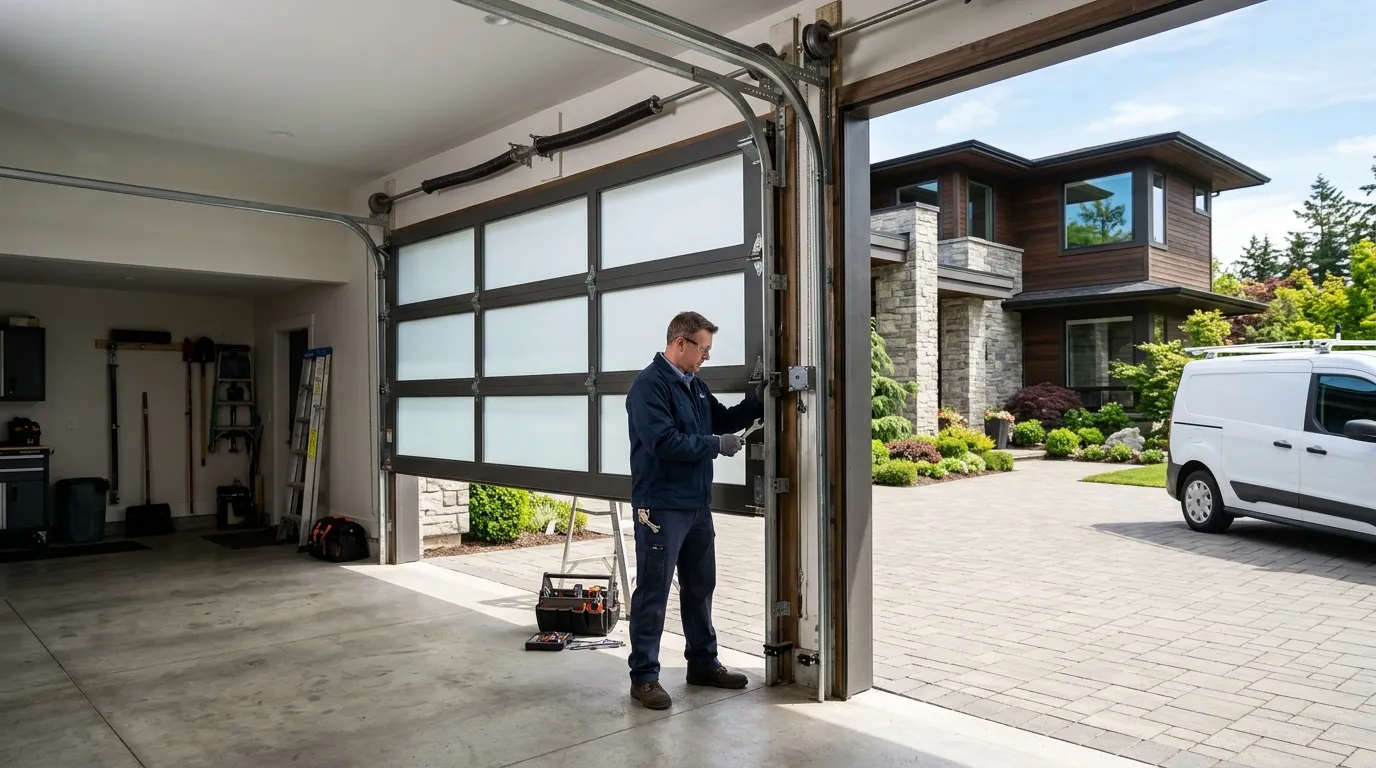
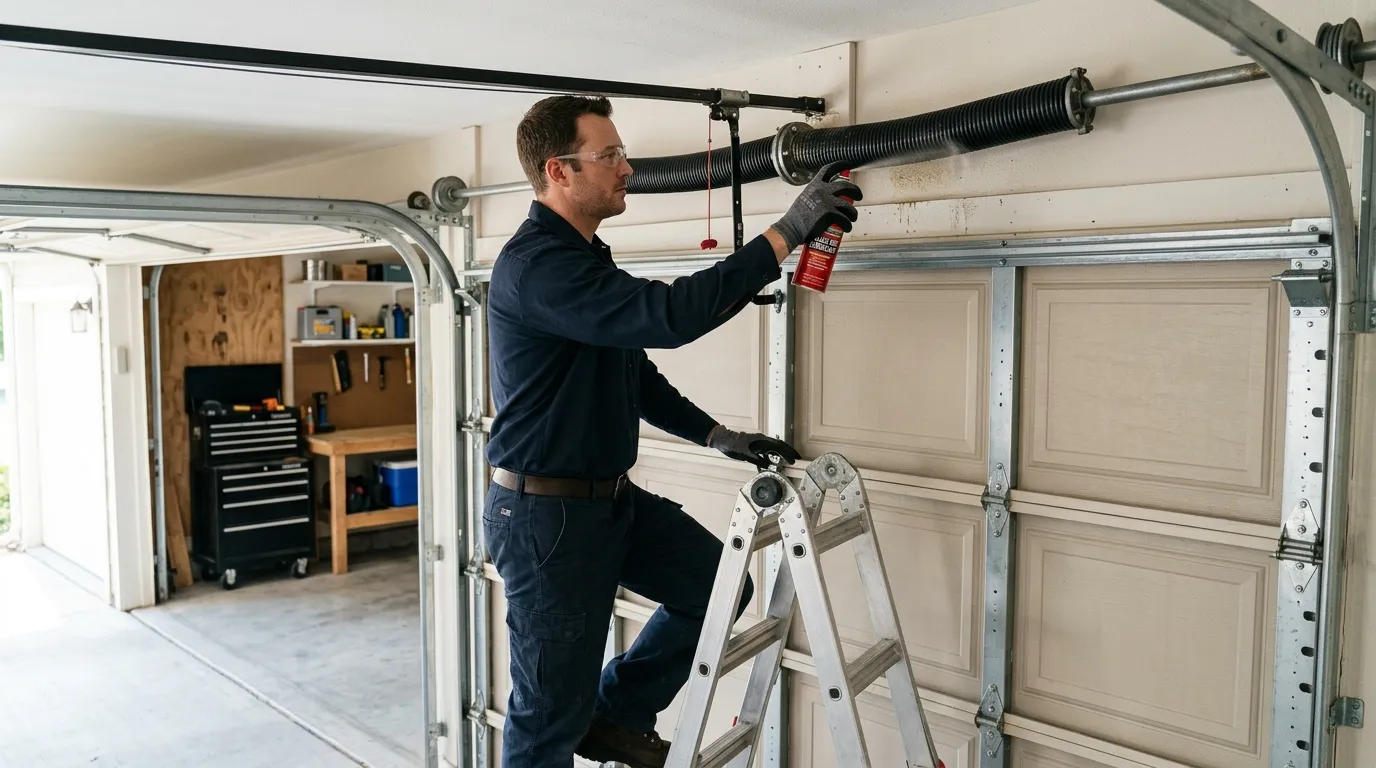
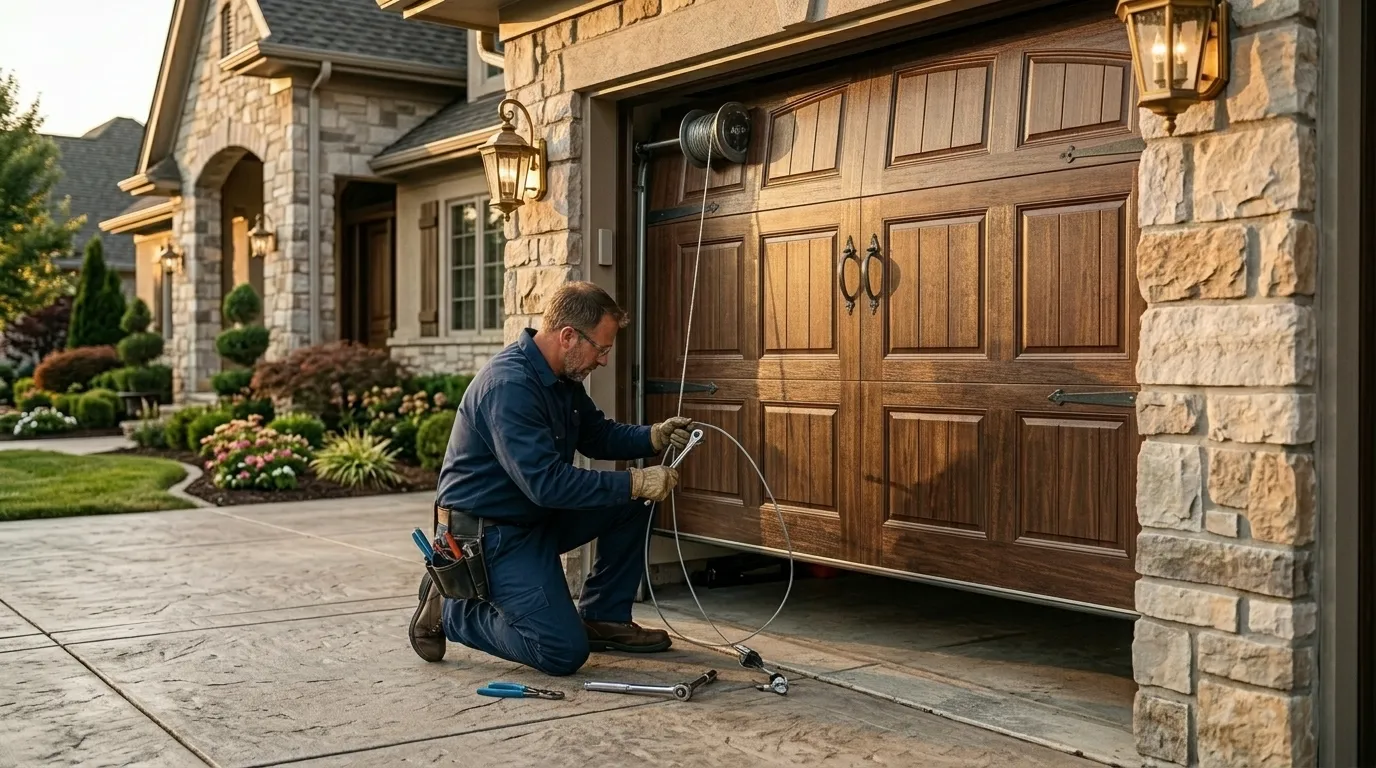
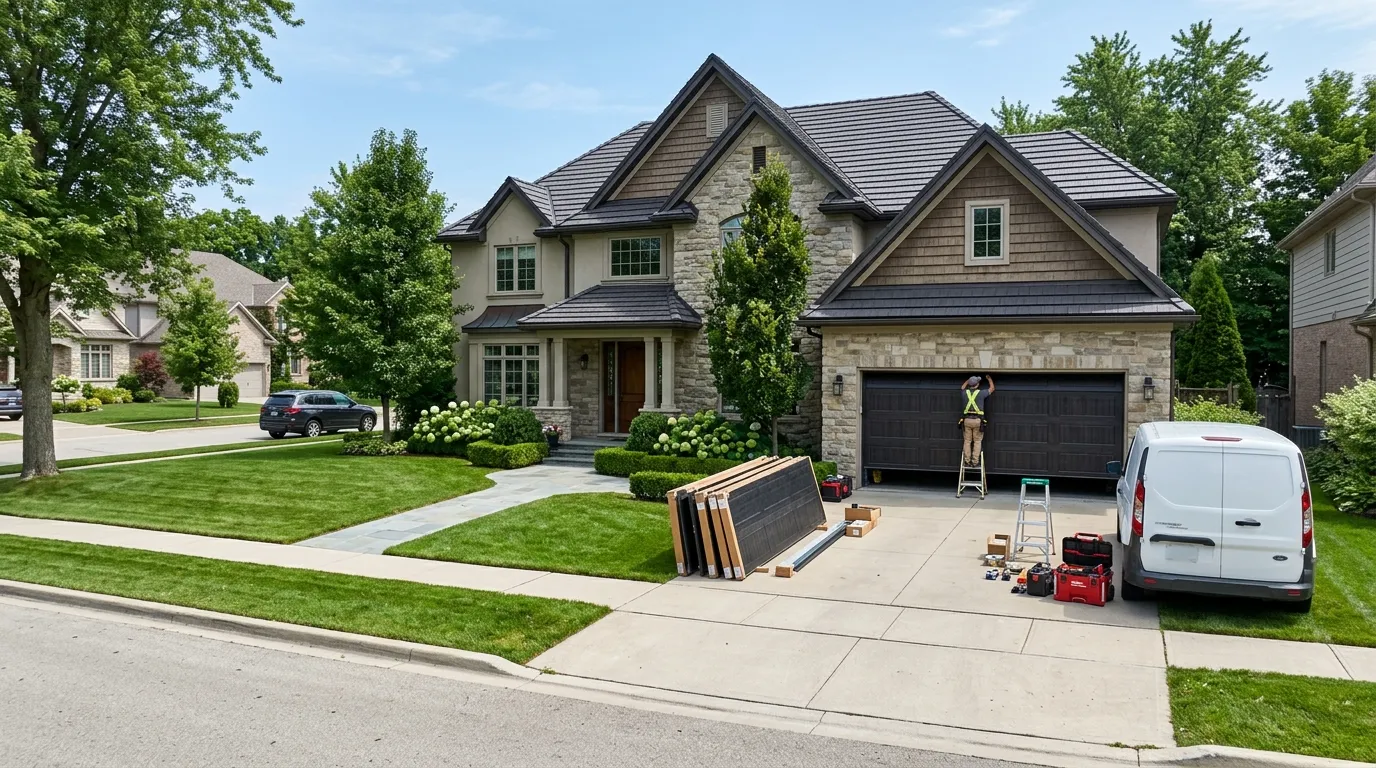
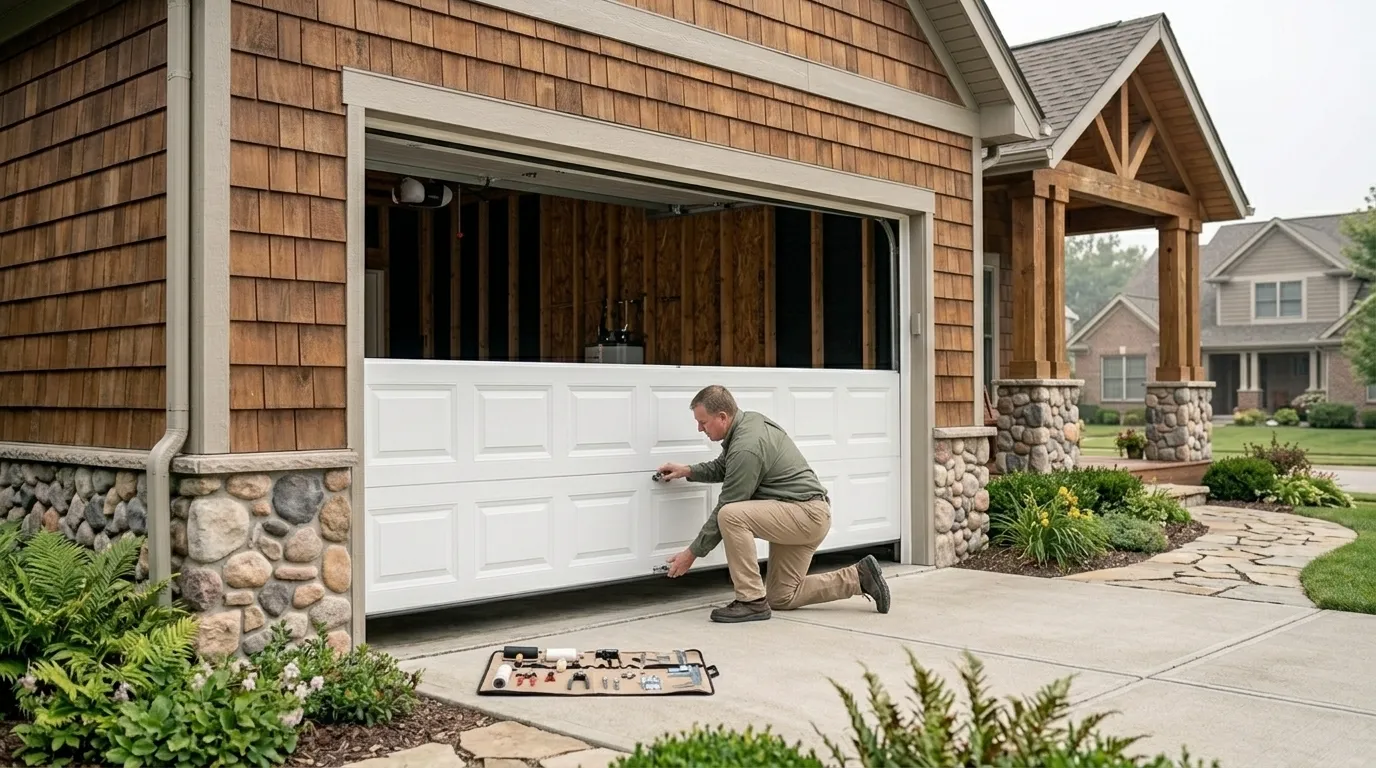
Put the build year and the household income together and you get a specific kind of call. At a median household income of $250,001, University Park owners are more likely to ask for full replacement over a patch repair when a door is genuinely at the end of its life - and with doors averaging close to 1987, a fair number of them are getting there. That said, plenty of these doors just need a spring, a cable, or a roller run, not a new unit, and we'll tell you which one it is rather than defaulting to the more expensive answer. The honest limitation here: if a panel is discontinued for an older door style, we may not be able to match it exactly, and replacement becomes the more practical route even when the rest of the door is sound.