Where This Job Goes Sideways
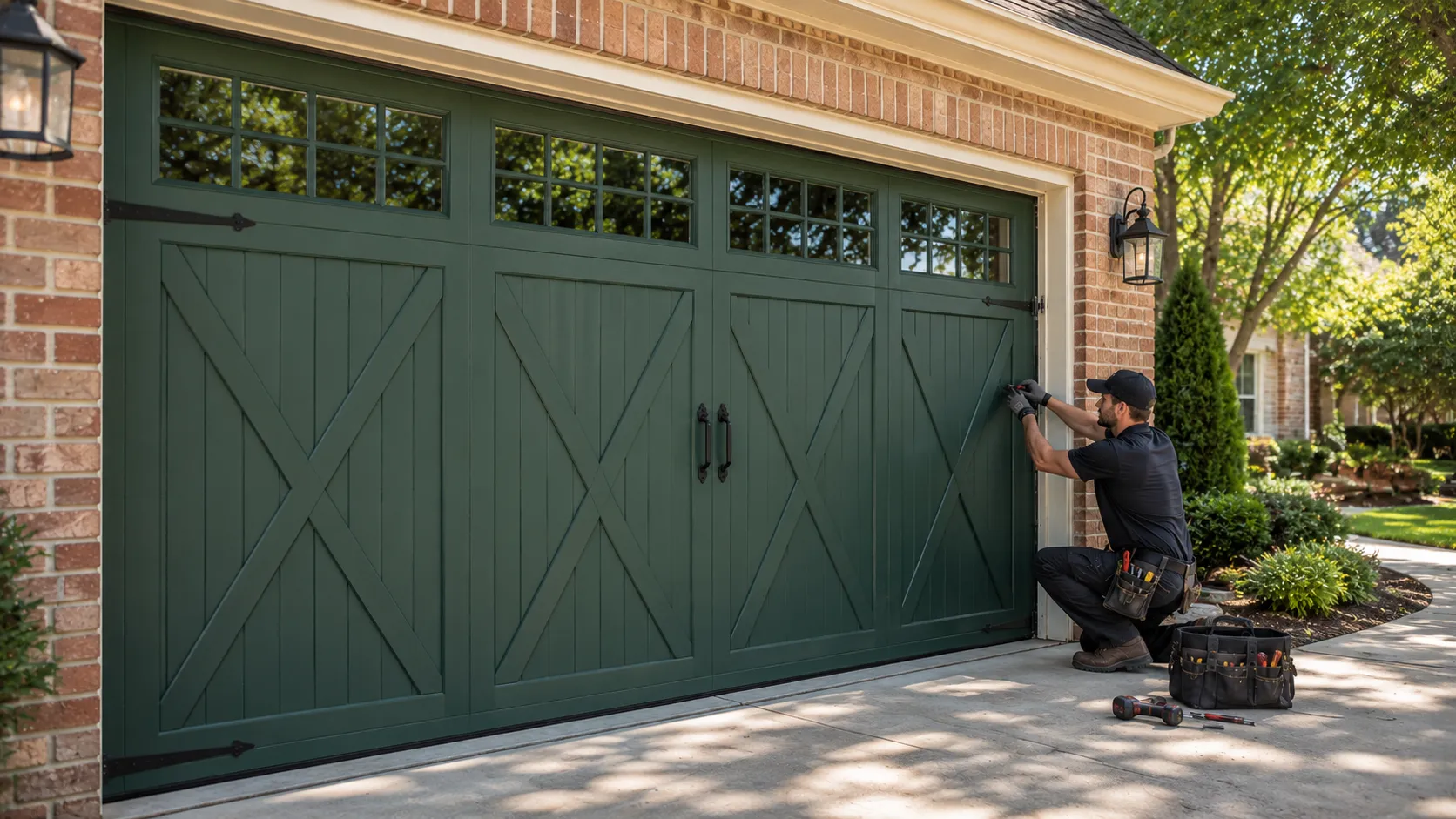
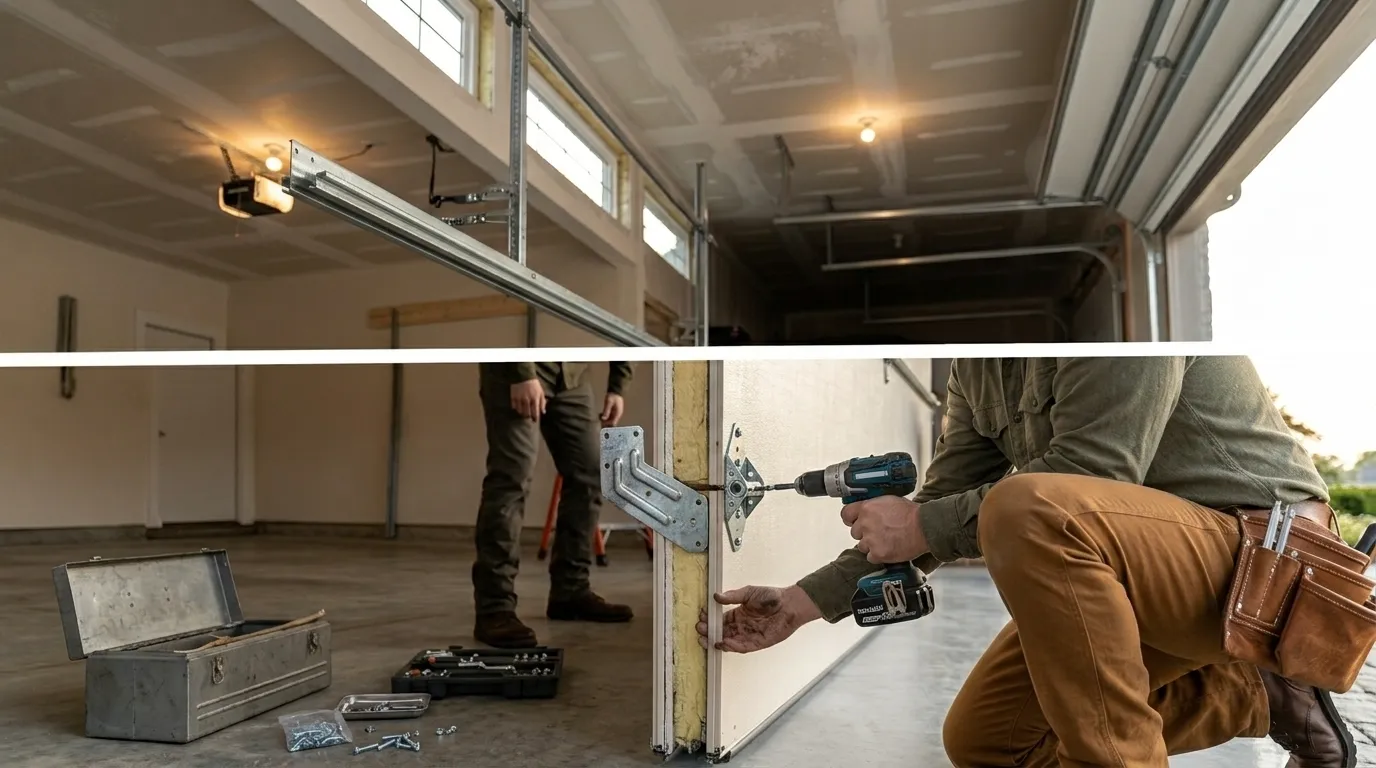
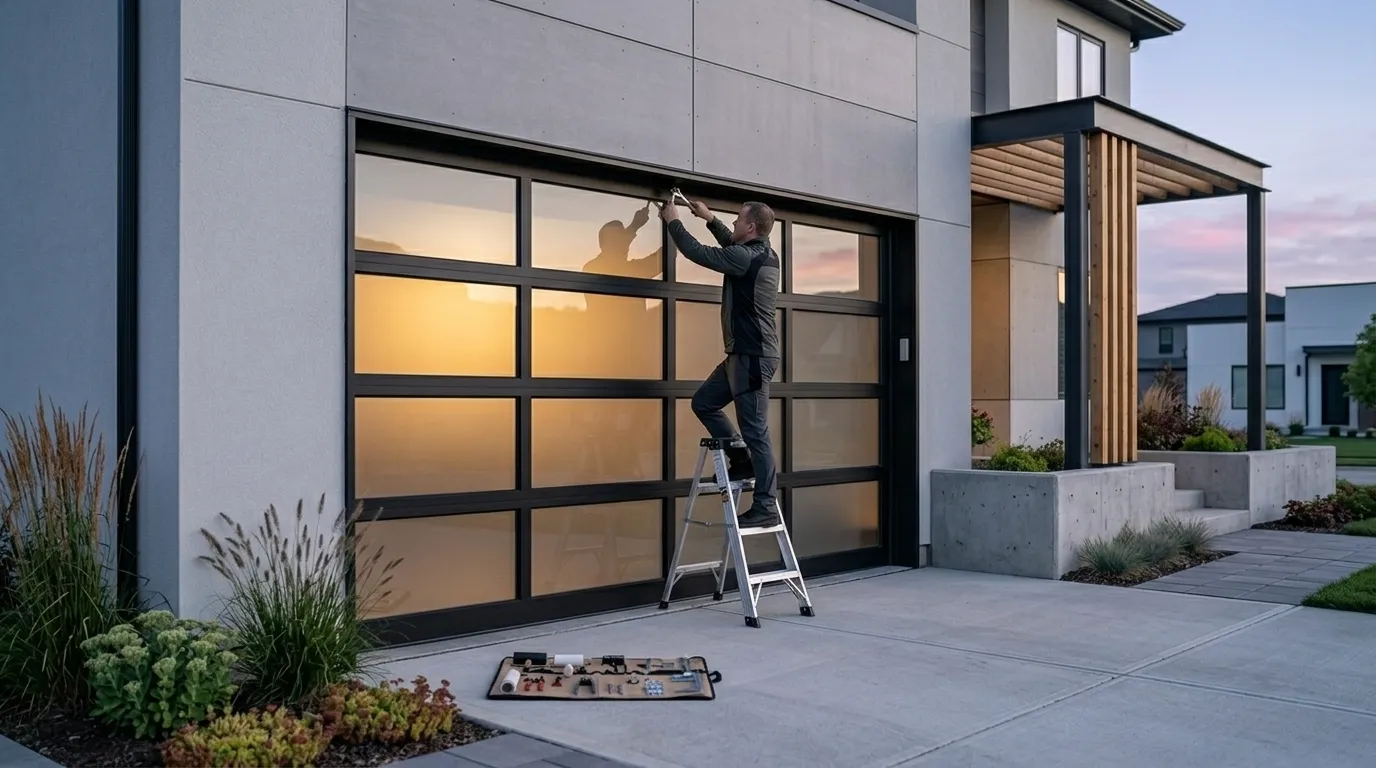
Murphy sits about 18 miles from our shop in Dallas, which is a real drive, not a quick hop across a couple of neighborhoods. That distance changes how a call here has to work: we're not swinging by on the way to another job, so when we book a Murphy repair, we build the truck for it - right springs, right size opener parts, right sensor kit for the door type we expect to find. What we don't do is guess and show up light. Most of the doors we see out this way are newer than what we pull off in the older Dallas neighborhoods closer to downtown, so the failure points are different too. A torsion spring on a 2005 double door isn't wearing out the same way as one on a 1990s door, and the opener logic boards are a different generation entirely. The drive means we plan the visit around what's actually broken, not around what's usually broken in a given decade of housing stock. That's less true in the older core of the service area and much more true out here, where the housing is newer and more uniform.
What You Pay
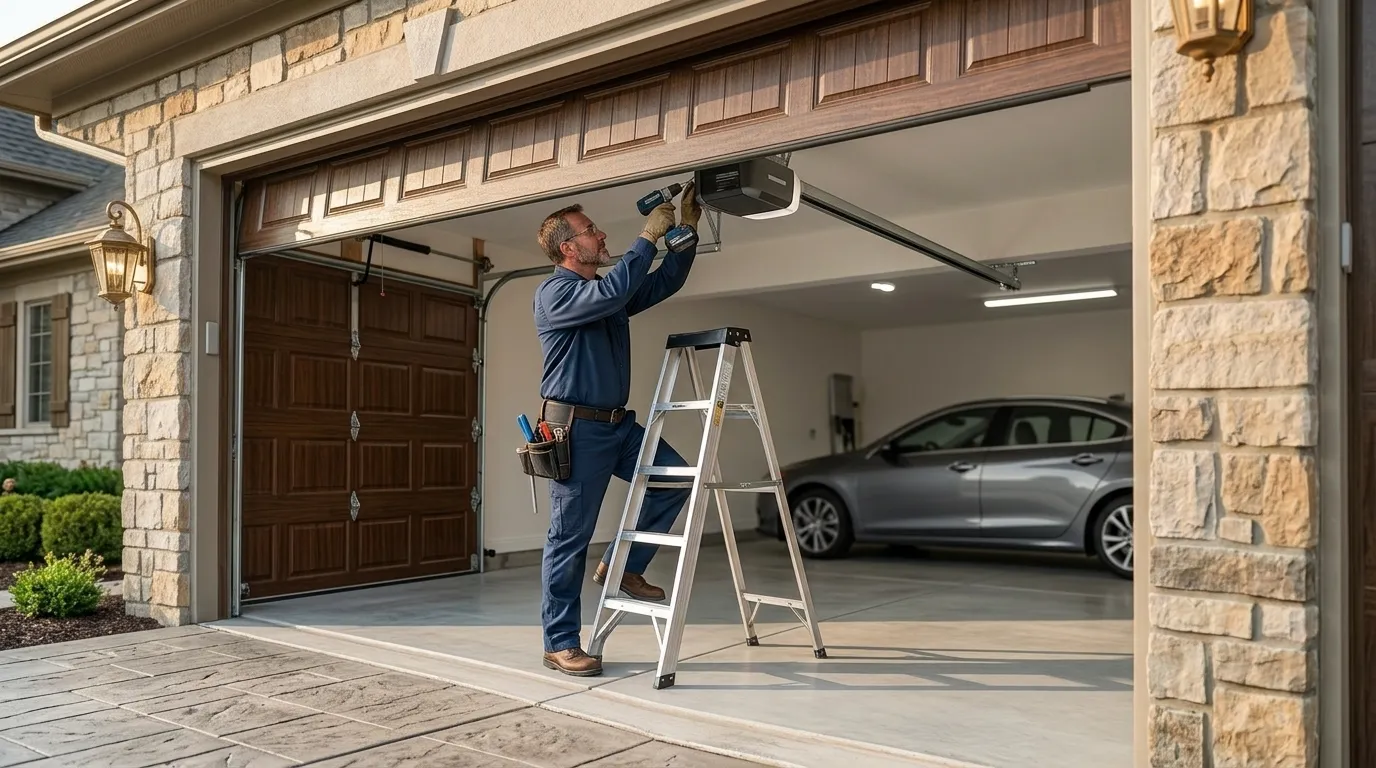
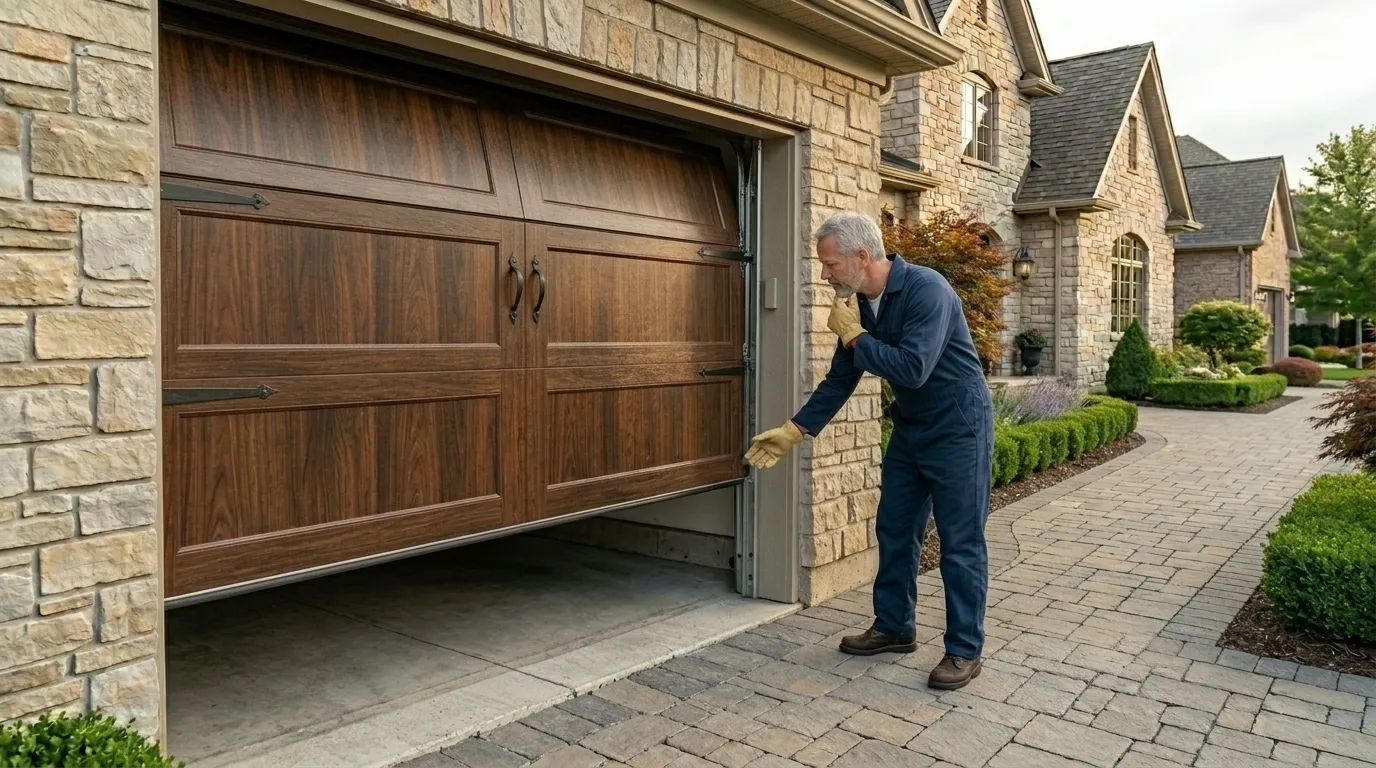
We don't have a published price sheet specific to Murphy, and giving you a number without seeing the door would be a guess dressed up as a fact. What we can tell you is the shape of the area: Murphy has about 5,907 households and a median income around $165,109, well above the roughly $83,256 median across the full service area. That doesn't set your repair price, but it does mean the doors and openers going in here tend to be mid-to-upper trim level rather than builder-basic, and parts for those cost more than the bargain hardware common in older, lower-cost housing stock. If your opener is a newer model with a wall control panel and battery backup, expect the part itself to run higher than a bare bones chain-drive replacement. Ask for the number before the truck rolls, not after.
What Causes It Around Here
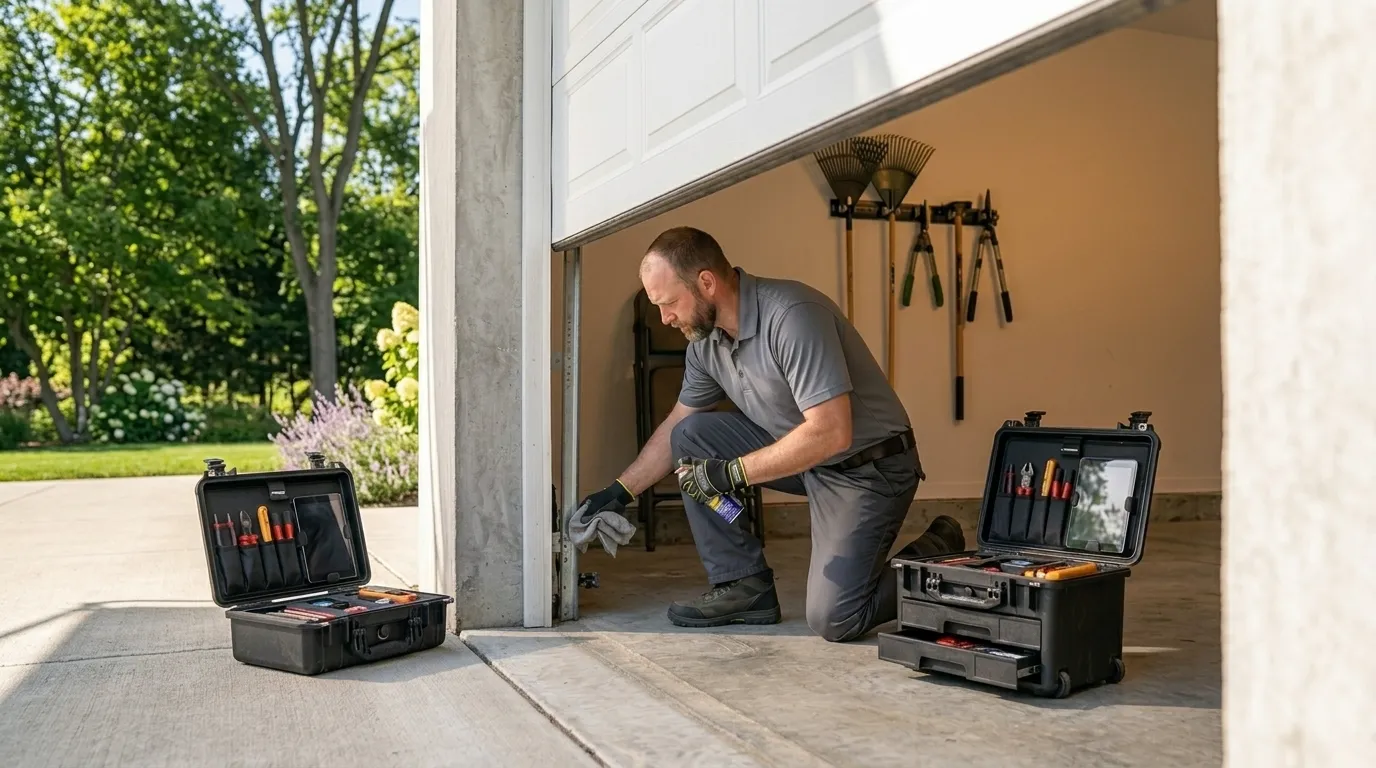
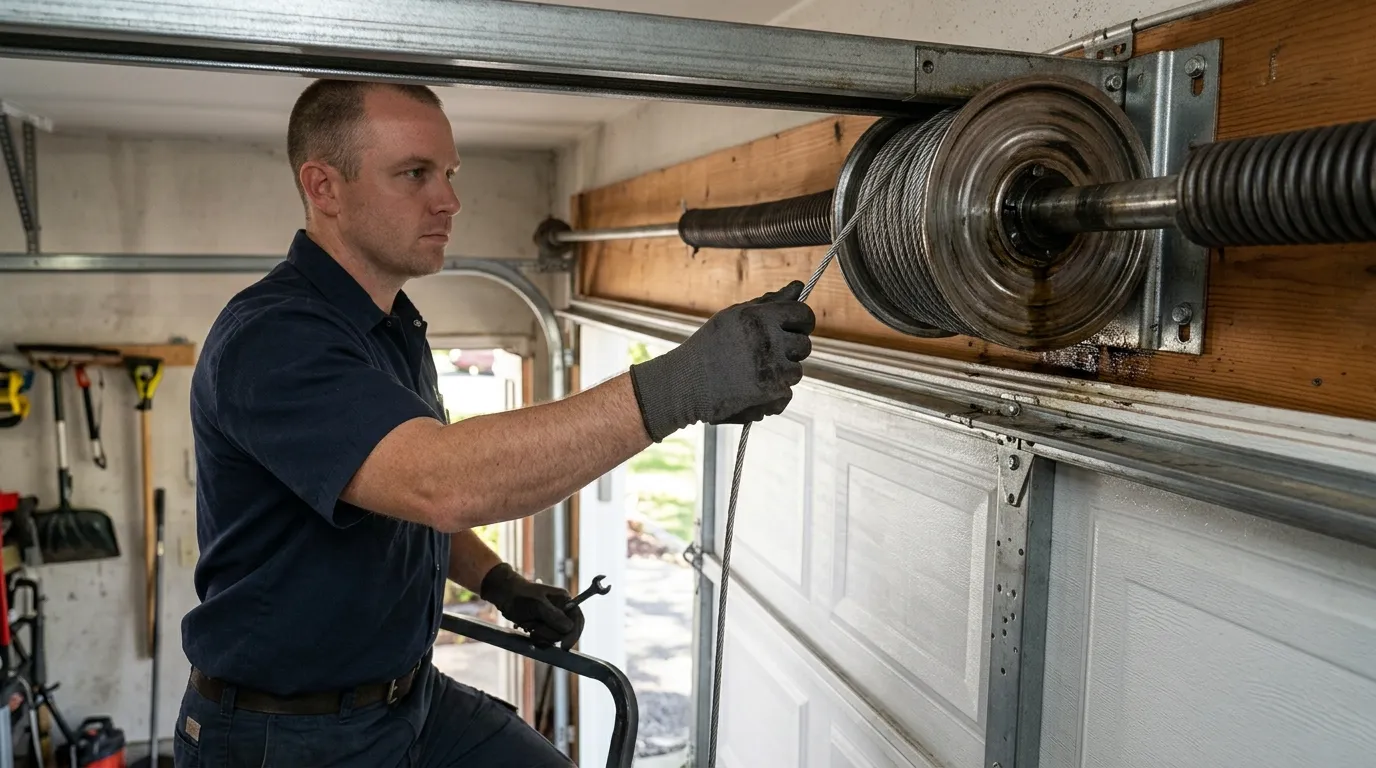
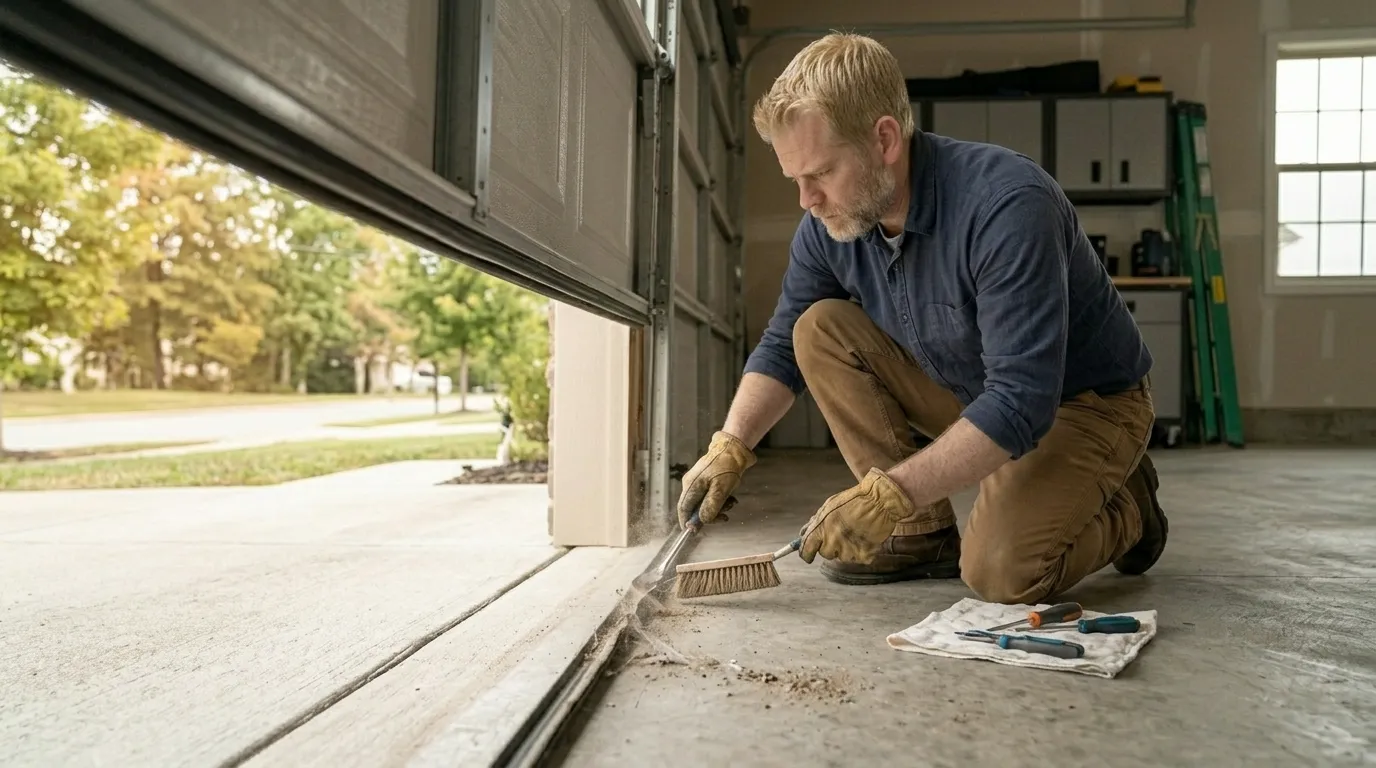
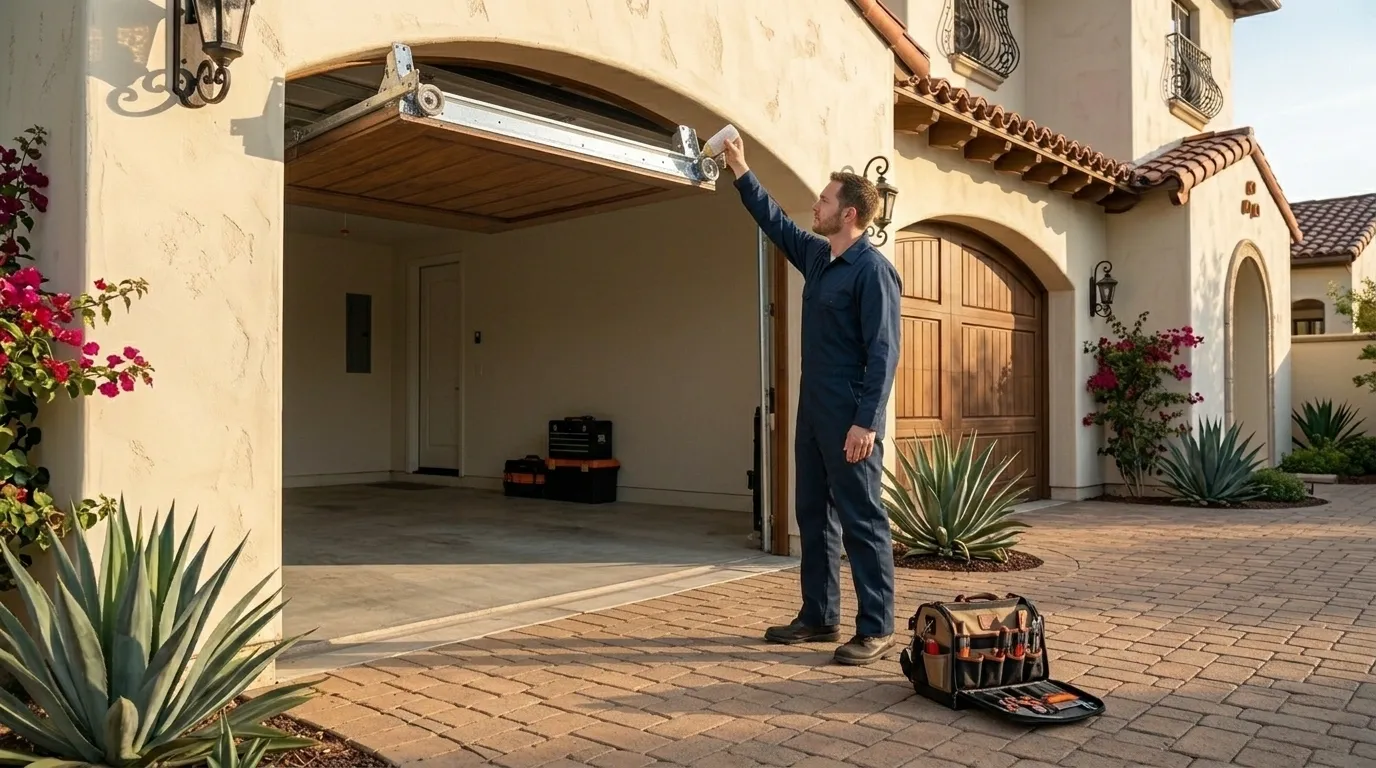
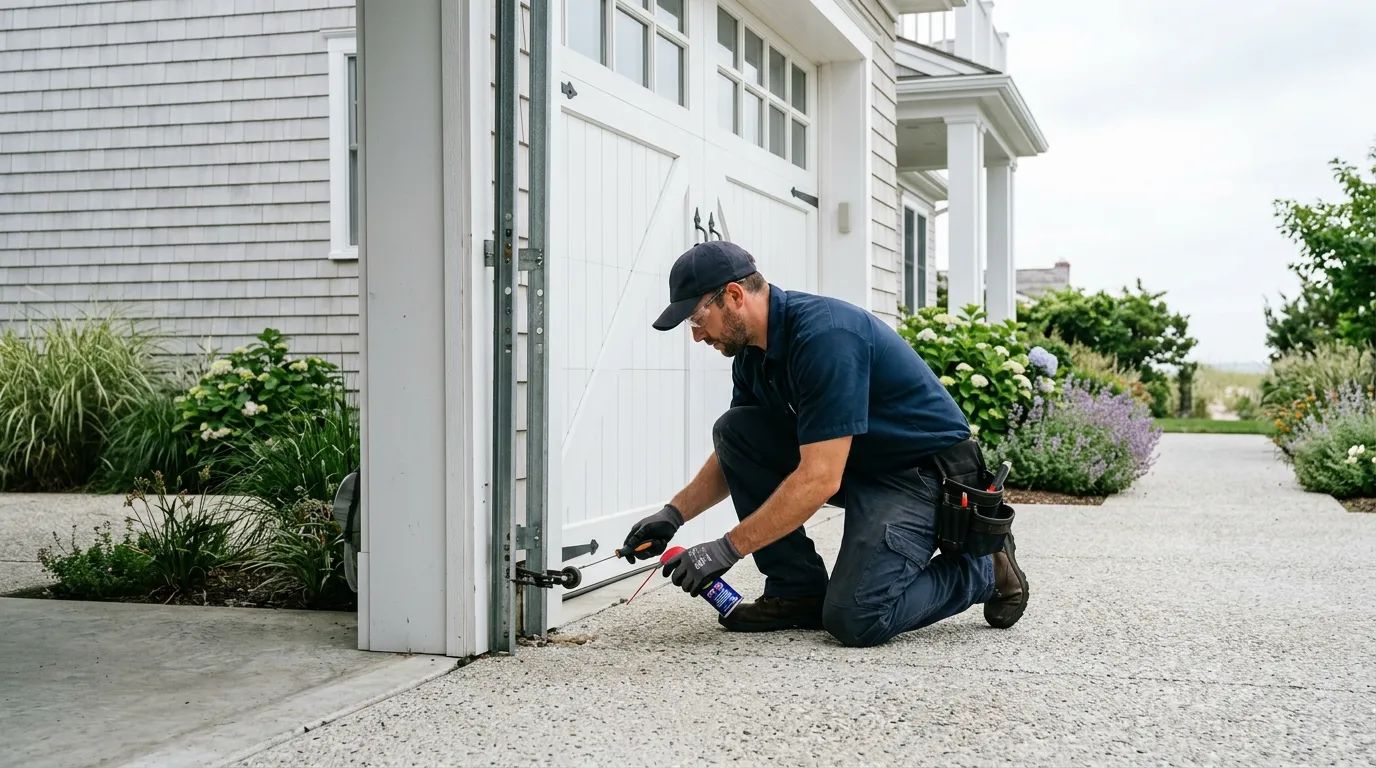
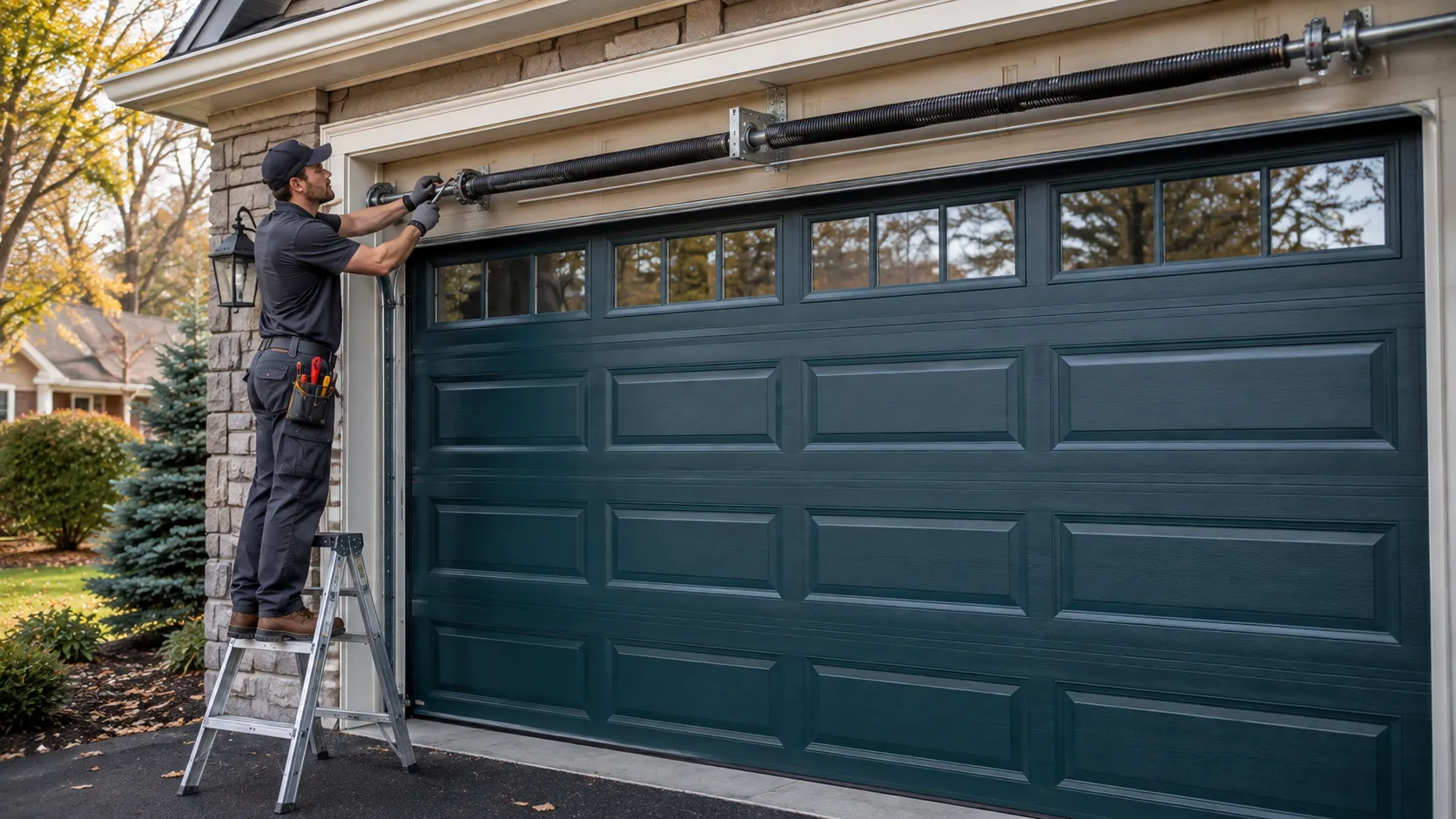
Newer construction means newer failure modes. A house built in 2005 with the original torsion spring is now old enough that the spring is due, but the rest of the hardware - track, rollers, drum - is usually still in decent shape underneath it, unlike an older door where everything is worn at once. Heat is the other factor: this area sits in a moderate heat climate band, which is kinder to steel cable and spring coating than the harsher heat zones, but summer heat still dries out lubricant on rollers and hinges faster than most owners expect, and a dry track is what turns a quiet door into a squealing one. We're covering a service area with 165,955 households and 80,920 owner-occupied houses total, spread across housing built anywhere from 1973 to 2007, so we see a wide range - but a Murphy call skews toward the newer end of that range, and the fixes skew toward springs, sensors, and opener electronics rather than structural rust or warped panels.
Can You Do This Yourself
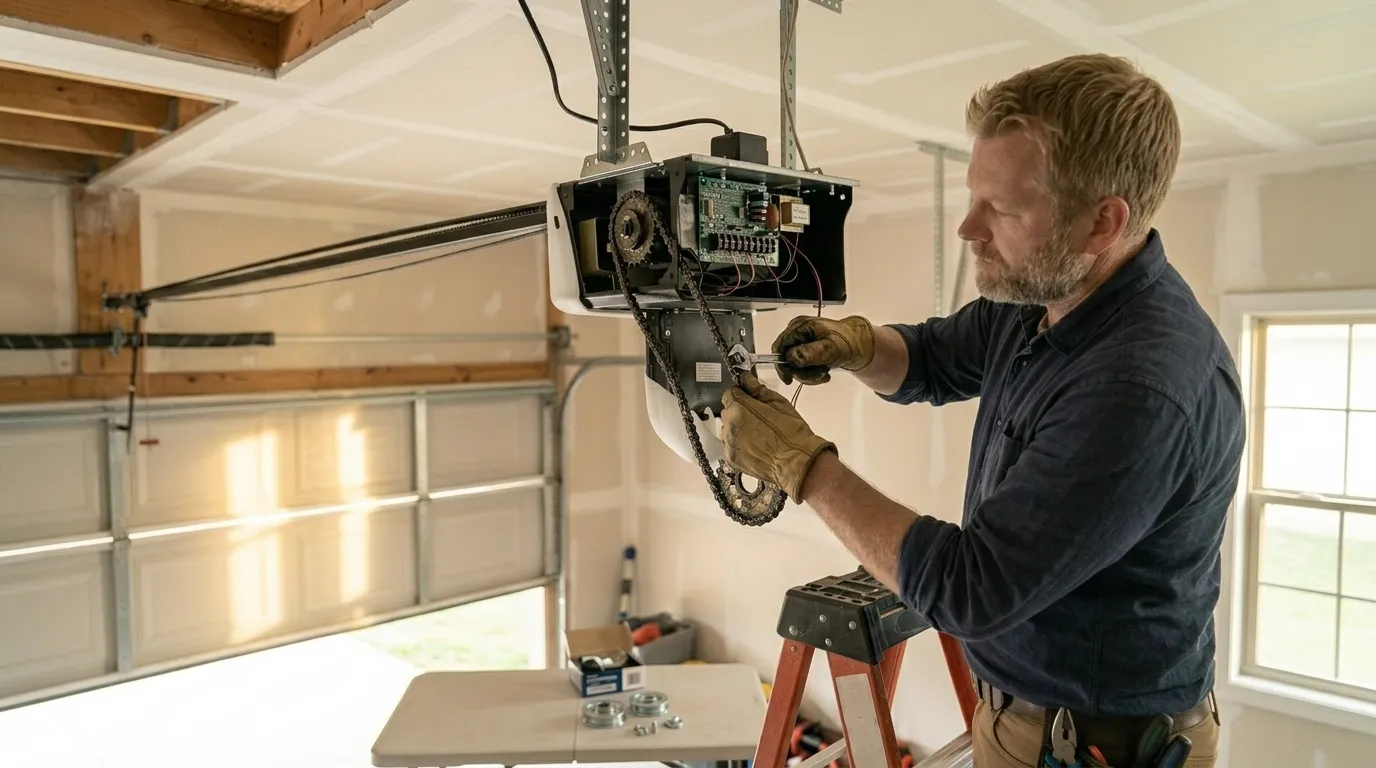
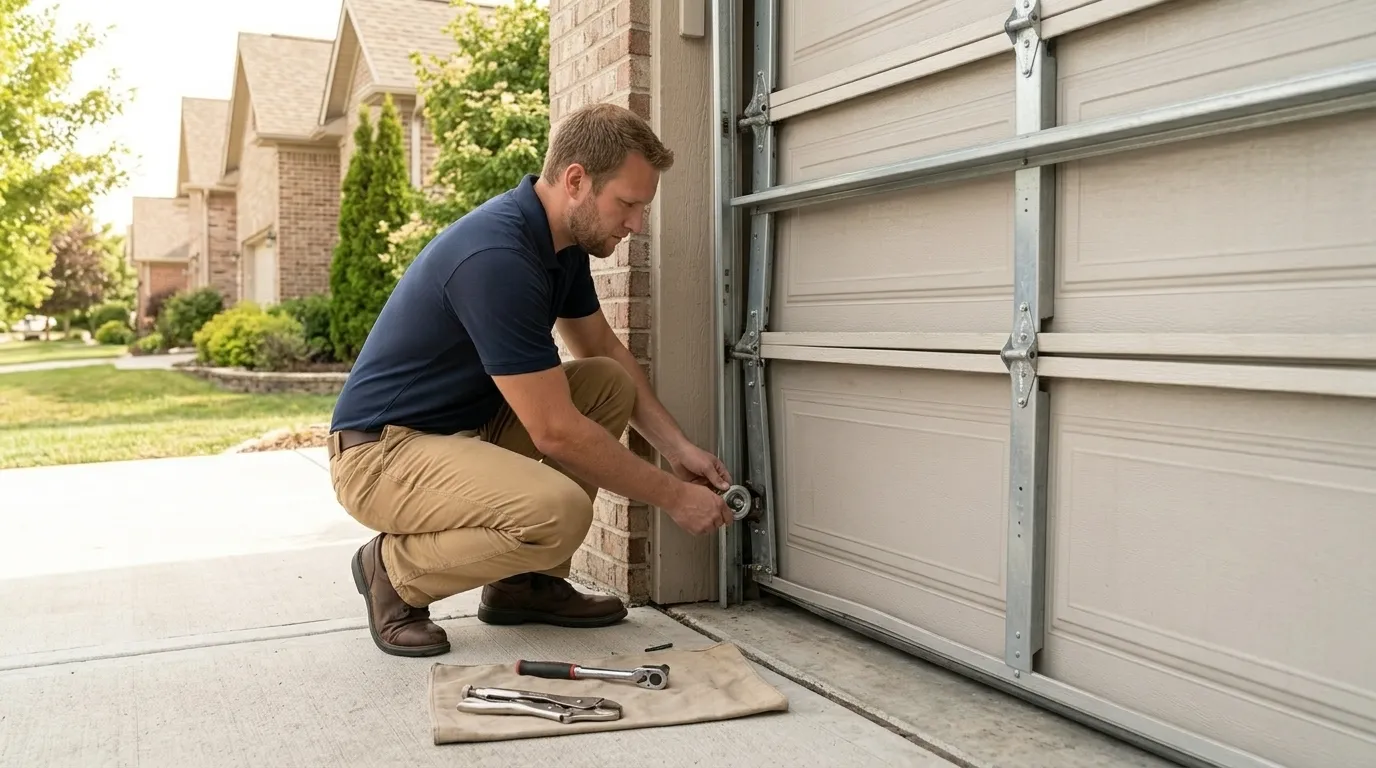
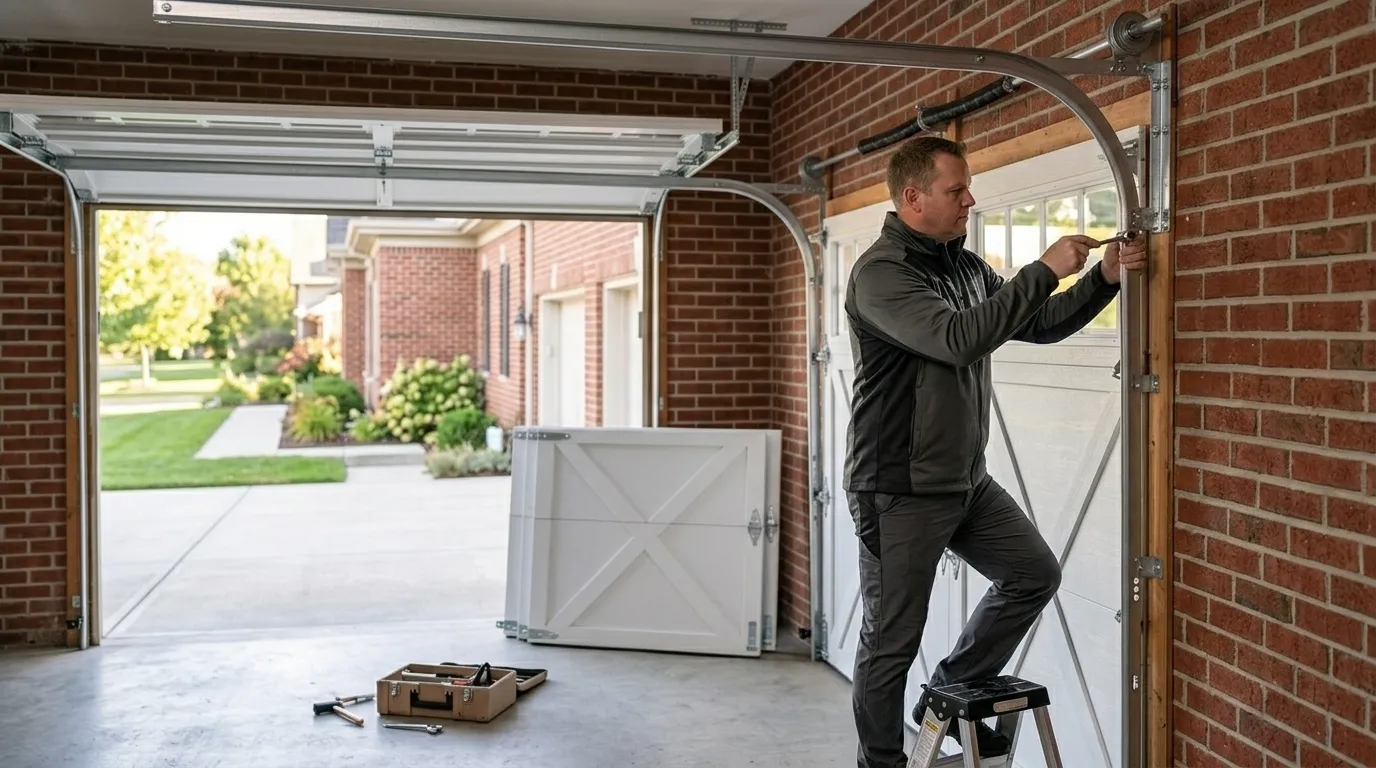
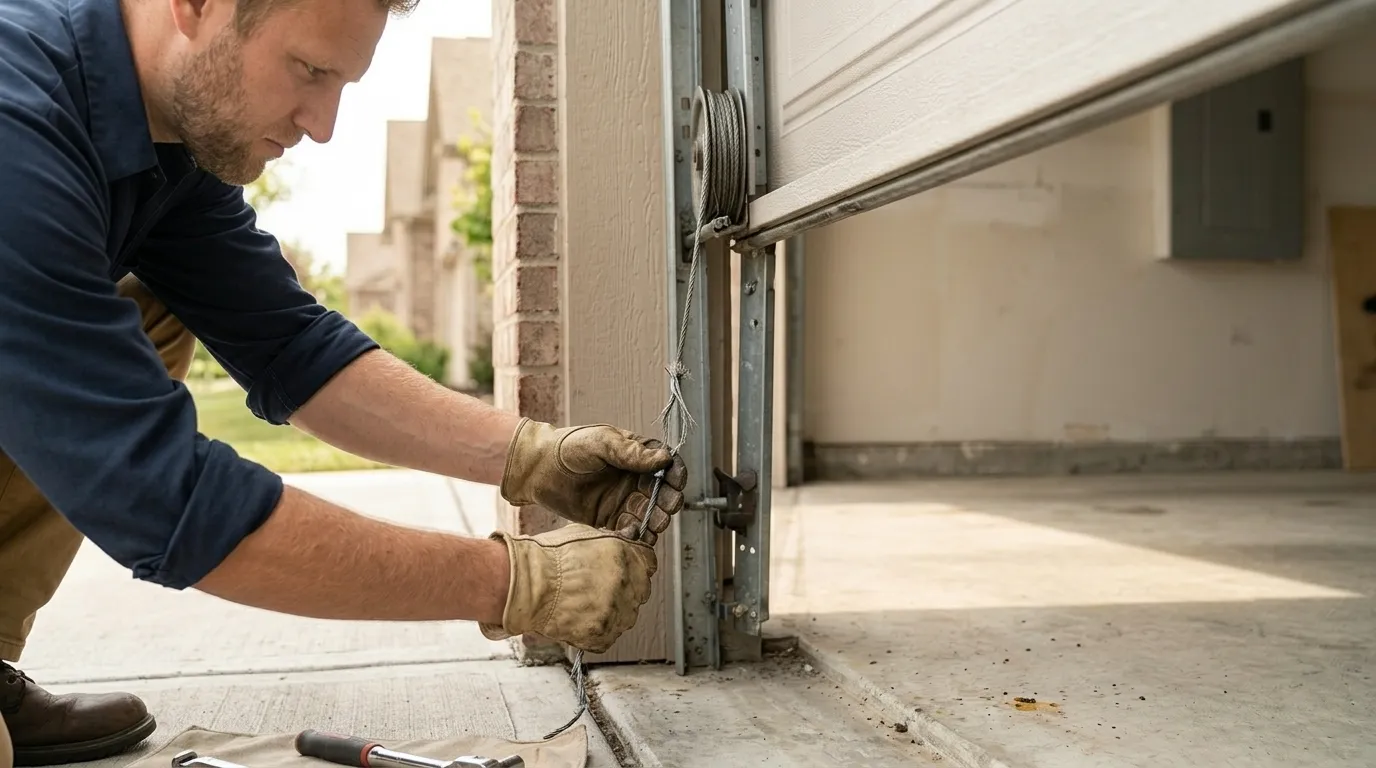
Realigning a photo-eye sensor or tightening a loose bracket is something most owners can handle with the door unplugged and a little patience. Replacing a torsion spring is not - that spring is under enough tension to break a bone or worse if you don't have the right winding bars and a clear idea of what you're doing, and we won't talk you through doing it yourself over the phone. If your opener is throwing an error code you don't recognize on a unit that's still under manufacturer warranty, call the manufacturer first; we can't honor a warranty we didn't sell. Beyond that, if the door is reversing, straining, or making a new noise, it's a call, not a project.