What Was Built Here
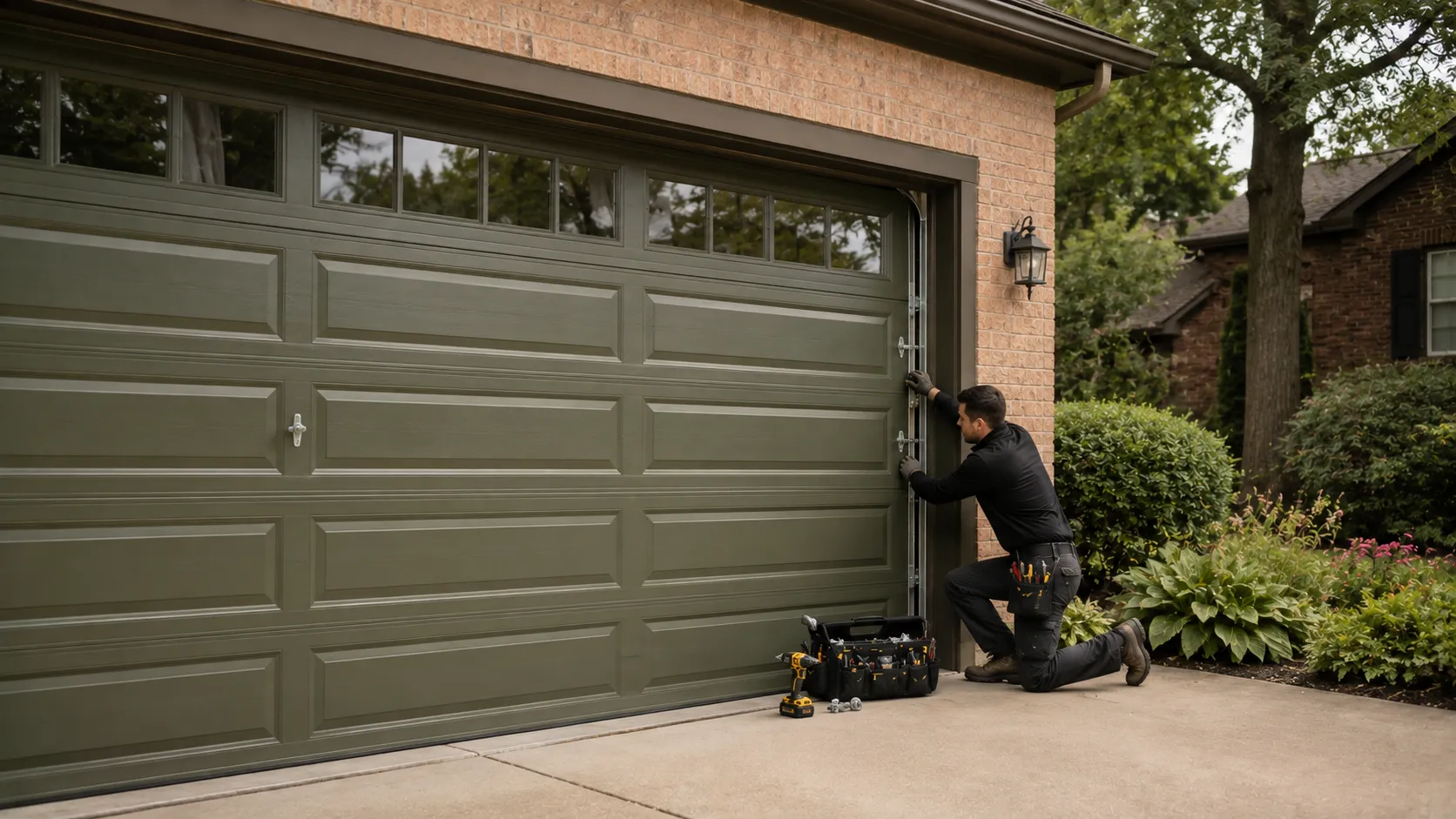
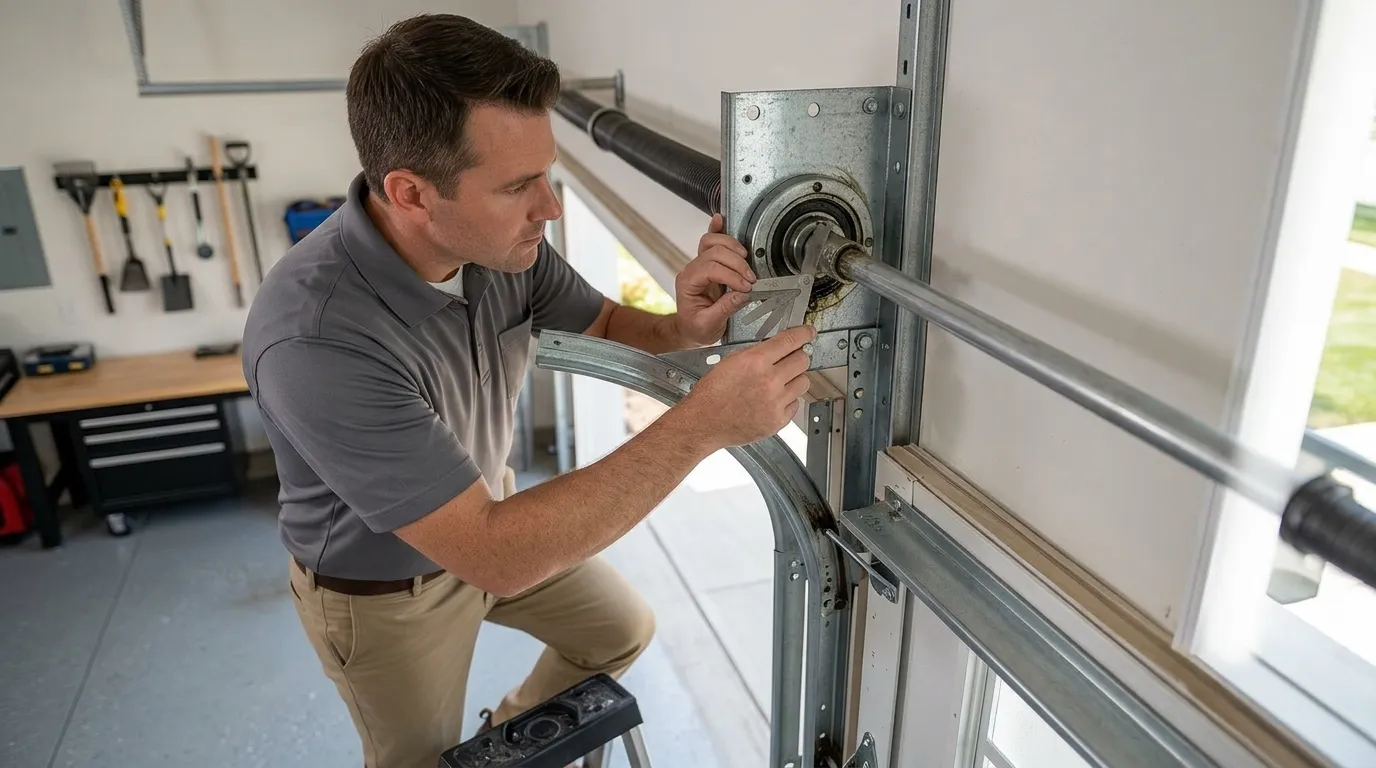
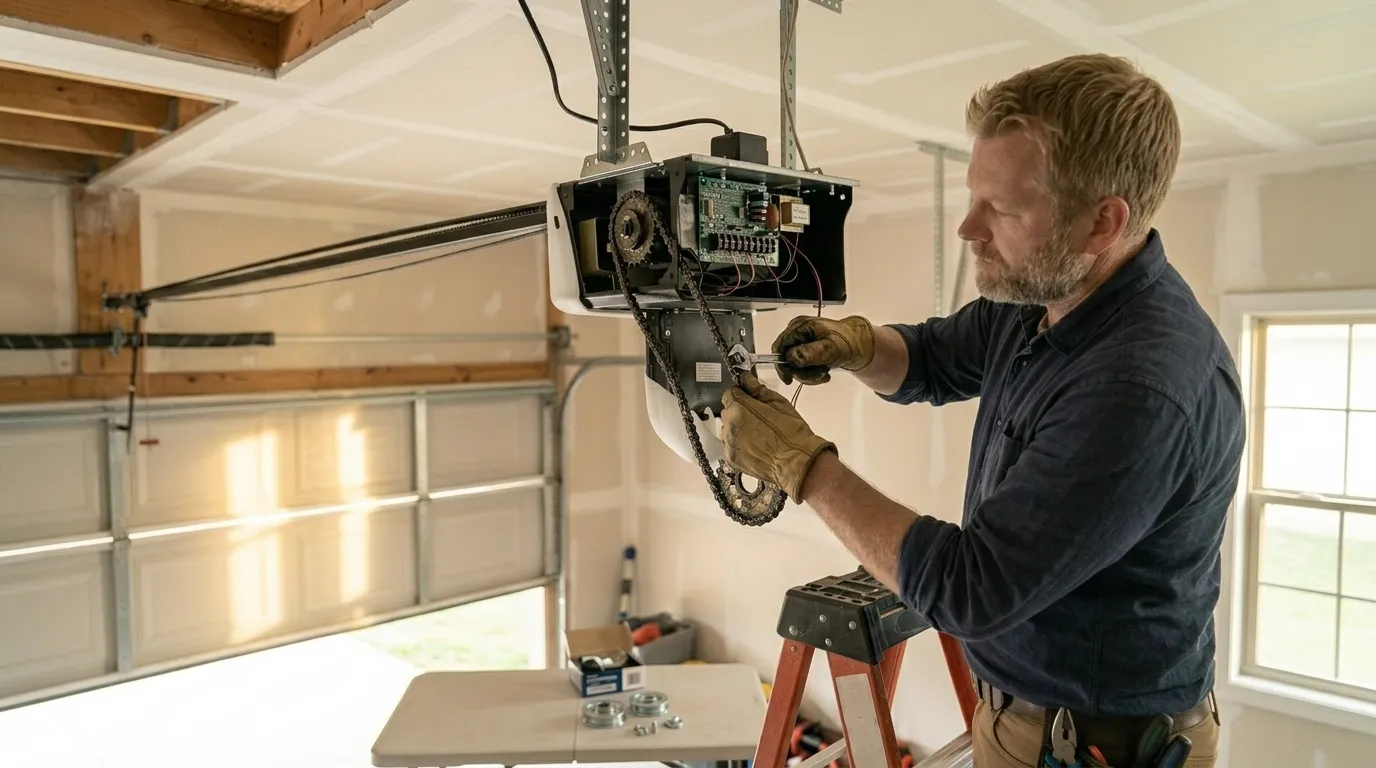
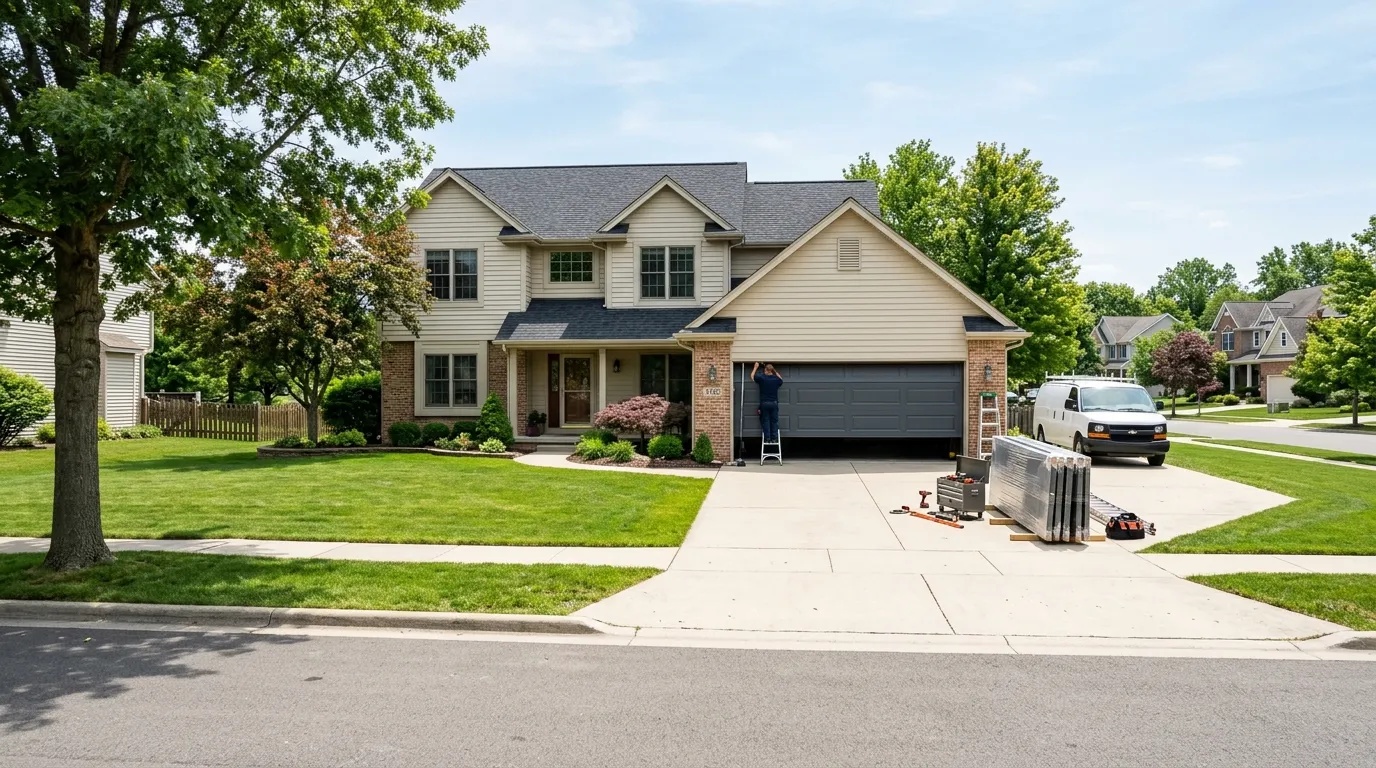
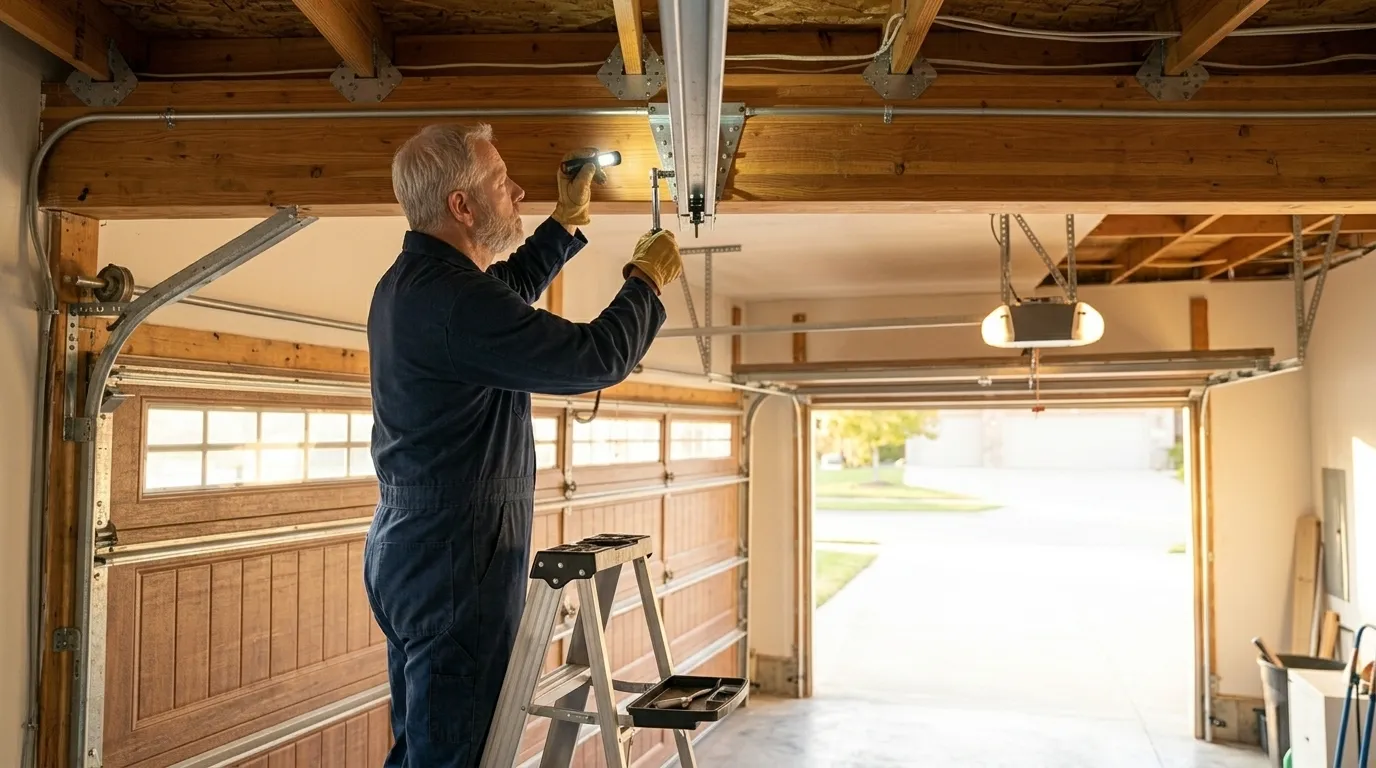
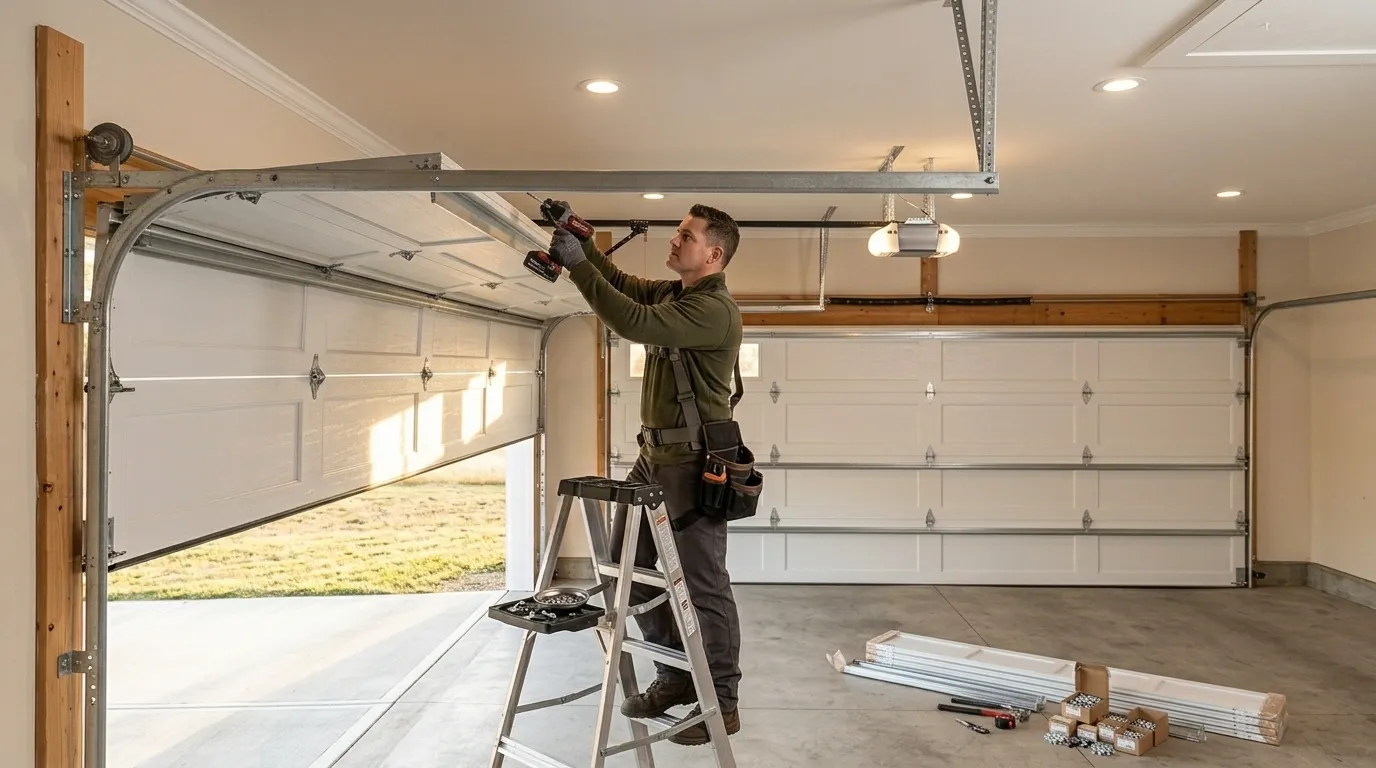
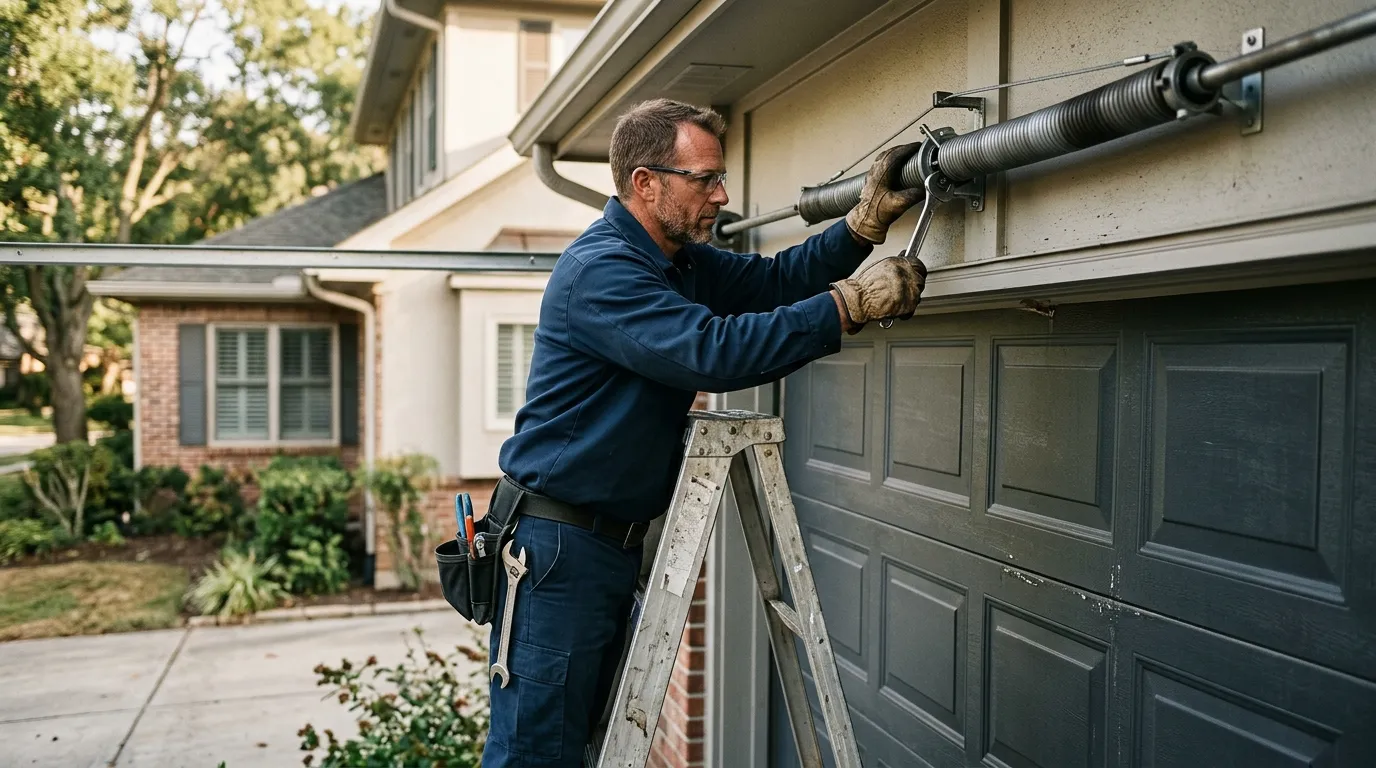
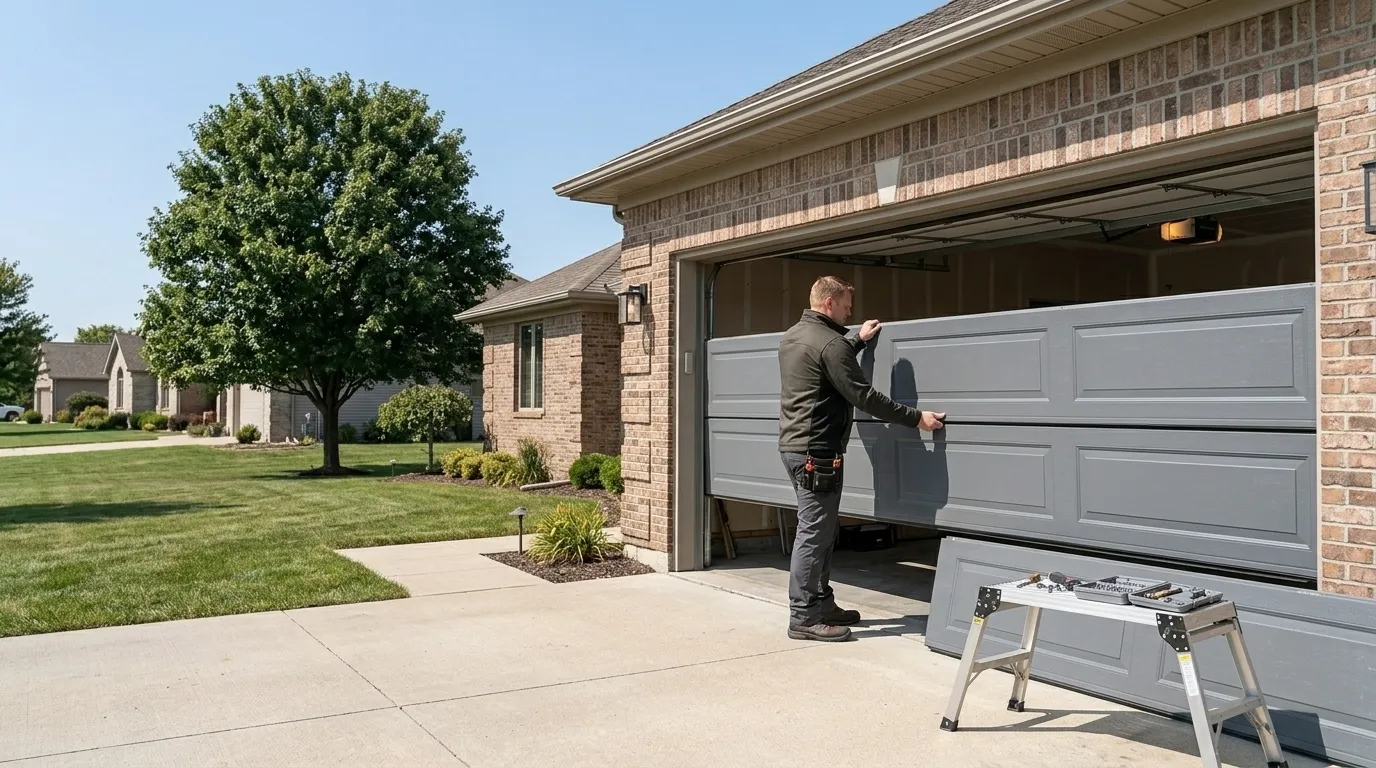
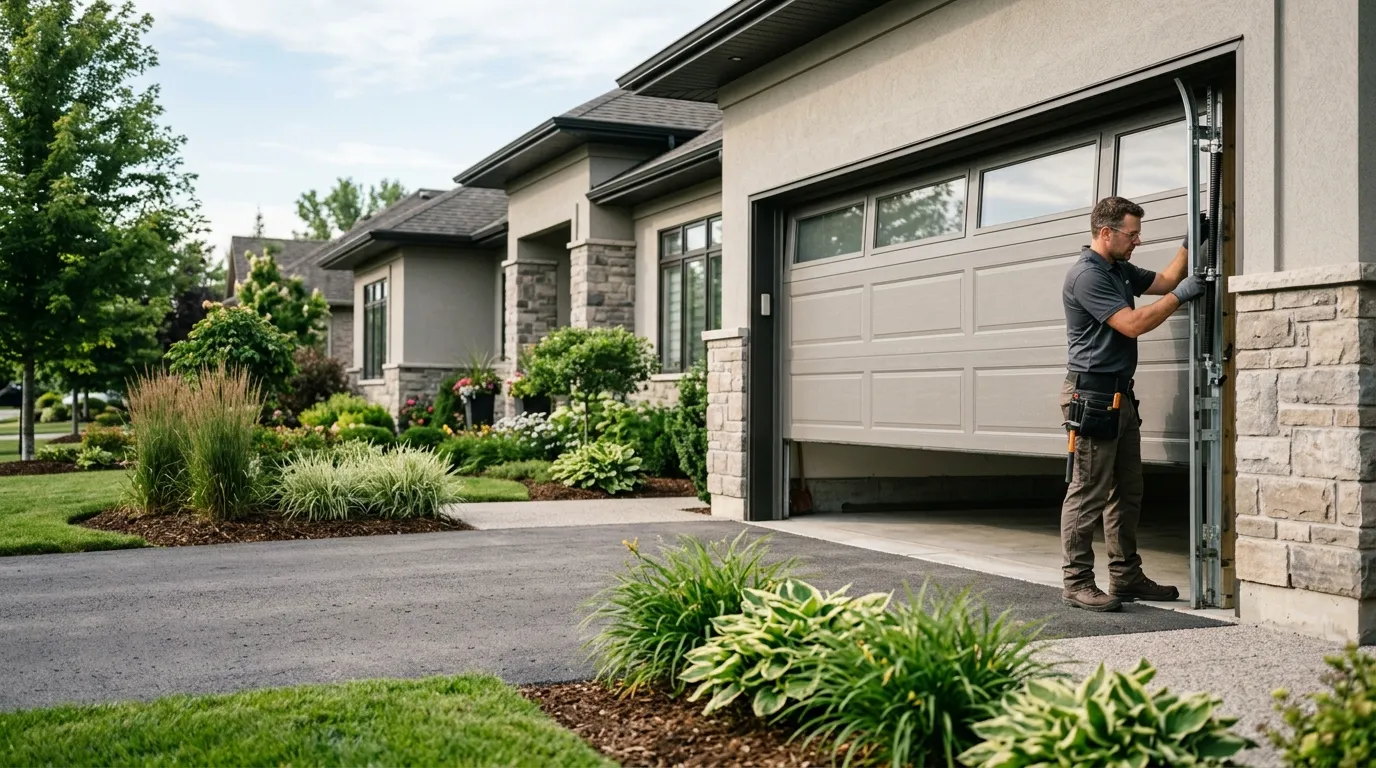
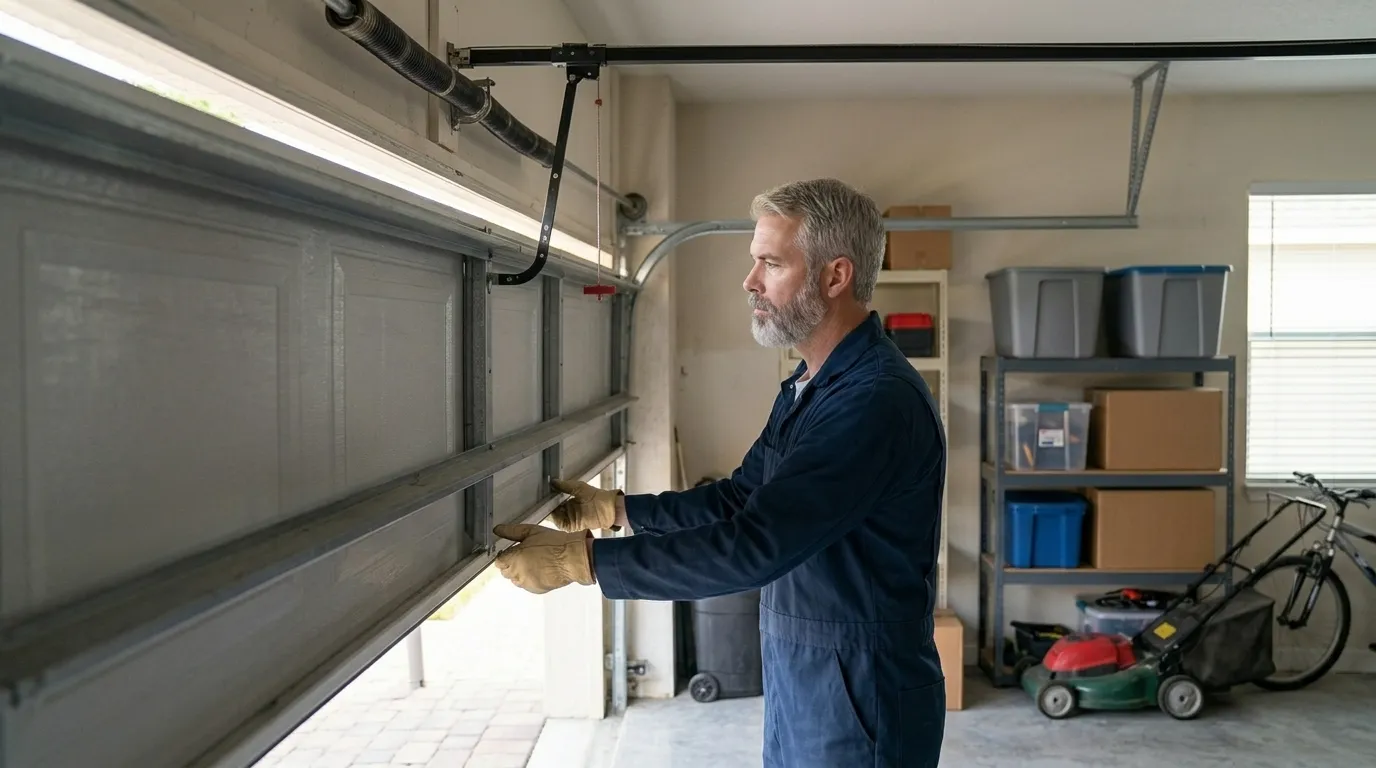
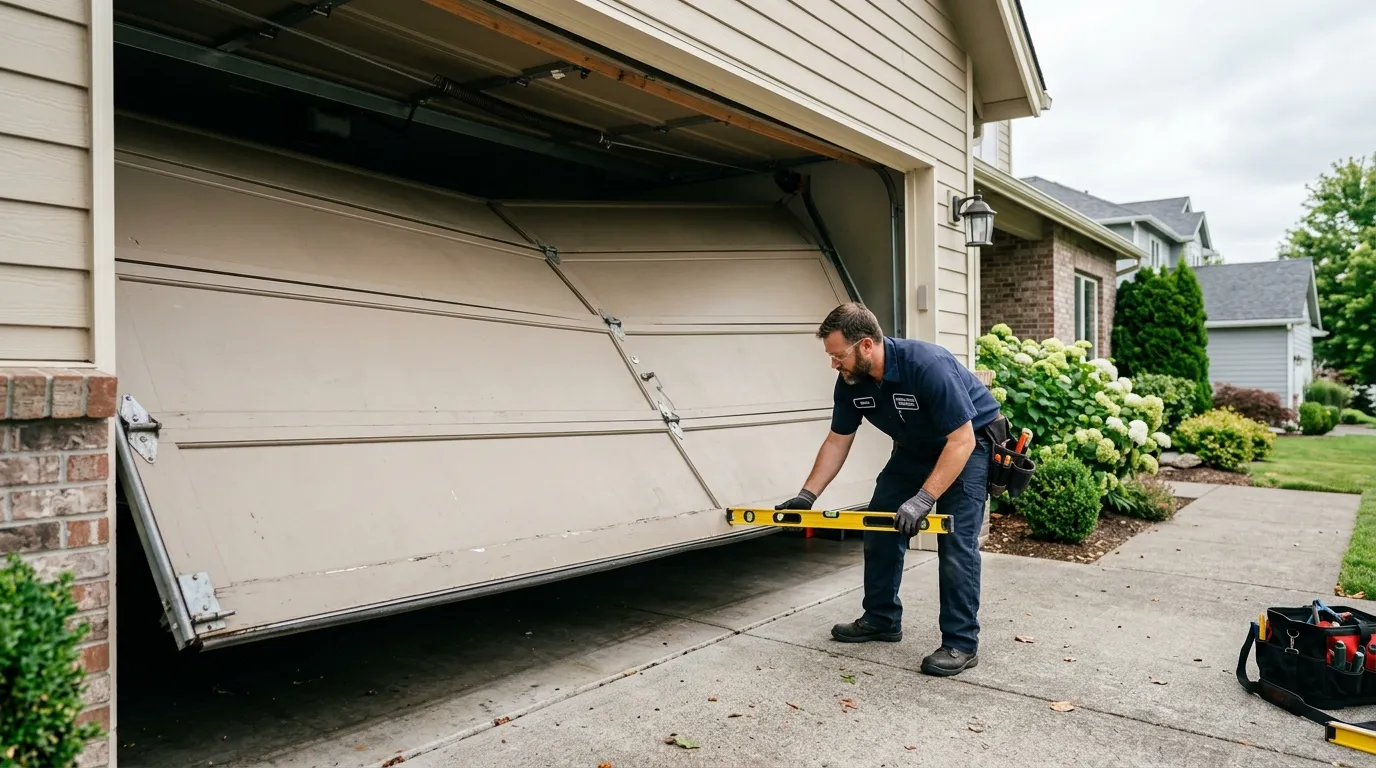
DeSoto's housing stock centers on a median build year of 1993, which puts it right in line with the wider service area we cover out of Dallas, where homes went up mostly between 1973 and 2007. That matters more than it sounds like it should. A house from 1993 almost always shipped with a steel raised-panel door on a standard torsion spring setup above the opening, not the older side-mounted extension springs you find in pre-1970s construction. The opener is usually a chain-drive unit from whatever brand the builder had a deal with that year, and by now most of those original openers are on borrowed time even if the door itself still looks fine. We don't find much variation street to street in DeSoto the way you sometimes do in older, patchwork parts of Dallas proper - the build-out here happened in a fairly tight window, so the hardware problems tend to repeat house to house rather than vary.
Older vs Newer Streets
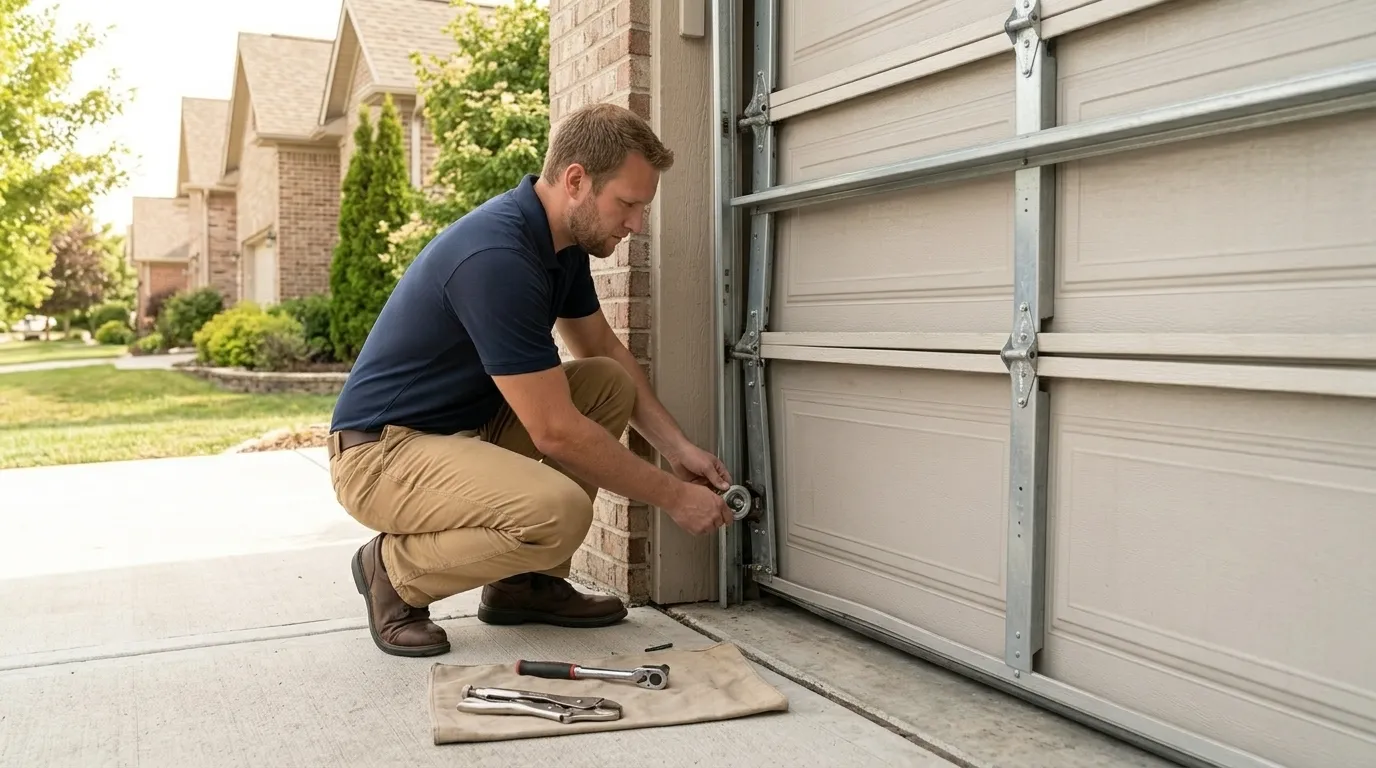
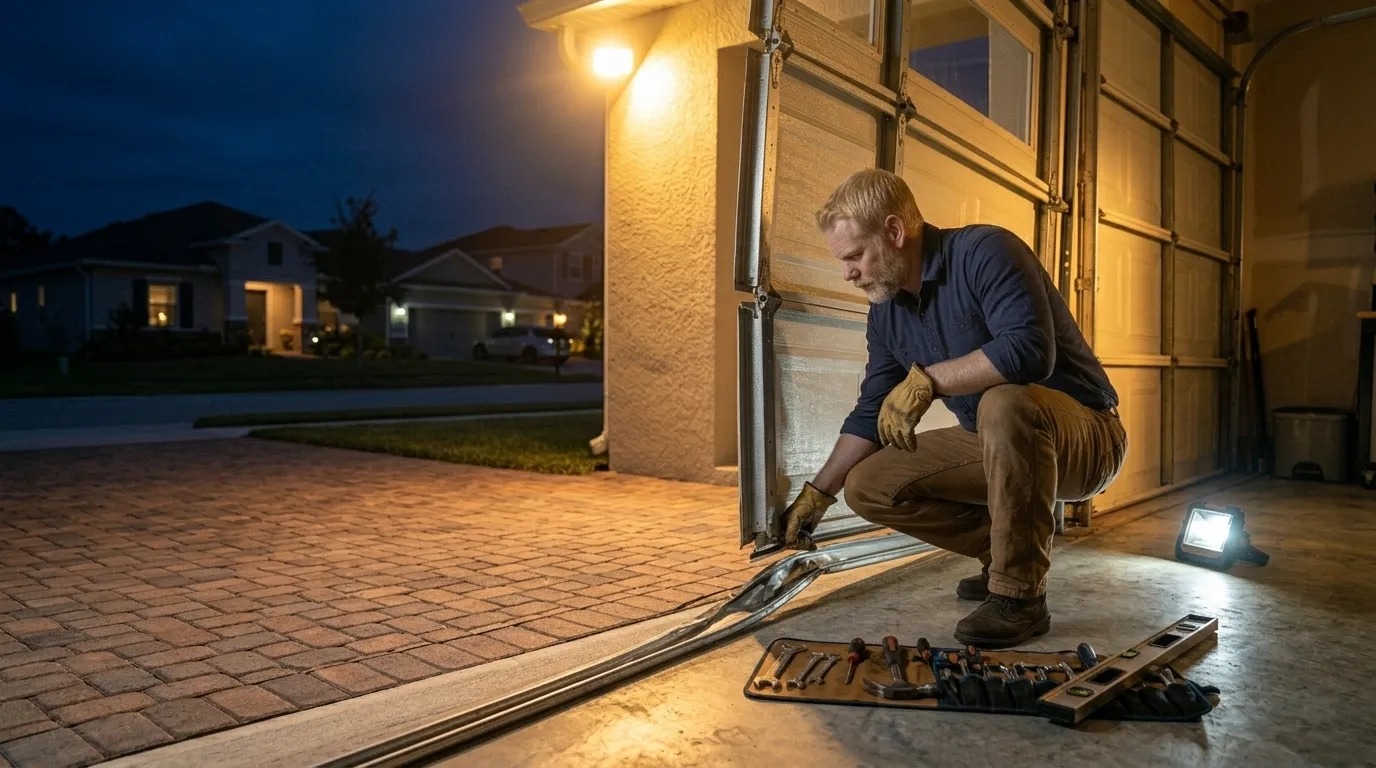
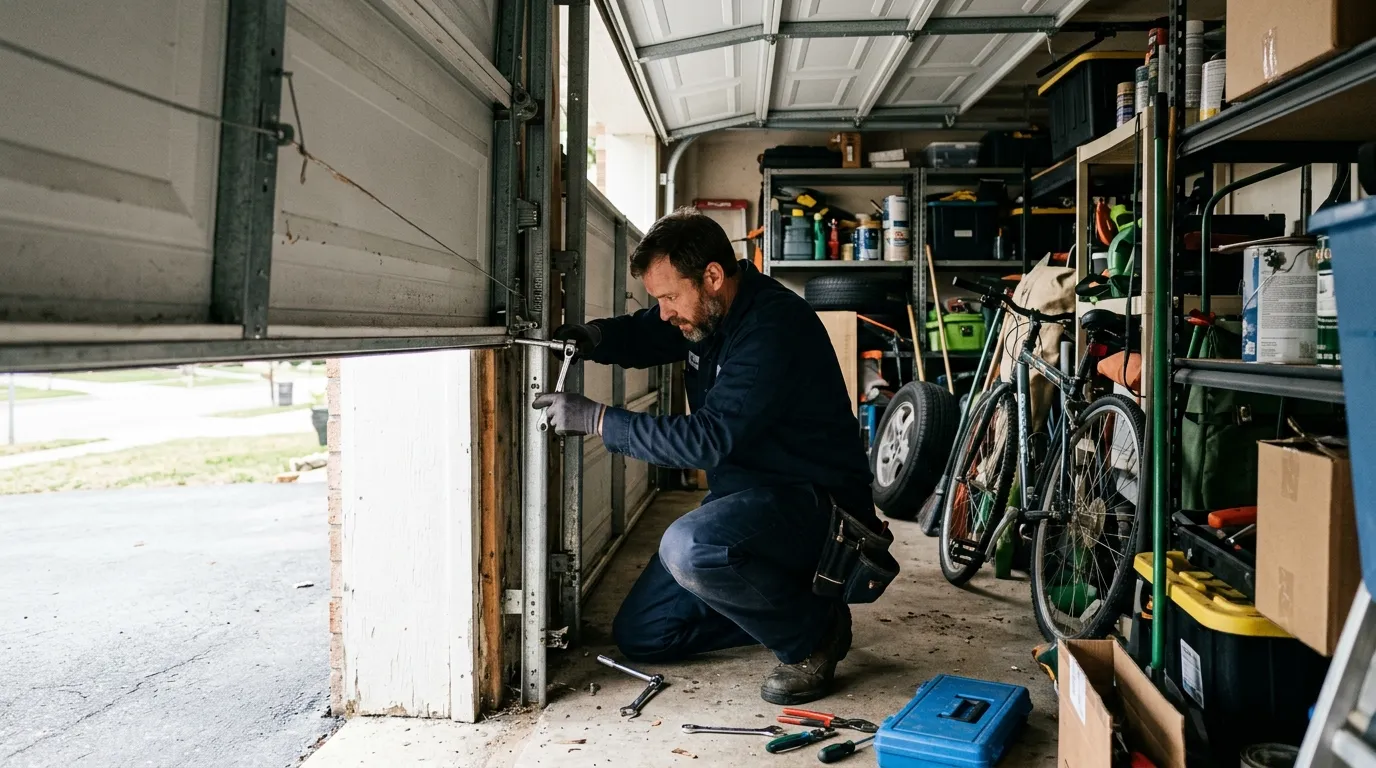
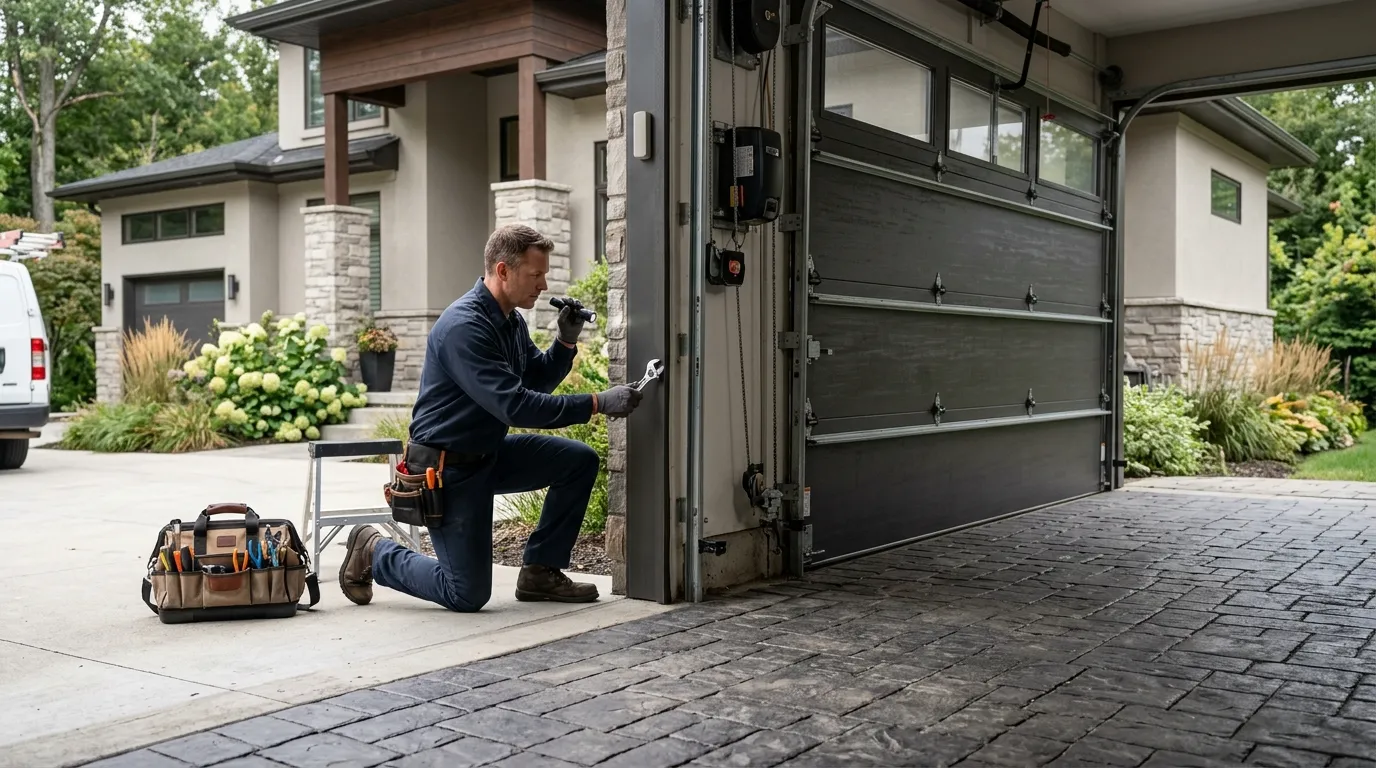
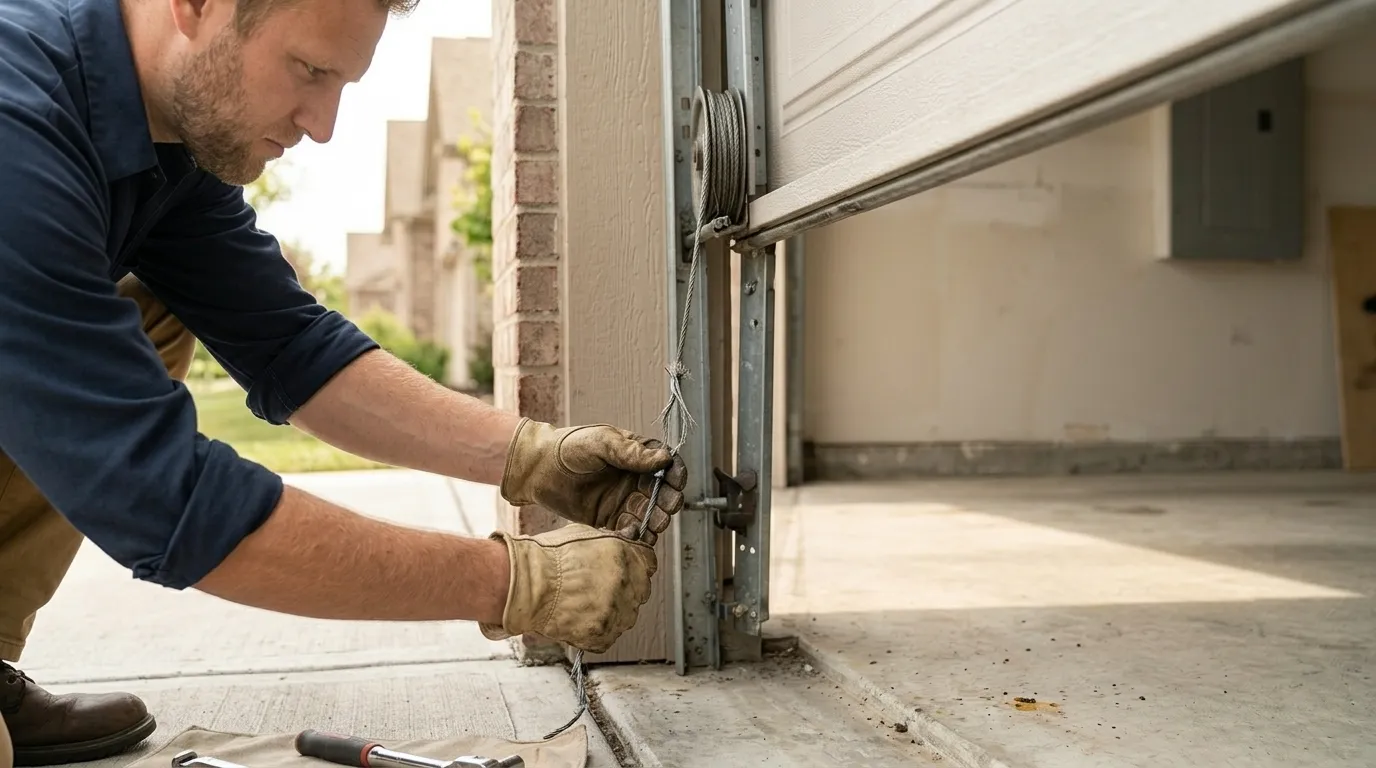
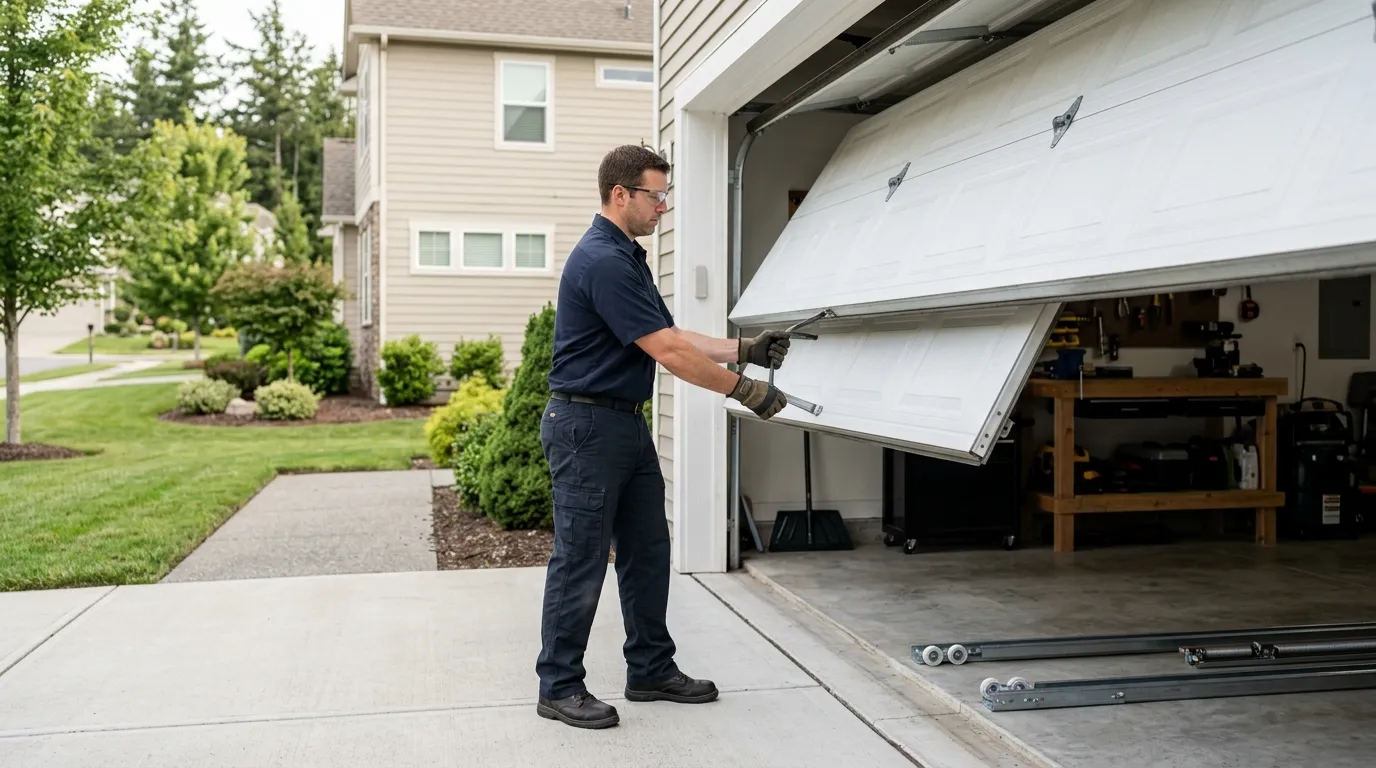
Because DeSoto's construction clustered so heavily around the early-to-mid 1990s, you don't get the wide split between pre-war bungalows and postwar ranch stock that shows up closer to Dallas neighborhoods. What you do get is a narrower band: original 1990s-era doors that are now over thirty years old, and a smaller set of newer builds or replacement doors installed since. The older end of that range is where we see cracked hinges, rollers worn oval instead of round, and torsion springs that have simply outlasted their rated cycle count. The newer end tends to have composite or insulated steel doors with fewer structural complaints but more opener-electronics issues - circuit boards, safety sensors knocked out of alignment. If your house dates to the early 1990s build wave, the spring is worth checking even if the door still opens fine.
What That Means for Doors
With a median build year of 1993 across roughly 20,975 households in DeSoto, and a median household income of $83,256, most of what we're called out for here is age catching up with original hardware rather than storm damage or extreme heat cycling - the moderate heat band this part of Texas sits in doesn't stress door components the way sustained extreme heat or heavy freeze-thaw would elsewhere. Expect torsion springs nearing or past their cycle life, chain-drive openers that have started grinding, and rollers that need replacing before they crack a track. Full replacement makes more sense than repeated repair once you're replacing the opener and the springs in the same visit - patching one part of a thirty-year-old system while leaving the rest tends to just move the next failure a few months down the road.