How Local Conditions Play In
Across the Dallas service area, the housing stock runs from 1973 to 2007, with the median build year sitting around 1993. That's a long stretch of construction, but it shares one thing: almost none of it was built when insulated garage doors were the default. A single steel skin over an open frame was normal and cheap, and builders working across the 17 named areas we cover - from to Buckner Terrace to the pocket - used whatever the door supplier had on the truck that year. Insulation wasn't a selling point yet, let alone a code requirement.
That matters here because Dallas sits in a moderate-heat climate band, not a mild one. A garage attached to the house with a bare steel door acts like a box that absorbs afternoon sun and holds it. If the garage backs onto a bedroom or a laundry room, that heat load doesn't stay in the garage. Homeowners in the 1980s and 90s pockets we work in most - the bulk of the 17 areas - are living with doors that were never designed to manage that transfer, because nobody was asking them.
The Seasonal Bit
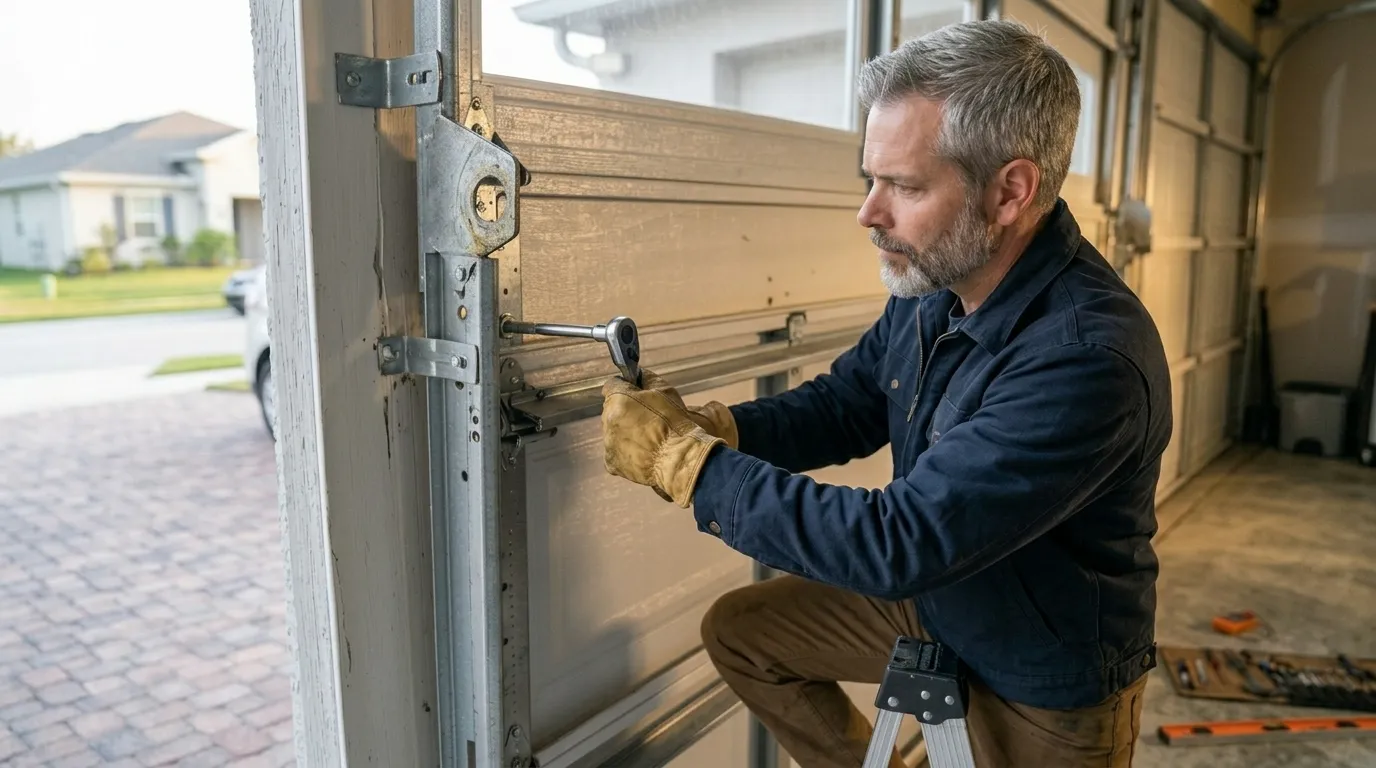
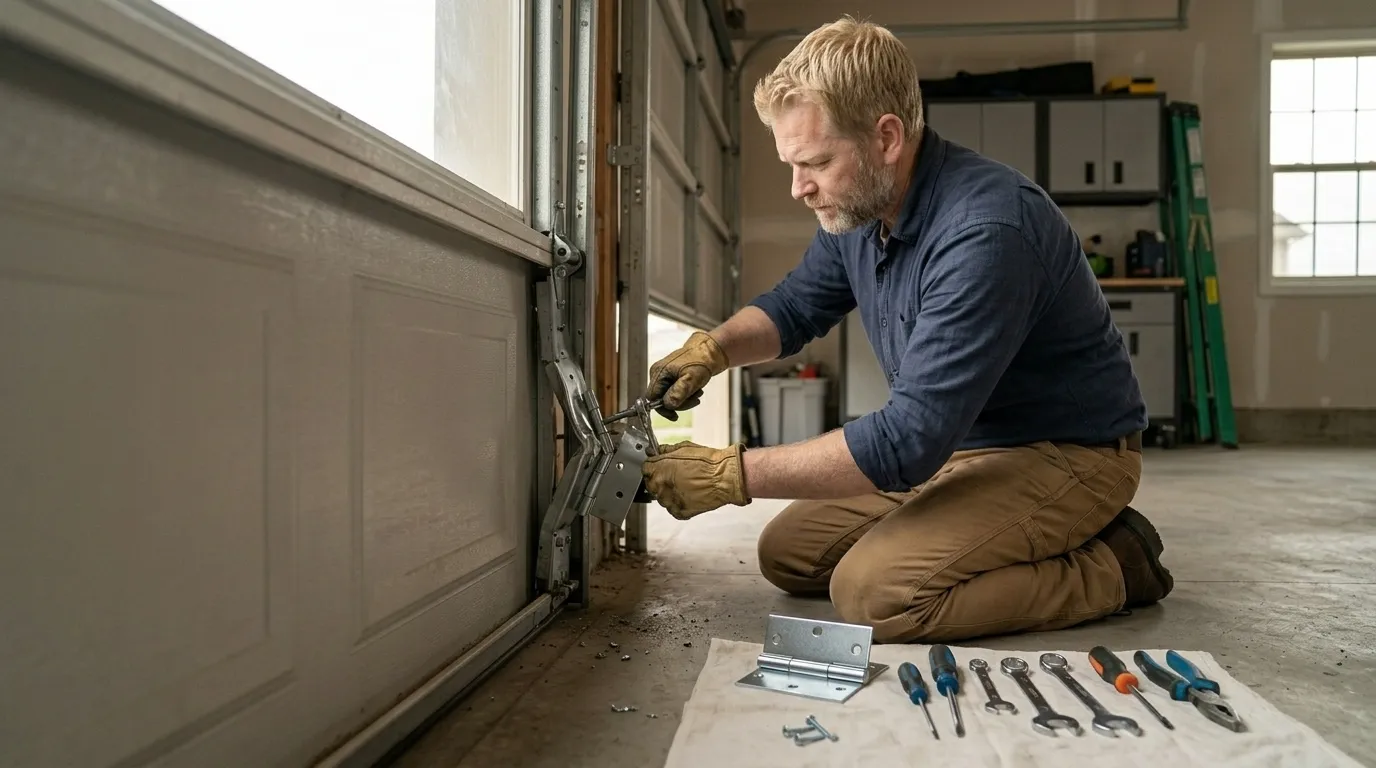
Dallas doesn't have a hard freeze season that cracks panels the way colder climates do, so the seasonal wear here shows up differently. It's heat cycling: steel expands during long stretches of afternoon sun, contracts overnight, and does that on repeat for months. On a door built in the 80s or 90s without insulation acting as a stabilizer, that cycling shows up as loosened hardware, hinges that walk out of their screw holes, and tracks that shift slightly out of plumb over a few summers.
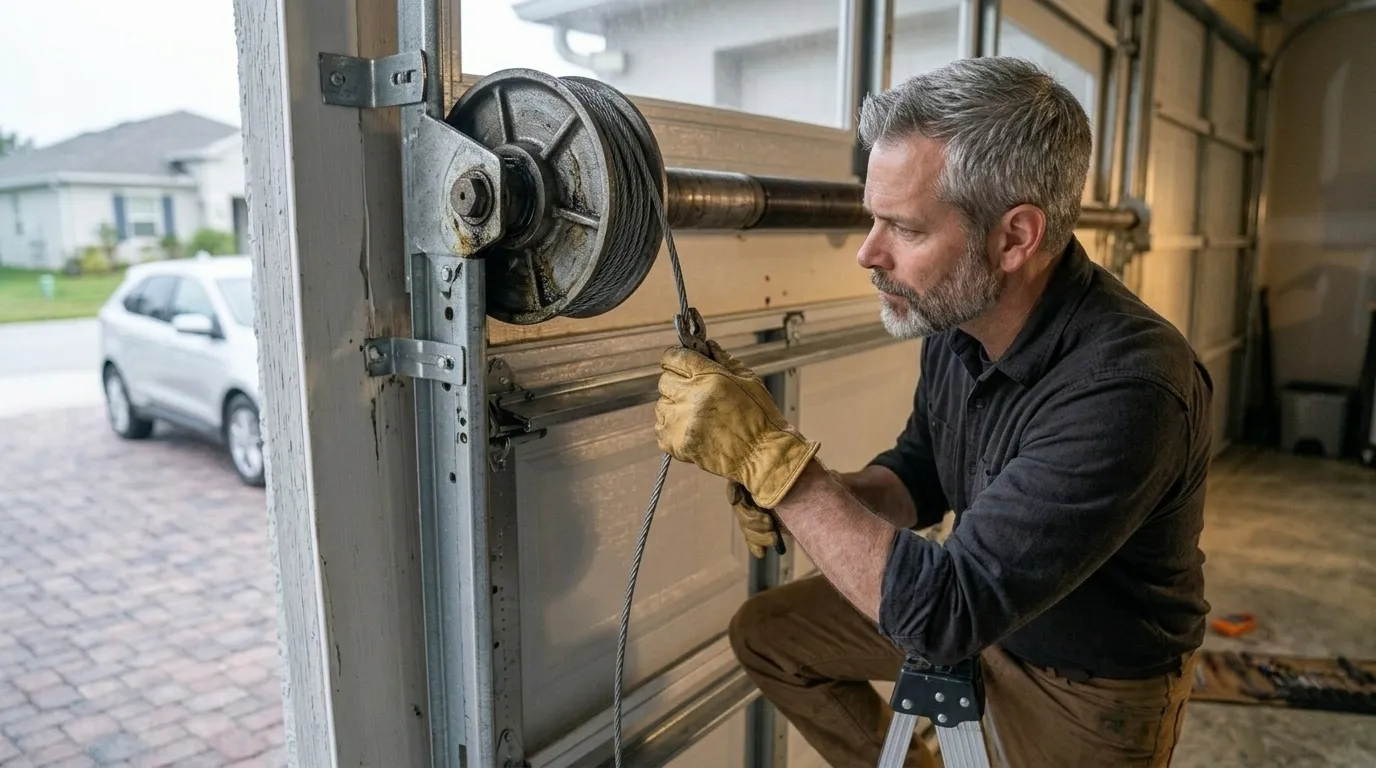
We see the calls cluster in the hottest stretch of the year, not because the door 'breaks' from heat exactly, but because the spring - already carrying the same tension it always has - is working against a door that's expanding and binding slightly in the track. A spring that would otherwise run a few more years gets pushed past its cycle count sooner on a door with no insulation to keep the panel dimensionally stable.
Where People Go Wrong
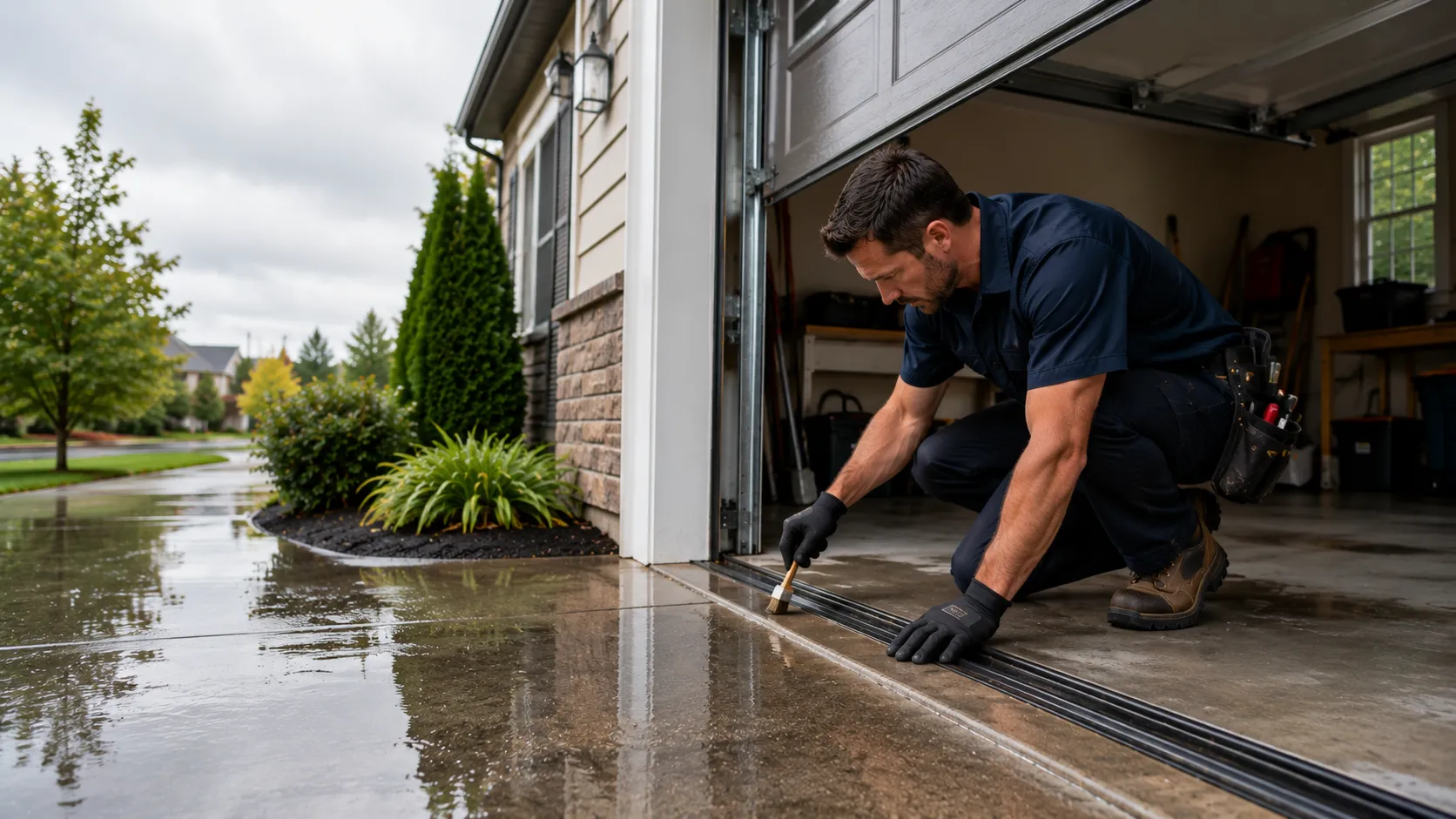
The mistake we see most is treating an uninsulated door's symptoms - a panel that rattles, a bottom seal that's gone stiff, a door that feels heavier to lift in August - as one-off problems to patch individually instead of recognizing them as the same root cause. Replacing a seal without addressing a bowed panel just buys a few months.
We'll say plainly where we draw the line: if the frame and track are still square and the springs are within their service life, weatherstripping and hardware adjustment is the honest fix, not a full door swap. But once a panel is visibly bowed or the door's uninsulated skin is more rust than steel, no amount of adjustment fixes the underlying thermal problem - at that point an insulated replacement is the fix, not another seal kit. We won't sell a repair we don't think will hold.