The Symptom
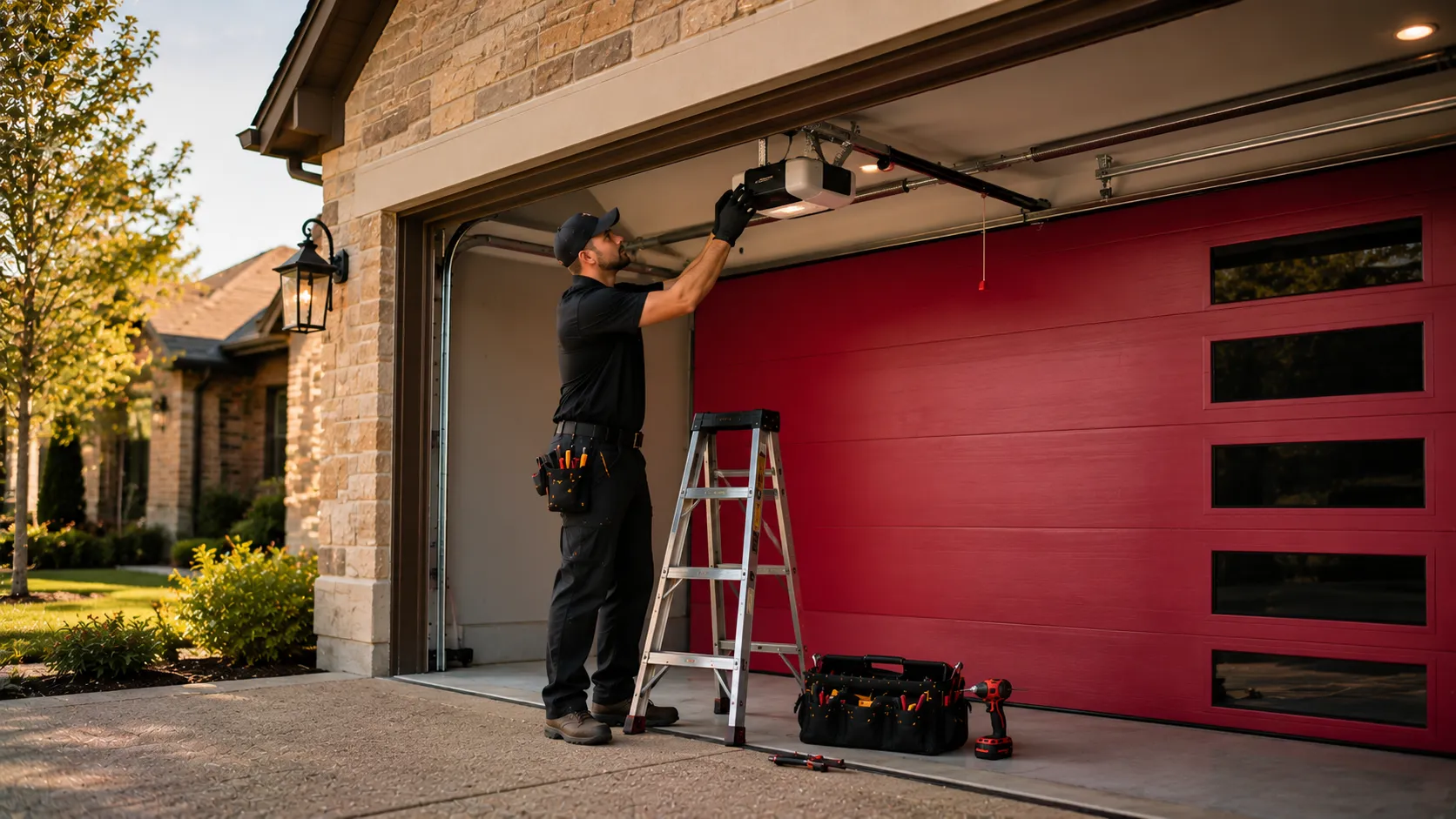
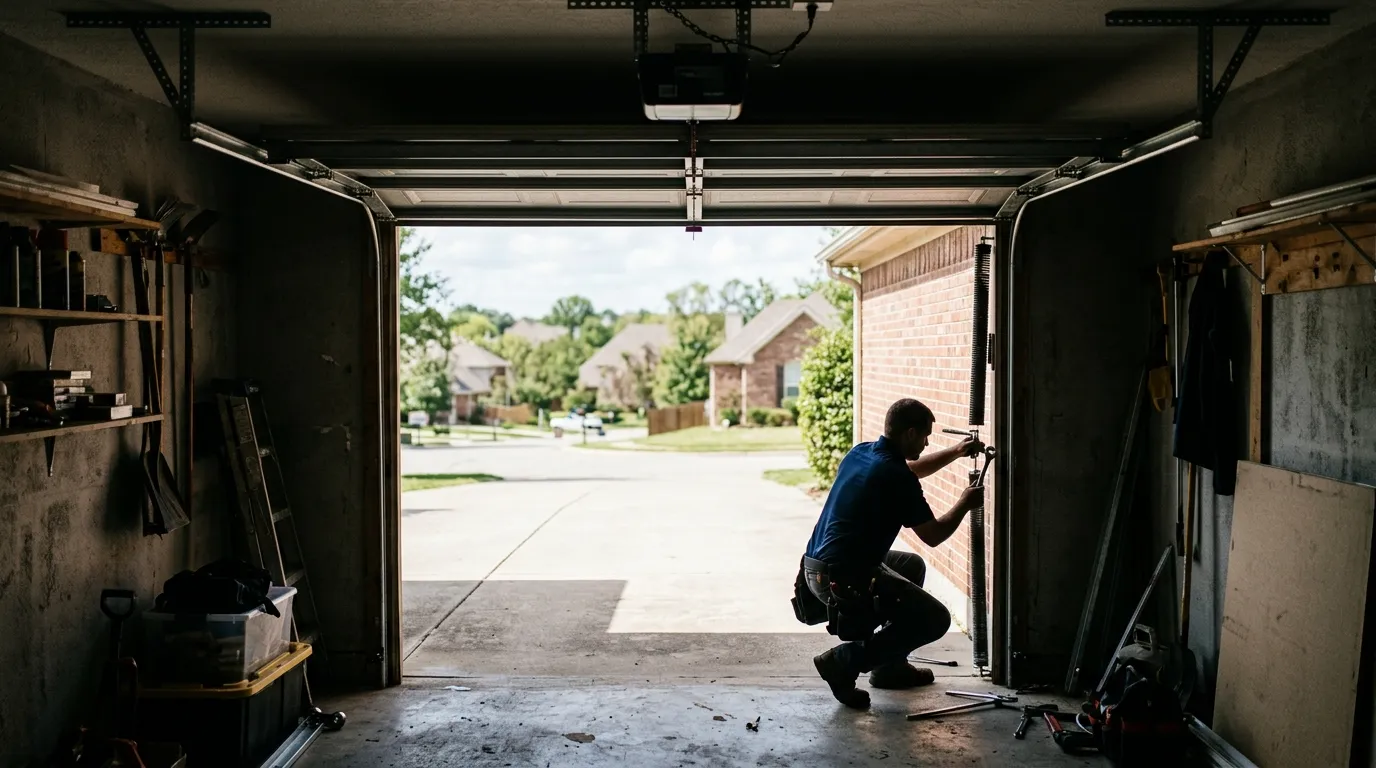
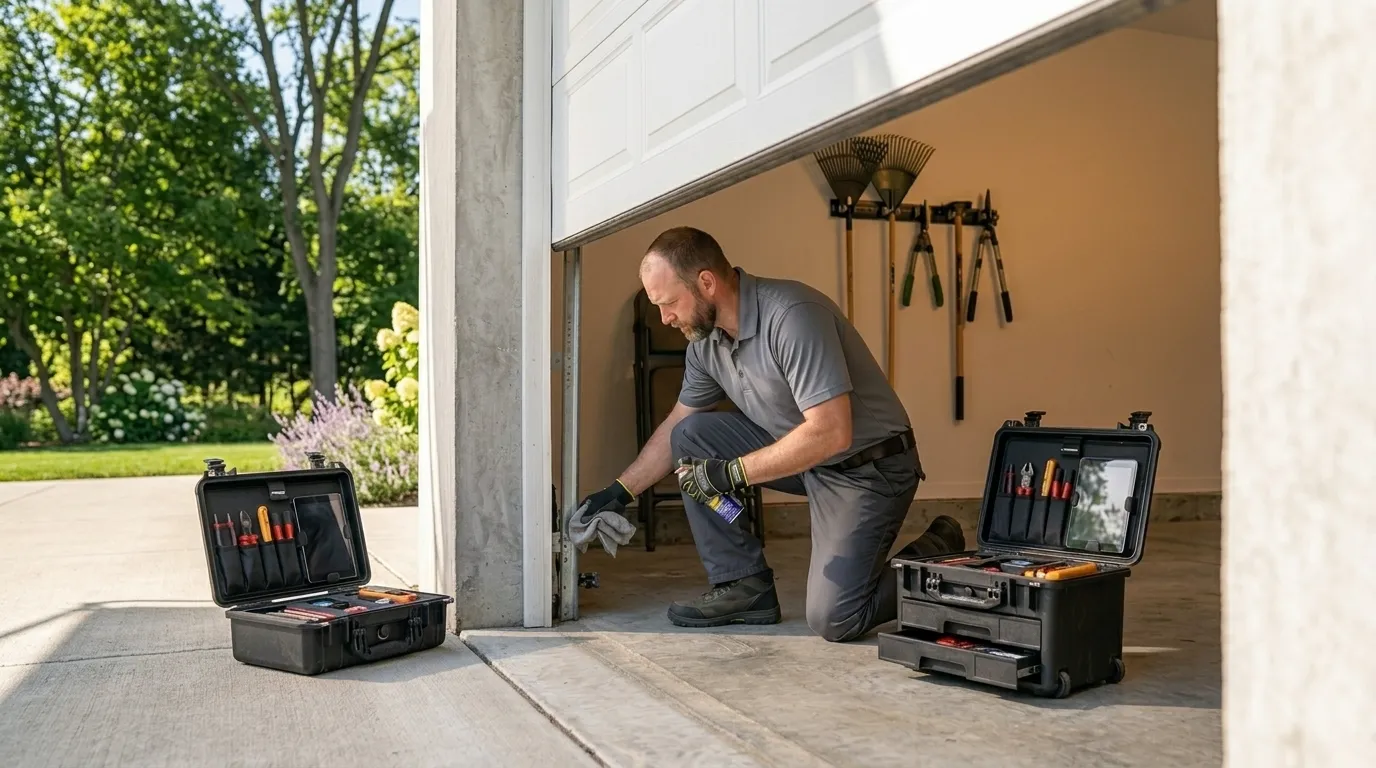
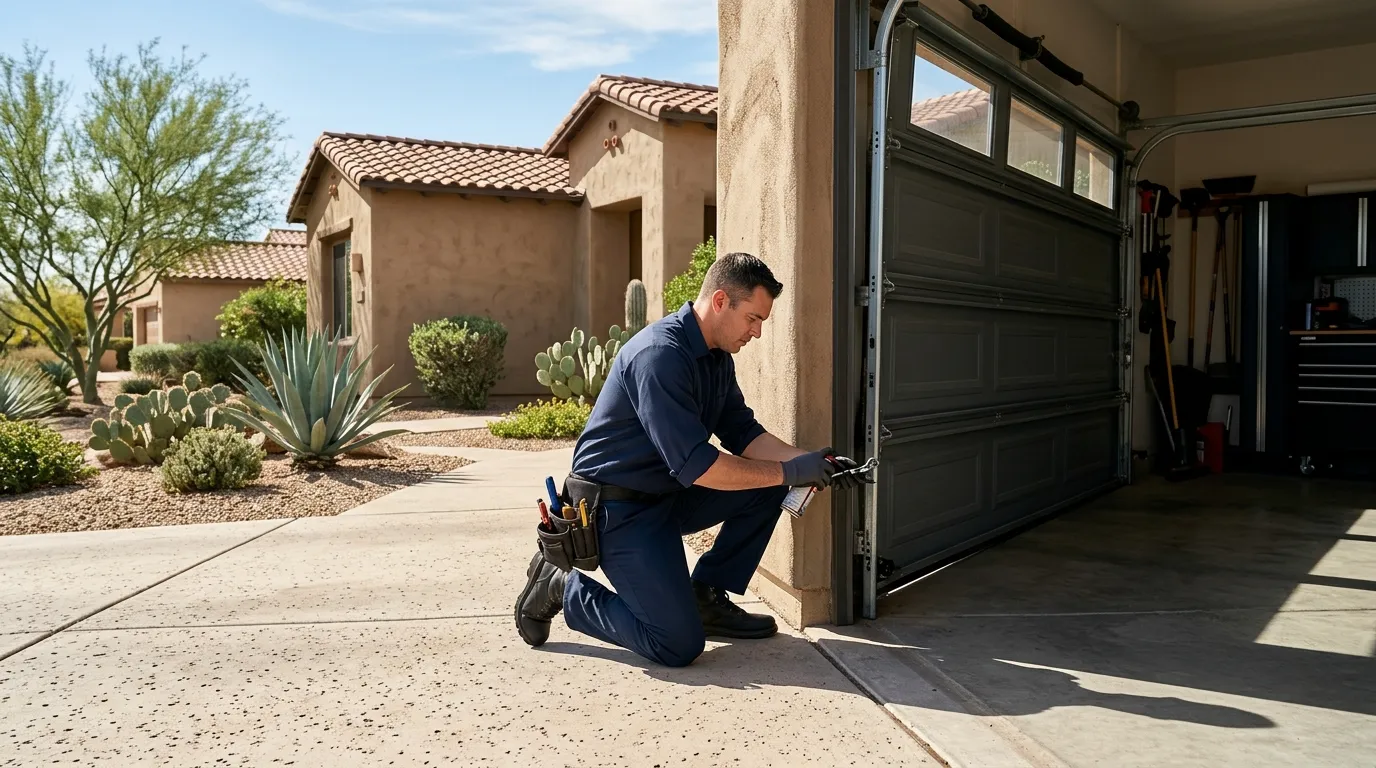
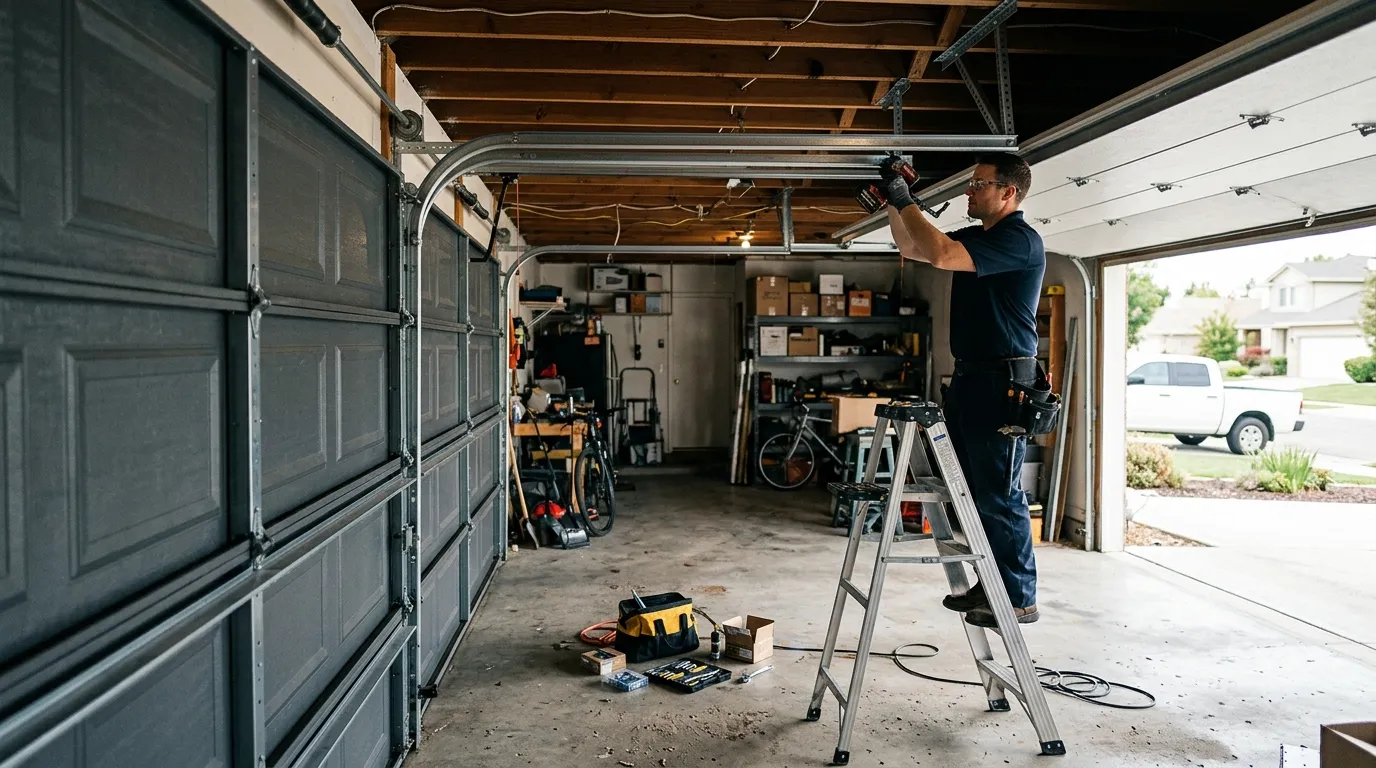
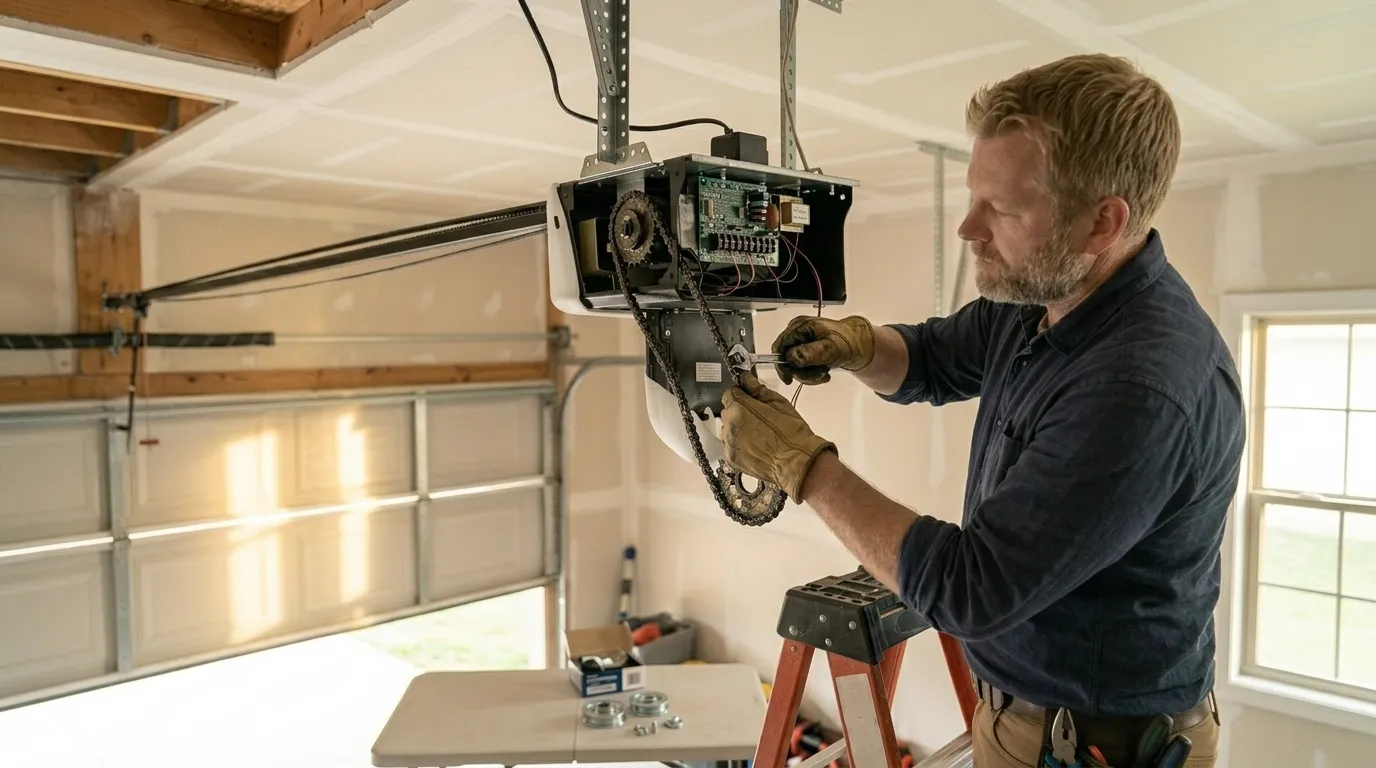
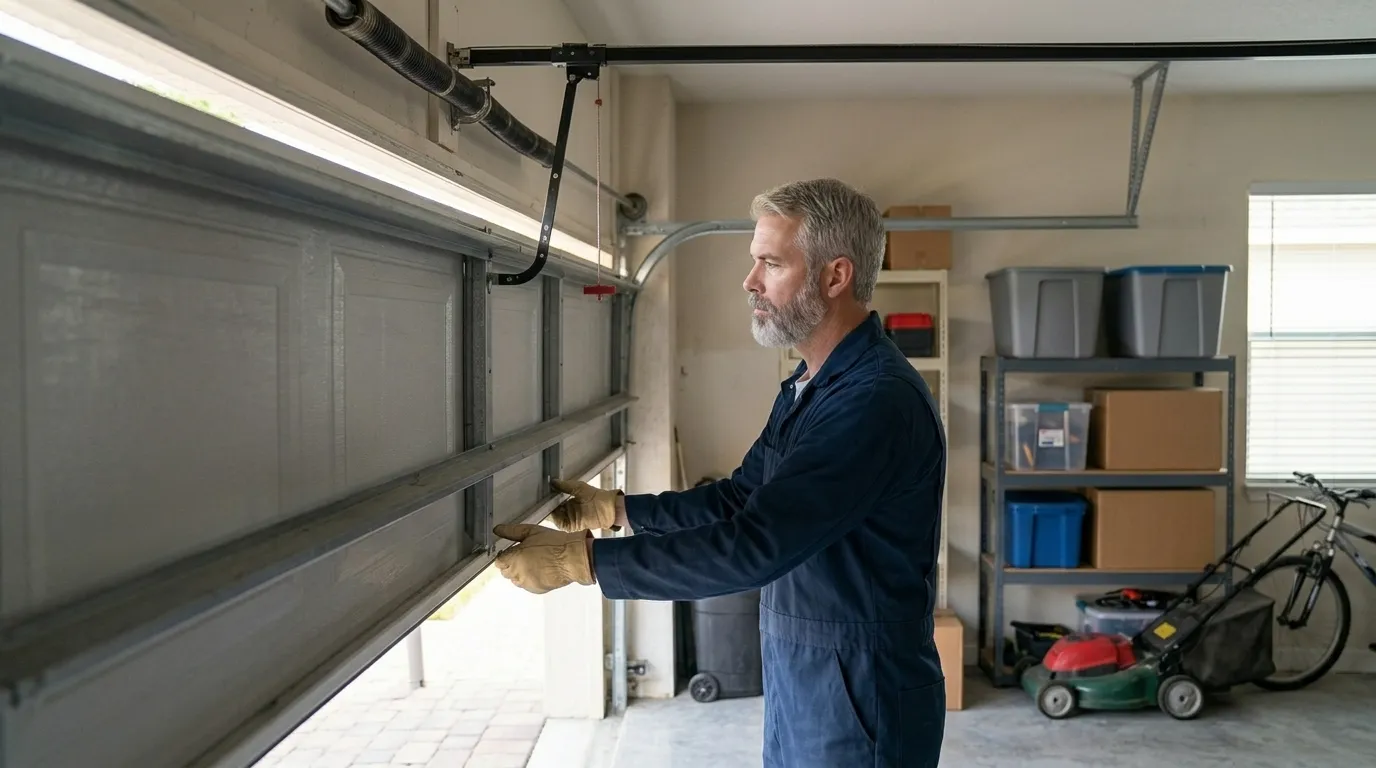
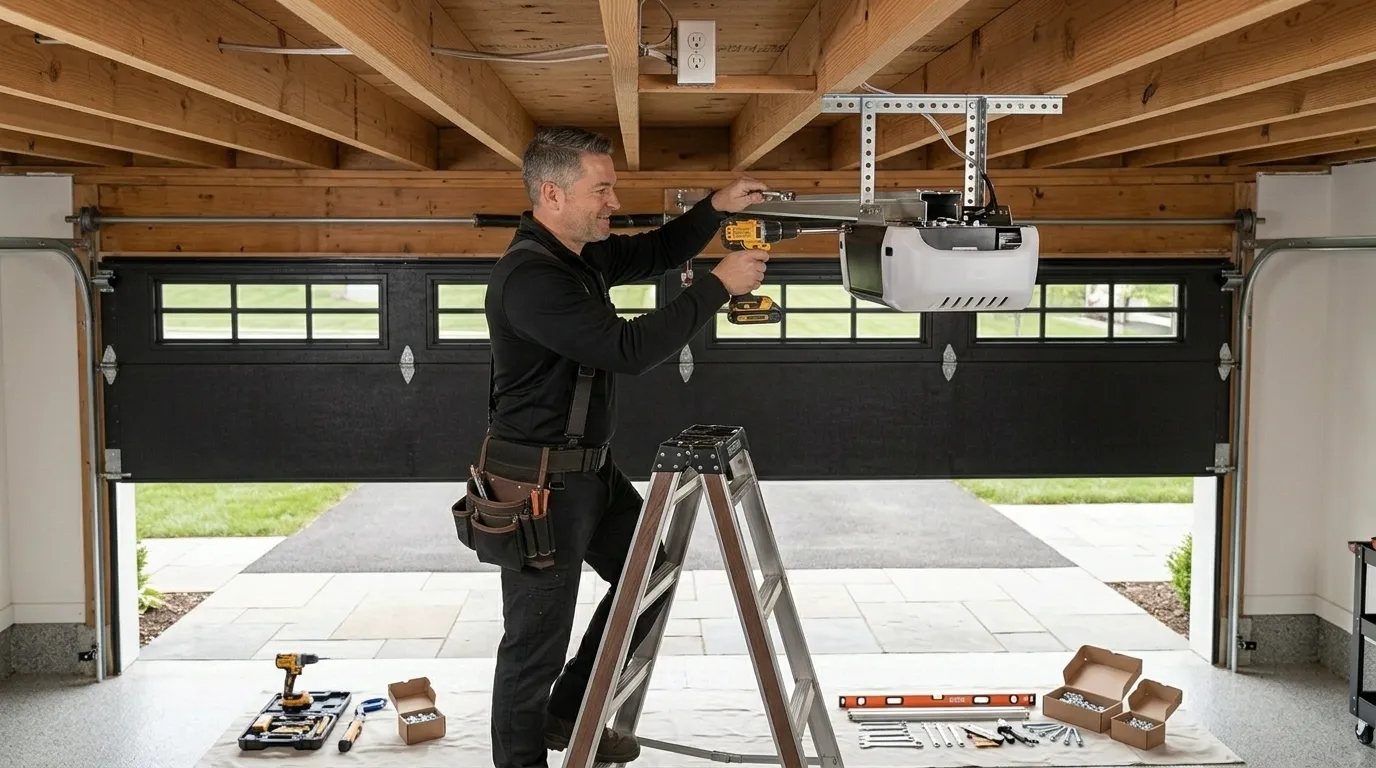
An opener that won't respond to the remote or wall button, that reverses halfway up, that grinds but the door doesn't move, or that runs the motor while the door sits still on the track - these are the calls we get most from Dallas homeowners. Sometimes it's the logic board losing its mind after a power flicker. Sometimes the drive gear inside the unit has stripped its teeth and the motor just spins without turning anything. Sometimes the safety sensors near the floor are misaligned or coated in dust, and the opener refuses to close as a safety measure, not because anything is actually broken. The fix depends entirely on which of these it is, and guessing wrong means paying twice. Across the 17 named areas we work in, from to to the opener itself is usually a chain-drive or belt-drive unit installed anywhere from the early 1990s through the mid-2000s, which narrows down what's likely wearing out before we even open the housing.
What You Pay
We don't quote a number until we've looked at the unit, because opener repair cost swings hard depending on whether you need a logic board, a gear kit, new sensors, or a full replacement. A homeowner in this service area - median household income here runs $83,256 - is usually deciding between a $150 part repair and a $400+ full swap, and that decision point is where we spend the most time on the phone before we even come out. We'll tell you straight when a repair isn't worth it against a new unit, especially on openers pushing 20 years old. What we won't do is give you a number sight unseen and then pad it once we're standing in your driveway.
What Causes It Around Here
Most housing across this service area went up between 1973 and 2007, with the bulk of it dating to the 1980s and 90s across the 17 named neighborhoods we cover - and the rest. That means most of the openers we're pulling apart are original or first-replacement units, now old enough that their circuit boards and gear kits are simply worn out from age, not from any one dramatic failure. Add in a moderate heat climate band that pushes garage temperatures well past what the electronics were rated for every summer, and you get logic boards that cook slowly for fifteen years before they finally quit on a random Tuesday. It's not a defect, it's just what happens to a motor and board sitting in a hot box for two decades. We see the same failure pattern block after block because the housing stock and the heat are consistent across the whole area, even though the streets aren't.