
Where This Job Goes Sideways
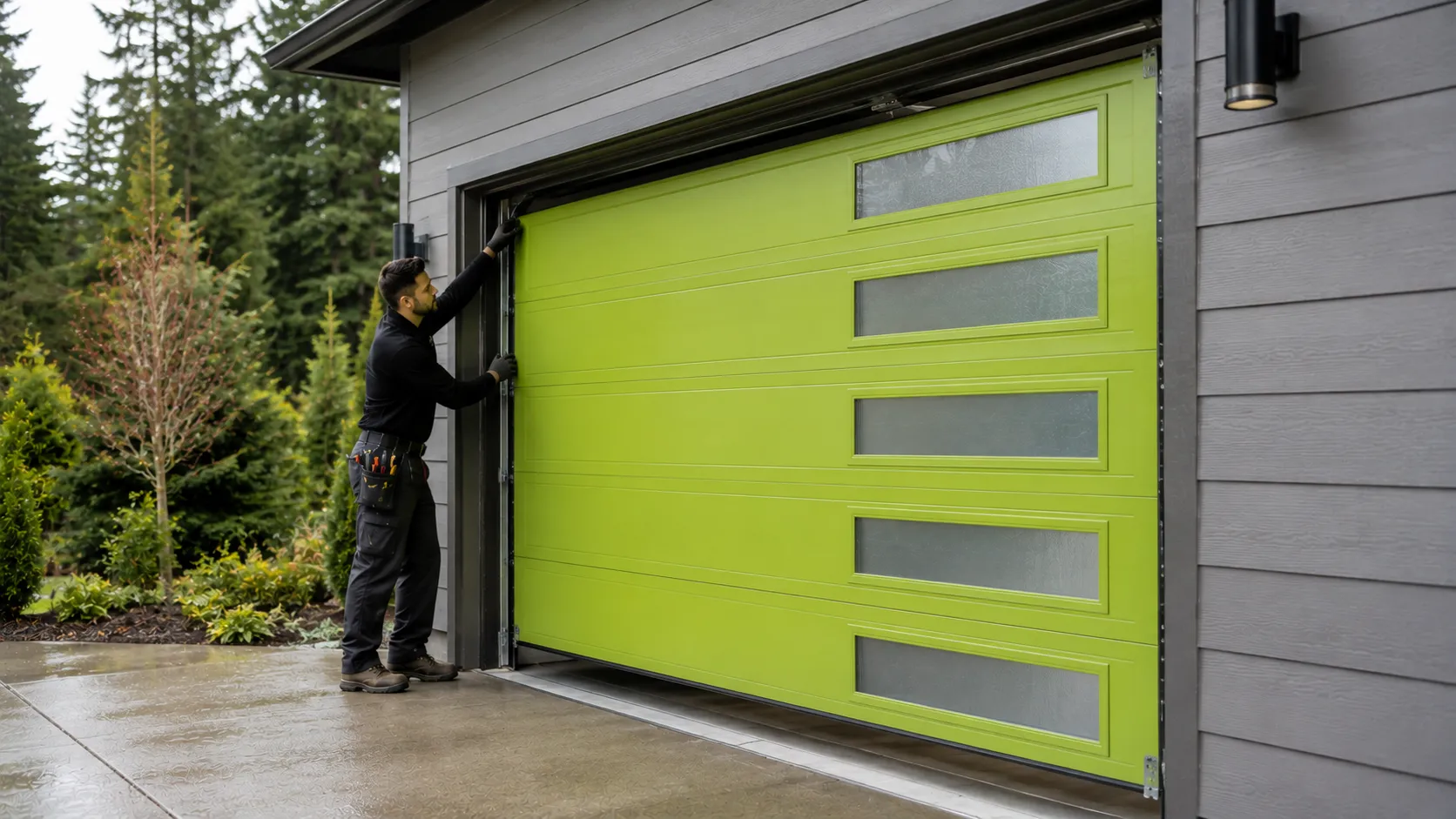
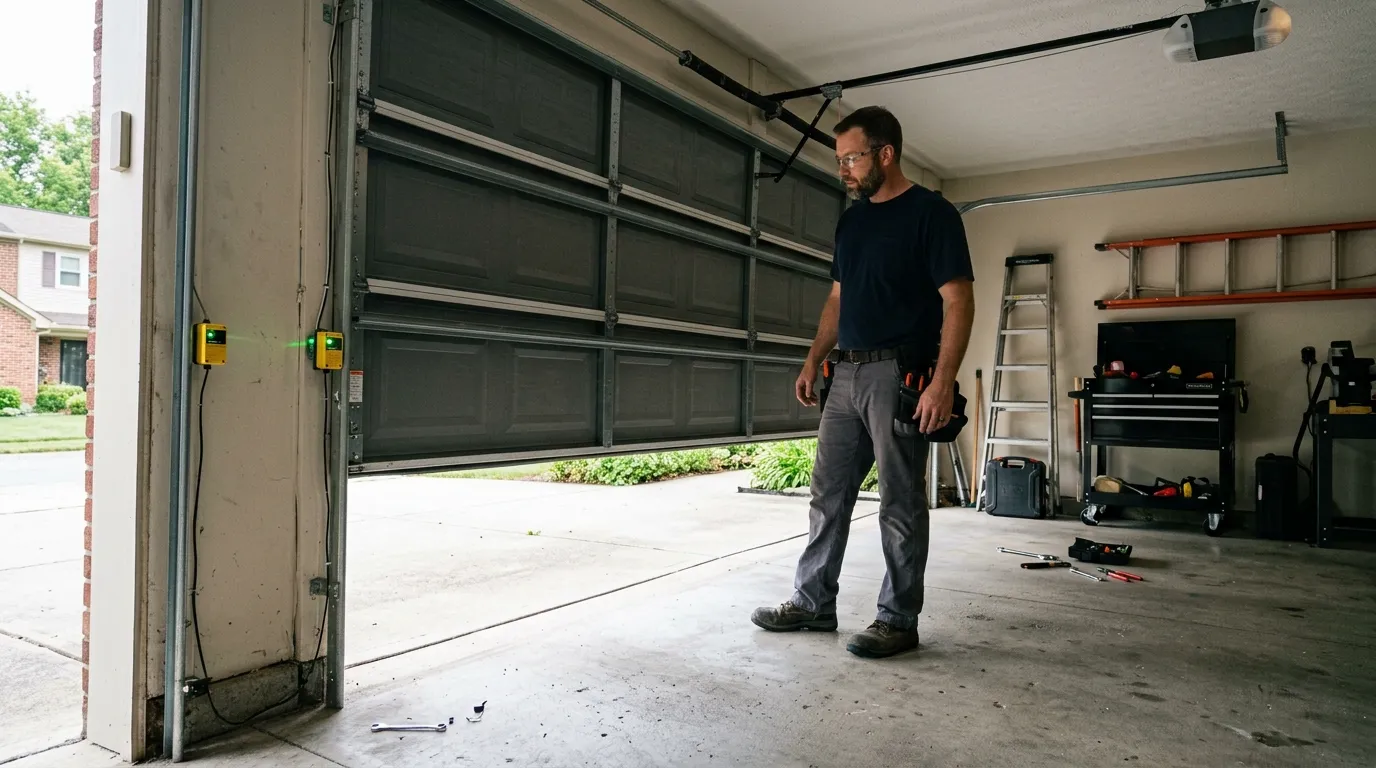
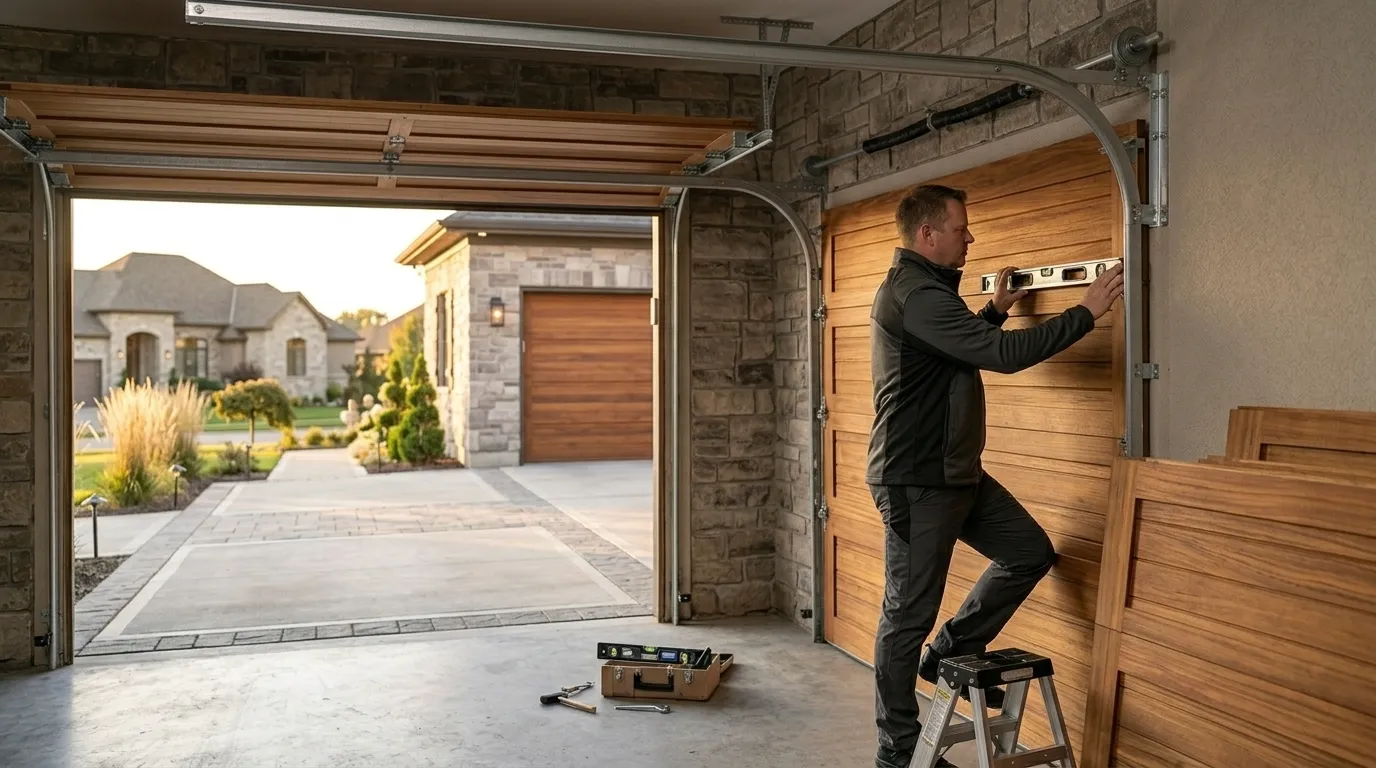
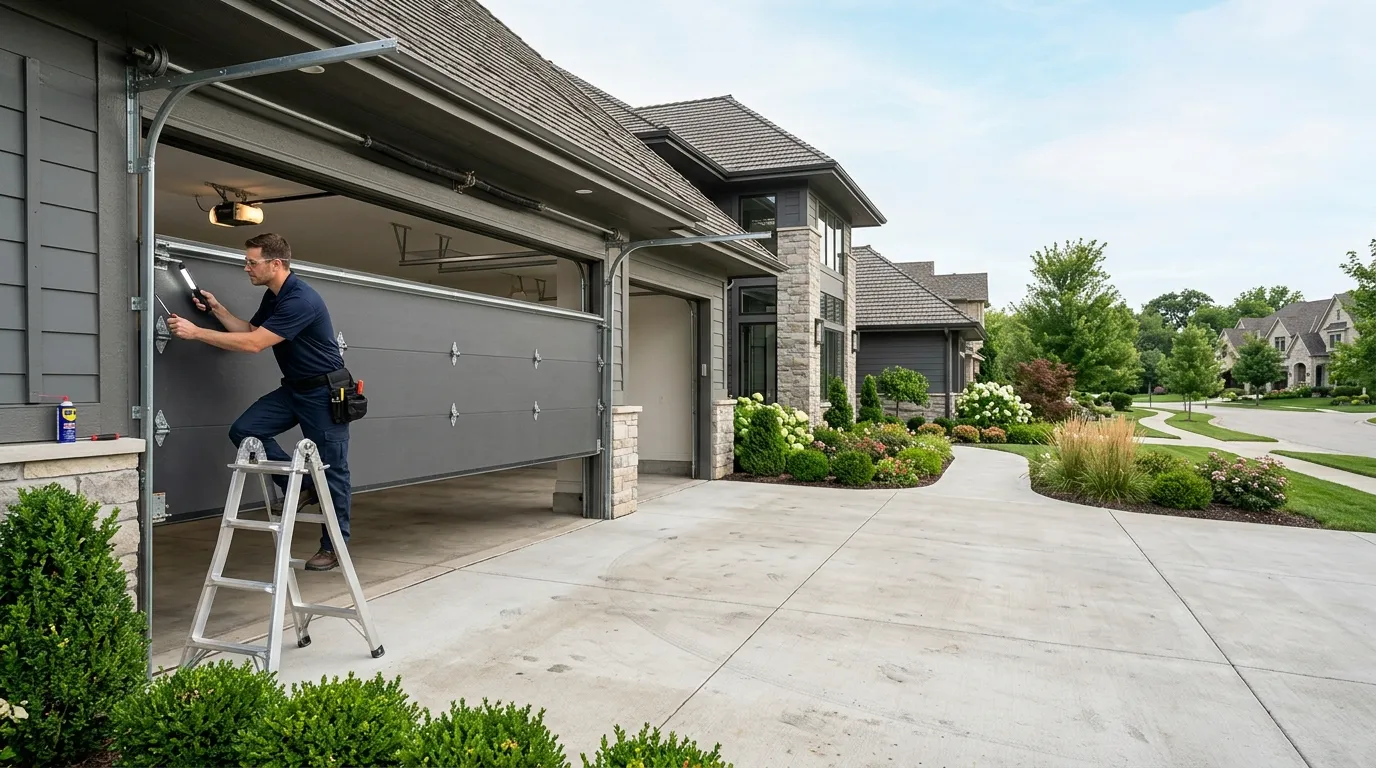
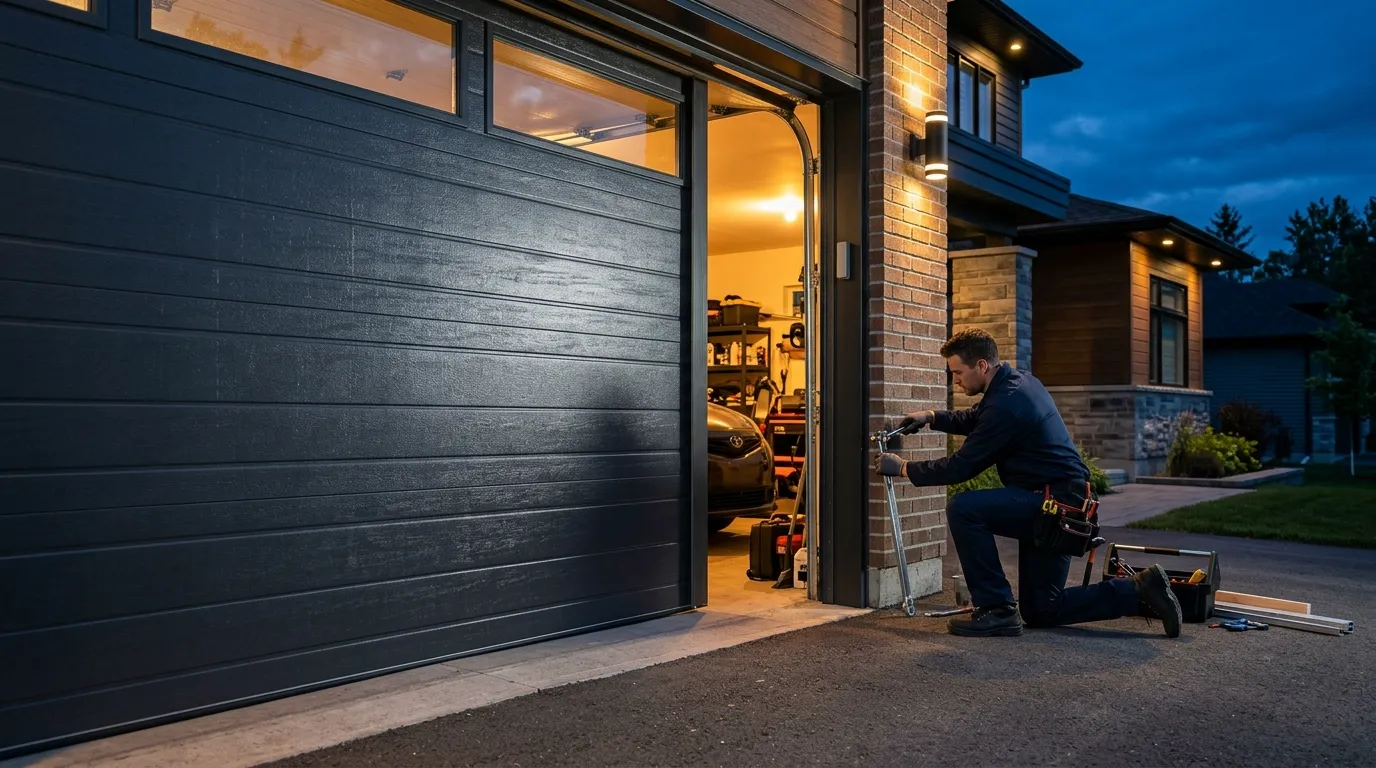
Murphy's housing stock is young for this part of the county - median build year sits around 2005, which puts most garages here well inside the era of standard steel sectional doors on factory nylon rollers, usually a 7-foot double or a single-car door on a 2-inch track. That's a different animal from the older stamped-steel doors with steel rollers you find closer to Dallas. Where this job goes sideways is when a homeowner (or a handyman) swaps in the wrong roller stem length or diameter for that newer track profile, or packs the wrong bearing count into a nylon roller housing that was never built for it. On a door this age, the track itself is usually fine - it's the roller and the hinge it rides in that wear first, and forcing a mismatched part into a good track just moves the noise problem, not the wear problem. We see this more in Murphy than in older sections of the service area simply because more of the doors here are still original and still running stock parts nobody's touched in a decade or two.
What You Pay
We don't have a Murphy-specific price sheet to quote here, and we're not going to guess at a number - that's a conversation for the actual job, not a page. What we can tell you is that roller replacement is one of the cheaper repairs we do relative to spring or opener work, because the part itself is small and the labor is mostly about getting the door properly supported while the old rollers come out. If a track is bent or a hinge is cracked, that adds to the visit - but on a door built in the last 15-20 years, that's less common than on older stock.
What Causes It Around Here
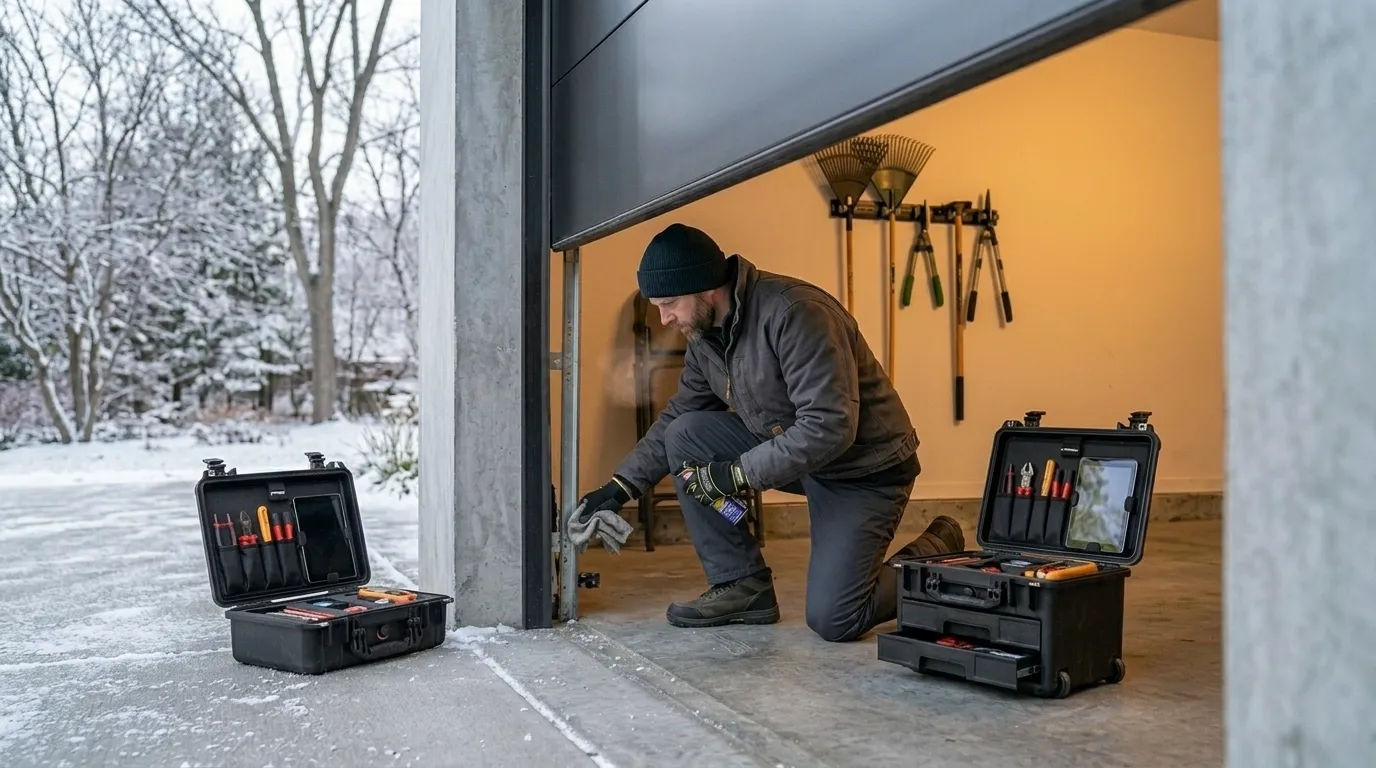
Dallas's climate band runs moderate on heat, which matters here because Murphy's newer doors are almost all steel with factory nylon rollers rather than the all-metal setups you'd find on a much older door. Nylon holds up fine against heat cycling, but it's not immune to it - repeated expansion and contraction through the year dries out the roller stem lubrication faster than most owners expect, and dry stems wear the nylon wheel unevenly. Because Murphy's stock is younger, we're usually dealing with the first roller failure a door has ever had, not a second or third replacement on top of already-loose hinges. That's actually good news: the track and hinge hardware underneath is typically still true, so a straight roller swap solves it without extra parts.
Can You Do This Yourself
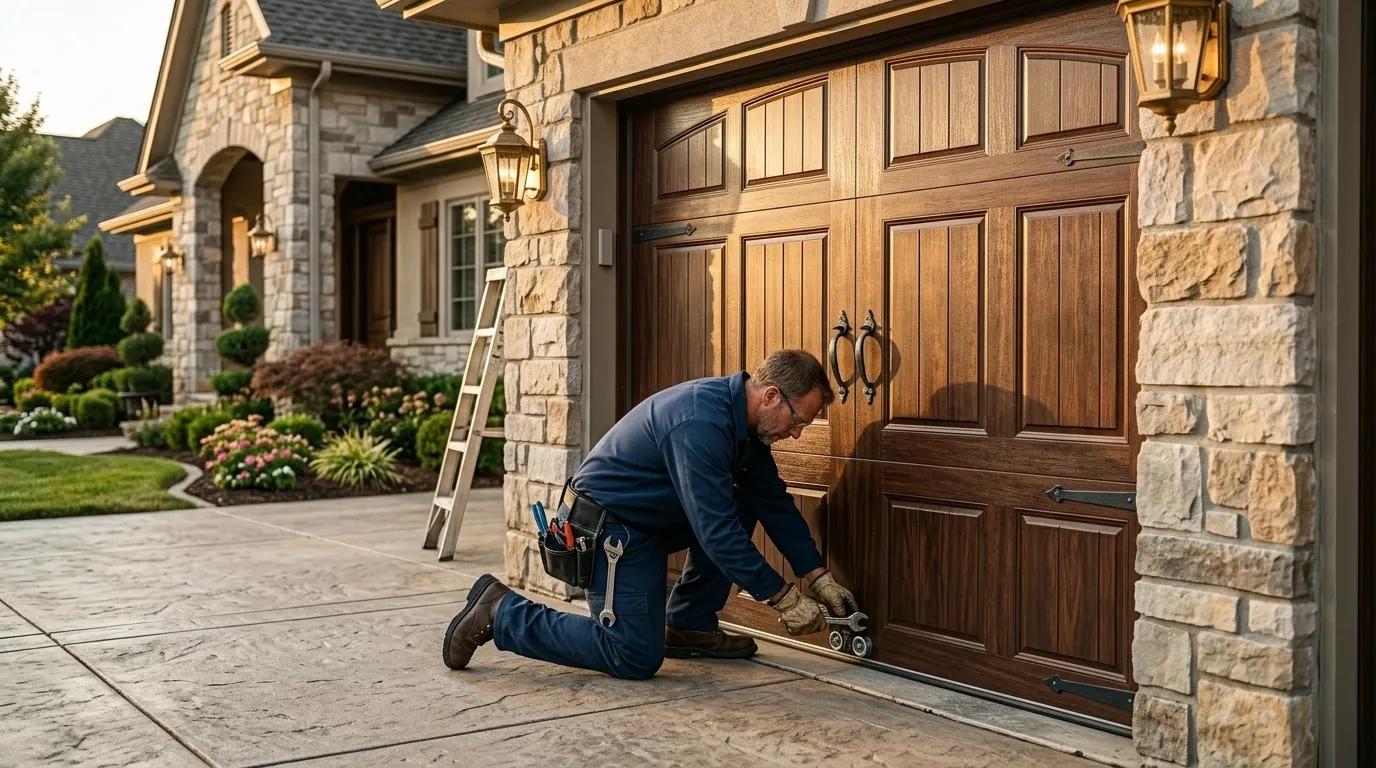
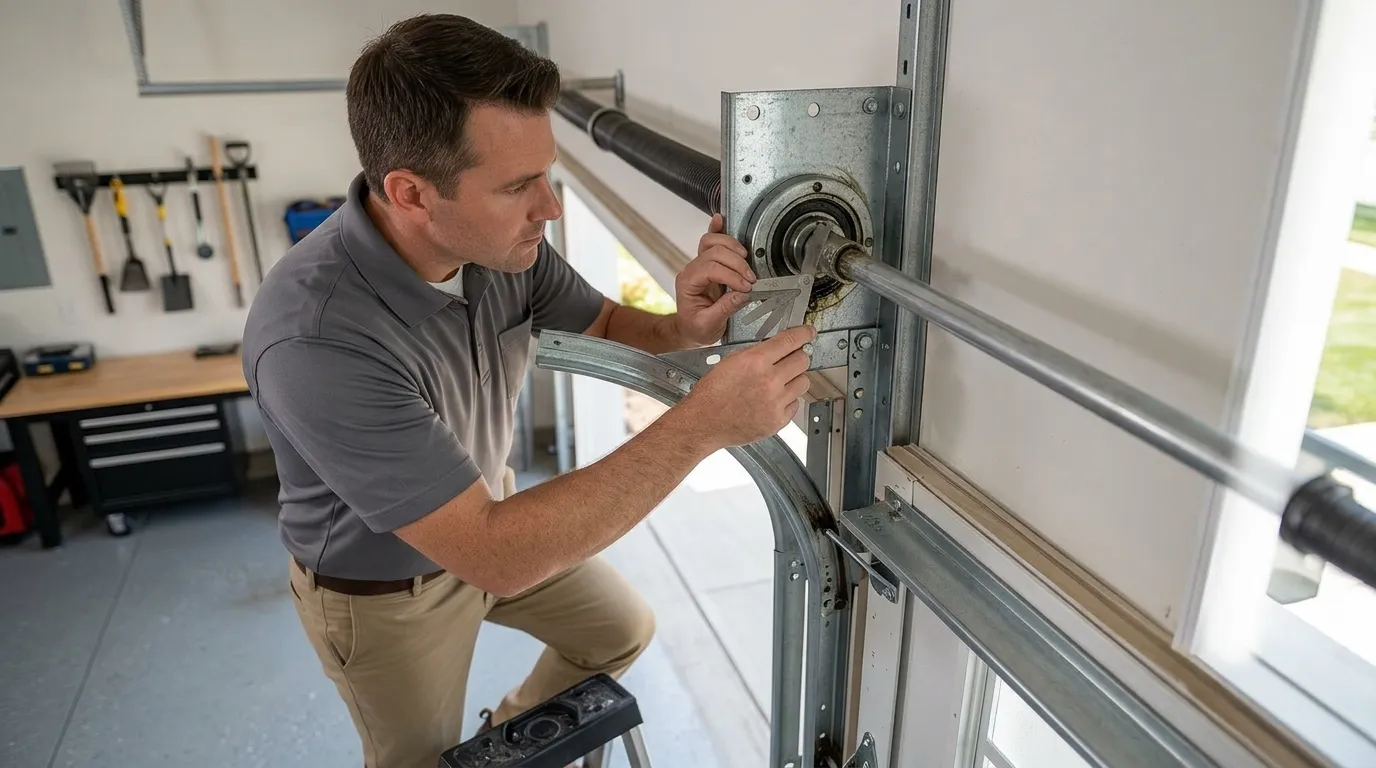
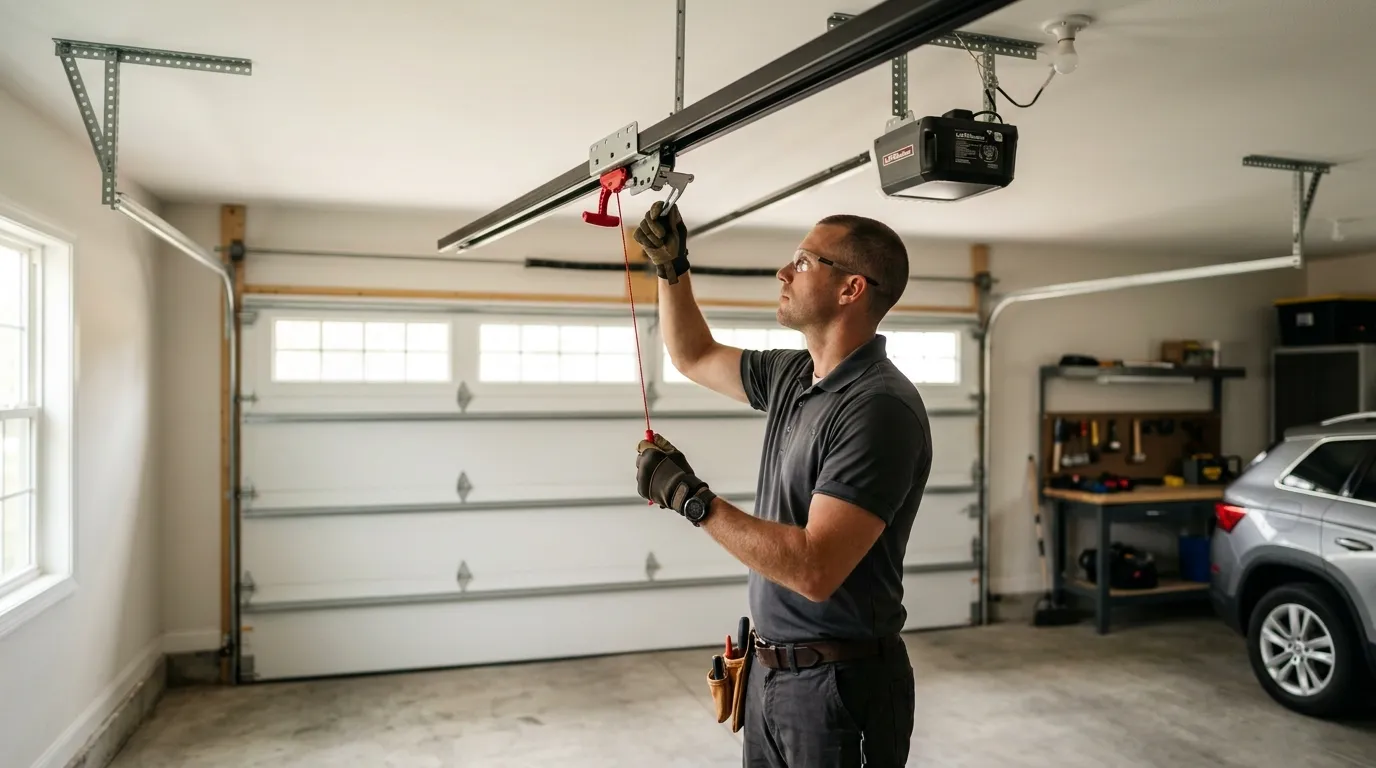
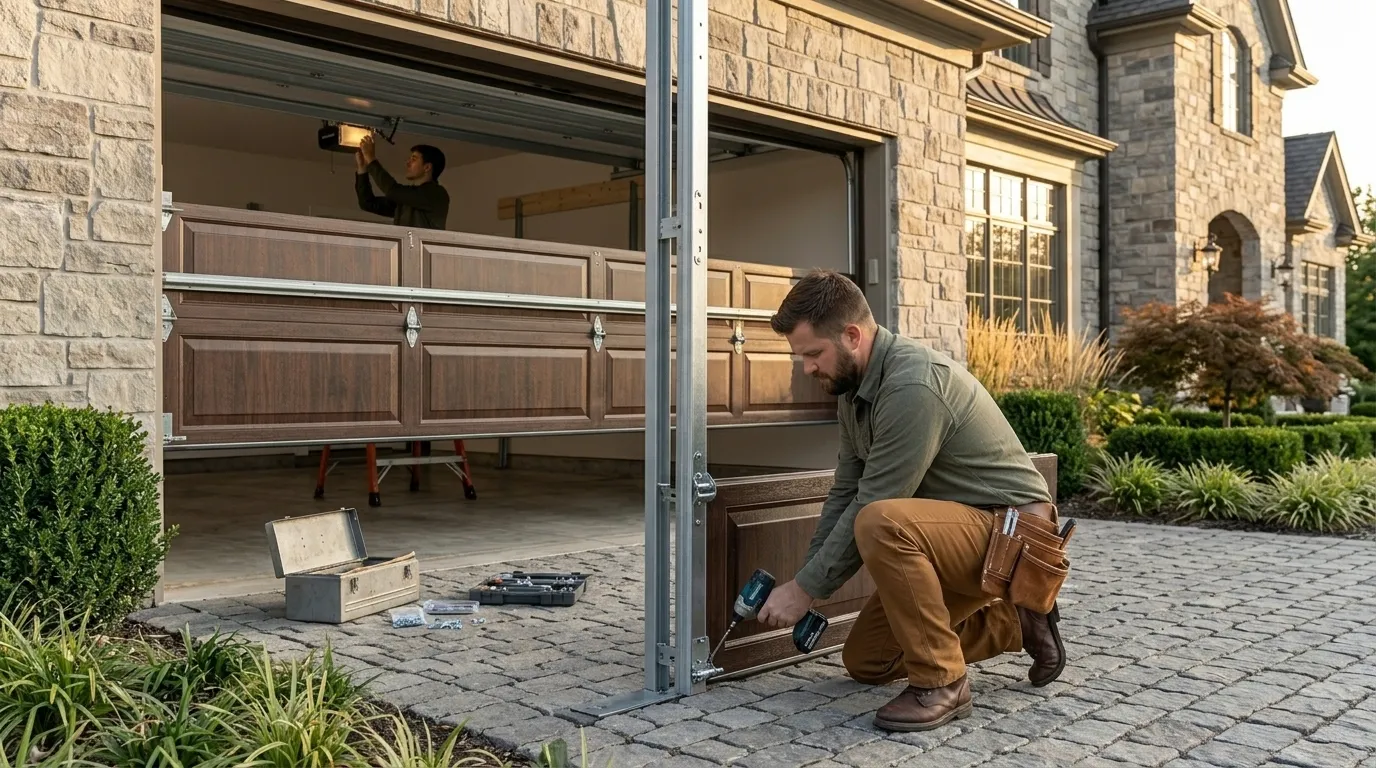
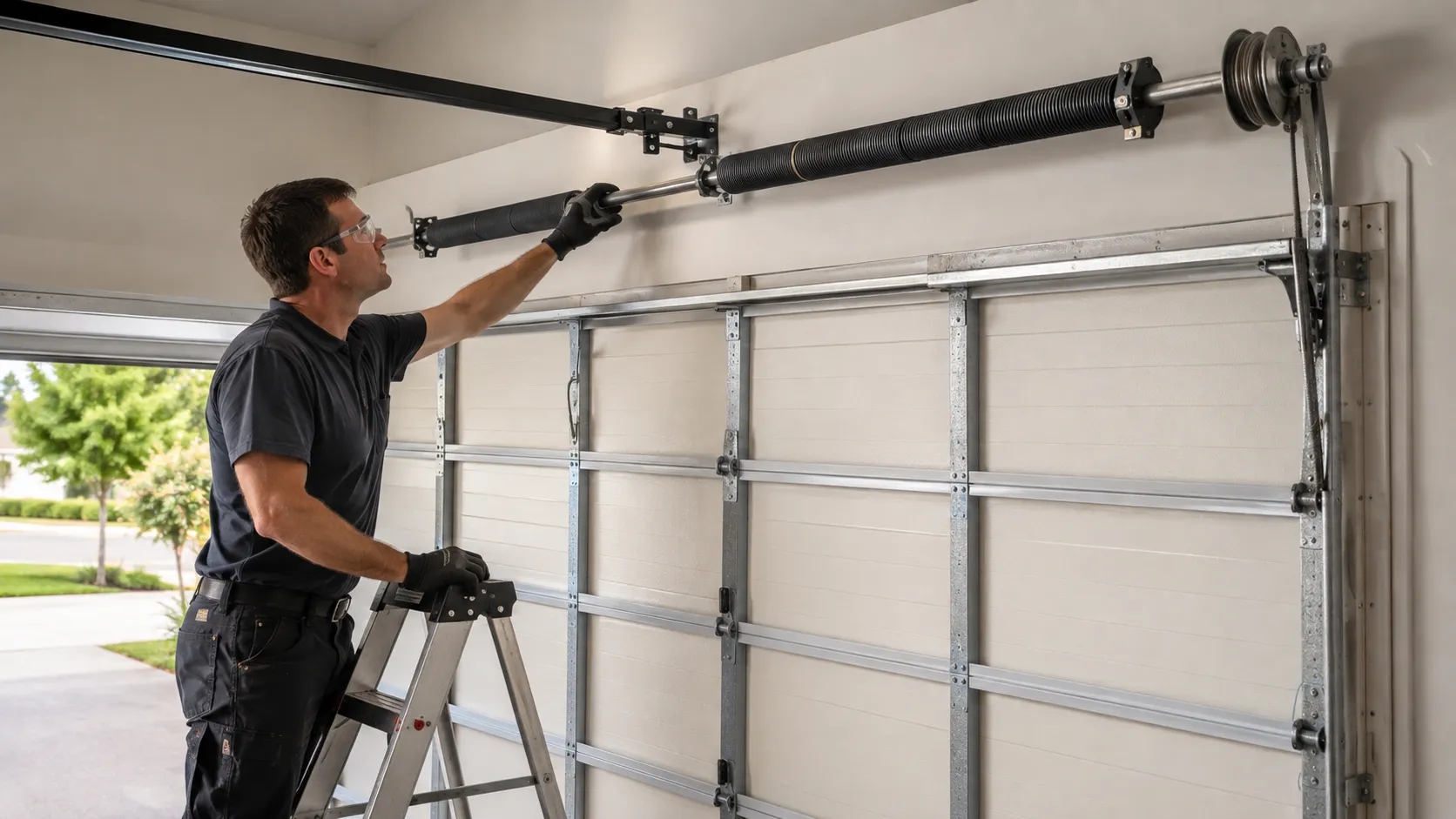
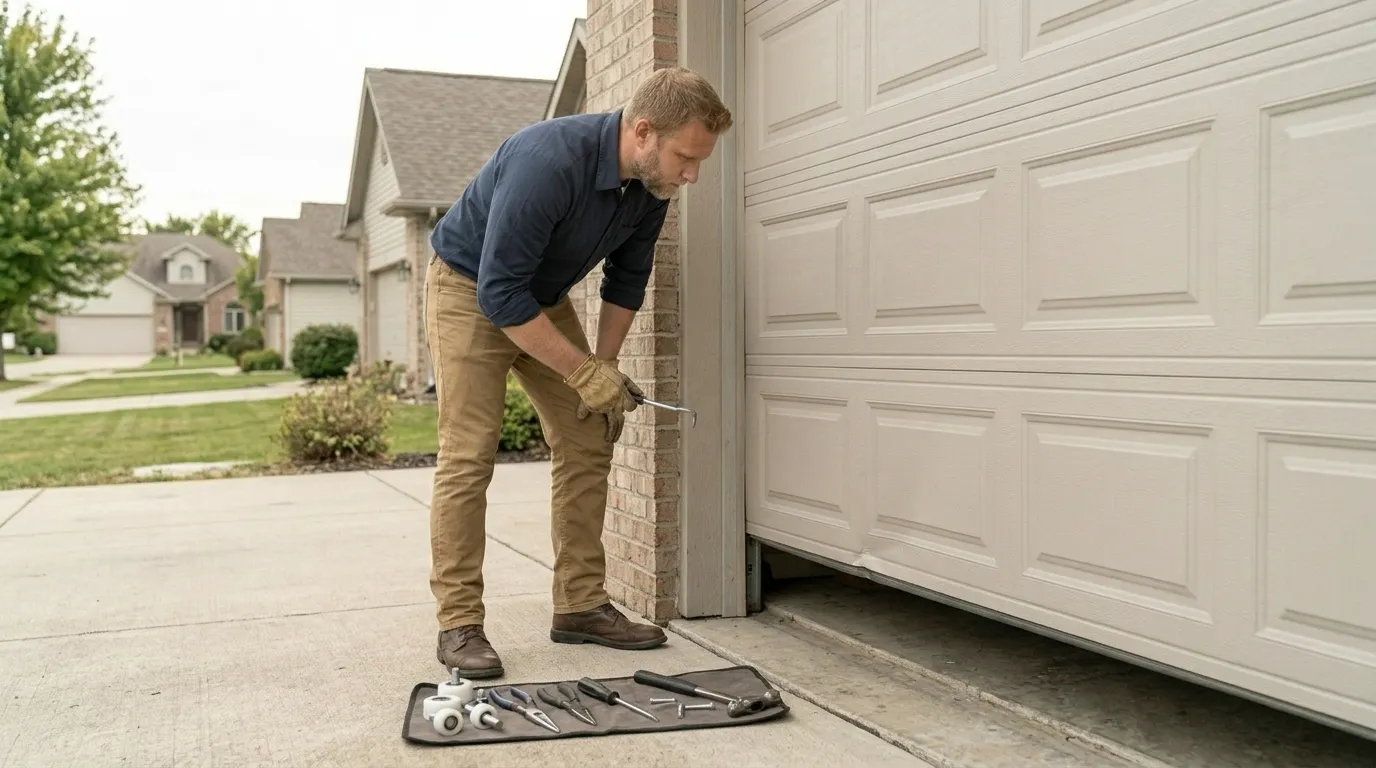
Rollers are one of the more DIY-friendly garage door repairs, and on a newer door with an intact track, a careful owner with the right clamps and a torsion spring already unloaded can do it. The part that trips people up is the top roller nearest the spring side, where you're working close to a loaded cable - that's the one we'd rather you call about than wing it on a ladder. If it's just a bottom roller with the door already down and the opener disconnected, most people manage it fine with a socket set and patience. Where we'd stop you: if more than one roller shows wear, or the housing itself is cracked, replace the full set rather than patching one at a time - mismatched wear on the rest will just bring you back to the same job in a few months.