Where This Job Goes Sideways
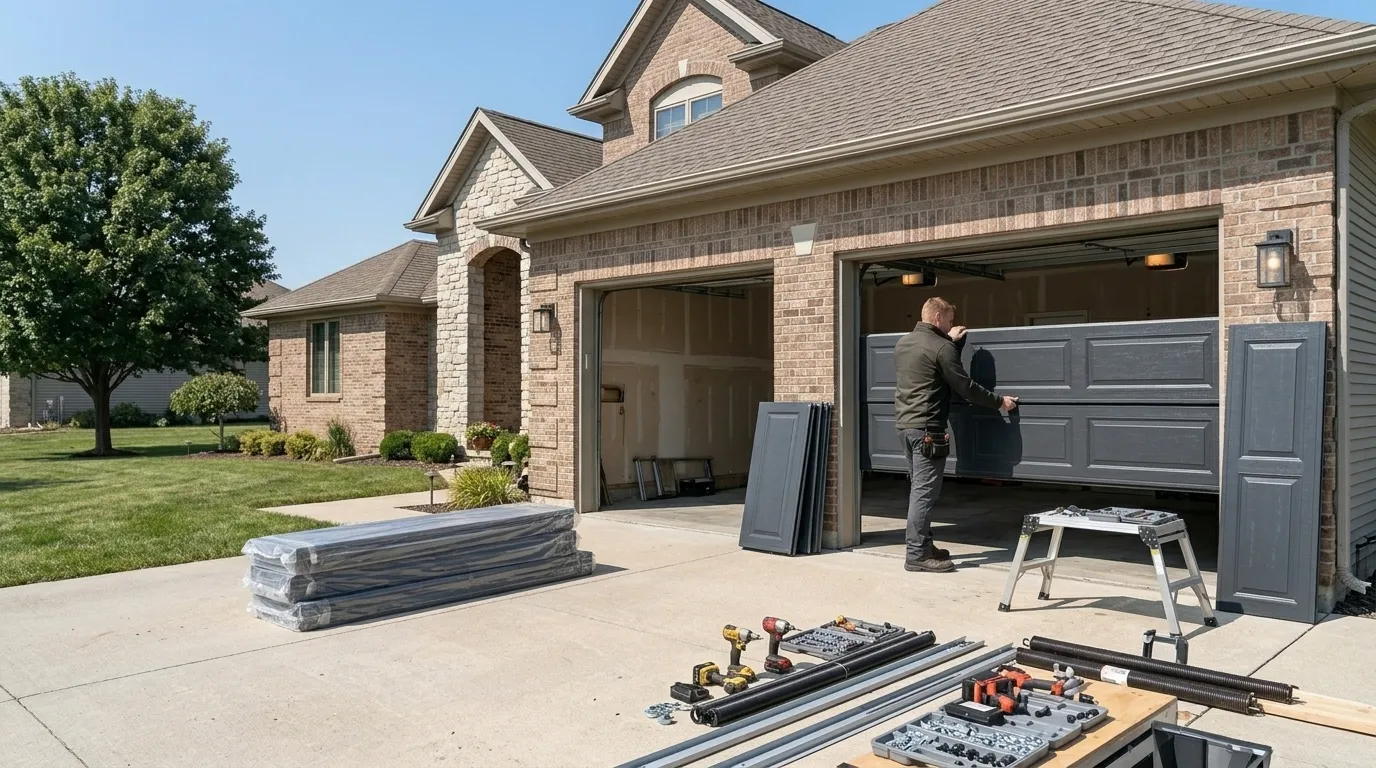
Murphy is small - 5,907 households, not the sprawl you get closer to the city - and that size shapes the calls we get. A town this compact was mostly built out at once, so the housing stock doesn't spread across seventy years like it does in older parts of the service area (1973 to 2007, median 1993 there). Murphy's own median build year is 2005, meaning the bulk of doors and openers on the street are the same generation, installed by the same production builders on the same tract-home schedule. The job goes sideways when a tech shows up expecting the mixed-era hardware common elsewhere - heavy old one-piece doors, mismatched retrofit openers - and instead finds a run of nearly identical builder-grade torsion setups, all hitting the same failure window at close to the same time. Spring life on that grade of hardware runs out around fifteen to twenty years of daily cycling, which puts a lot of Murphy garages into failure range right now, not later. That's the pattern worth knowing before you touch the door: age it correctly, don't guess by the neighborhood's reputation.
What You Pay
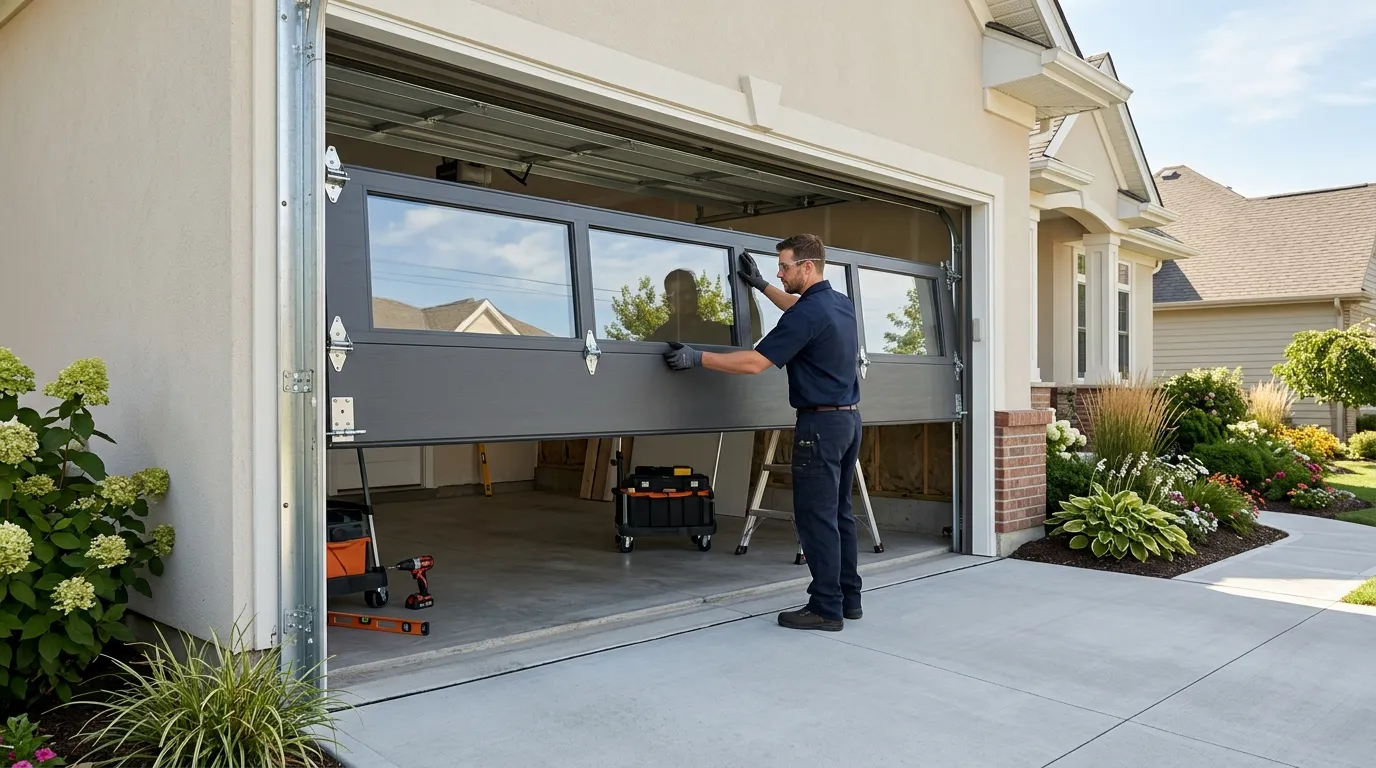
We don't have a Murphy-specific price list to hand you, and we won't invent one. What we can tell you honestly: there's no branch or depot in Murphy. The truck comes from Dallas, eighteen miles out, so the job cost reflects a service call plus parts, not a local walk-in counter. Builder-grade torsion springs and openers from the 2000s-era construction boom in Murphy tend to be a standard residential size - nothing exotic, nothing custom-cut - which keeps parts costs predictable compared to older or oversized doors. The honest limitation here is that we can't quote a number without seeing the door and knowing which spring size, drum, and opener model is on it. If a job needs a part that isn't common stock, that adds a wait, and we'll tell you that up front rather than guess at a turnaround.
What Causes It Around Here
Two things line up in Murphy: the build date and the climate band. Houses here cluster around a 2005 median, so a large share of the torsion springs and opener units are simply aging out together, on the same builder-grade parts that went in during that construction run. Production builders on a schedule like that don't typically spec premium spring wire - they spec code minimum, and code minimum has a shorter fatigue life. Layer on a moderate heat climate band, and you get lubricant on those springs and hinges breaking down faster during the hot stretch of the year, which accelerates wear that was already baked into the parts. It's not one dramatic event causing failures here - it's steady heat cycling working on hardware that was never top-grade to begin with, on a timeline that's now catching up with a lot of Murphy garages at once.
Can You Do This Yourself
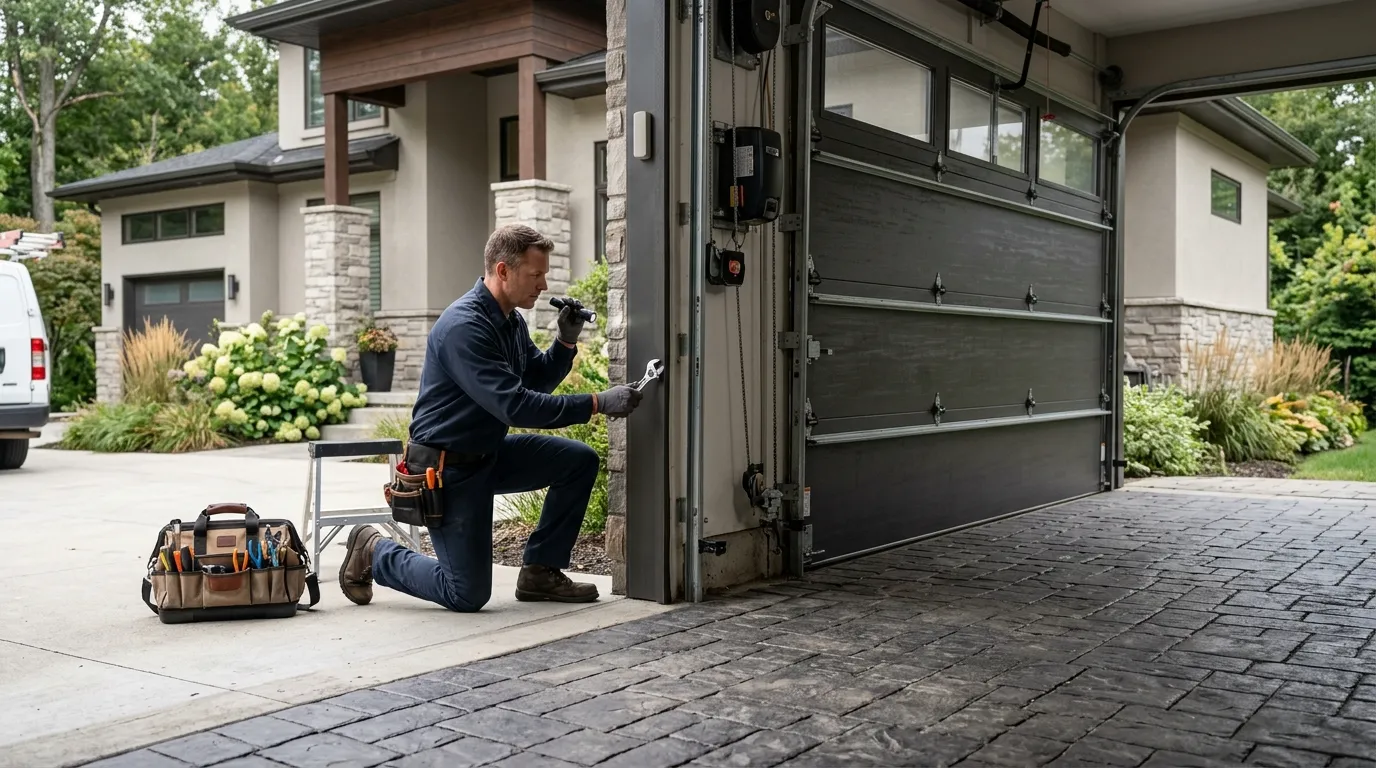
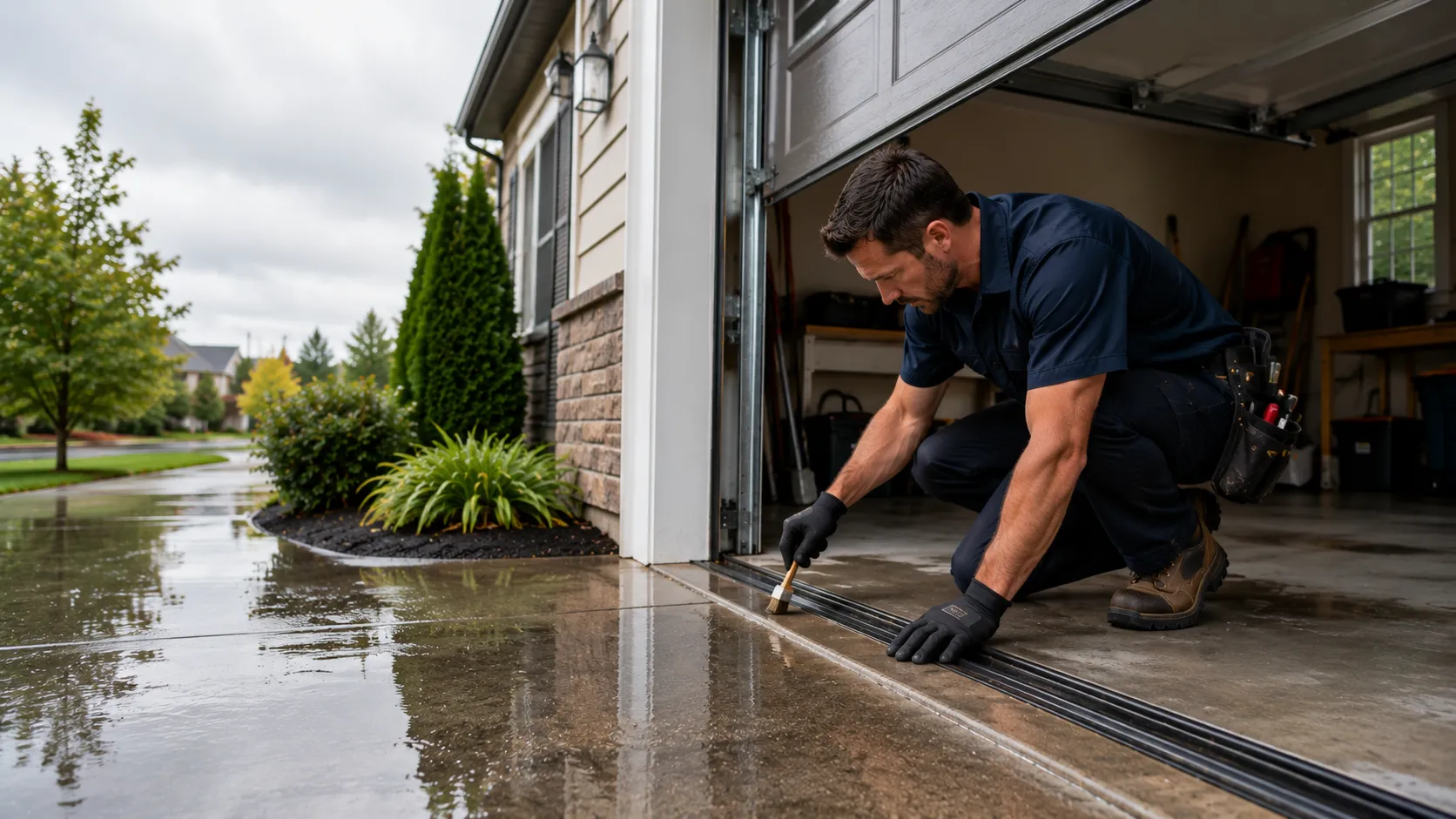
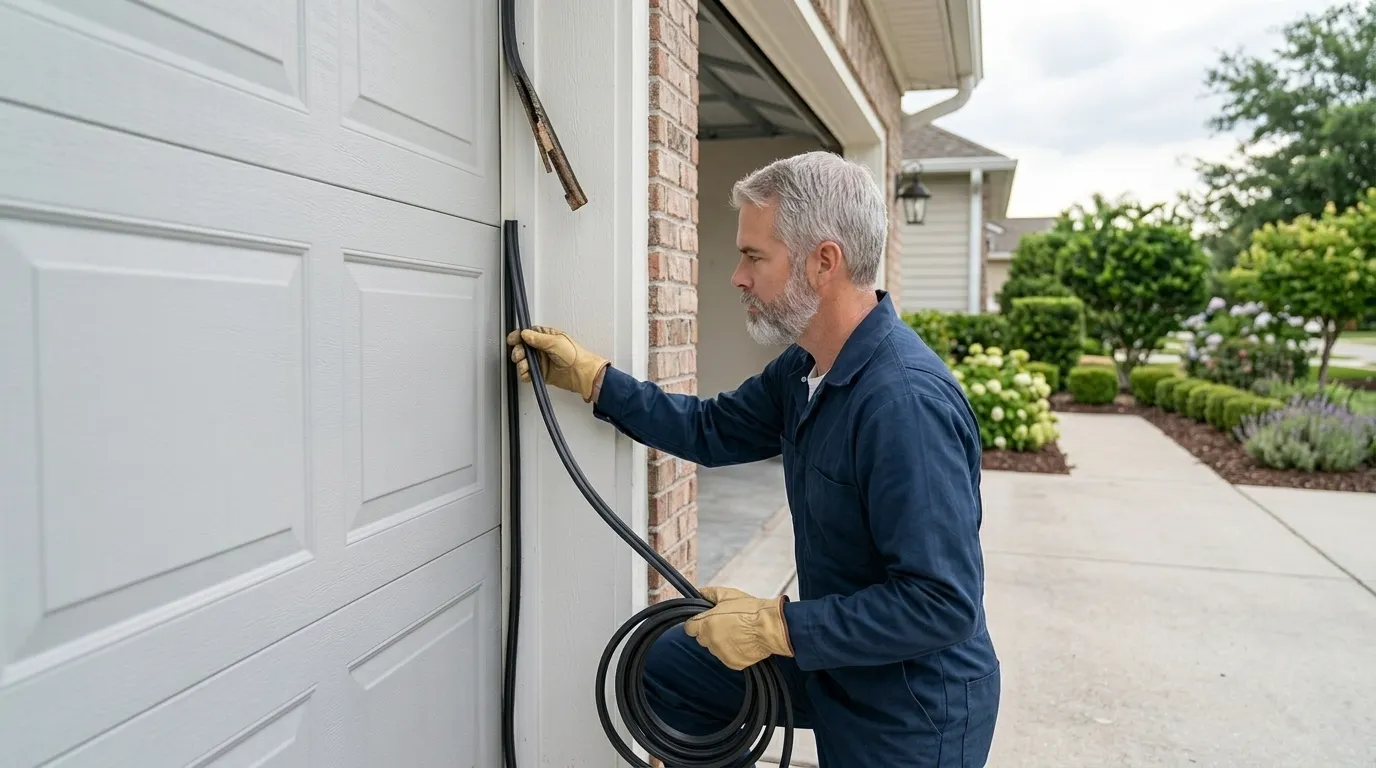
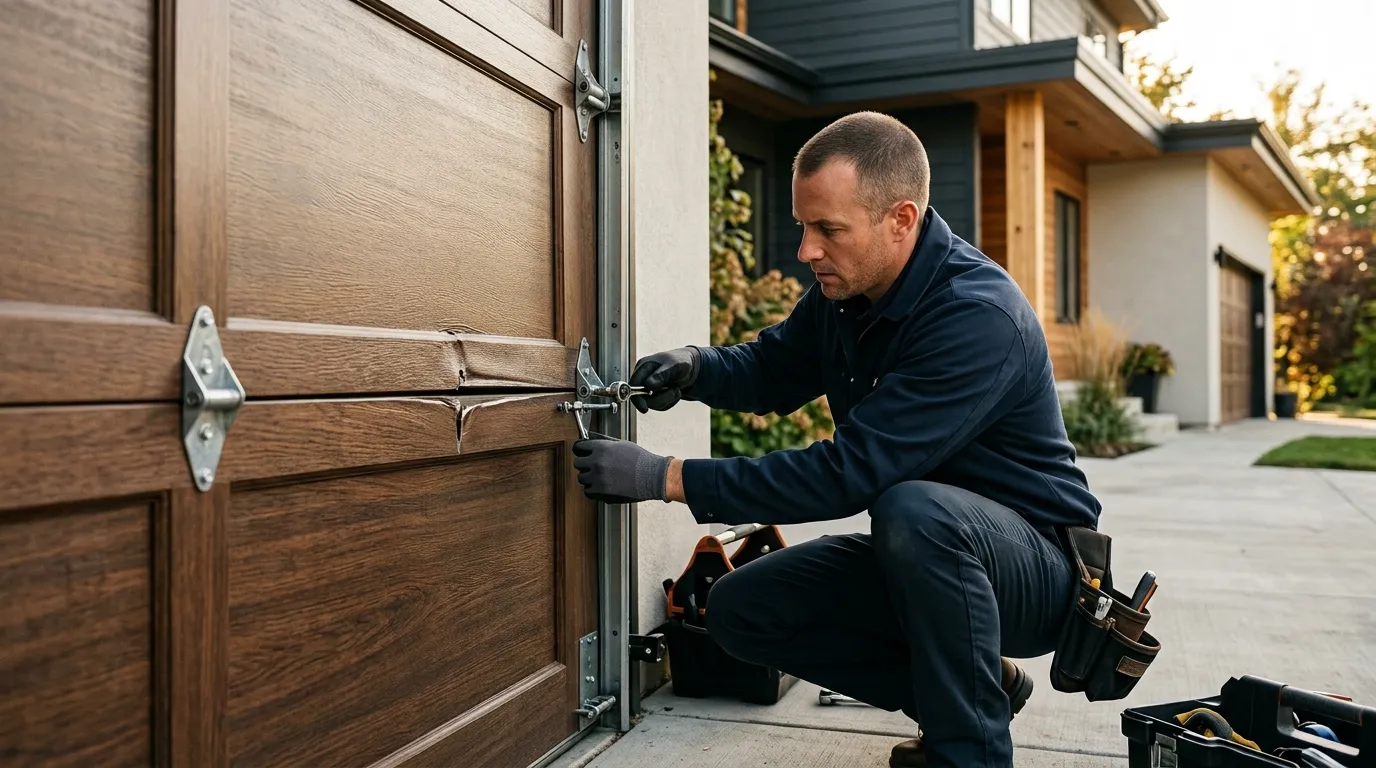
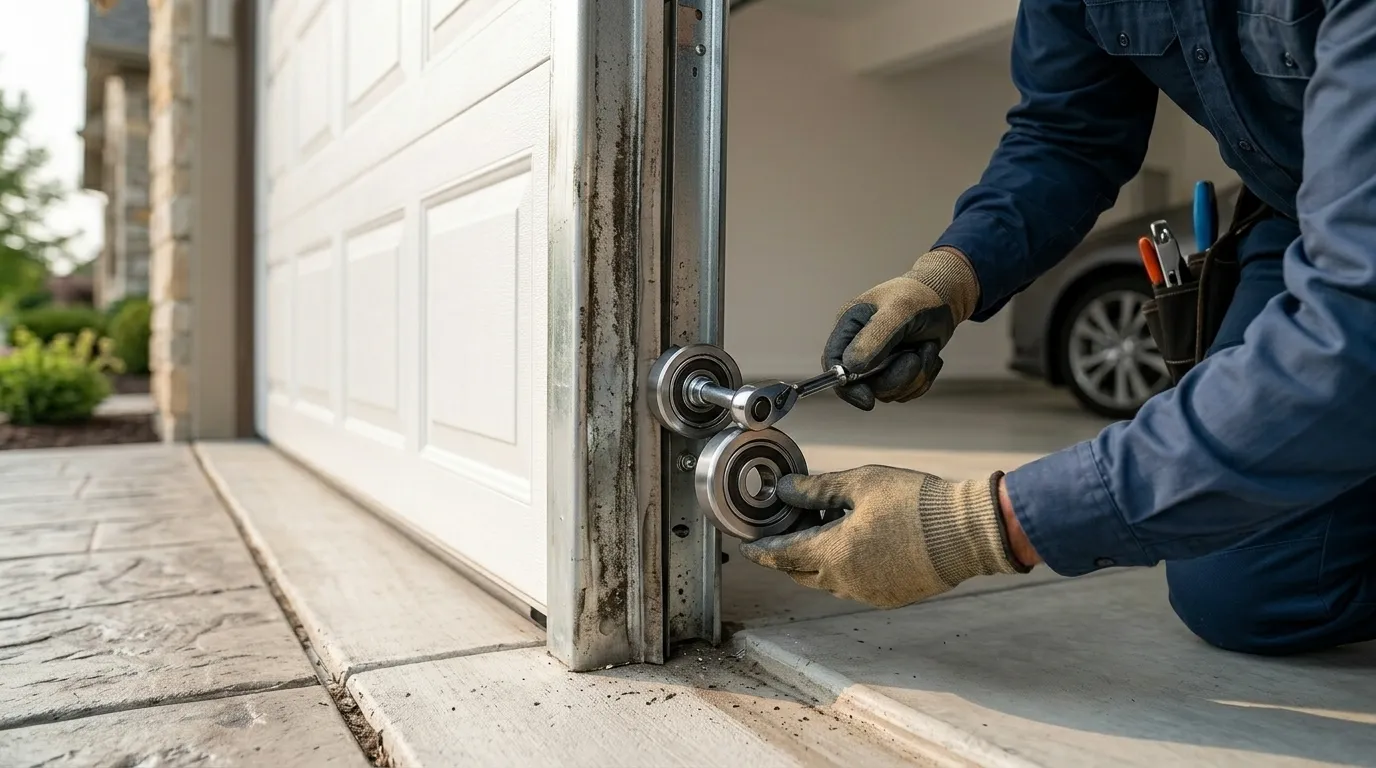
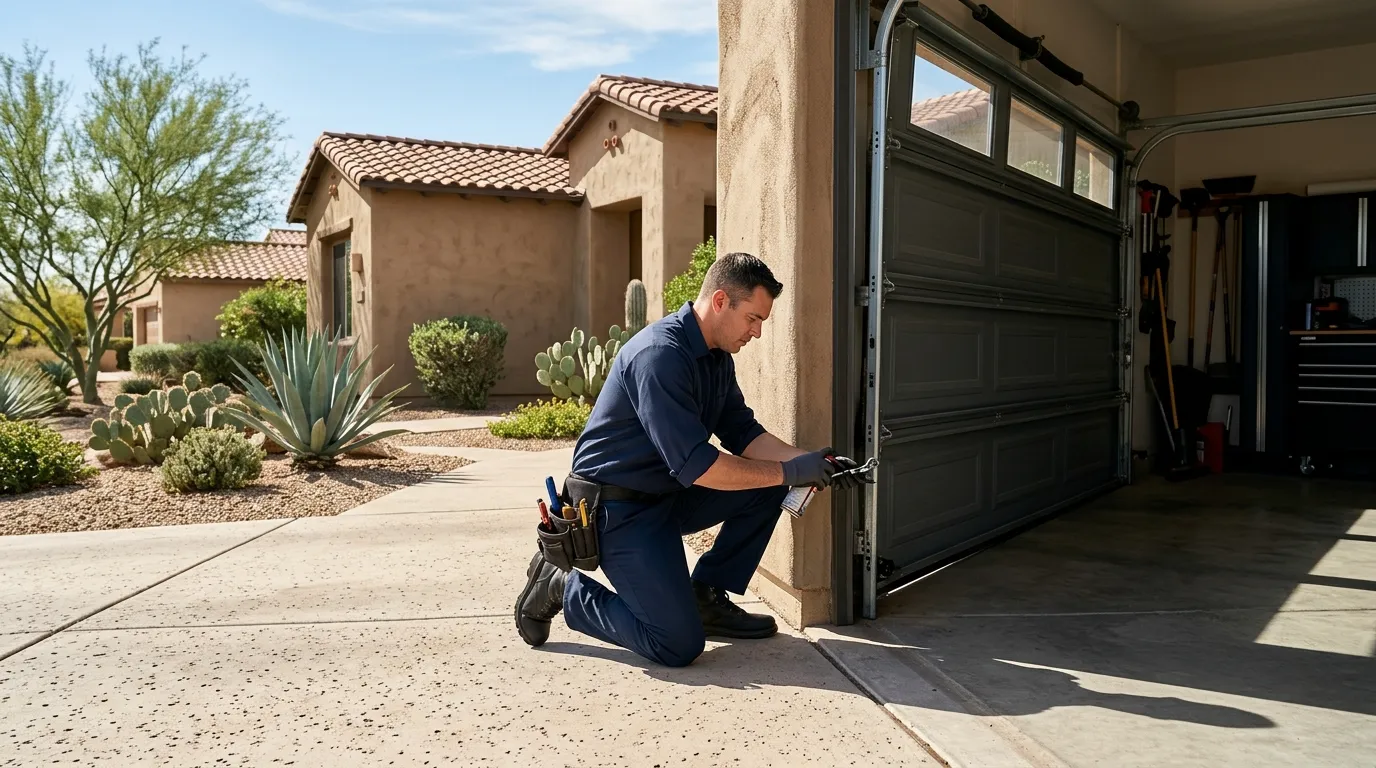
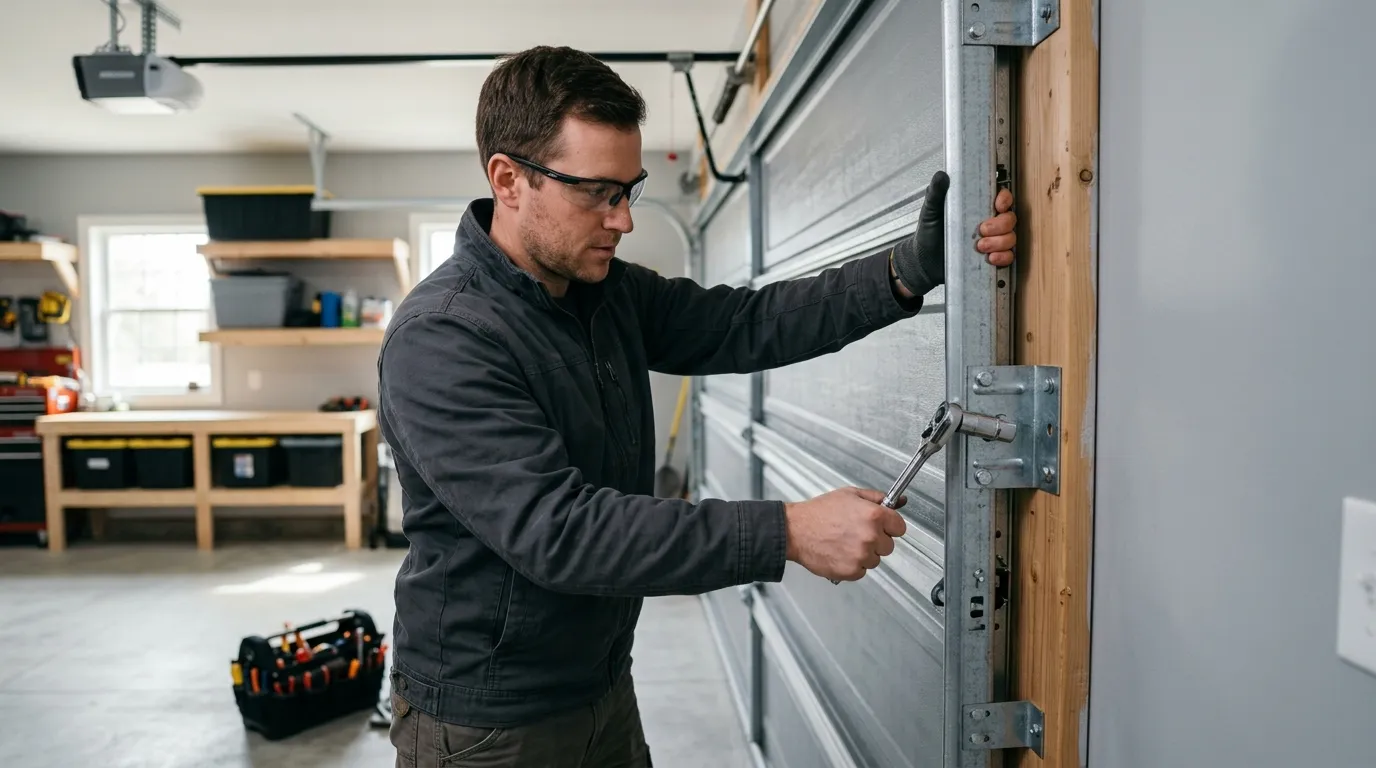
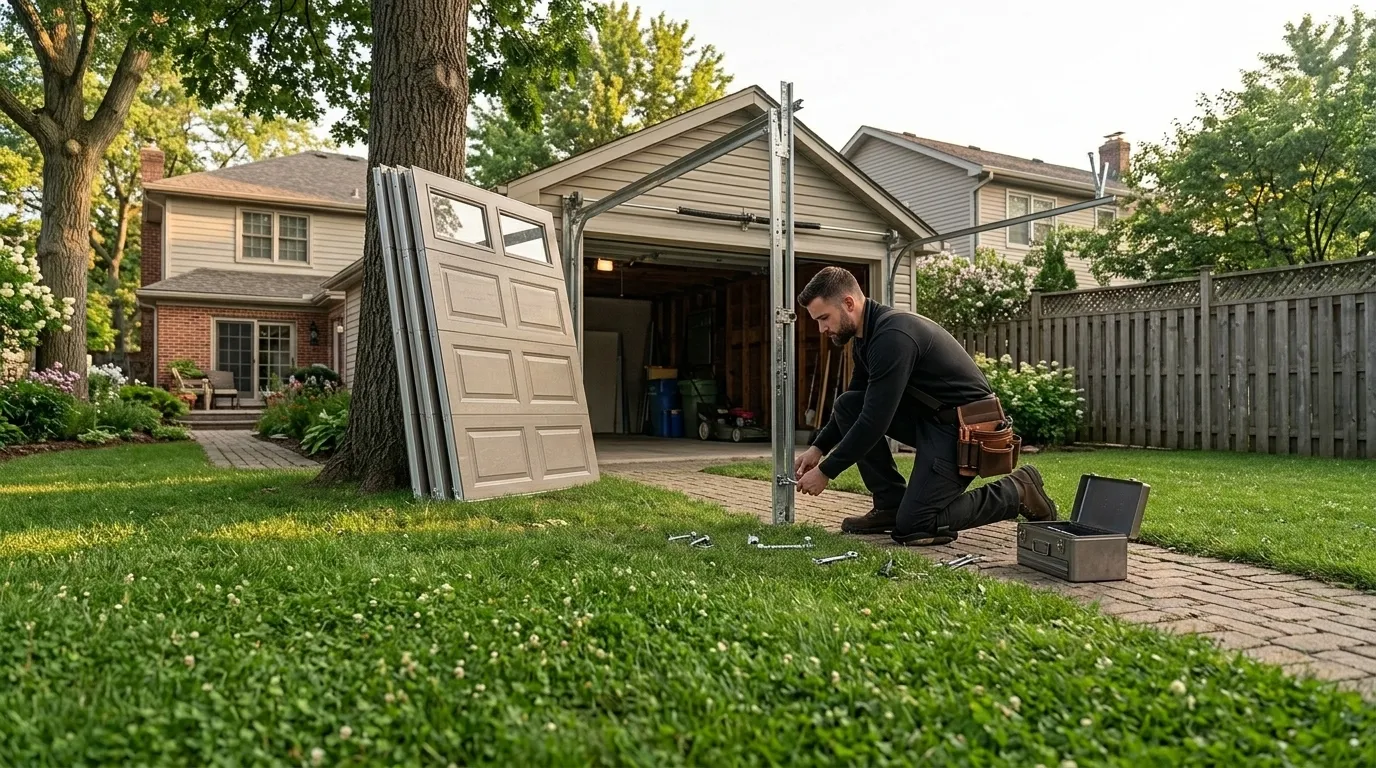
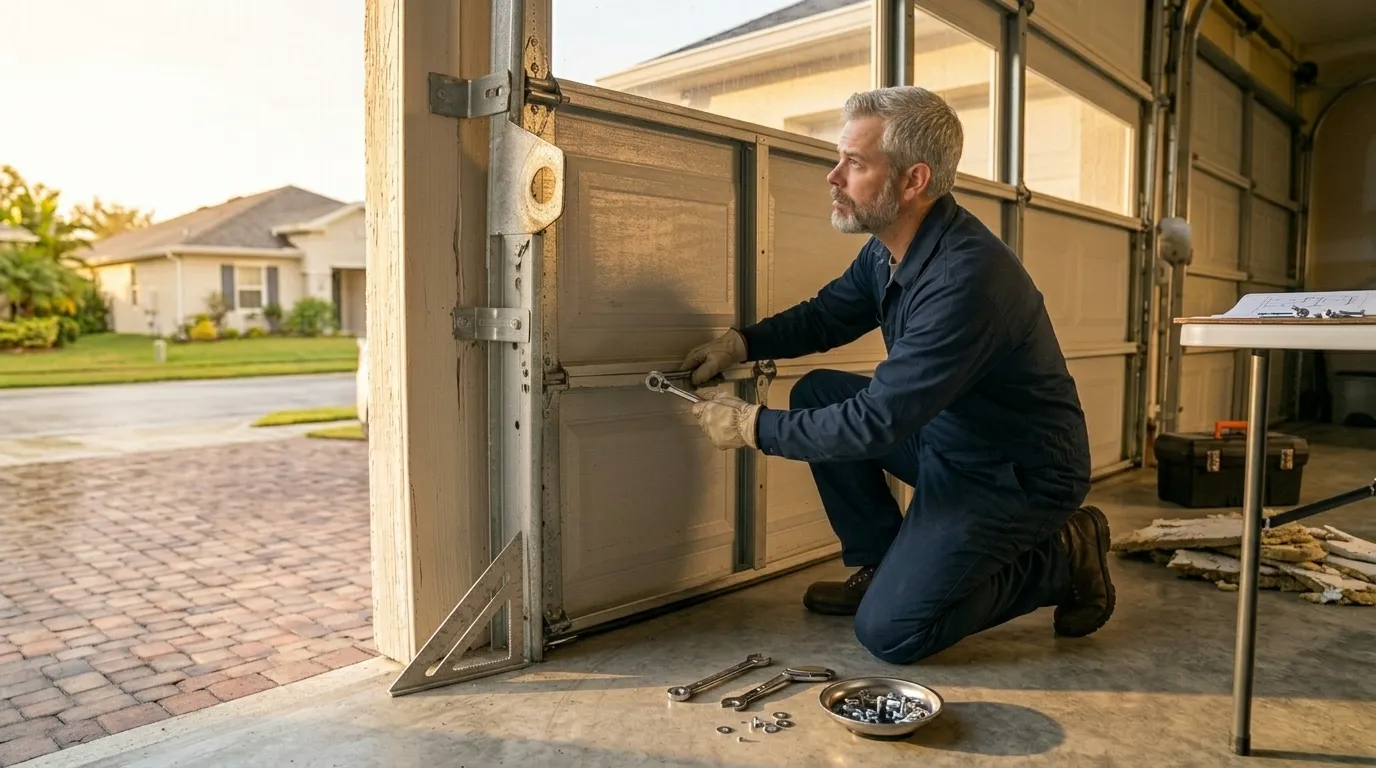
Some of this is fine to handle yourself. Opener remotes losing sync, sensor eyes knocked out of alignment, a track that needs a wipe-down and light lubrication - all reasonable homeowner jobs, and you don't need us for any of it. Torsion springs are a different matter. They're under enough stored tension to break a hand or worse, and on the builder-grade hardware common in Murphy's 2000s-built homes, the spring size and winding cone aren't always obvious without the right bar and gauge. Same goes for cables and the bottom bracket - low cost parts, high consequence if they let go while you're working on them. If the door won't move, or moves and reverses, that's a call, not a weekend project.