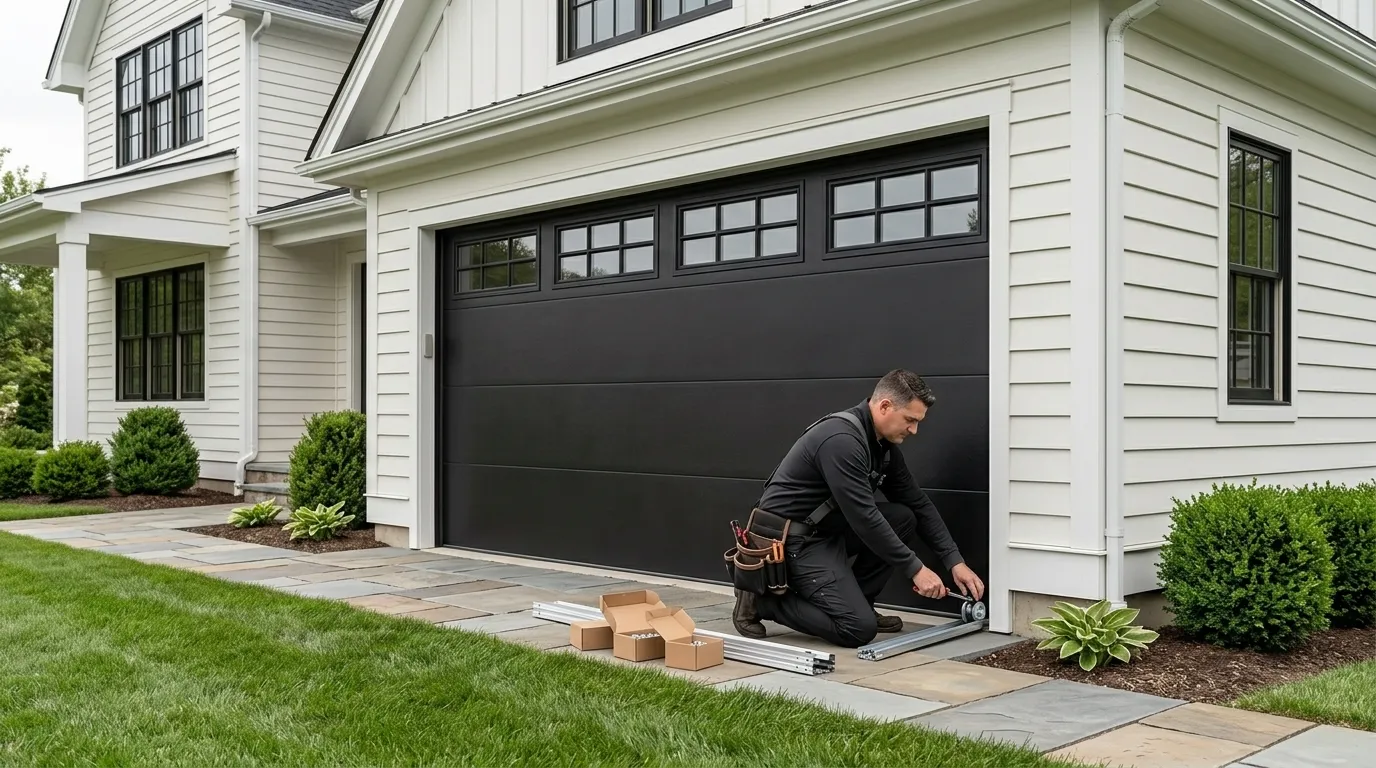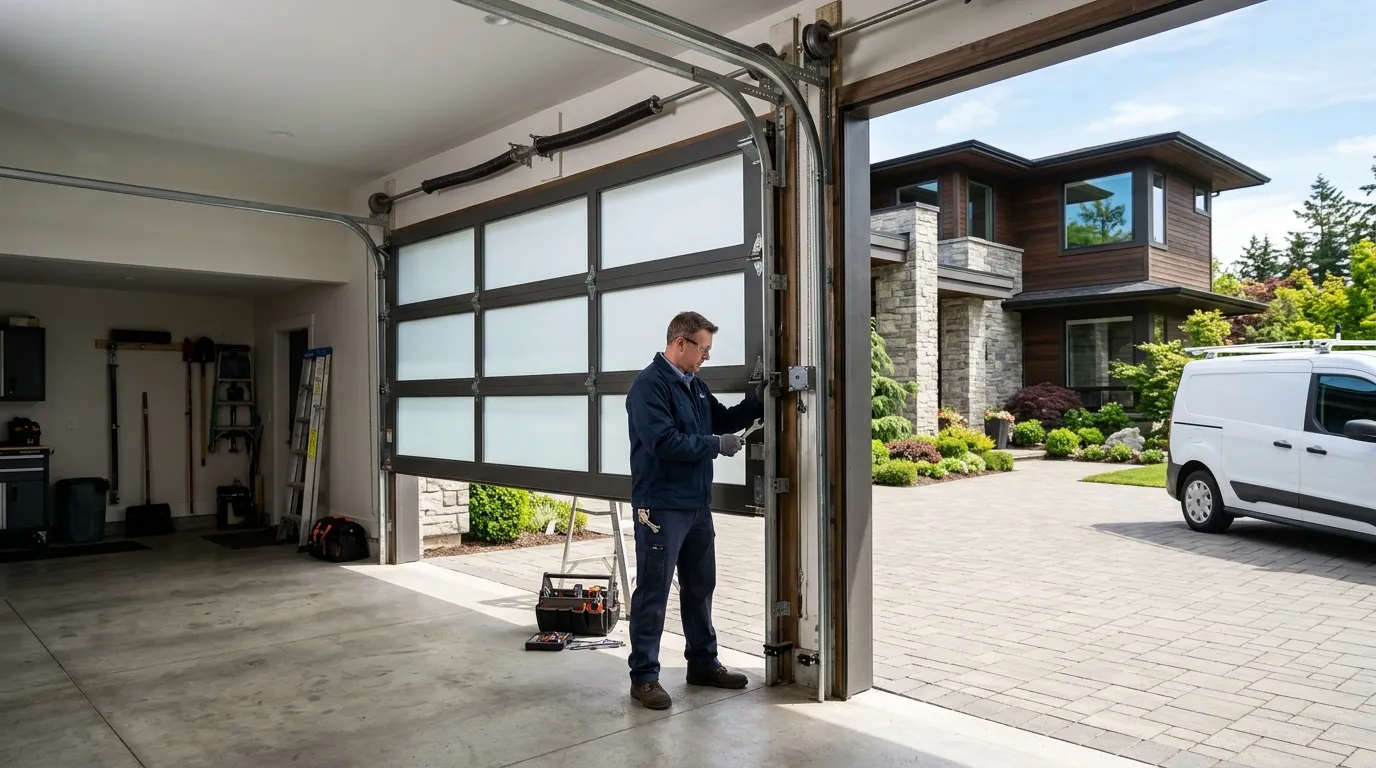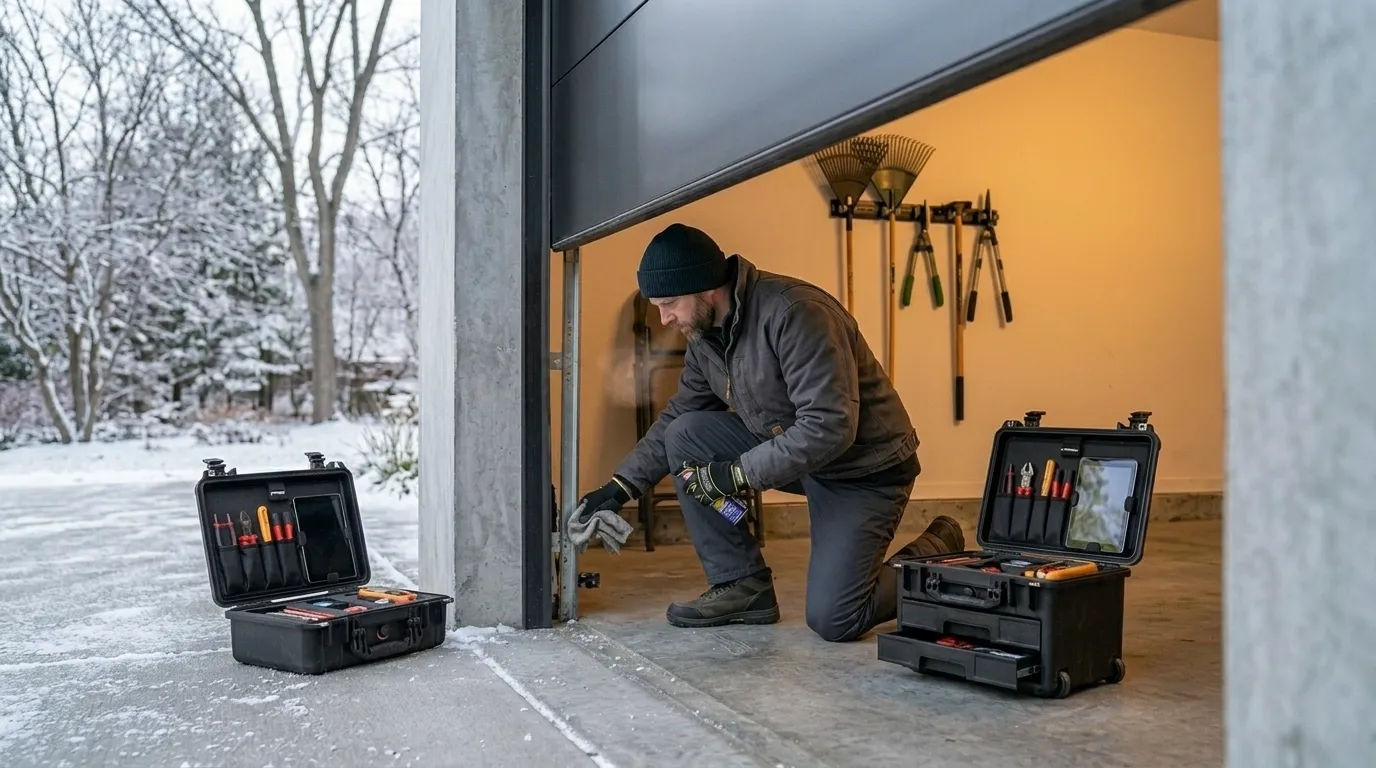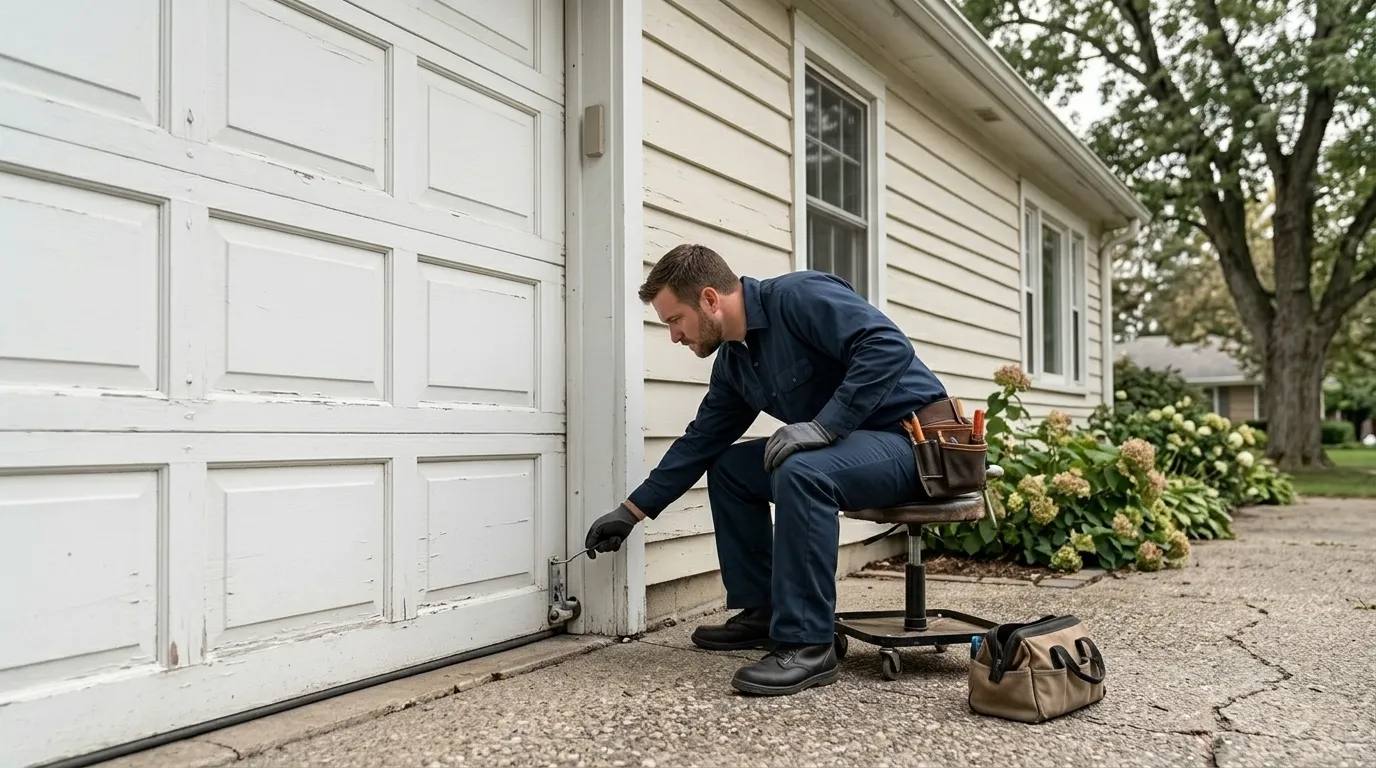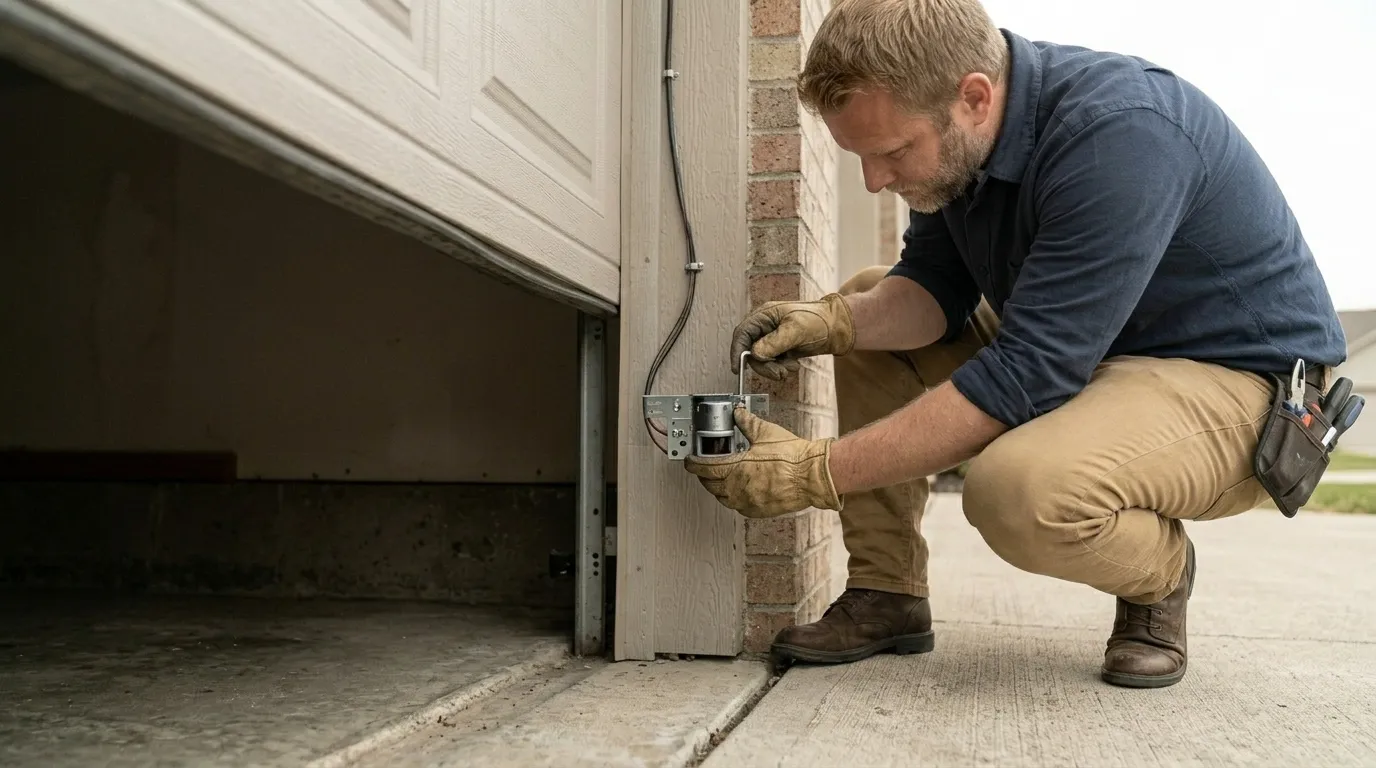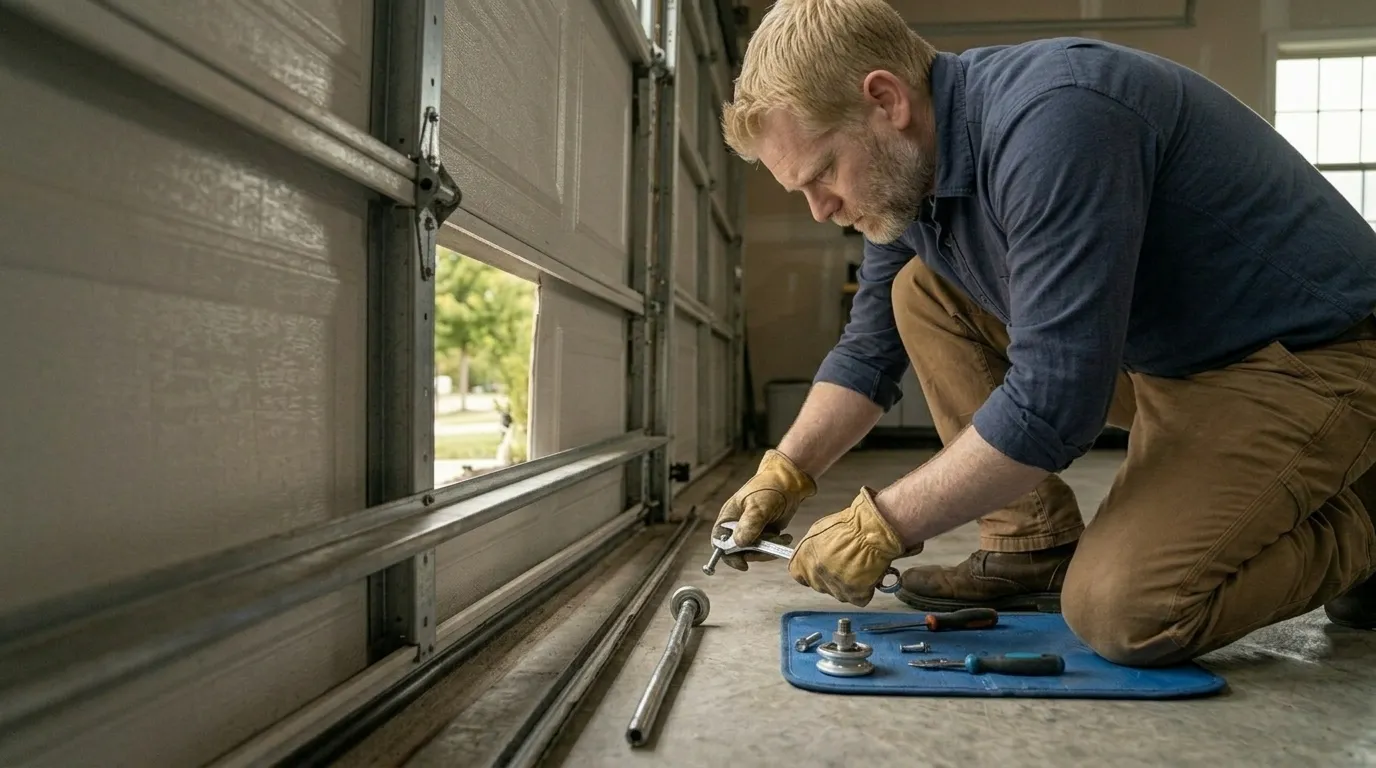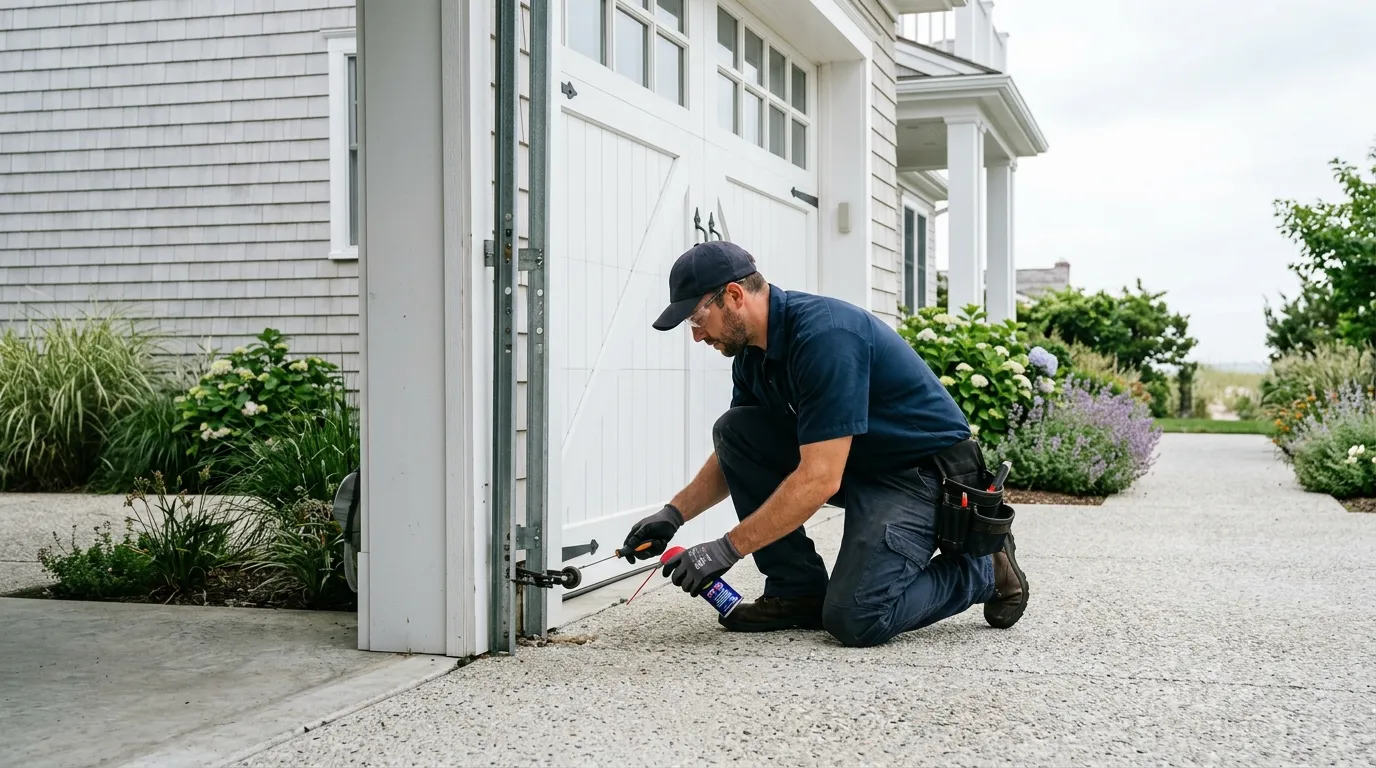
The Symptom
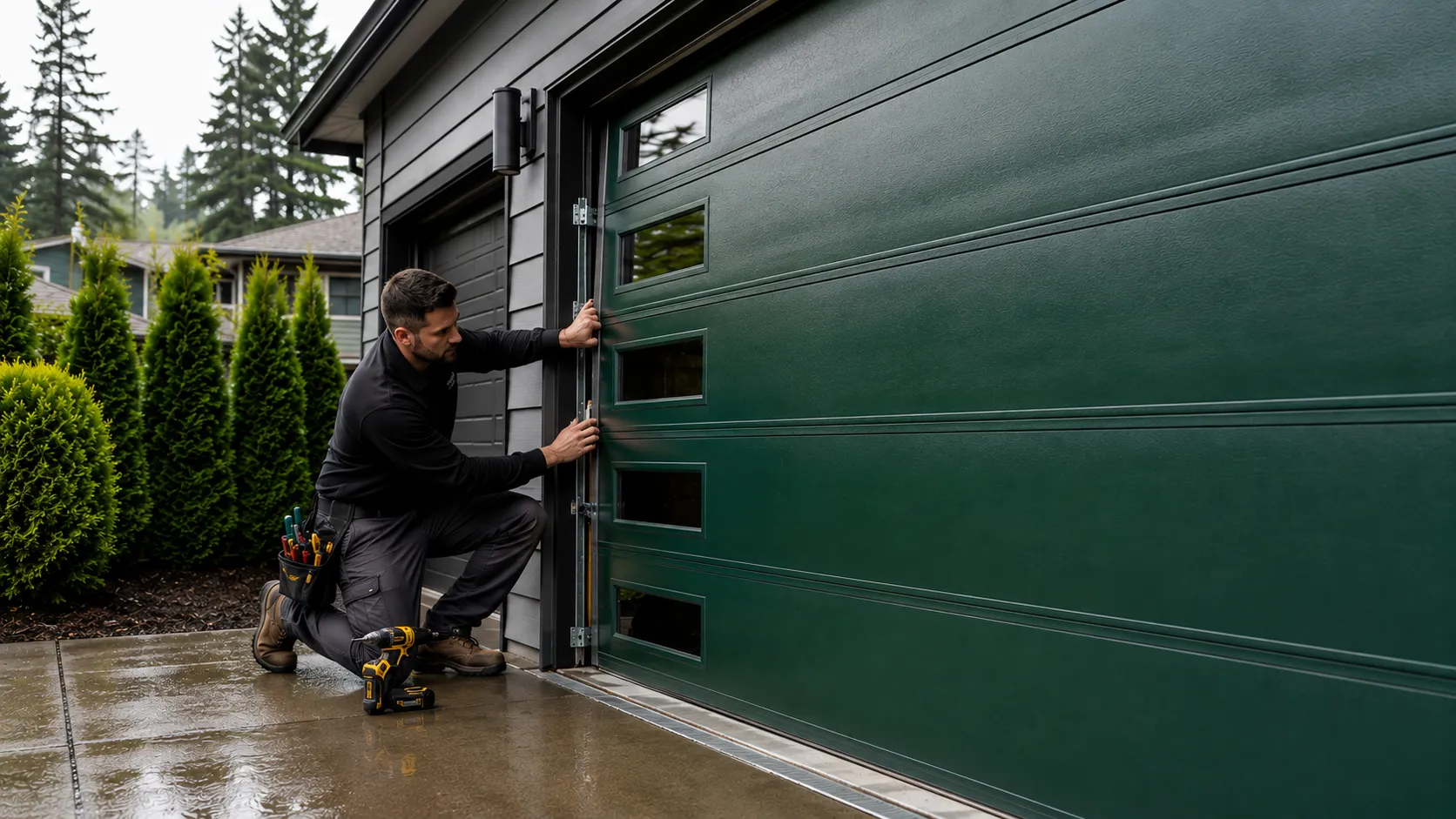
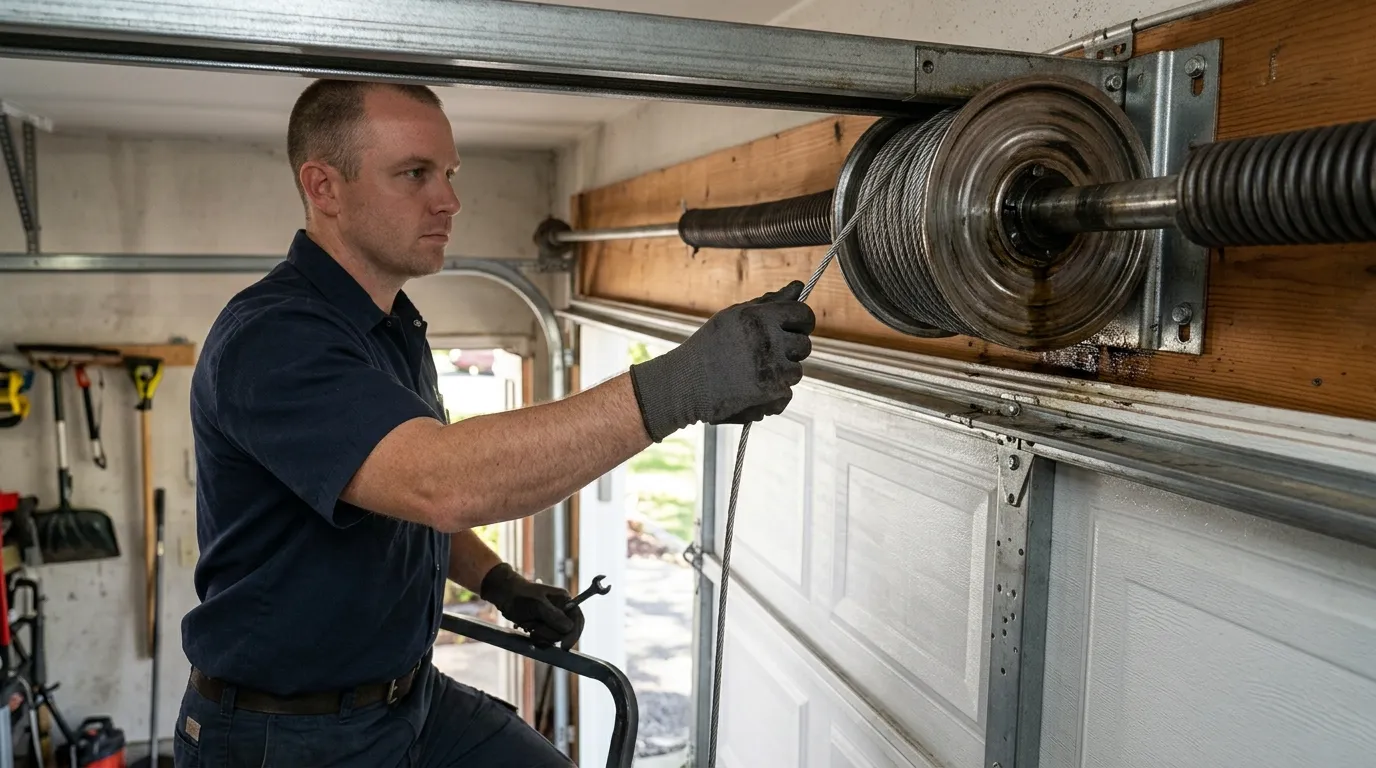
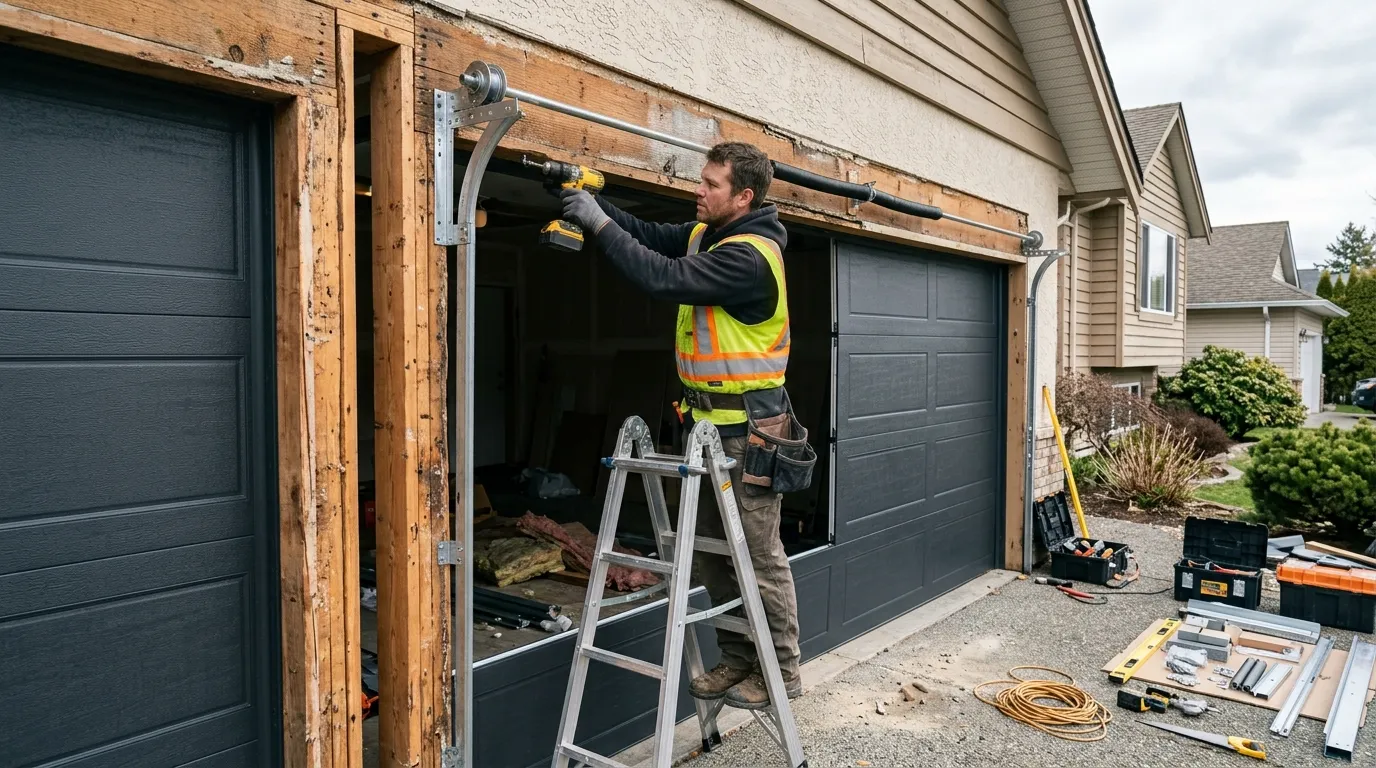
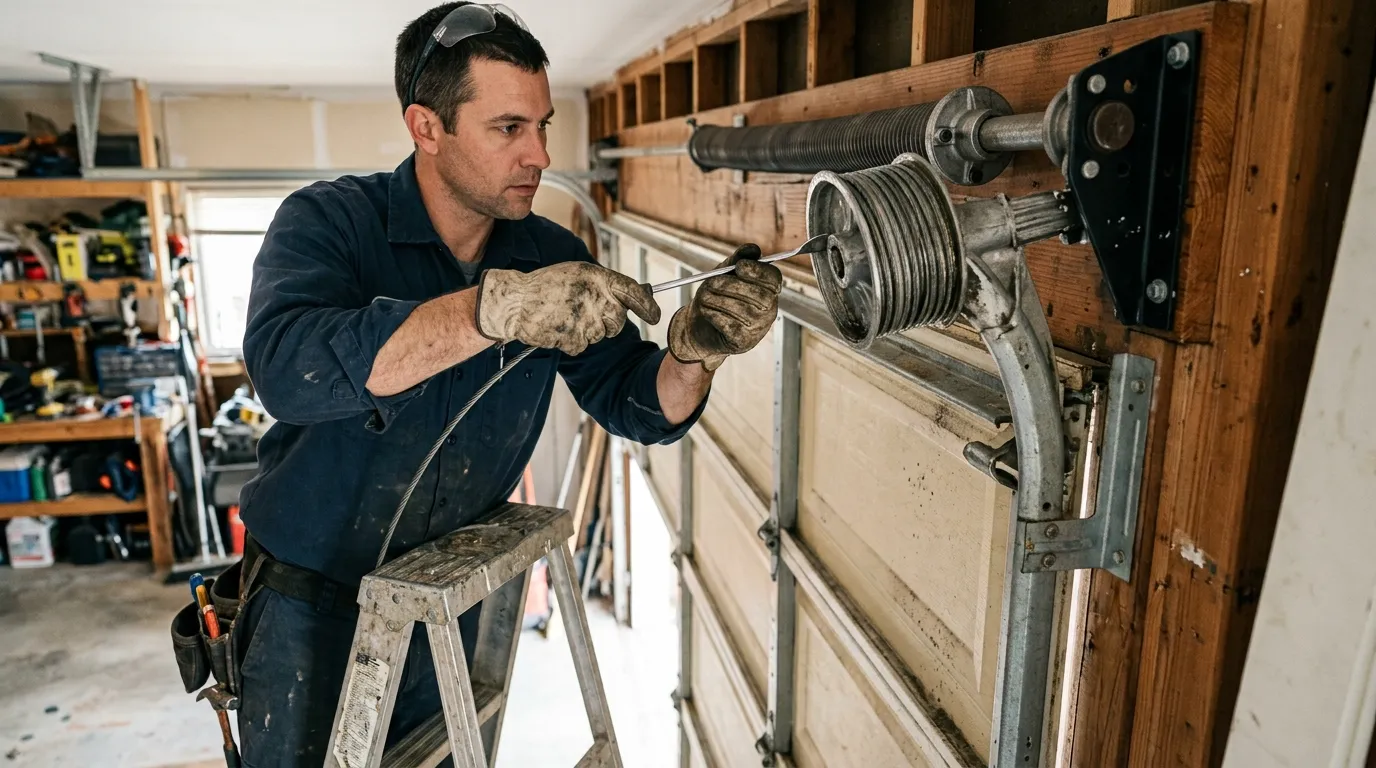
A commercial door rarely quits all at once. It starts small - a shudder halfway up the track on a warehouse dock door, a grind from an opener motor that used to run quiet, or a rollup that catches and reverses on its own at the end of a shift. On heavier commercial sections, that grind is usually a bearing running dry or a cable starting to fray under a load cycle count a residential door never sees.
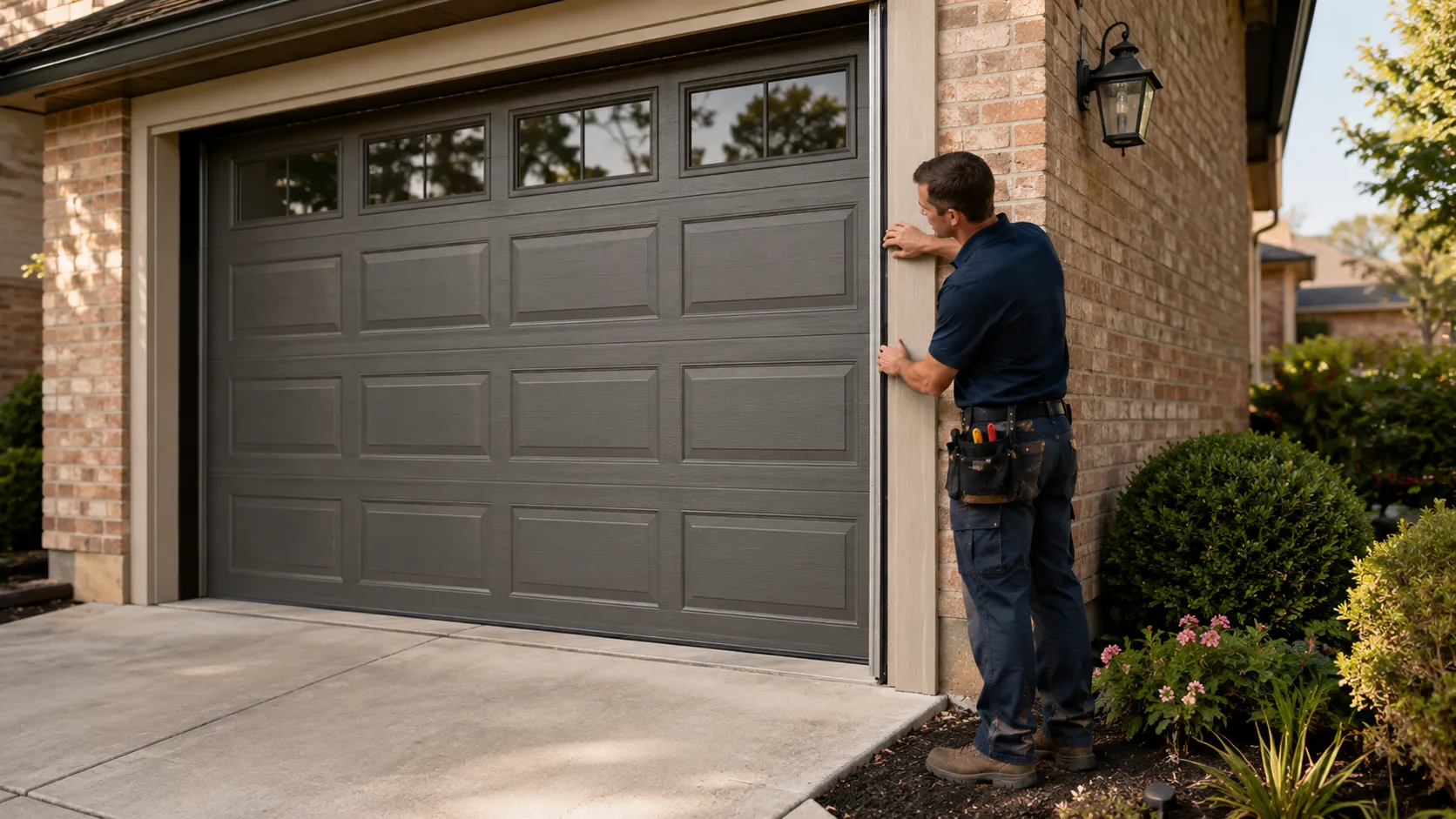
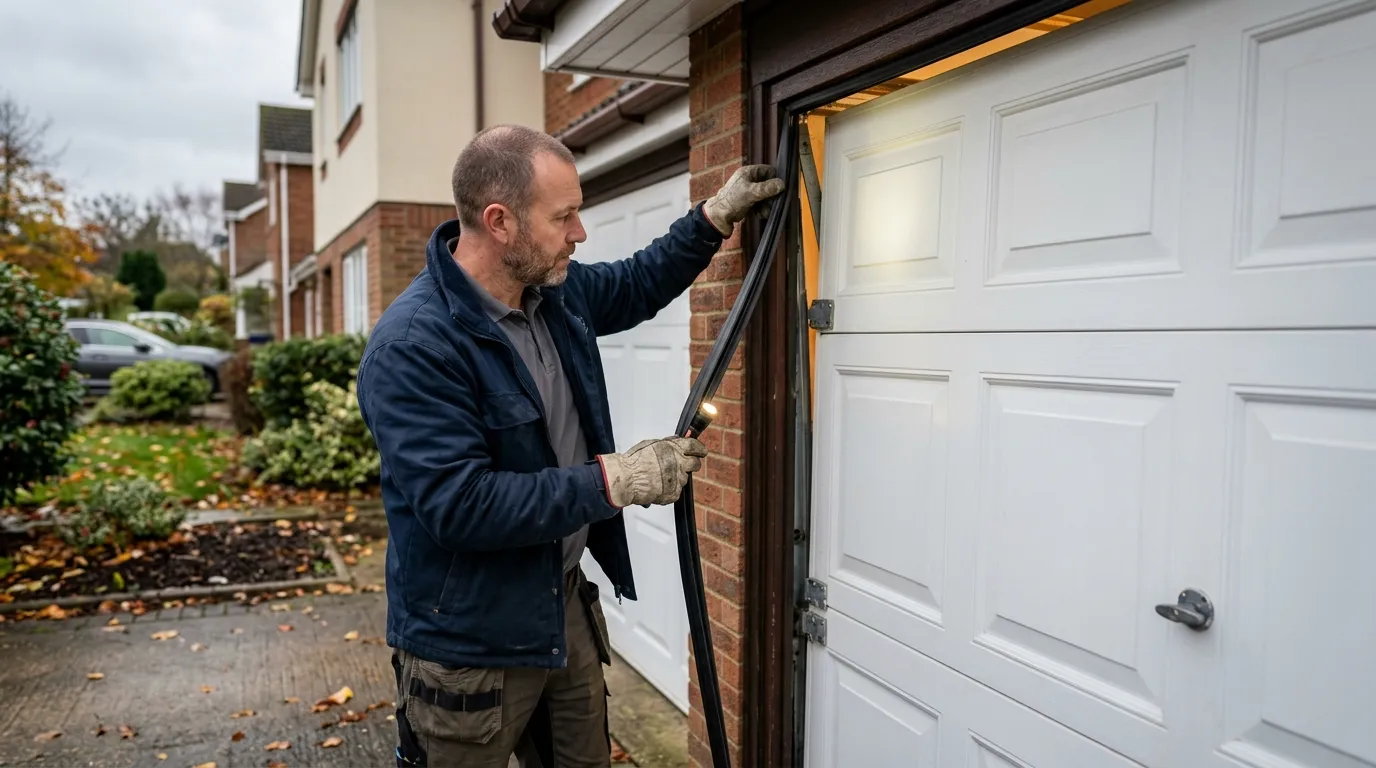
Dallas sits in a moderate-heat climate band, and that matters more for commercial doors than people expect. A steel door on a south-facing bay takes a real temperature swing between morning and mid-afternoon, and that swing works on the same hardware every single day - track bolts loosen, weatherstrip goes brittle at the bottom seal, and control boards in older openers run hotter than they're rated for. On a storefront door that cycles a dozen times a day, or a dock door on a fixed schedule, that daily heat cycle adds up faster than most owners notice until the door won't seat flush anymore.
If your door is slow to respond to the wall button, or the chain hoist skips a link under load, don't keep running it. A door that's already binding under heat stress and gets forced through another cycle is how a track pulls off its mounts.
What You Pay
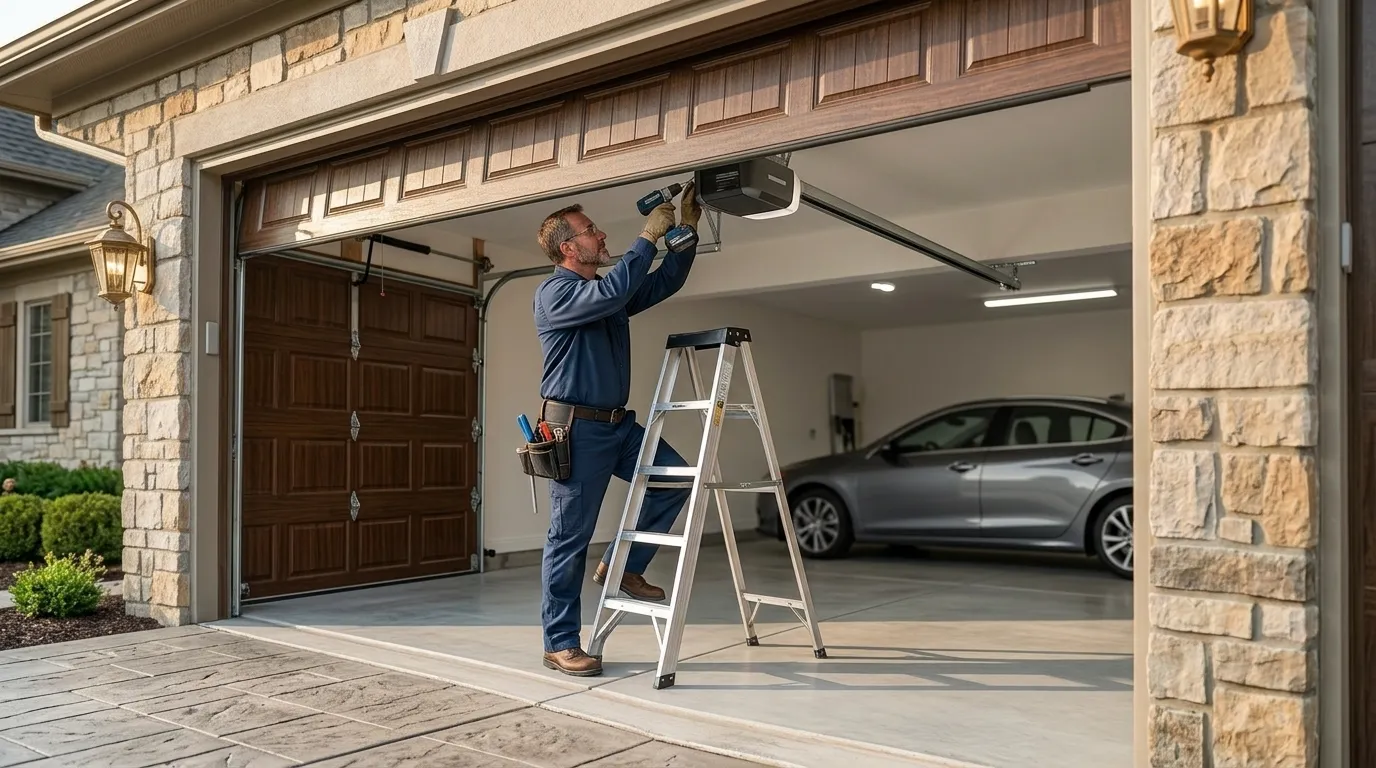
We don't post a flat number for commercial work, and honestly nobody should - the range on a dock door with two torsion springs and a half-horsepower opener is nothing like the range on a light storefront rollup with a single spring. Door width, spring count, opener horsepower, and whether the track or the operator is the actual problem all move the number.
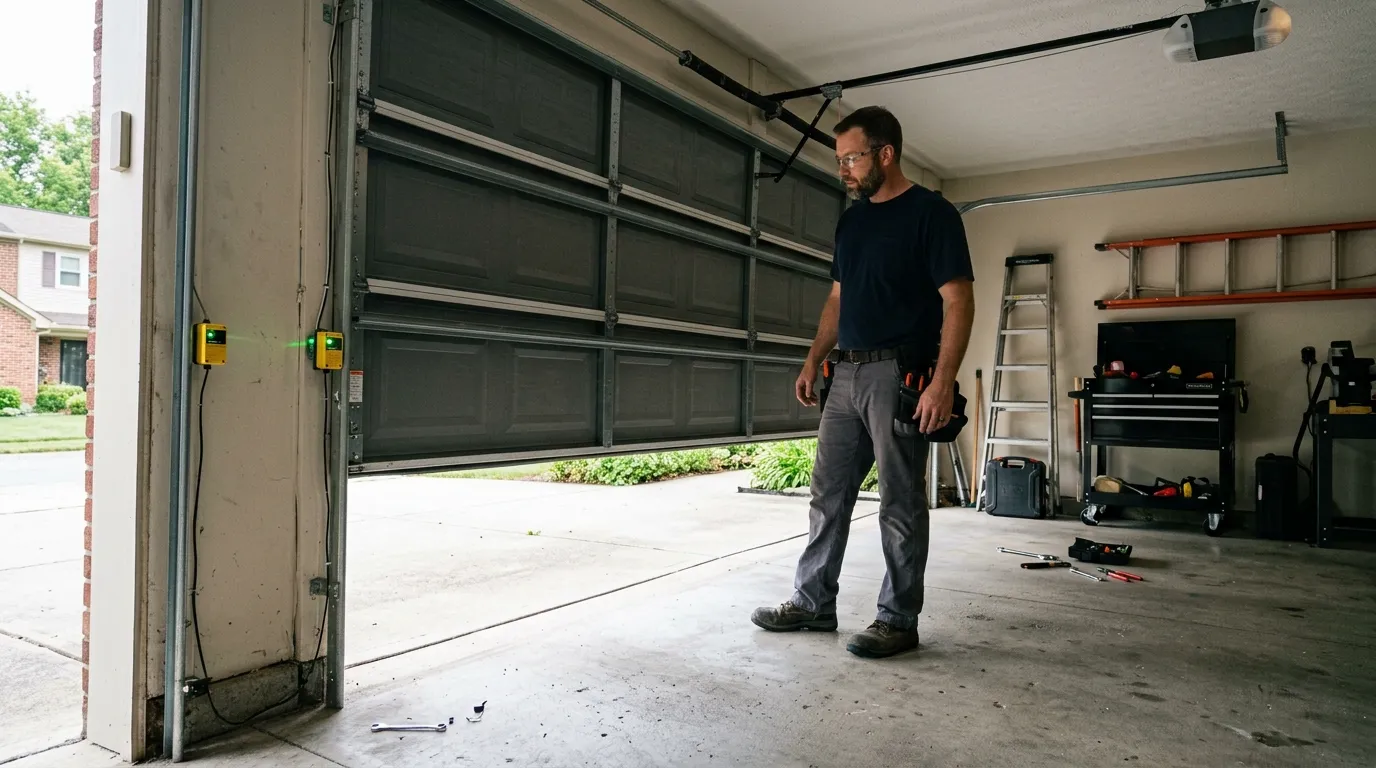
What we can tell you is how the quote gets built: we look at the door in person, identify what's actually failed versus what's just worn, and price the parts and labor for that job - not a guess over the phone. If a spring's gone on a double-torsion setup, that's a different job and a different cost than swapping a burned-out logic board.
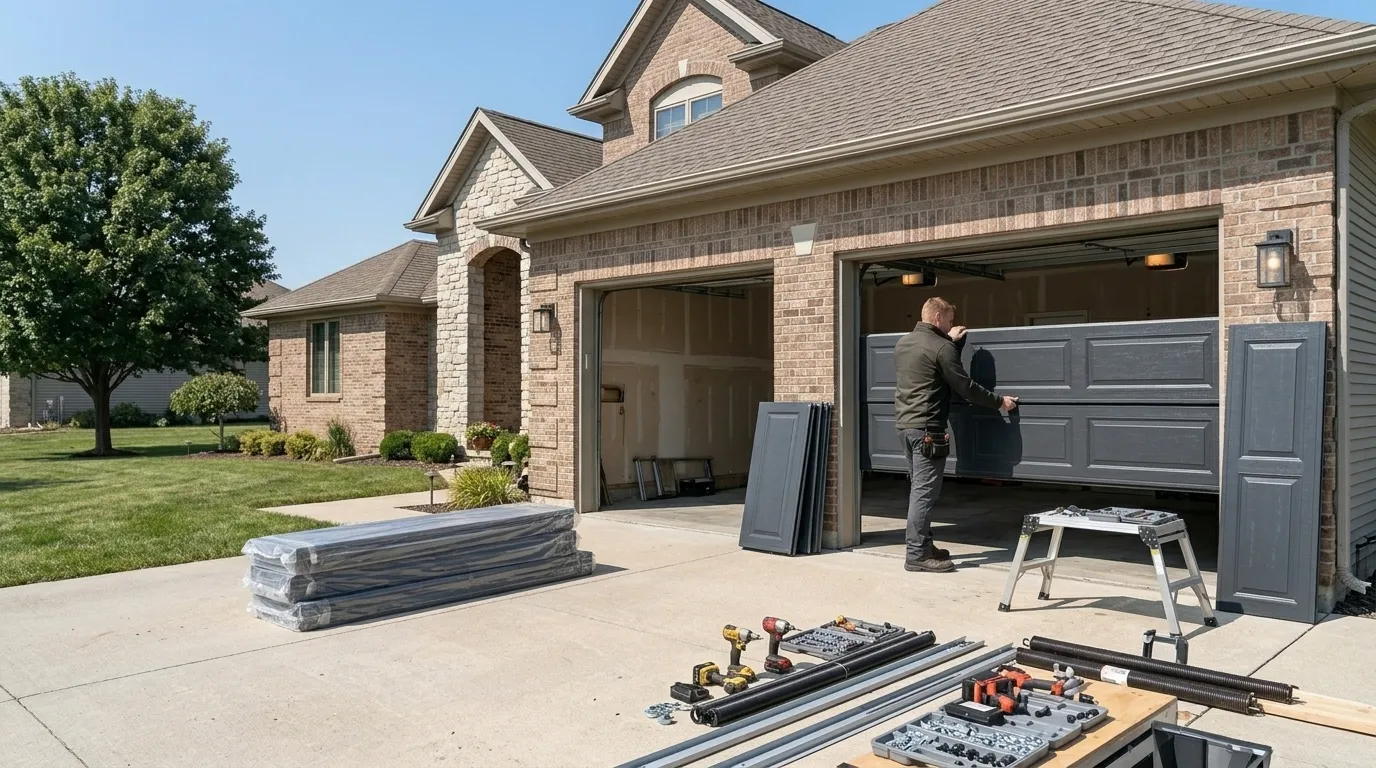
The honest limitation here: if your opener is old enough that parts are backordered or discontinued, we'll tell you that upfront rather than quote a repair we can't actually finish on time. Sometimes the right call for an aging commercial unit is a full swap, not a patch, and we'll say so instead of running the clock on parts that might not show up.
What Causes It Around Here
Most of the housing across the Dallas service area went up between 1973 and 2007, with the heaviest run through the 1980s and 90s - and the commercial corridors that grew up alongside those neighborhoods, from the retail strips near to the small warehouse space out toward Buckner Terrace and filled in over that same stretch of decades. A lot of that first generation of commercial openers and torsion hardware is still running, and it's aging out at close to the same rate across the corridor.
Heat is the other half of it. Dallas's moderate-heat climate band means steel doors and their tracks go through real daily expansion and contraction, especially on buildings with south- or west-facing bays near the and the Downtown Historic District where sun exposure is direct most of the day. That cycle fatigues weatherstrip, loosens hardware, and pushes aging control boards past their comfortable operating range faster than a mild climate would.
Put those two things together - commercial hardware from the same multi-decade build-out, running in a climate that stresses it daily - and you get the pattern we actually see on service calls: openers failing in clusters by install era, not by brand or by one bad batch.