The Symptom
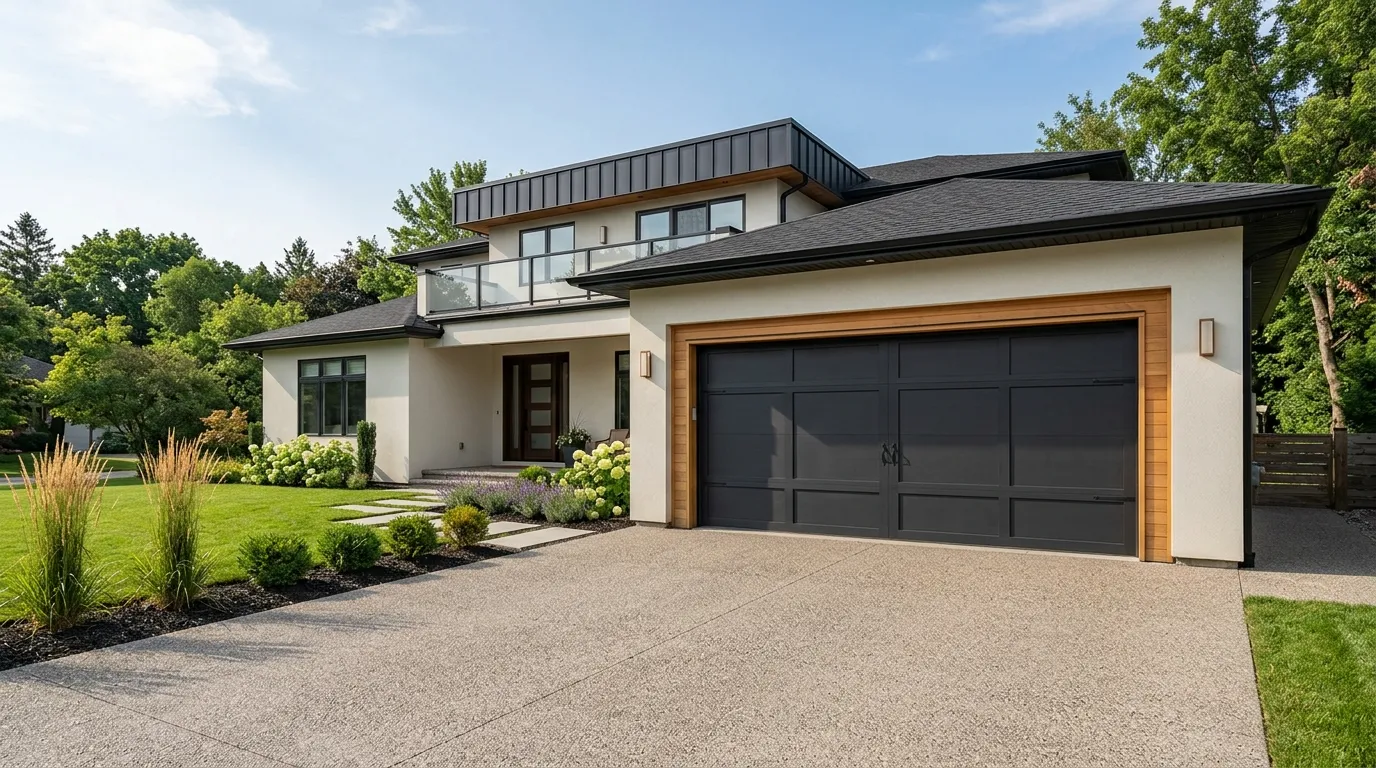
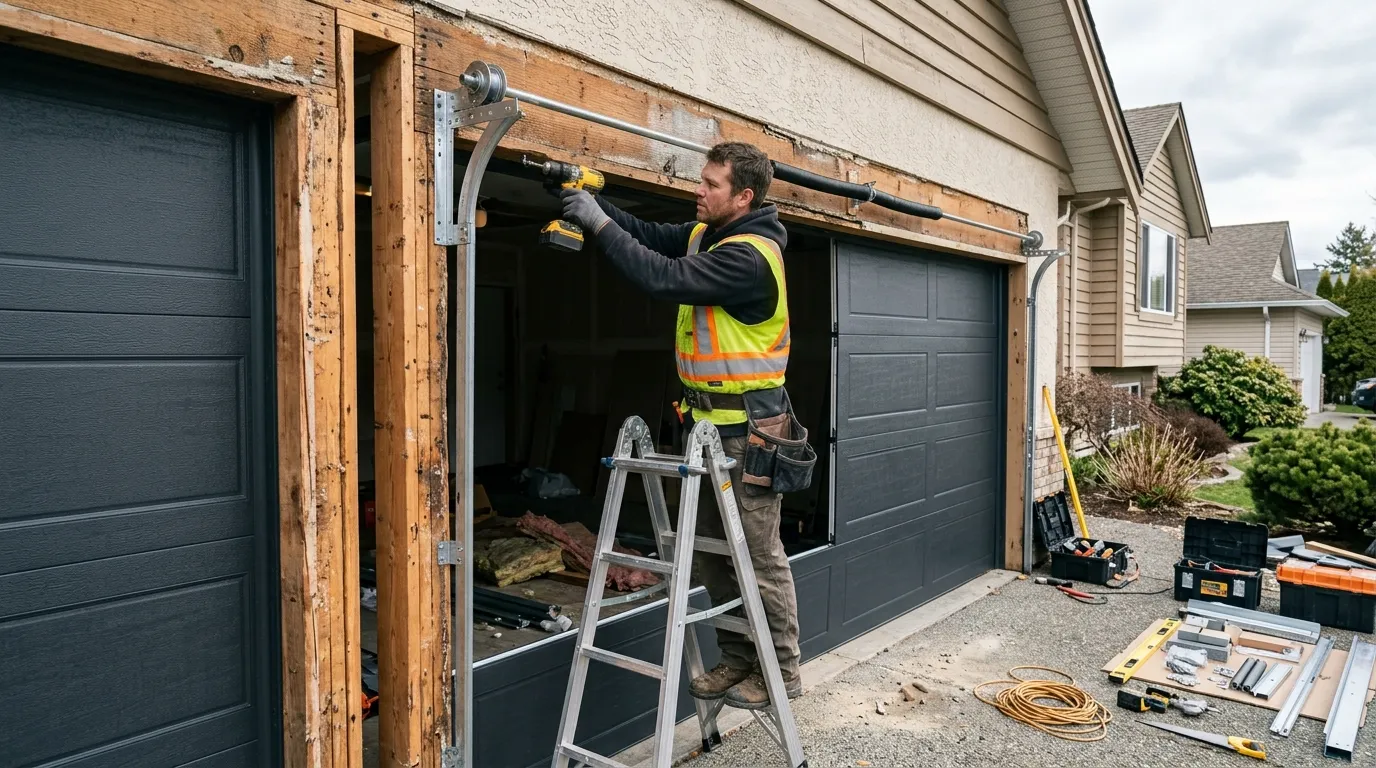
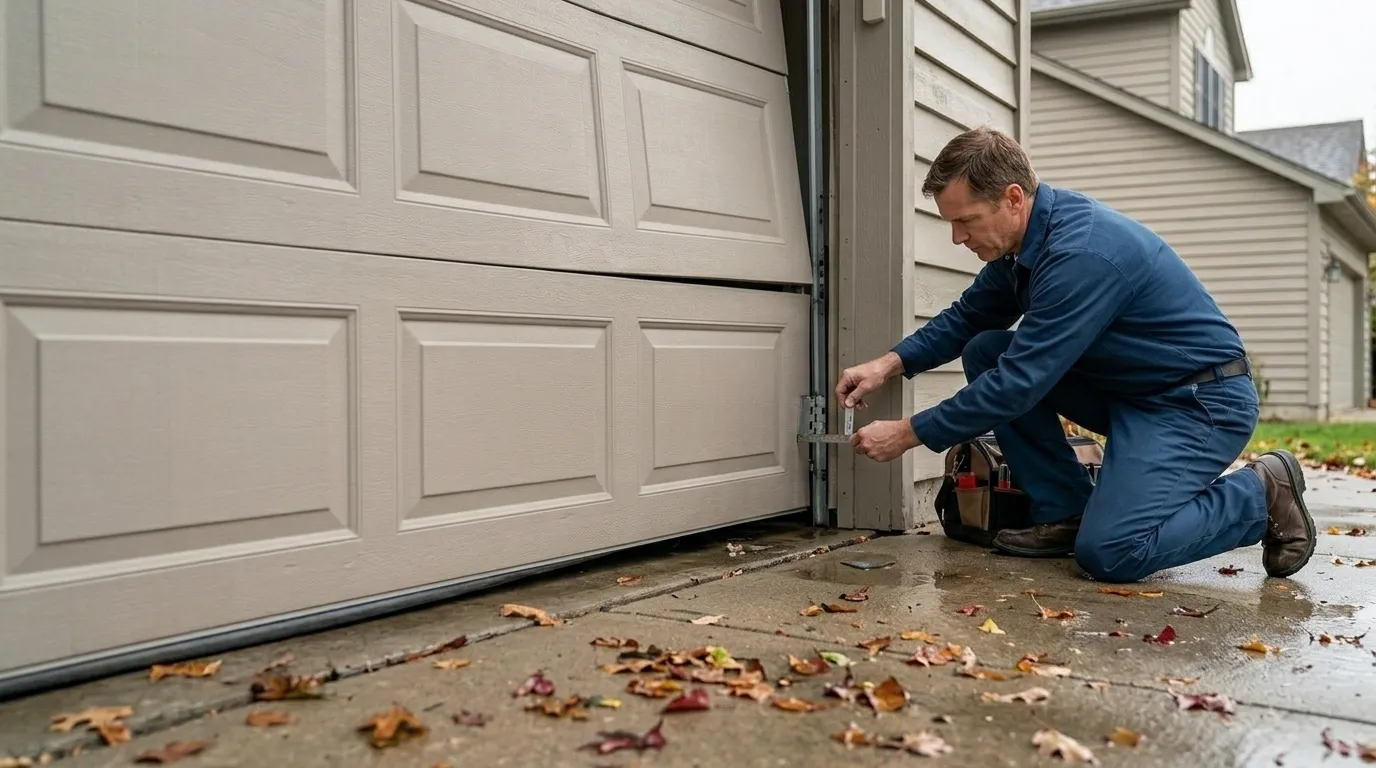
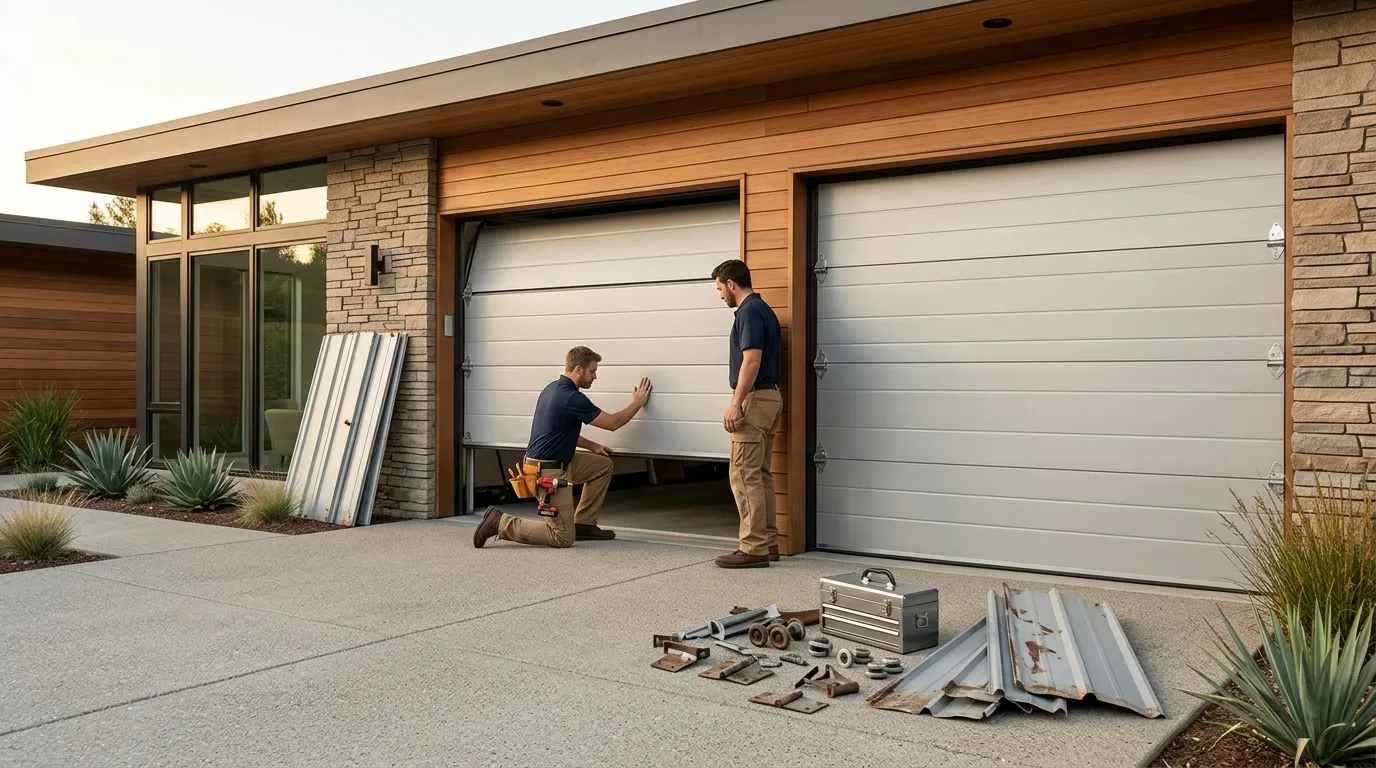
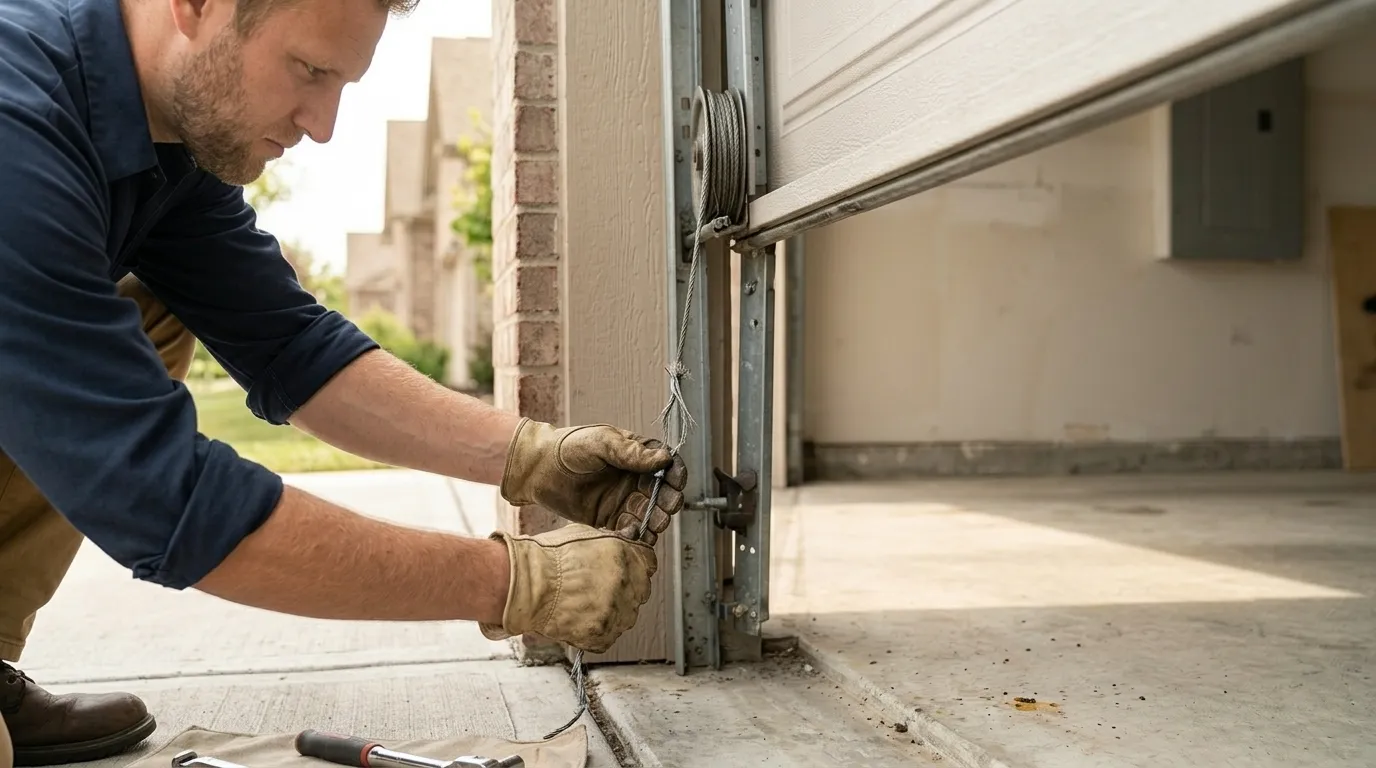
University Park's median household income is $250,001, nearly triple the $83,256 median across the wider service area we cover. That number matters here because at this income level, a lot of homeowners default to replacing the whole door the moment something breaks, even when the fix is a lot smaller than that. A broken spring almost never means a new door. It means the door won't lift on its own anymore, or it slams down instead of gliding, or the opener strains and grinds trying to do a spring's job. You'll usually see one side of the door hanging lower than the other, or a cable gone slack and loose against the track. If the panels, tracks, and rollers are otherwise sound, this is a repair, not a remodel decision. We'll tell you plainly if we think you're past that line, but a spring failing on a door that's structurally fine is the most common call we get, and it's the cheapest problem this door will ever have.
Time on the Job
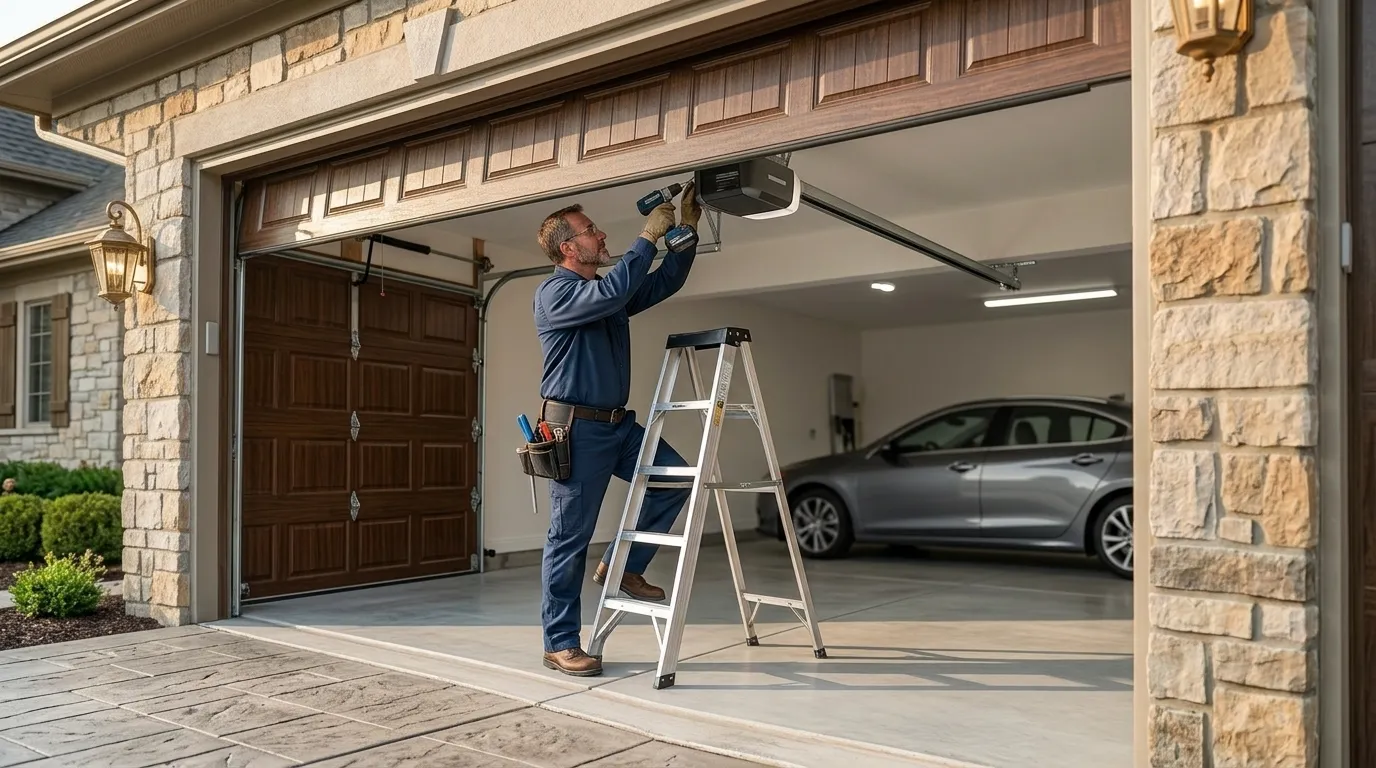
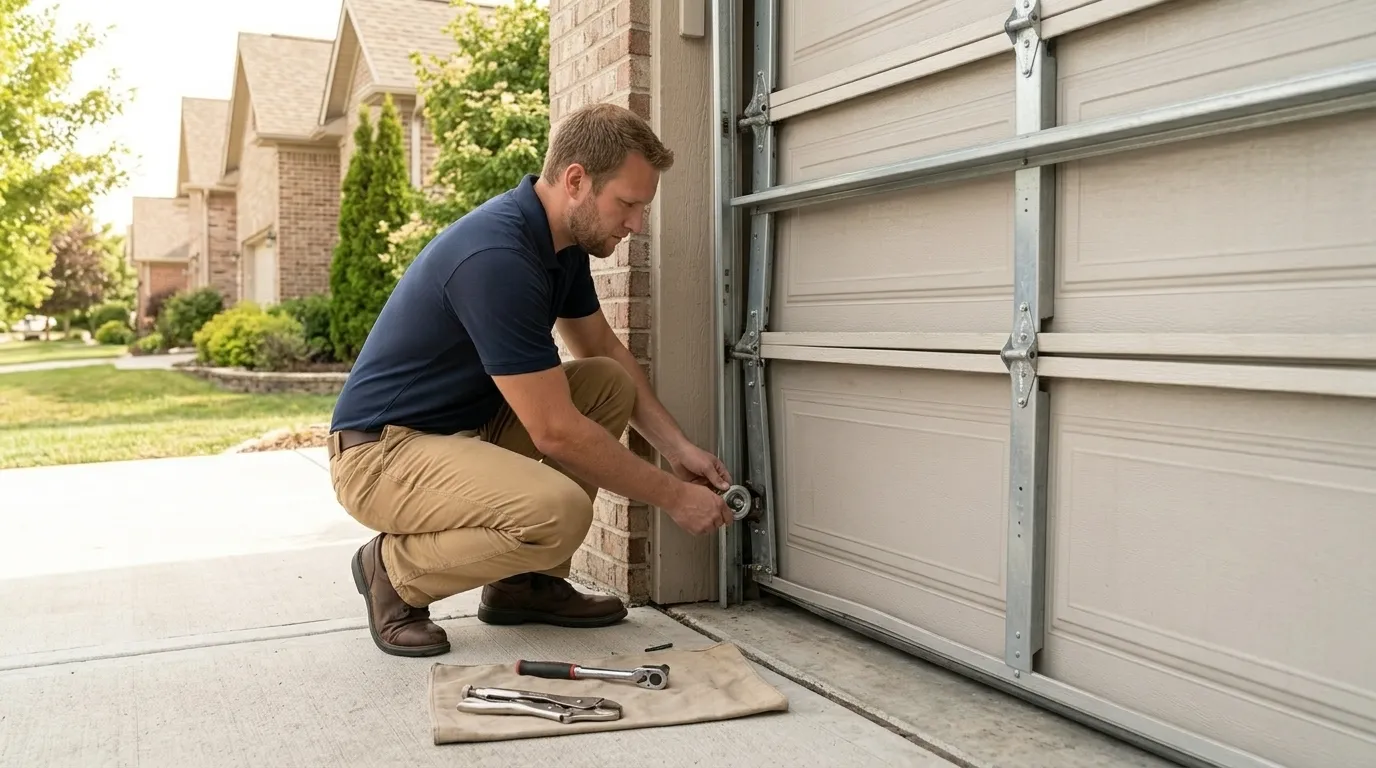
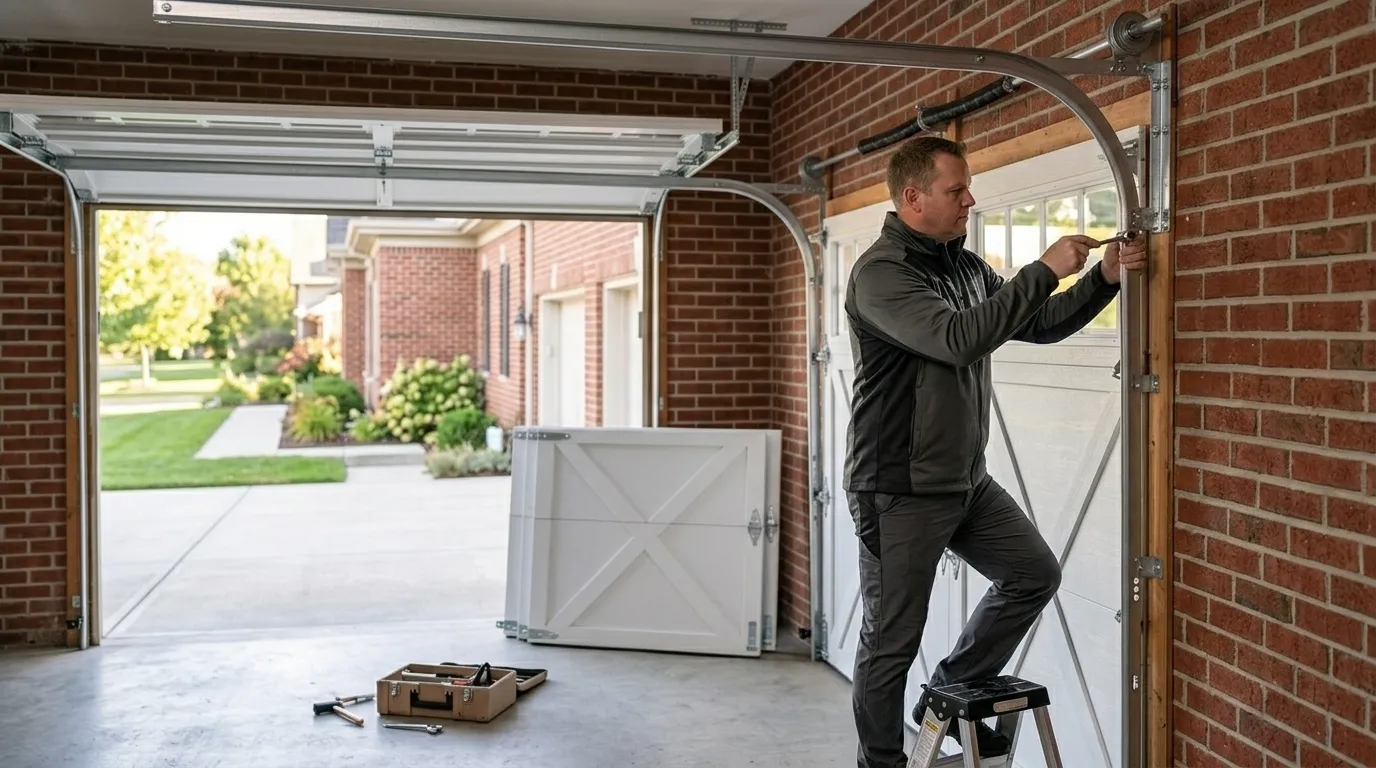
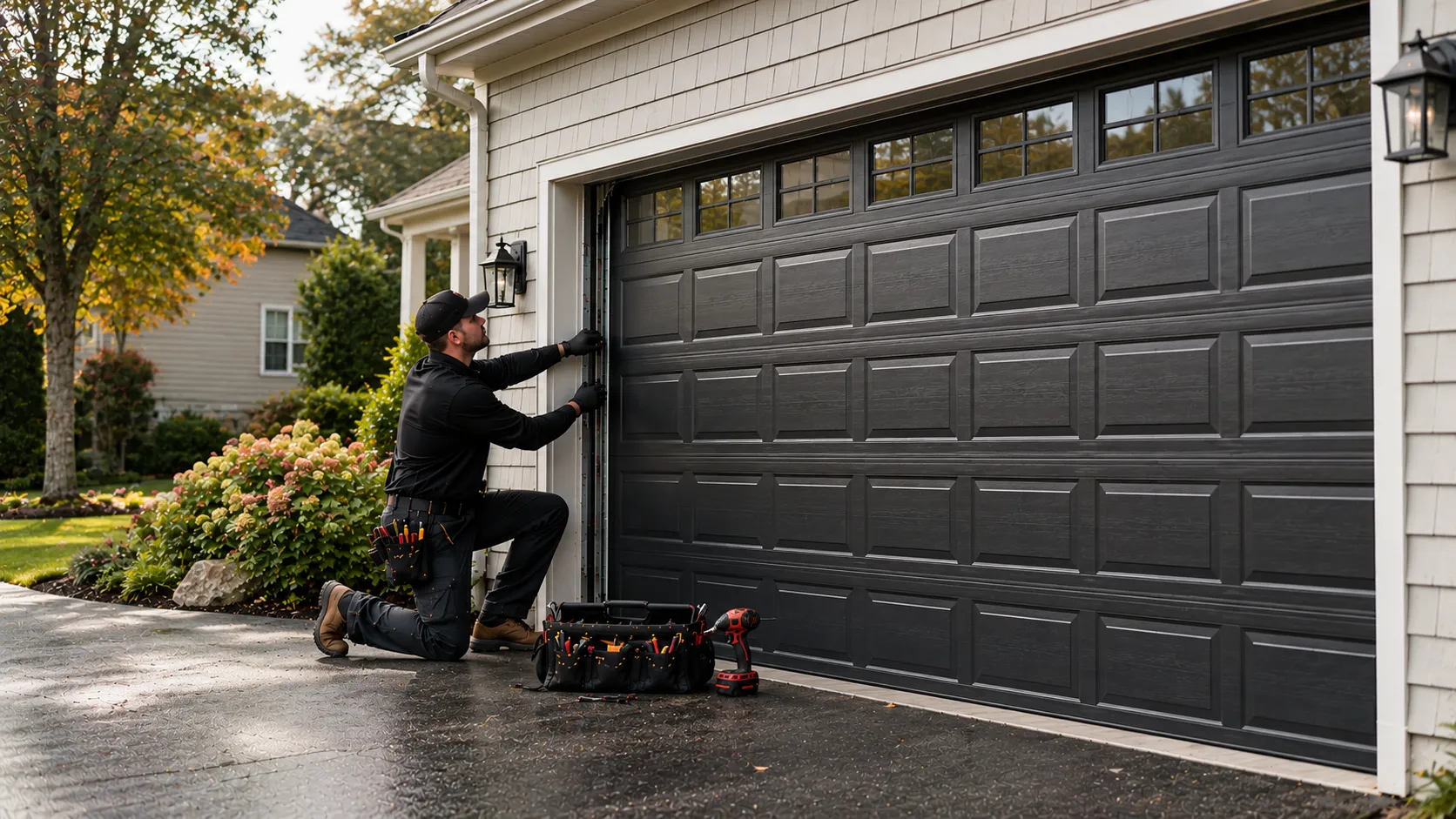
A torsion spring swap follows the same order every time, regardless of the house: clamp the door, release tension off the old spring safely, pull the broken coil, size and set the replacement to the door's weight, and cycle the door a few times to check balance before we leave. What changes house to house is what's bolted to the shaft. Heavier insulated doors, common on newer builds in this price range, sometimes carry dual springs or a thicker wire gauge than a lighter builder-grade door from the same era. We don't guess spring size off the door's age alone; we weigh and measure on site, because two doors built the same year can carry very different loads. We don't quote a job sight-unseen for that reason. It's a same-visit repair once we're there, but we won't promise a number before we've seen the hardware.
Booking a Visit
We're based in Dallas and drive out to University Park, about 4 miles from our shop, for every call in this town. There's no local branch or depot here, and we won't tell you otherwise. What that means practically: we bring the spring sizes and hardware we expect to need based on what we see over the phone or in photos, but if a door turns out to need something unusual, we may need a second trip once the part is in. University Park's smaller size, 7,174 households, means we see less variety here than in some of the older, larger parts of the service area, so surprises are less common, but they still happen on heavier custom doors. If you want the fuller picture of what we handle across the service area beyond spring repair, that's covered on our main page for this town, and on the page for the broader Dallas service area.
What the Fix Involves
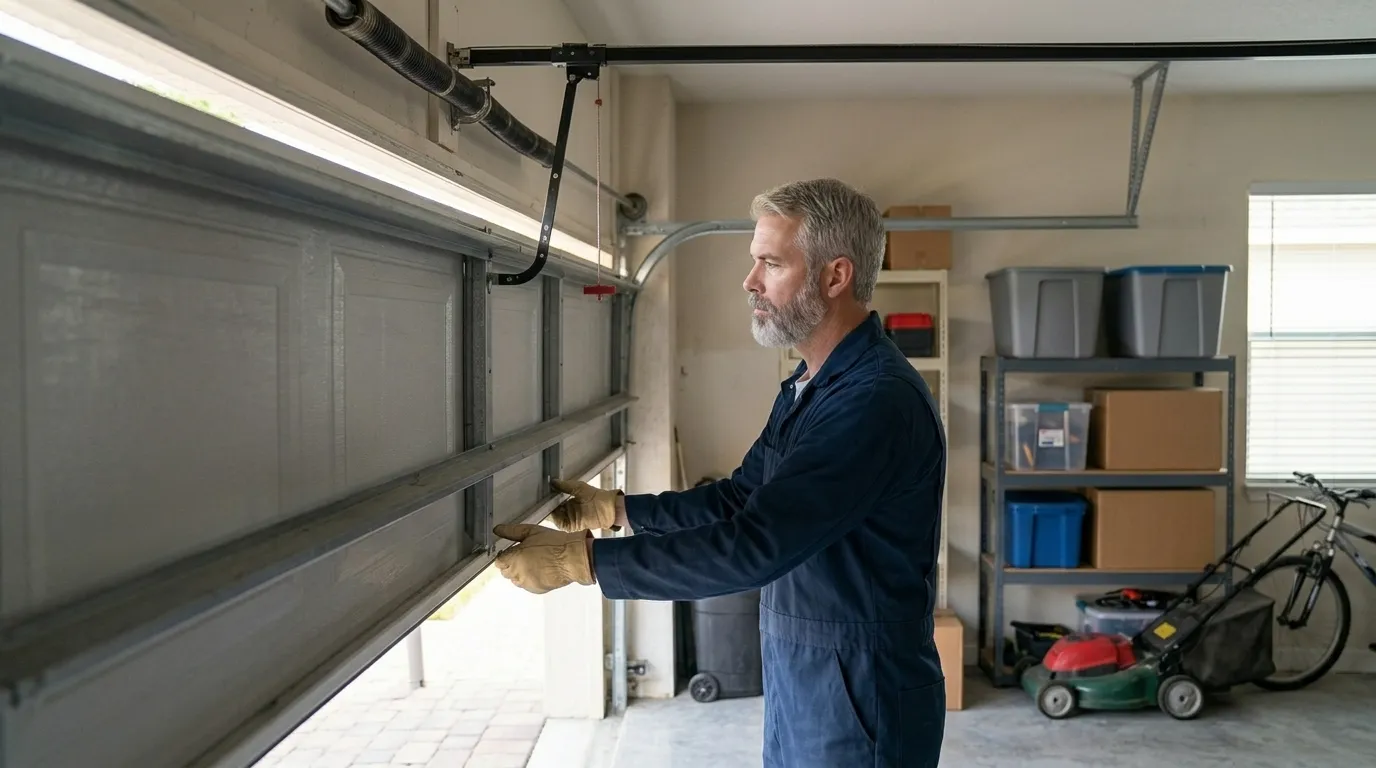
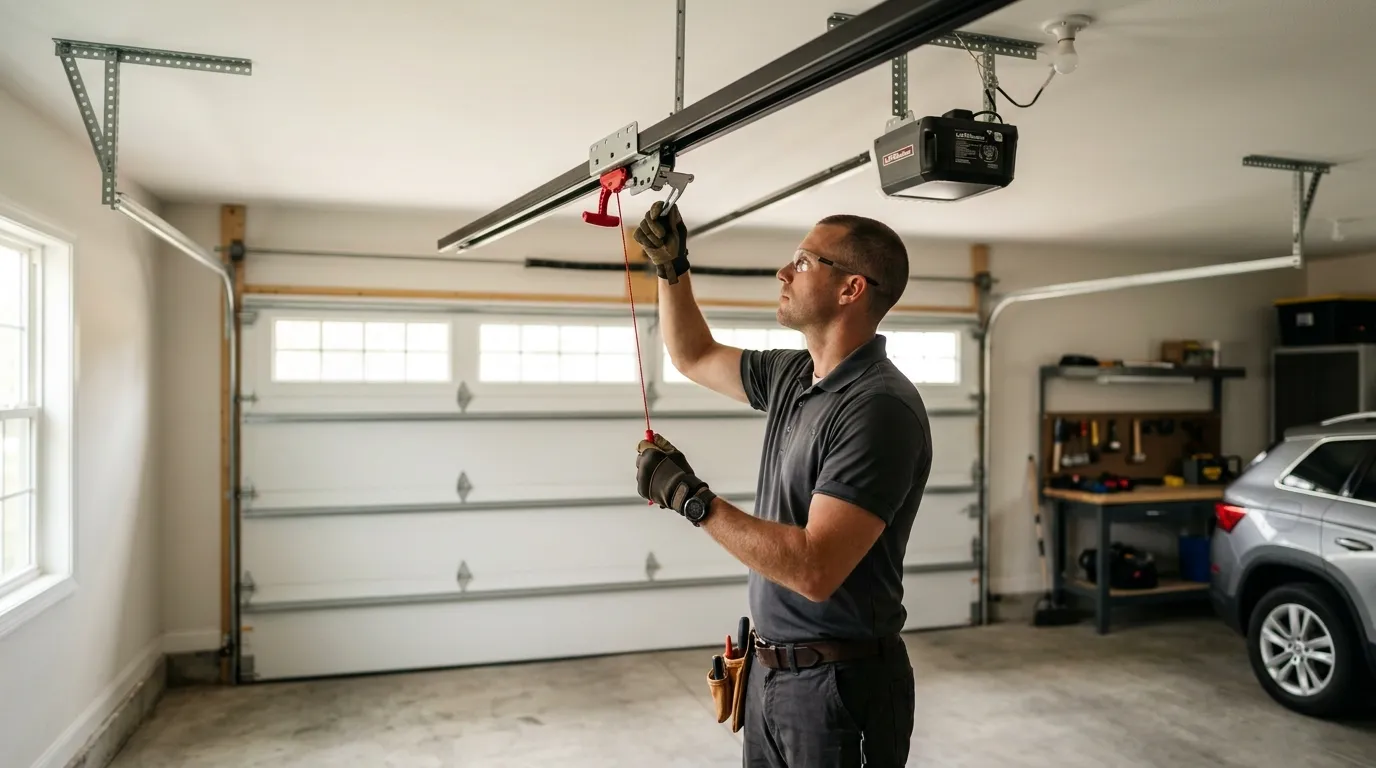
Once we've confirmed it's a spring and not a cable, track, or opener problem, the job itself is mechanical and repeatable. We match wire size and wind direction to the door's weight and drum setup, replace both springs on a double door even if only one broke (mismatched springs wear unevenly and fail again fast), and set the winding cones to the tension the door actually needs, not a generic default. Then we run the door open and closed by hand before touching the opener, checking that it holds position at any point on the track without help. Here's the honest limit: if a door has an oversized or custom-width panel, which shows up more often on higher-end builds in this area, the matching spring isn't always something we carry on the truck, and we may need to order it. We'll tell you that up front rather than force a wrong-size spring onto your door to finish the job same-day.