The Symptom
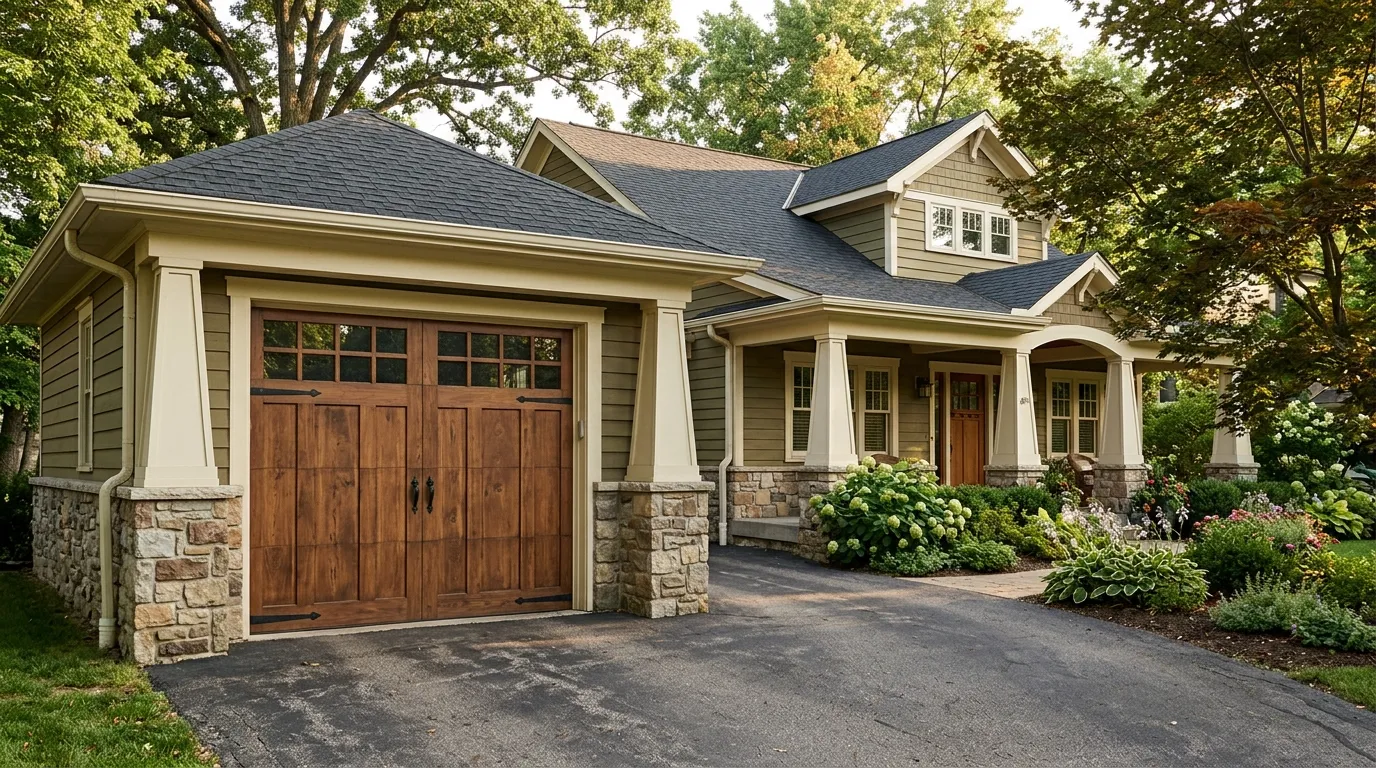
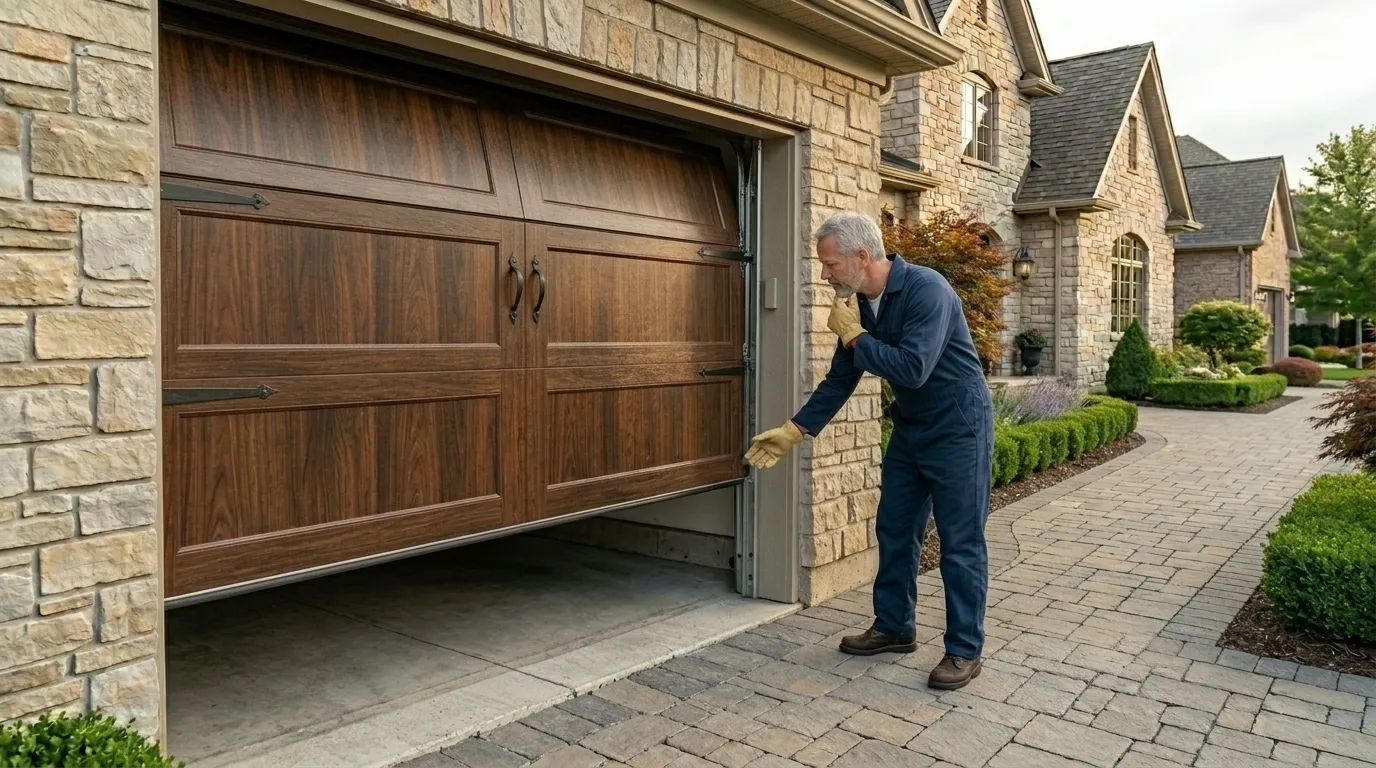
University Park's housing stock centers on 1987, which puts a lot of these garages a few years ahead of the broader Dallas area median of 1993. Homes built in that stretch tend to run larger two-car and three-car garages with taller, heavier doors than the smaller postwar stock closer to the city core - often 16-foot double sections in wood composite or heavier-gauge steel. Bigger doors mean bigger cable drums and more tension per side, which is exactly what fails first.
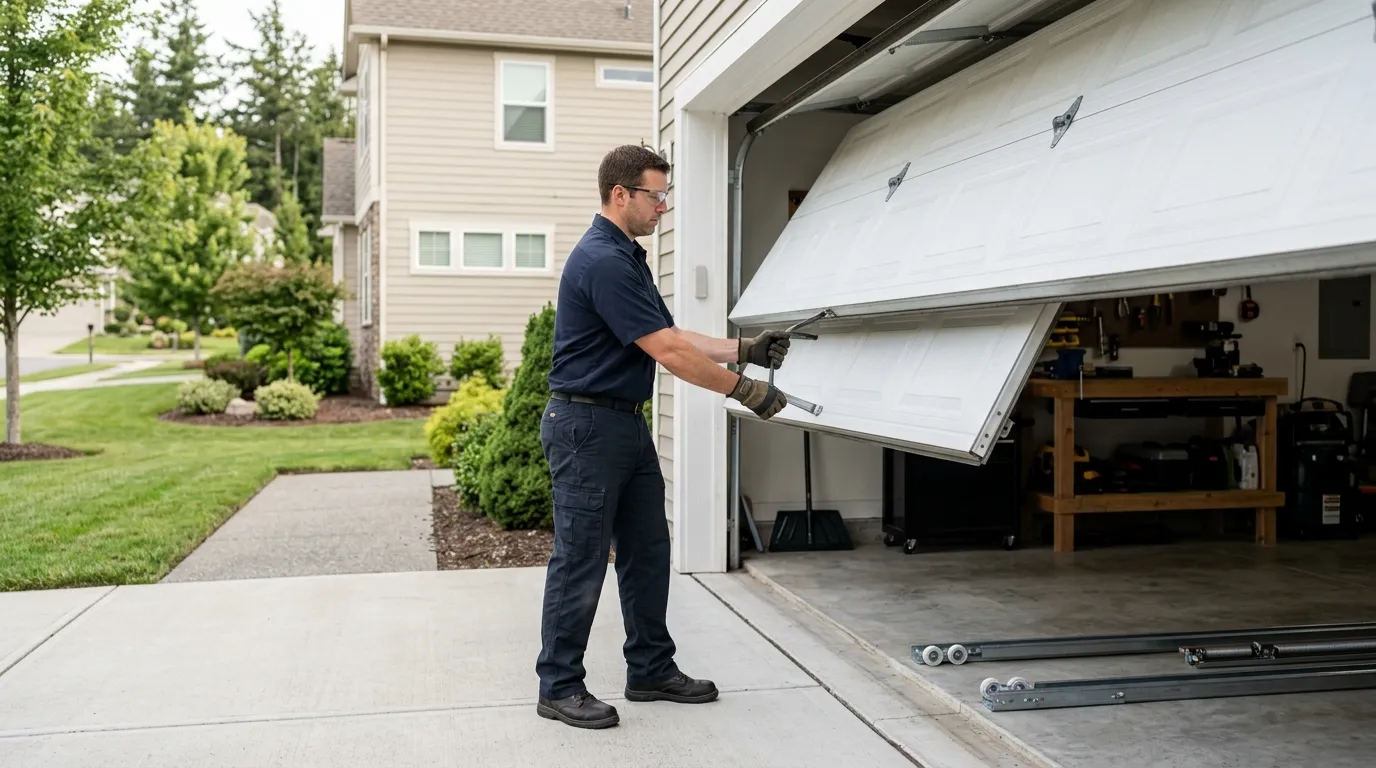
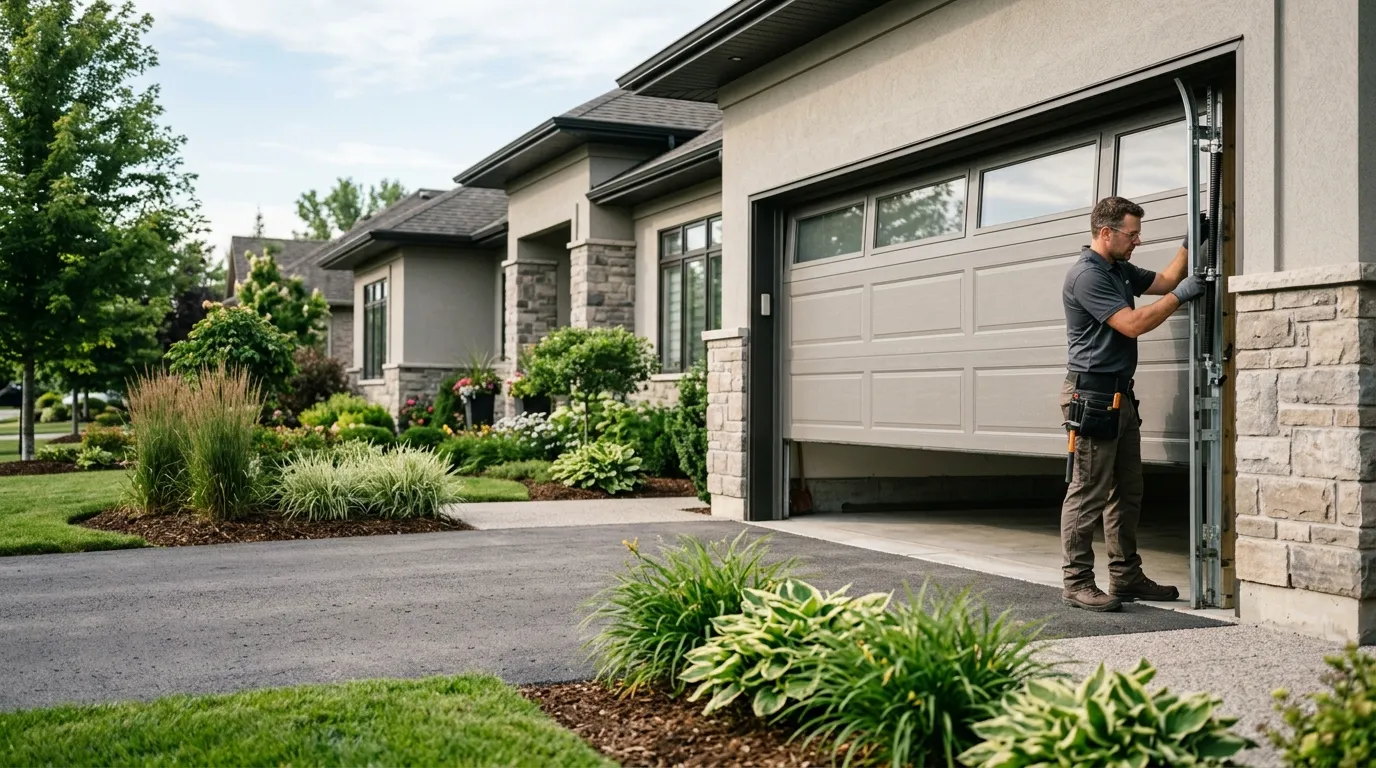
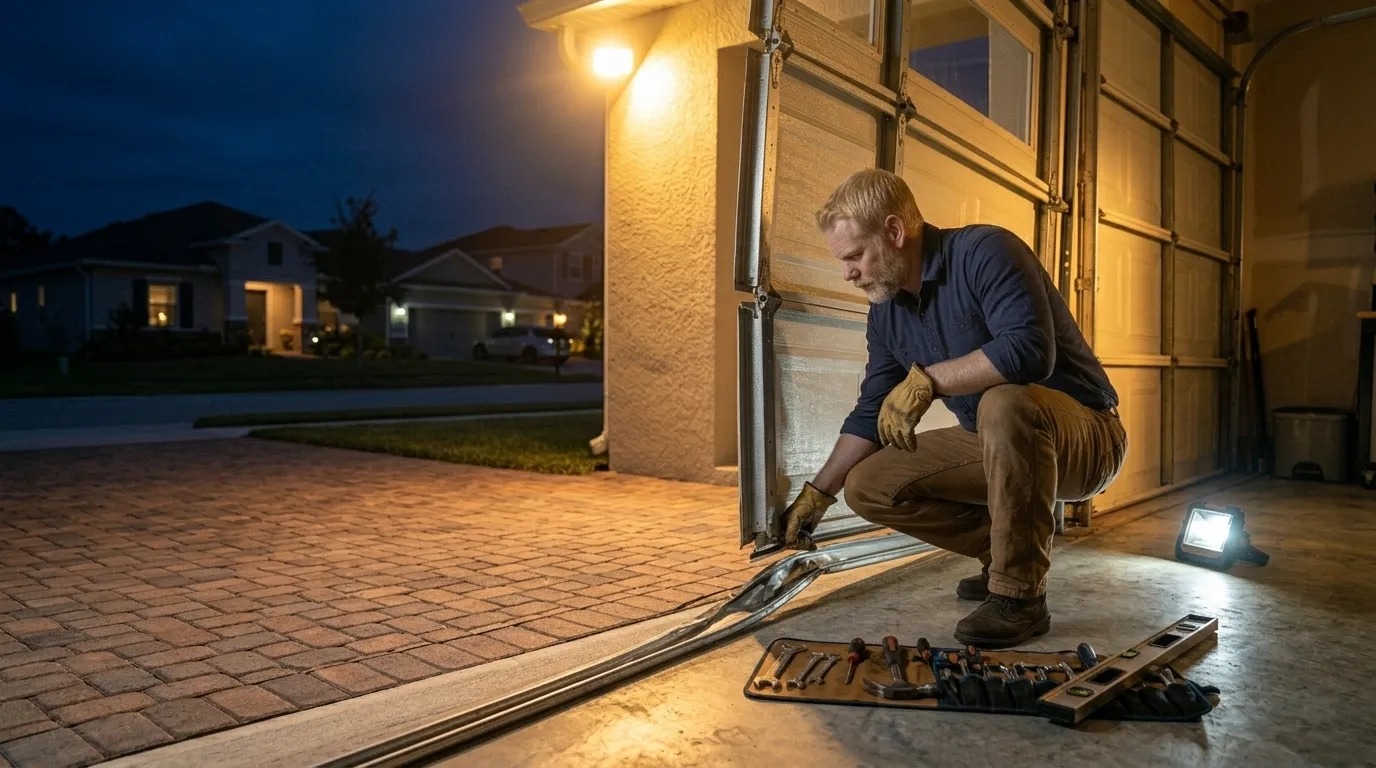
When a cable goes on one of these doors, you usually get one of two things: the door drops crooked and jams a few inches off the floor, hanging at an angle because one side let go and the other side is still under load, or you hear a loud bang from the garage as the cable snaps clean and the door comes down hard and uneven. Sometimes it's slower - a cable that's frayed and shedding thin wire strands near the bottom bracket, catching and grinding every time the door moves. None of these are safe to force through. A door hung on one working cable can jump the track.
Time on the Job
We're based out of Dallas and University Park sits about 4 miles from there, so this isn't a same-city dispatch - we're driving in for the call, same as we do for the other close-in areas we cover. That distance is short enough that it doesn't change much about how the job runs once we're on site, but we're not going to promise a same-hour window we can't back up. If you need an exact arrival time, ask when you book and we'll give you a straight answer rather than a guess.
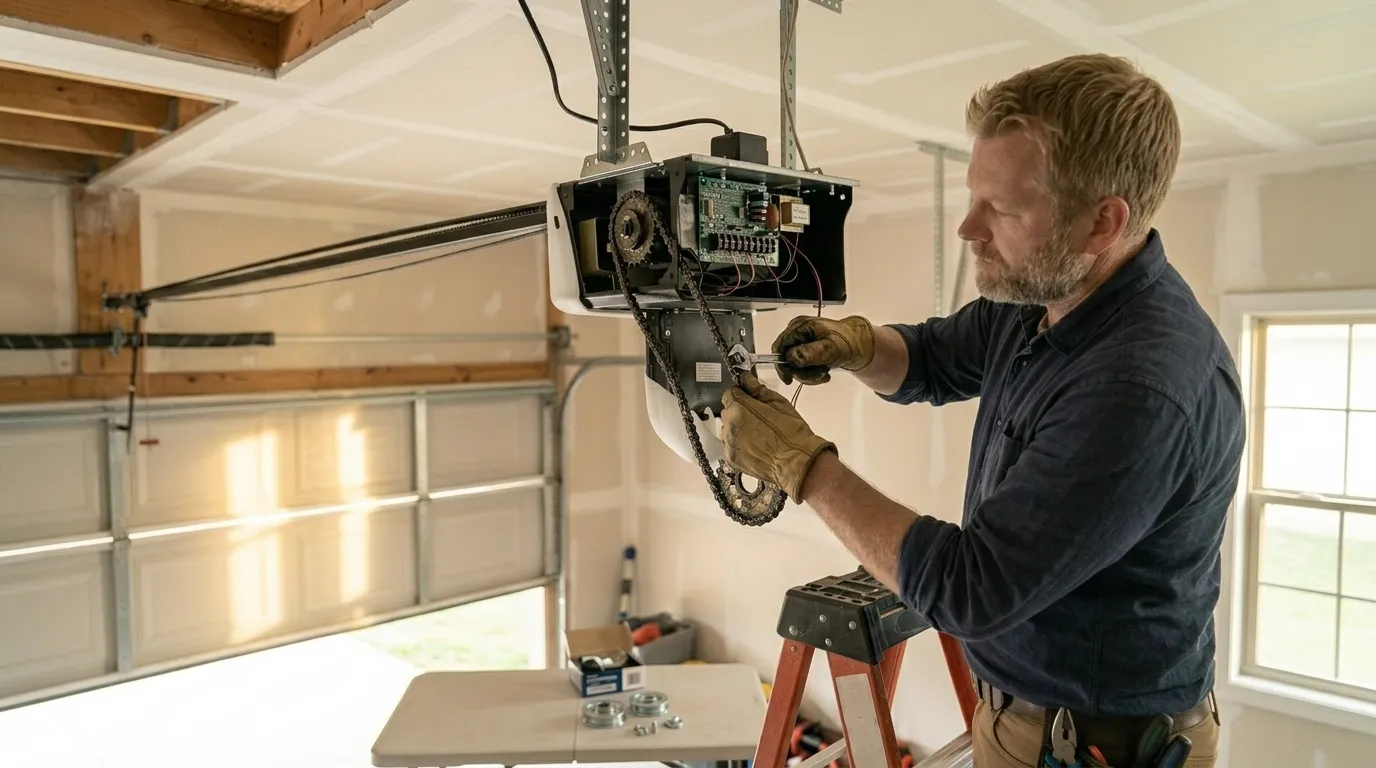
Once the truck is parked, cable work on a double door with heavier panels - the kind common to 1980s-built University Park garages - takes longer than the same repair on a lighter single door. Bigger drums, more turns of cable, more tension to bleed off safely before anything comes apart. We'd rather take the extra time and get the winding right than rush it and have you calling again in six months.
Booking a Visit
Tell us it's University Park when you call so we can plan the drive and bring the right cable stock for a double door on the heavier side - we don't want to show up with drums and cable sized for the smaller single-car doors more common closer into the city. If you know the door is a double, say so; if you're not sure, a photo of the whole door from the driveway tells us more than a description usually can.
We don't handle emergency lockouts or after-hours dispatch outside our regular schedule, so if the door is stuck open overnight with a car trapped inside, plan for a next-available slot rather than an immediate one. If the cable failure has also bent a track or cracked a panel, mention that too - it changes what we load on the truck and can shorten your wait.
What Fix Involves
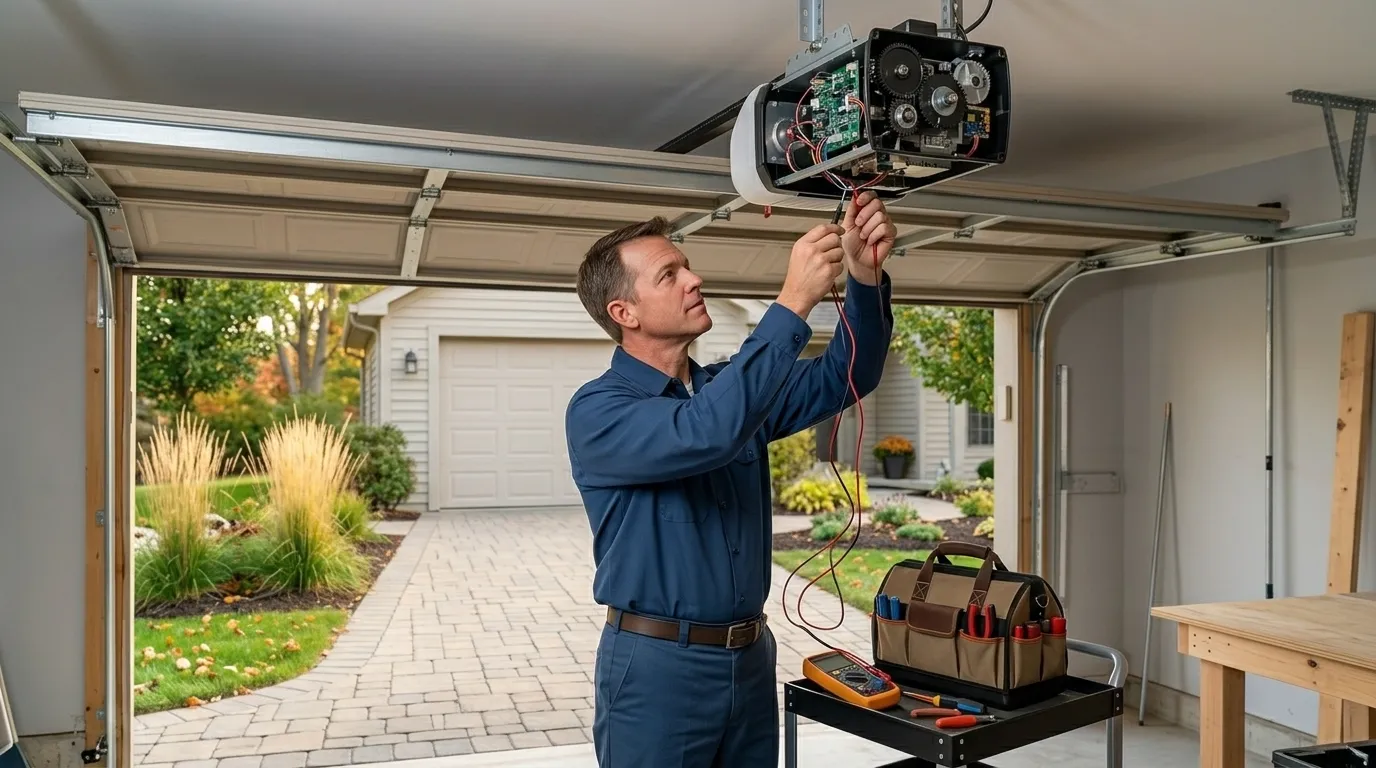
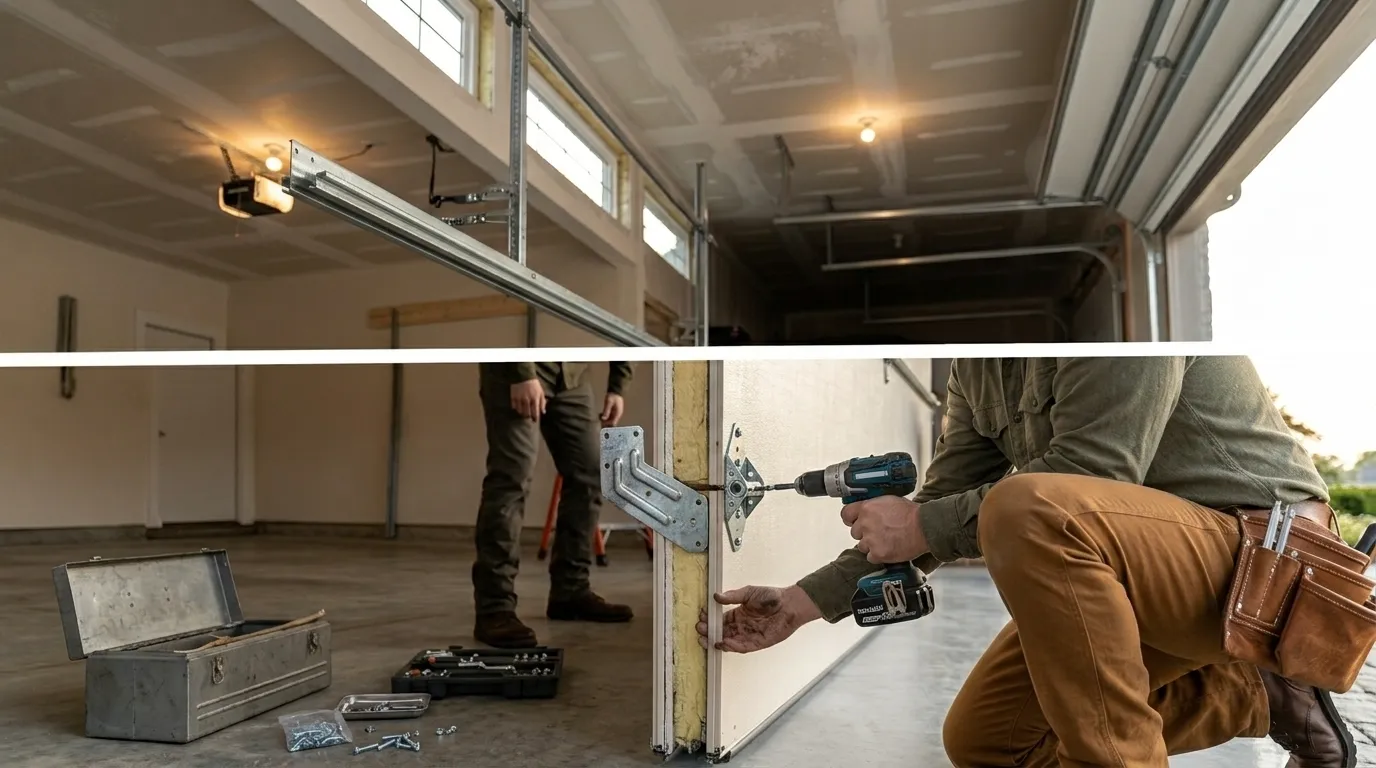
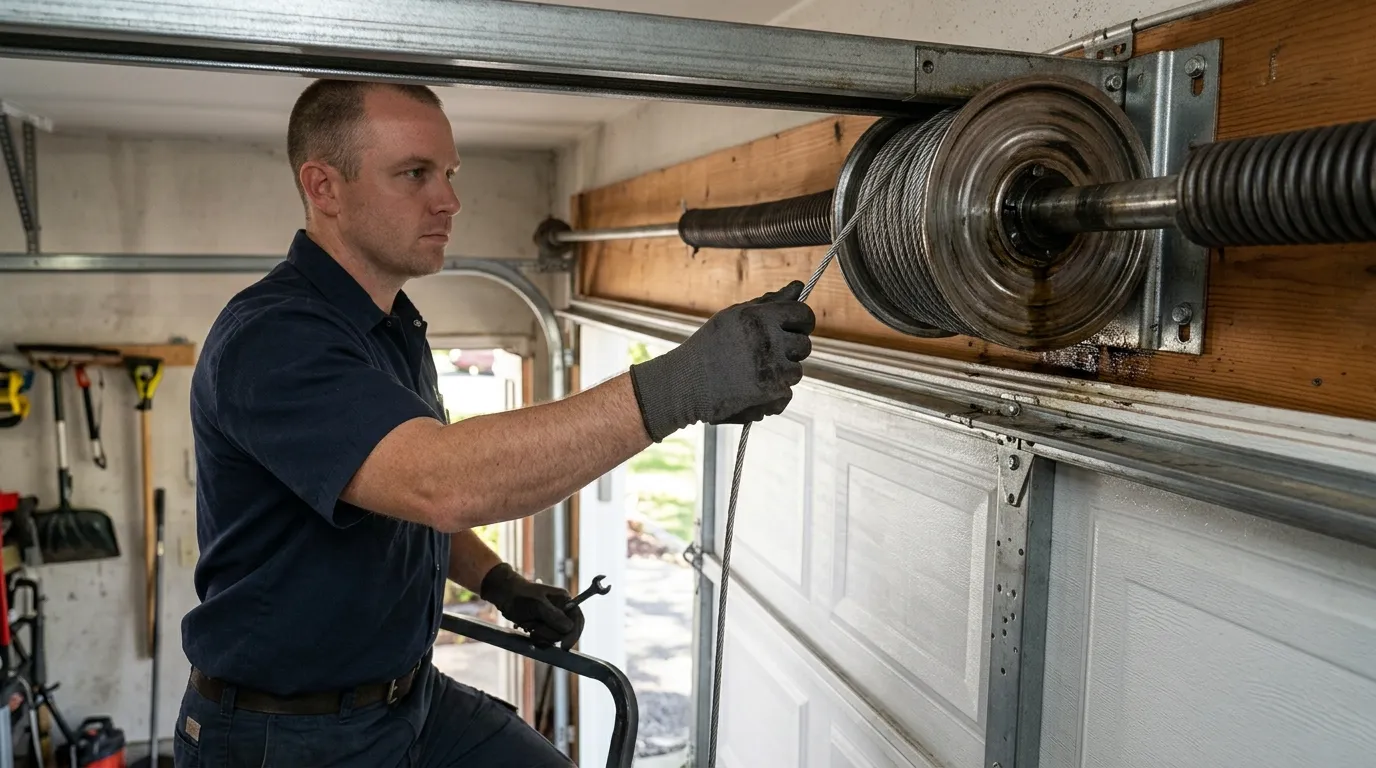
For a straightforward snapped cable, we relieve tension on both sides, pull the old cable and drum assembly, and replace with cable sized to the door's actual weight - which on a lot of these larger University Park doors means a heavier-rated cable than what's stocked for standard single doors. We check the drums for grooove wear and the bottom brackets for stress cracks, since a cable that snapped under load sometimes takes the bracket with it.
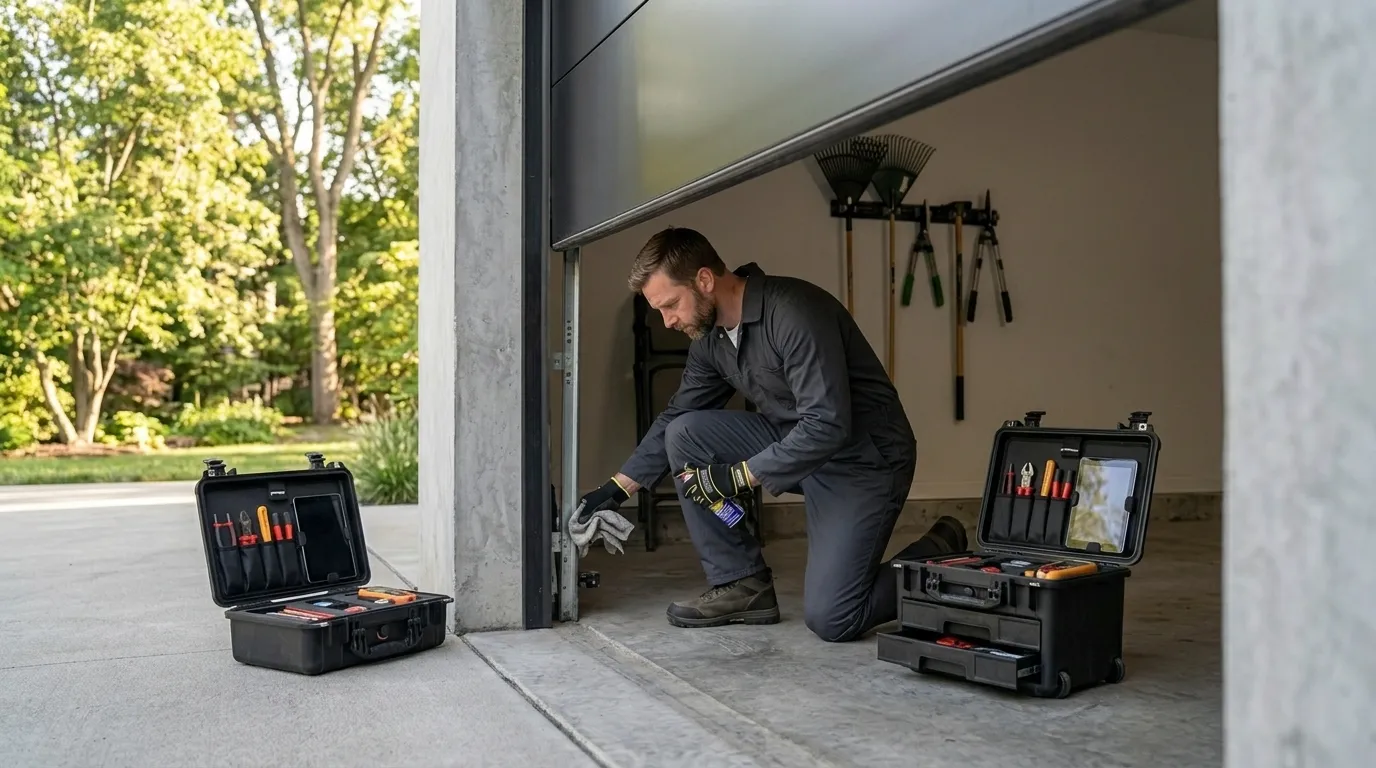
Here's the honest limit: if both cables have gone and the door's been run crooked for a while, the track on one side is often bent from the door binding against it. We can straighten minor track bends on site, but if it's bent badly enough to keep re-bending after adjustment, replacing that section of track is the better call rather than fighting it repair after repair. We'll tell you which one you're looking at before we start, not after.