The Symptom
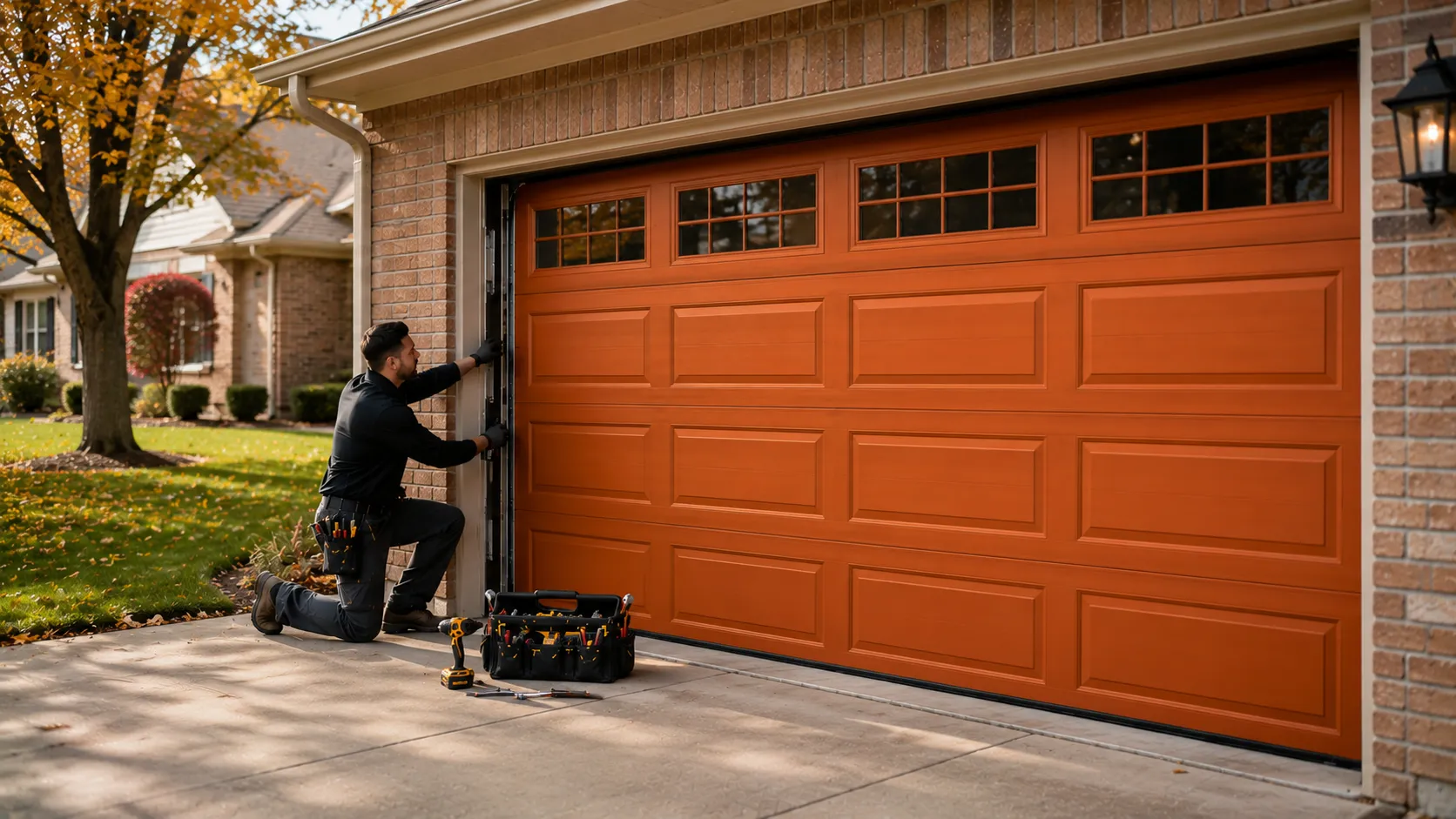
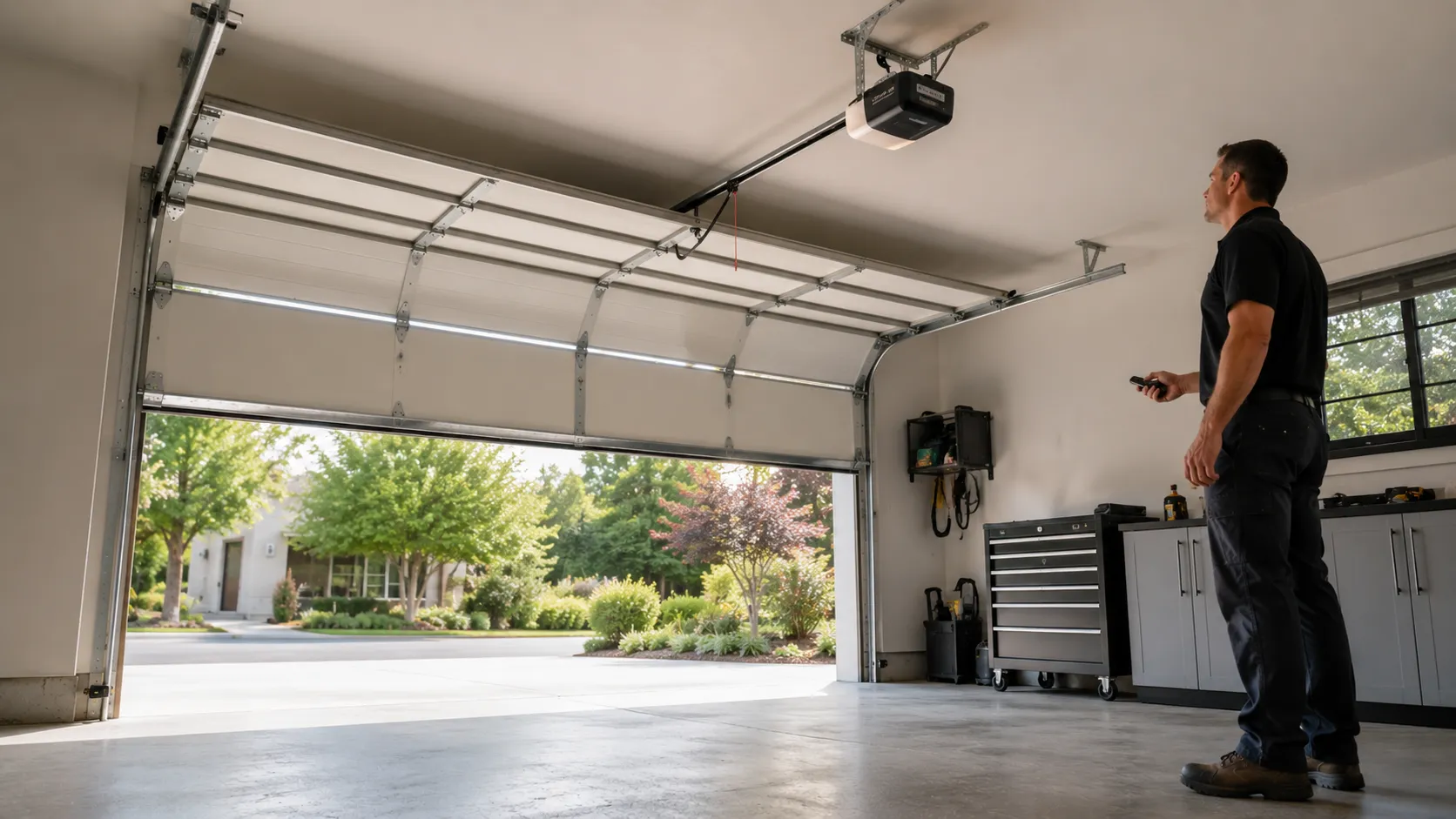
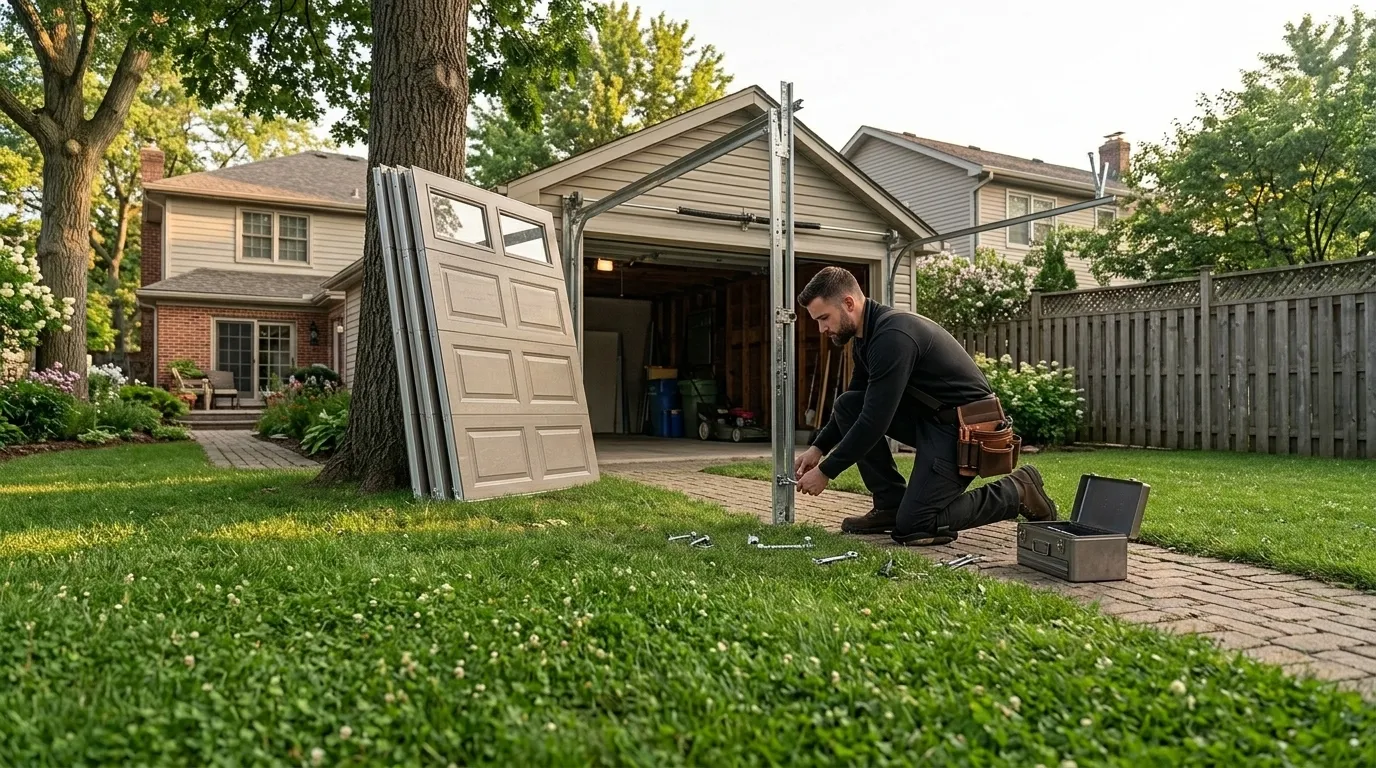
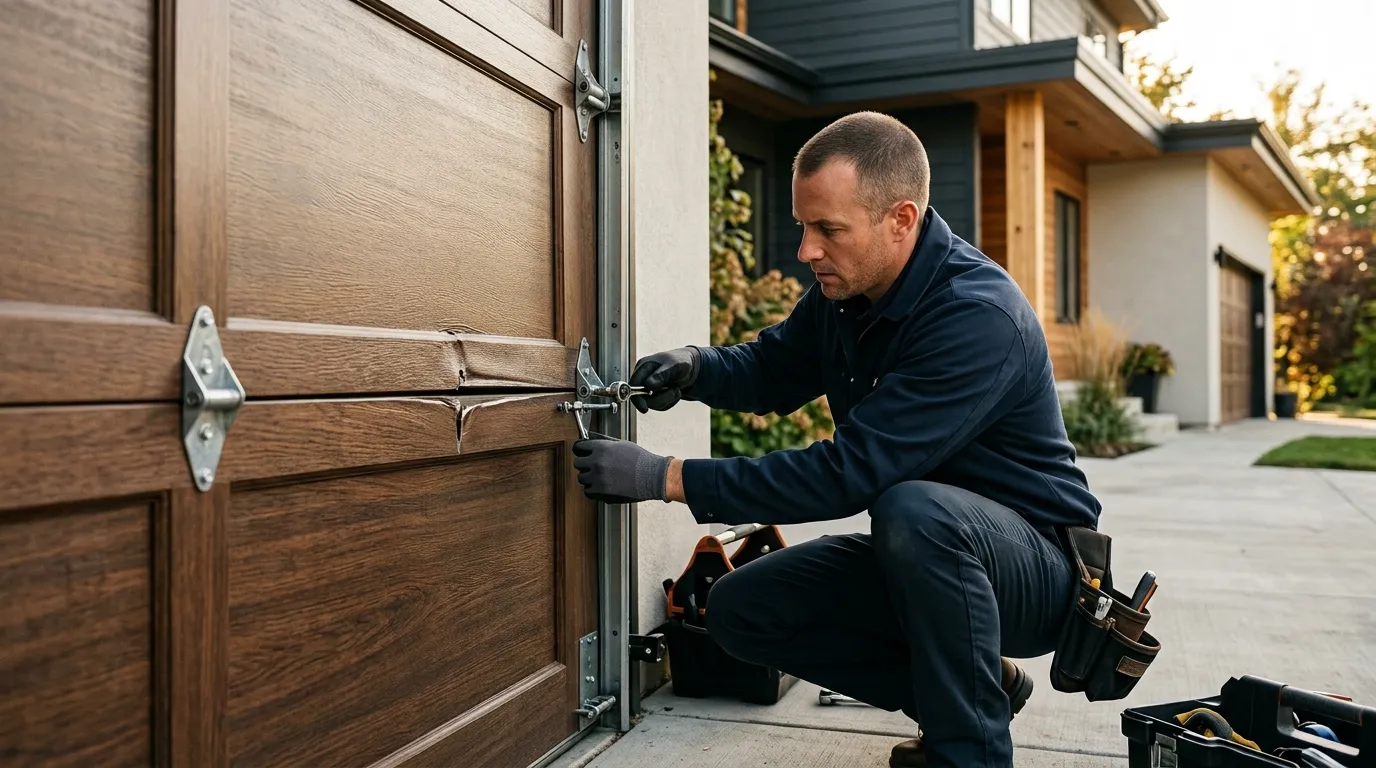
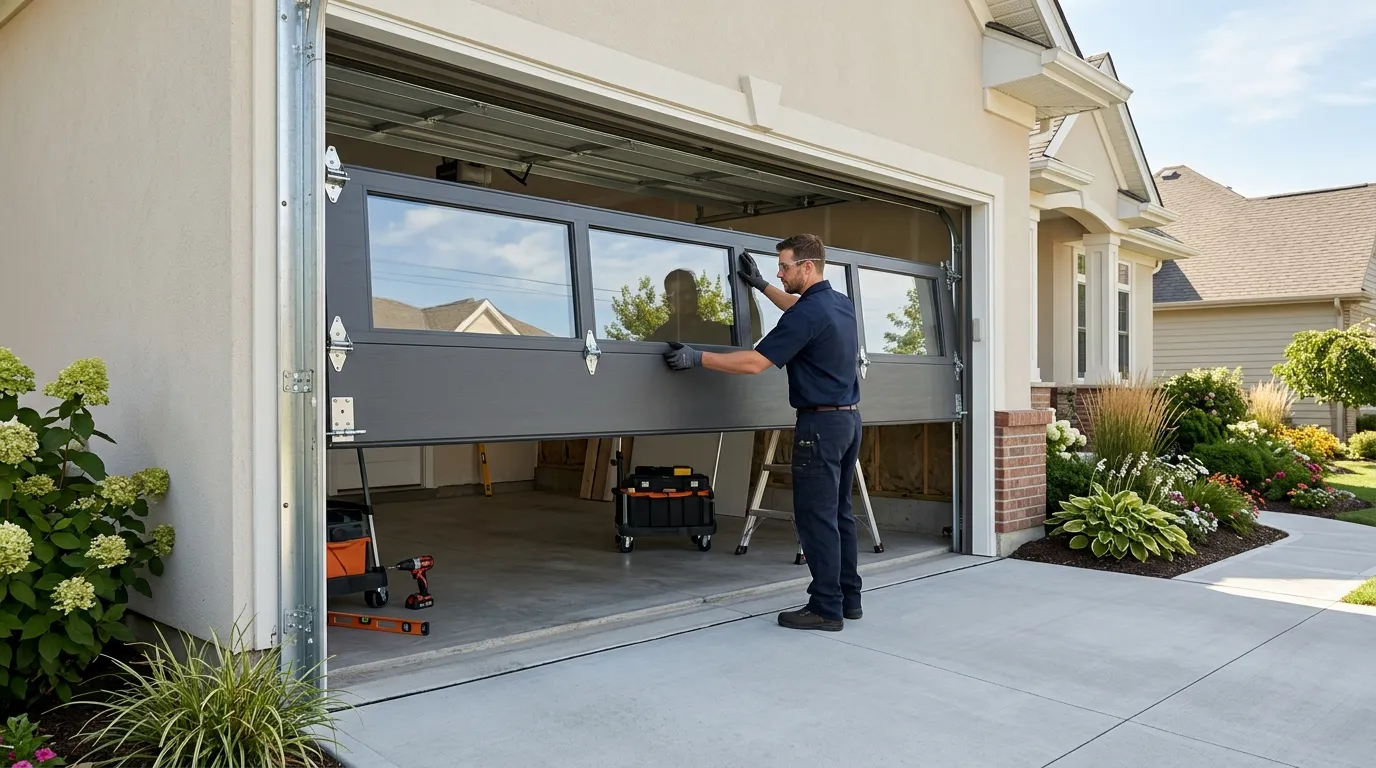
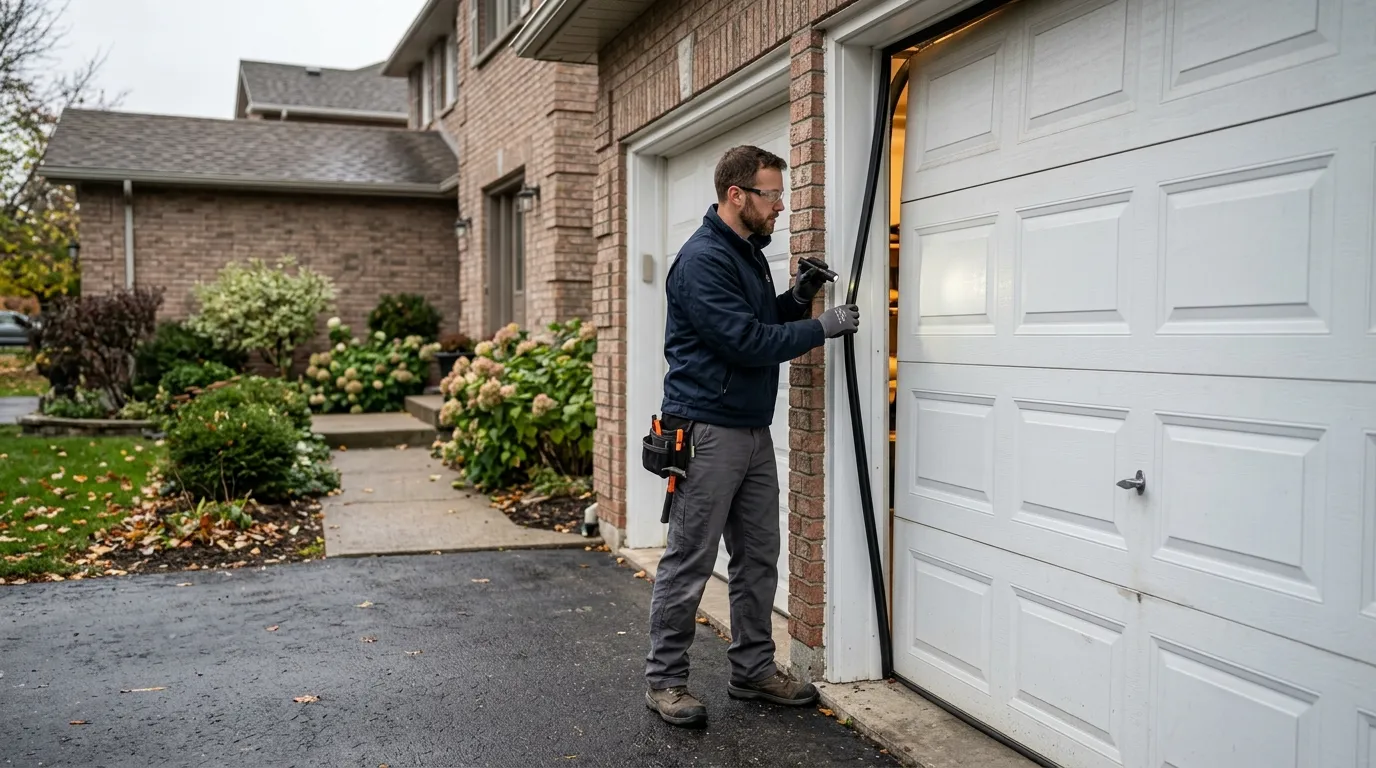
Most commercial buildings in University Park went up around 1987, which puts the garage doors and openers on them squarely in the chain-drive era. What that means on a service call: a lift motor that's been grinding for years, a steel door that's started to sag at the bottom panel, or a photo-eye safety sensor bolted on after the fact because it wasn't standard when the building went up. You'll hear it before you see it - a chain-drive opener that's lost its rhythm makes a distinct clatter, different from the smoother hum of a newer belt or screw drive. On a commercial door, that clatter usually means a worn sprocket or a chain that's stretched past its adjustment range, not just a noisy bolt. The other common symptom: a door that opens fine but won't seal at the bottom, letting light and weather in. On a nearly forty-year-old door, that's usually the astragal seal, not the panel itself. We're not guessing at the vintage - the housing and commercial stock through this suburb centers tightly on that late-1980s build-out, so the hardware problems repeat block to block.
Time on the Job
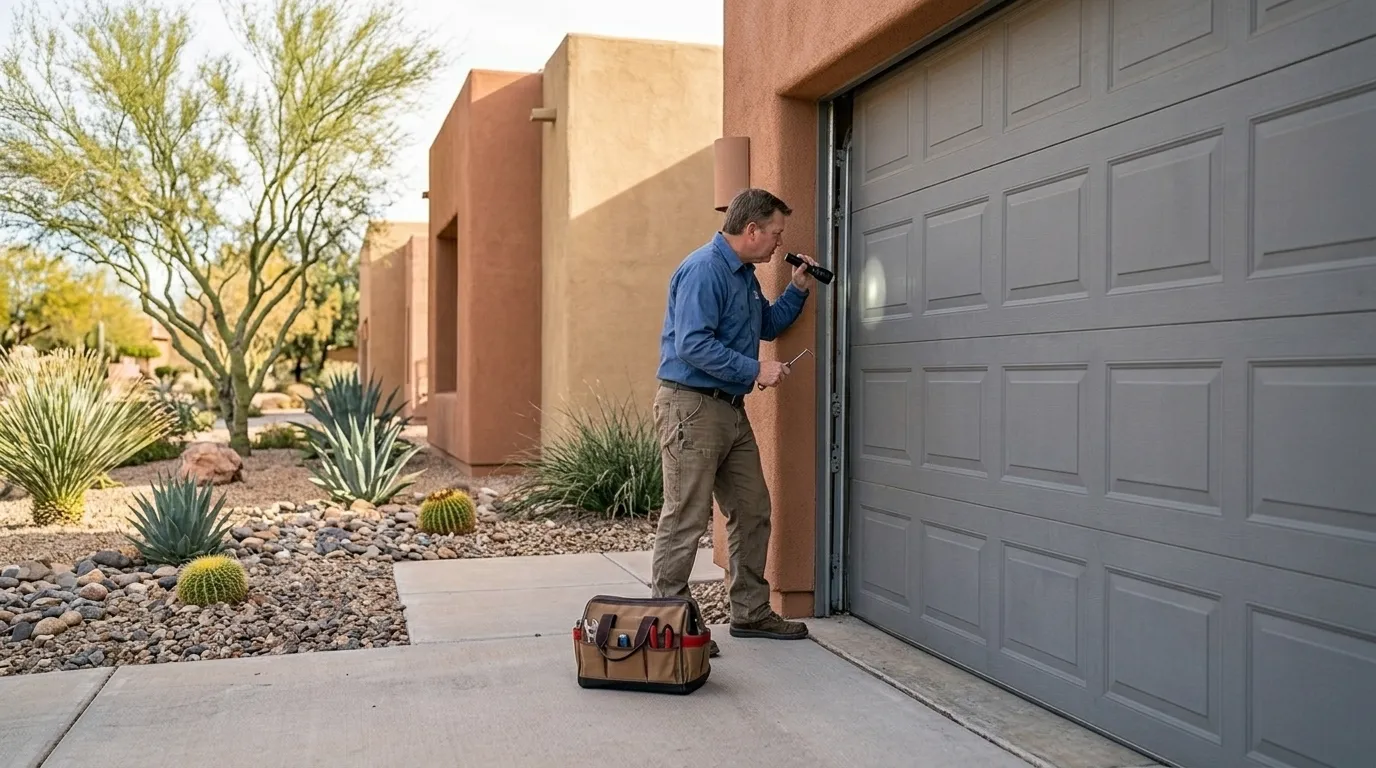
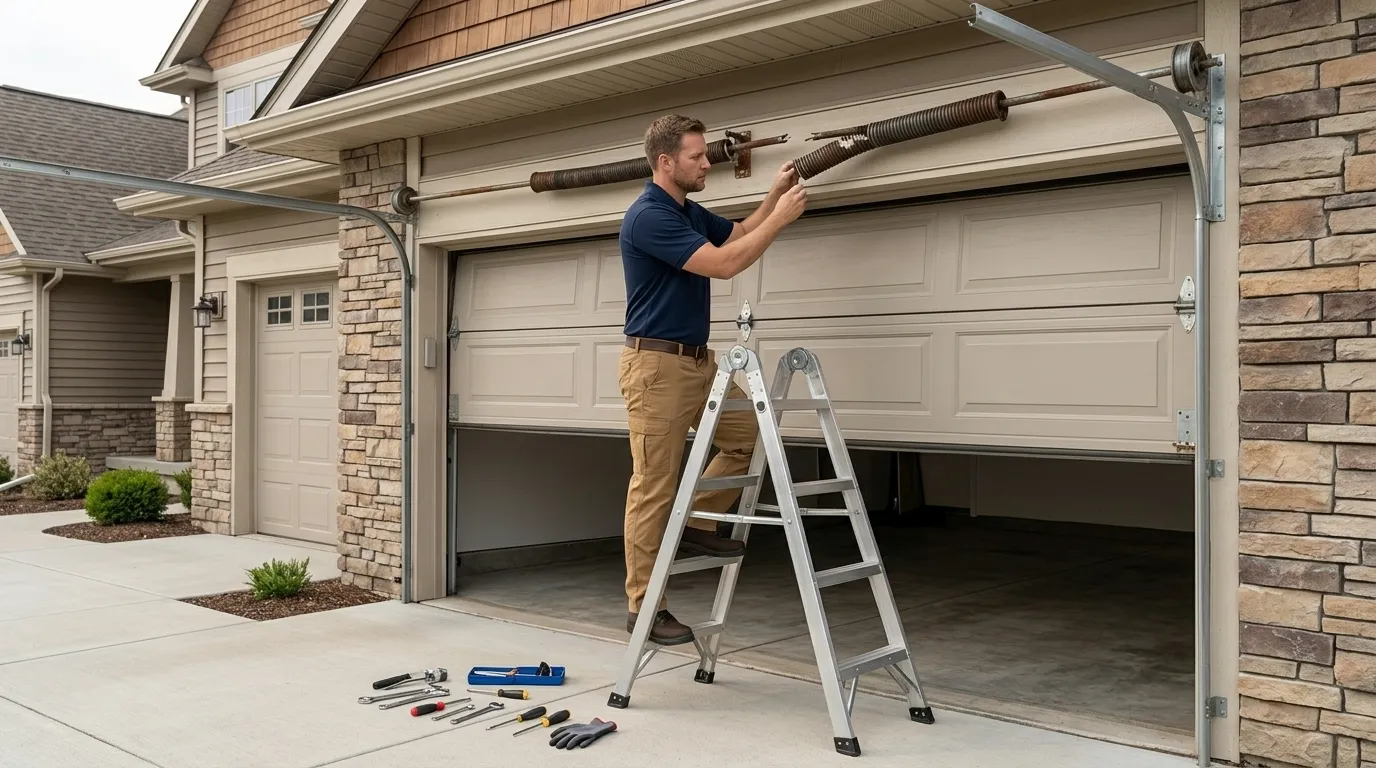
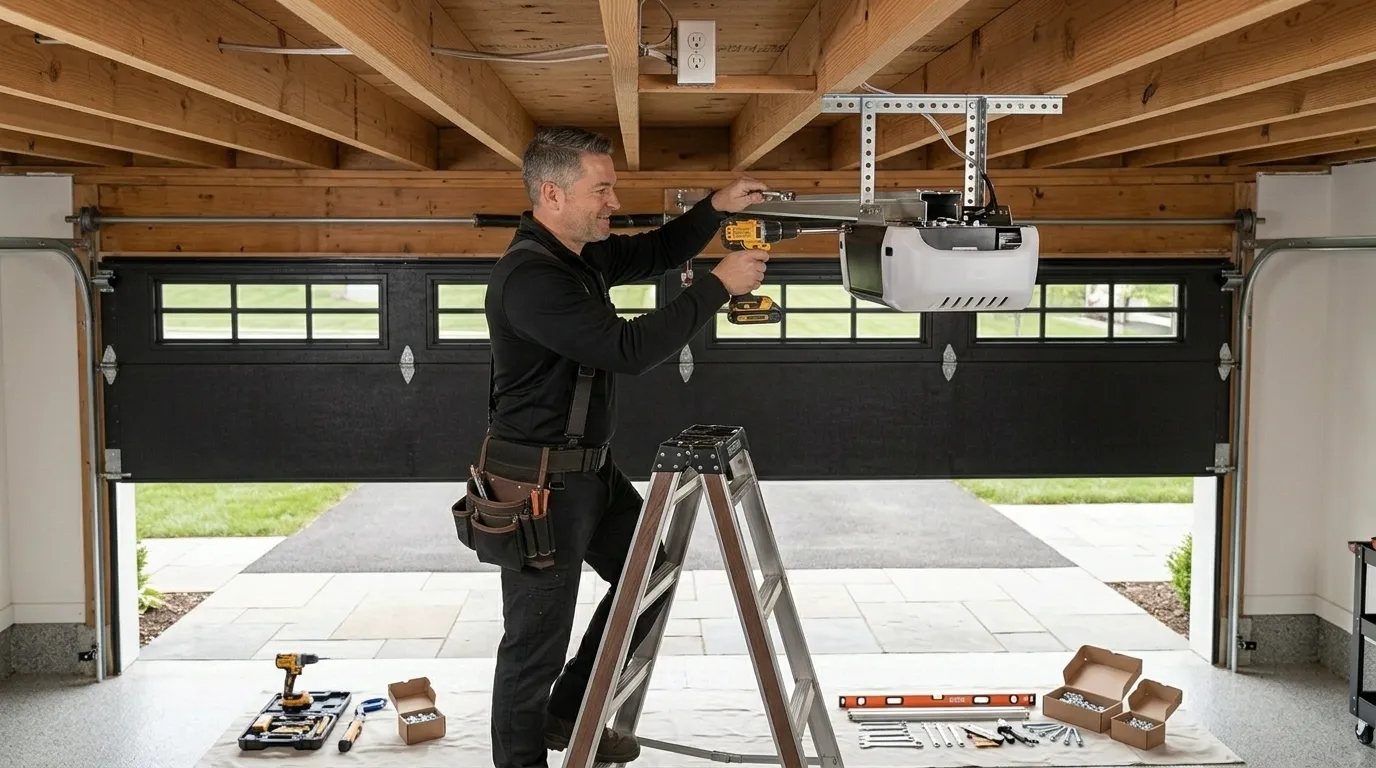
We run this call from Dallas, four miles out, so the drive itself isn't the variable - what takes time is diagnosing hardware that's been patched more than once over thirty-plus years. A commercial door built in 1987 rarely still has its original opener; it's had at least one replacement motor, sometimes a retrofit safety sensor bolted on to meet a code that didn't exist when the door went in. That history means more time on the ladder confirming what's actually installed before we touch anything, especially on multi-panel doors where a previous repair used parts that don't quite match the original hardware. A straightforward spring swap on a door we can see clearly doesn't take long. A door where the opener, track, and springs have each been serviced by different people over the decades takes longer, because we're tracing what's actually there instead of what should be there. We tell you which one it is before we start, not after.
Booking a Visit
We come from Dallas for every commercial call in University Park, so we ask a few things up front to make the trip count: is the door still moving or fully stuck, is it a single panel or a run of multiple bays, and roughly when the building went up if you know it. That last one matters more than it sounds - a door installed close to 1987 tells us to expect original chain-drive hardware and non-insulated panels, while a more recent install changes what we bring on the truck. We don't keep a branch in University Park itself; every job here is scheduled out of Dallas, four miles away, which is close enough that it doesn't change what we can do once we're on site. If you're looking at a residential garage door instead of a commercial one, that's a separate page - see University Park garage door service. For the broader rundown of what we cover out of Dallas, see commercial garage door service, Dallas.
What the Fix Involves
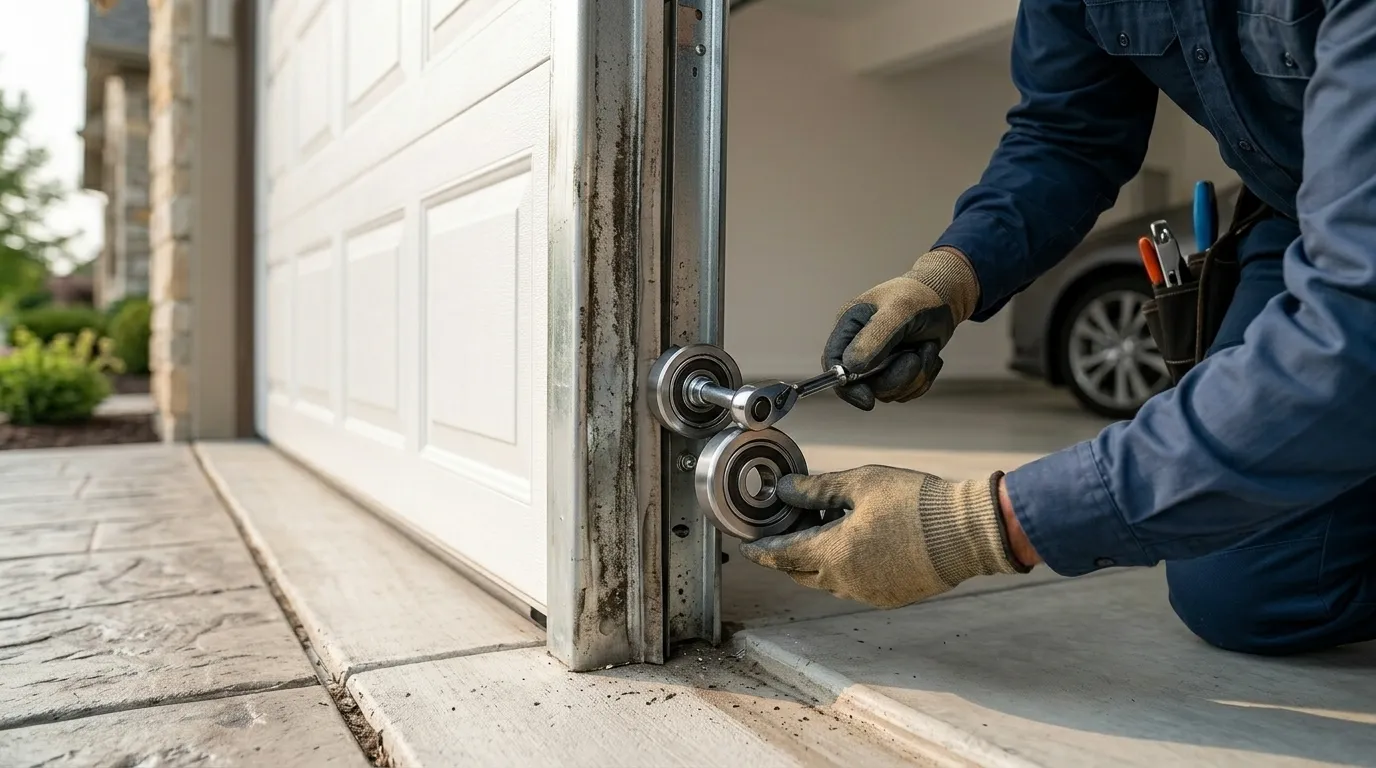
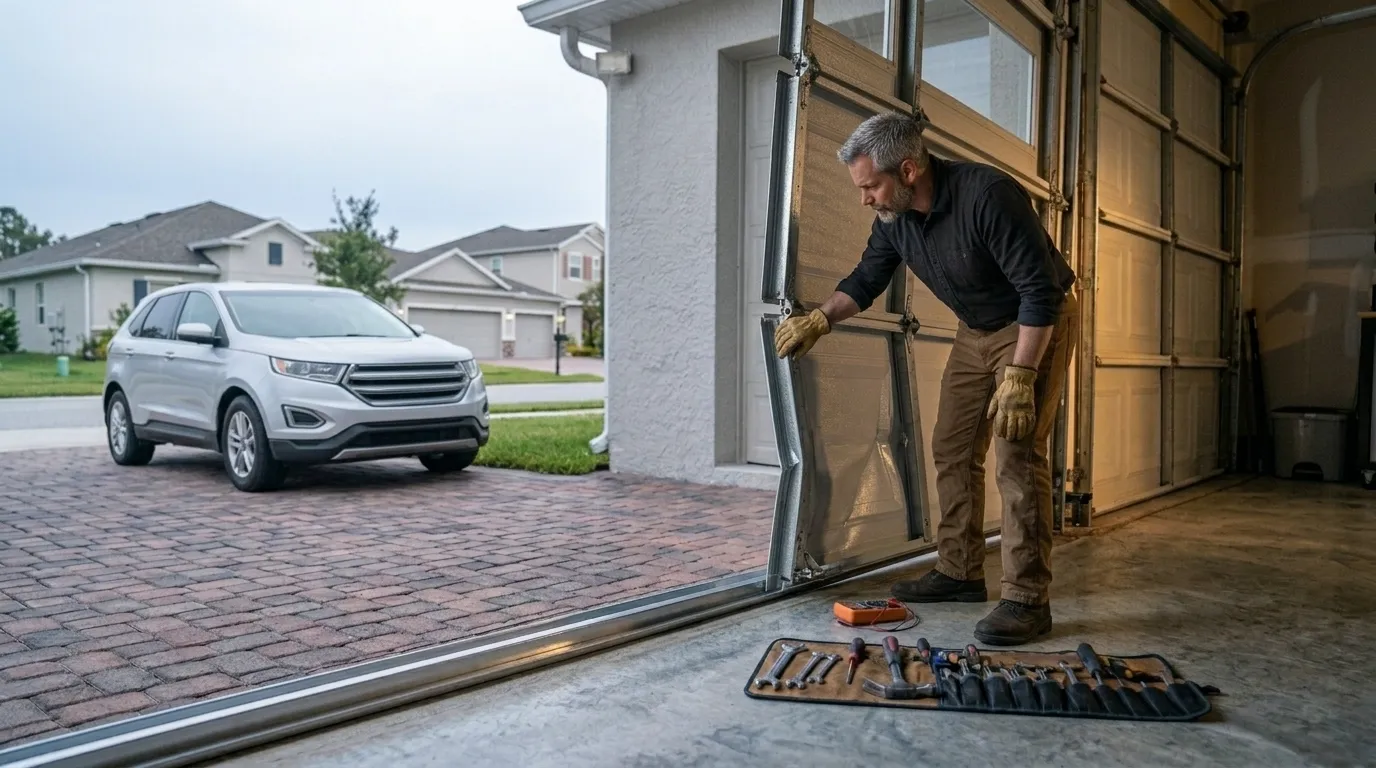
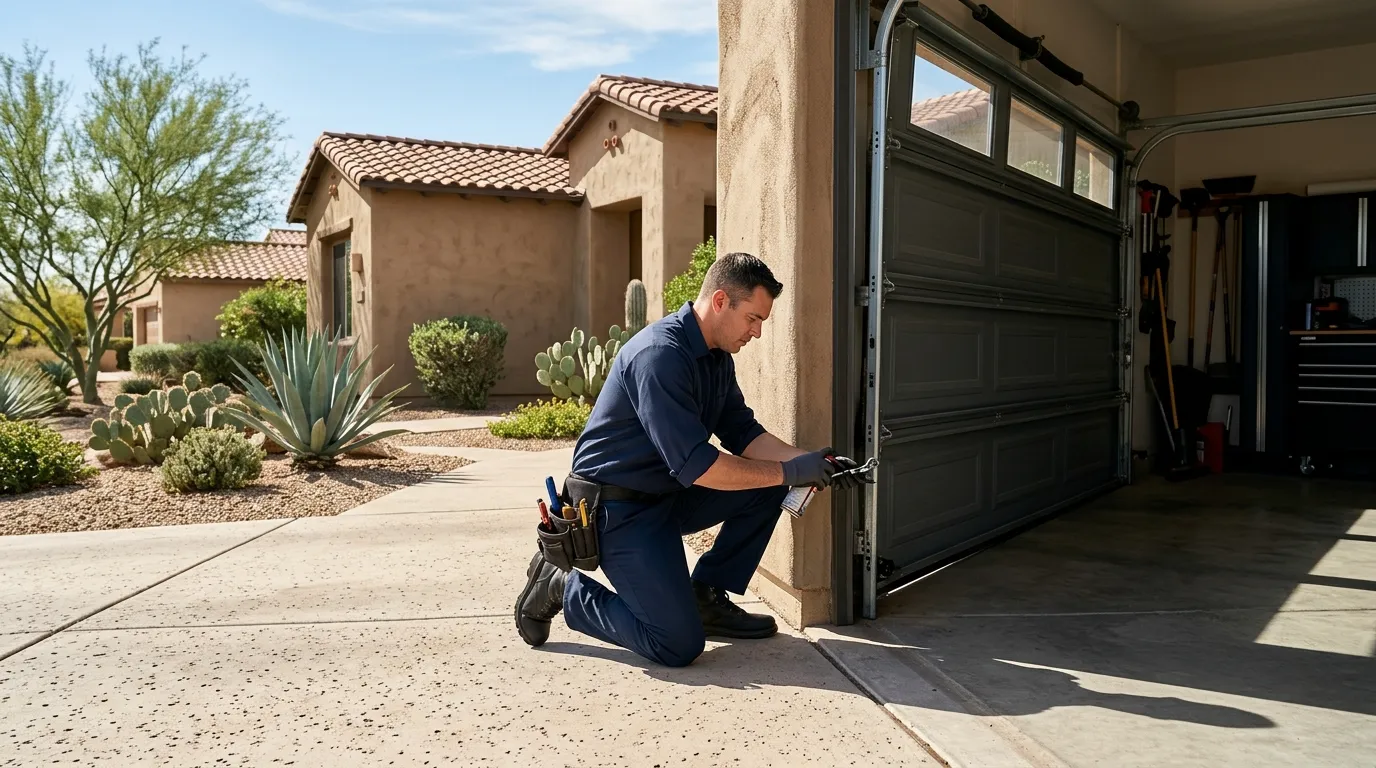
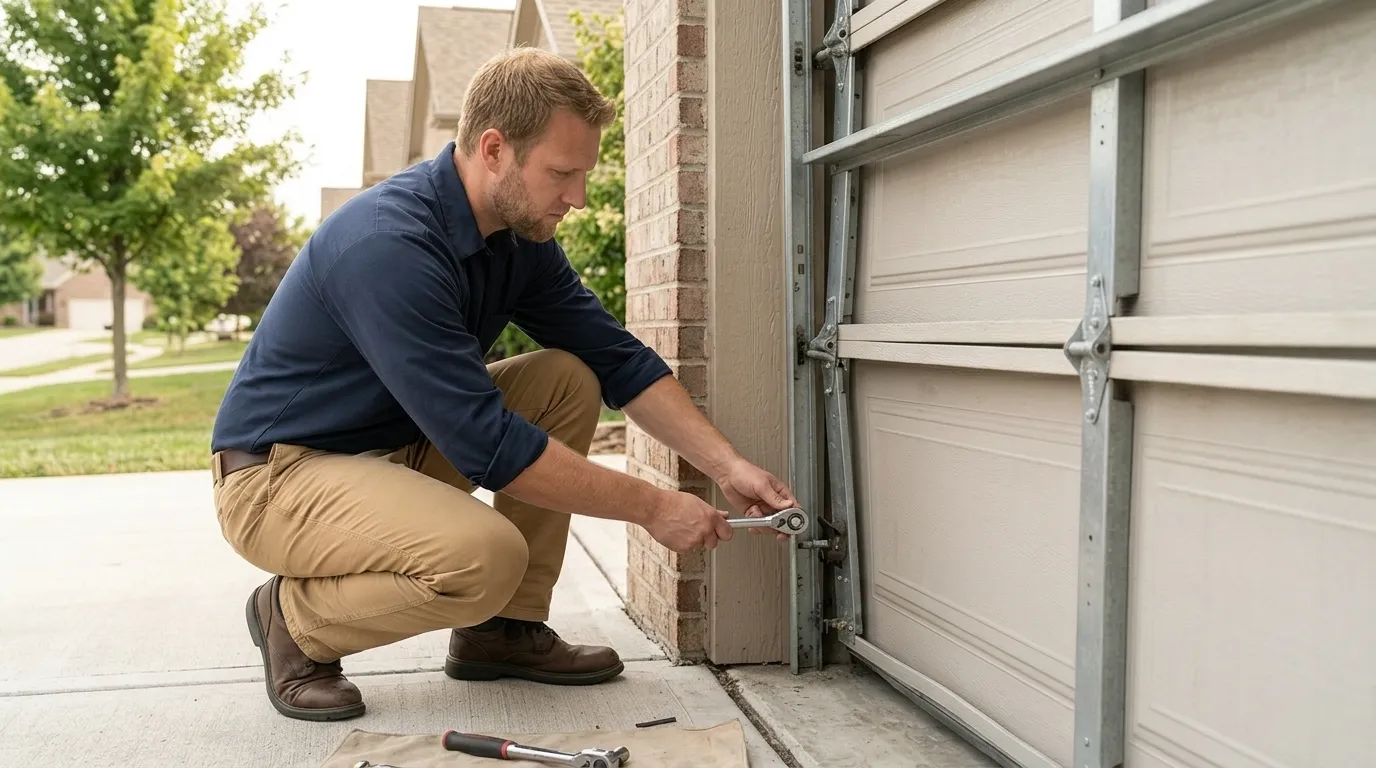
On a door from this era, the fix is rarely just the part that failed. A torsion spring snap on a door installed around 1987 often means the cable drums and bearing plates have the same age on them, so we check those while we're in there rather than replacing one part and leaving the rest to fail next season. Chain-drive openers from that build-out can usually be serviced - new sprocket, new chain, adjusted limit switches - but if the motor itself is original, replacement is often the more honest call than another repair, since parts for openers that old aren't something we can always source quickly. Steel panels that have started to bow or rust at the bottom track get assessed for a section swap versus a full door replacement, based on how much of the door is still sound. One limitation worth saying plainly: we don't stock every obsolete chain-drive part for openers this old, so a same-day repair on the original 1987 unit isn't always possible - sometimes the honest fix is a modern opener instead of a wait on a discontinued part.