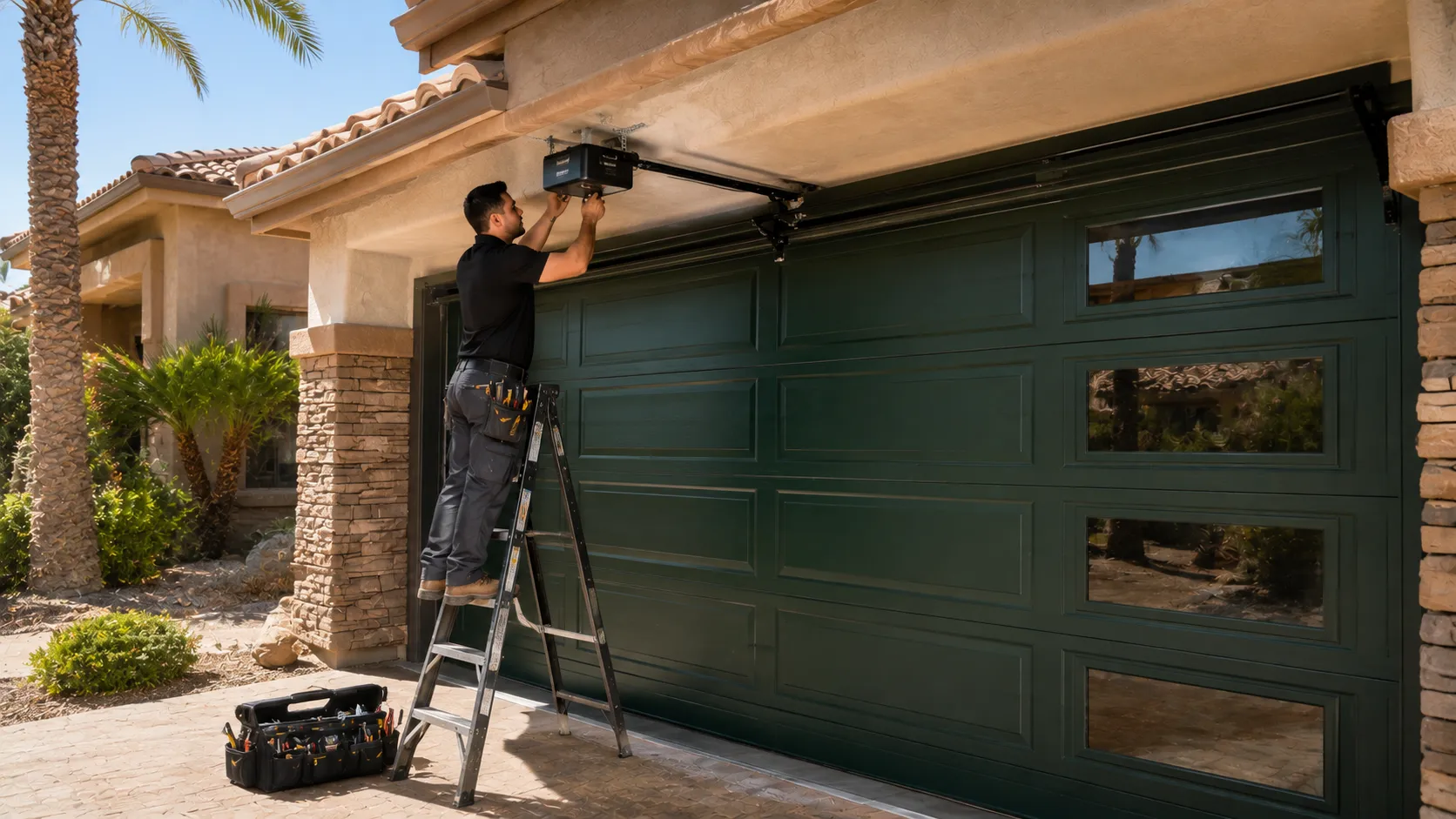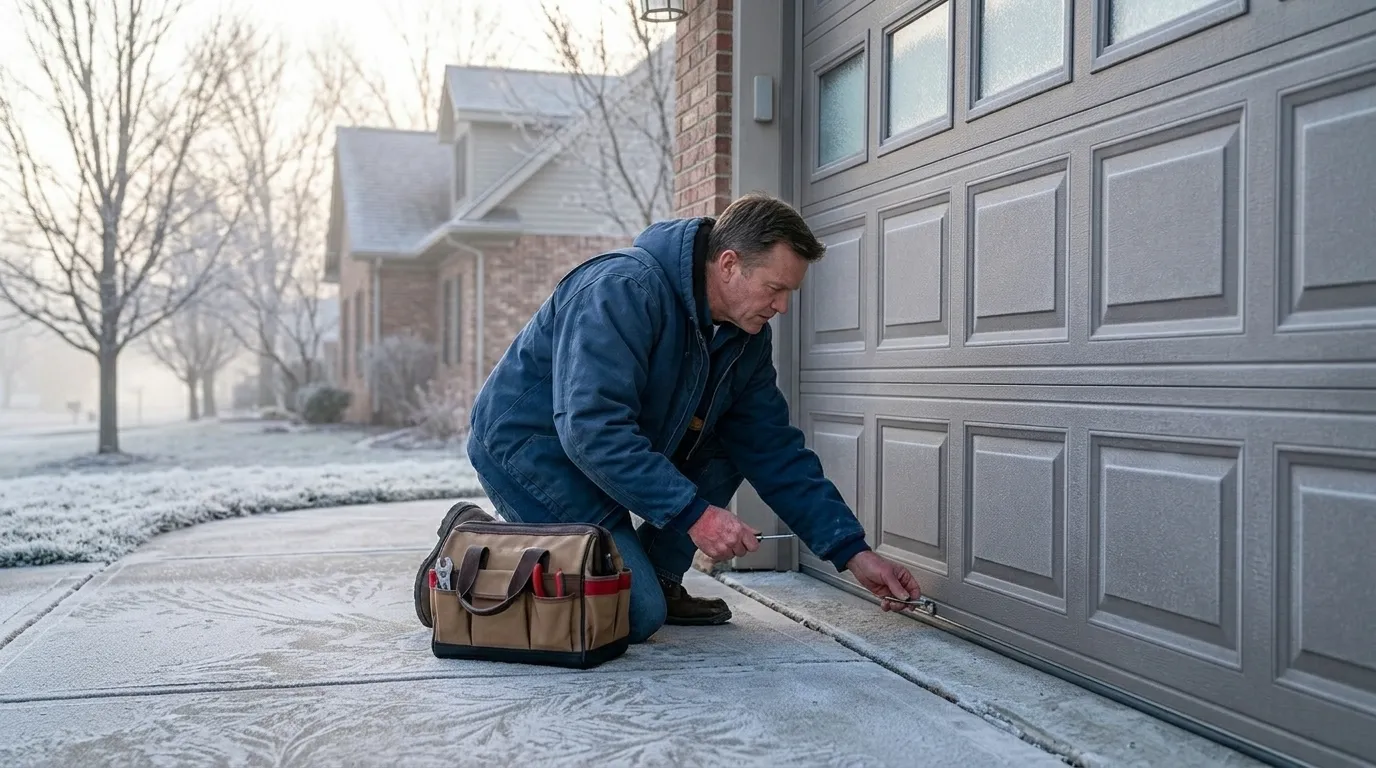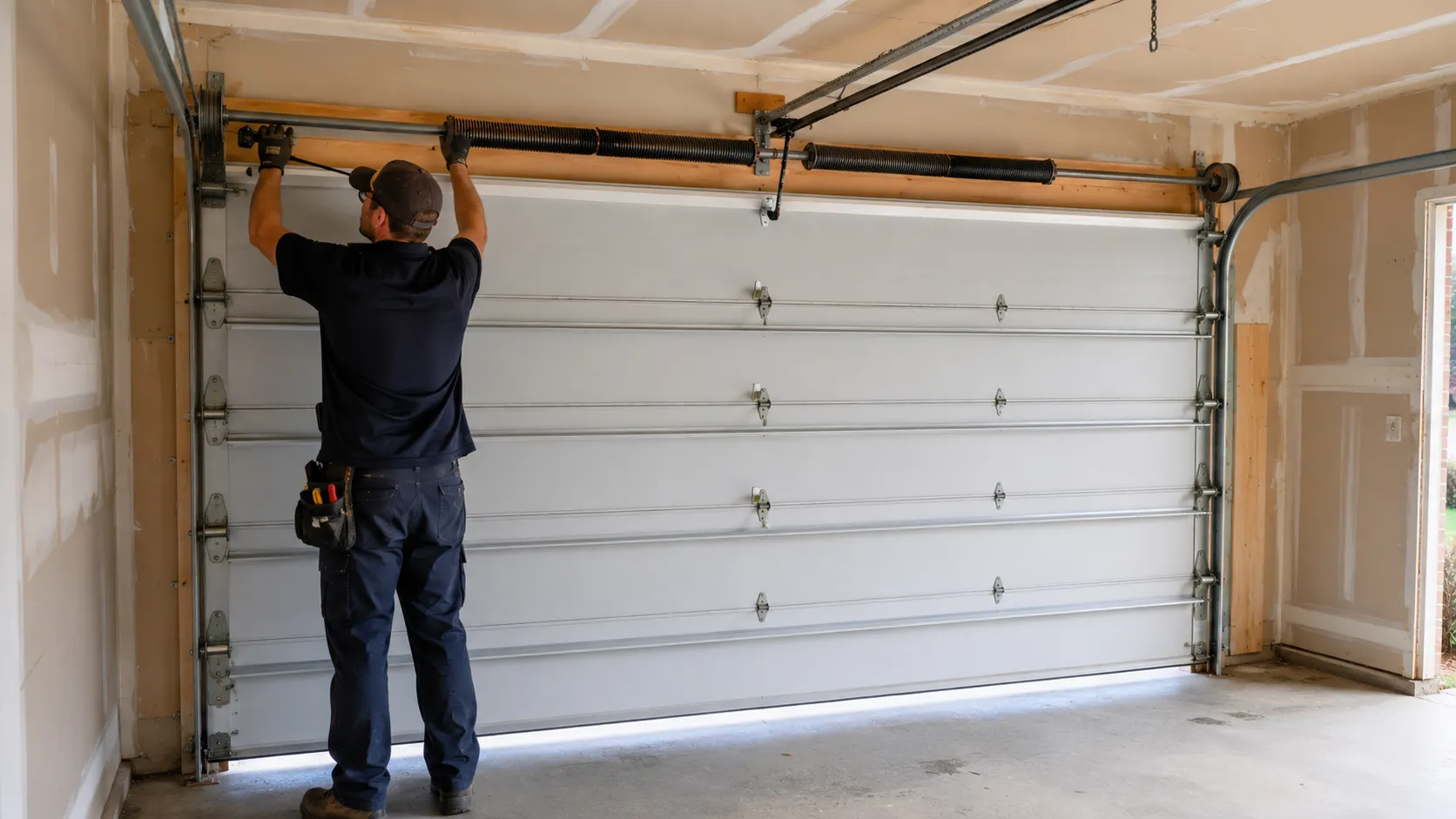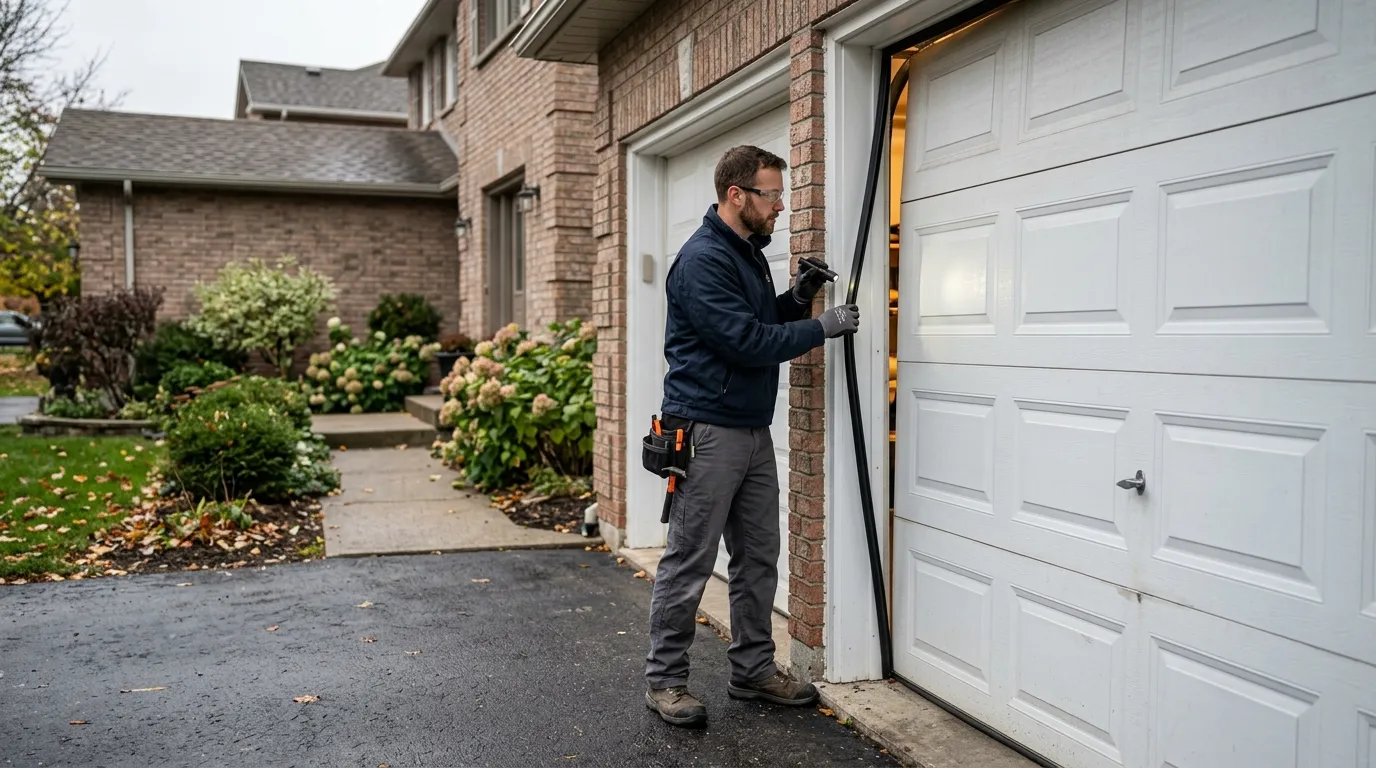
The Symptom
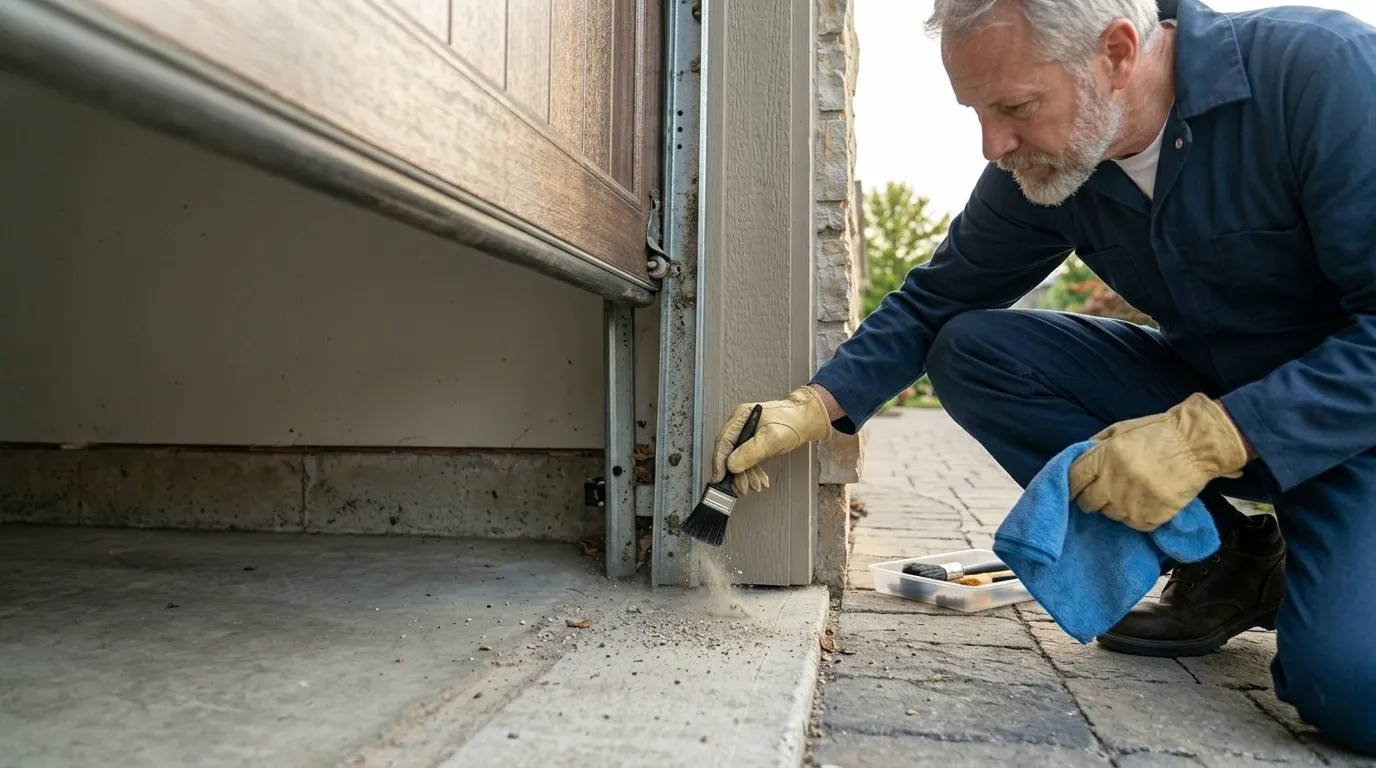
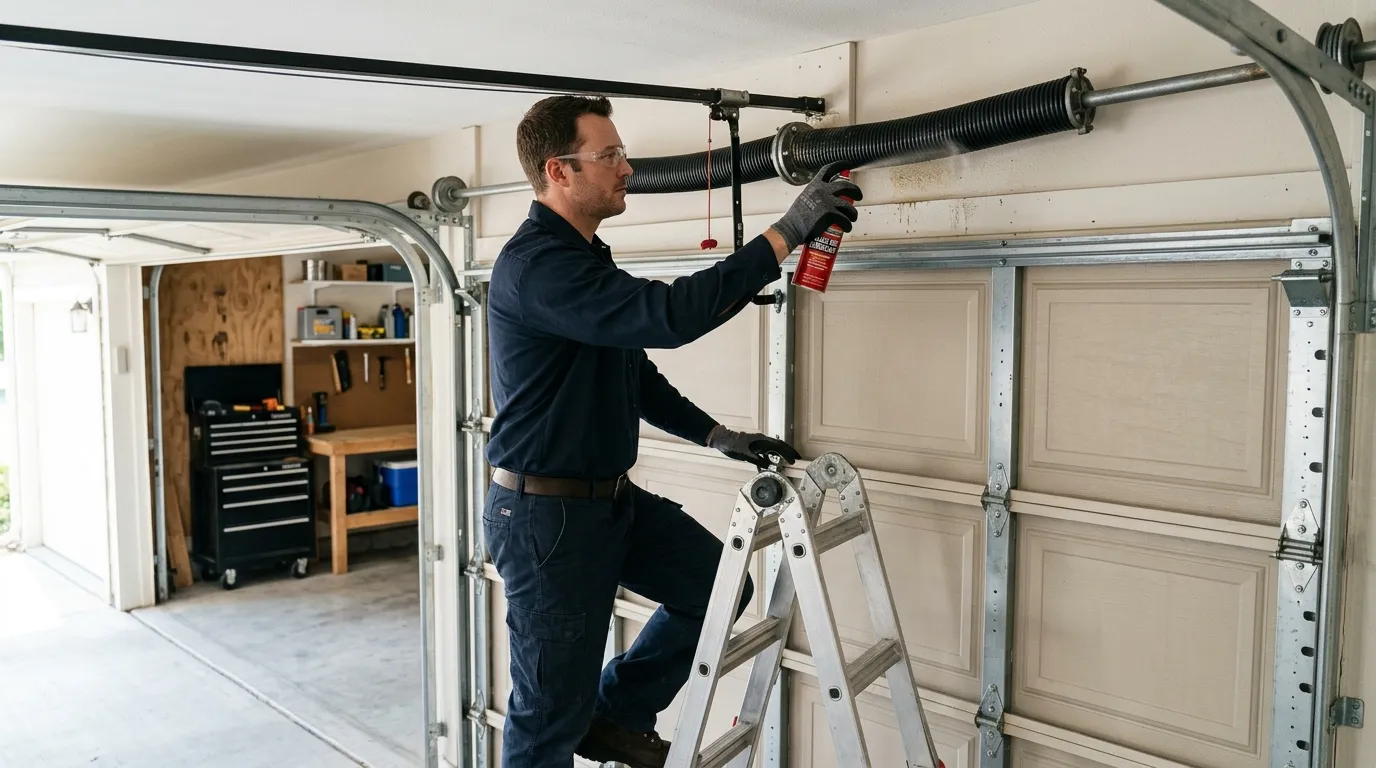
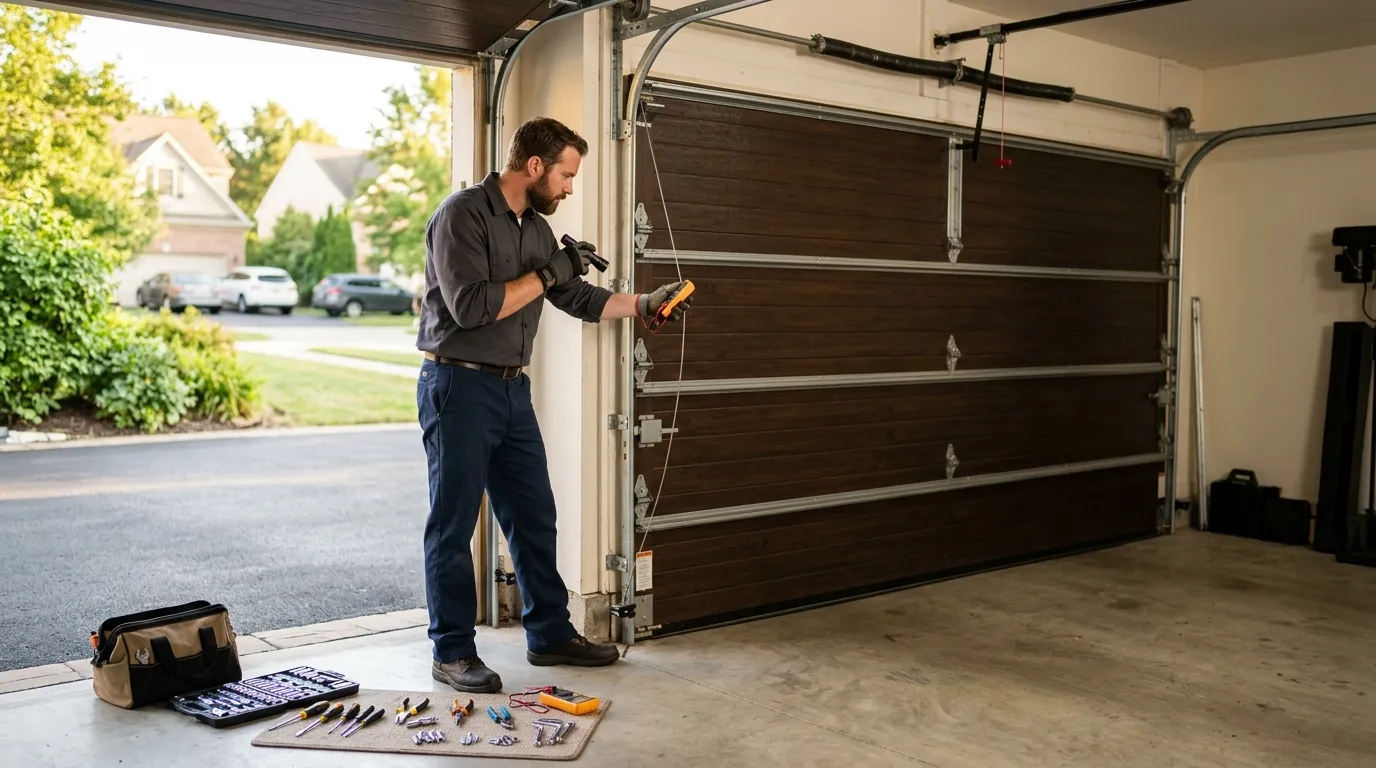
University Park's housing stock centers on 1987, a few years ahead of the 1993 median across the rest of the service area we cover from Dallas. That gap matters more than it sounds. A door installed the year a house was built has now been opening and closing for close to four decades. Even if the spring was swapped once along the way - springs rarely last that long without at least one replacement - the track, the hinges, the drum, and often the opener bracket are frequently still the originals bolted in at construction. Nobody replaces hardware that still technically works. It just gets slower, louder, and harder to trust. If your door drags on one side, or the opener strains before it catches, that's not a fluke. It's a house doing exactly what a house this age does. The symptom isn't damage, usually. It's fatigue in parts installed before anyone thought to ask when they'd need replacing.
Time on the Job
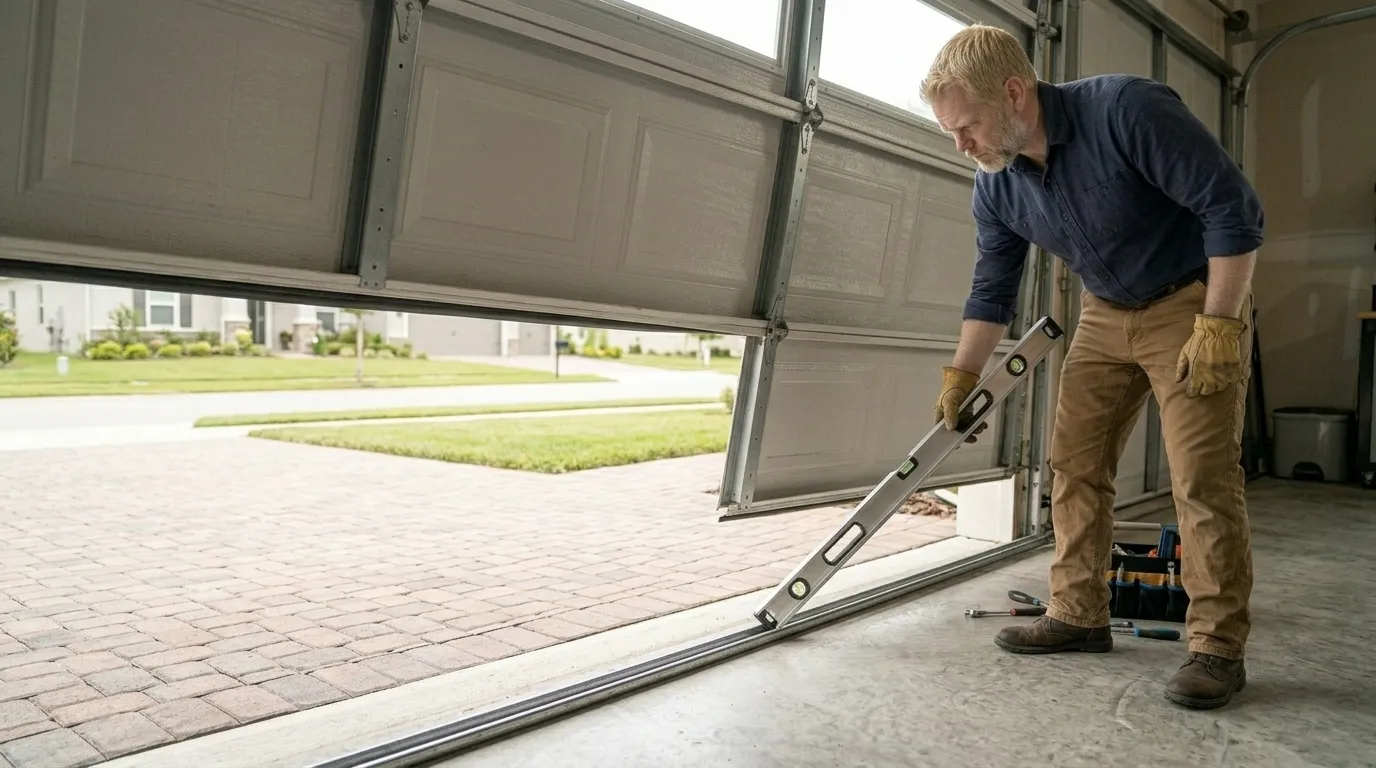
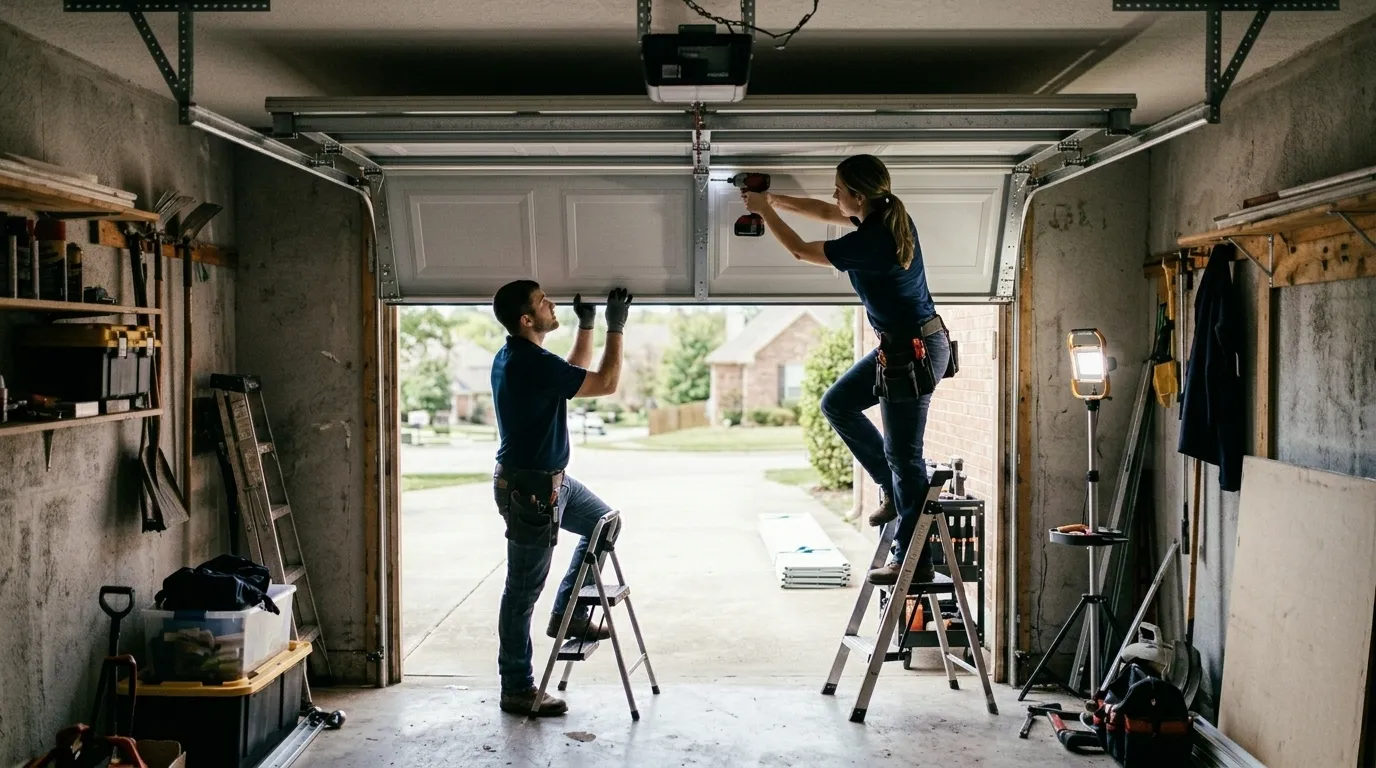
We come from Dallas, about four miles out, so there's travel time built into any visit - we don't pretend to have a crew stationed in University Park. Once we're on site, a full new-door install is a different job than a repair: old door and track come out, new track gets leveled and bolted to framing that's had thirty-plus years to settle slightly, and the opener gets matched to the new door's weight rather than reused blind. We won't tell you an exact hour count here because every garage is framed a little differently and we haven't measured yours yet. What we can say is that we don't rush the leveling step. A door that's out of plumb by even a little will bind within a year, and on a house this age the framing has already moved once - we're not adding a second problem on top of it.
Booking a Visit
We schedule University Park installs out of Dallas - there's no separate branch here, just a truck making the four-mile drive. That's worth saying plainly: we're not going to claim a response time we can't back up for a suburb we serve rather than sit in. What we can commit to is showing up with the door you actually ordered, sized to the opening we measured, not a stock size we hope fits. If you're not sure yet whether you need a full replacement or just a repair, that's a fair question to bring to the visit - a good chunk of doors from this era can be brought back to spec with new hardware rather than a full swap, and we'll tell you honestly which side of that line yours falls on before we quote anything.
What the Fix Involves
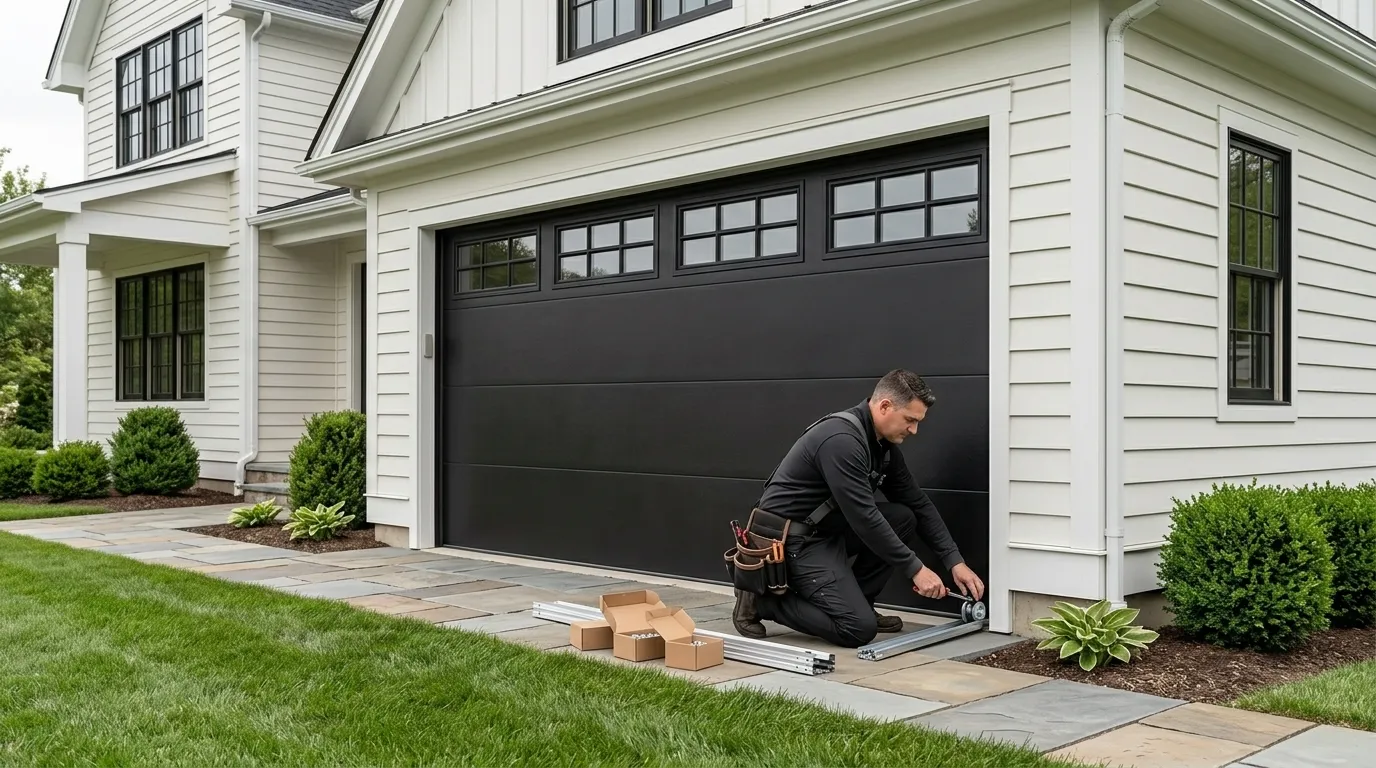
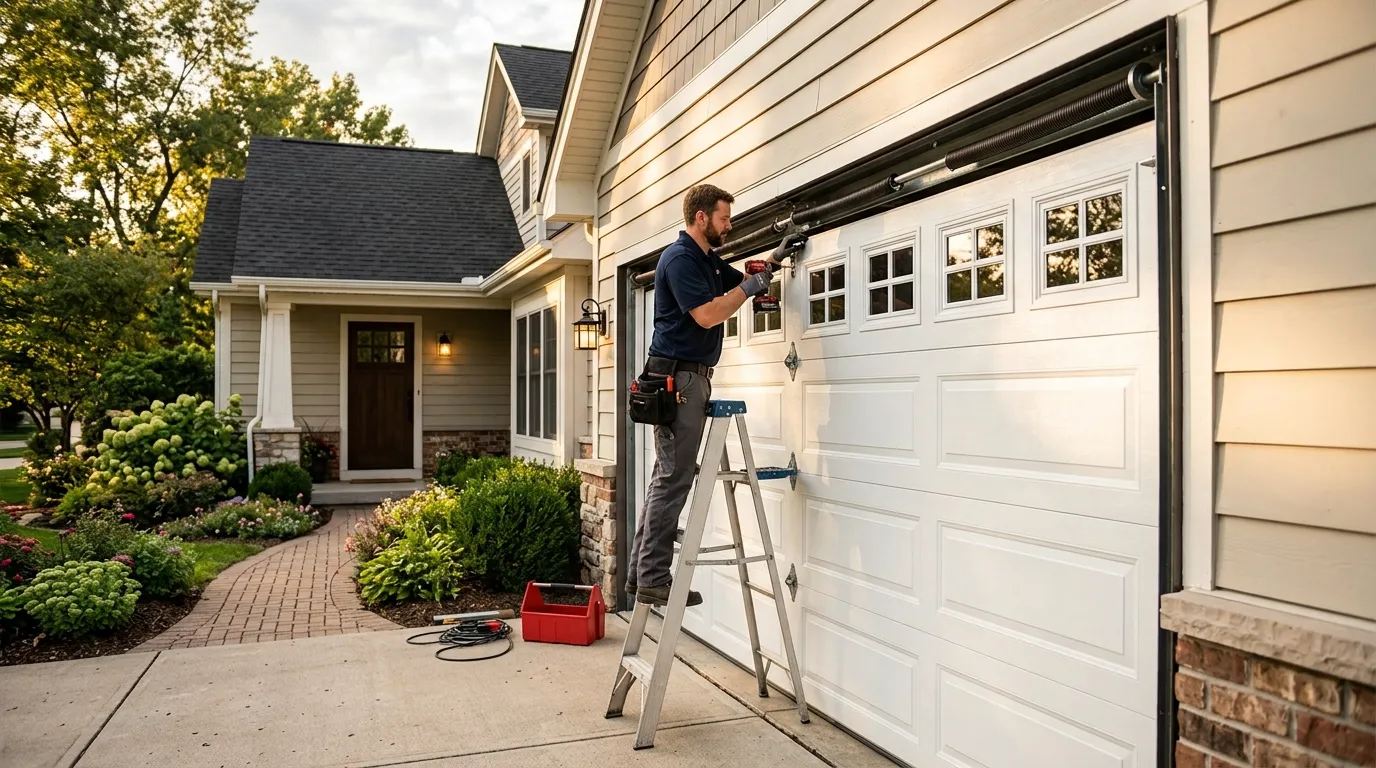
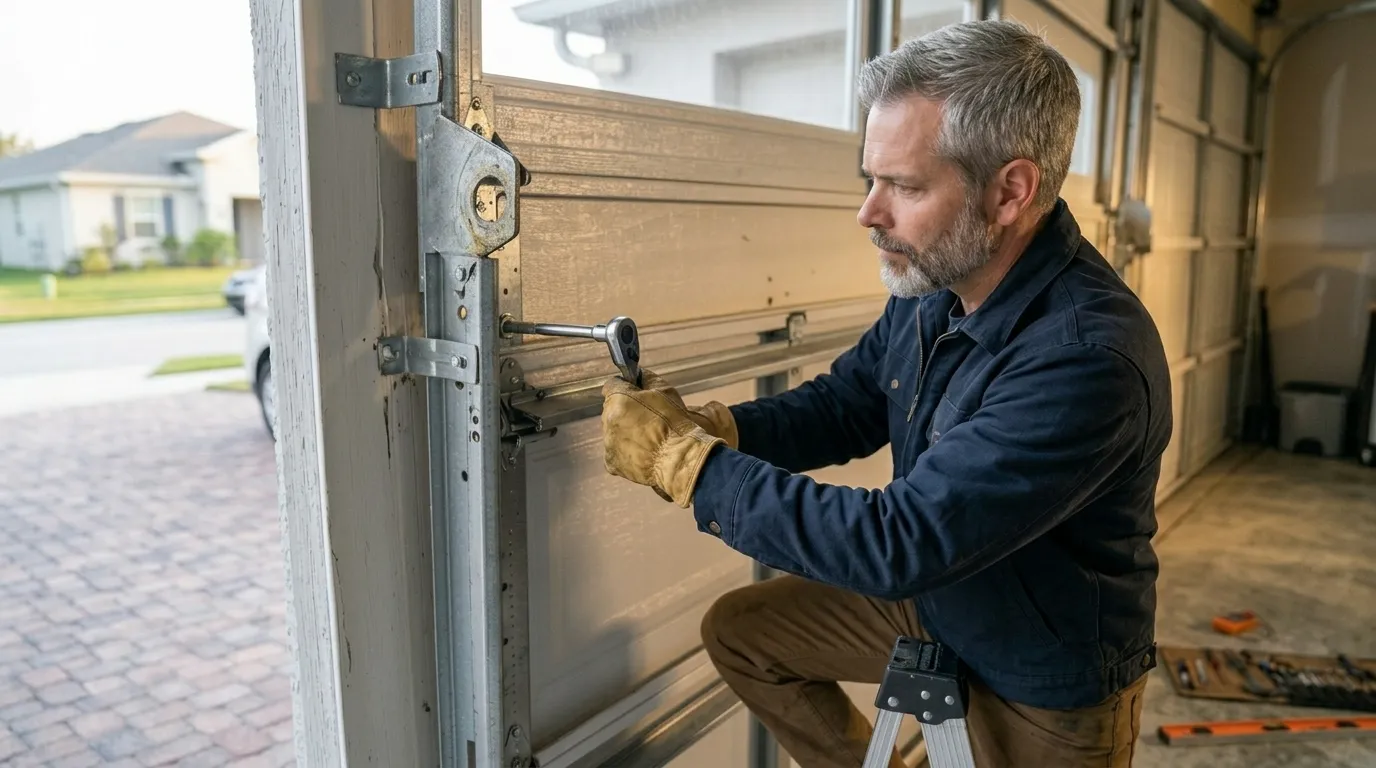
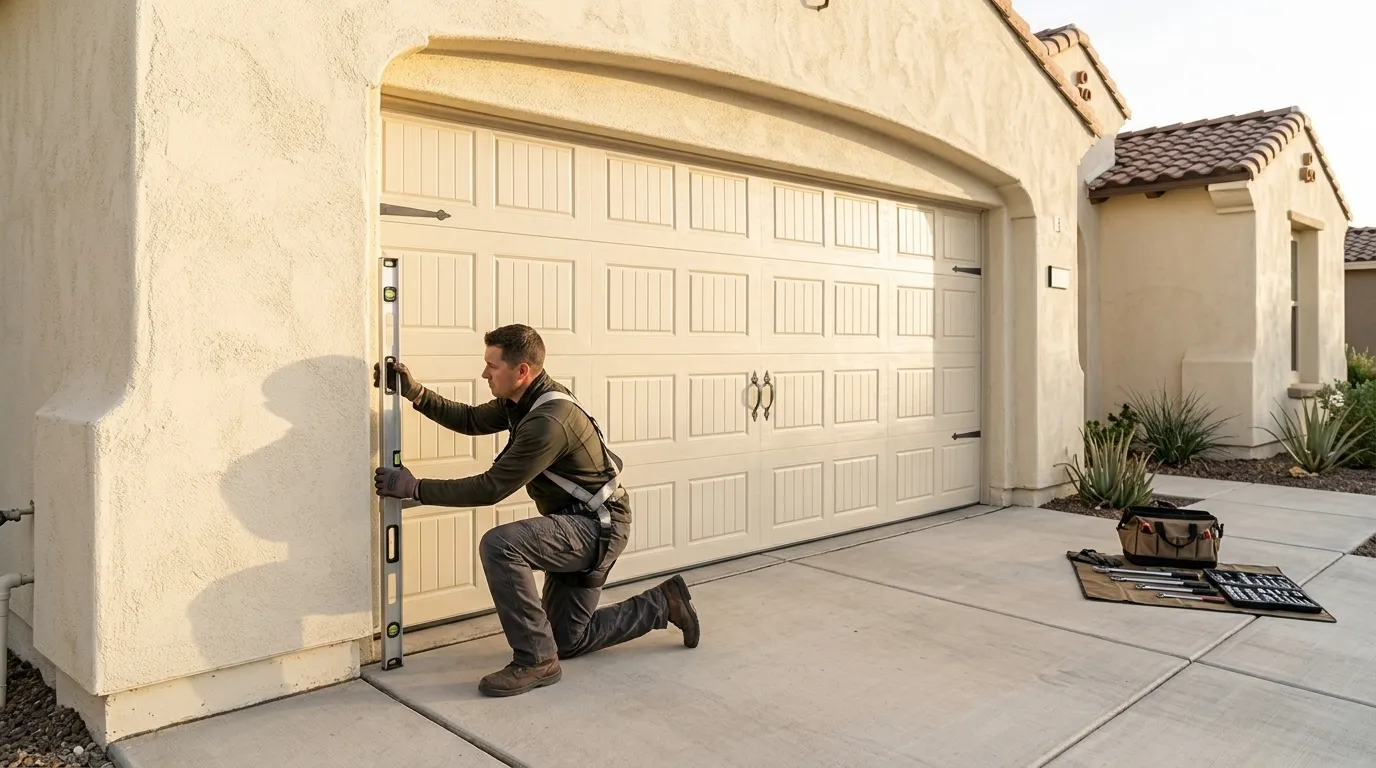
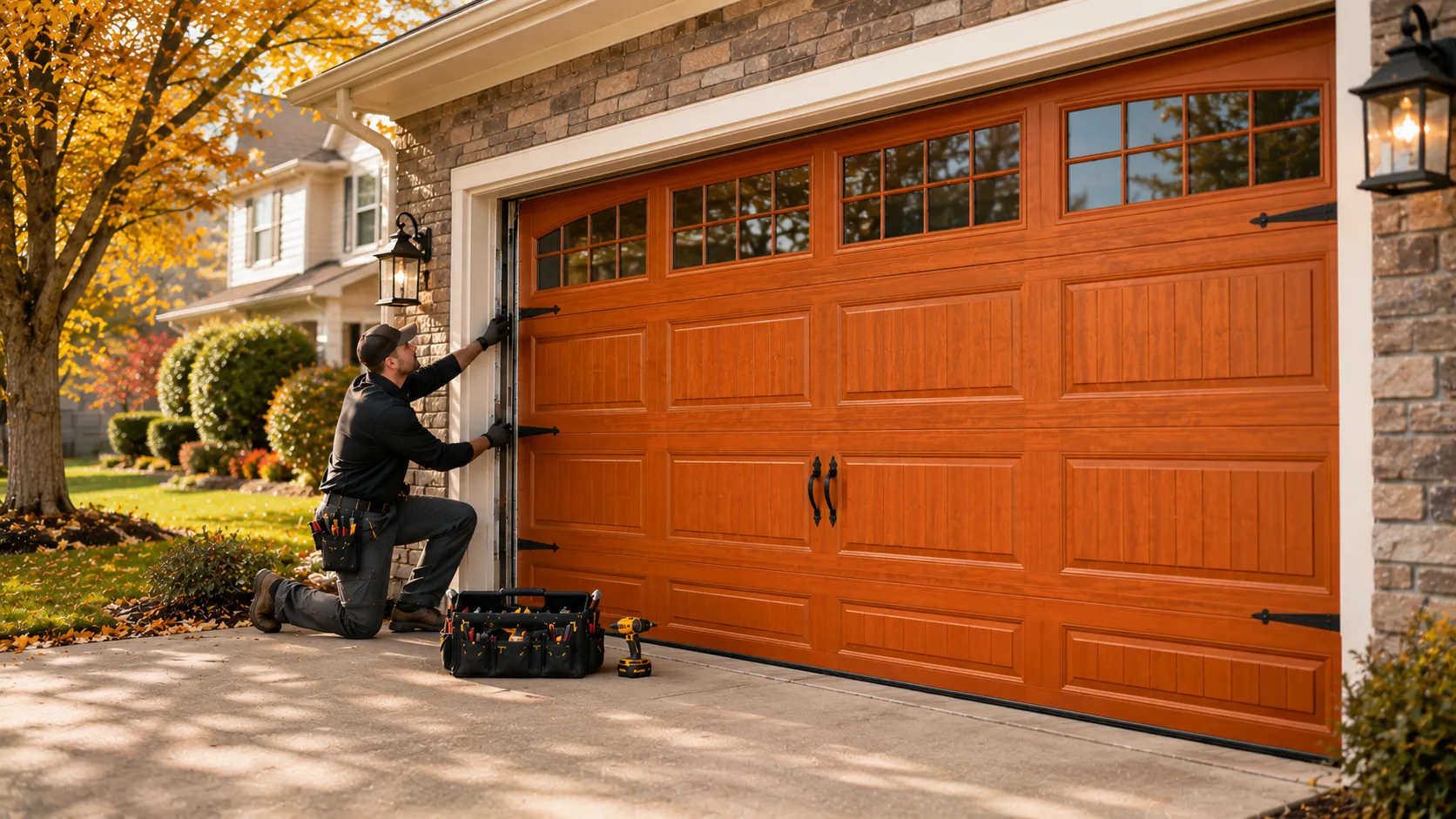
A proper new installation starts with pulling the old door and inspecting the jambs and header behind it - on a house built around 1987, that framing has never been opened up before, so this is often the first real look anyone's had at it since construction. We set new track, plumb and shimmed to the actual opening rather than the old bolt holes, then hang the door itself and balance the spring tension by hand before the opener ever gets involved. The opener gets sized to the door's actual weight, not guessed at. One honest limitation: if the framing behind an old door has shifted enough to be out of square, that's a carpentry problem before it's a door problem, and we'll say so rather than force a door into an opening that isn't going to hold it straight.