The Symptom
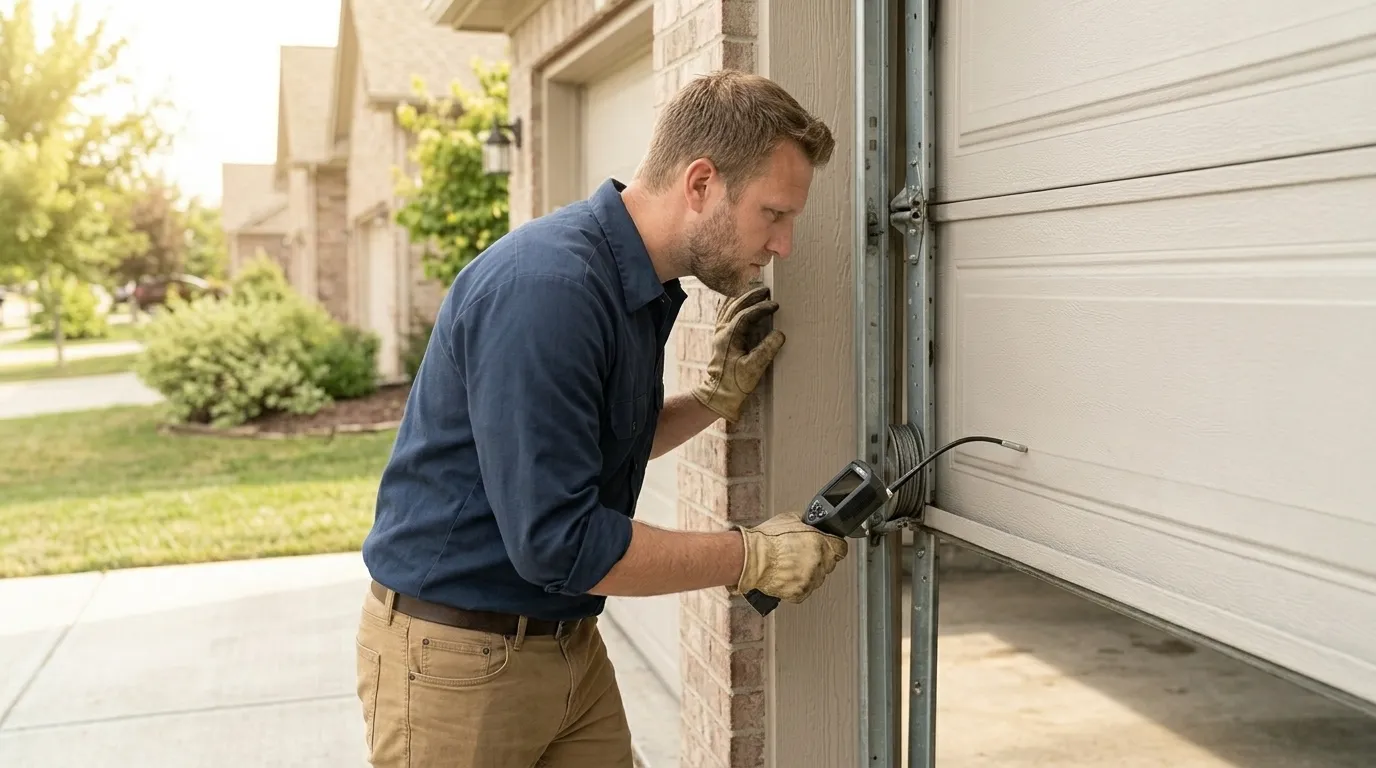
University Park is a small place - about 7,174 households sit inside a town that measures only a few square miles, tucked 4 miles from downtown Dallas. That size matters for roller work: it's not a sprawling service area with dozens of housing eras stacked on top of each other, it's a tight, consistent build window. Most of the doors we get called to here came off a track system installed when the house was built, and a huge share of those houses went up in the same stretch as the wider Dallas area's 1973-2007 boom, centered around 1987 locally. That means the roller wear pattern repeats house to house. You'll hear it before you see it - a grinding or clunking as the door travels, worse in the last foot before it seats, or a door that shudders sideways as it opens. Steel rollers with no bearing, or the original 1980s nylon rollers with steel ball bearings gone dry, both throw that same complaint. If your door has run twenty-plus years on its original hardware, this is the part that gives out first, well before the opener or the springs.
Time on the Job
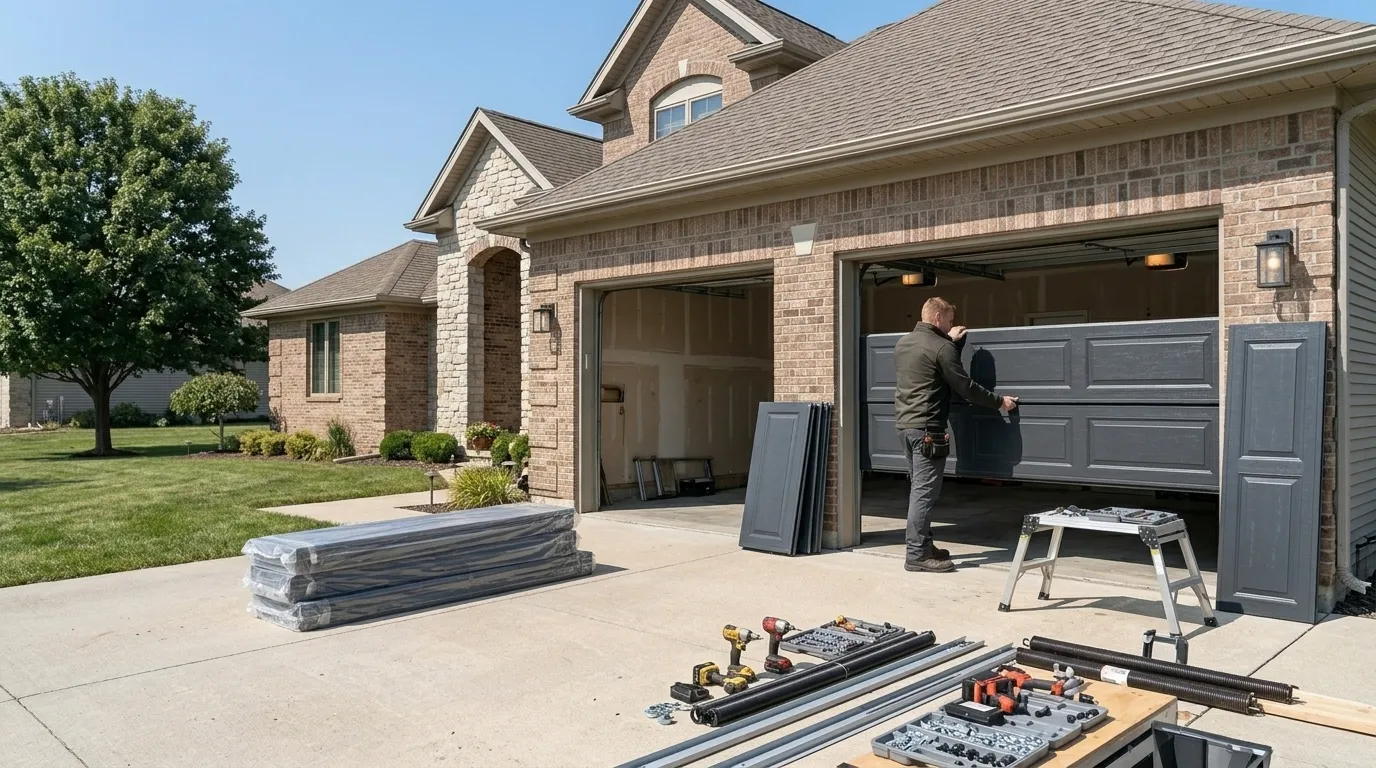
A straight roller swap - pulling worn rollers off the tracks and setting new ones, whether nylon or steel-ball - is a short job once we're on site. What takes longer is diagnosing whether the rollers are the actual problem or a symptom of something else: bent track, a sagging panel putting sideways load on the roller stems, or hinges that have worked loose over three decades of use. On a house from the late 1980s stock common here, we're often looking at all of it together, since the hardware ages as a set. We don't pad the visit with upsells you don't need - if it's just rollers, we tell you that and we're done. What we won't do is promise a same-day slot from here; we run out of Dallas, and University Park is a short drive at 4 miles, but we still book by the day's route, not by the ZIP code.
Booking a Visit
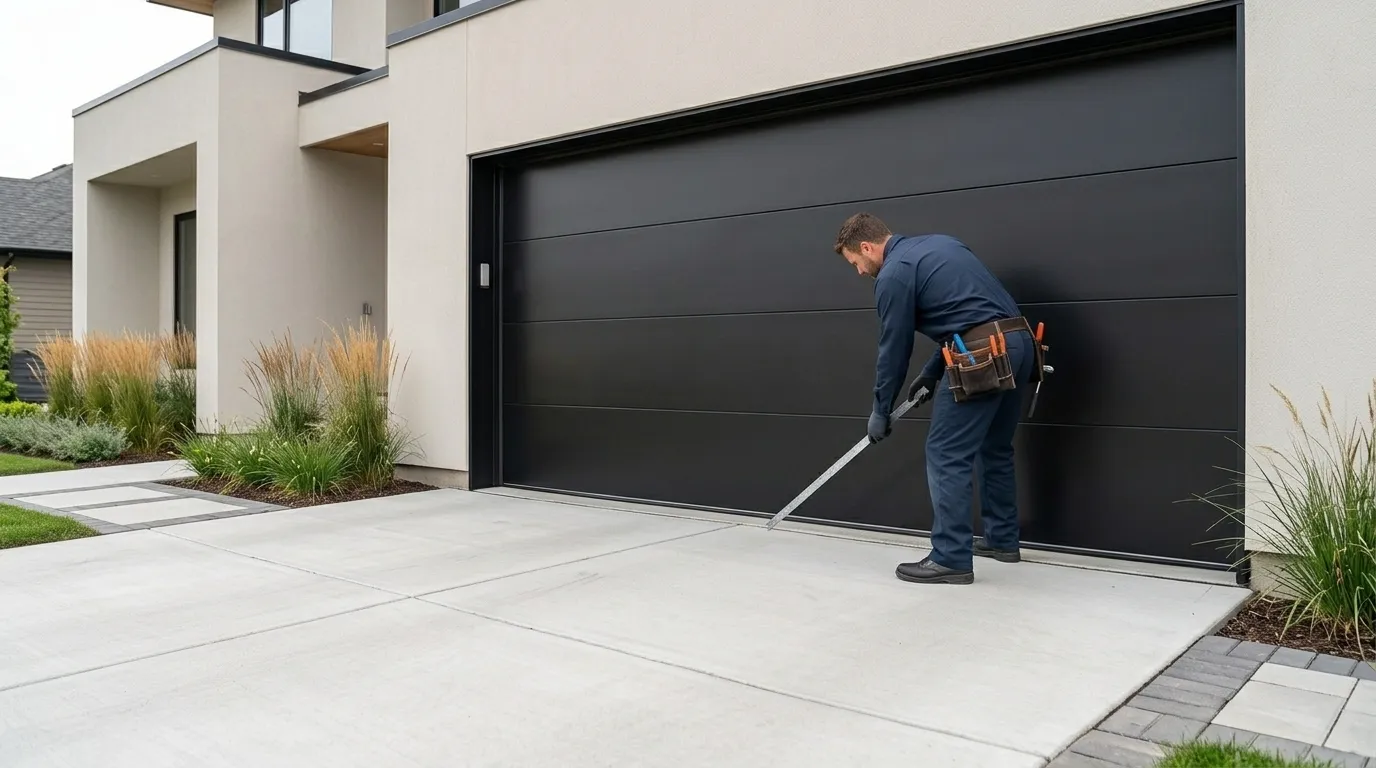
We quote roller jobs over the phone once we know the door size, roller count, and whether you want steel or nylon. University Park is close in from Dallas - about 4 miles - so it's an easy add to a day's route, but we still schedule by the truck's stops that day rather than guaranteeing a same-day window just because the drive is short. Have the door's rough age ready if you know it; on a town where most homes date to the mid-to-late 1980s, that alone tells us a lot about what hardware we'll find. If you're not sure whether it's the rollers or something further up the track, describe the sound and we'll narrow it down before we quote a price.
What Fix Involves
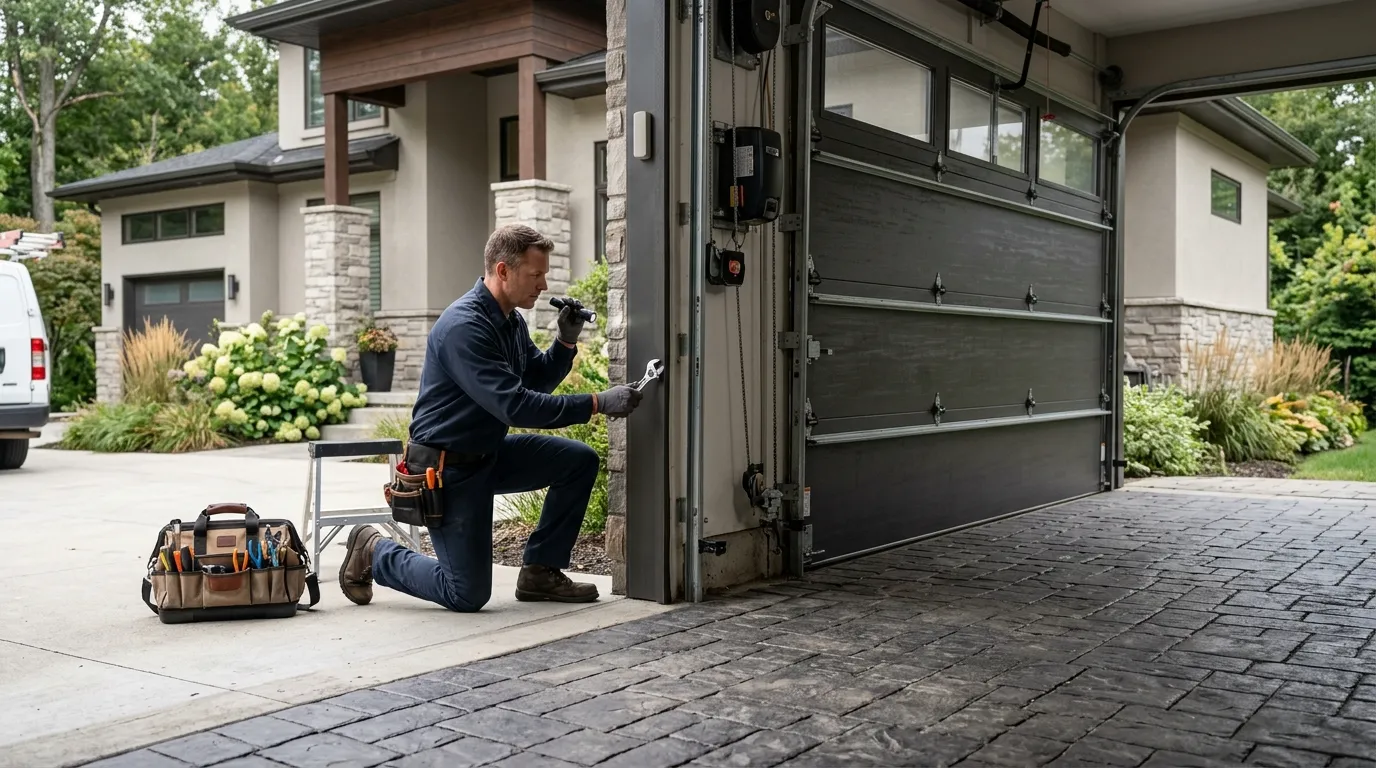
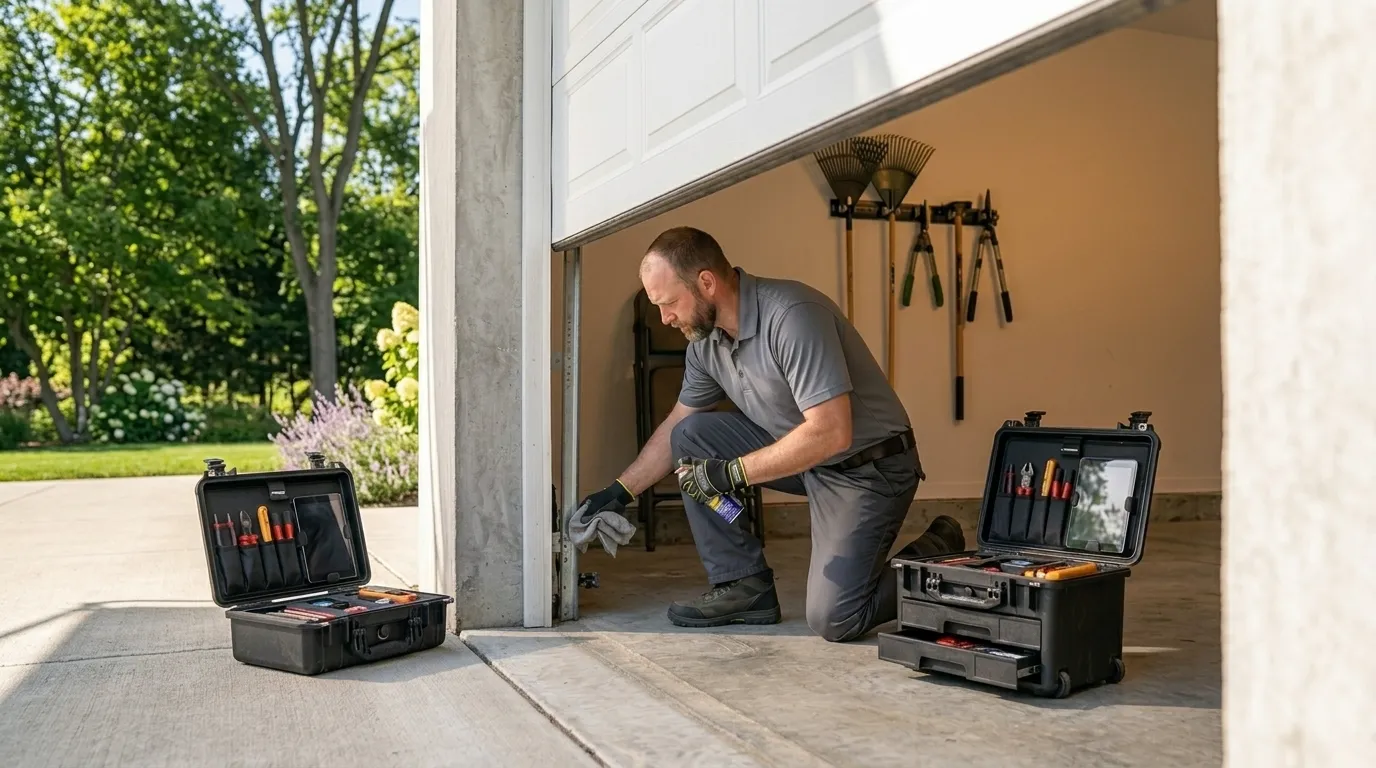
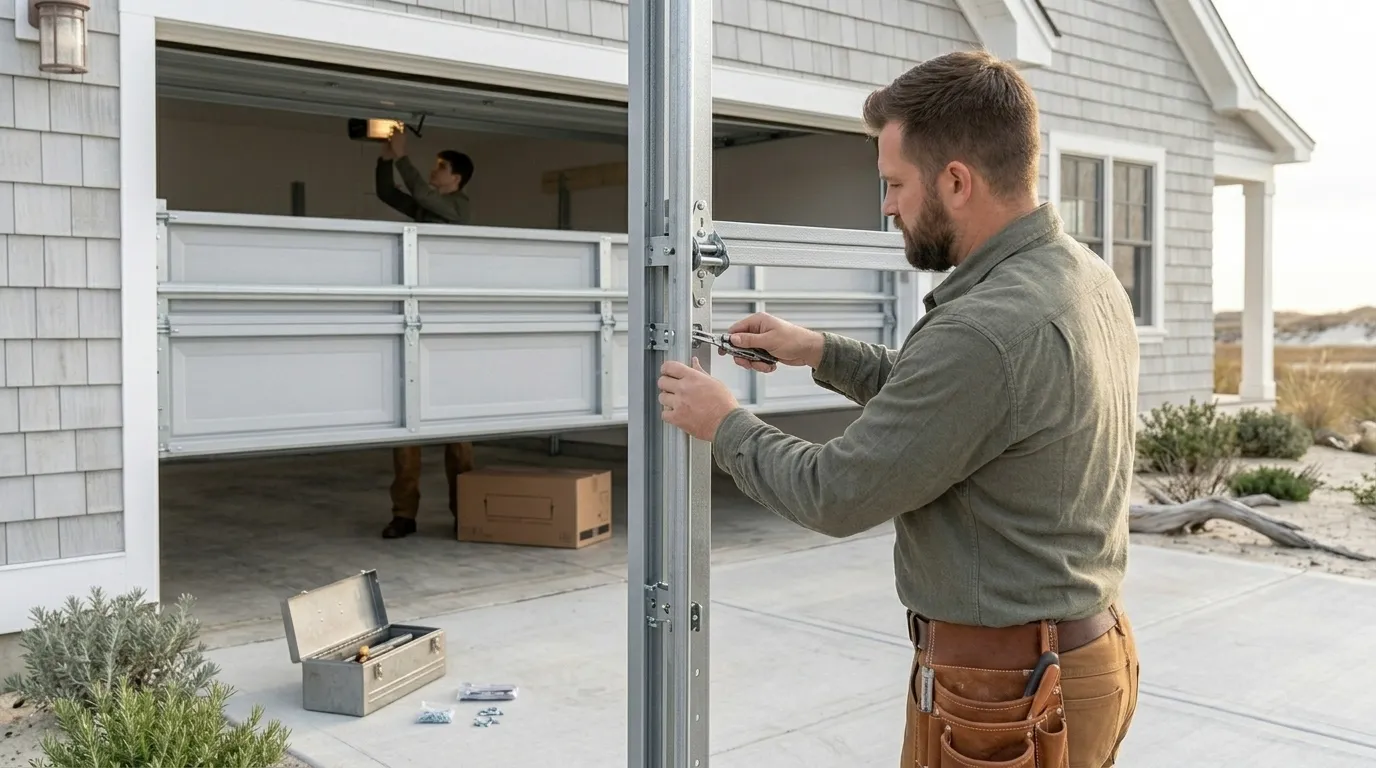
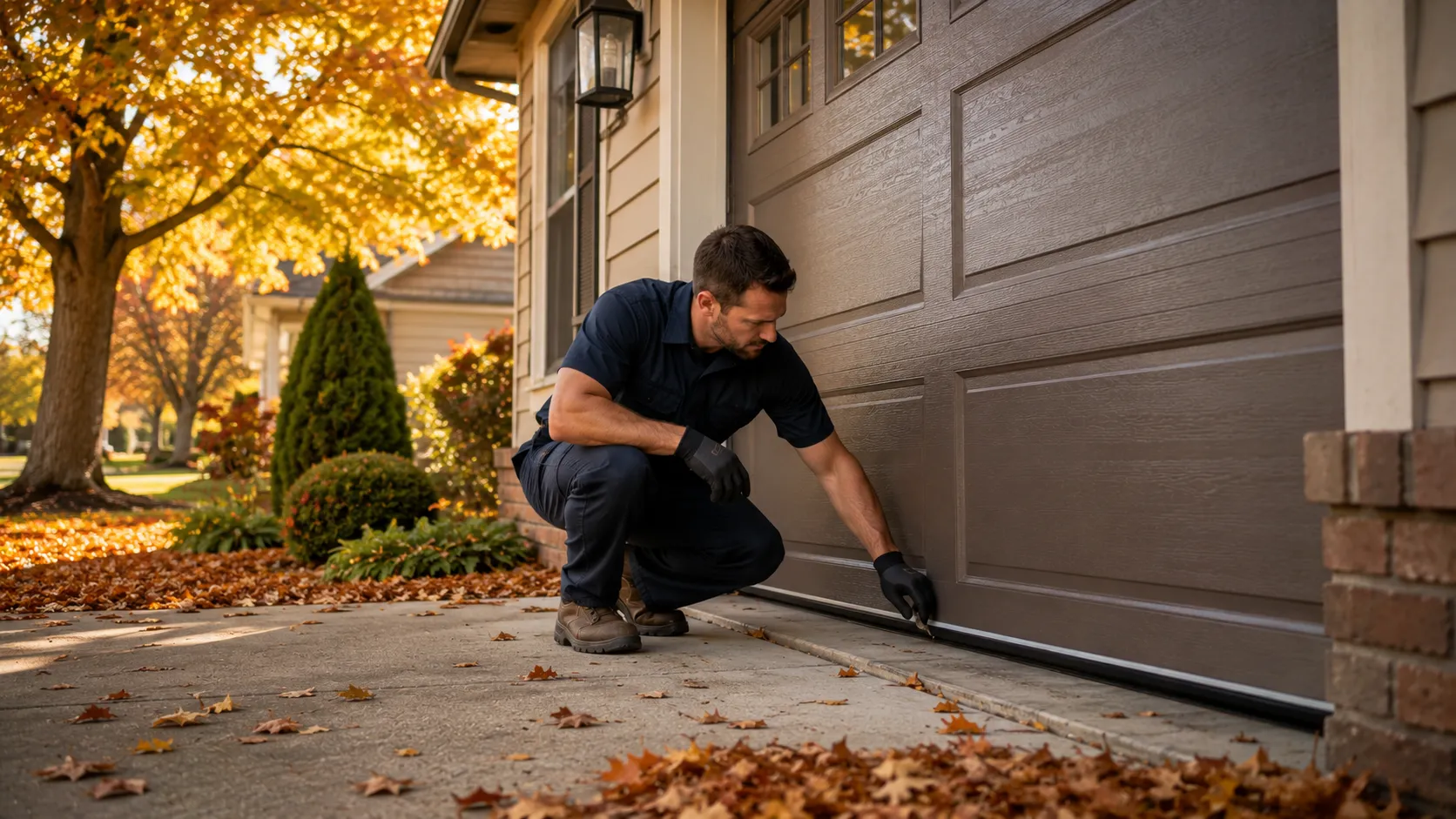
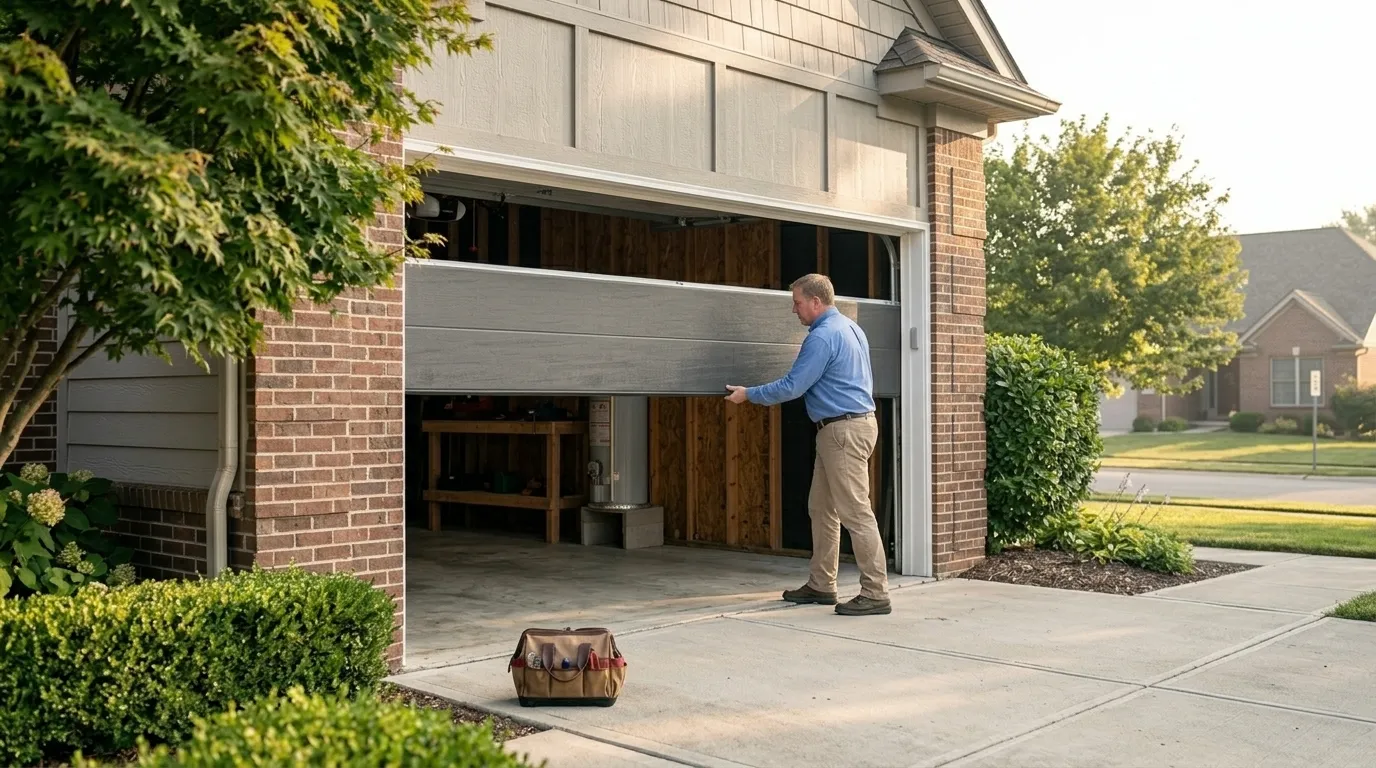
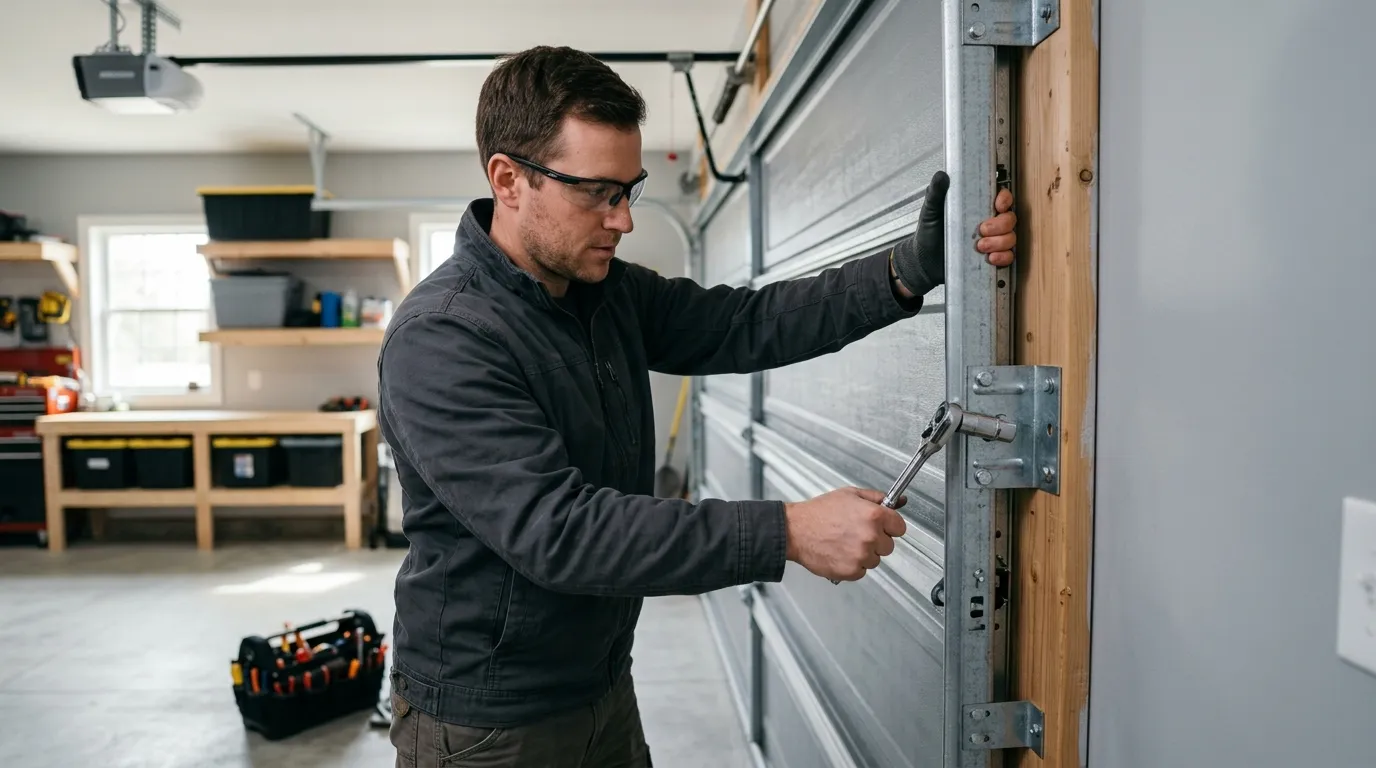
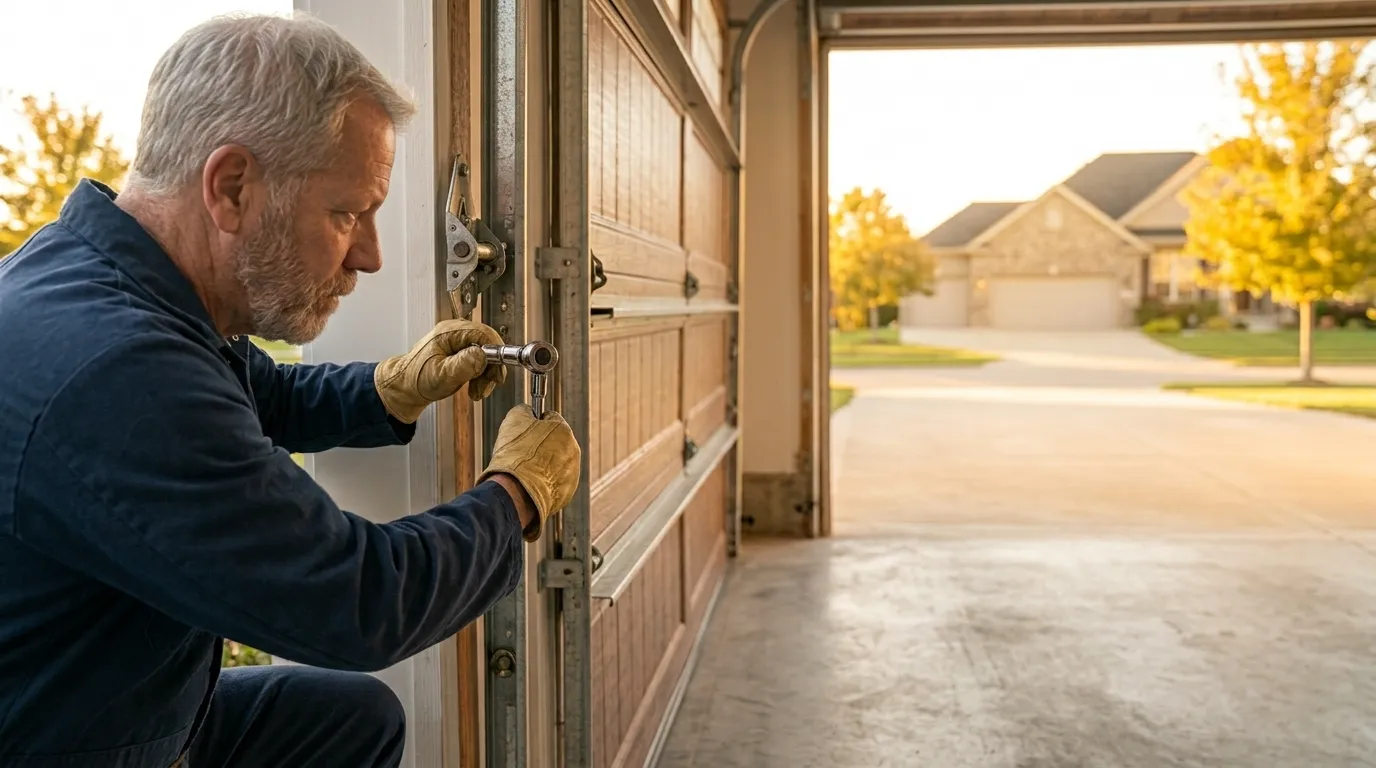
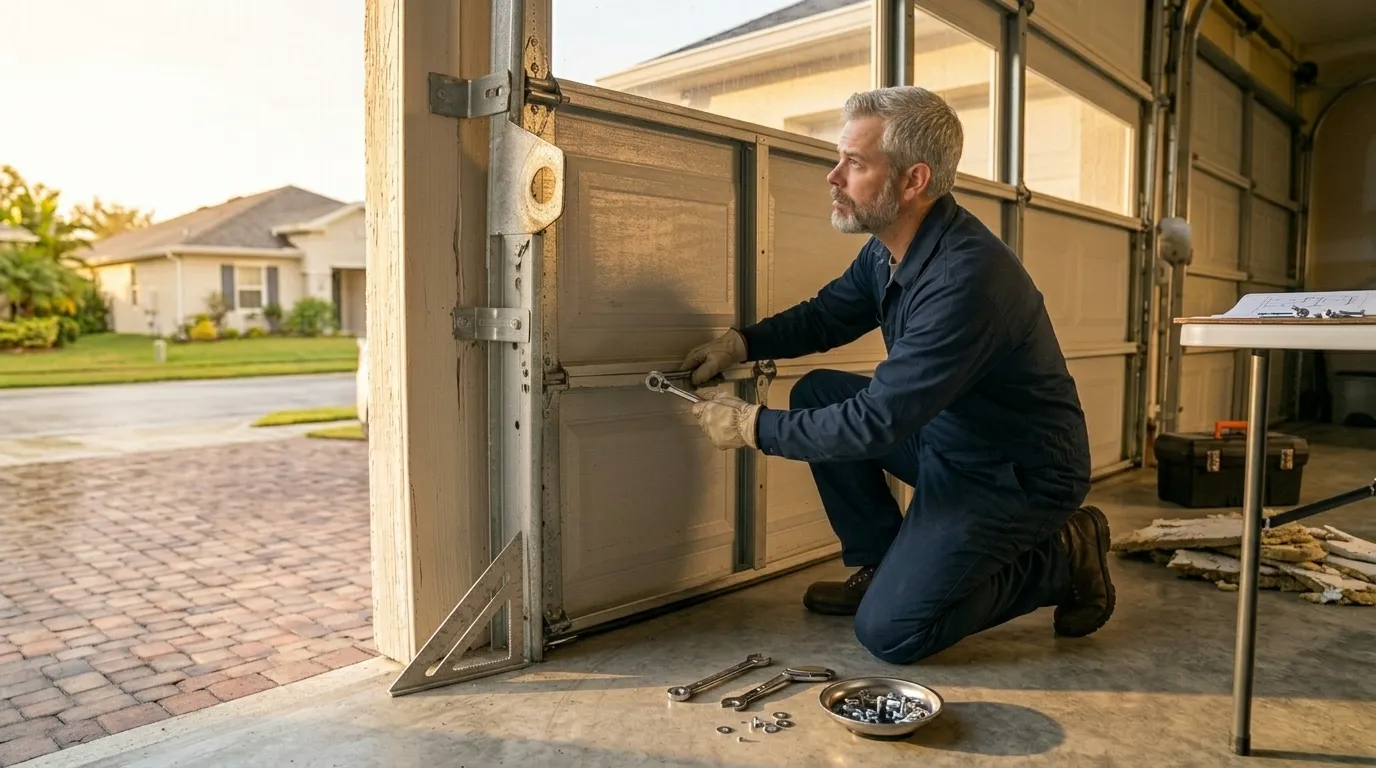
We're covering the roller job specifically here - full track and opener work has its own page. The fix itself: remove the old rollers one at a time (never all at once, to keep the door from dropping), inspect the stem holes in the hinges for wear, check the track for flare or dents at the wear points, then set new rollers and run the door through a full cycle to listen for anything we missed. On a house from University Park's typical 1980s build era, we'll usually find the bottom rollers worn well past the top ones, since they carry more load reversing direction at the floor. Nylon rollers run quieter and need less lubrication over time; steel ball-bearing rollers cost less but need occasional oil. Honest limitation: if the track itself is bent or the hinges are stripped out, roller replacement alone won't quiet the door - that's a track or hinge job, and we'll tell you before we bill you for rollers that won't fix it.