What You Pay
We don't quote a Grand Prairie price without seeing the door, and we won't pretend otherwise. What we can tell you is that pricing here tracks the building stock, not the zip code. Dallas's service area overall runs a wide spread of construction years, 1973 to 2007, with a median around 1993. Grand Prairie's commercial buildings cluster a couple years earlier than that citywide median, closer to 1991. That two-year gap sounds small until you're standing in front of a rollup door with an obsolete torsion shaft size or a jackshaft opener nobody stocks parts for anymore. Older commercial hardware costs more to fix because the part has to be sourced, not because the job is harder. Newer high-cycle springs and standard-width tracks are the opposite: fast parts, lower labor. Tell us the building's rough age when you call and we can narrow the range before the truck even leaves Dallas, 16 miles out.
The Symptom
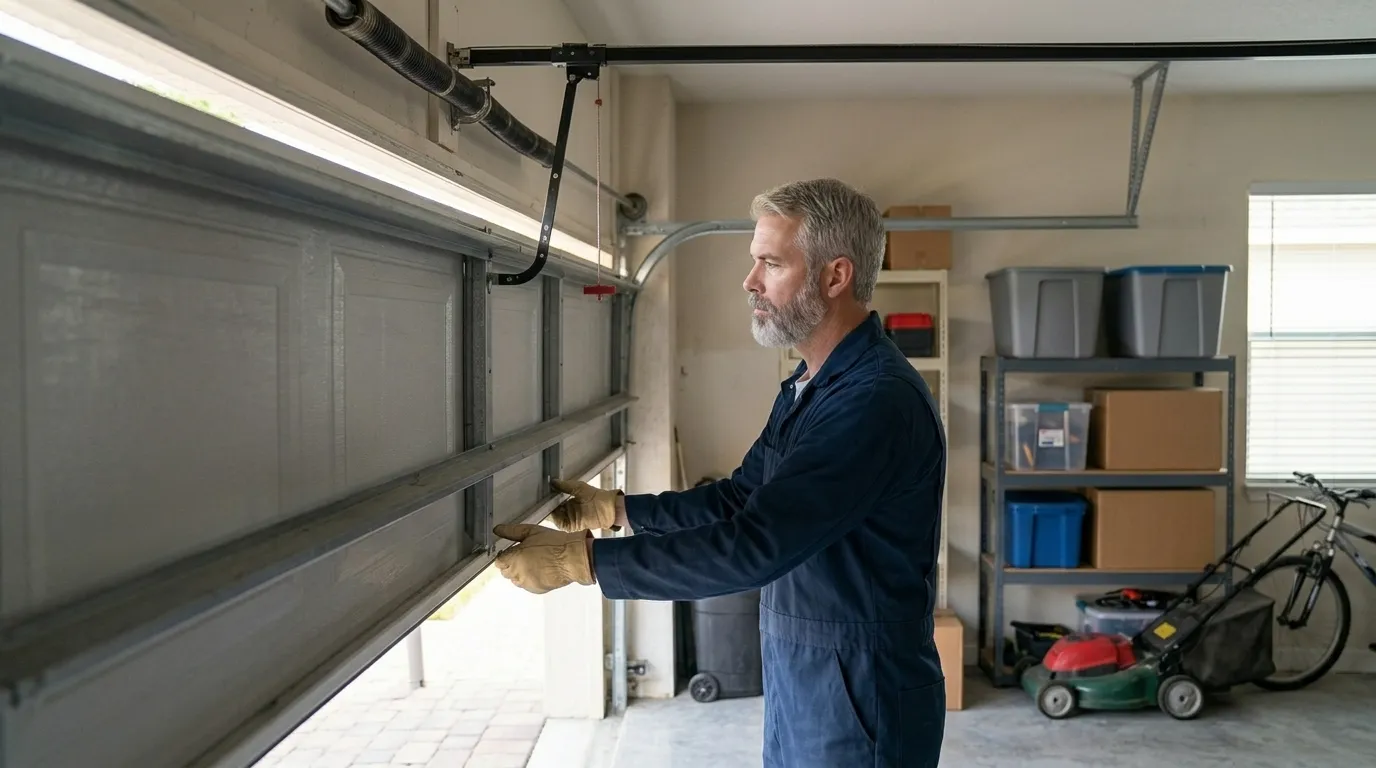
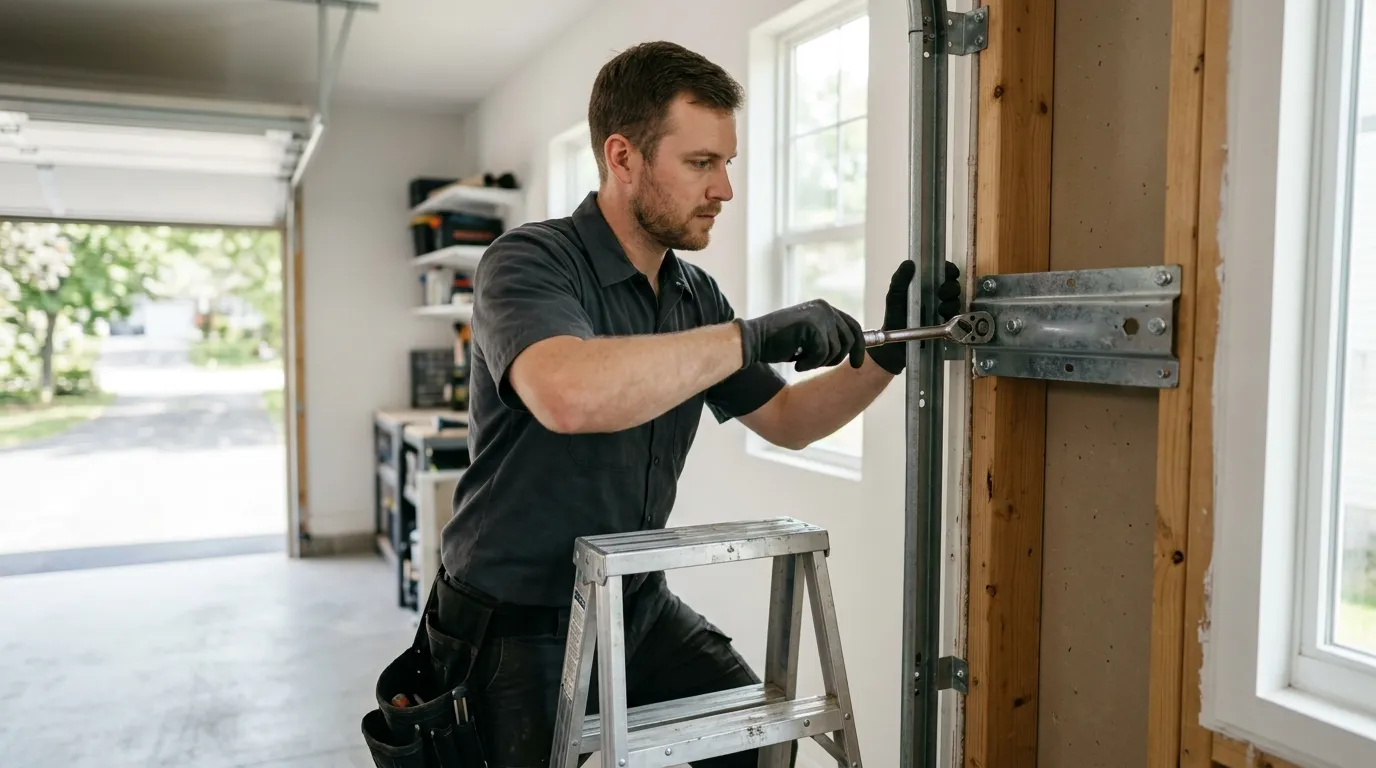
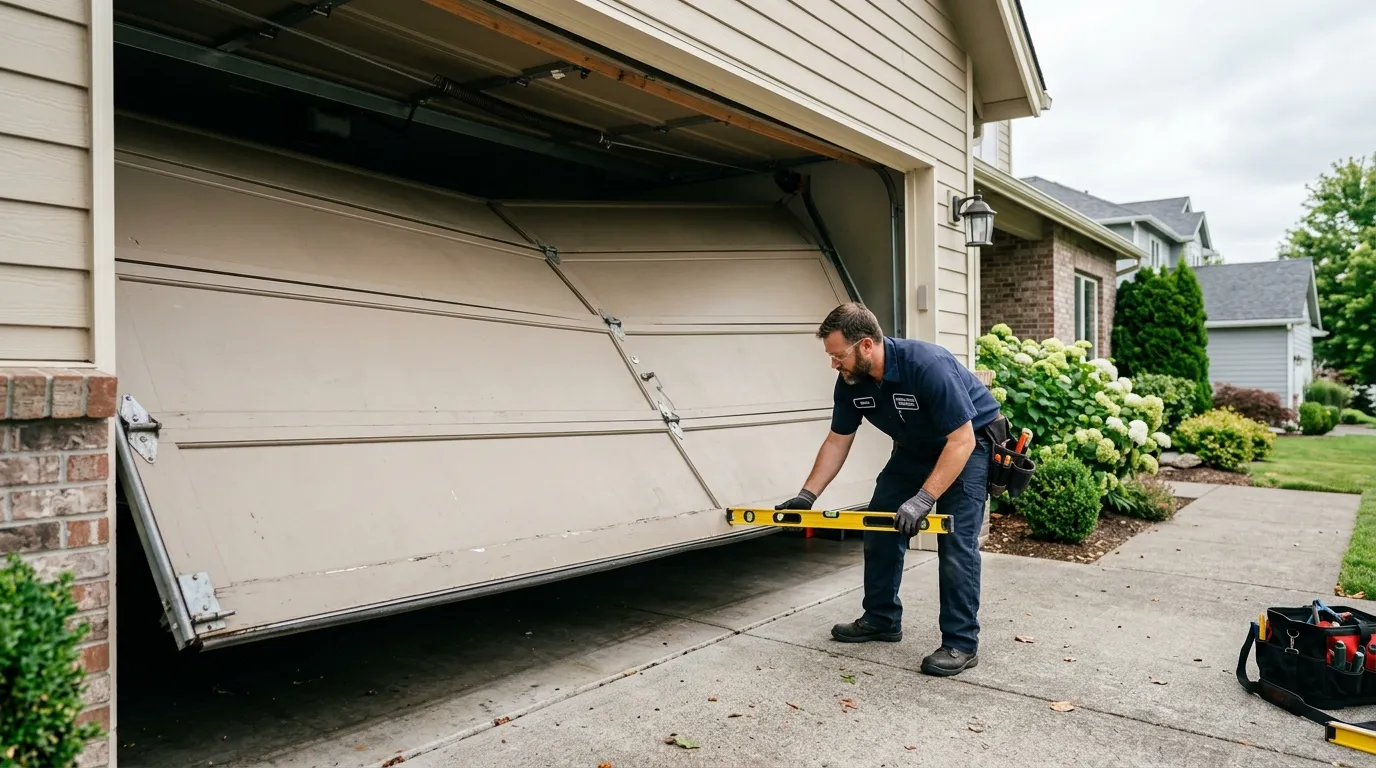
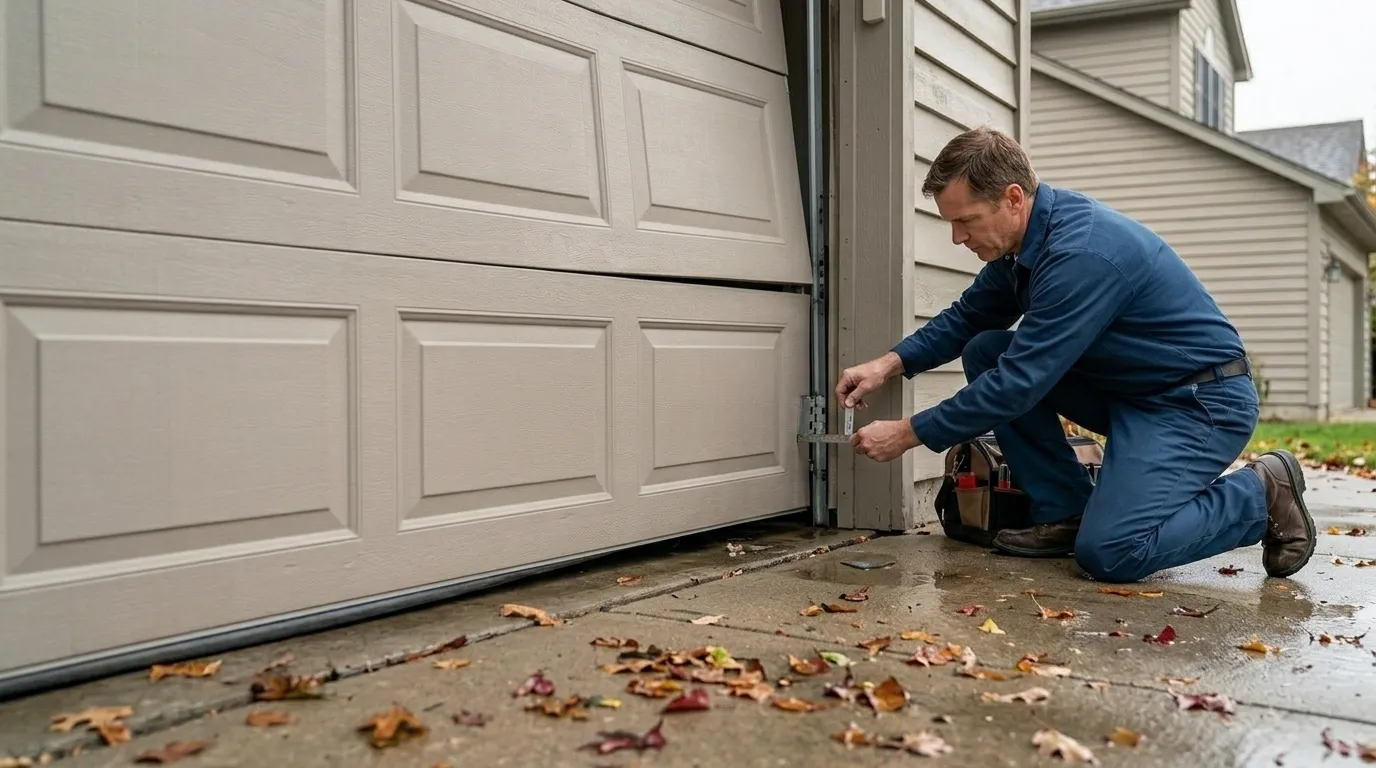
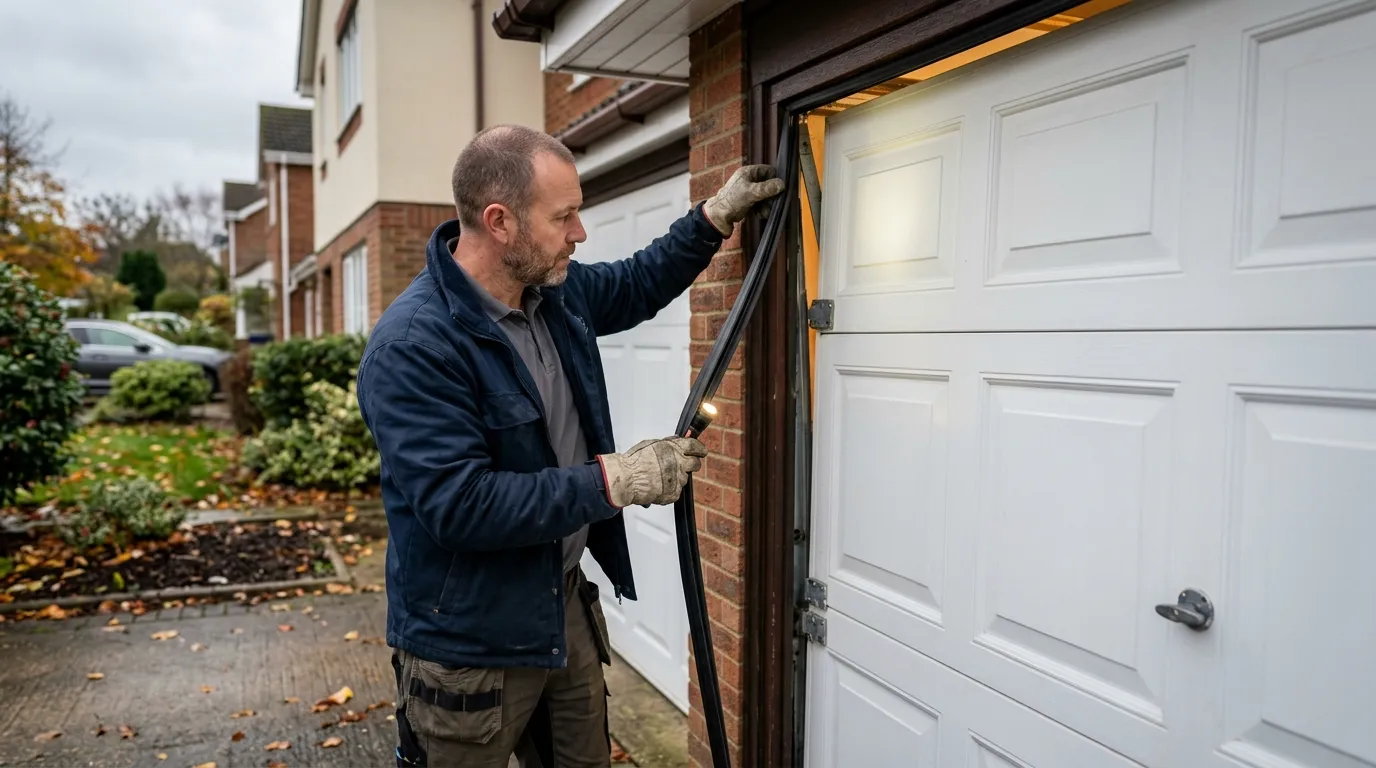
Commercial doors built around 1991 tend to fail in specific ways. Torsion springs rated for a few thousand cycles are well past that count by now if the door sees daily dock traffic, so the classic symptom is a door that starts fine and then binds or slams partway through the cycle as one spring gives out unevenly against its partner. On loading dock doors from that era, the other common complaint is a track that's racked slightly out of plumb from years of forklift contact with the jamb, which shows up as a door that runs crooked or drags on one side. Neither of these is an opener problem, though owners usually call it in as one.
What the Fix Involves
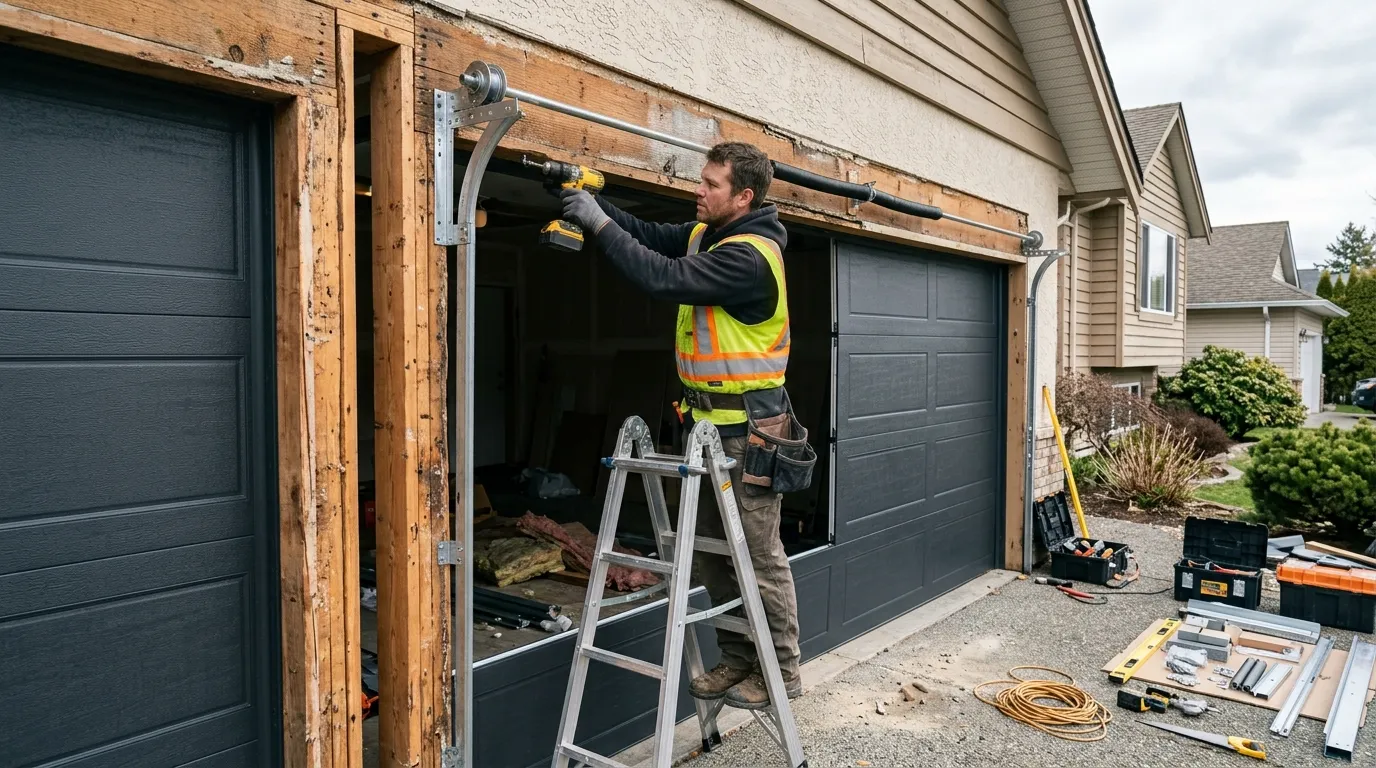
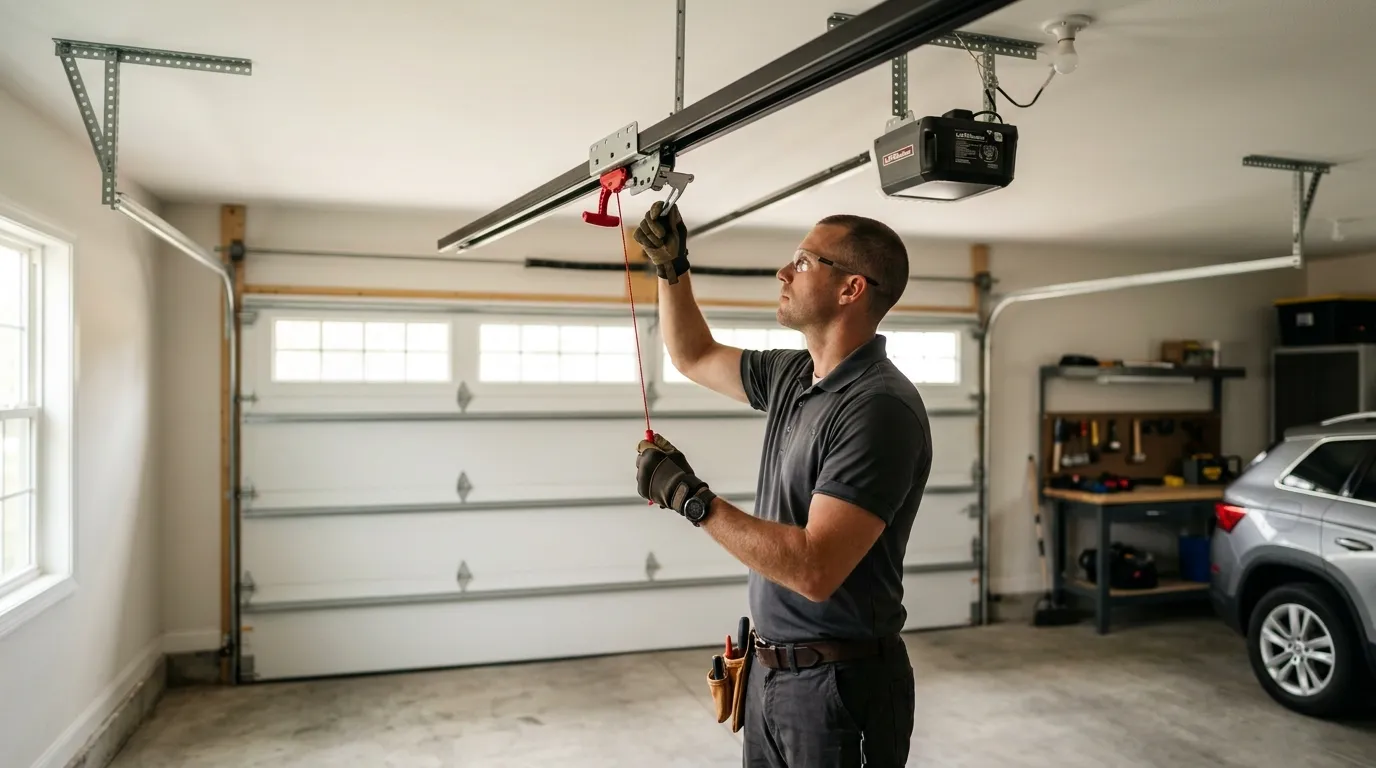
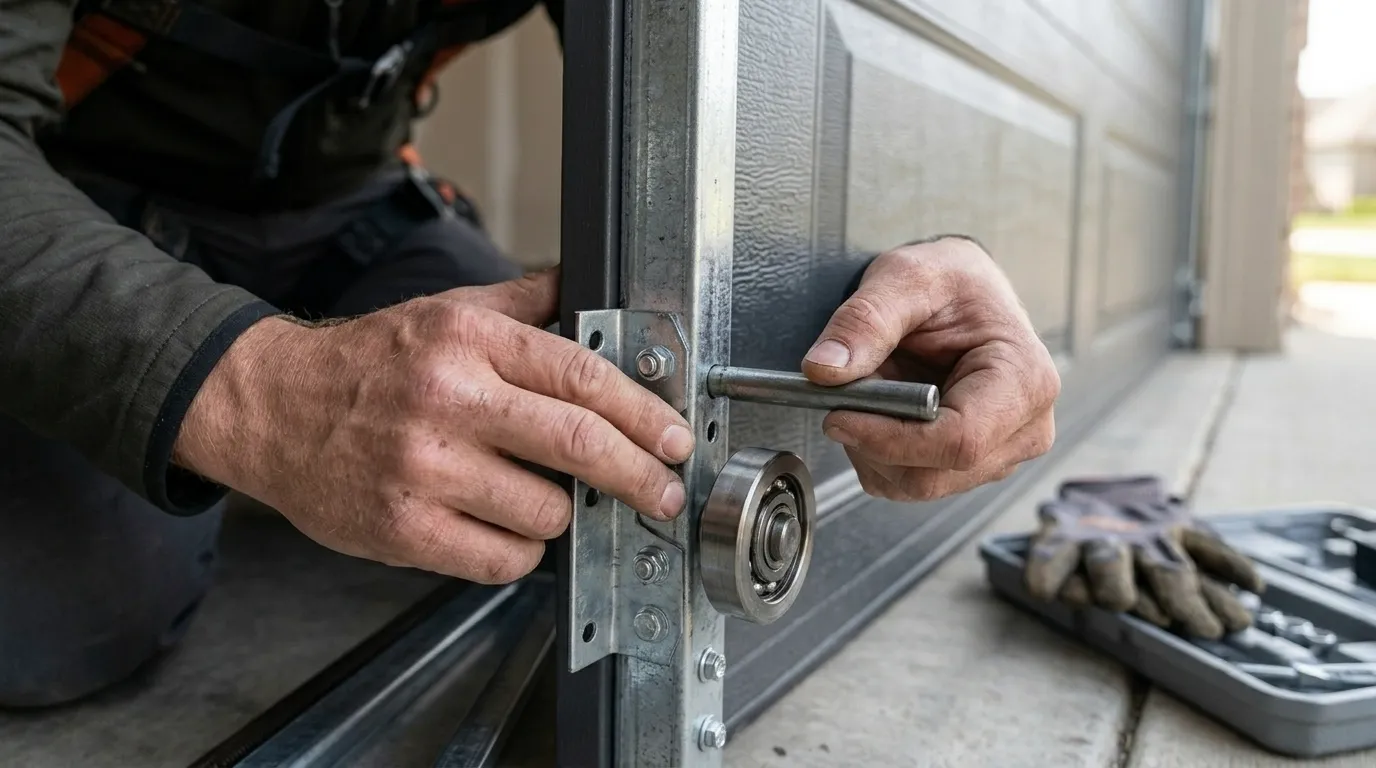
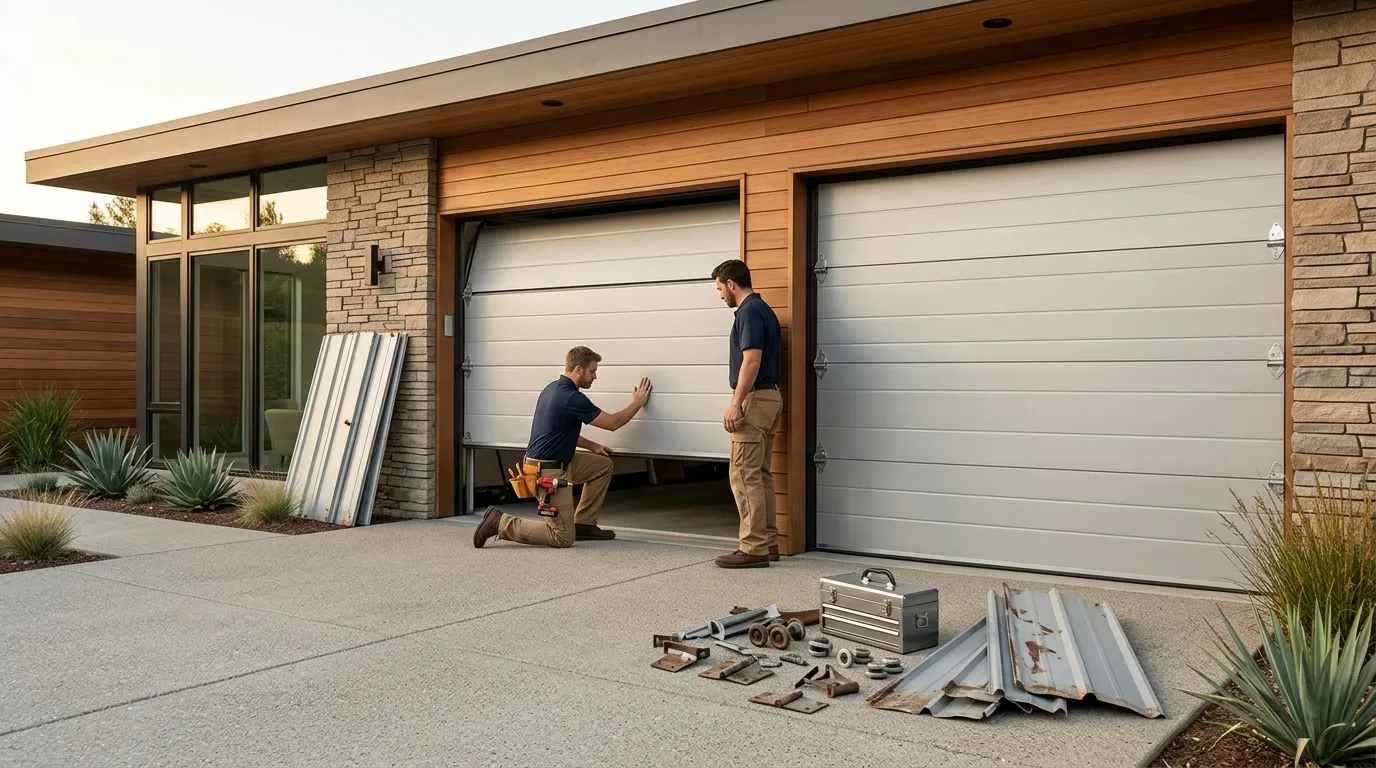
Most calls here split into three buckets: spring and cable replacement matched to the door's actual weight, track realignment where dock traffic has knocked the rail out of plumb, and opener repair or swap where the motor's been straining against bad springs long enough to cook itself. We carry standard commercial torsion springs and cable on the truck. Anything sized for an obsolete 1991-era shaft or a discontinued jackshaft unit has to be special-ordered, and that's the honest limitation: if your building still runs original commercial hardware from that build era, expect a parts lead time rather than a same-visit fix. We'll tell you that on-site, not after we've already started.
Time on the Job
A straightforward spring and cable job on a standard commercial door usually wraps in one visit once we're on site. Track realignment takes longer if the rail's been bent rather than just knocked loose, since that means unbolting and resetting jamb brackets. The area's moderate heat band doesn't stress steel doors the way freeze-thaw cycles do further north, so we're not chasing seasonal warping complaints here the way some climates force. What does show up is grease gone gummy on older rollers in summer heat, which we clean and re-lube as part of the same call rather than billing it separately. Because every truck runs from Dallas, 16 miles in, we schedule the visit around what the door actually needs rather than promising a window we can't back up from that distance.