What You Pay
We don't quote a flat number here because what you pay depends on door size, insulation level, and whether the opener gets replaced along with the door - and we don't have a published price list to hand you on this page. What we can tell you is what drives the number in this town specifically. Grand Prairie's median household income sits at $78,889, and most of the installs we get called out for land in the mid-range door category rather than the high end - steel, factory-primed, R-value insulated for the heat here rather than decorative overlay doors. If your garage faces west and bakes all afternoon, insulation isn't optional, it's the line item that actually changes how the room next to it feels in July. Ask for the breakdown in writing before the truck leaves Dallas: door, track, opener, and labor as separate lines, not one bundled figure. A quote that won't split those out is a quote you should be able to walk away from.
The Symptom
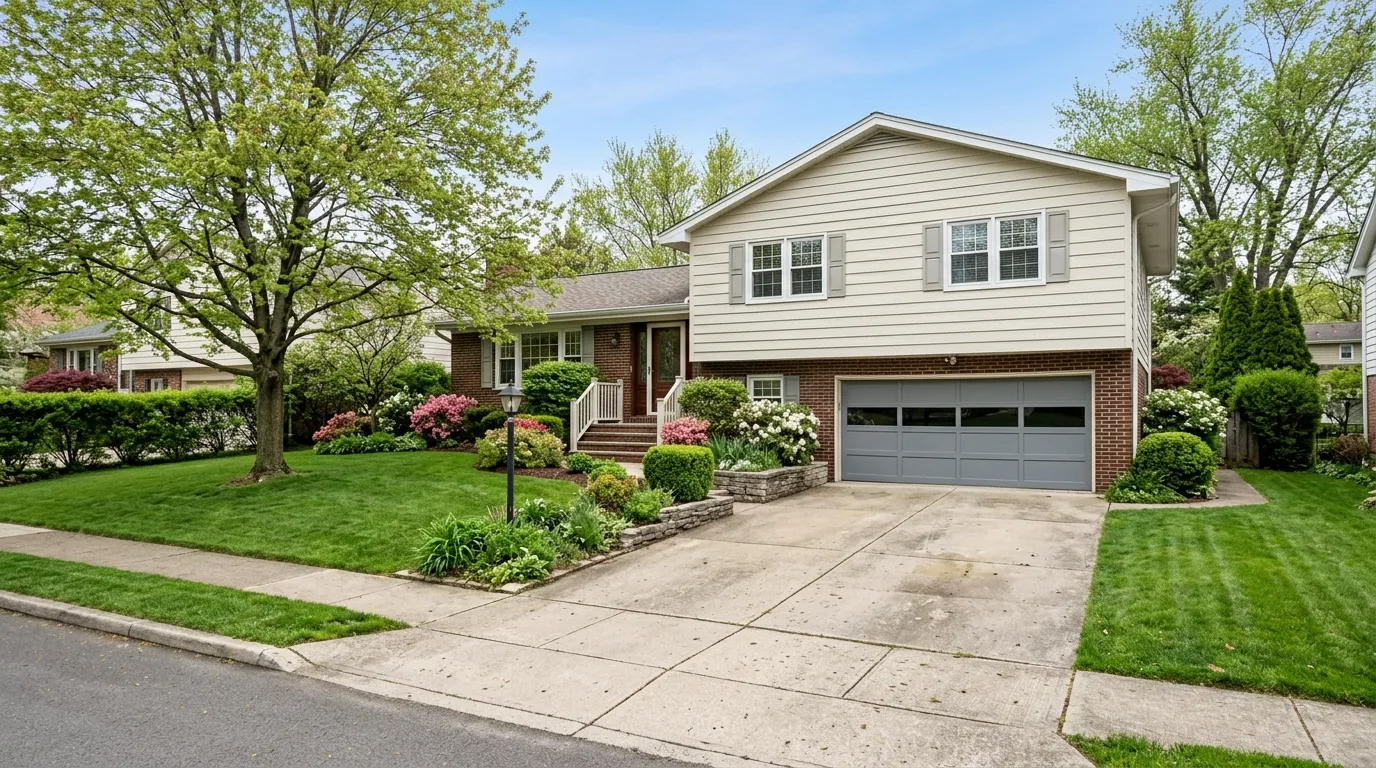
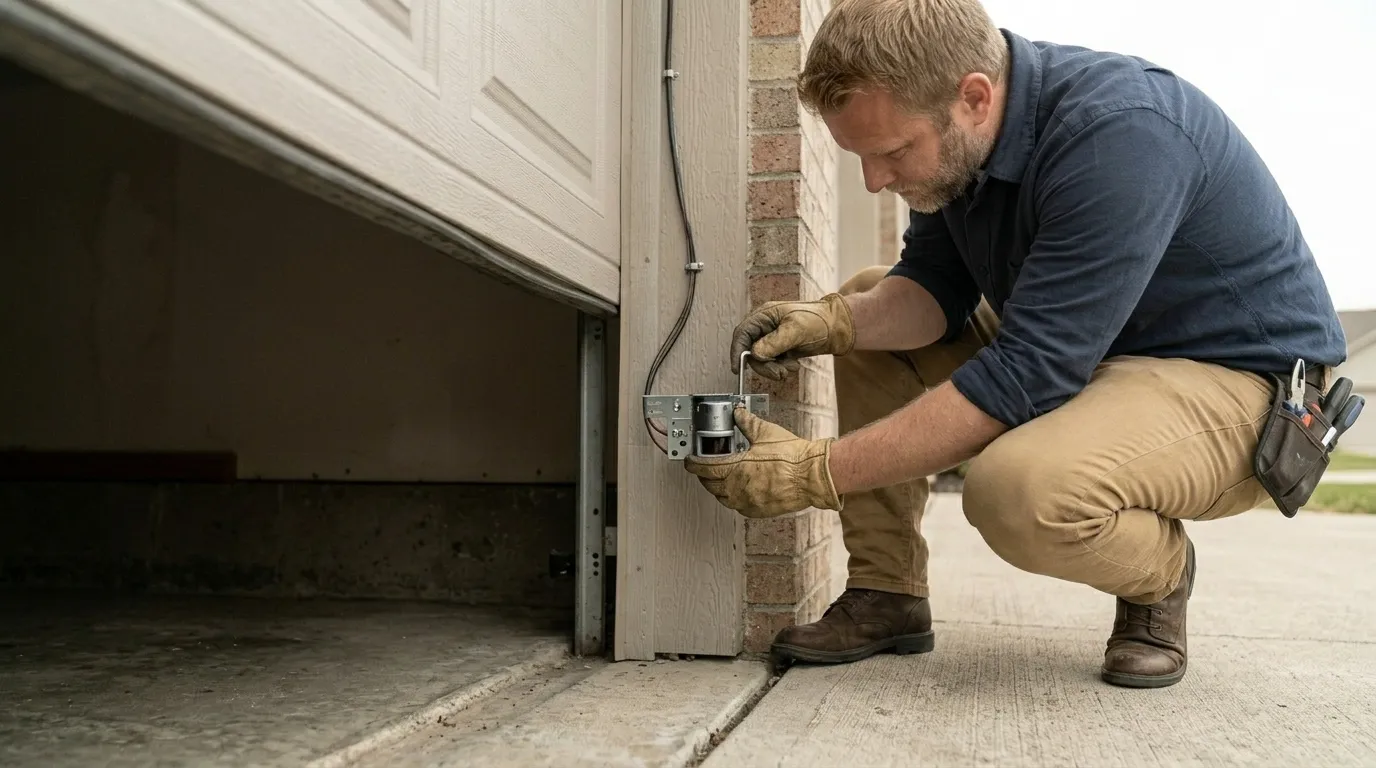
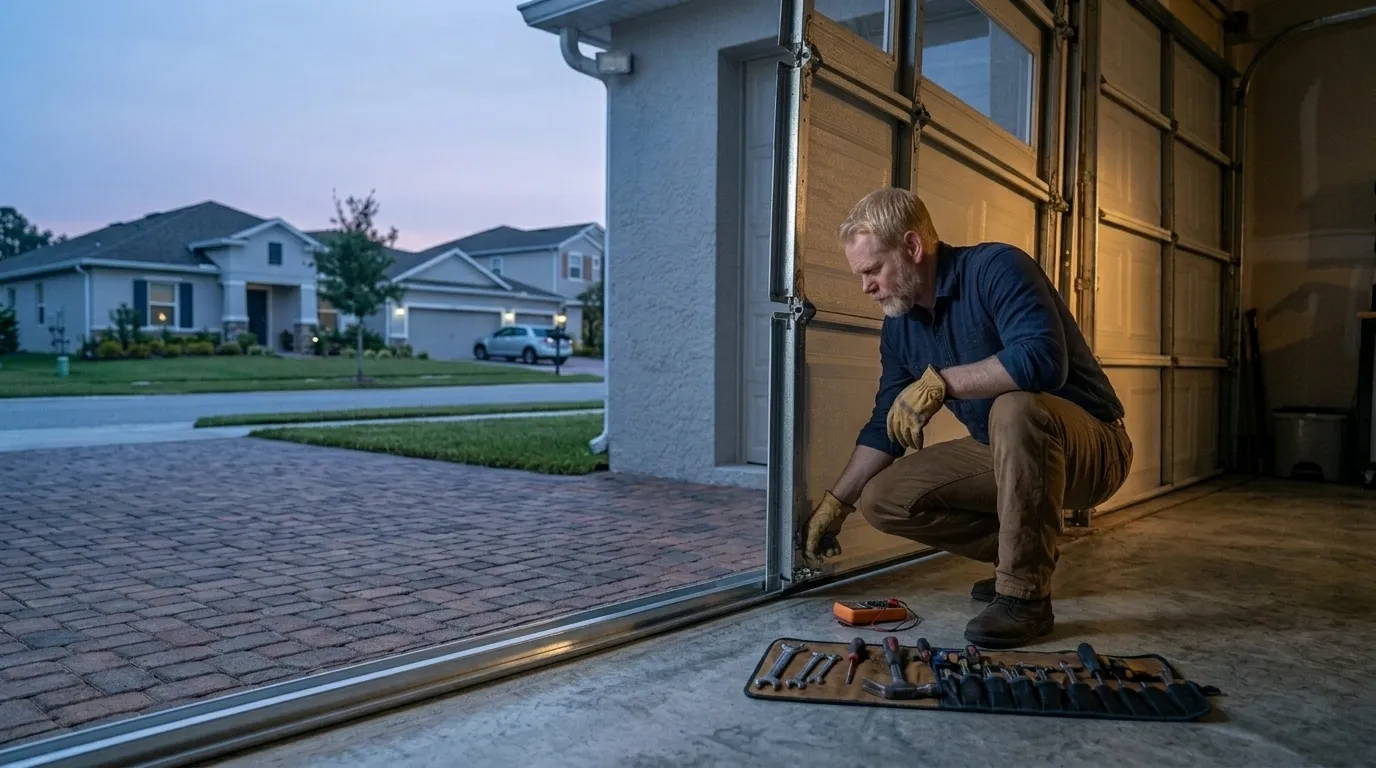
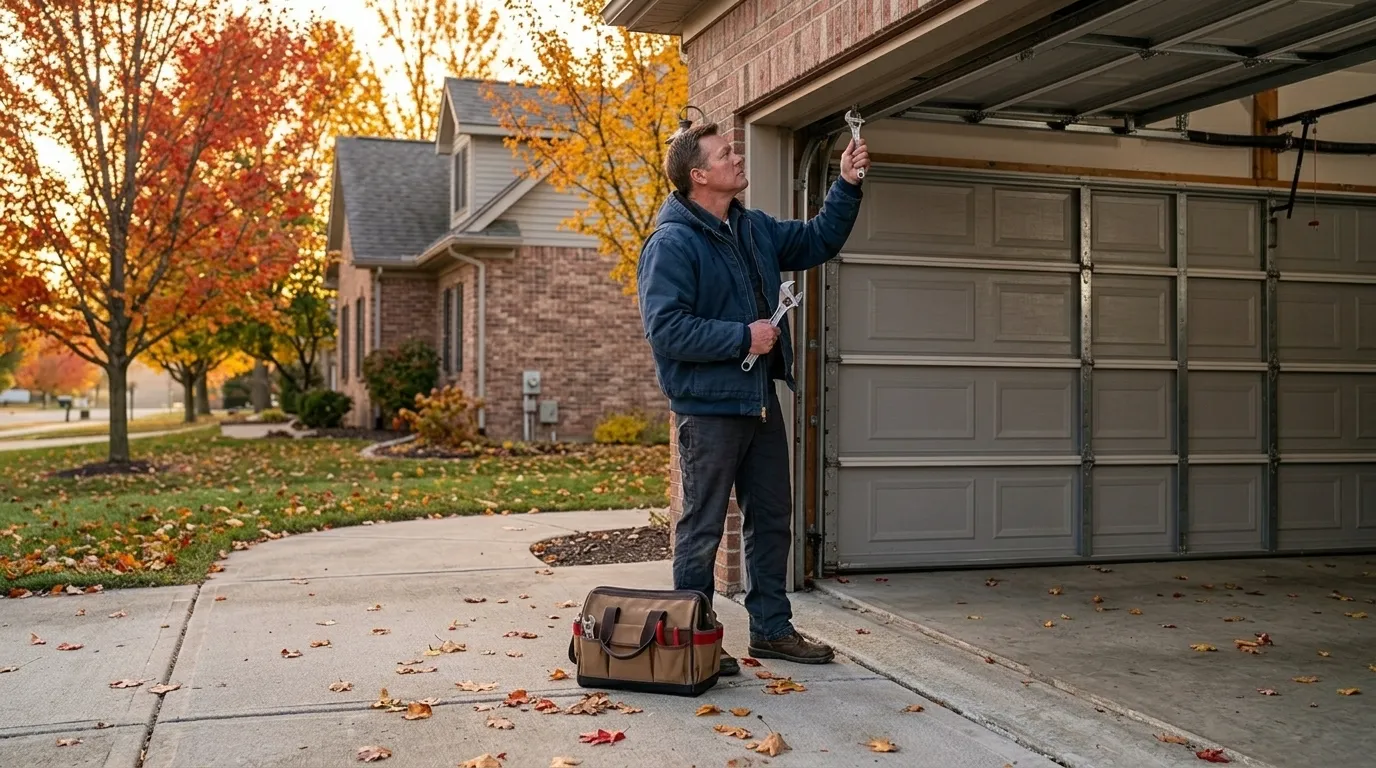
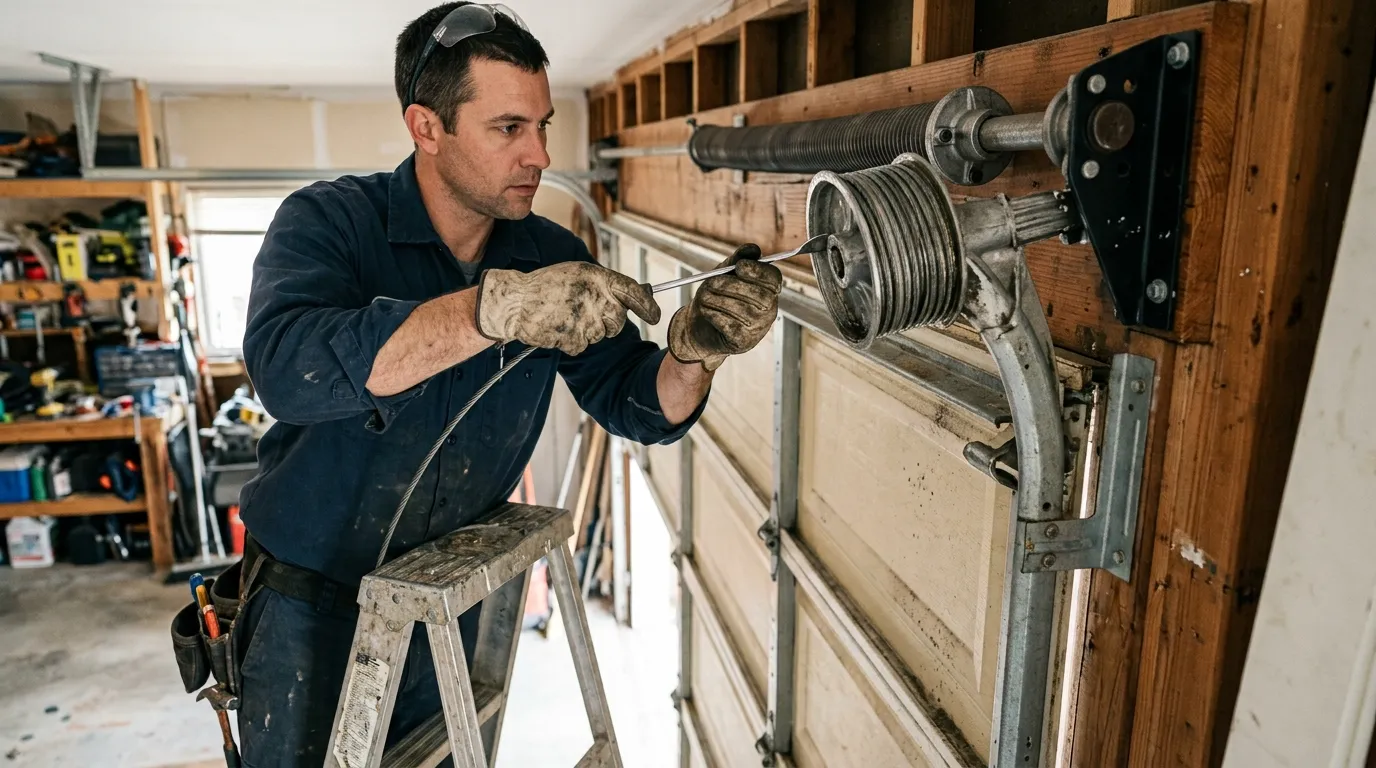
Grand Prairie's housing runs to a median build year of 1991, which puts it near the middle of the 1973-2007 range that covers most of this service area. That era matters for one reason: torsion spring sizing. Doors installed through the 1990s were commonly matched to steel panel weights that don't match what's sold today, and when a homeowner replaces just the door without re-checking spring wind and drum size, the new door either won't lift clean or wears the opener gears down inside a year. The symptom we see most from houses this age isn't a broken spring - it's an opener that's been straining against the wrong spring tension for months, making noise before it finally quits. If your door is original to a house built in the early '90s, the opener has likely already been replaced once, but the spring and track hardware behind it often haven't.
What the Fix Involves
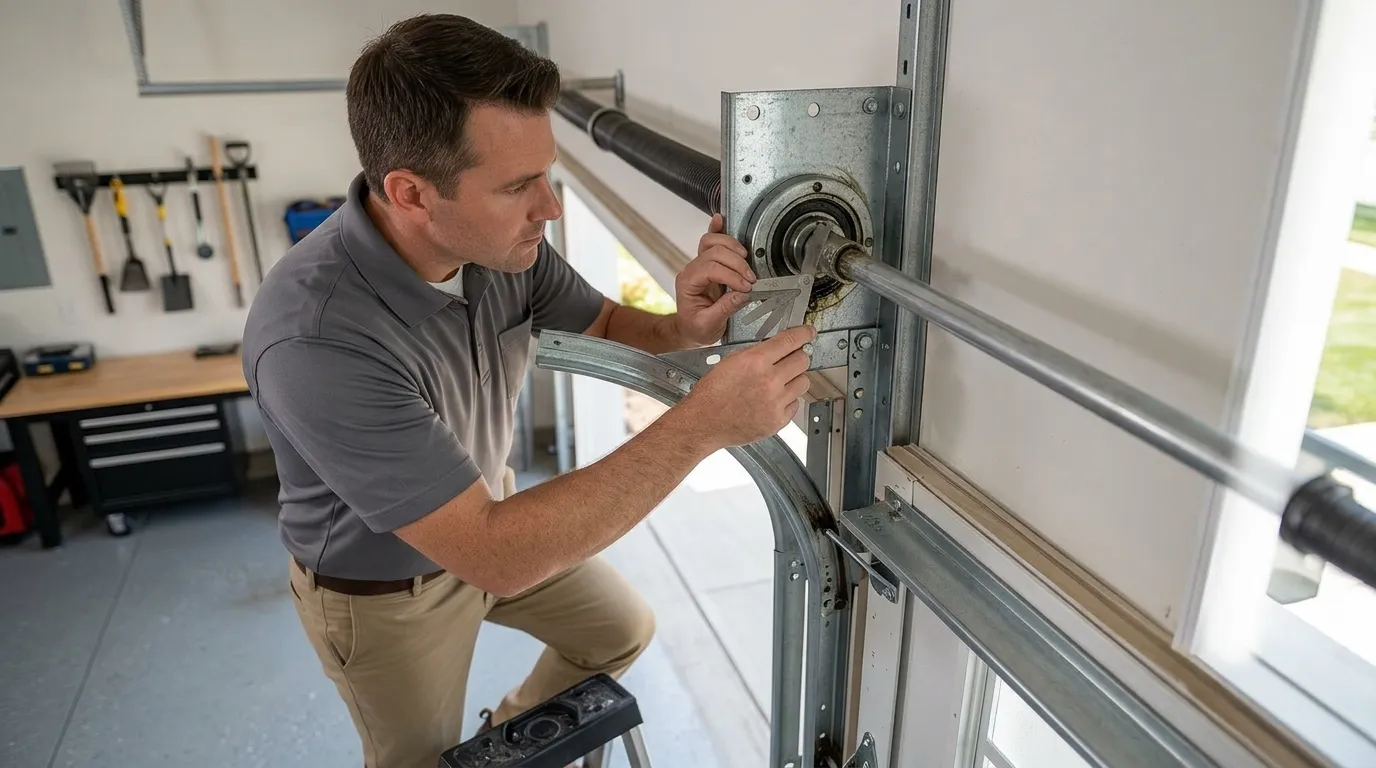
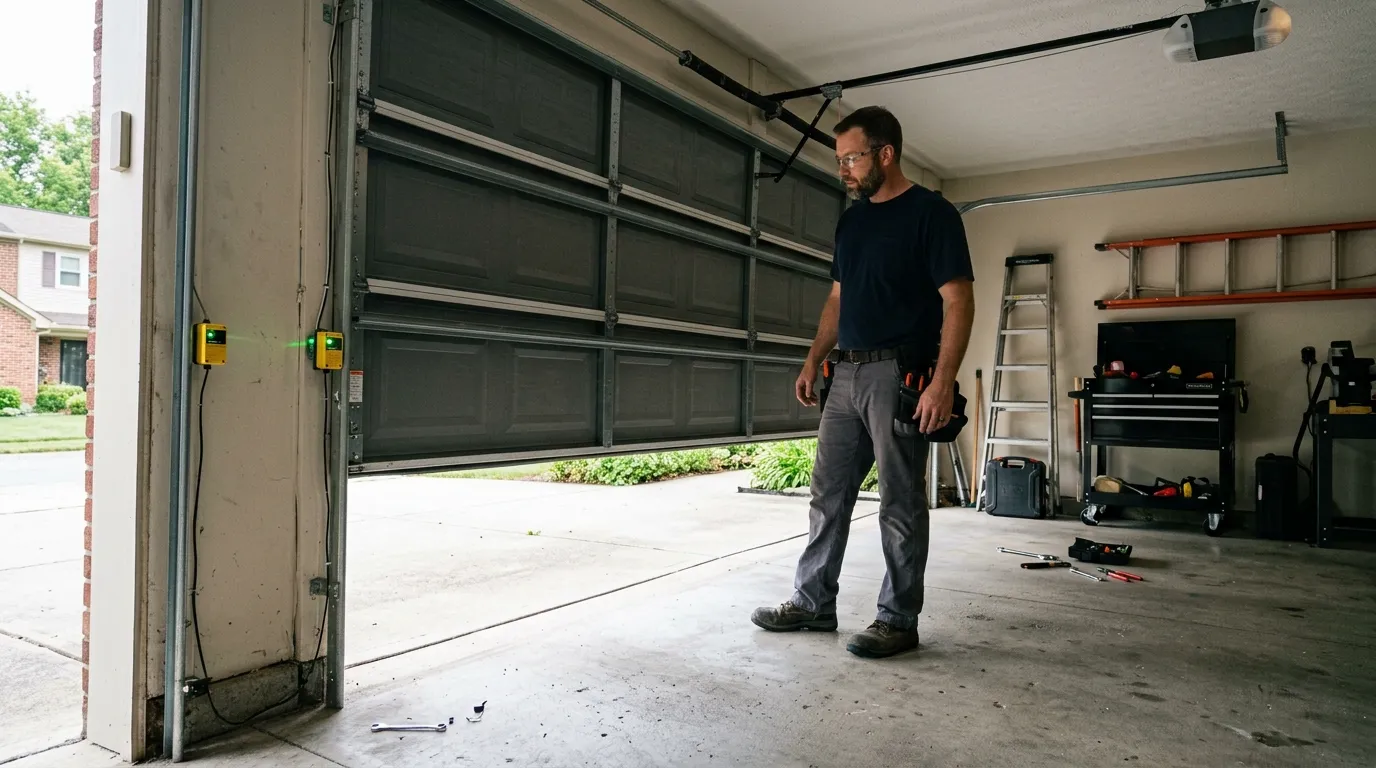
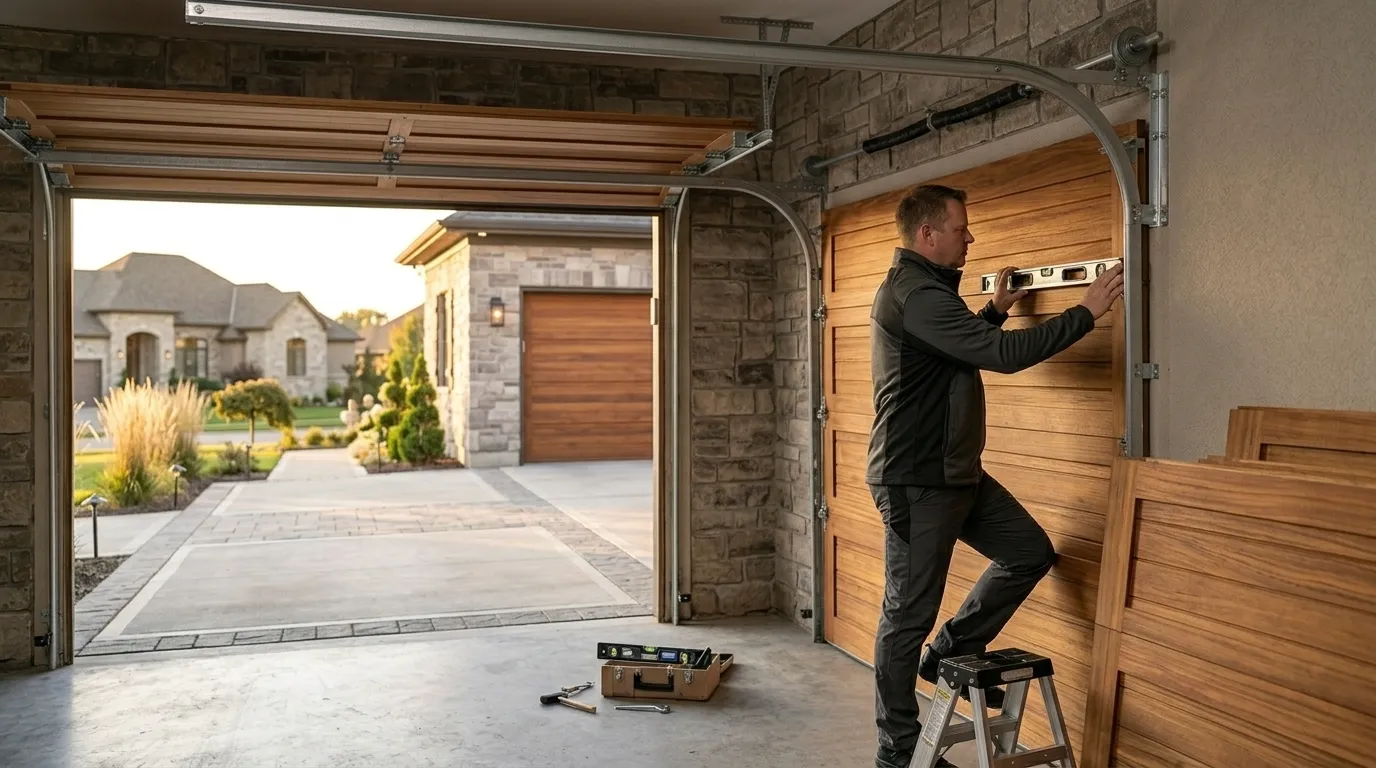
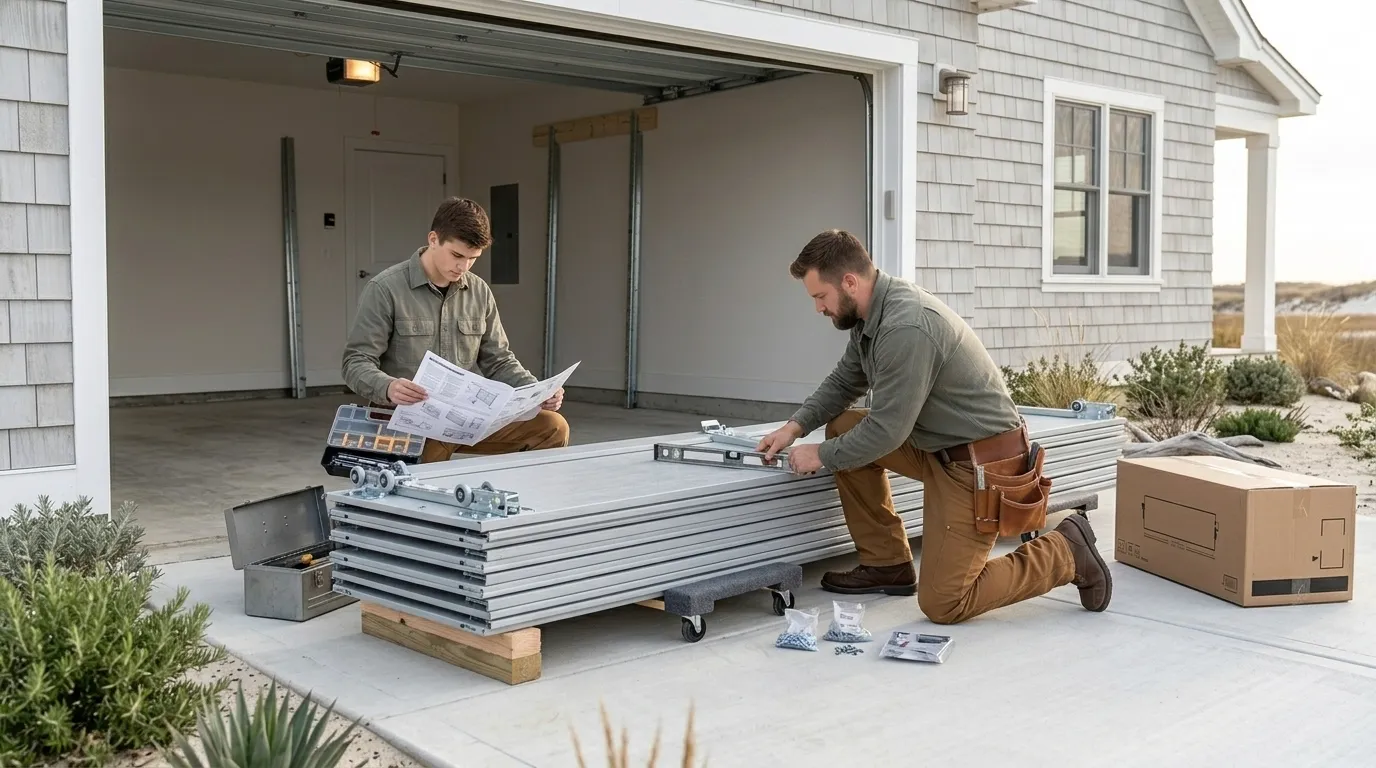
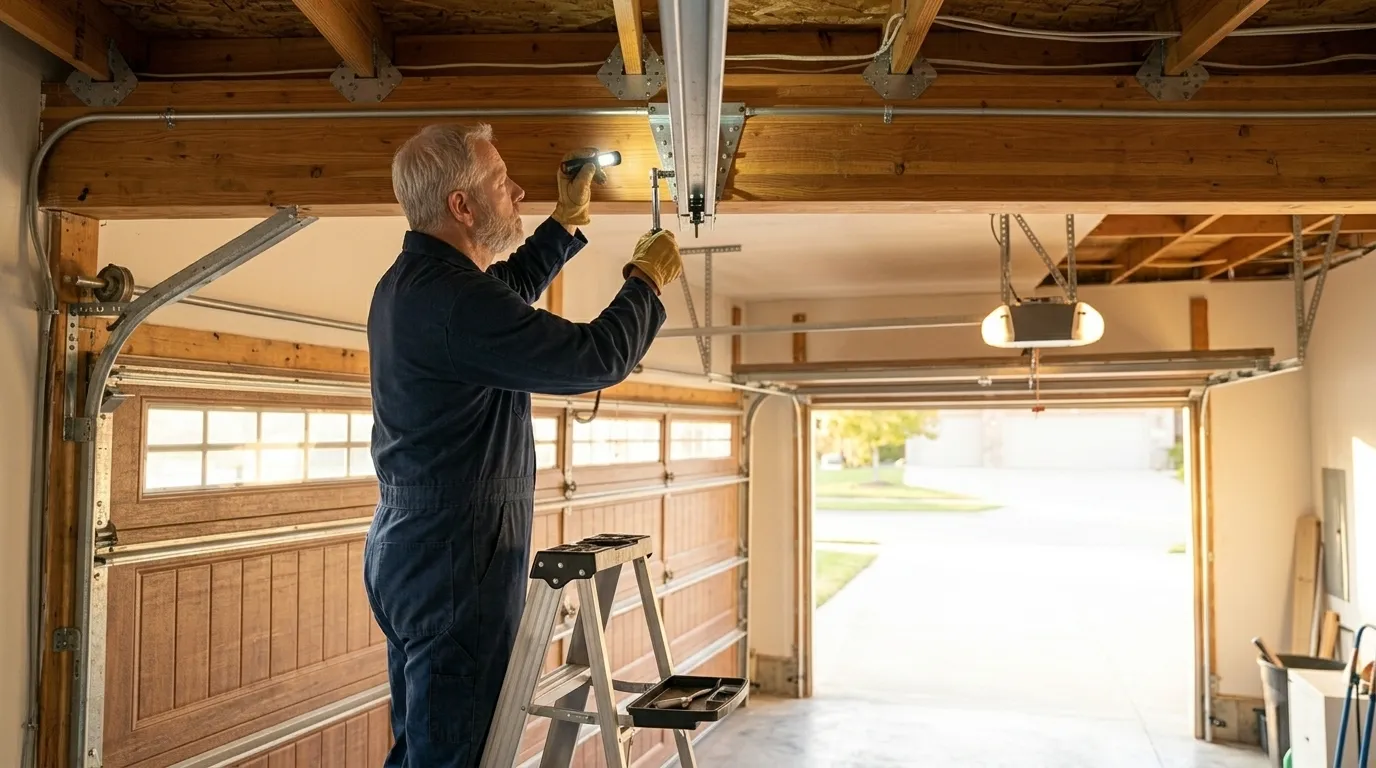
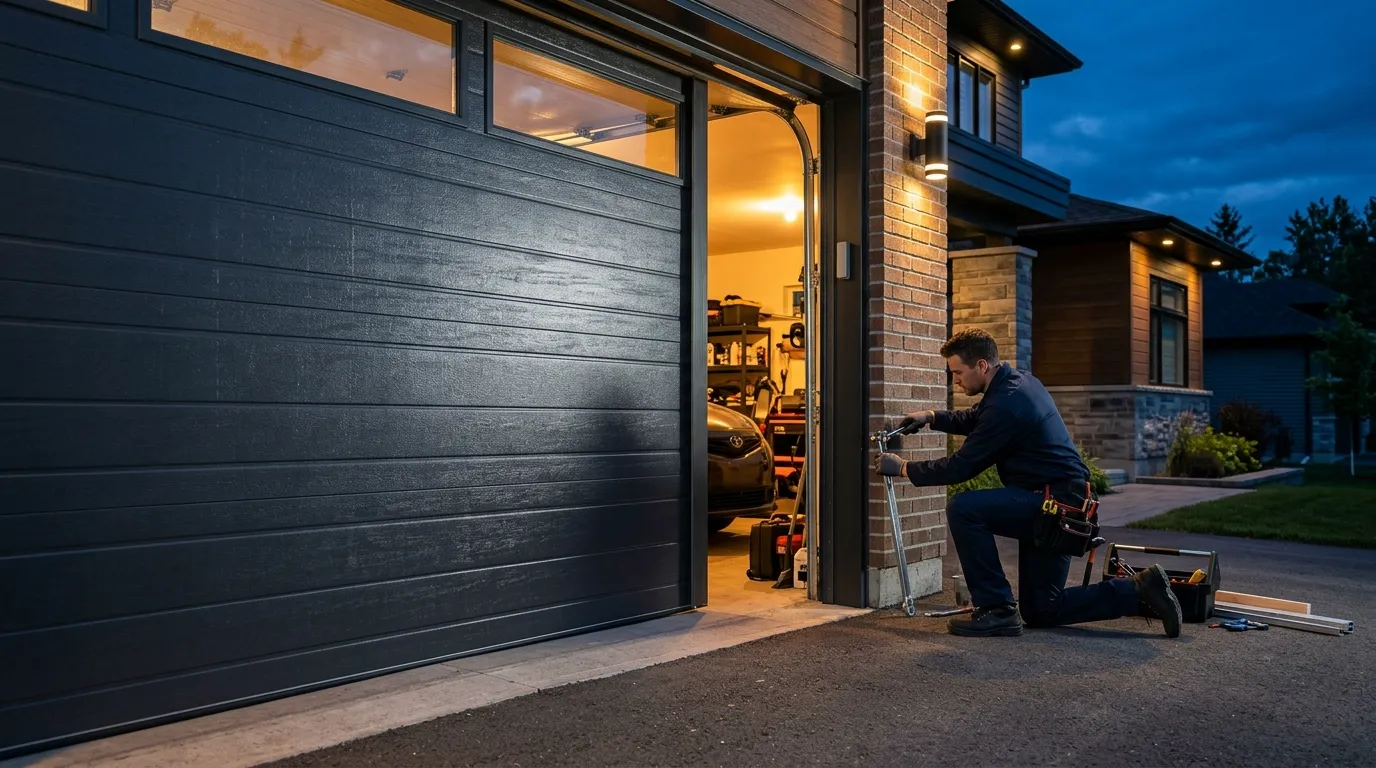
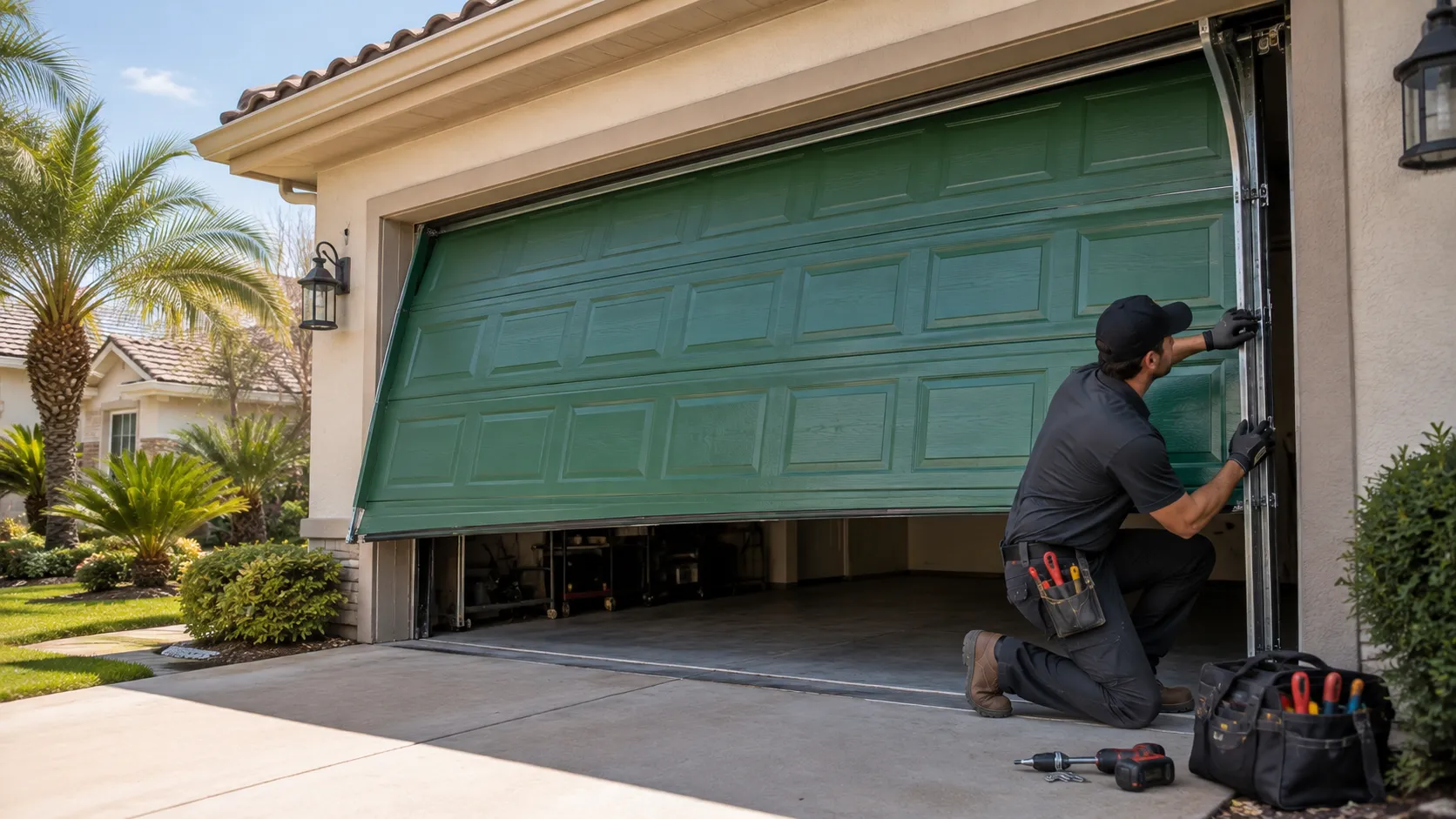
A full install starts with pulling the old door and track, checking the header and jamb for rot or settling - common enough in houses now over thirty years old - and setting new vertical tracks plumb before anything else happens. Spring sizing gets calculated fresh for the new door's actual weight, not carried over from the old setup, which is the step that gets skipped in a rushed job and causes the opener strain we see later. Panels go up, rollers and hinges get set, and the opener - new or reused - gets its travel limits and force settings reprogrammed, since those settings are specific to the door weight, not universal. Weatherstripping and bottom seal get fitted last, sized for the heat this door will sit in. We don't recommend keeping a 1990s opener chain-drive on a new heavier insulated door; the motor wasn't built for the extra weight, and it's a bad place to save money.
Time on the Job
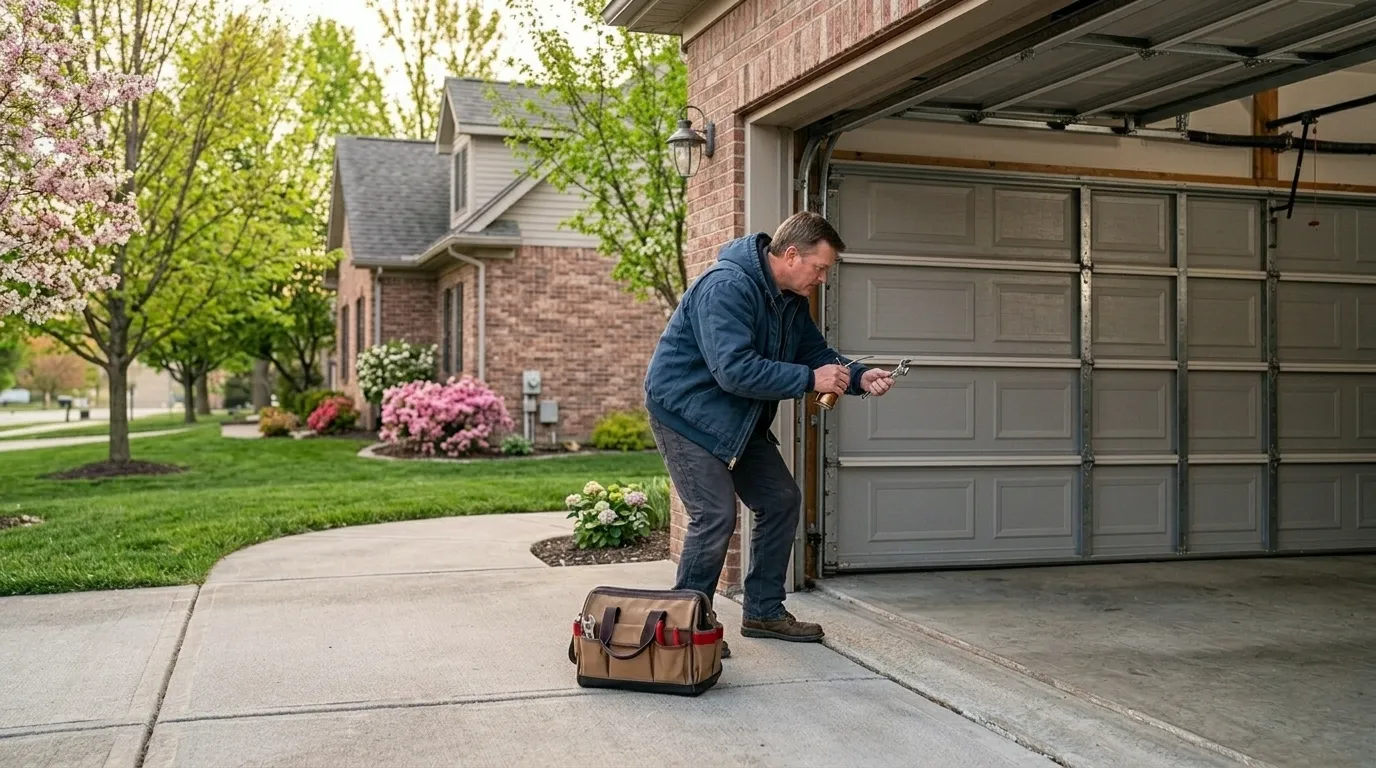
Figure travel time on top of install time - the crew is coming from Dallas, and we're upfront that Grand Prairie isn't a same-day drop-in the way a job five minutes from the shop would be. Once on site, a single door replacement with a new opener typically runs most of a day when you count spring calibration and force-setting the opener properly; rushing that last step is how you end up with a door that reverses on a car bumper or won't close all the way. We schedule the full window up front rather than promising a time slot we can't back from 16 miles away.