What You Pay
We don't quote a flat number for Grand Prairie sight unseen, and we're not going to invent one here. What drives the bill on a spring job is the door's weight, whether it's a single torsion spring or a pair, and how far gone the rest of the hardware is. A lot of Grand Prairie's garages went up around 1991, which puts the springs, cable drums, and end bearings on original steel that's now over three decades old. That age matters more for cost than the town does - a spring alone is cheap, but if the drums are grooved or the shaft is pitted, the job grows. We travel out from Dallas for these calls, about 16 miles, so we quote the job after we've looked at the door, not before. If someone quotes you a number over the phone with no eyes on the hardware, be skeptical. The honest answer is that spring-only jobs run cheaper than jobs where the drums, bearings, or cable have to come off too, and on a door this age, we often find both.
The Symptom
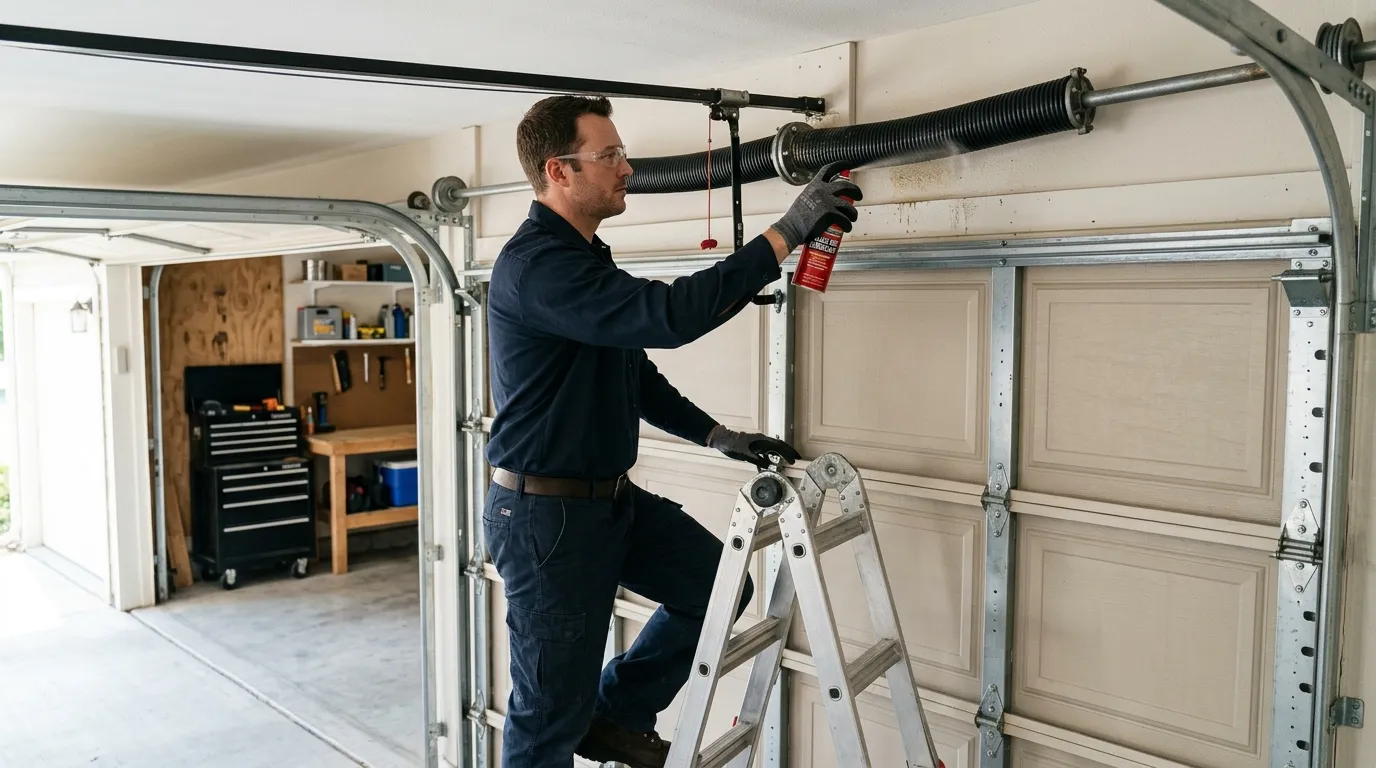
On a door built in the early '90s, the failure usually looks the same: the opener strains, groans, or reverses halfway up, and the door feels heavier than it used to when you lift it by hand with the opener disconnected. That's a torsion spring losing tension, not an opener problem, even though the opener is what people notice first. Some owners hear a loud bang from the garage - that's the spring itself snapping, usually a torsion spring, and it's the most common single reason a Grand Prairie door won't open at all. On the double doors common to this era's houses, a broken spring on one side can still let the door limp up crooked before it locks solid, which strains the tracks on top of everything else. If the door drops fast when you release it by hand, don't keep testing it - that's stored spring tension with nothing left holding it back, and it's the way people get hurt.
What the Fix Involves
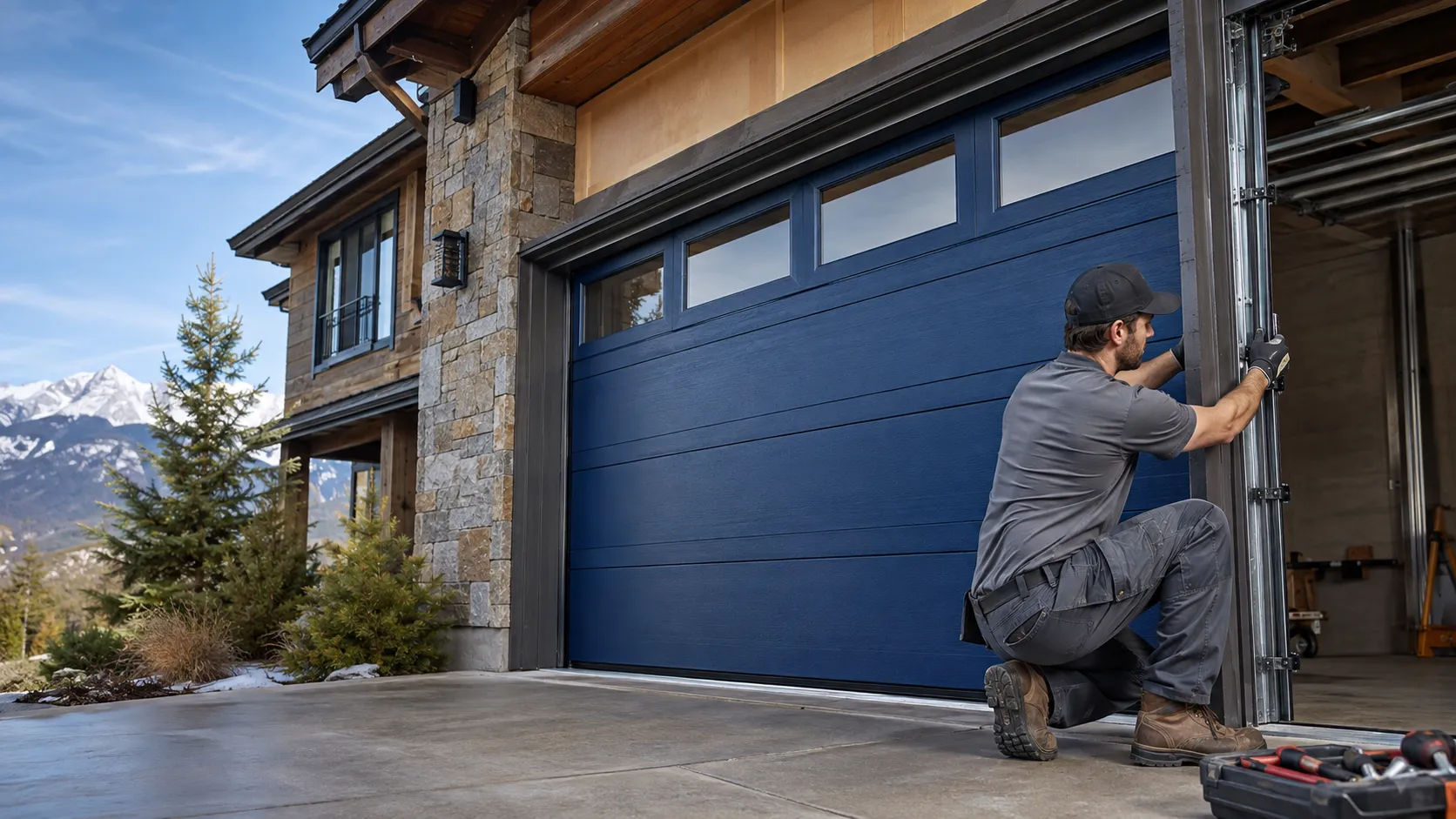
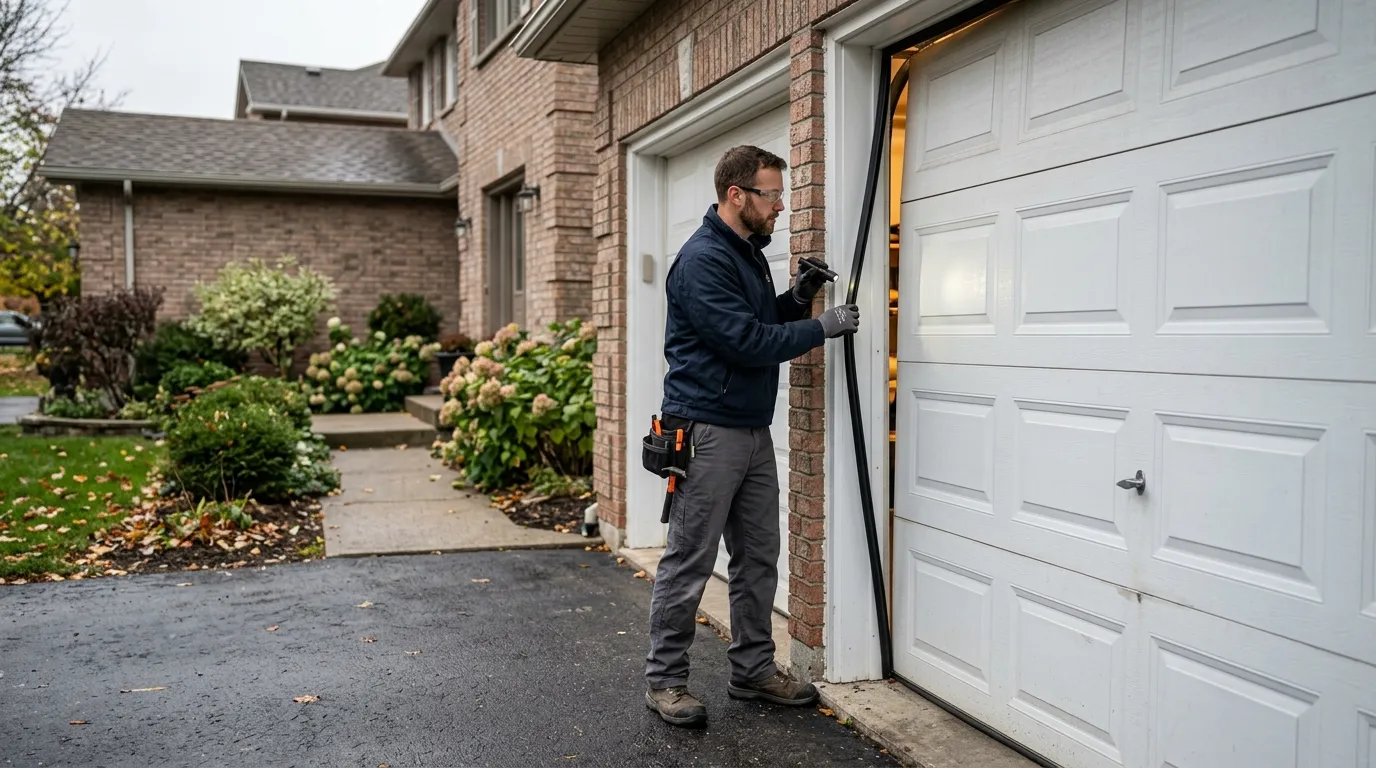
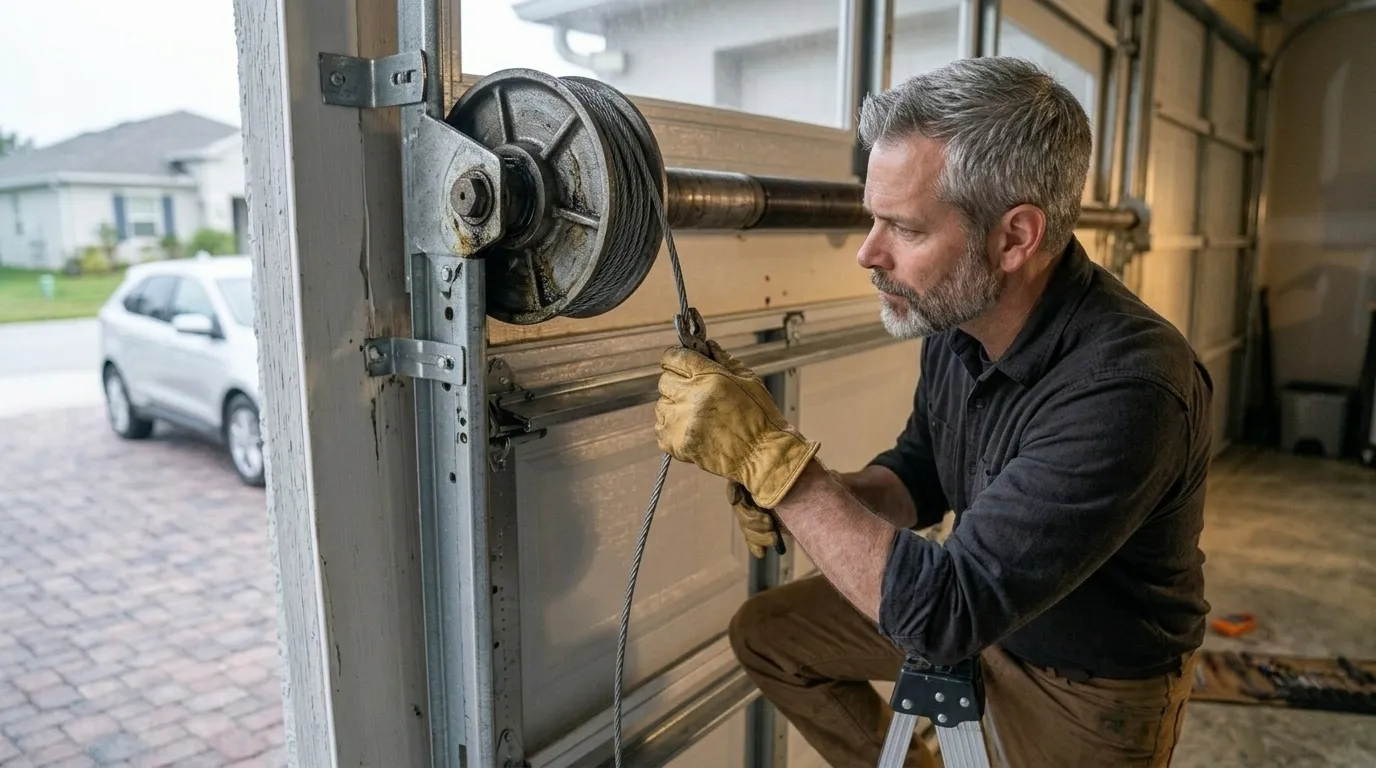
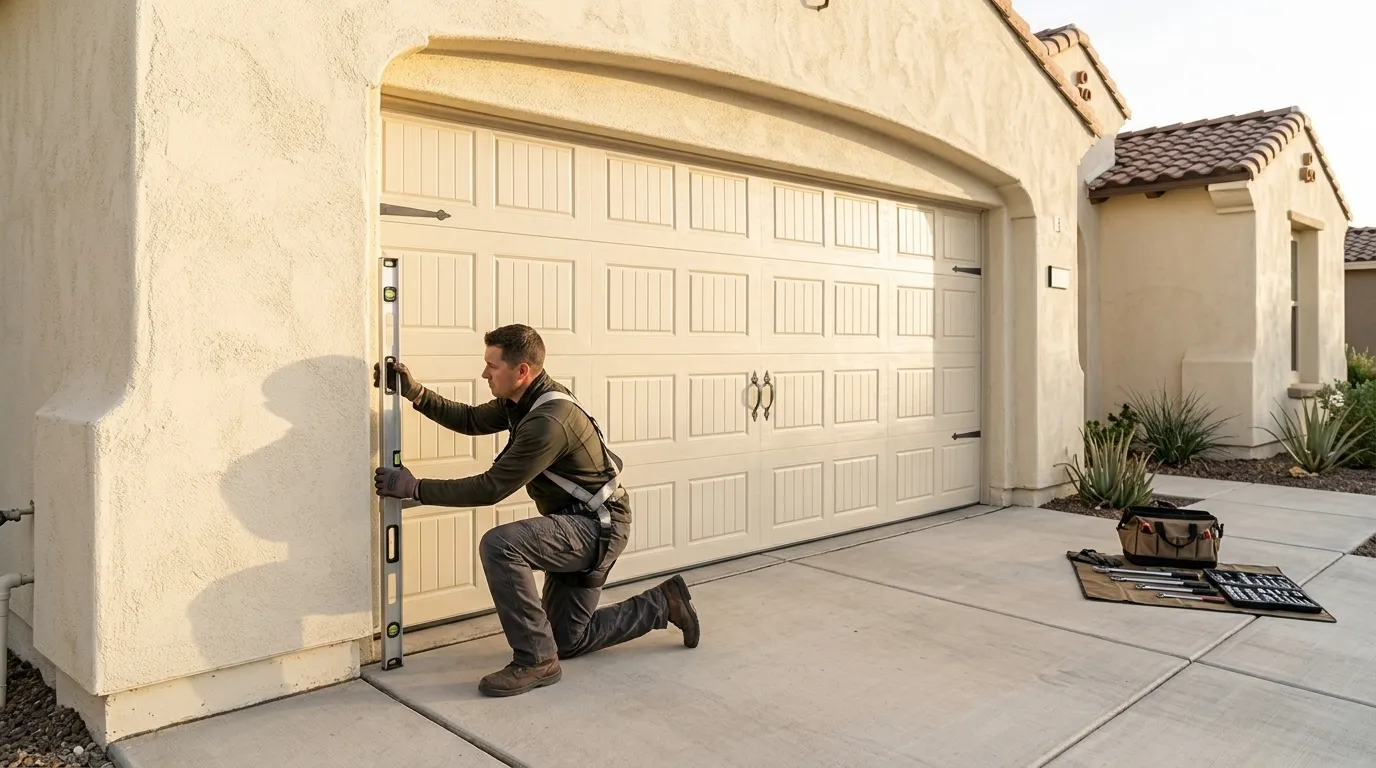
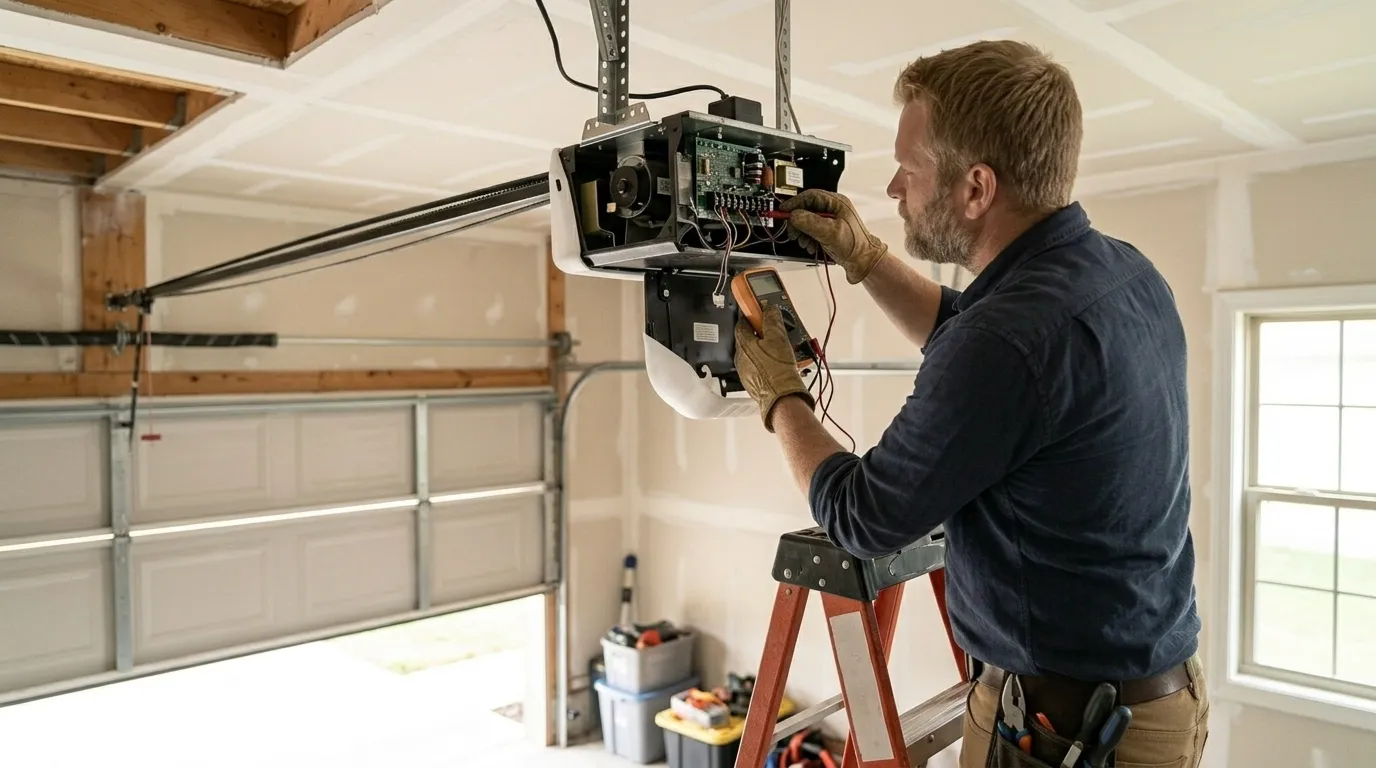
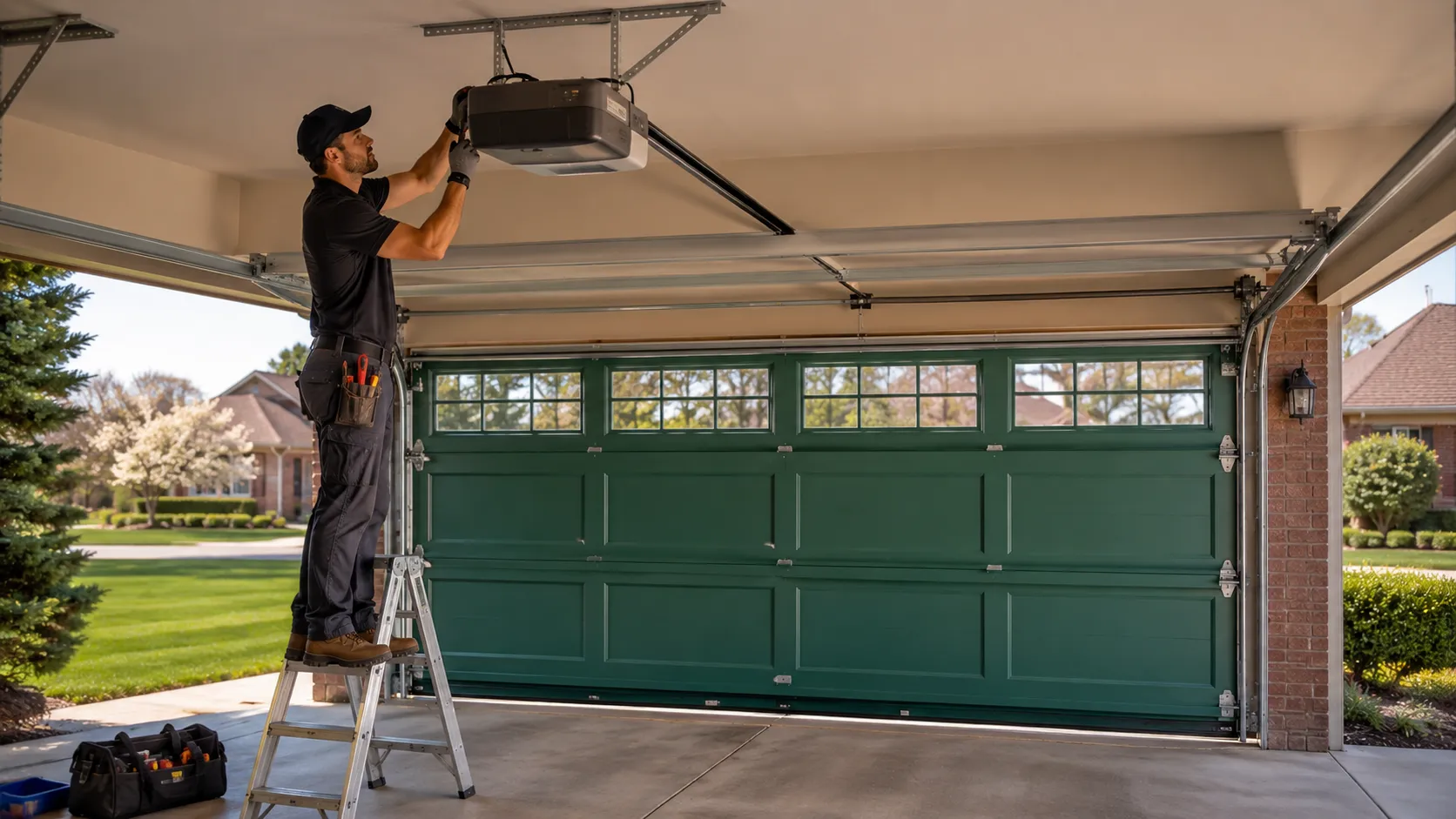
We disconnect the opener first, since a spring under tension and a live opener don't mix. Then we release the old spring's tension with winding bars, pull the broken or worn spring off the shaft, and measure the door's weight and wire size before setting the replacement. On the double-door setups common in this area, both springs get checked even if only one failed, since they wear at close to the same rate. We check the cable drums and end bearings while we're in there, because replacing a spring against a bad drum is a callback waiting to happen. Once the new spring's wound to the right tension, we reset the opener's travel limits and force settings - a spring change shifts how hard the opener has to pull, and skipping that step is a common reason doors feel wrong again a week later. We test the door open and closed by hand with the opener off before we ever plug it back in, checking that it holds position at the halfway point on its own.
Time on the Job
A straight spring swap, once we're on site with the door in front of us, runs about the time it takes to wind the new spring, reset the drums, and dial in the opener again - most of an hour, sometimes less on a single door. What adds time is the extra 16 miles from Dallas out to Grand Prairie, which we build into scheduling rather than charging as a separate line. If the drums or bearings need replacing too, or the door's original hardware turns out to be a size we have to match rather than pull off a shelf, the job runs longer. We won't promise a same-day slot here since we're routing from Dallas, but we'll give you a real window when we book the call, not a guess.