Can You Do This Yourself
At a household income of $83,256, a lot of DeSoto owners can afford to call someone instead of troubleshooting a dead opener on a ladder, and that's usually the right call once you know what you're dealing with. A logic board that won't respond to the wall button, a motor that hums but doesn't turn the shaft, a trolley that's stripped its plastic gear inside the housing - these aren't jobs where a new remote off the shelf fixes anything. If the opener is under 15 years old and the motor still runs, repair almost always beats replace on cost. If the unit predates the last decade and the circuit board is the failure, you're often paying to patch something that's going to fail again in a different spot within a year or two. We'll tell you straight which side of that line your unit is on before we open the housing, not after.
What Causes It Around Here
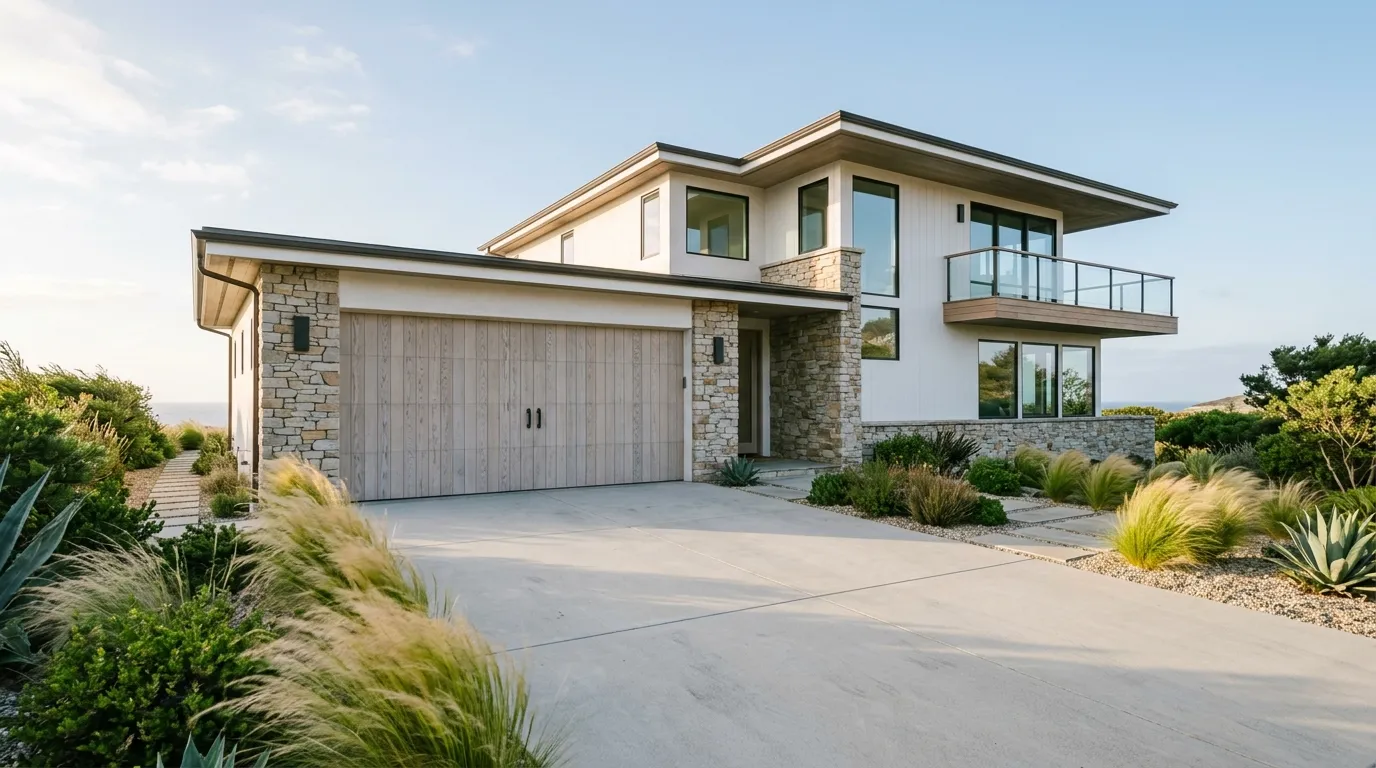
DeSoto's housing stock runs mostly 1980s and 1990s build, with the area median landing at 1993 - which puts a lot of openers here into their second or third motor unit already, since chain and belt drives from that era rarely last three decades on the original mechanics. Heat is the other factor: this area sits in a moderate heat band, and repeated summer cycling is what kills capacitors and warps the plastic gears inside older drive units faster than the manual ever suggested. We see logic boards fail from heat-soak in the attic space above the garage more than from any wiring fault. That combination - older housing stock plus consistent summer heat load - means the failure pattern here leans toward drive gear and board issues rather than the sensor and alignment problems you'd expect in newer construction.
Parts We Carry
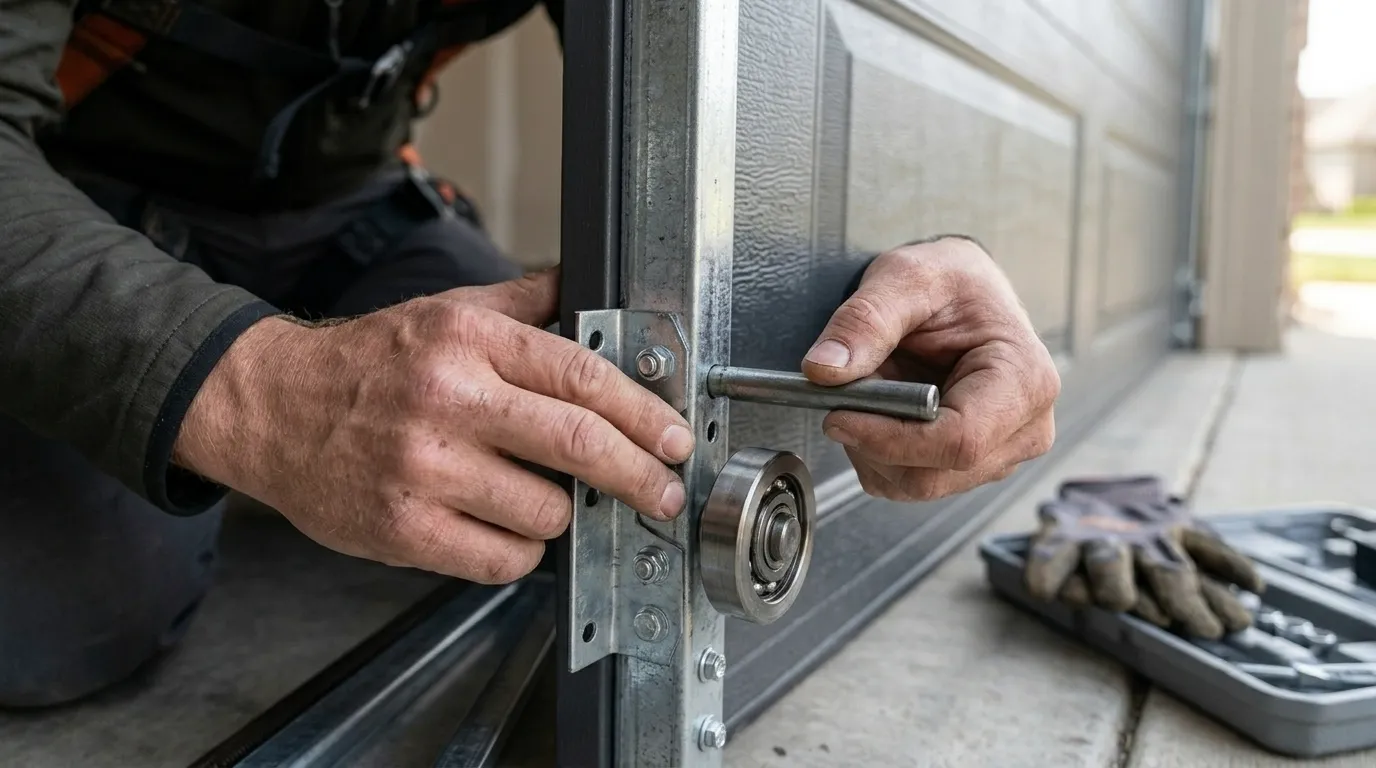
We carry logic boards and drive gears for the chain and belt-drive units common in houses built through the 1990s and early 2000s, since that's the bulk of what's on the road out here. What we don't stock is every discontinued board for openers older than that window - if your unit predates the typical build era for this area, we may need to order the part, and we'll say so up front rather than promise a same-visit fix we can't deliver. Trolleys, sprockets, wall-station wiring, and safety sensor pairs are all in the truck. Full head-unit replacements, when the motor and board are both gone, use current production units rather than trying to match anything discontinued.
Time on the Job
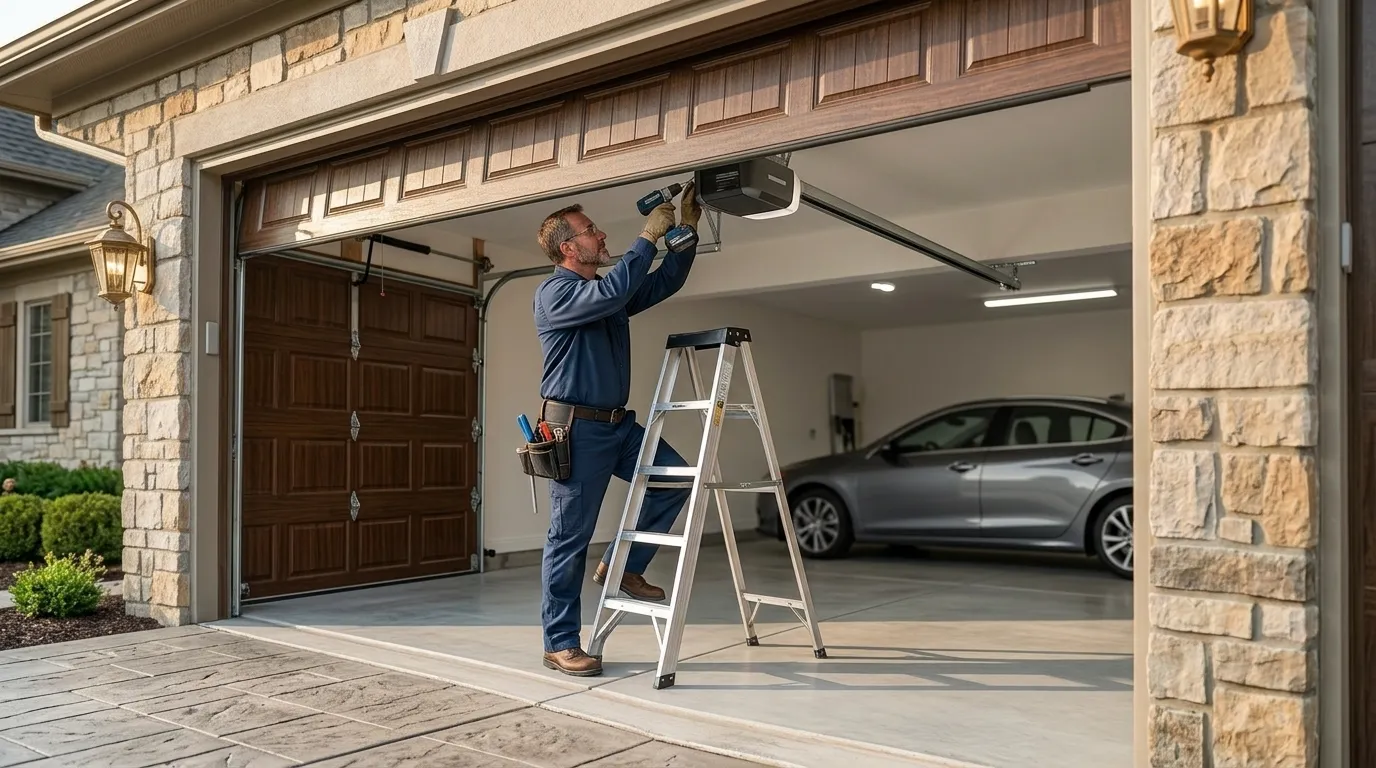
A straight motor or board swap on-site usually runs under two hours once we've diagnosed the actual failure, not counting the drive to DeSoto, which is about 14 miles from our Dallas base. Diagnosis itself can take longer than the fix - a lot of the time on an opener call is spent ruling out what isn't broken. If a part isn't in the truck stock and has to be ordered for an older unit, that adds a return visit rather than extending the first one. We don't pad the first appointment with guesswork; if we can't confirm the failure that day, we'll say what we need to check on a second trip instead of billing for a repair that might not hold.