
Can You Do This Yourself
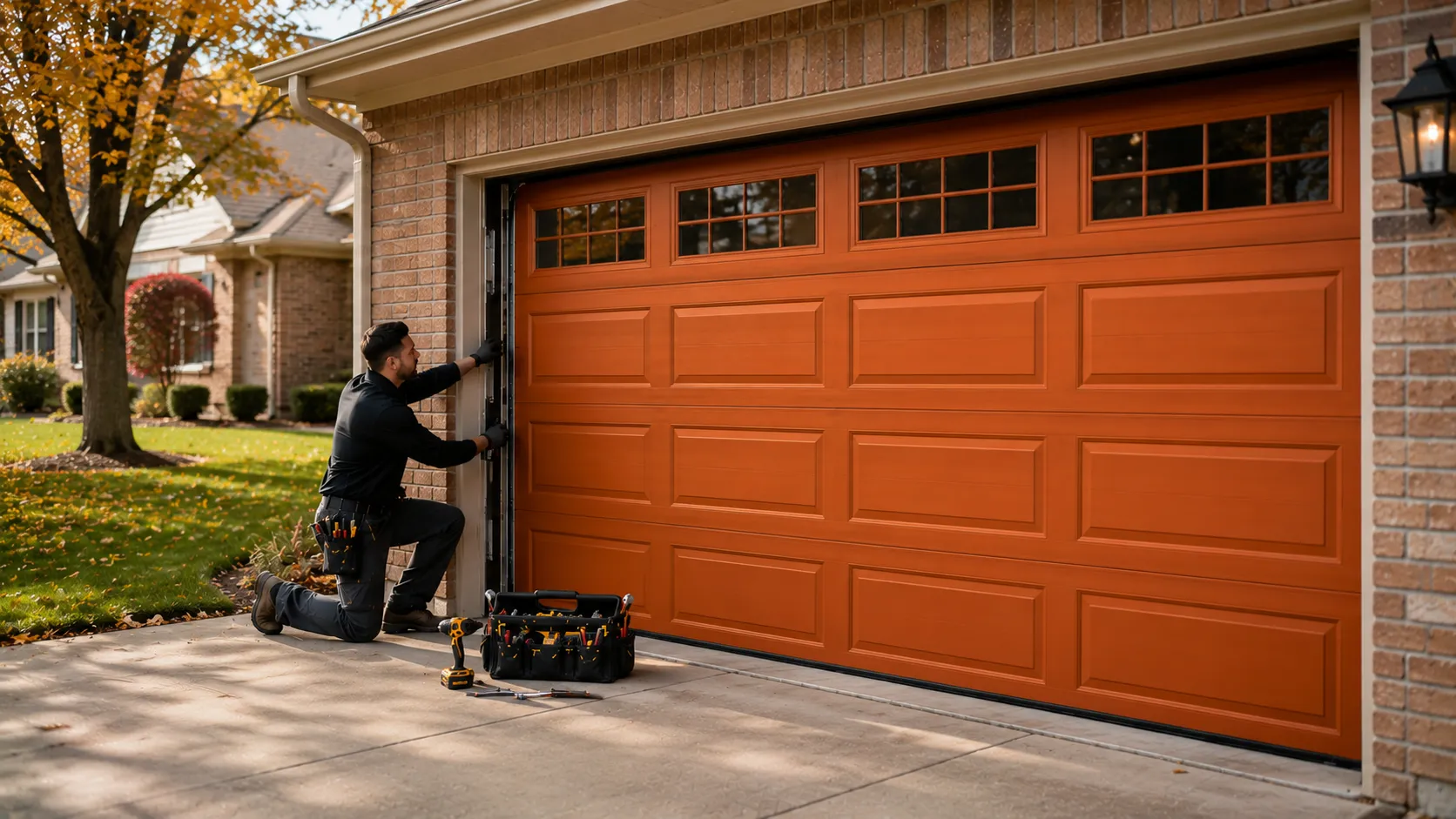
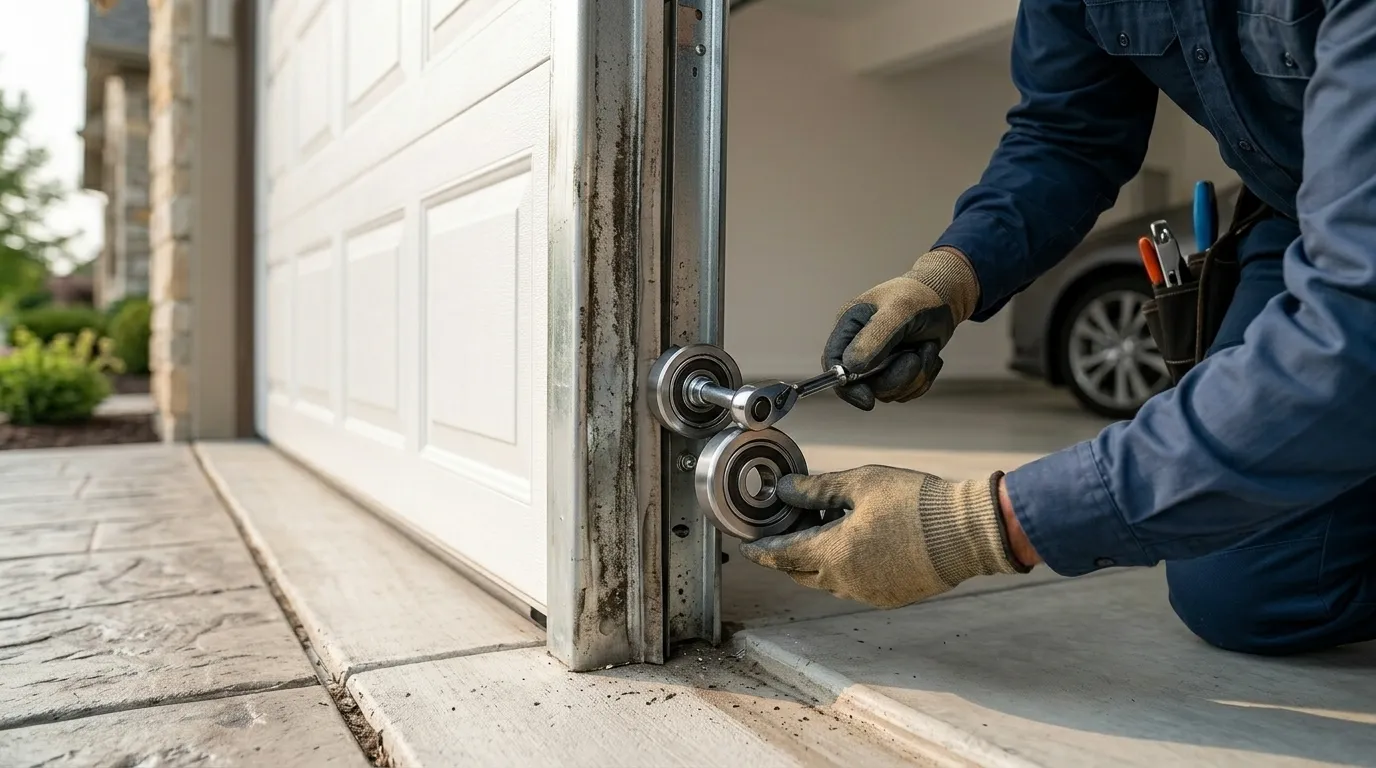
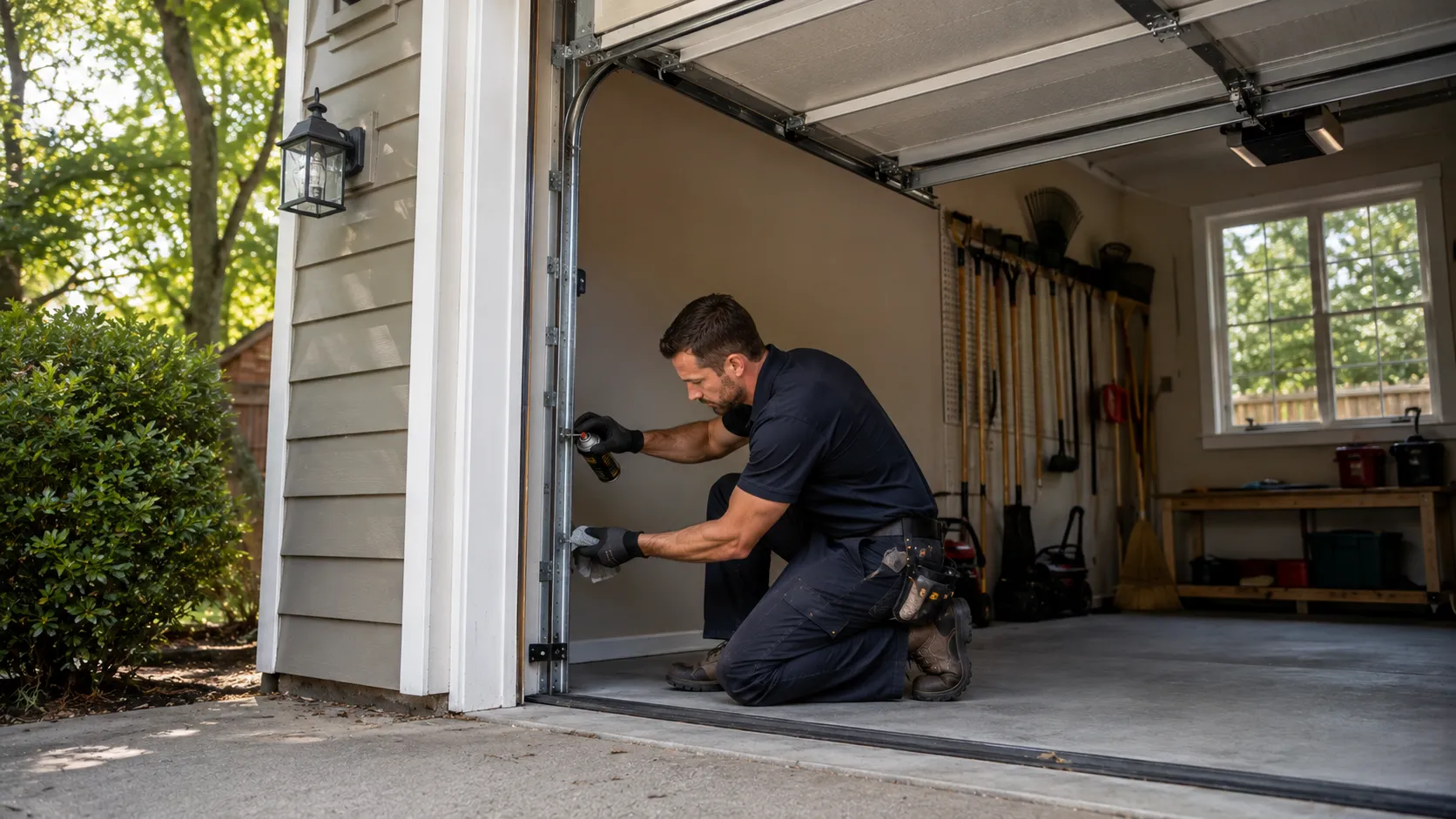
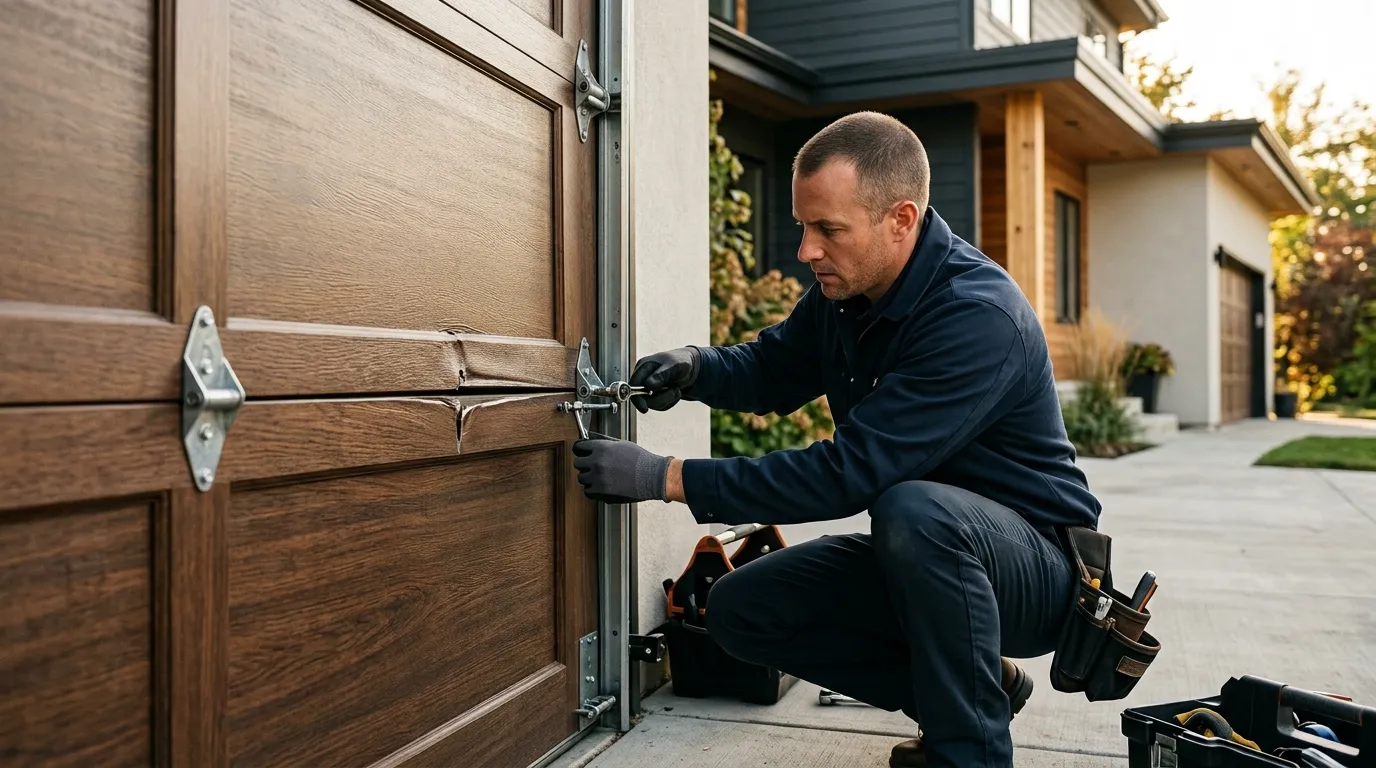
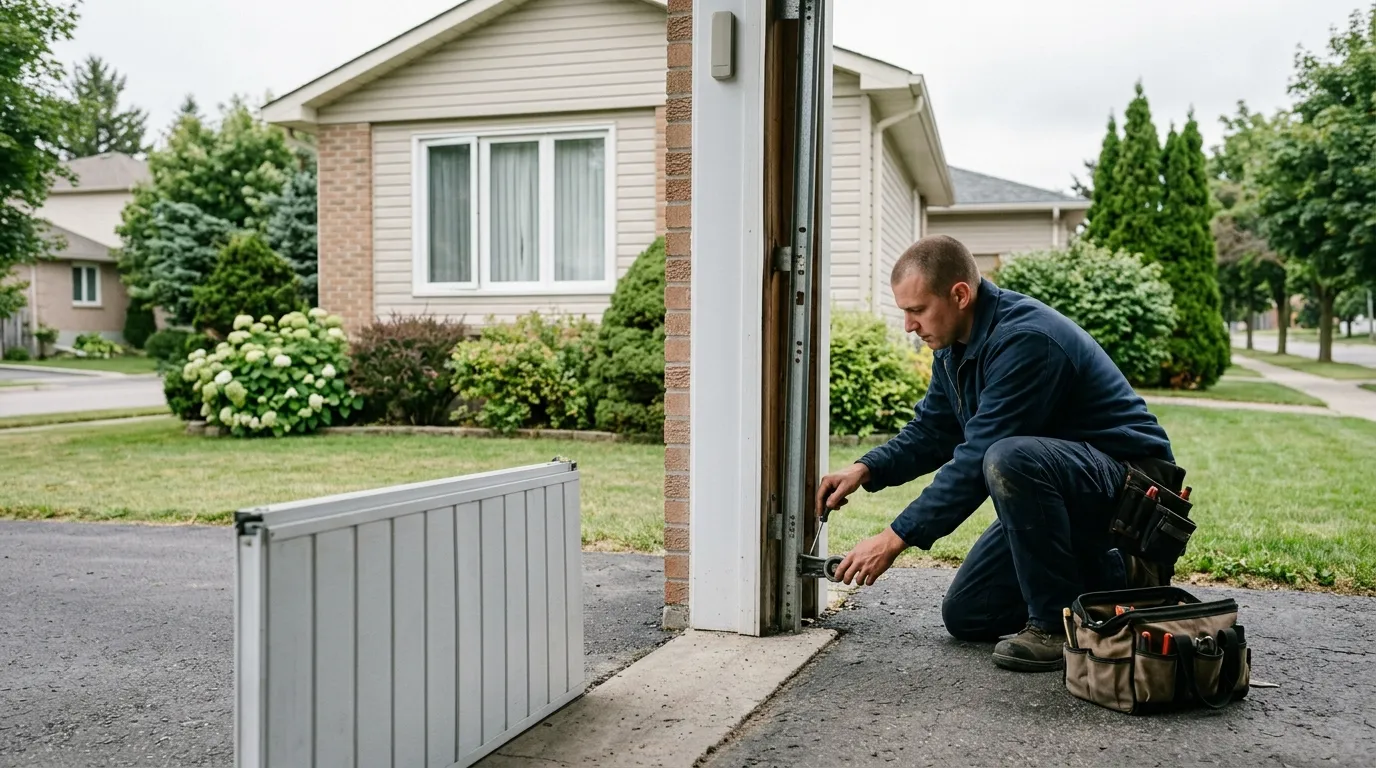
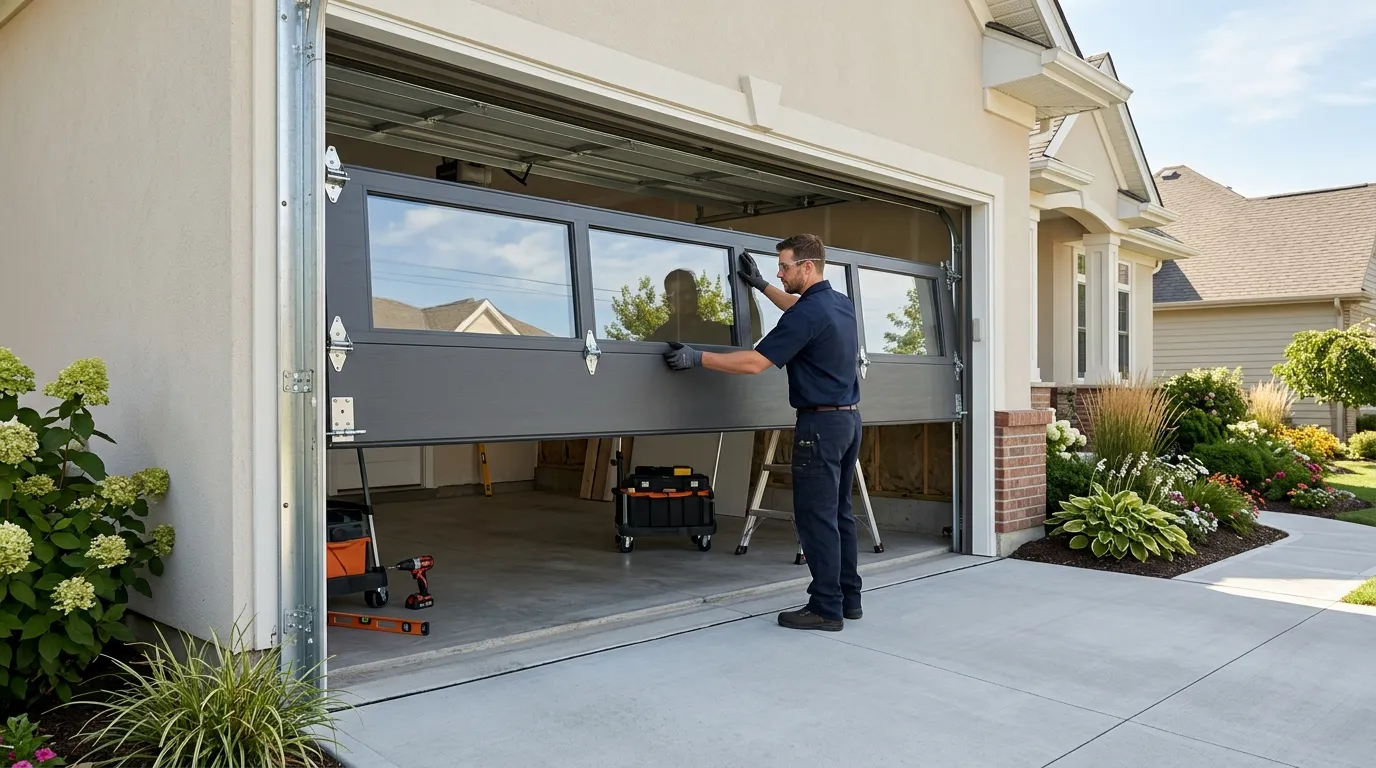
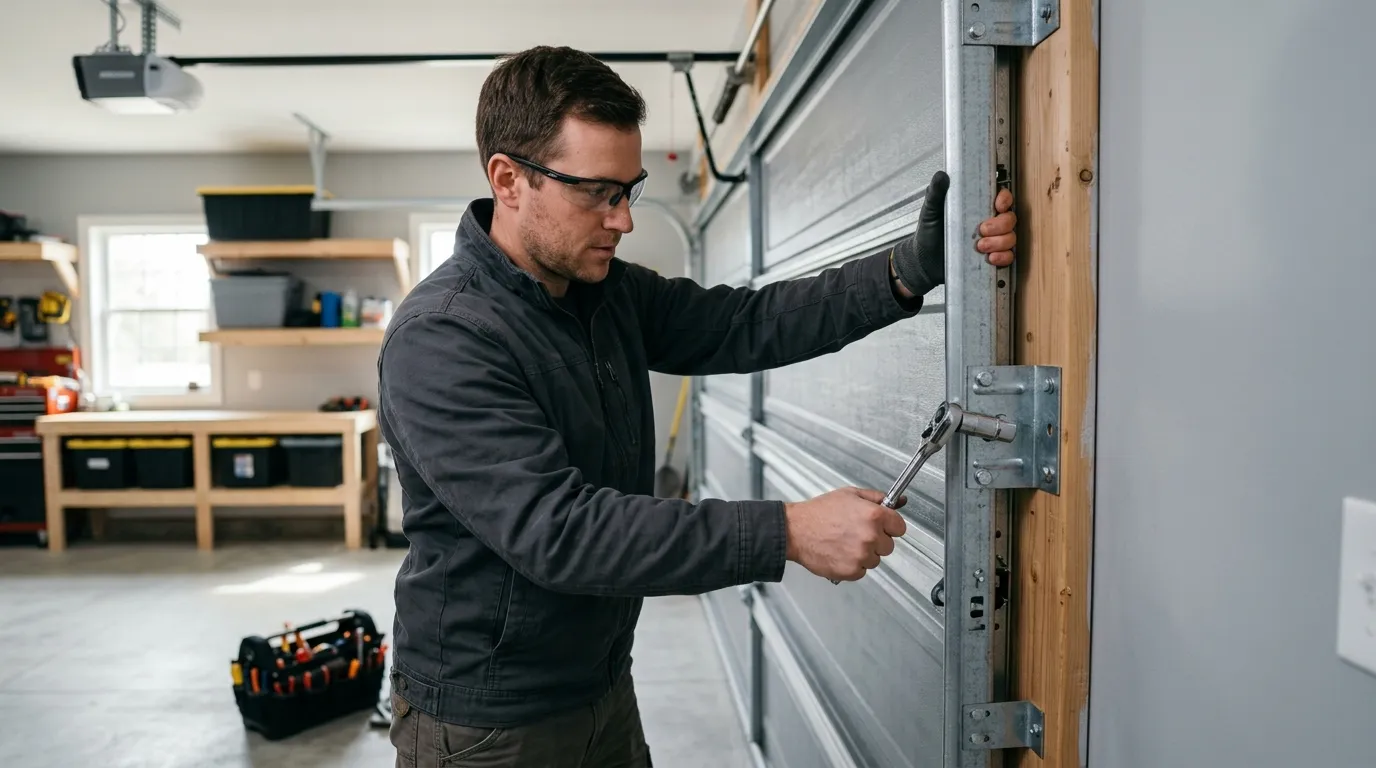
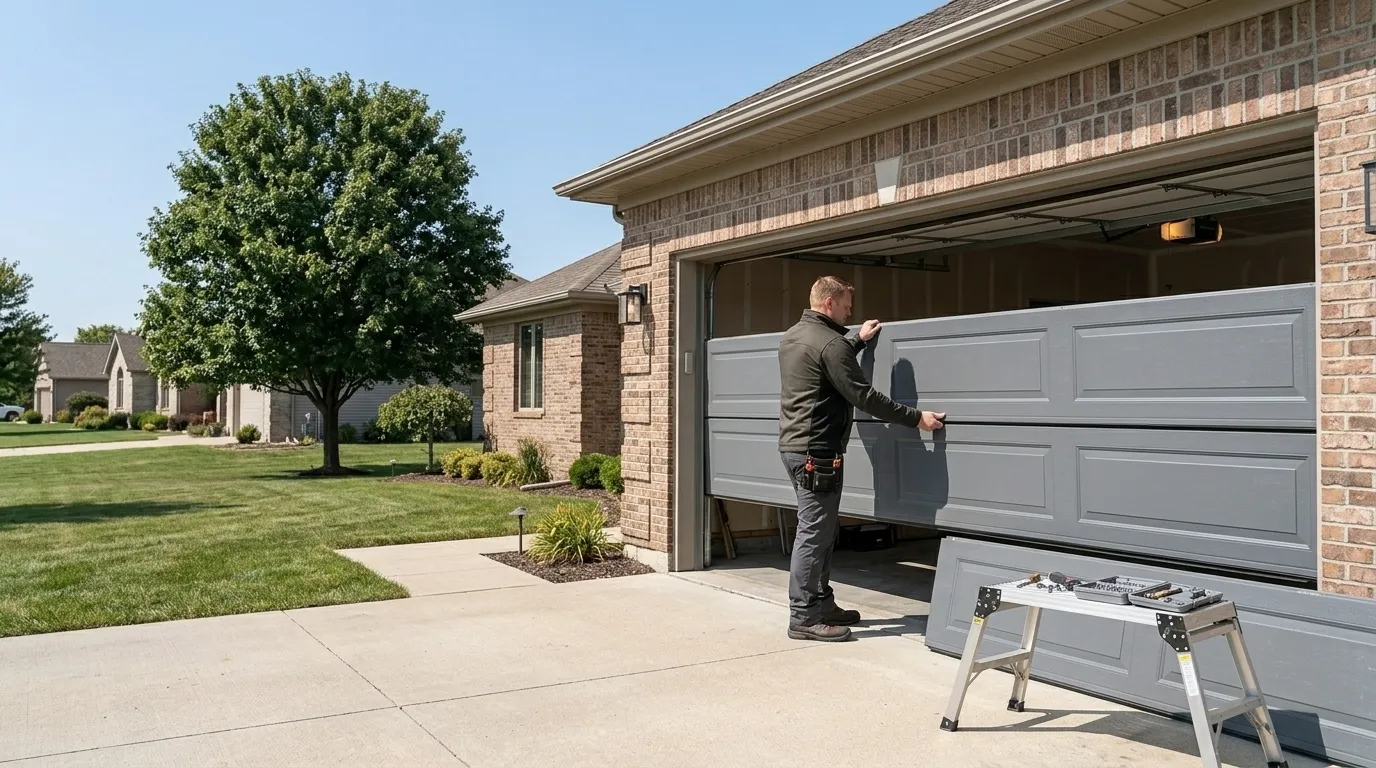
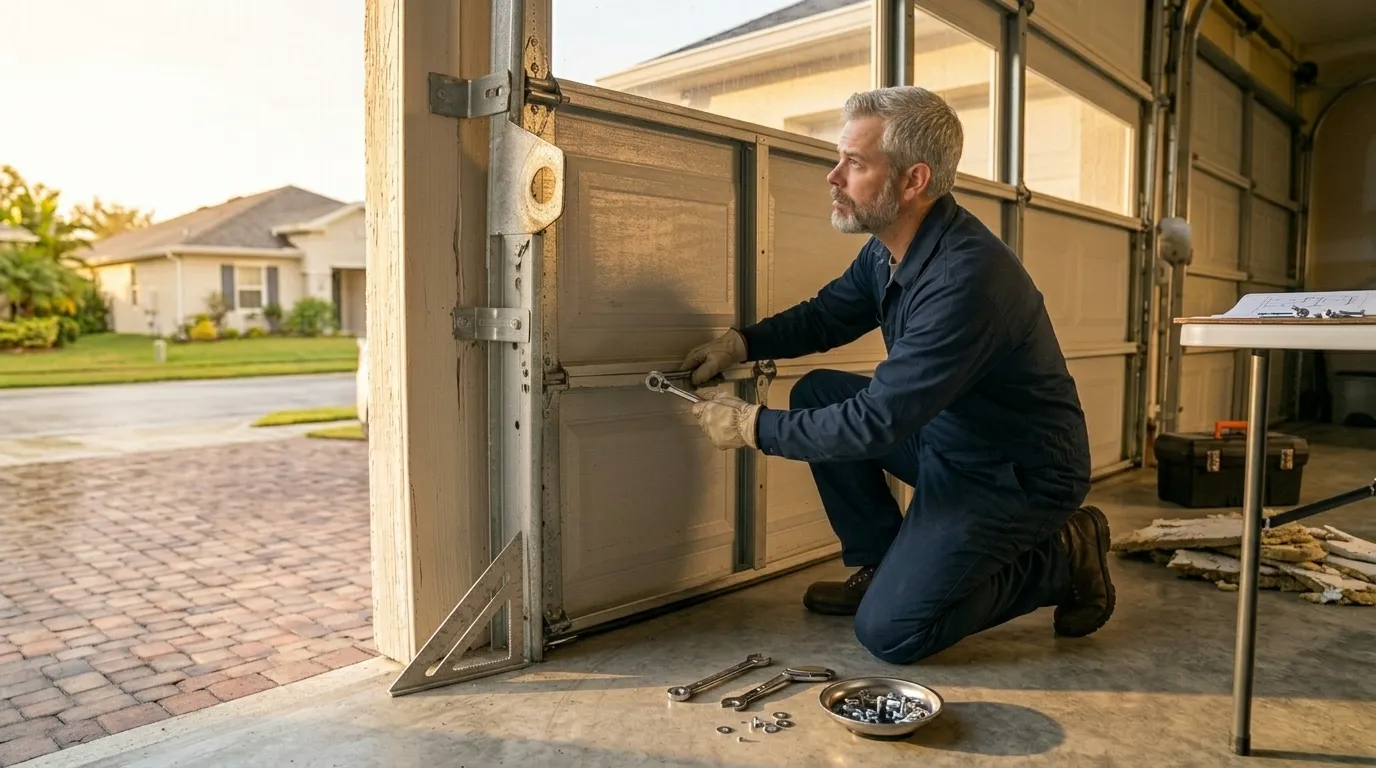
Swapping rollers on a garage door is one of the more doable DIY jobs on the list, but only on the rollers that aren't near the bottom bracket where the lift cable and torsion spring live. Pull the hinge pin, slide the old roller stem out of the track, drop in the new one, and move to the next bracket. That covers most of the rollers on a standard door.
The bottom two rollers are a different story. Those brackets carry the cable that's under spring tension any time the door is closed, and pulling the wrong bolt on a wound torsion spring can put a hinge through a windshield or a hand. If you're not comfortable with that, leave the bottom rollers to someone who does this daily.
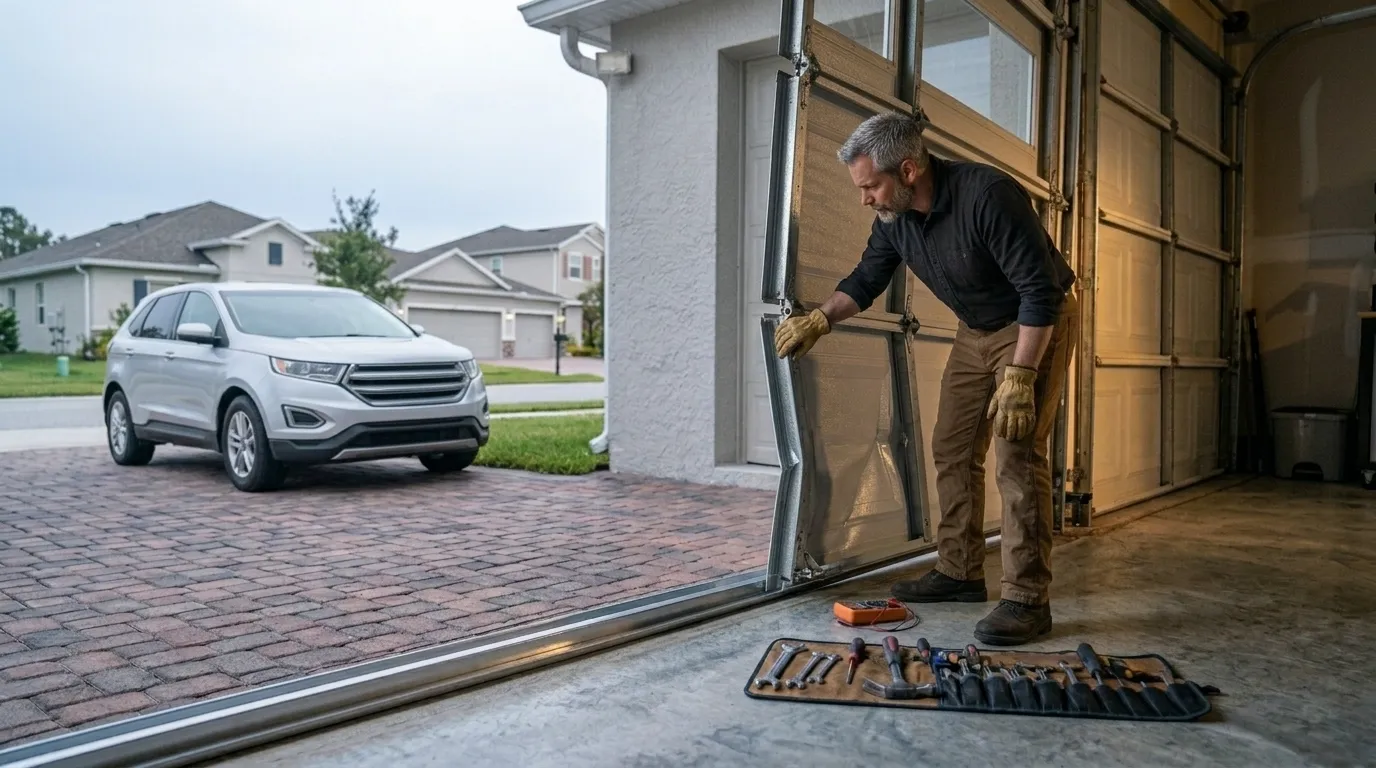
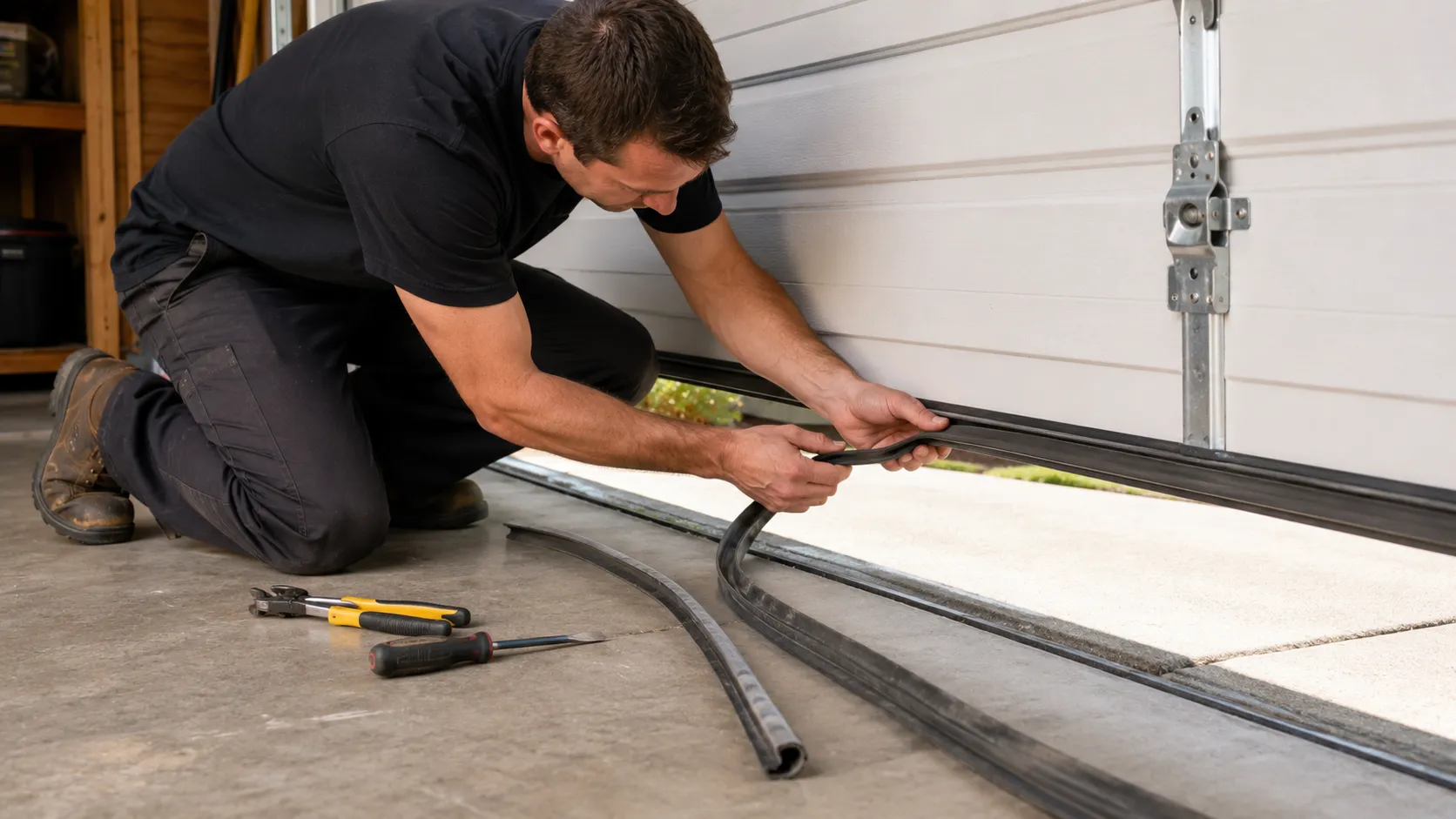
Here's the honest limit: if the noise you're chasing is actually a bent track or a spring that's lost tension, new rollers won't fix it. You'll swap the part, the door will run quiet for a week, and the grinding will come back because the real problem was never the roller. Worth checking the track for daylight gaps before you buy parts.
What Causes It Around Here
DeSoto sits 14 miles south of Dallas, so a crew already out on a job doesn't swing back for a second run without planning around that drive. That distance matters less for what causes the roller wear than what's sitting in the garages once you get there.
Across DeSoto's roughly 20,975 households, most garages date to the same 1993 median build year as the wider service area, which means the original builder-grade nylon rollers are hitting the point where the jacket splits and the steel stem starts grinding bare metal in the track. That's not a defect, it's just what a thirty-year-old nylon roller does eventually.
The moderate heat band this area sits in puts less stress on the nylon than a harsher climate would, so when rollers fail here it's almost always age and mileage on the door, not heat cracking. A door that goes up and down twice a day for three decades wears out its rollers on cycle count alone, regardless of the weather doing the work in some other climate.
Parts We Carry
For a straight roller swap we carry a few grades: builder-grade nylon rollers close to what's likely already on a DeSoto door from that 1990s-era build wave, upgraded nylon rollers with sealed ball bearings that run quieter over time, and steel rollers for owners who'd rather trade a little noise for rollers that don't crack.
At a median household income of $83,256, DeSoto owners are as likely to ask for a straight swap to steel rollers with sealed bearings as they are to replace with the same nylon grade. We stock both on the truck, so the choice is about noise tolerance and budget, not availability.
One limit worth naming: we carry the roller stems in the common stem lengths and roller diameters used on standard residential doors. If a door has an unusual track width or an older roller stem length that's since been discontinued, that part may need to be ordered rather than pulled off the truck, which adds time to the job.
Time on the Job
A straight roller swap on a two-car door, once the truck is parked and the opener's disconnected, is one of the faster repairs on the list - most of the time goes into the bottom two brackets where the spring tension has to be managed carefully, not the six or eight rollers along the sides.
With roughly 165,955 households across the wider service area and only 20,975 of them in DeSoto, this is a smaller slice of the territory, but the roller failures show up the same way, and the repair itself doesn't change with the zip code. What changes is the drive time getting the truck there, which is why we don't quote a same-day window for DeSoto the way we might for a job closer to where the trucks run.
If the track needs straightening or a bracket's bent, that adds real time beyond the roller swap itself. We'd rather tell you that going in than have the job run long with no warning.