Can You Do This Yourself
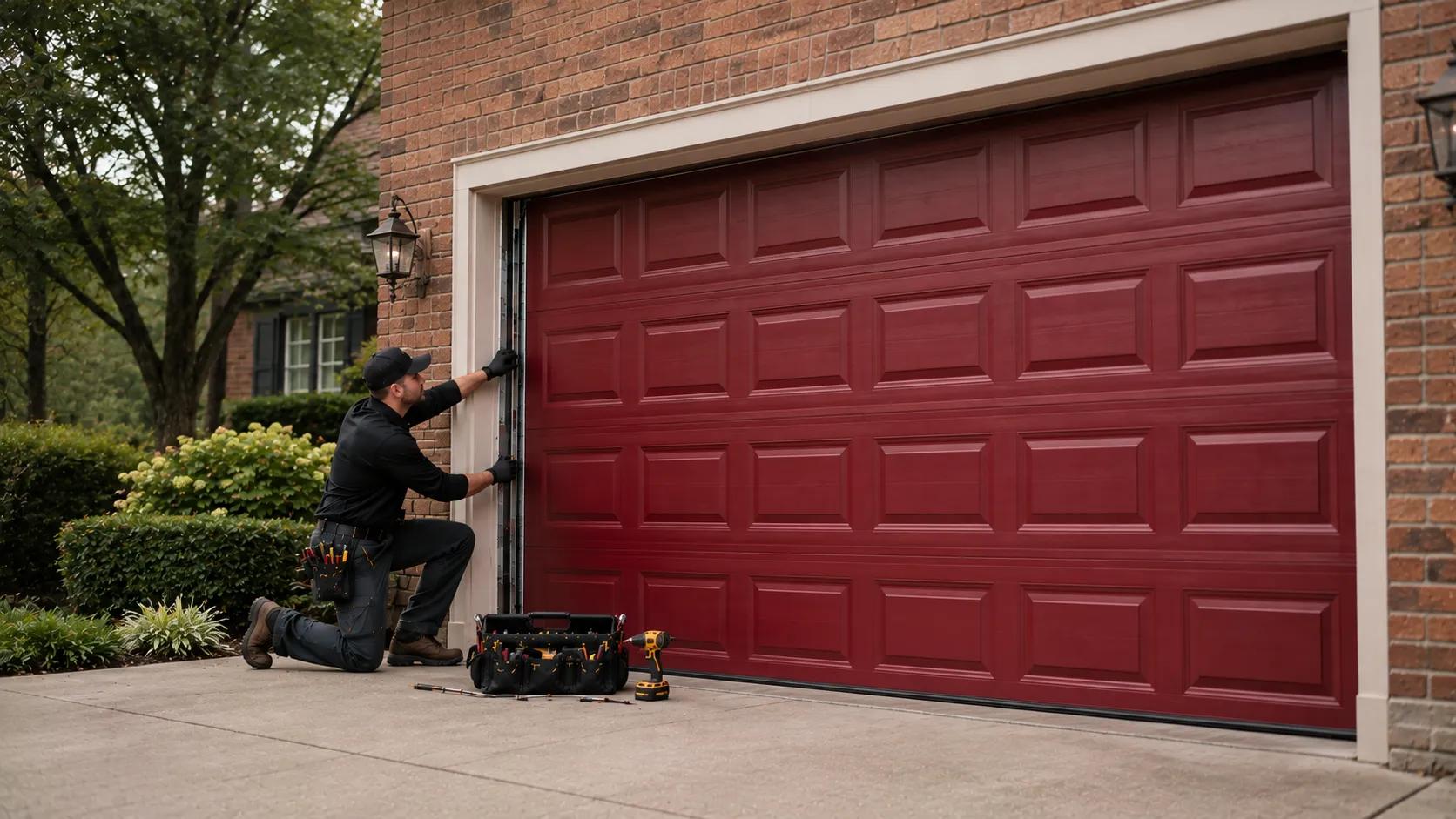
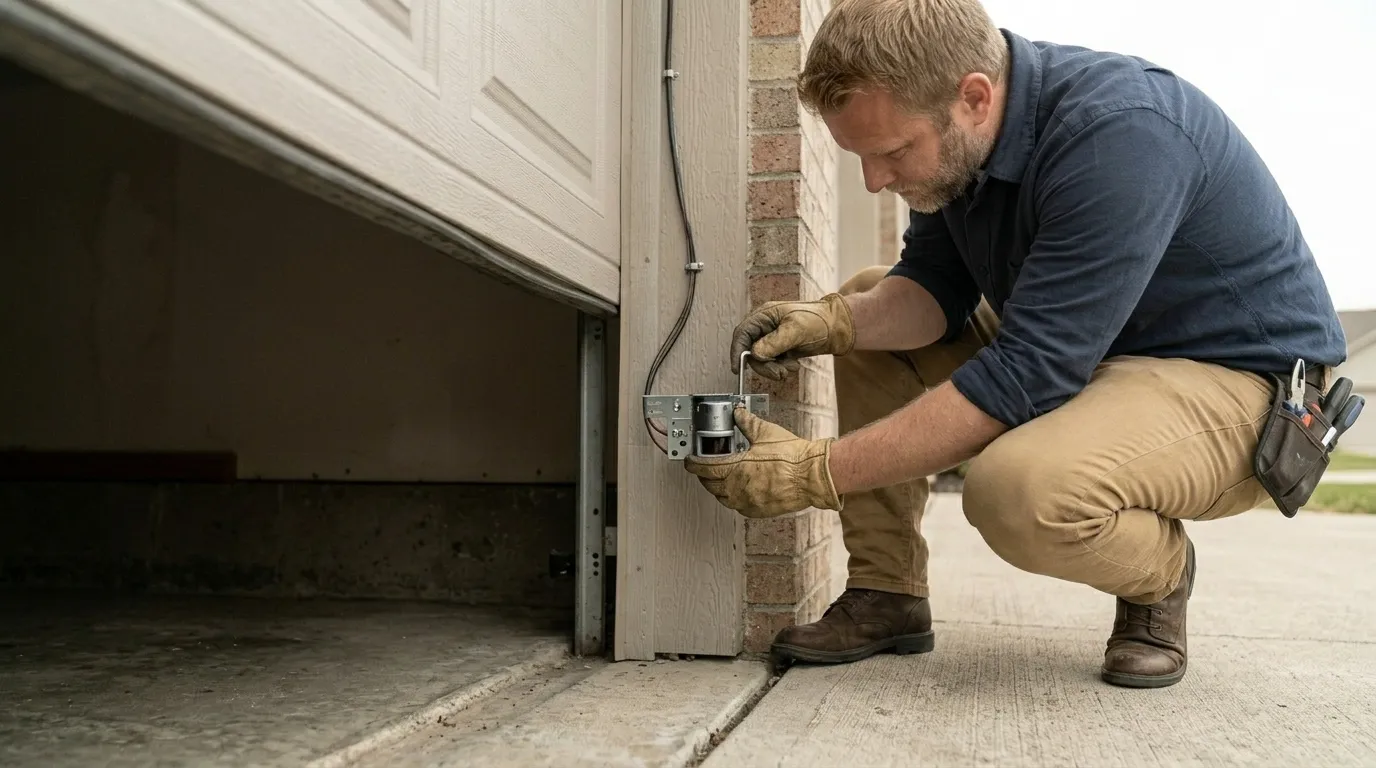
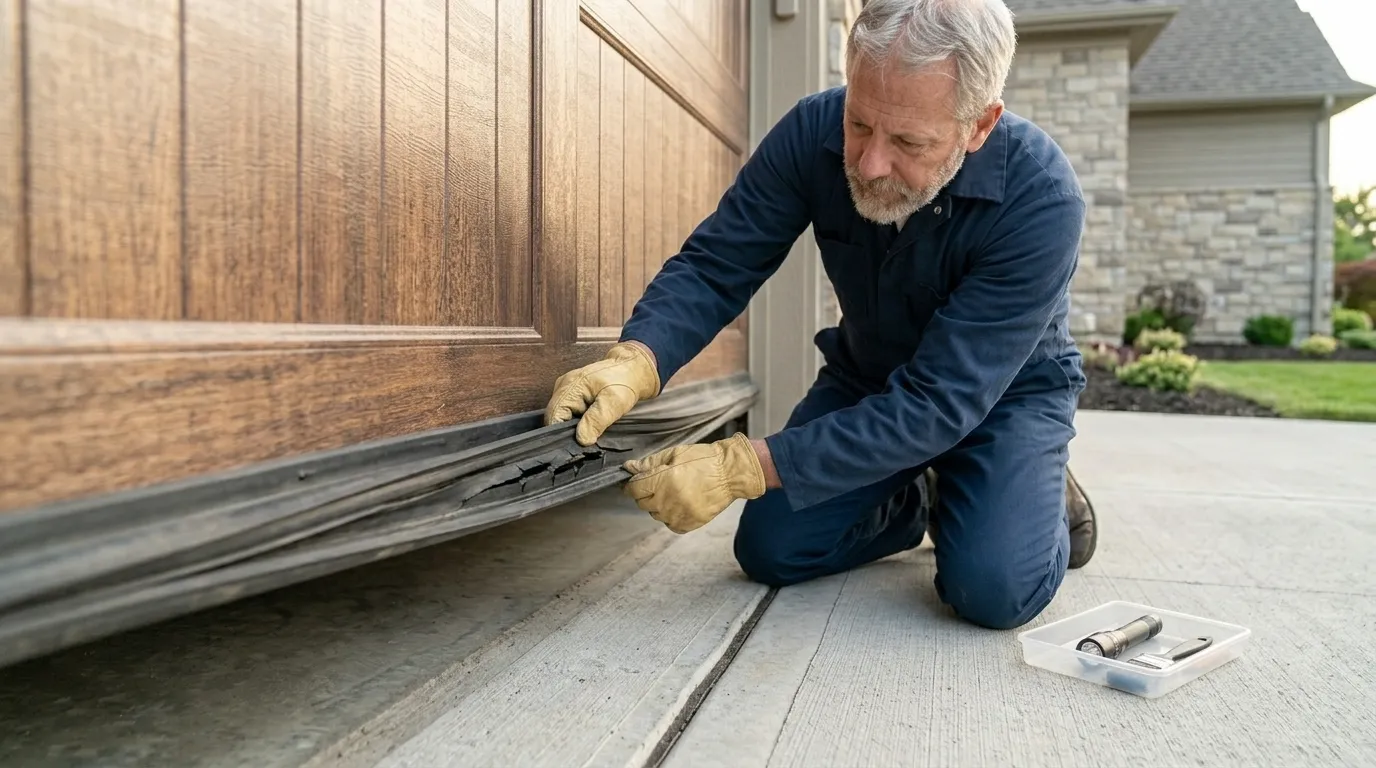
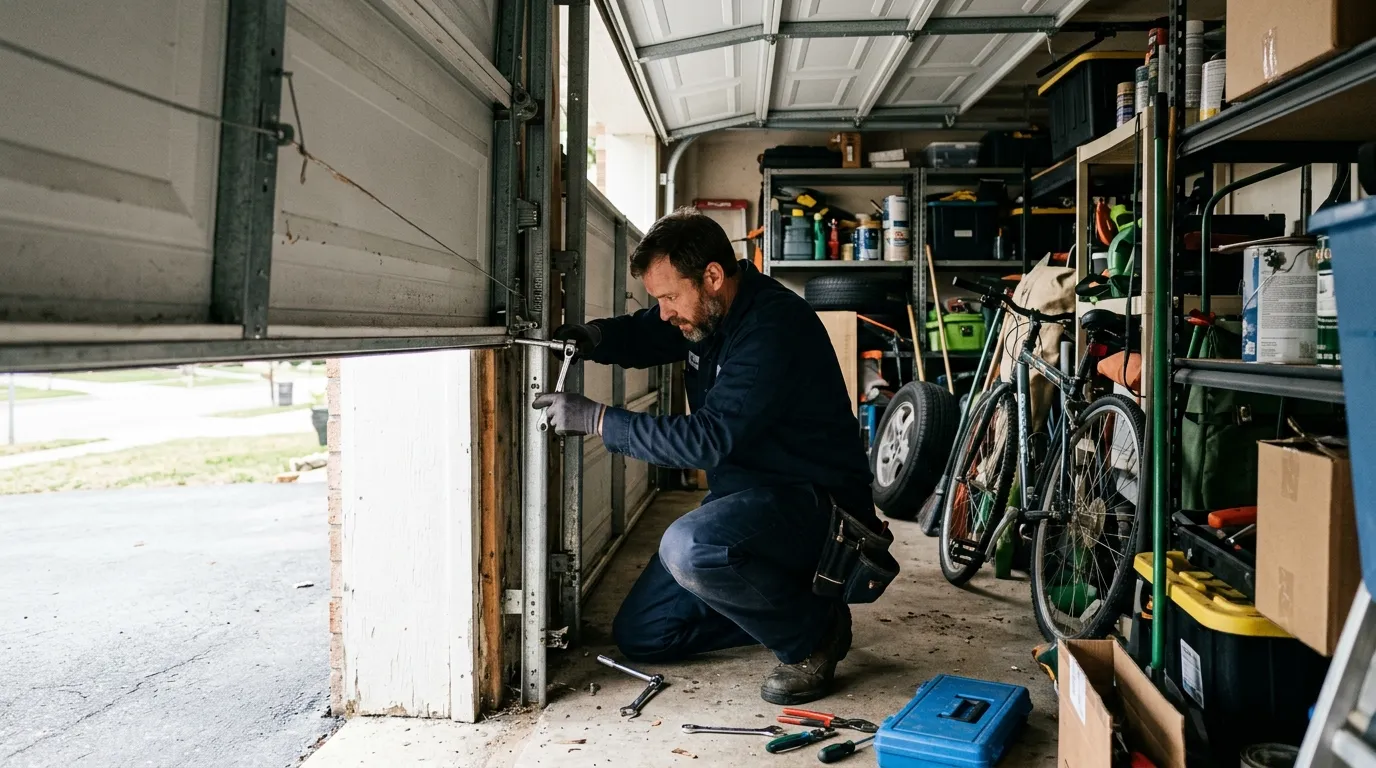
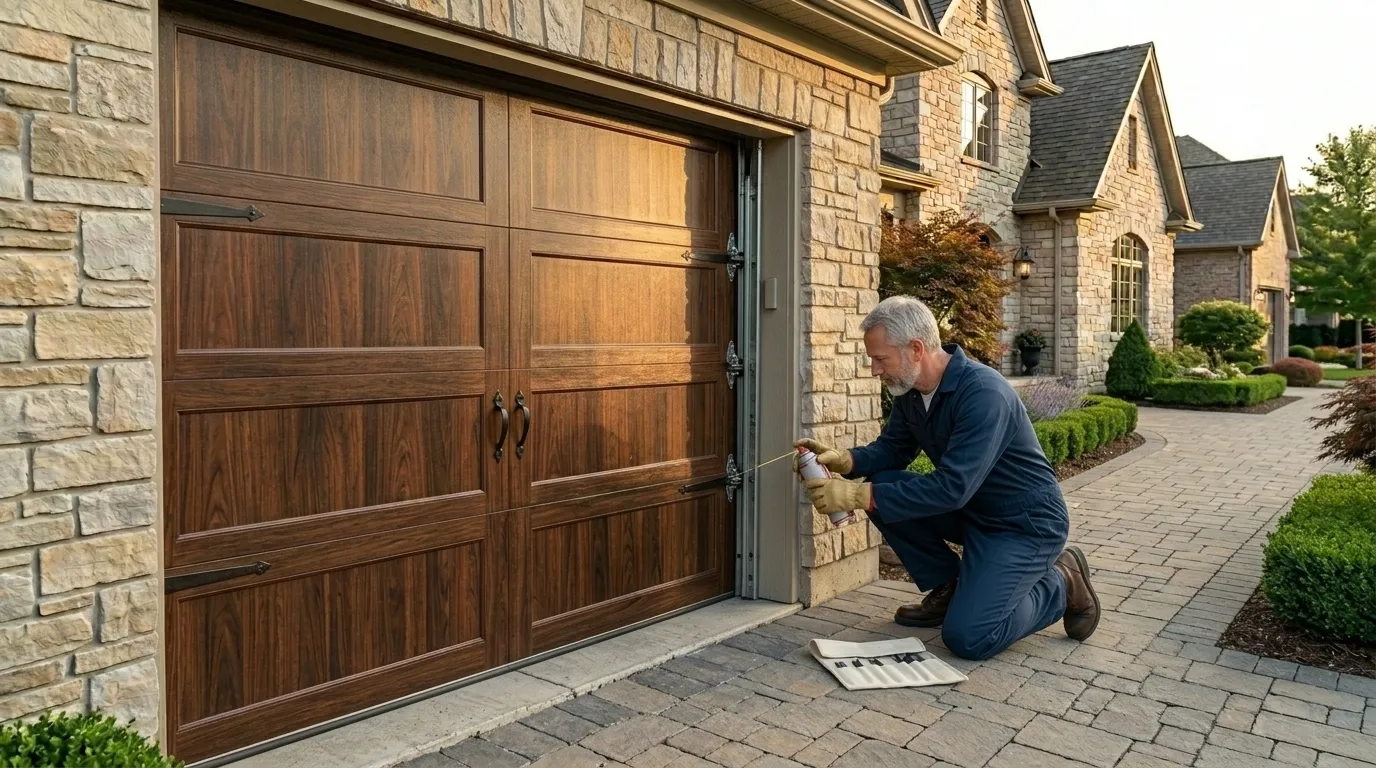
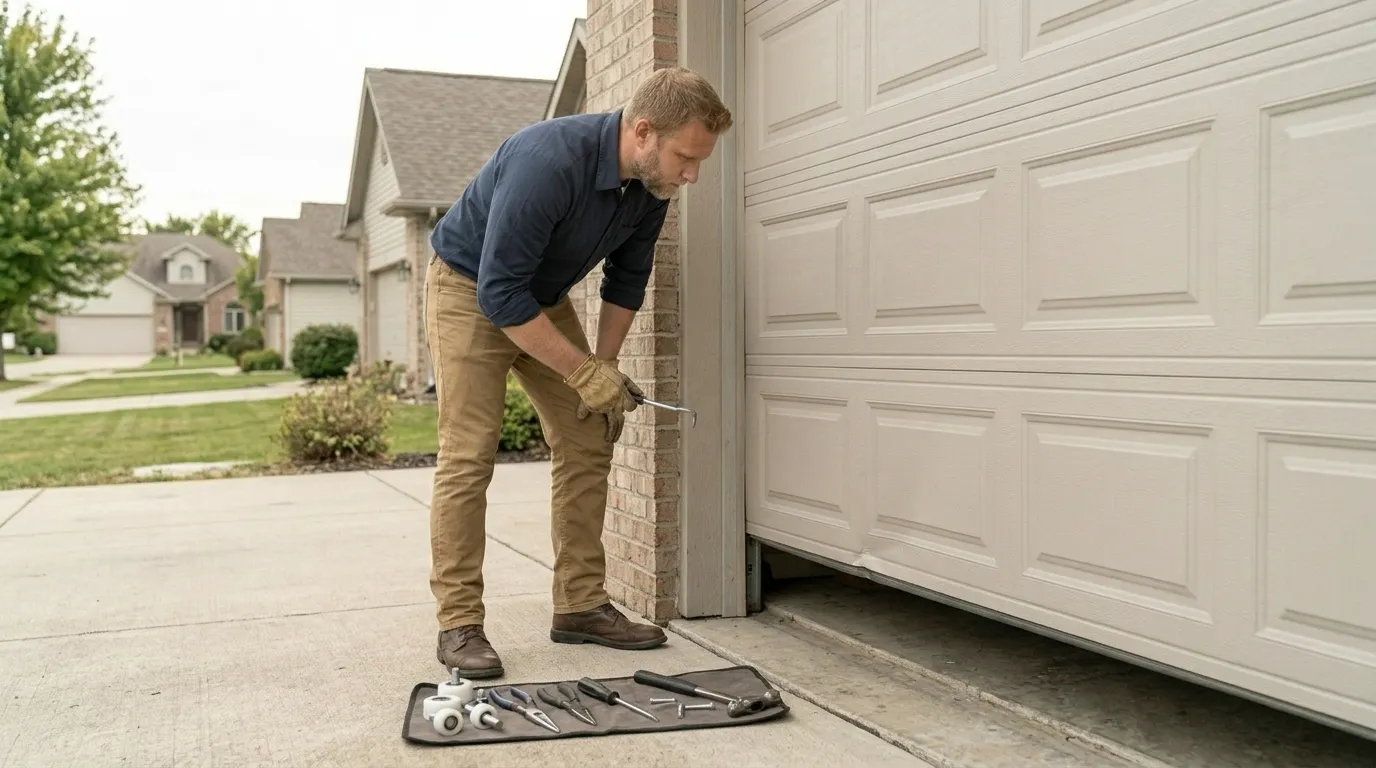
Some of it, yes. Lubricating hinges and rollers, tightening loose bolts on the track brackets, swapping a worn weatherstrip at the bottom of the door - those are fine weekend jobs. What isn't fine is touching the torsion spring above the door. Most houses in DeSoto went up between 1973 and 2007, with the median sitting right at 1993, so a lot of the original spring and track hardware from that build year is still hanging in the garage, untouched since the house was framed. That's thirty-plus years of cycles on steel that was never rated to last forever. A wound torsion spring under that kind of age and fatigue can let go with enough force to break a hand or a face if you're standing in the wrong spot with the wrong bar. Cable work carries the same risk - the cable is under load even when the door looks still. If the door won't open, won't stay open, or makes a bang and then goes slack, that's a call, not a project. If it's just noisy or slow, you can usually chase that down yourself first.
What Causes It Around Here
The housing stock across this stretch runs 1973 to 2007, and most of what we see on calls here falls into the thicker band of that range - 1980s and 90s construction, standard two-car garages with steel doors on extension or torsion hardware original to the build. That hardware is old enough now that fatigue failure, not accident, is the usual cause of a spring letting go. The climate band this part of Dallas County sits in is moderate heat, not the extreme swings you get further north or in the mountain states, so we're not dealing with ice-locked tracks or frozen openers. What we do see is cycle wear - nylon rollers and pulleys that have gone brittle from repeated summer heat rather than one bad freeze, and lubricant on the torsion bar that's cooked down to nothing over enough hot Augusts. Openers from that era are also aging out; chain-drive units installed when these houses were new are hitting the end of their gear-and-sprocket life about now, which shows up as grinding, slipping, or a door that reverses for no reason.
Parts We Carry
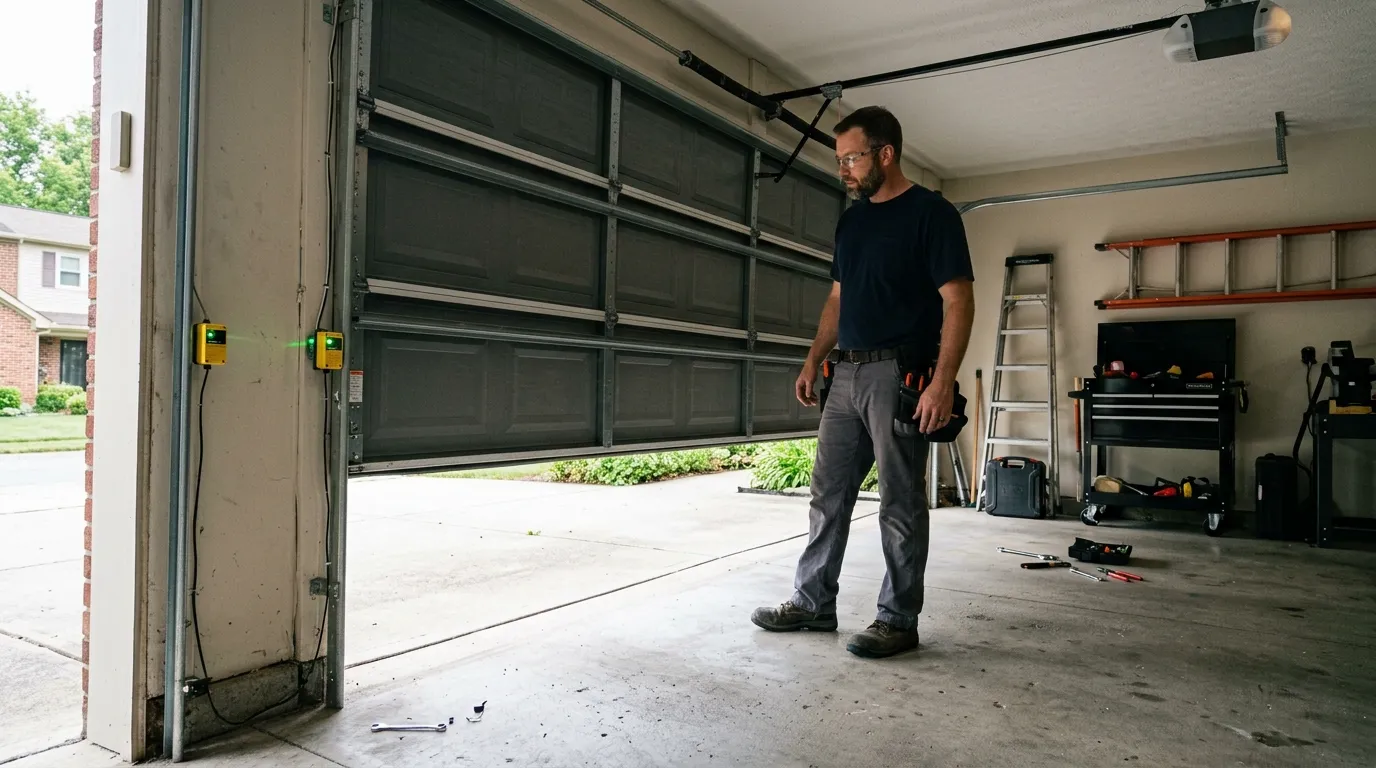
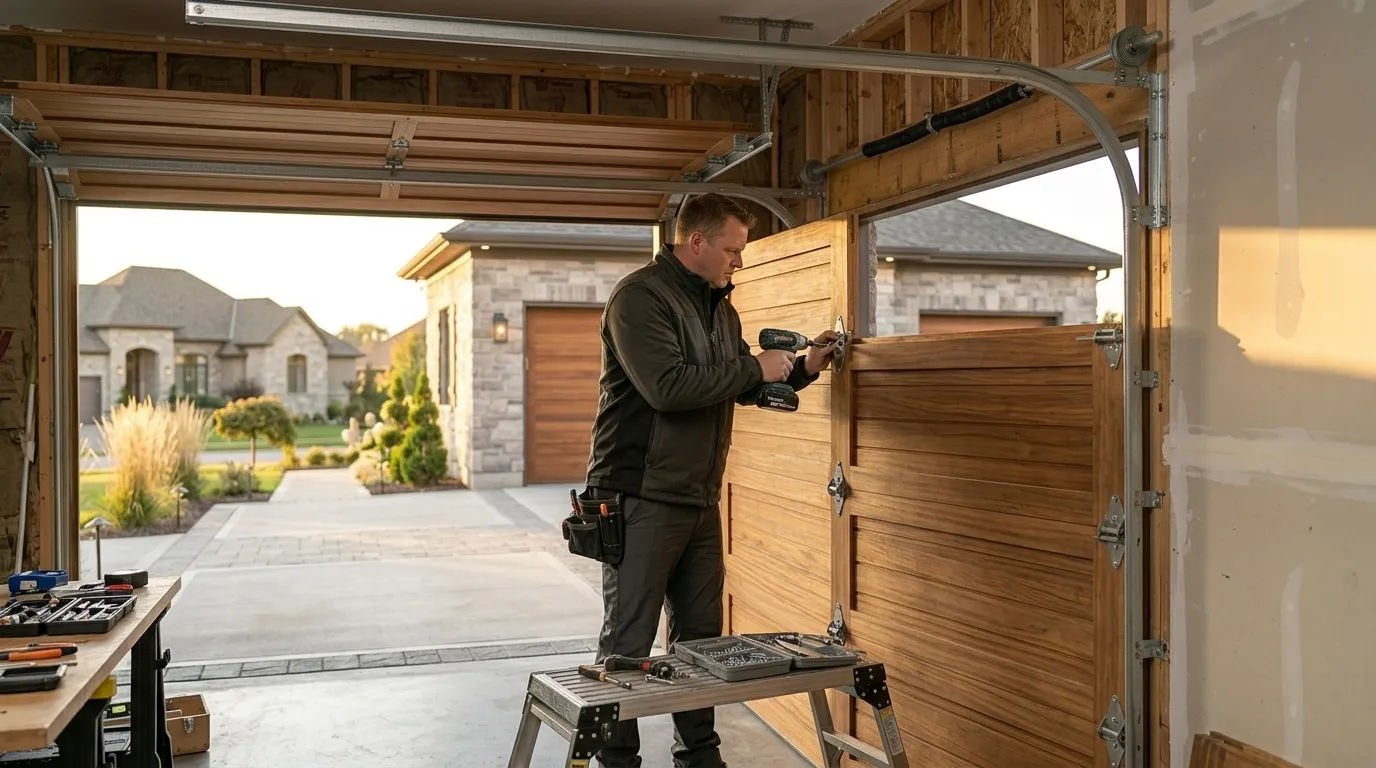
We stock the sizes that fit standard residential torsion springs, extension springs, steel rollers, lift cables, and the common relay boards and sensors for chain and belt drive openers - the parts that cover most of what's failing on doors from the 1980s and 90s. Where we run into limits is specialty gear: low-headroom torsion conversions, wood-panel doors with custom hardware, or an opener brand that stopped making parts years ago. Those sometimes need us to order in, and we'll tell you straight if that's the case rather than jury-rig something that won't hold. On a door this old, there's also a point where replacing the whole unit costs less over time than chasing parts for hardware that's outlived its design life - we'll say so if that's where your door is, instead of running up a repair bill on something we'd replace ourselves.
Time on the Job
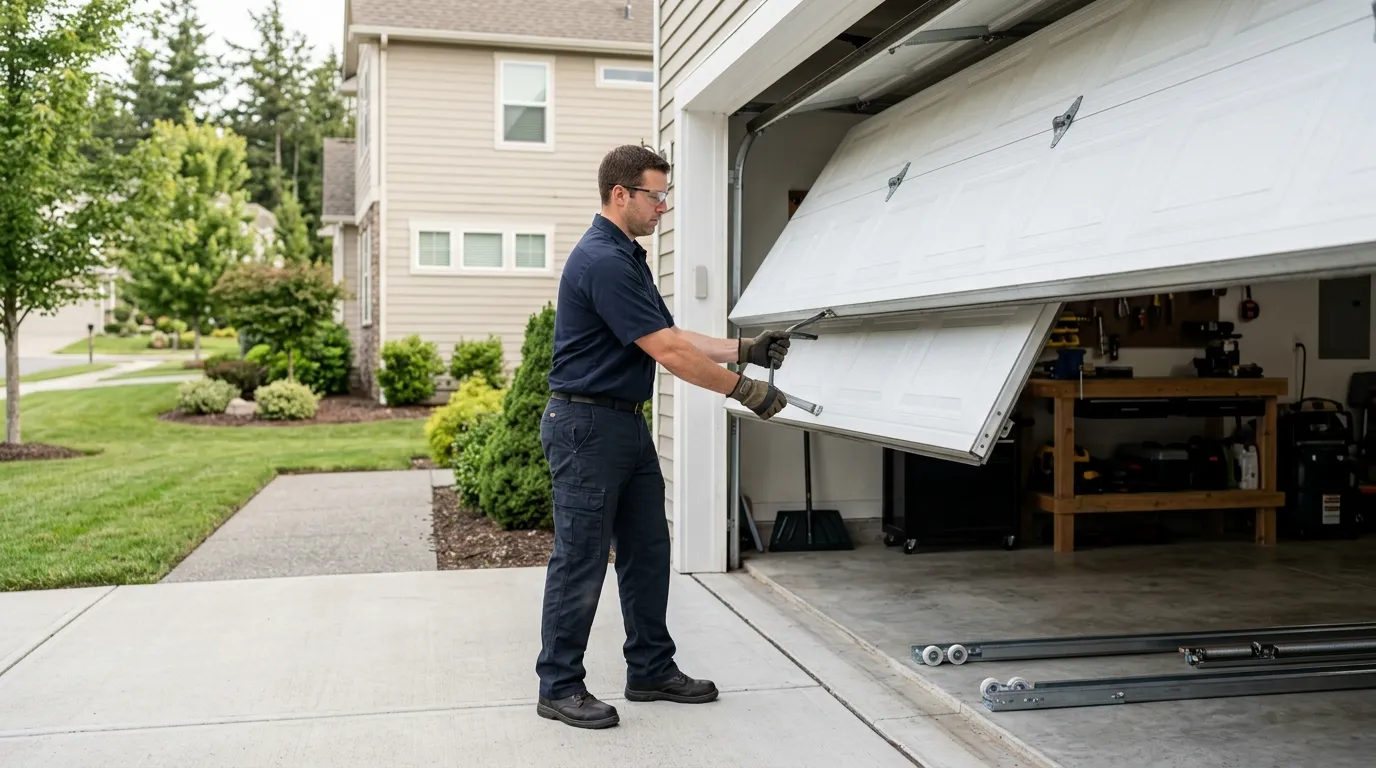
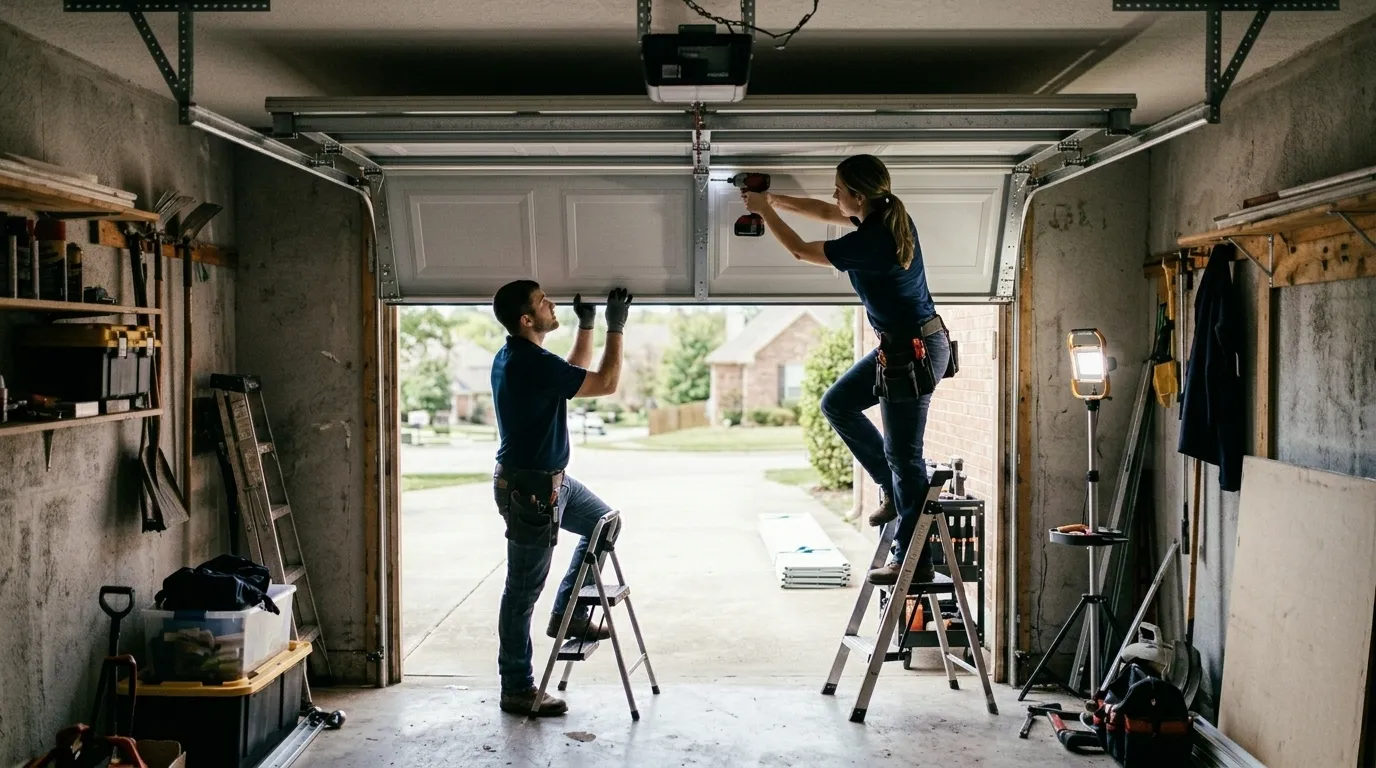
A straightforward spring replacement runs about 45 minutes to an hour once the truck is on site. Opener swaps run closer to two hours with the mounting and wiring. Track realignment or a cable job usually falls somewhere in between. What we can't promise is a same-day slot just because DeSoto is close - it's about 14 miles south of Dallas, and that drive gets folded into the day's route the same as every other call. If your spring goes on a Tuesday morning, tell us that when you call so we can work out where DeSoto lands in the schedule rather than guessing.