
Can You Do This Yourself
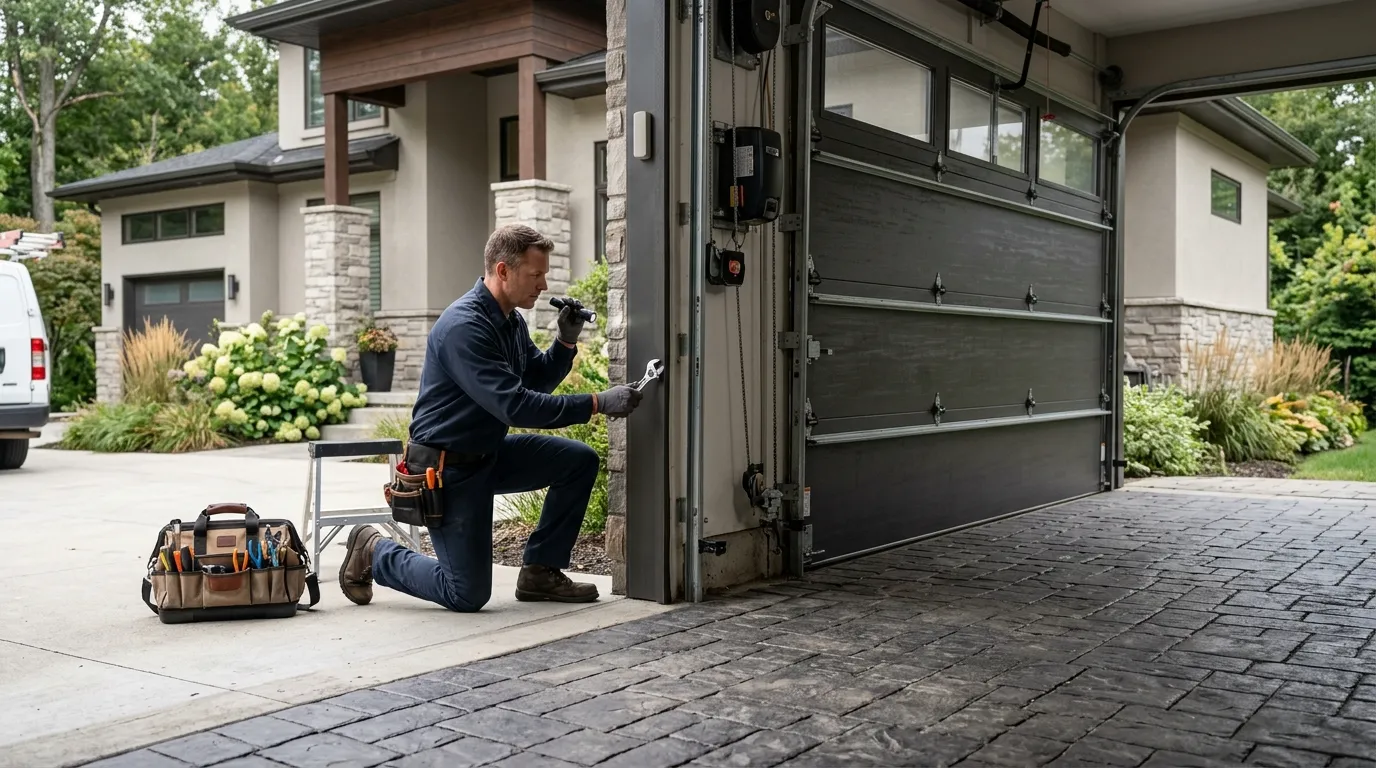
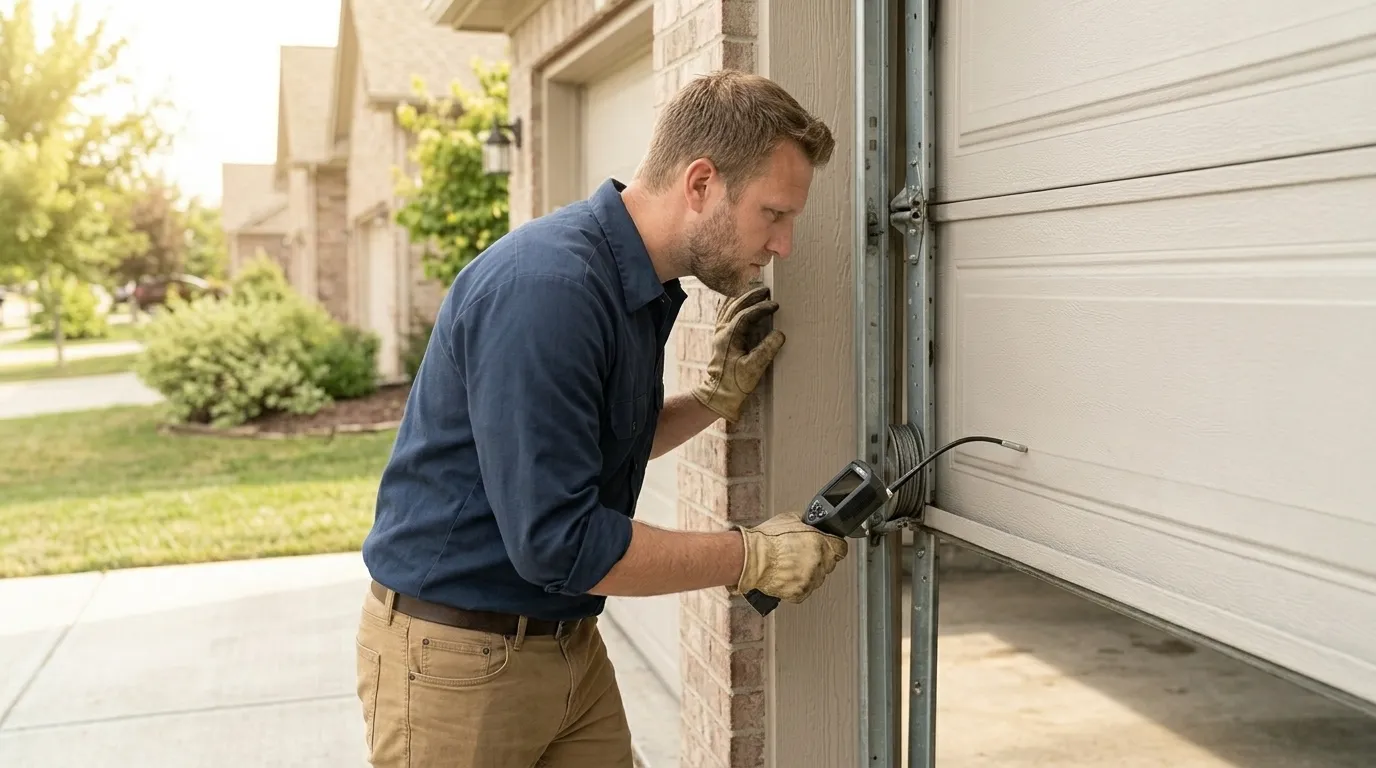
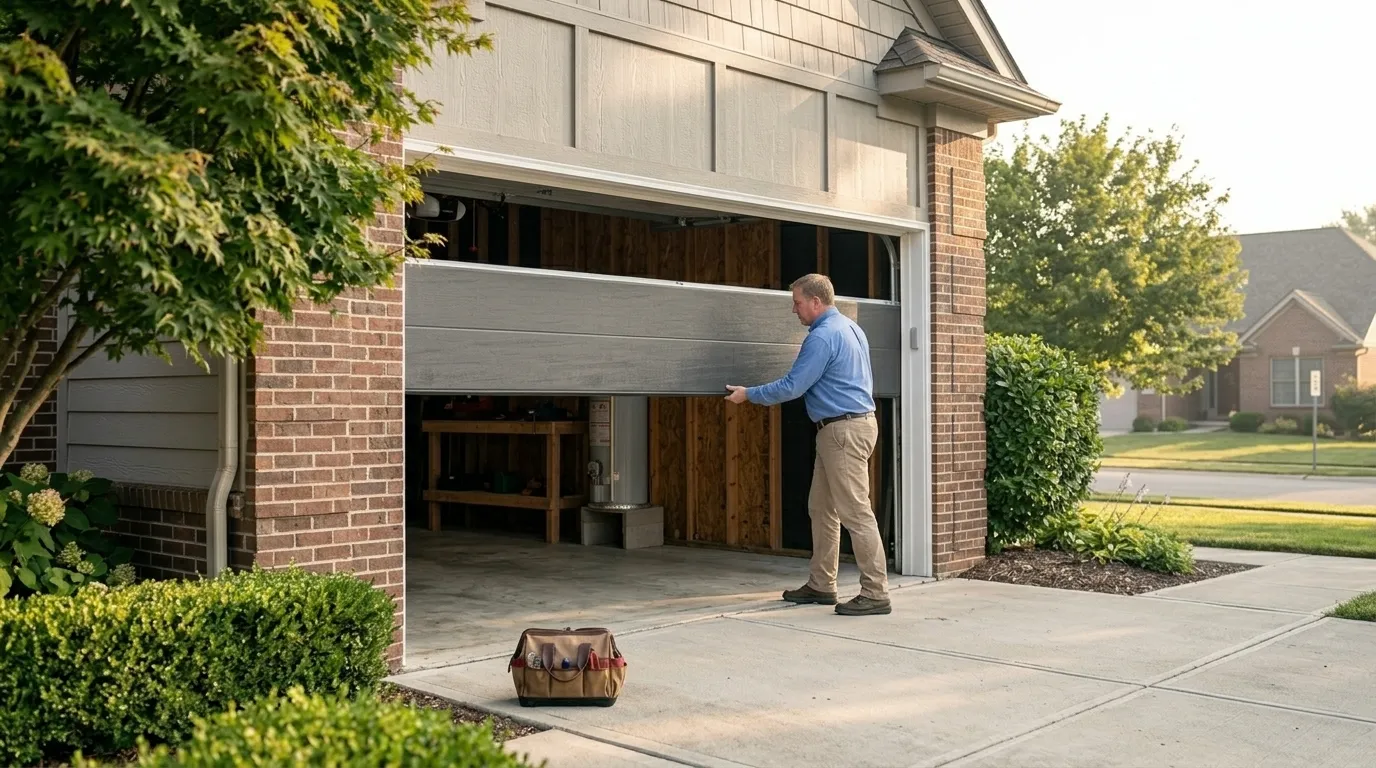
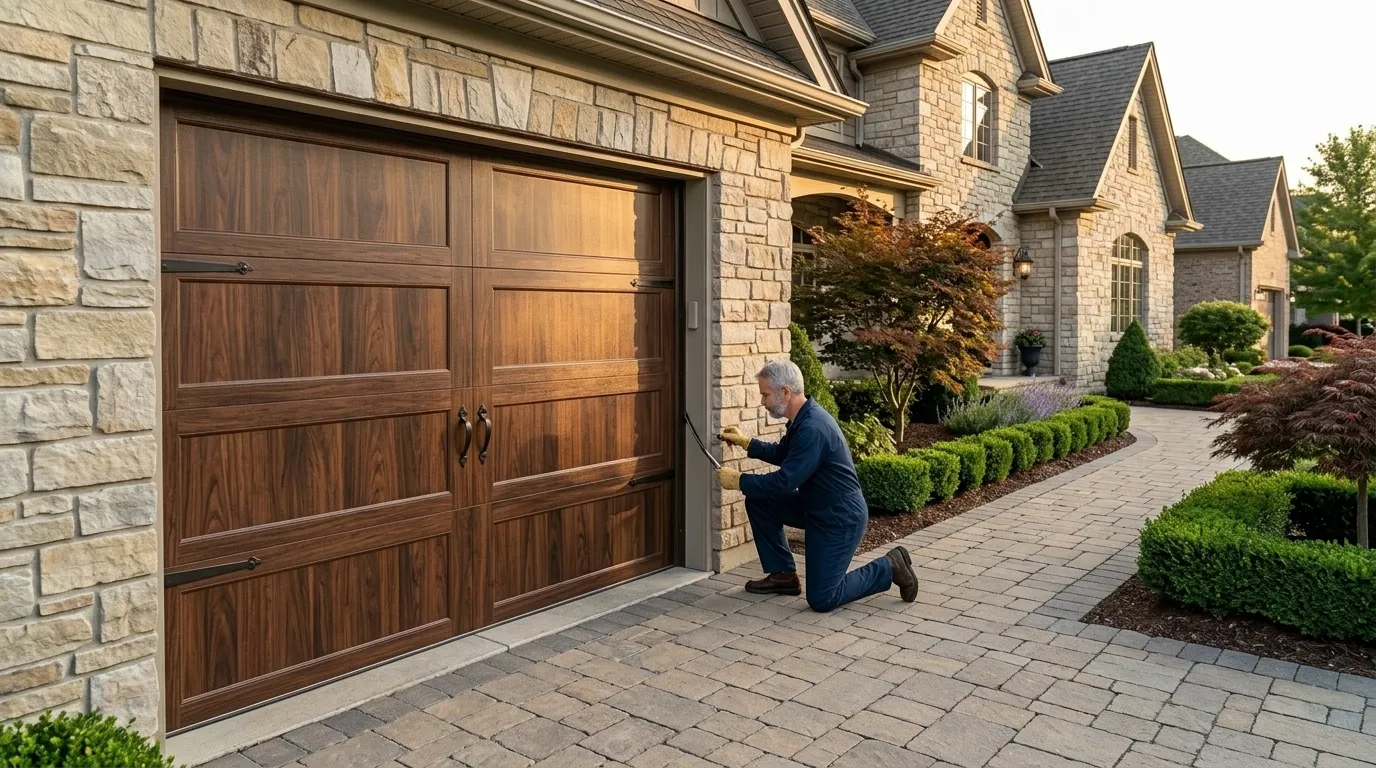
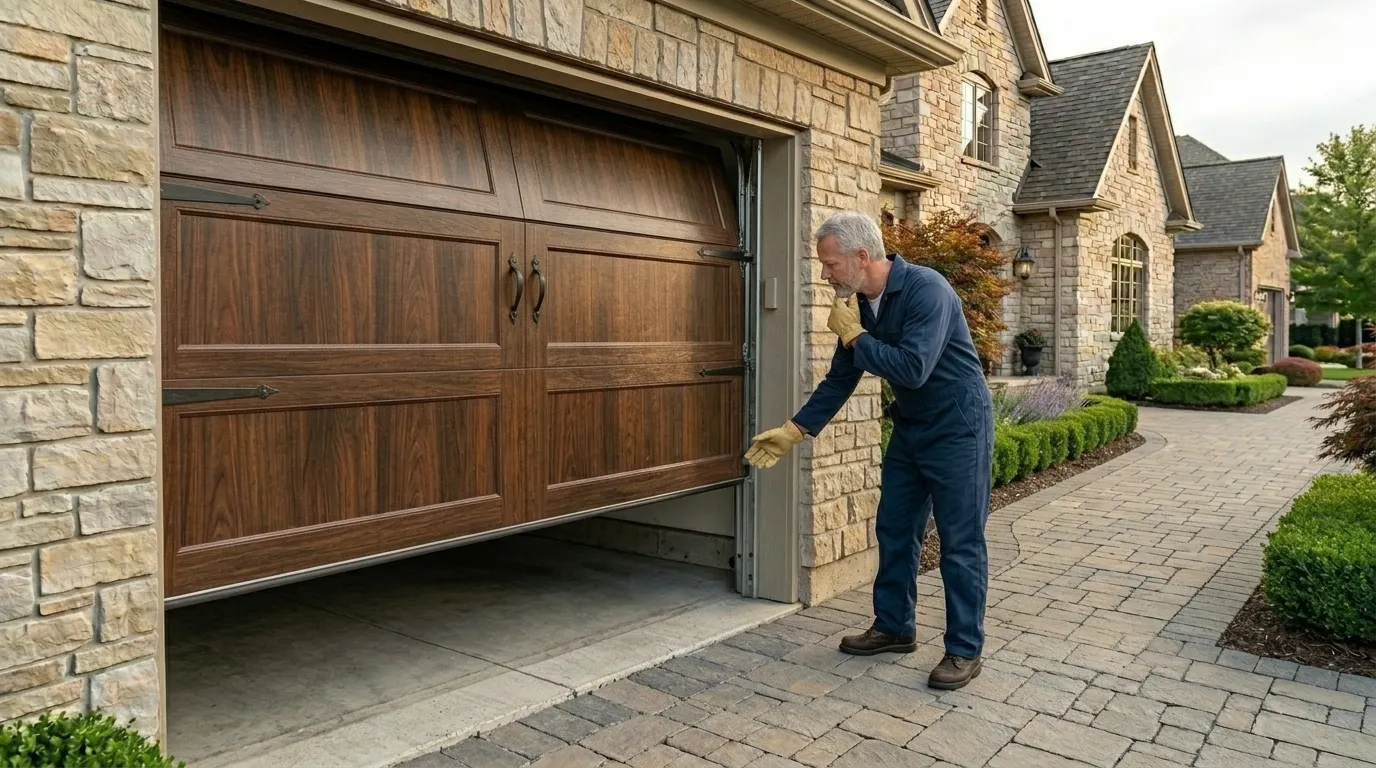
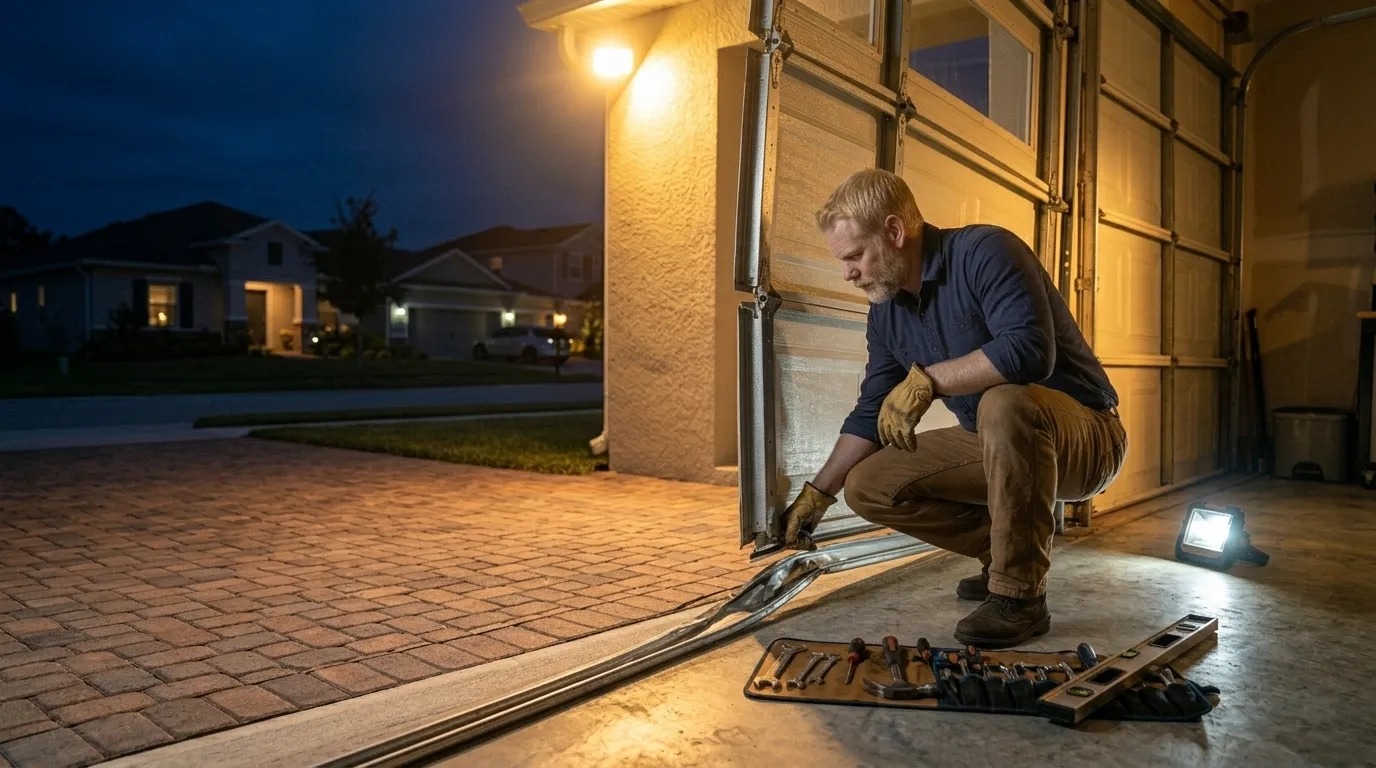
We're 14 miles out from Dallas to get to DeSoto, so when we tell you not to touch a snapped lifting cable, it's not us stalling for a truck roll - it's the same answer we'd give anyone standing next to a door with a cable wound around a drum under spring tension. A garage door cable does not fail politely. It's under load from the torsion or extension springs the whole time the door is closed, and when it lets go, the drum can spin, the door can drop unevenly, and whatever's near the bottom corner is at risk. If a cable has already frayed but not snapped, you can sometimes see it - bent wire strands sticking out near the bottom bracket or the drum. That's your cue to stop opening the door and call, not to grab pliers. The one thing you can safely do yourself is confirm it's actually the cable and not the opener: unplug the opener, try the door by hand (carefully, and only if it's not stuck at an angle), and if one side clearly hangs lower than the other, that's cable, not opener. Past that point, this isn't a tightening job or a five-minute fix. Winding a new cable onto a loaded drum without the right bars and clamps is how people lose fingers, not just doors.
What Causes It Around Here
Housing across the wider service area went up mostly between 1973 and 2007, with a median around 1993, and DeSoto's own stock lines up right in that window. That matters for cables specifically because it puts most doors here past their original hardware's realistic service life - 25 to 30 years of daily cycling is enough to fatigue a galvanized lifting cable even without a dramatic failure. We see a lot of cables that haven't snapped outright but have started to fray at the drum end, where the wire rubs against the same few inches of itself thousands of times a year. The climate here runs moderate on heat exposure compared to harsher bands, so we're not chasing the kind of extreme thermal cycling that snaps cables outright in a single cold snap - the failures we see in DeSoto are closer to slow wear catching up with a 1990s door than a sudden weather event. Add a spring that's lost some tension over the same decades, and the cable ends up carrying more of the load than it was built for, which speeds up the fray.
Parts We Carry
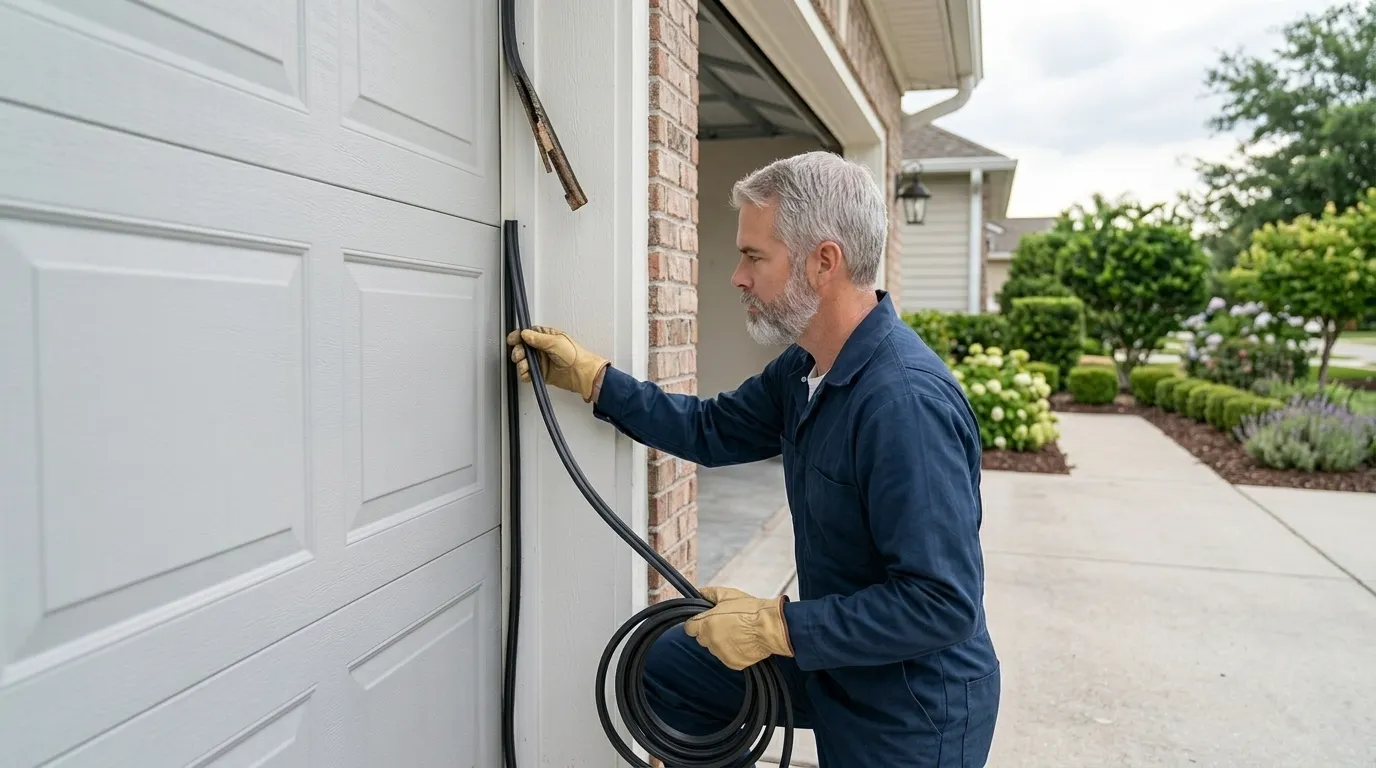
We stock standard galvanized aircraft cable in the common residential gauges and lengths that fit the torsion and extension setups typical of doors from the 1970s through 2000s - which covers the bulk of what's actually installed in DeSoto. We carry the matching drums, cable clamps, and bottom brackets that usually go bad alongside a snapped cable, since replacing the cable alone on a worn bracket is a short-term fix. What we don't stock is anything proprietary to a specific opener brand's integrated cable system or an unusual continuous-cable design - those sometimes need an order, and we'll tell you upfront if that's what you're looking at rather than guess.
Time on the Job
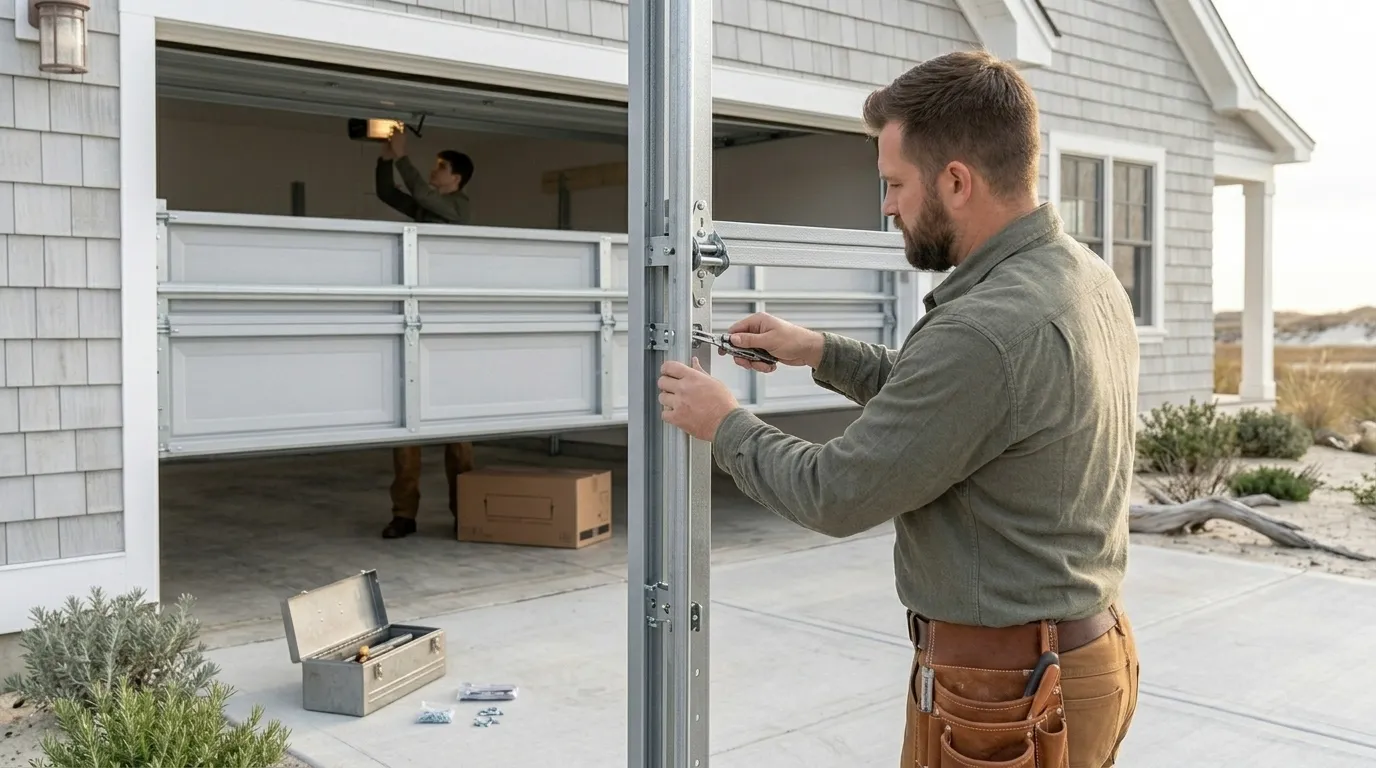
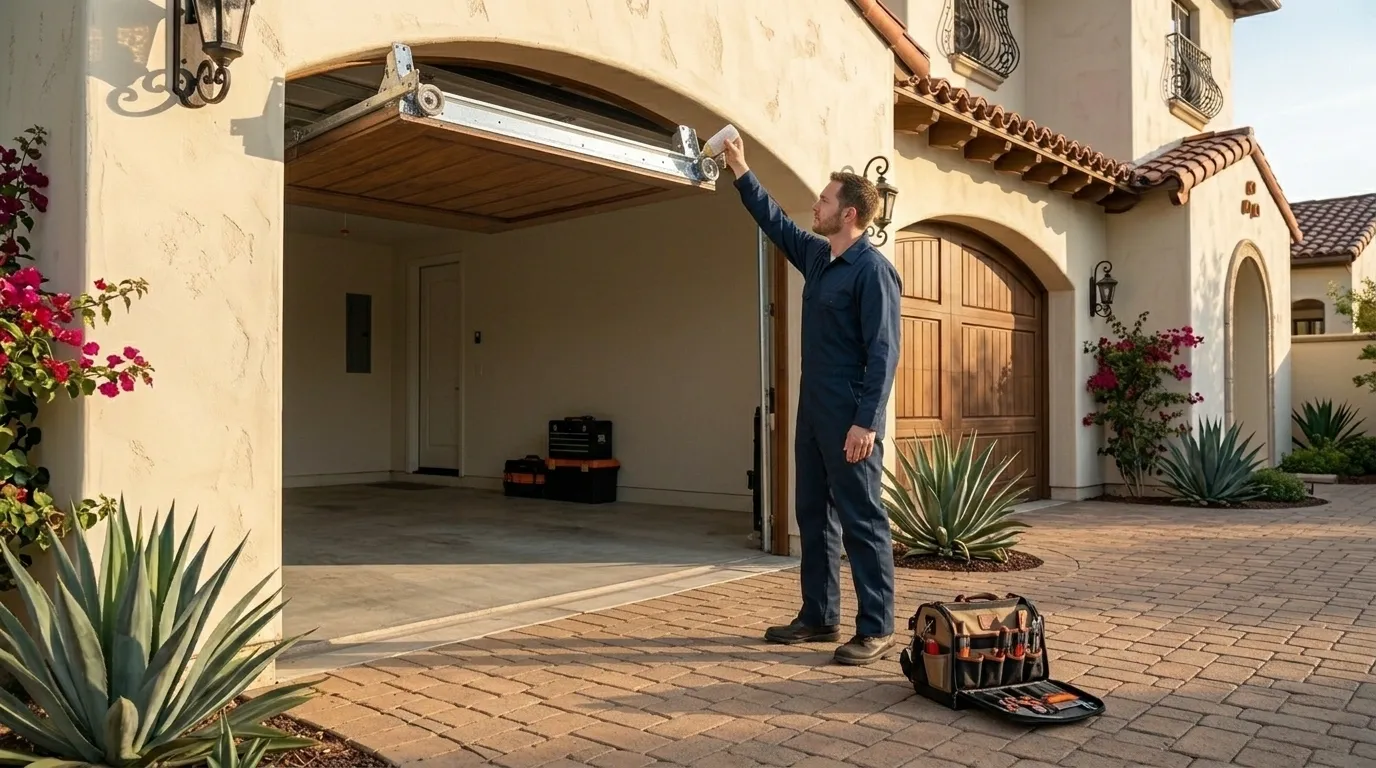
Most cable jobs, once we're on site, run about the length of releasing tension, swapping both cables, resetting the drums, and rebalancing - it's mechanical work, not something that speeds up by rushing the spring release. The bigger variable for anyone in DeSoto is the drive itself: at 14 miles from Dallas, getting a truck to you takes longer than it would for a job inside the city, so the actual repair window on site is short relative to the travel on either end. We don't run a branch or a depot in DeSoto - every job here is dispatched from Dallas, which is worth knowing if you're comparing us to a company that's physically closer.