
Can You Do This Yourself
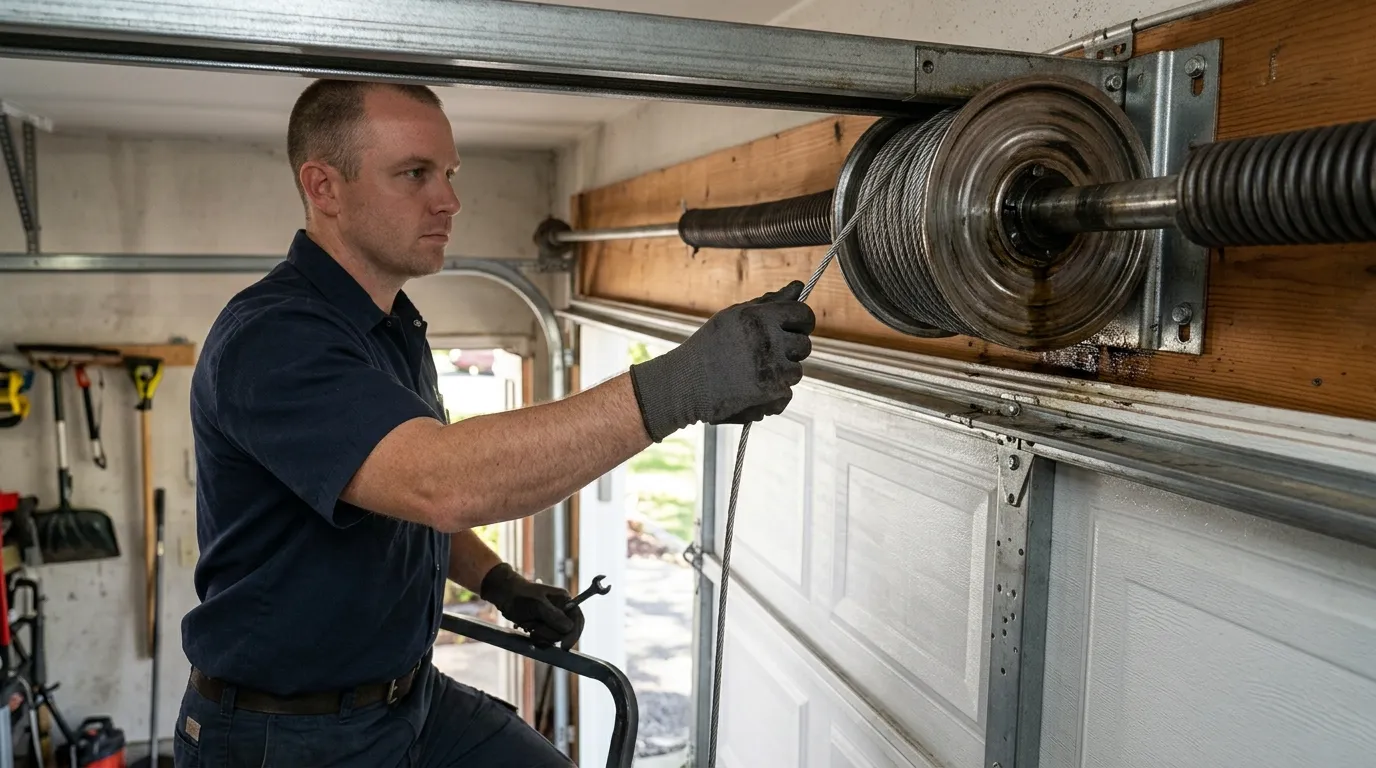
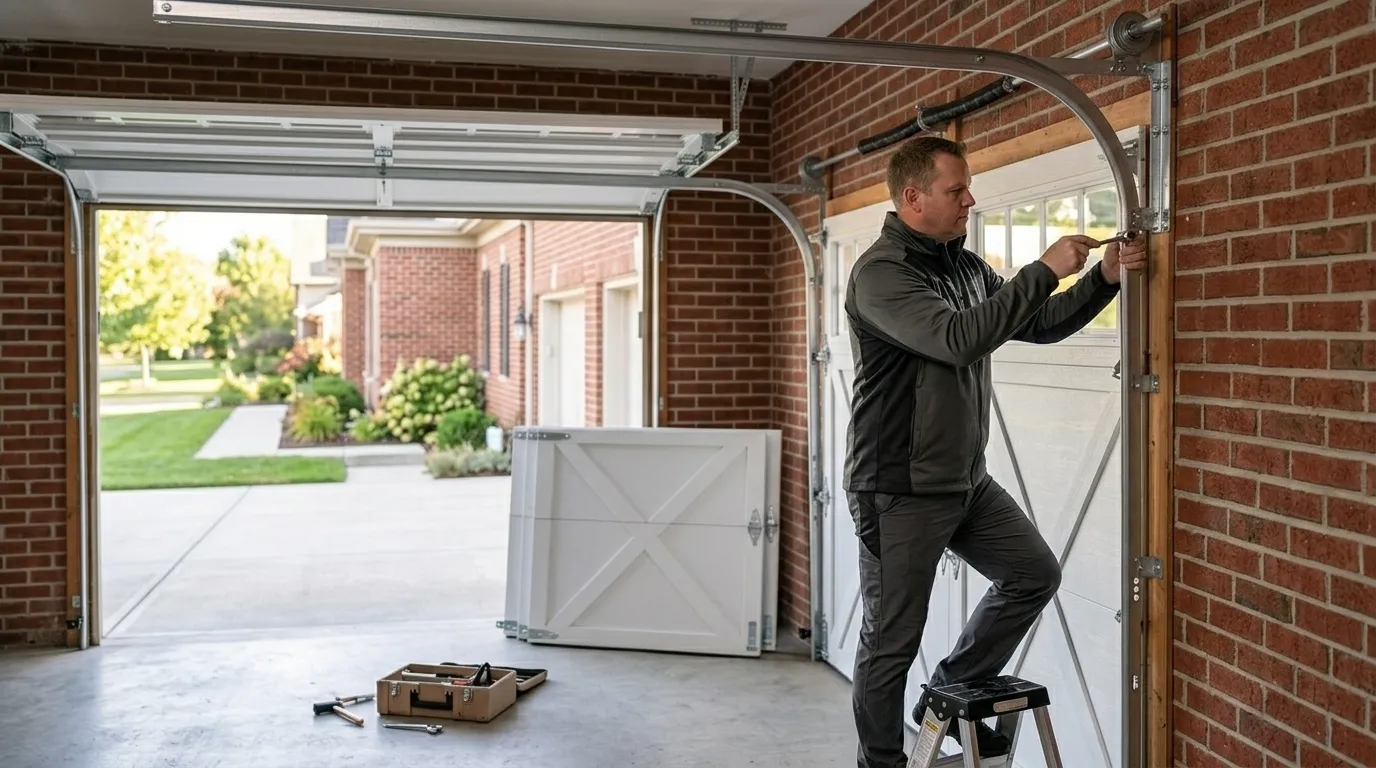
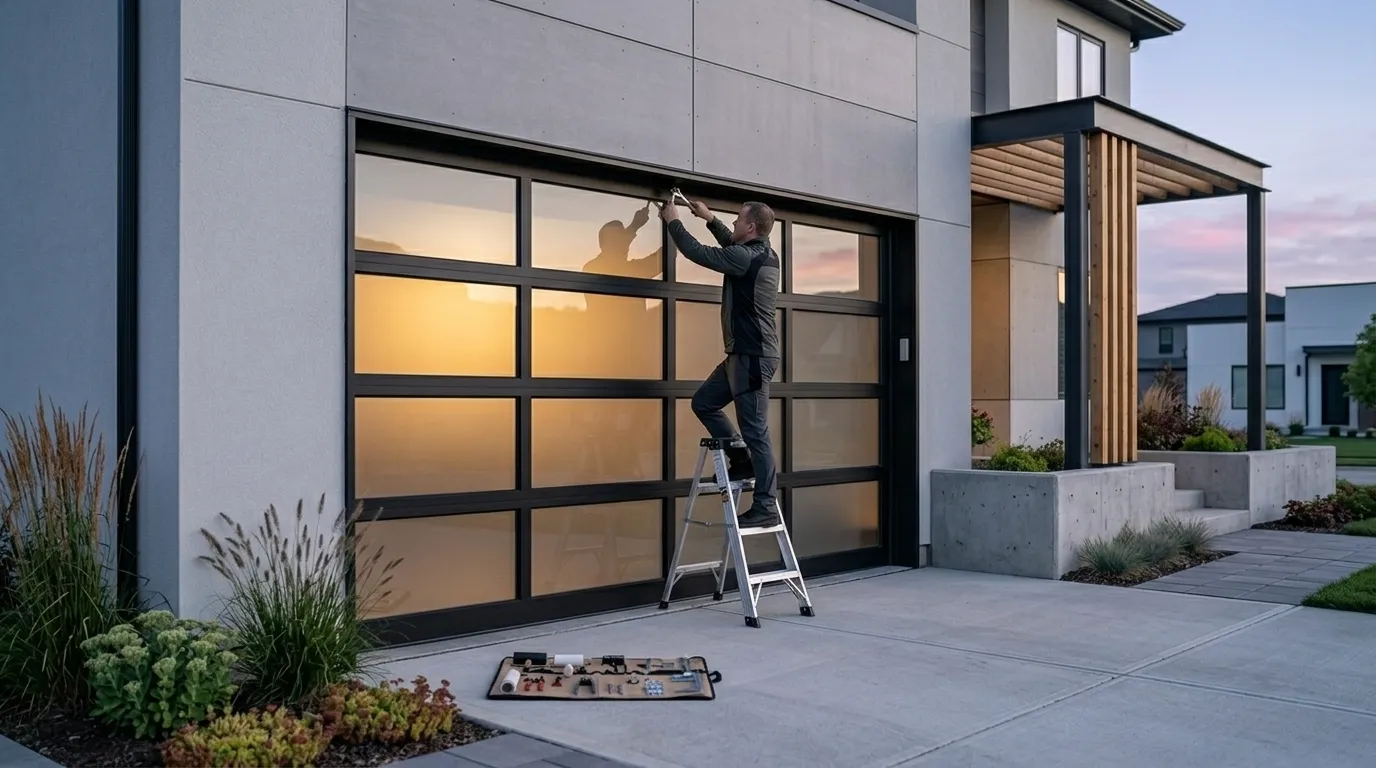
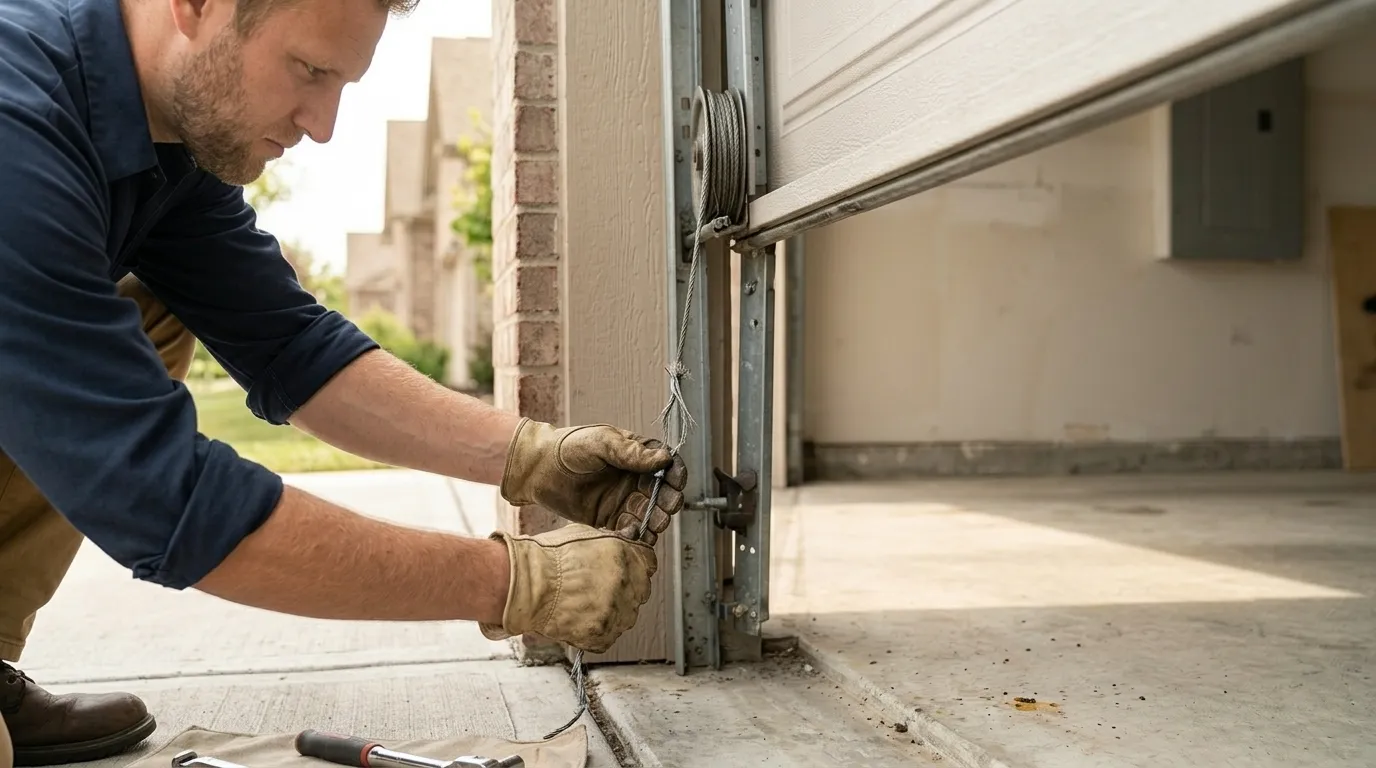
A broken torsion spring on a double door is not a weekend project, and DeSoto's housing stock makes that more true, not less. Most of these homes went up between 1973 and 2007, median around 1993, which means the doors are wide two-car openings running on torsion springs wound to hold real weight. Those springs store enough force to break a bone or worse if the winding bar slips. Extension spring setups on older builds are a little more forgiving to look at but still not something to loosen with a screwdriver and a ladder.
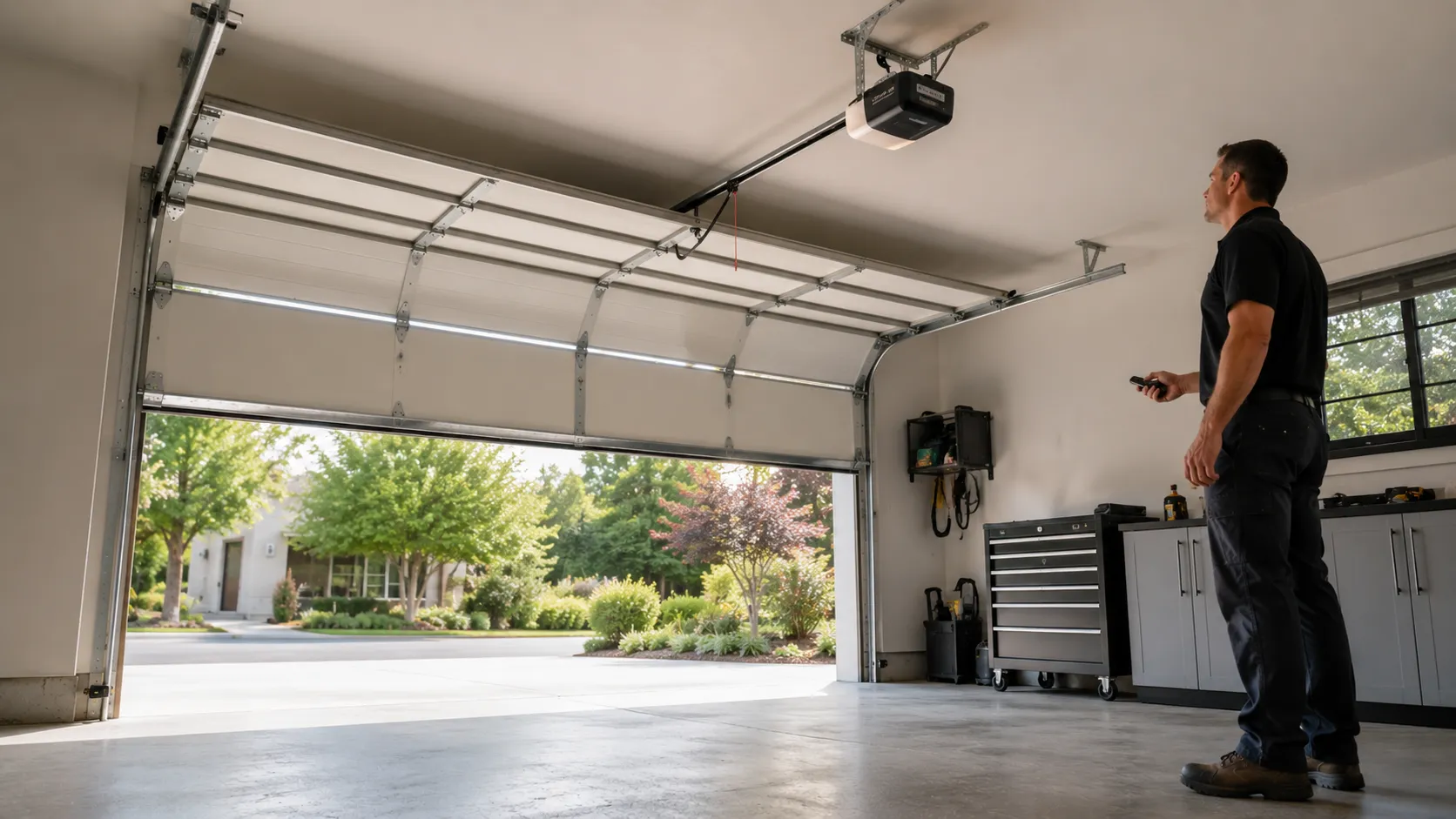
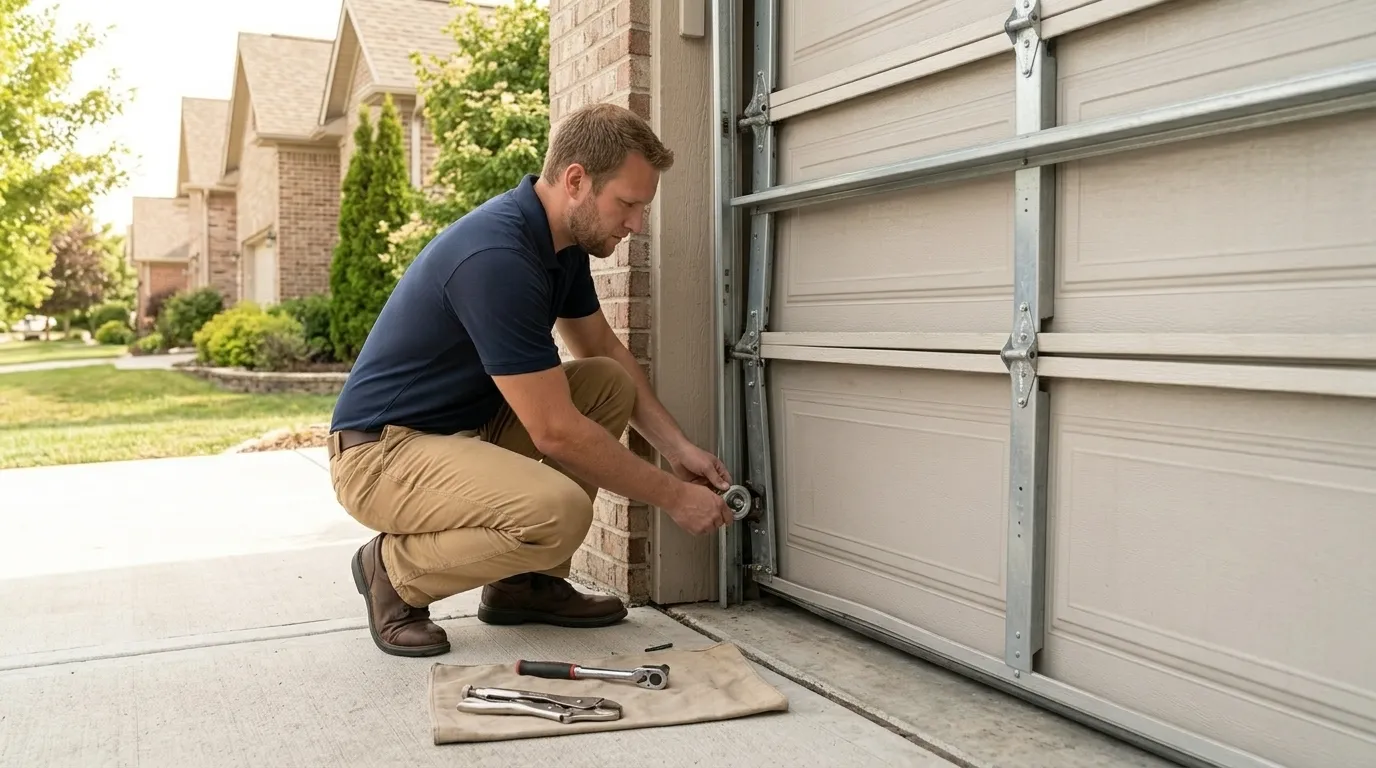
What you can do yourself: check the door balance by disconnecting the opener and lifting by hand - if it doesn't hold roughly waist height on its own, the spring is losing tension and it's time to call. You can also look at the spring coils for a visible gap or a stretched, dull-looking section. What you shouldn't do is unwind or cut anything under tension. We'll say it plainly: this is one job where DIY costs more than it saves, usually in an ER copay, not just a part.
What Causes It Around Here
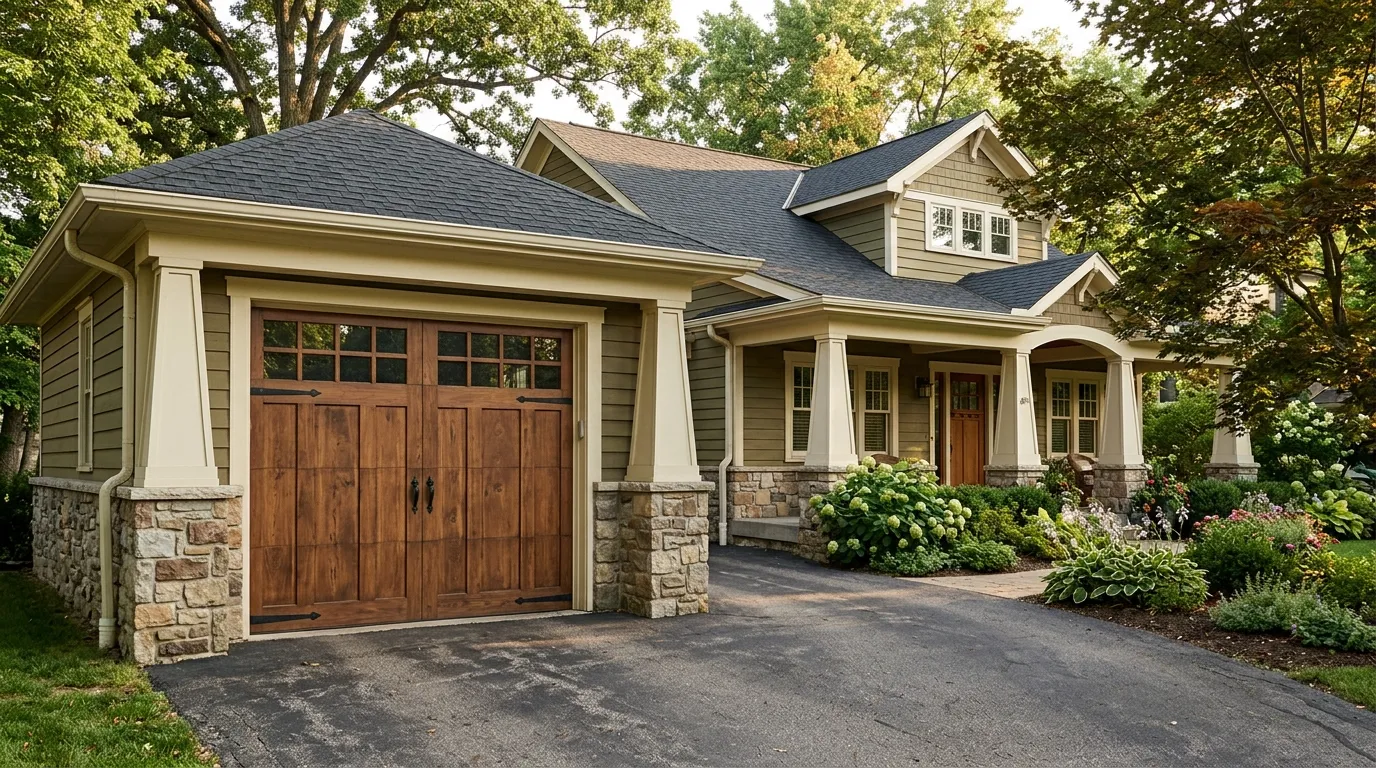
DeSoto's housing sits mostly in the 1973-2007 window, with a median year built around 1993. That era is almost entirely torsion-spring construction, wound steel coils mounted on a shaft above the door rather than the stretched side springs you'd find on an older 1960s build. Torsion springs are rated for a cycle count, and a spring installed when the house was new is well past its expected life by now on a lot of these streets.
The regional climate band here runs moderate heat, and that matters for a 25-to-40-year-old spring more than people expect. Heat cycles dry out the factory lubricant on the coils faster than cold does, and a dry spring works harder on every open and close until a coil finally gives. Combine that with the sheer number of doors installed in the same few-year window - DeSoto has roughly 20,975 households, a lot of them built to the same code year - and you get a town where springs tend to fail in the same age band, not randomly.
Parts We Carry
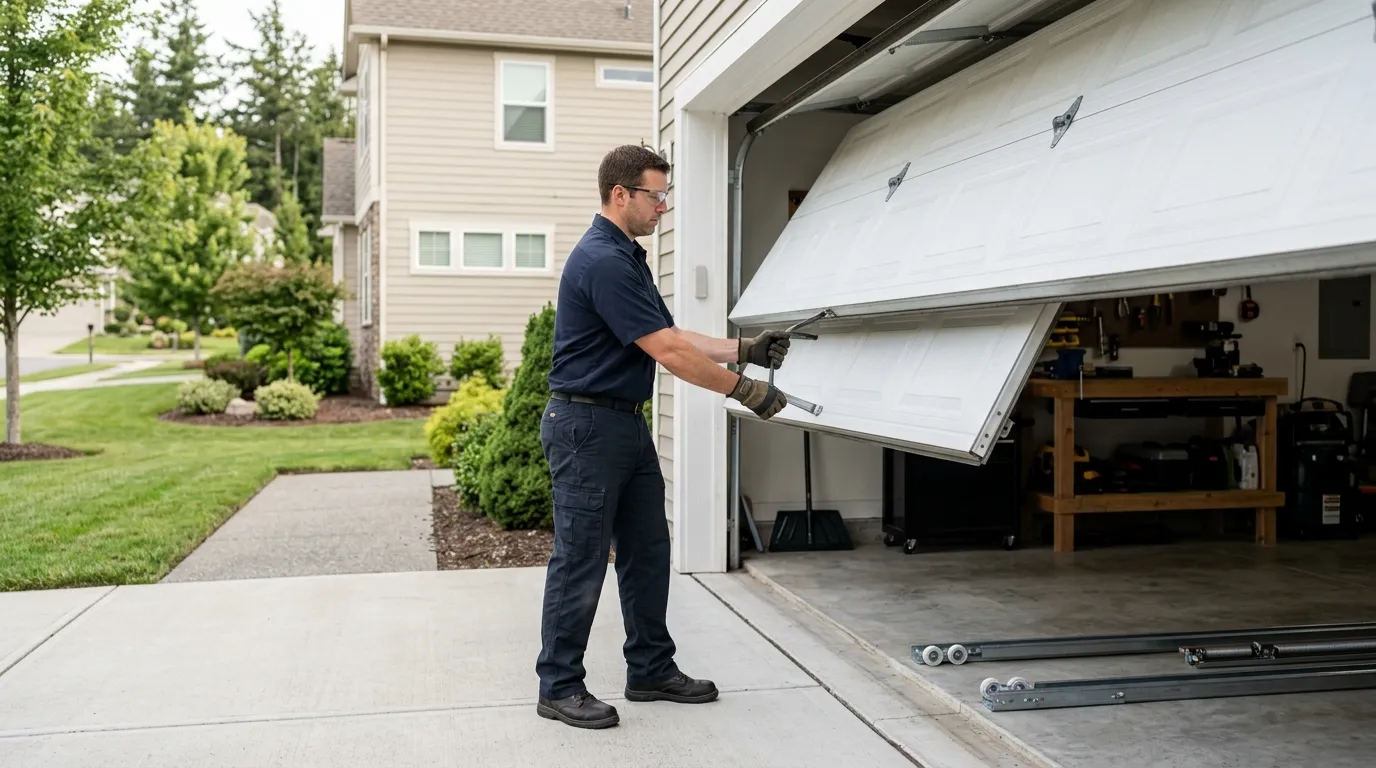
We stock the torsion spring sizes that match DeSoto's 1973-2007 housing window - the wire gauges and wind counts that cover the standard 7-foot and 8-foot double-door heights common to that build era, plus the shorter single-door sizes. We carry matched pairs, not singles, since replacing one spring and leaving its worn twin in place just moves the next failure a few months down the road.
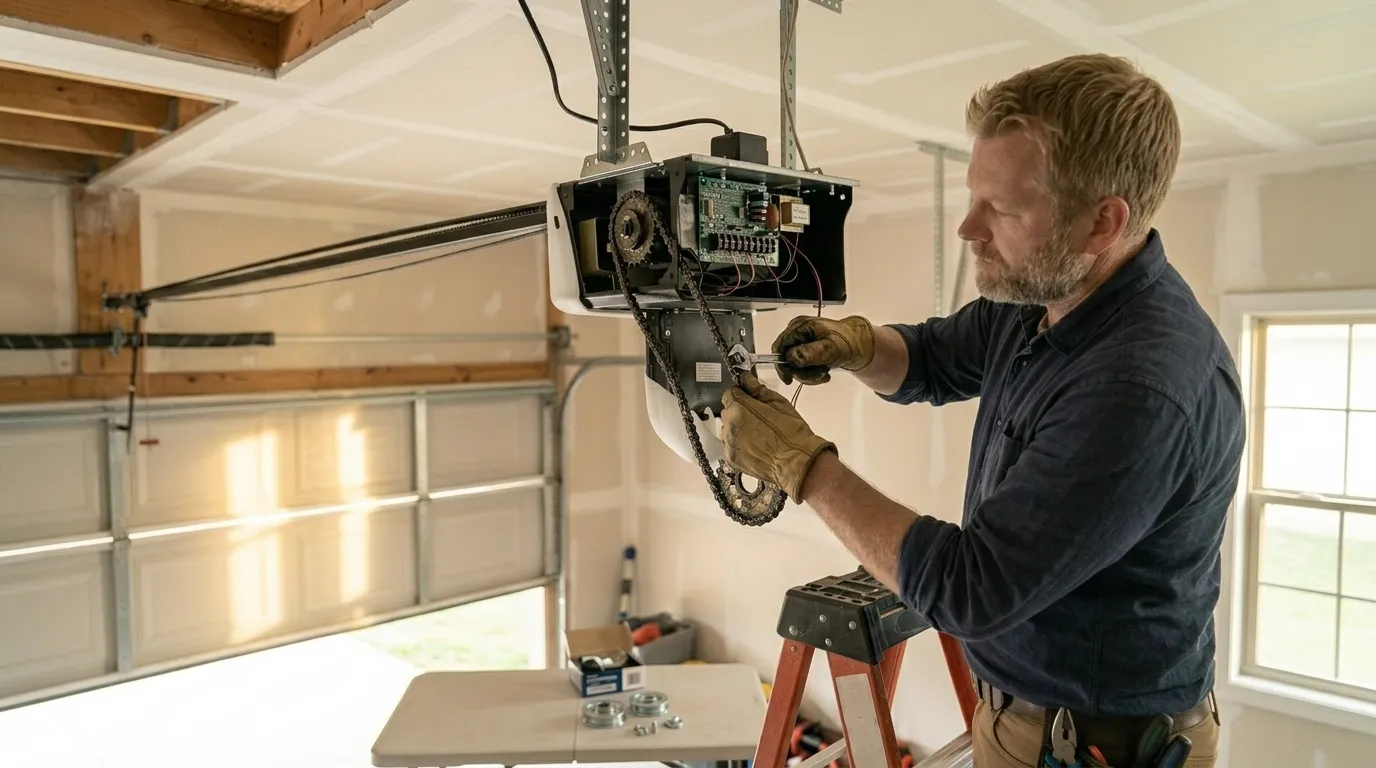
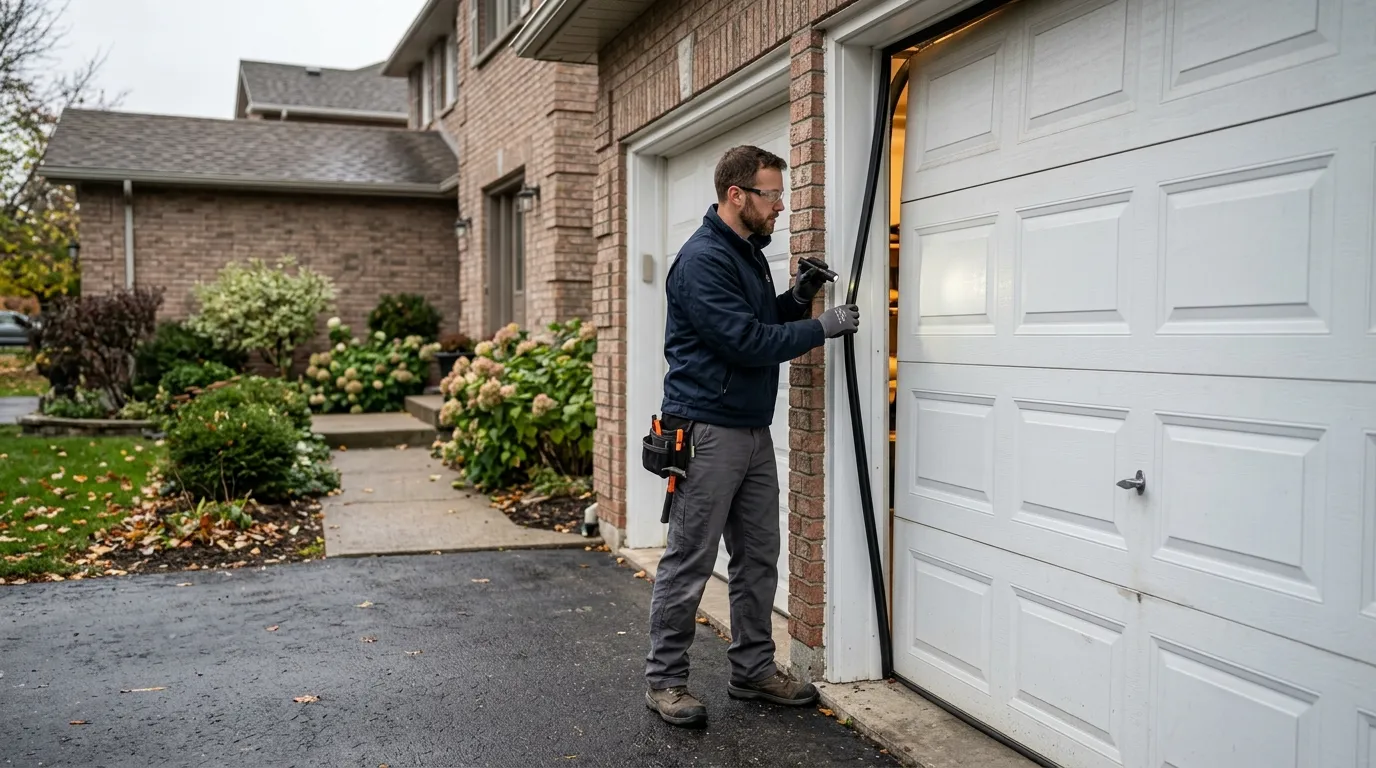
We also carry the standard safety cables, end bearing plates, and center bearings that tend to wear out alongside a spring of this age. What we don't keep on the truck is every extension-spring size from the older end of the build range - those jobs sometimes need a part ordered in, and we'll tell you that on the call rather than after we've shown up.
Time on the Job
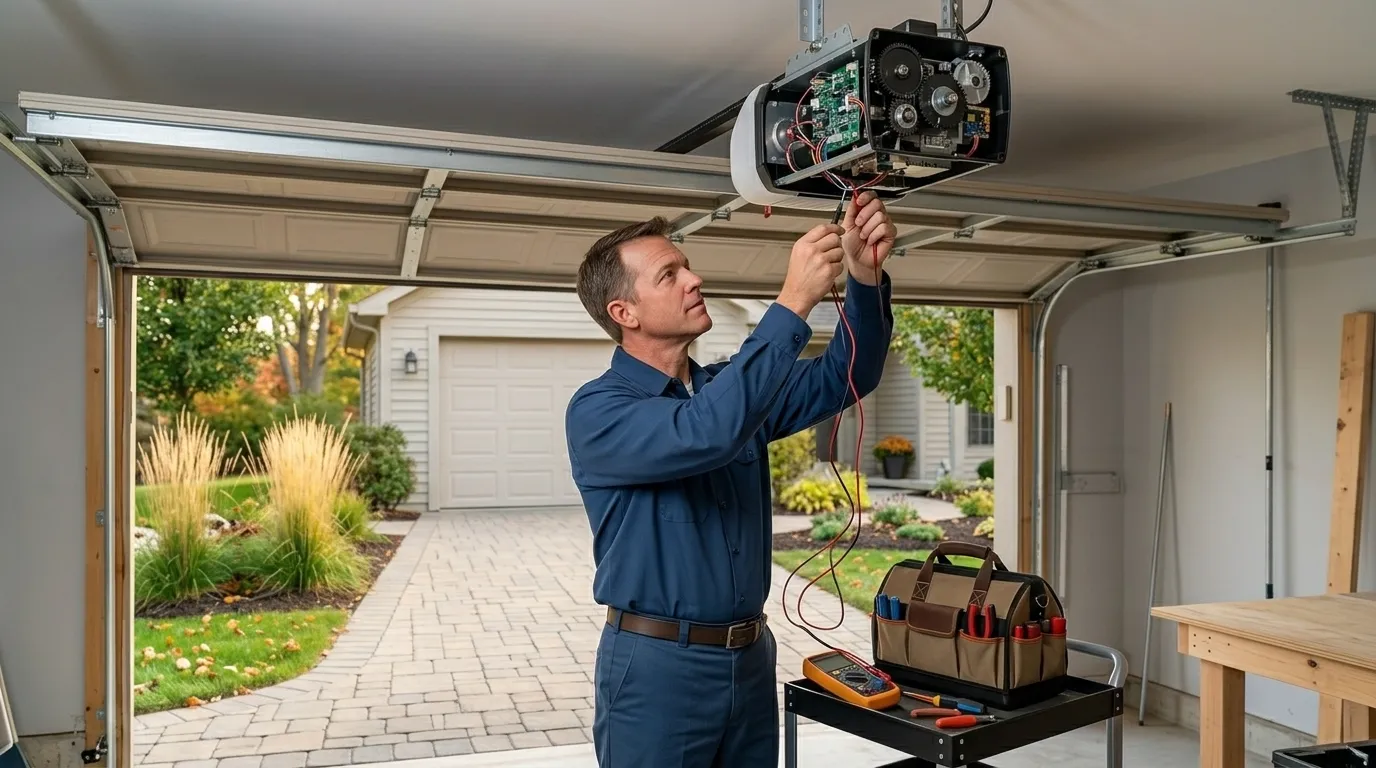
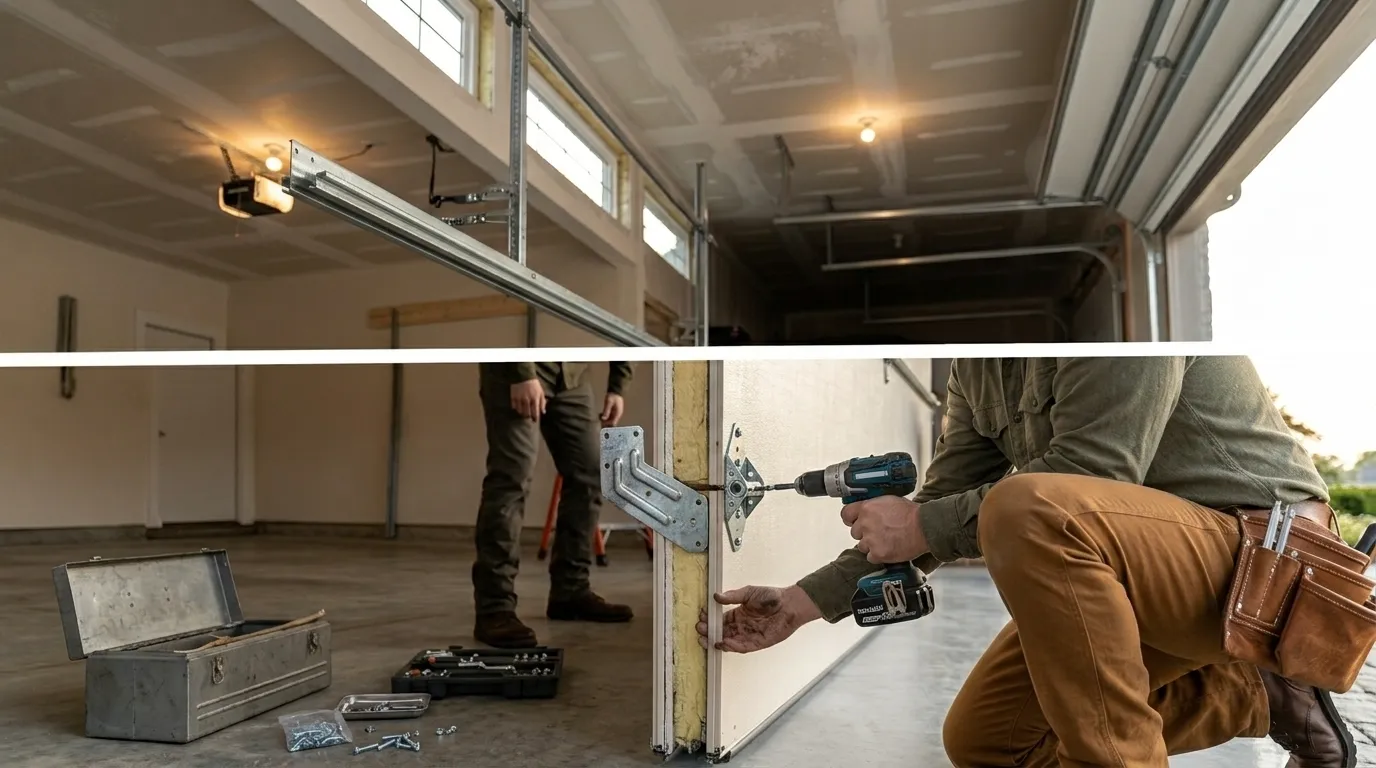
A straight torsion spring swap on a double door, once the truck is on site, usually runs under two hours door to door - remove, measure, wind the new pair, balance, test. If the bearing plate or drums need replacing too, add time for that. We don't quote a same-hour arrival window for DeSoto specifically; it's a 14-mile run from Dallas, so this is a scheduled trip, not a walk-up call, and we'll give you a window when you book rather than a promise we can't back up.
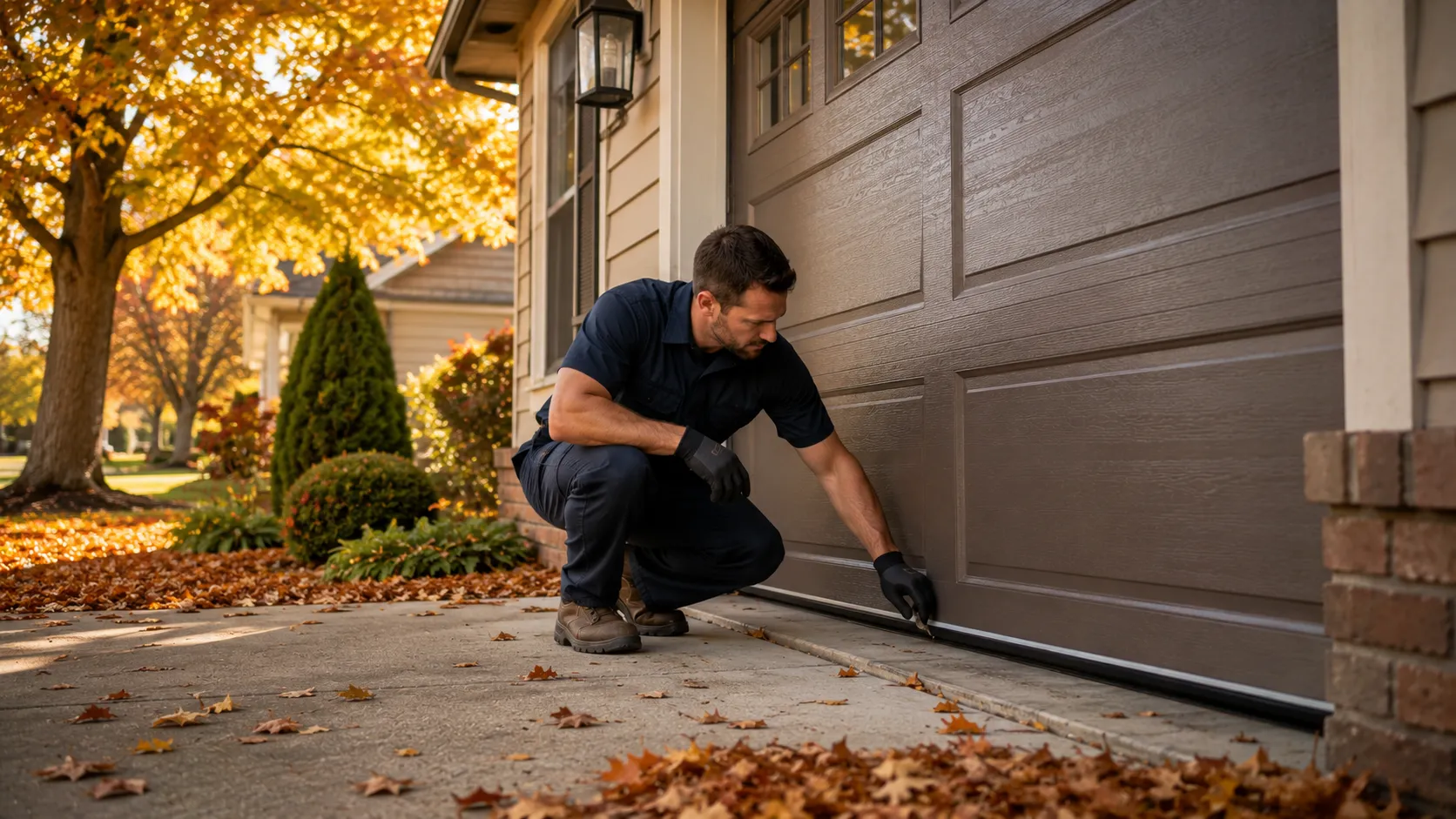
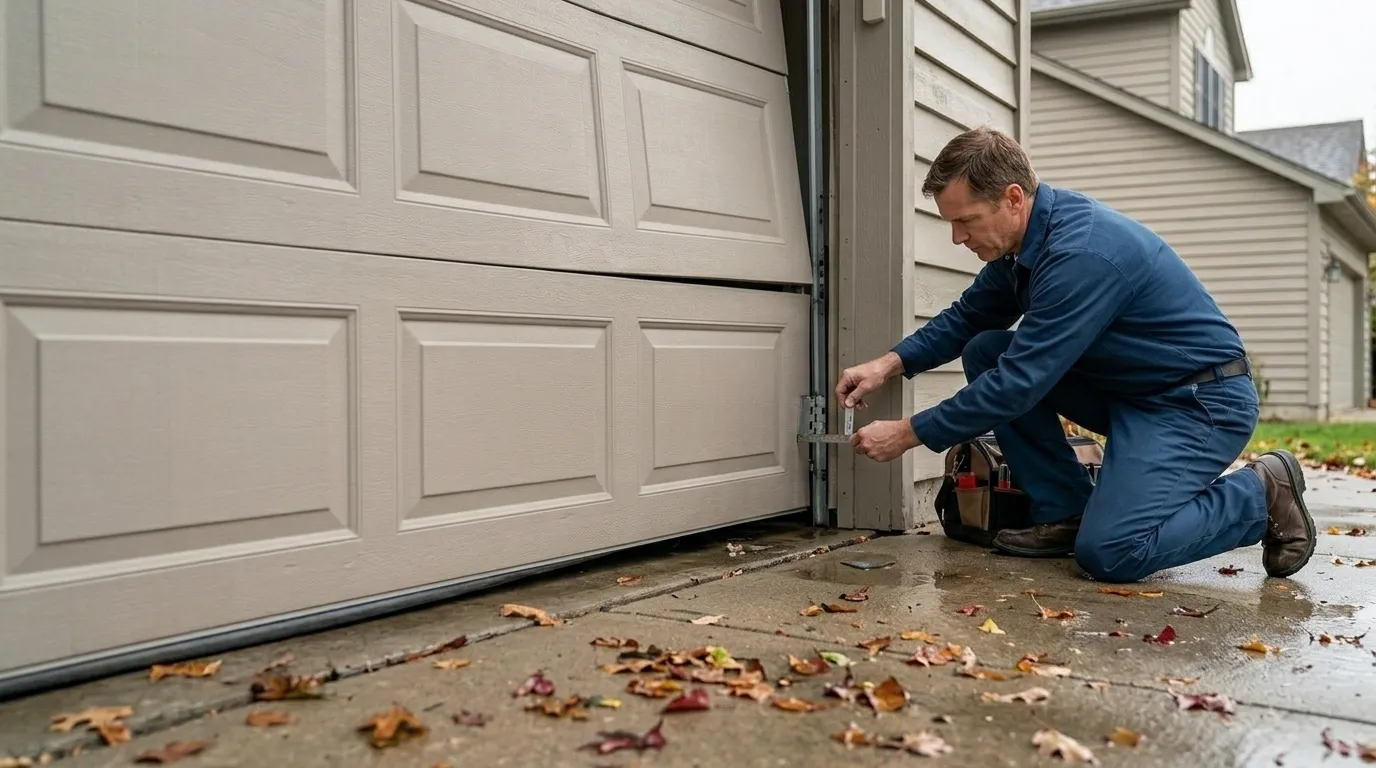
If we get to the door and find the track bent or the panel cracked along with the spring, we'll say so before starting rather than mid-job - sometimes the honest answer for an older door is that a new spring isn't worth it next to a full replacement, and we'd rather tell you that than sell you a repair on a door that's on its way out anyway.